


Zojila Tunnel: Asia’s Longest High-Altitude Road Link Burrowing Through Himalayan Fury
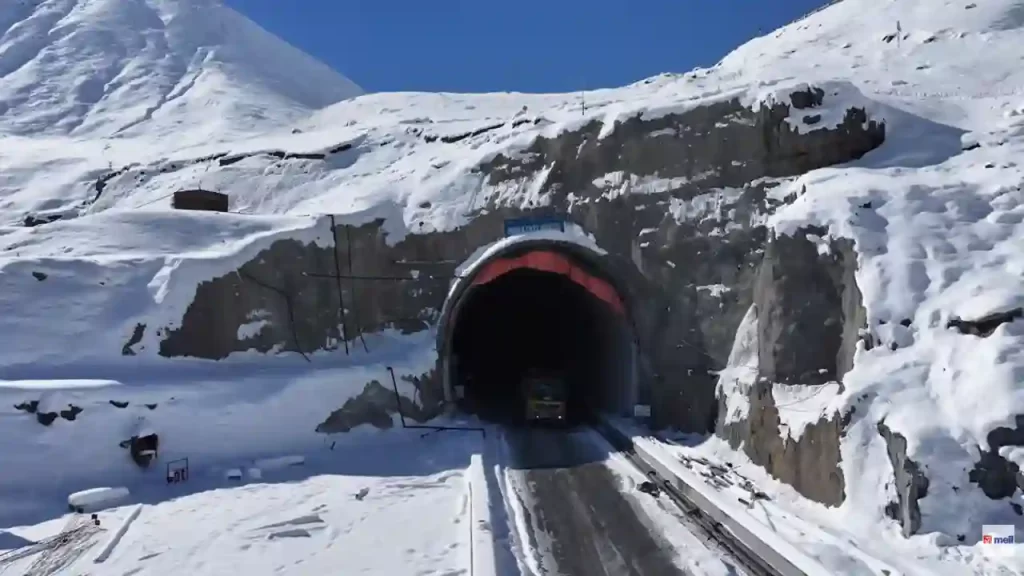
High in the snow-capped Himalayas, where blizzards rage and temperatures plunge to minus 25 degrees Celsius, workers are carving out one of India’s boldest engineering feats. The Zojila Tunnel, set to be Asia’s longest bidirectional highway tunnel at high altitude, promises to end Ladakh’s winter isolation forever. Stretching 13.15 kilometers under the notorious Zojila Pass, this horseshoe-shaped, single-tube, two-lane tunnel will connect Srinagar in Jammu & Kashmir to Drass in Ladakh’s Kargil district. As of April 2026, excavation stands at an impressive 90-95% complete, with just 1-1.25 kilometers left before the big breakthrough in April-May 2026. Led by Hyderabad’s Megha Engineering and Infrastructures Limited (MEIL), the Rs 6,809 crore project defies avalanches, rockfalls, and extreme cold to deliver year-round road access, a game-changer for civilians, soldiers, and the economy.The Perilous Zojila Pass: Why the Tunnel is a LifesaverZojila Pass sits at 11,578 feet (3,528 meters) on the Srinagar-Kargil-Leh highway – a narrow, twisting nightmare prone to heavy snow, landslides, and avalanches. For seven months each winter (October to April), it shuts down completely, stranding Ladakh. Army convoys crawl at 10-15 km/h; civilians face 3-4 hour ordeals over 40 km of ice. Fresh tragedies, like the March 2026 avalanche killing seven near Zero Point, highlight the urgency.The tunnel changes everything. Vehicles zip 13 km straight at safe speeds, slashing Srinagar-Leh travel by 3.5 hours (to about 11-12 hours total). No more seasonal blockades, apples, saffron, and tourists flow freely; troops rush heavy gear to borders with Pakistan and China. It’s strategic gold for India’s Line of Actual Control security.Drilling Through Hell: Progress Amid Sub-Zero BattlesWork kicked off in April 2021 after PM Modi laid the foundation in 2018. MEIL took over in 2020, beating initial Rs 12,000 crore estimates down to Rs 5,500-6,809 crore using smart tech. Divided into two parts:Part 1 (100% done): 17 km approach road from Sonamarg Tunnel to Zojila’s western portal – includes two mini-tunnels, seven avalanche shelters, snow galleries, and four bridges.Part 2 (Main Tunnel): 12 km excavated from both ends (Baltal in Kashmir, Minamarg in Ladakh). Concrete lining covers over 2 km already.Breakthrough ahead: Tunnellers meet mid-2026, then 8-10 fronts tackle finishing, safety gear. Full opening? February-May 2028, ahead of the old 2030 deadlines despite COVID, a 2024 militant attack, and brutal weather. 1,200 workers battle -18°C nights, snowdrifts, water ingress, and fragile geology using New Austrian Tunneling Method (NATM) – drill-blast-support cycles.Winter warrior mode: Heated camps with 24/7 power/hot water, on-site cabins, machine heaters. Recent snows (over a foot) didn’t stop them – teams clear paths round-the-clock.Engineering Marvel: Safe, Smart, and Storm-ProofSpain-designed with European/North American standards, the tunnel is not a basic bore:Specs: 7.57m high/wide, two lanes + 1.5m emergency walkway.Every 750m: 40m refuge bays for breakdowns.Tech wonders: SCADA smart system (CCTV, radio, UPS, ventilation); auto fire detection/suppression.Snow shield: 6 km of catch dams, blast walls, deflectors outside.Seismic savvy: Faces Zone V quakes, high winds; sensors monitor health.Union Minister Nitin Gadkari hailed it in Parliament: 70% done (earlier 2026 update), inviting Speaker Om Birla to see. Ladakh’s Chief Secretary reviewed in 2025: 12 km done, on the 2028 track.Boom for Ladakh: Tourism, Trade, and TroopsZojila Tunnel will transform Ladakh’s tourism from a short summer rush into a year-round magnet. Currently, Zojila Pass closes for 6-7 winter months due to blizzards, limiting visitors to June-September. The 13.15 km tunnel (Asia’s longest high-altitude bidirectional road tunnel) ensures all-weather access from Srinagar, slashing 40 km windy pass to 15-30 minutes smooth drive. Ladakh Lieutenant Governor Kavinder Gupta calls it a “dream project” for tourism boom.Year-Round Access Opens New SeasonsSnow blocks roads now, stranding tourists and locals. Tunnel means winter travel anytime:Winter Wonderland: Snow safaris, ice skating, frozen Pangong Lake views without risks.Shoulder Seasons (Oct-May): Off-peak hikes, photography – cheaper stays, fewer crowds.Travel time Srinagar-Leh drops 3.5 hours; Sonamarg-Minamarg from 4 hours to 40 minutes.This extends Ladakh’s tourist window, like Z-Morh Tunnel did for Sonamarg’s skiing.Easier, Safer Journeys Draw More VisitorsFrom India: Delhi-Leh road trip safer (no avalanches); buses/cars anytime.Adventure Boost: Bikers, SUVs access Nubra Valley, Tso Moriri easier.Pilgrims/Trekkers: Amarnath Yatra, Markha Valley treks less daunting.Fuel savings (shorter route) and comfort lure families, seniors, not just thrill-seekers.Economic Ripple: Jobs, Hotels, Local WinsVisitor Surge: Experts predict double tourists; Leh hotels full year-round.New Spots: Winter festivals, heli-skiing, cultural tours in Kargil/Drass.Local Gains: Homestays, guides, handicrafts boom; women-led enterprises grow.Leh businessman Farooq Misger: “More tourists will experience our beauty, boost economy.”Challenges Conquered, Finish Line in SightDelays? Yes, geology surprises, monsoons, terror hit. Cost savings? Rs 5,000+ crore via modern methods. MEIL’s CEO Harpal Singh: “Zero risk, maximum safety.” Workers’ grit shines, from engineers plotting blasts to laborers in snow gear.As drills echo under Zojila, Ladakh’s winter woes fade. This tunnel isn’t just concrete, it’s a lifeline, linking valleys to the world. By 2028, drive to Leh in comfort, watch border hawks soar safely.
Anji Khad Bridge: India’s First Cable-Stayed Railway Marvel Connecting Kashmir to the Nation
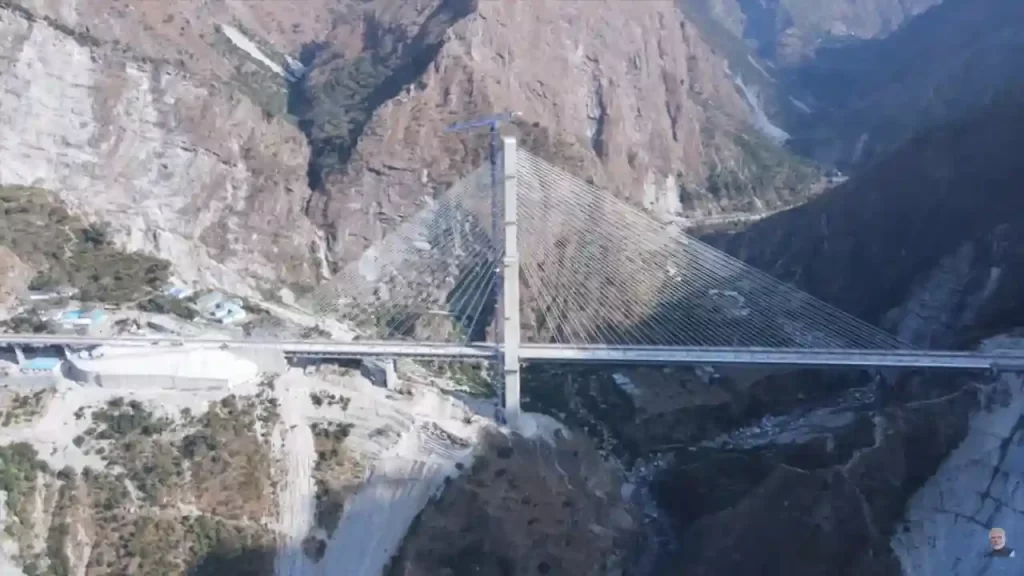
In the rugged hills of Jammu & Kashmir, where steep gorges and fierce winds challenge every builder, a stunning engineering wonder now stands tall. The Anji Khad Bridge is India’s very first cable-stayed railway bridge, a key piece of the massive Udhampur-Srinagar-Baramulla Rail Link (USBRL) project. This 272-kilometer all-weather rail line will finally connect the beautiful Kashmir Valley to the rest of India, ending decades of isolation. Prime Minister Narendra Modi inaugurated it on June 6, 2025, alongside the world’s highest rail bridge over the Chenab River. These bridges mark a historic moment, turning tough Himalayan dreams into reality and opening doors for faster travel, trade, and tourism.Where It Stands and What It ConnectsThe Anji Khad Bridge stretches gracefully across the Anji River, a sparkling tributary of the mighty Chenab, in Reasi district of Jammu & Kashmir. It links the pilgrimage town of Katra (base for the Vaishno Devi temple) to Reasi, about 80 kilometers from Jammu city. This spot sits in the young, shaky folds of the Himalayas – a place with deep gorges, near-vertical walls, earthquakes, and winds gusting up to 213 km/h (almost cyclone strength). Before this bridge, trains had to take long, winding detours. Now, passengers zoom through safely, cutting travel time and costs.Part of the USBRL mega-project, which includes 943 bridges and 36 tunnels, the bridge ensures year-round connectivity. No more snow-blocked roads or floods, trains will run smoothly, carrying people, goods, and hope to Srinagar and beyond.A First in India: Cable-Stayed Design Explained SimplyCable-stayed bridges are like giant clotheslines holding up a road or rail deck. Strong cables stretch from tall pylons (towers) directly to the bridge floor, making them perfect for long spans over deep valleys. Unlike suspension bridges (like Howrah), these are simpler, cheaper, and quicker to build in tough spots.The Anji Khad Bridge shines with these standout features:Total length: 725 meters (about 2,380 feet), with a 473-meter cable-stayed section.Height: 331 meters (1,086 feet) above the riverbed – taller than many skyscrapers.Main pylon: Inverted Y-shape, rising 193-196 meters (633 feet) from foundation – one of the tallest of its kind.Cables: 96 high-tensile cables of different lengths, using 653 kilometers of strands total. They create an asymmetrical design for stability.Deck width: Supports double rail tracks, plus a 12.3-foot service road and 5-foot footpaths on both sides.Train speed: Safe for 100 km/h services like Vande Bharat.Built with 8,200 metric tonnes of steel, it took just 11 months for the main structure. Italian firm Italferr (FS Group) handled design and supervision, their $70 million project won the 2024 ENR Global Best Projects Award for excellence, innovation, and safety.Built for Battle: Surviving the Himalayas’ FuryThe Himalayas don’t play nice. Steep slopes, loose rocks, quakes (Zone V), and howling winds tested every bolt. Engineers used:Seismic-proof tech: Flexible joints absorb shocks.Wind tunnels: Tested for 213 km/h gusts.Sensors everywhere: Integrated health monitoring tracks stress, vibrations, and cracks in real-time.Special concrete: Resists extreme cold (-20°C) and heat.One clever trick? Asymmetrical layout let most work happen from one side, avoiding unstable slopes. Construction used cranes, helicopters for cables, and precision tech, all without harming the fragile ecology.Part of USBRL: Kashmir’s Rail LifelineThe USBRL (started 2002, cost Rs 40,000+ crore) drills through mountains to link Udhampur (on Jammu-Del train line) to Baramulla near Srinagar. Highlights:Chenab Bridge: World’s highest rail arch (359m/1,178 ft), inaugurated same day.Tunnels: 119 km total, including the longest at 12.7 km.Benefits: Srinagar is 3.5 hours from Delhi; apples, saffron to markets fast; jobs, tourism boom.PM Modi flagged Vande Bharat trains from Katra to Srinagar, zipping tourists to Vaishno Devi and Kashmir’s valleys.Global Praise and Real ImpactThe bridge isn’t just Indian pride, it’s world-class. ENR Award beat 120 entries for bridging tough terrain sustainably. Italferr calls it “unprecedented” for India. Locals cheer: Faster pilgrimages, cheaper goods, and army supplies secure.Challenges? Monsoon floods, landslides delayed it years. But grit won, now trains roll where eagles soar.
India’s Women’s Reservation Bill: A 30-Year Journey from Parliament’s Margins to Its Centre

IntroductionFew pieces of legislation in India’s post-independence history have travelled as far, fallen as many times, and returned as persistently as the Women’s Reservation Bill. First introduced in Parliament in 1996, the bill seeking to reserve one-third of seats in India’s legislature for women spent nearly three decades being introduced, disrupted, shelved, lapsed, revived, and deferred — a legislative saga that became as much about India’s political fault lines as it was about gender equality.In September 2023, the bill finally crossed its highest hurdle when it was passed by both houses of Parliament and signed into law by President Droupadi Murmu, becoming the Constitution (One Hundred and Sixth Amendment) Act, 2023, officially named the Nari Shakti Vandan Adhiniyam. But the story did not end there. The Act came with a critical condition: the reservation would only take effect after a fresh national census and the subsequent delimitation of constituencies. That condition sparked a fresh chapter of political conflict, and in April 2026, a government attempt to accelerate implementation was defeated in the Lok Sabha, pushing the effective realisation of women’s reservation into a future that remains uncertain.What follows is the full account of this bill’s journey — its origins, its repeated failures, its historic passage in 2023, and where things stand today.The Pre-Legislative History: Why the Demand AroseIndia’s Constitution, adopted in 1950, guarantees universal adult franchise and prohibits discrimination on the basis of sex. Yet from the very first general election, women remained dramatically underrepresented in Parliament and state legislatures. The question of reserving seats for women was actually debated in the Constituent Assembly as early as 1946, but members, including prominent women leaders like Hansa Mehta, argued against it. Their position rested on the belief that universal franchise would, over time, correct historical imbalances on its own.Fifty years later, that belief had only been partially realised. By the mid-1990s, women constituted barely 6.5 percent of Lok Sabha membership. The state assemblies fared no better, with many registering single-digit female representation for decades.Meanwhile, India had taken decisive steps in the other direction at the local governance level. In 1992, Prime Minister P. V. Narasimha Rao’s government passed the 73rd and 74th Constitutional Amendment Acts, which mandated 33.3 percent reservation for women in Panchayati Raj Institutions. The results were transformative. Women went on to constitute over 46 percent of elected representatives at the grassroots level, totalling more than 1.4 million women in elected local governance roles across India.The Panchayati Raj experiment demonstrated what reservation could achieve at scale. It also strengthened the argument that structural barriers, not a lack of capable women, explained the gap between the grassroots and Parliament.Seven Attempts: The Legislative History from 1996 to 2026First Attempt: 1996The first formal bill was introduced on September 12, 1996, as the Constitution (81st Amendment) Bill under the United Front government led by Prime Minister H. D. Deve Gowda. It was referred to a Joint Parliamentary Committee chaired by Communist Party of India leader Geeta Mukherjee, who reviewed the bill extensively, but no consensus emerged. The bill lapsed with the dissolution of the 11th Lok Sabha.Within minutes of its introduction, the bill ran into fierce opposition. Male MPs questioned whether reservation could produce “enough capable women.” OBC leaders from parties like the RJD and SP demanded a sub-quota for women from backward communities within the 33 percent — a demand that would become the bill’s recurring stumbling block for the next three decades.Second and Third Attempts: 1998 and 1999The second attempt was in 1998 under Atal Bihari Vajpayee’s NDA government, when then Law Minister M. Thambidurai introduced it. Opposition parties, especially the RJD and SP, strongly opposed it, demanding a quota within a quota for OBC reservation. The bill lapsed again when the 12th Lok Sabha was dissolved. The third attempt was in 1999 when the Vajpayee government tried again. Both times it failed to progress. The Vajpayee government required the support of Congress and other parties to secure the two-thirds majority required for a constitutional amendment, and that support was conditional or absent.Fourth and Fifth Attempts: 2002 and 2003Two more attempts during the Vajpayee era met the same fate. The pattern was now clear: no government had been able to build the two-thirds parliamentary consensus necessary for a constitutional amendment on this issue.The 2008 Bill and the 2010 Rajya Sabha PassageThe United Progressive Alliance government under Prime Minister Manmohan Singh introduced a revised version of the bill in the Rajya Sabha in 2008. The most significant legislative progress came in 2010, where the bill secured the mandated two-thirds majority in the Rajya Sabha with 186 votes in favour. In 2010, the bill’s passage in Parliament was derailed after Samajwadi Party and Rashtriya Janata Dal MPs tore documents amid loud protests. The then UPA government under Prime Minister Manmohan Singh was unable to pass the bill in the face of resistance from allies.Despite the Rajya Sabha approval, the UPA government never brought the bill to the Lok Sabha floor. It was repeatedly deferred, with the government citing a lack of consensus among coalition partners. When the 15th Lok Sabha was dissolved in 2014, the bill lapsed for the fifth time.The Nari Shakti Vandan Adhiniyam: How the 2023 Bill Was PassedA Special Session in the New Parliament BuildingOn September 18, 2023, the government called a special session of Parliament. The Constitution (One Hundred and Sixth Amendment) Act, popularly known as the Women’s Reservation Bill, 2023, was introduced in Lok Sabha on September 19, 2023 during the special session of Parliament. The bill was the first to be considered in the new Parliament building.The political backdrop was significant. The BJP-led NDA held a strong parliamentary majority on its own, making it the first time any government in Indian history had the independent parliamentary strength to push through a constitutional amendment of this kind without depending on opposition cooperation.The Lok Sabha Vote: September 20, 2023The Lok Sabha took up the bill for debate on September 20, 2023. The discussion saw broad cross-party support in
India’s Kalpakkam Nuclear Reactor Hits Major Milestone
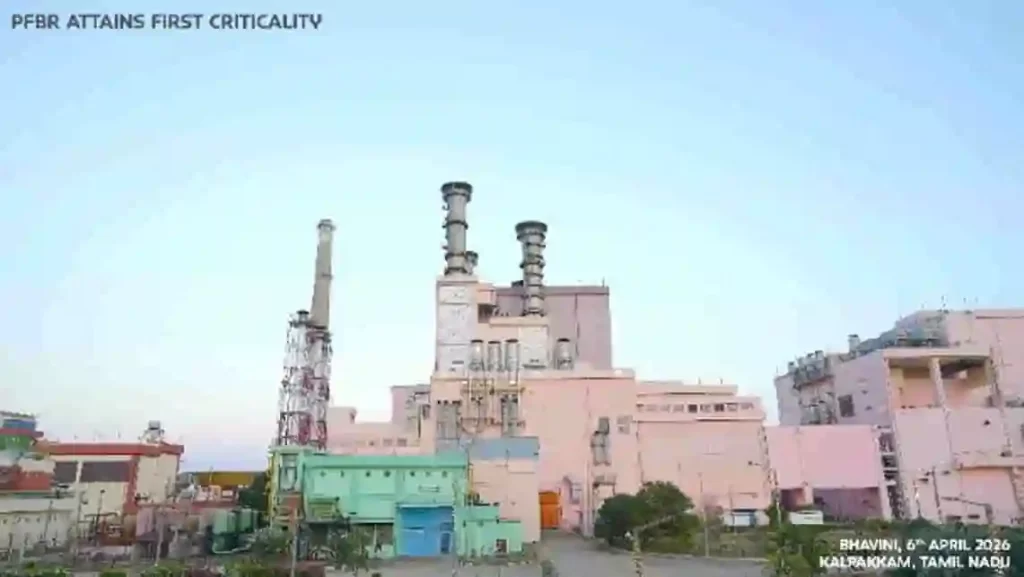
India has achieved a big success in its nuclear energy program. On April 6, 2026, the Prototype Fast Breeder Reactor at Kalpakkam in Tamil Nadu reached first criticality. This means the reactor started a steady nuclear chain reaction on its own. The 500 MWe reactor was fully designed and built in India by Bharatiya Nabhikiya Vidyut Nigam Limited at the Kalpakkam Nuclear Complex. Prime Minister Narendra Modi called it a defining step for India’s nuclear journey. This event moves India into the second stage of its three-stage nuclear power plan, first dreamed up by Dr. Homi Jehangir Bhabha.The success shows years of hard work by India’s scientists in the Department of Atomic Energy. When fully operational, India will be the only country, after Russia, to have a working commercial fast-breeder reactor. It helps India’s clean energy goals by giving steady power with low carbon. This brings the country closer to no net emissions by 2070.What is India’s Three-Stage Nuclear Plan?India has little uranium but lots of thorium. The plan uses a closed fuel cycle to make more fuel over time. Each step leads to the next for long-term power security.In Stage 1, Pressurised Heavy Water Reactors use natural uranium for power. Their waste makes plutonium for Stage 2.Stage 2 uses fast-breeder reactors such as the PFBR. These make more fuel than they use. The PFBR turns plutonium into power and breeds plutonium-239 from uranium-238. Later, it will use thorium to make uranium-233 for Stage 3.Stage 3 will use India’s thorium with uranium-233 for huge amounts of clean energy. This smart plan makes India a leader in nuclear strategy.How the PFBR Works SimplyThe PFBR comes from research at the Indira Gandhi Centre for Atomic Research. It uses mixed uranium-plutonium fuel from old reactor waste. A blanket around the core turns uranium-238 into new plutonium-239 with fast neutrons. This means it breeds extra fuel.It is sodium-cooled and sits next to the Madras power station. Construction started in 2004, and fuel went in during 2024. Waste fuel gets reused, cutting trash. It links Stage 1 to thorium in Stage 3.India’s Nuclear Power TodayIndia has 8.78 GW of nuclear power now. In 2024-25, plants made 56,681 million units of electricity, about 3% of total power. There are 21 working plants and eight buildings.Plans add 18 reactors by 2031-32 to reach 22.38 GW. India has deals with 18 countries for peaceful nuclear workBig Future PlansThe 2025-26 budget starts the Nuclear Energy Mission for 100 GW by 2047. It gives Rs 20,000 crore for small modular reactors. Five home-made ones will run by 2033.BARC builds new designs like the 200 MWe BSMR-200 and others for power and hydrogen. The SHANTI Act of 2025 updates rules and lets some private help under watch.This path mixes money, new laws, and home tech for a strong nuclear future. The PFBR opens doors to thorium power, and less uranium is needed. It creates jobs and cuts coal use for India’s growth.
Amaravati: Andhra Pradesh’s New Capital City Finally Coming to Life After Years of Drama
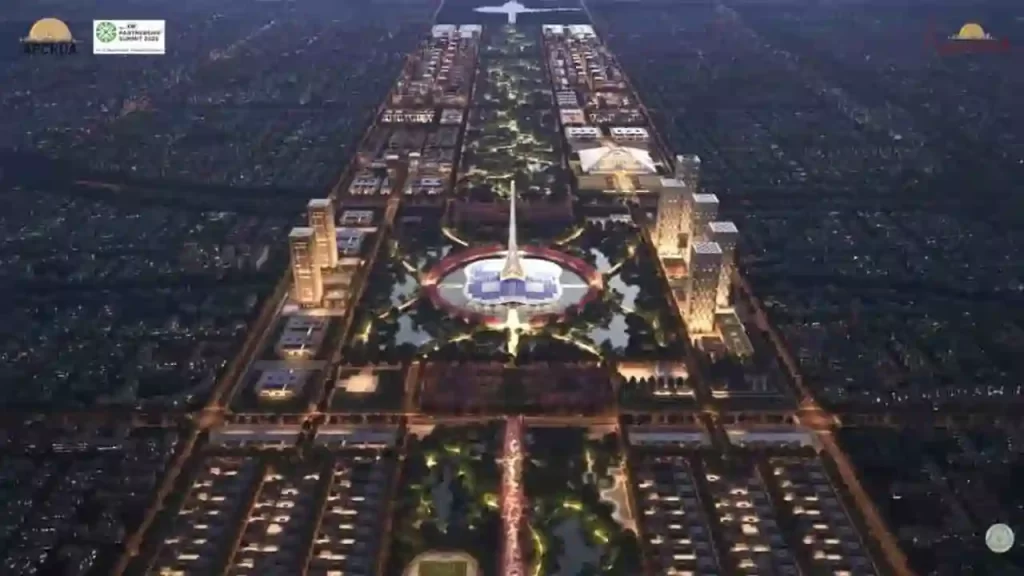
Imagine building a brand-new capital city from scratch – a modern wonder along a mighty river, designed by global experts, powered by green energy, and home to millions. That’s the dream of Amaravati, Andhra Pradesh’s greenfield capital project led by Chief Minister N. Chandrababu Naidu. Once stalled for five long years, this ambitious “people’s capital” or Praja Rajadhani is now buzzing with activity. As of April 2026, projects worth Rs 57,821 crore are underway, with Rs 50,943 crore already grounded. Prime Minister Narendra Modi laid the foundation stone recently, and Naidu promises that Phase 1 will be ready in months. After a decade of twists, turns, protests, and court battles, Amaravati is rising again on the Krishna River banks, ready to be India’s most sustainable city.A Dream Born in 2014: From Bifurcation Blues to Bold VisionAndhra Pradesh lost Hyderabad as its capital after the 2014 bifurcation with Telangana. The state needed a fresh start. Naidu, then Chief Minister, picked Amaravati, a 2,300-year-old site in Guntur district with deep history. Ancient Satavahanas ruled here around 225 BCE, and Emperor Ashoka’s Buddhist stupa (Amaravati Mahachaitya) still whispers of Gautama Buddha’s visits. In the 18th century, zamindar Raja Vasireddy Venkatadri Naidu revived it as a thriving town, building palaces amid fertile Krishna delta lands.Why here? Perfect spot, central, near Vijayawada and Guntur, with great roads, rails, and river views. Naidu announced it on October 22, 2015, with Modi’s foundation stone. The name “Amaravati” means “abode of immortals,” linked to the Amareswara Shiva temple. Singapore’s experts (like Foster + Partners) crafted the masterplan: 217 square km of nine themed sub-cities, Government, Justice, Knowledge, Finance, Health, Sports, Culture, Tourism, and Electronics. At the heart? A green spine like New York’s Central Park, with the Assembly as a 250-meter lily-shaped tower.The Land Pooling Magic: Farmers as True PartnersNo forced takeovers, that’s Naidu’s genius Land Pooling Scheme (LPS) from 2015. Over 27,000 farmers voluntarily gave 33,000 acres. In return:Wet land owners: 1,000 sq yd residential + 450 sq yd commercial plots per acre, plus Rs 50,000/year annuity (rising 10% yearly for 10 years).Dry land owners: 250 sq yd commercial plots per acre + Rs 30,000/year annuity.Landless farmers: Rs 2,500/month pension for 10 years.The Andhra Pradesh Capital Region Development Authority (APCRDA) manages it. Bhoomi puja happened in June 2015; the secretariat and assembly moved to temporary sites by 2017. The Big Halt: Politics, Protests, and a Three-Capitals Twist (2019-2024)Joy turned to pain in 2019. YSR Congress’s Jagan Mohan Reddy won, suspended annuities for 2,903 farmers, canceled pensions for 4,422 families, and ditched LPS for 33,000 acres. He pushed a “three capitals” plan: Amaravati (legislative), Visakhapatnam (executive), Kurnool (judicial). World Bank and AIIB pulled $1 billion in funding. Farmers protested 1,630 days straight, facing lathi charges. The High Court ruled in 2022: Amaravati stays the sole capital. Reddy withdrew the bill in 2021 amid legal heat.The five-year freeze? Cost overruns of 40-45%, roads up 25-28%, buildings 35-55%. The original Rs 51,000 crore budget swelled to Rs 64,910 crore. Infrastructure rusted; investors fled.Revival Under Naidu 2.0: Money Flows, Work Speeds Up (2024-Now)Naidu’s TDP won big in June 2024. He restarted annuities, pensions, and bank loans for plots. Farmers invited to events, Naidu calls them “heroes.” Parliament passed the Andhra Pradesh Reorganisation (Amendment) Bill 2026 on April 1, making Amaravati the permanent sole capital.Funding floodgates opened:World Bank: $800M (first $205M in March 2025) for urban infra, jobs, flood-proofing.ADB: $788.8M loan + $3.64B commitment (2025-2029) via Results-Based Lending.HUDCO: Rs 11,000 crore loan.Centre: Rs 4,200 crore released; state budget Rs 15,000 crore (2024-25), Rs 6,000 crore (2026-27).Land monetization for more cash. A World-Class Green Dream City: What’s PlannedAmaravati won’t just be offices, a smart, carbon-neutral hub for 3.5 million people and 1.5 million jobs by 2050:Renewable power: 2,700 MW from solar, wind, hydro – world’s first 100% green capital. Rooftop solar is mandatory.Transport: Metro, e-buses, EV stations, cycle paths.Tech: Smart grids, IoT traffic, flood drains.Layout: 13 plazas for districts; themed hubs like Knowledge City (universities) and Finance City (banks).Inspired by Amsterdam (canals), Singapore (gardens), and Tokyo (efficiency).Naidu: “Rome wasn’t built in a day, but Amaravati will be India’s growth engine.” Economic survey 2025-26 calls it AP’s powerhouse.Main Features of Amaravati’s Master Plan It is an ambitious blueprint for a world-class, sustainable capital city in Andhra Pradesh. Designed by global experts like Singapore’s Housing and Development Board (HDB) and Foster + Partners, it transforms 217 square kilometers along the Krishna River into a “people’s capital” called Praja Rajadhani. The plan focuses on green living, smart technology, and economic growth for 3.5 million people by 2050. Here are the main features, explained simply.1. Nine Themed Sub-Cities for Balanced GrowthThe city is divided into nine specialized zones, each with a clear purpose:Government City: Core hub with assembly, high court, and offices.Justice City: Courts, legal institutions, and related services.Knowledge City: Universities, research centers, and schools.Finance City: Banks, stock exchanges, and business towers.Health City: Hospitals, medical research, and wellness centers.Sports City: Stadiums, training facilities, and parks.Culture and Tourism City: Museums, heritage sites, and hotels.Electronics and IT City: Tech parks and innovation hubs.Recreational and Residential Zones: Homes, shopping, and leisure areas.These clusters group jobs and homes smartly, cutting travel time and boosting efficiency.2. Central Green Spine: The City’s LungsA massive green spine runs north-south through the heart, like New York’s Central Park or Lutyens’ Delhi. This 5.5 km long, 1 km wide corridor includes:Parks, lakes, and gardens covering at least 60% greenery or water.Walking paths, cycle tracks, and shaded streets.Waterfront development along the Krishna River with promenades and water taxis.It cools the city naturally and hosts events.3. Iconic Architecture and Urban GridGovernment Complex: Star attraction with a 250-meter lily-shaped Assembly tower (inverted lotus symbolizing democracy). High Court and secretariats nearby.13 Urban Plazas: One for each of Andhra’s districts, public squares for markets and festivals.Grid road network: Wide avenues (up to 60 meters), underground utilities (no messy wires), and elevated expressways.Mixed-use neighborhoods blend homes, shops, and offices. 4. 100% Green Energy and SustainabilityAmaravati aims to be the world’s first fully renewable-powered capital:2,700 MW clean power
French President Macron’s India Visit Strengthens Tech and Defense Ties
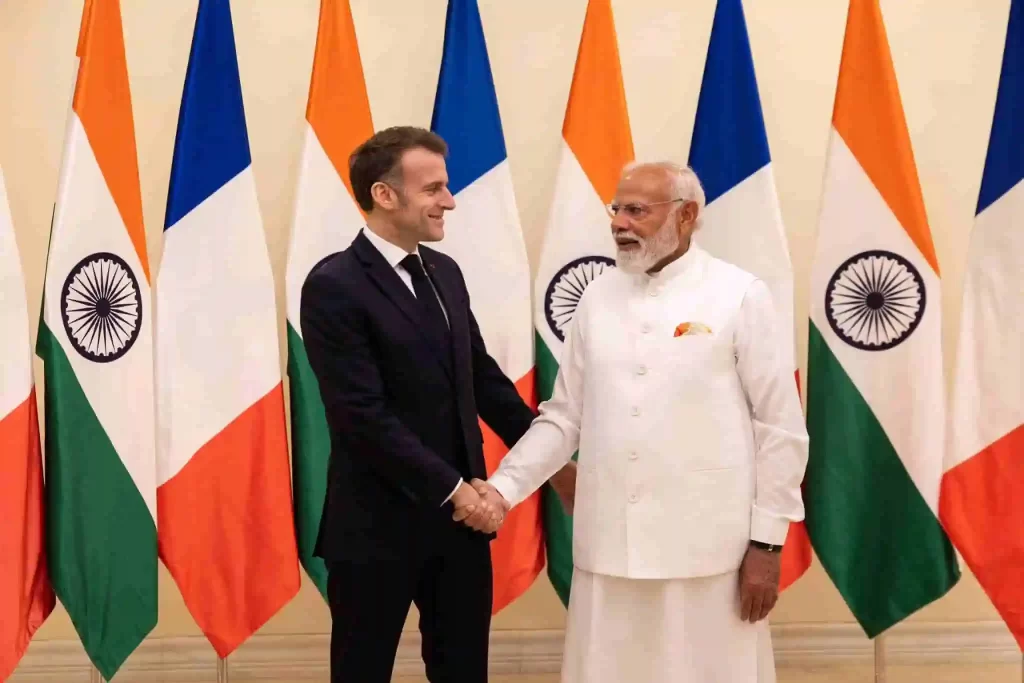
French President Emmanuel Macron and his wife, Brigitte Macron, completed a successful three-day official visit to India from February 17 to 19, 2026. This marked President Macron’s fourth trip to India since 2017 and built on the strong friendship between the two nations. The visit highlighted shared goals in technology, defense, and innovation. It followed Prime Minister Narendra Modi’s trip to France in February 2025 and came one year after the AI Action Summit in Paris. Both leaders focused on the Horizon 2047 Roadmap, a plan set in 2023 to guide ties until India’s 100th Independence anniversary.Mumbai Welcomes Leaders with Tribute and Cultural LaunchThe visit kicked off in Mumbai, India’s bustling financial hub, on February 17. President Macron and Mrs. Macron first paid heartfelt tribute to the victims of the 2008 terrorist attacks at the iconic Taj Mahal Palace hotel. This emotional moment honored those lost in the tragic events and underscored the shared commitment to fight terrorism. Later that morning, they joined a special lunch focused on the film industry. Indian and French cultural figures, filmmakers, and Bollywood stars gathered to celebrate creative exchanges between the two countries.In the afternoon, President Macron met Prime Minister Modi for in-depth bilateral talks at the Residence of the Governor of Maharashtra in Lok Bhavan. The leaders reviewed progress in their strategic partnership and discussed ways to expand it into new areas like defense, space, and digital technology. They addressed regional and global issues, including cooperation in the Indo-Pacific region. Around 5:15 PM, they jointly inaugurated the India-France Year of Innovation 2026 at the majestic Gateway of India. This year-long initiative will feature events across both nations to boost collaboration in innovation, research, startups, and people-to-people ties. The two leaders then addressed a lively gathering of business leaders, innovators, researchers, and entrepreneurs from India and France.On February 18, President Macron engaged with Indian investors during a dynamic round-table discussion. He shared insights on economic opportunities and partnership potential. He also gave an exclusive interview to popular Indian podcaster Raj Shamani, reaching young audiences with talks on leadership and global challenges. That evening, he flew to New Delhi for the next phase of the visit. Business France and Mission French Tech brought over 100 French companies to explore collaborations, signaling strong economic momentum.New Delhi Hosts AI Impact Summit and Strategic DialoguesThe visit shifted to New Delhi on February 19, where President Macron participated in the AI Impact Summit. Hosted by India, this was the first major global AI summit in the Global South. It revolved around three guiding principles: People, Planet, and Progress, structured across seven key focus areas or “chakras.” The summit showcased cutting-edge discussions on artificial intelligence’s role in solving global problems. President Macron’s presence highlighted France and India’s leadership in AI governance and ethical tech development.During the Delhi leg, the leaders continued their bilateral engagements. They exchanged views on pressing issues like climate action, sustainable development, and security. The talks elevated the India-France relationship to a “Special Global Strategic Partnership.” This upgrade expands cooperation in defense, civil nuclear energy, space, AI, and multilateral affairs. Bilateral trade had already reached €12.67 billion, boosted by the recent India-EU Free Trade Agreement and rising investments.Raj Shammi Podcast with the President Raj Shamani’s Historic Podcast with French President Emmanuel Macron (FO473) stands out as a groundbreaking episode of his popular “Figuring Out” series. Recorded on February 18, 2026, in Mumbai during President Macron’s official visit to India, this marked the French leader’s first-ever podcast appearance worldwide. At just 28 years old, Raj Shamani, host of one of India’s top-ranked global podcasts, bypassed traditional media to secure this exclusive, reaching millions of young viewers directly through digital platforms. The 40-minute conversation went viral instantly, blending diplomacy, tech vision, and personal insights.Horizon 2047 Roadmap Drives Ambitious Future PlansThe Horizon 2047 Roadmap forms the backbone of this partnership. Launched on July 14, 2023, by President Macron and Prime Minister Modi, it sets bold targets for the next two decades. The plan focuses on three pillars. First, Partnership for Security and Sovereignty covers defense, space, civil nuclear energy, digital tech, emerging technologies, the Indo-Pacific, and counter-terrorism. Second, Partnership for the Planet addresses environment, climate, health, energy transitions, and sustainable development. Third, Partnership for the People promotes student and professional mobility, as well as cultural exchanges.In defense, exciting developments include India’s clearance for 114 Rafale fighter jets from France’s Dassault Aviation, potentially worth €30 billion, the “contract of the century.” Most jets will be manufactured in India, reducing reliance on imports and boosting local production. This adds to the 62 Rafales already in service. The leaders also inaugurated India’s first helicopter final assembly line via videoconference. A Tata Group-Airbus joint venture in Karnataka near Bengaluru will produce the H125 single-engine helicopter, Airbus’s bestseller. Ongoing Scorpène submarine projects and co-development of advanced military tech further deepen ties.Space cooperation shines bright too. The third India-France Strategic Space Dialogue is set for 2026. India will join the International Space Summit in France in July. New initiatives include the India-France Innovation Network, a binational center for digital sciences with France’s National Institute for Research in Digital Science and Technology, and a Joint Center for Advanced Materials.A Partnership for Global Stability and InnovationPresident Modi called the relationship a “partnership for global stability” in today’s turbulent world. President Macron praised the “remarkable acceleration” of ties amid a changing international order. They referred to each other as “dear friends” on social media, reflecting personal rapport. The visit celebrated 25 years of strategic cooperation and 100 years of diplomatic relations approaching in 2047.France sees India as a key player in demographics, economy, science, and diplomacy. The trip consolidated diplomatic, economic, and civil society links. It addressed G20 outcomes from New Delhi in 2023, security challenges, and growth in defense, space, and cyber sectors. Over 100 French firms joined to tap India’s vibrant market. Challenges like defense delays, AI regulations, trade barriers, and geopolitical differences persist, but momentum is strong.This visit reinforces India and France as forces for good. From Mumbai’s cultural
Delhi Launches EV Policy 2.0 to Fight Pollution and Boost Electric Vehicles
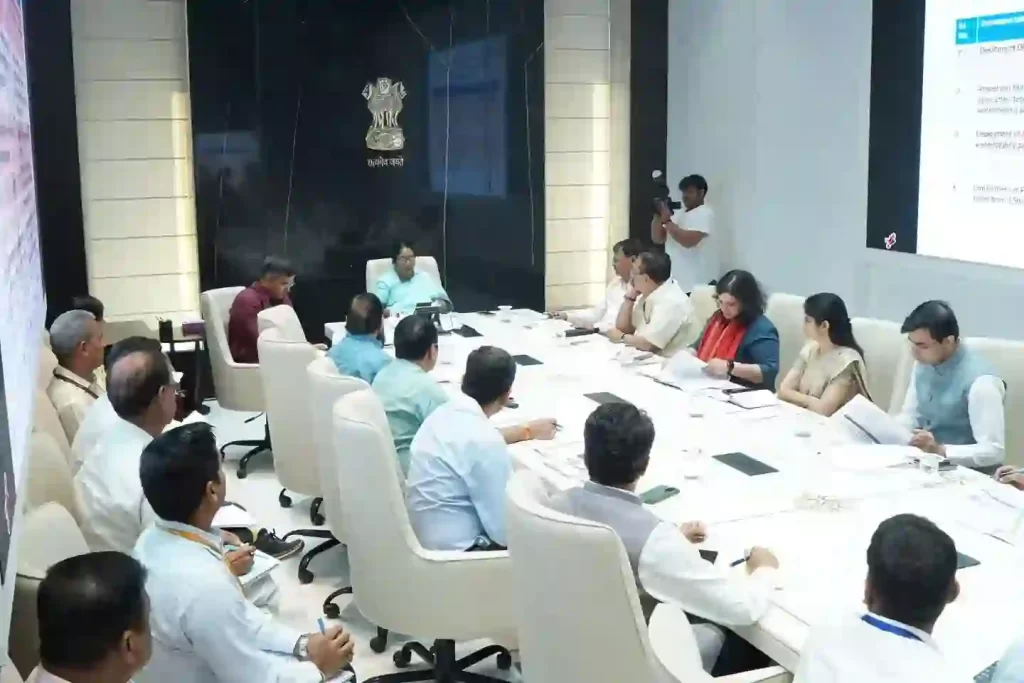
The Delhi government has put up a bold new plan to clean up the city’s air. They released the draft Electric Vehicle Policy 2.0 for 2026 to 2030 on April 11, 2026. This policy, called EV Policy 2.0, offers big cash incentives, tax breaks, and strict rules on petrol vehicles. The Transport Department’s EV Cell put it out for public feedback. People can send comments by email or post for 30 days. The goal is to make Delhi a leader in electric vehicles and cut down on dirty air from cars and bikes. Delhi wants one in every four new vehicles sold to be electric, building on its old policy from 2020.This new draft comes at a time when Delhi battles severe pollution. Vehicles cause a large part of the smog. Two-wheelers make up 67 percent of all vehicles on Delhi roads. The policy targets them first with bans and money help. It mixes rewards for buyers with deadlines to stop old fuel types. Experts call it one of India’s most forward-thinking plans. It aims to turn Delhi into a green transport hub by 2030.Big Cash Incentives for Electric Vehicle BuyersThe policy gives direct money to people who buy electric vehicles. Incentives drop over three years to push fast change. Buyers claim them online and get bank transfers after checks. They tie into the national PM E-DRIVE scheme.For electric two-wheelers up to Rs 2.25 lakh, help starts high. In year one, buyers get Rs 10,000 per kWh of battery, up to Rs 30,000 max. Year two drops to Rs 6,600 per kWh, max Rs 20,000. Year three gives Rs 3,300 per kWh, max Rs 10,000. This makes cheap EV scooters affordable for daily commuters.Electric three-wheelers like auto-rickshaws get fixed amounts. Year one pays Rs 50,000. Year two gives Rs 40,000. Year three offers Rs 30,000. These help drivers switch from CNG to clean power.For N1 goods vehicles up to 3.5 tonnes, incentives hit Rs 1 lakh in year one. Year two pays Rs 75,000. Year three gives Rs 50,000. Small trucks and vans benefit most here.Electric cars up to Rs 30 lakh ex-showroom qualify for extra perks if owners scrap old BS-IV or older cars. First 100,000 buyers get a Rs 1 lakh scrappage bonus. They must scrap within six months of the certificate. This clears old polluters fast. Tax Breaks and Scrappage Bonuses Make EVs CheaperElectric vehicles skip all road tax and registration fees until March 31, 2030. Cars up to Rs 30 lakh get a 100 percent waiver. Strong hybrids get 50 percent off. Luxury EVs over Rs 30 lakh pay full.Scrappage adds more savings. Two-wheeler owners get Rs 10,000 for old petrol or CNG bikes. Three-wheeler drivers earn Rs 25,000. N1 truck buyers pocket Rs 50,000. These bonuses reward people who ditch dirty vehicles for electric ones. The push clears roads of high-emission machines.Strict Bans and Mandates to Force the SwitchThe policy sets hard deadlines for petrol and diesel. No new petrol two-wheeler registrations after April 1, 2028. Only electric bikes and scooters are allowed then. New three-wheeler registrations must be electric from January 1, 2027. No more CNG autos.Commercial fleets face tougher rules. From January 1, 2026, ride-hailing and delivery firms cannot add new petrol or diesel two-wheelers or light goods vehicles up to 3.5 tonnes. BS-VI two-wheelers last until the end of 2026.Government leads by example. All leased or hired official cars will turn electric in 12 months. Delhi runs 3,535 electric buses now. Plans add 2,800 more in phase one and 3,330 in phase two. The goal is to hit 7,500 e-buses by the end of 2026 and 11,000 by 2028. Public transport shows the way.Charging Stations Grow to Support More EVsNo good policy without places to charge. Delhi wants a public charger every 3 km. From hundreds in 2020, it reached 9,000 stations by early 2026. Battery swap spots hit 234. Target will jump to 30,000 chargers soon.The government helps installers with cheap land in parking lots. It reimburses 100 percent of the state GST on advanced batteries for swaps. New buildings must have EV-ready spots in 20 percent of parking. Lower power rates for charging make it cheap. Sellers must add chargers at dealerships. These fights range from fear to speed in daily use.Past Success and Road AheadDelhi’s first EV policy from 2020 worked well. EVs now make 14 percent of new sales, above India’s 8 percent average. Over 86,000 EVs registered since the start. Two and three-wheelers lead uptake. Charging grew fast, too. The Transport Department runs the show with an EV Cell. A State EV Board checks progress. Funds come from pollution fines and the Air Ambience Fund. Central FAME money flows through local schemes.Challenges remain. Old subsidy delays frustrated buyers. New rules fix that with fast claims. Land scarcity slows chargers. Retrofitting old cars raises safety concerns. Policy adapts with open data on stations and loan help.Delhi beats many states in EV share and chargers. It teaches others: mix money, rules, and infra. National goals like PM E-DRIVE align perfectly. By 2030, Delhi eyes top global spot for green rides.
PRAHAAR: India’s Iron Fist Against Terror – New National Policy Promises a Safer Tomorrow
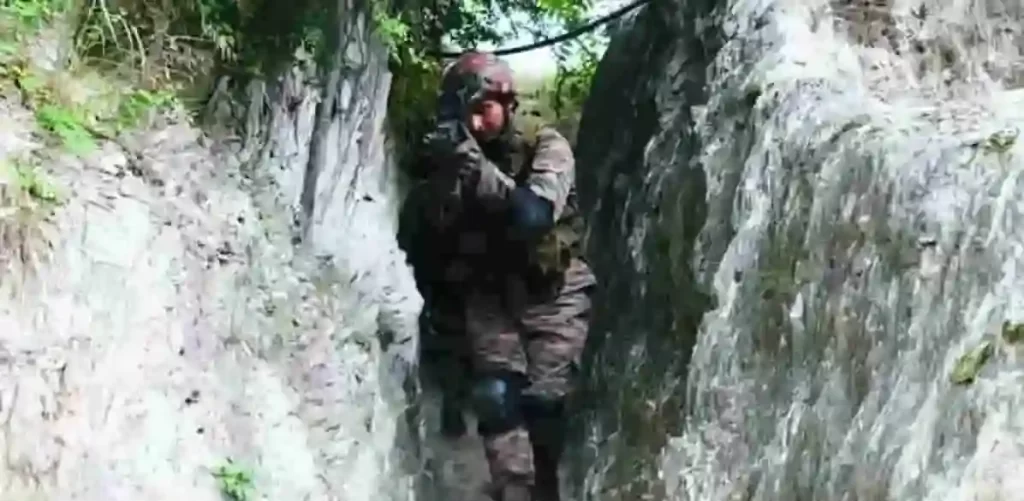
India has just rolled out its first-ever National Counter-Terrorism Policy and Strategy, called PRAHAAR, a bold “strike” against the shadows of terror that have haunted our nation for decades. Unveiled by the Ministry of Home Affairs (MHA) and now live on their website, this eight-page blueprint marks a game-changer. It’s not just words on paper; it’s a clear promise of zero tolerance for terrorism in any shape or form, be it bombs, bullets, drones, or dark web plots. No excuses, no links to religion or nationality, just pure resolve to protect every Indian. In a world where enemies hide behind borders, screens, and crime gangs, PRAHAAR stands tall on seven simple pillars that cover everything from stopping attacks before they happen to helping communities bounce back stronger. Picture it like a shield and sword: prevent the strike, hit back hard if needed, build stronger teams, respect rights, cut off terror’s roots, team up globally, and heal together. This comes at a time when India faces sneaky new dangers, state-backed attacks from across borders, ISIS sleeper cells, crypto-funded plots, and even cyber hacks from criminal groups and rival nations. As of March 2026, with rising drone threats in Jammu & Kashmir and Punjab, this policy feels like a much-needed wake-up call.What is PRAHAAR? The Seven Pillars Explained SimplyPRAHAAR isn’t a fancy acronym for show, each letter means real action. Here’s the breakdown in everyday terms:P – Prevention of Terror AttacksStop bad guys before they move. The heart is the Multi Agency Centre (MAC) and Joint Task Force on Intelligence (JTFI), think of them as India’s terror radar. They share tips in real-time: police, intelligence, NSG, NIA all talk instantly. Borders get high-tech eyes – cameras, sensors for land, sea, air. Critical spots like power plants, railways, airports, ports, army bases, space centres, and nuclear sites now have extra layers of watch. No more blind spots.R – Response: Quick and FairIf terror strikes, no panic, just action. Local police are first on scene, backed by state anti-terror teams and the elite National Security Guard (NSG) for big blasts or hijacks. NIA leads probes for fast arrests and court wins, high conviction rates to scare off others. It’s about speed without chaos.A – Aggregating Capacities (Building Stronger Teams)India’s 1,000+ police forces need upgrades. PRAHAAR pushes modern gear, training from the Bureau of Police Research & Development (BPR&D), and same-rule playbooks for every state. No weak links – from villages to cities, everyone’s ready.H – Human Rights and Rule of LawPower with fairness. All ops follow laws like the Unlawful Activities (Prevention) Act (UAPA) and new criminal codes. Courts from the district level to the Supreme Court keep checks. No shortcuts, rights protected, even for the guilty.A – Attenuating Conditions for Terrorism (Cut the Roots)Fight ideas, not just bombs. Target radical youth with community talks, NGO help, moderate religious leaders, and youth programs. Prisons get deradicalization. Fix poverty and grudges that breed hate – make vulnerability a thing of the past.A – Aligning International EffortsIndia alone can’t win. Push Mutual Legal Assistance Treaties (MLATs) and extraditions. No safe homes for terrorists abroad. Work at the UN for global blacklists, choke funding, and fight tech misuse like encrypted apps.R – Recovery and Resilience (Whole-of-Society)After attacks, rebuild fast. Government teams with businesses, NGOs, locals for quick fix – mental health aid, economic help, better readiness drills. Everyone pitches in.This framework draws from India’s hard lessons, Mumbai 26/11, Pulwama, Pathankot, turning pain into prevention.The Growing Threats: Why Now?Terror isn’t standing still, and PRAHAAR calls it out plain:Cross-Border and State-Sponsored: Pakistan-backed groups still try to infiltrate. Drones drop arms/explosives in J&K, Punjab.Global Jihad: Al-Qaeda, ISIS build sleeper cells, inspire lone wolves via online poison.Crime-Terror Link: Smugglers, arms dealers, and drug mafias fund and arm terrorists.Tech Terror: Social media radicalizes kids, dark web sells weapons, crypto hides money. Cyber attacks hit power grids and banks.CBRNED Risks: Bad guys eye chemicals, bombs, nukes, bio-agents – super scary stuff.As of March 2026, MHA notes rising foreign hacker tries and nation-state cyber ops. PRAHAAR says: invest in AI, drones, and blockchain trackers to stay ahead.The Road Ahead: Challenges and HopesMHA admits gaps, state units need cash/tech, probes drag in small cases, rural radical watch is weak. PRAHAAR fixes this: yearly reviews, new laws, state templates. By 2027, expect NSG hubs everywhere, AI terror-spotters, and global pacts.This isn’t just policy, it’s a promise. In a nation scarred by blasts and bullets, PRAHAAR whispers: no more. From kids in schools to elders in villages, safety first. India’s fight against terror just got a name, a plan, and an unbreakable will.
GIFT City Updates: IPO Withdrawal, New Initiatives, and Growth Milestones in Gujarat’s Financial Hub
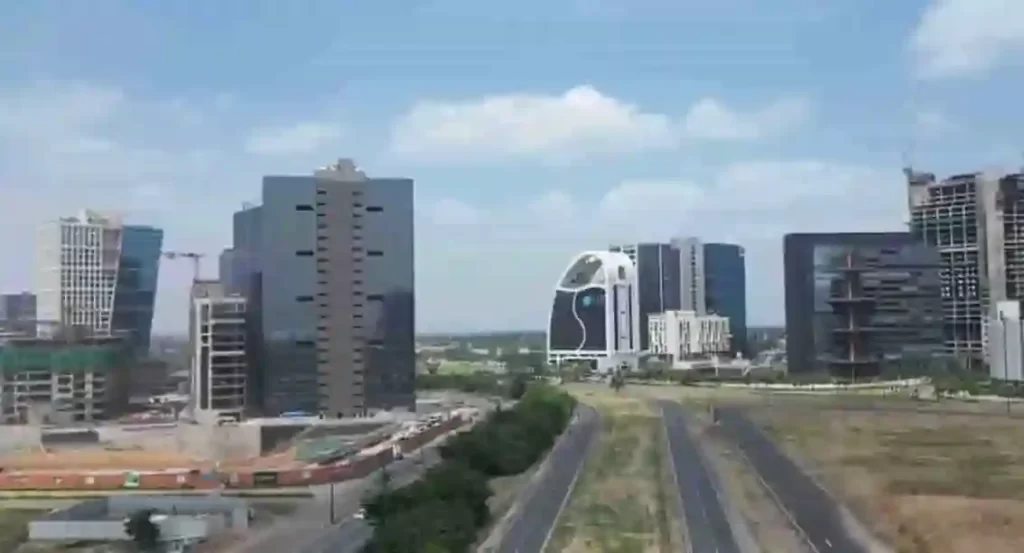
Gandhinagar, April 2026 – Gujarat International Finance Tec-City (GIFT City) saw key developments this week. These include the withdrawal of the first GIFT City IPO, the launch of an industry-academia collaboration series, Niyam Group’s insurance authorization, and recognition as India’s first fully operational global financial hub. All details are from official sources, IFSCA, and company statements.XED Executive Development Withdraws $12 Million IPOXED Executive Development, the first company to launch an IPO in GIFT City, withdrew its $12 million share sale on Monday.Reason: Weak investor demand due to global uncertainties.Subscription: Only 5% of the offer size, per NSE International Exchange data, despite extensions.Company statement: “We withdraw in the current environment and plan to return at a better time.” Informed GIFT City-IFSC and exchanges.Challenges: KYC bottlenecks for retail investors; caution from institutions amid volatility and low liquidity.Impact: Industry calls it a setback for GIFT City’s IFSC ambitions against global hubs.GIFT City Launches Industry-Academia Roundtable SeriesGIFT City started its Industry-Academia Roundtable series to align talent with IFSC needs.First event: Held recently in GIFT City with leaders from Ahmedabad/Gandhinagar universities, tech firms, and GCC companies.Focus areas:Curriculum alignment with financial services, fintech, and tech.Structured internships and live projects.Research collaboration and talent pipelines.Quotes:Ms. Shefali Gaur, IBM: “Future workforce needs adaptability, digital fluency, and problem-solving. These platforms build employable talent.”Mr. Nimay Kalyani, University of Wollongong: “Evolve from alignment to integration for job-ready graduates.”Future: Expand to key Indian cities to boost employability and partnerships.Niyam Group Gets Tier 2 Insurance Intermediary ApprovalNiyam Group received IFSCA approval as a Tier 2 Insurance Intermediary Office (IIO) in GIFT City.Launch: January 2026 by insurance veteran Bobby Swarup (20+ years experience).Focus: Bring reinsurance capacity to India; supports Viksit Bharat 2047.Key approvals: Lloyd’s of London for Syndicate 2047; first IIO to offer Lloyd’s capacity from GIFT City.Principal Officer: Sumit Aneja, based in GIFT City, to scale operations.Quotes:Aneja: “Focused on building a high-performing team for Vision 2047.”Company: “Grateful to IFSCA; GIFT City key to India’s re/insurance growth.”GIFT City: India’s First Fully Operational Global HubGIFT City is now India’s first fully operational global financial and IT hub.Vision: Started under PM Narendra Modi as Gujarat CM; advanced by CM Bhupendra Patel.Features: Policy-driven center with financial services, tech, regulatory ease, and infrastructure.Goal: Serve India and the world by competing with global financial centers.Status: Transformed into a vibrant ecosystem per official press release.Recent Developments RecapXED IPO Withdrawal: First GIFT City IPO ($12M) pulled due to 5% subscription amid global issues and KYC hurdles.Industry-Academia Roundtables: New series bridges education and fintech needs; first event with universities and firms like IBM.Niyam Group Approval: Tier 2 IIO license; first to offer Lloyd’s Syndicate 2047 capacity; led by Sumit Aneja.Hub Milestone: Fully operational global finance/IT center, envisioned by PM Modi and advanced by CM Bhupendra Patel.Future Plans for ExpansionGIFT City targets rapid scaling post-2026:GCCs and Innovation: Priority on Global Capability Centres (GCCs), Global Innovation Centres (GICs), and centres of excellence for cost advantages.Workforce Goal: 100,000 jobs by 2030.Infrastructure: Add 10.25M sq ft (DTA, ~52,300 jobs) + 12.26M sq ft (SEZ, ~84,600 jobs) by FY2030; total 136,900+ new jobs.Residential: 7,500 units by 2030 for a live-work balance.Talent Focus: Deeper skills via partnerships, regulatory sandboxes, and social infrastructure. Outreach: Global events like Davos drive commitments beyond banking.Comparison: GIFT City vs. DIFC (Dubai) and SingaporeGIFT City competes effectively with established hubs, emphasizing India’s market access and low costs.FeatureGIFT City DIFC (Dubai) gift.Singapore Tax Exemptions100% for 10 years (profits, gains, no GST/MAT)0% on qualifying Free Zone income; 50-year holiday possibleAttractive rates, treatiesOperational CostsLowModerateHighRegulationsIFSCA: Flexible, global standardsStrict, investor-friendlyBusiness-friendly, GST exemptionsMarket AccessIndia’s 1.4B populationMiddle East/AfricaAsia-PacificSetup EaseSimple for funds/fintechUSD 50M AUM min for someHigh but costlyBest ForCost-effective offshore financeHigh-net-worth family officesEstablished tradingGIFT City excels in tax holidays and proximity to India’s growth, while DIFC offers long-term certainty for larger assets.Strategic ImportanceDespite IPO hiccups, GIFT City’s momentum – via reinsurance, talent initiatives, and expansions- positions it as a rival to offshore hubs like Singapore/Mauritius. It supports India’s Viksit Bharat 2047 vision with reinsurance capacity and fintech innovation.These updates show GIFT City’s push in finance, talent, and reinsurance despite challenges like the IPO pullback. The hub strengthens Gujarat’s role in India’s economy.
PM Modi Inaugurates Ahmedabad-Dholera Expressway
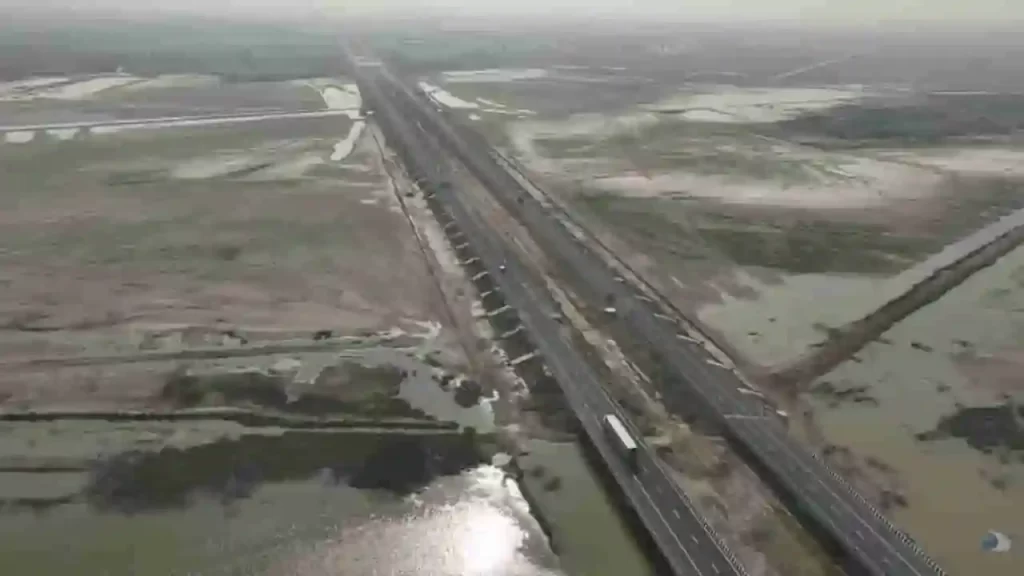
Imagine zipping from the bustling heart of Ahmedabad to the rising star of Dholera in just 45 minutes, instead of a bumpy two-hour crawl. That dream roared to life on Tuesday when Prime Minister Narendra Modi cut the ribbon on the stunning Ahmedabad-Dholera Expressway, a sleek, Rs 5,100 crore marvel of engineering that’s set to supercharge Gujarat’s economy.These developments focus on roads, railways, semiconductors, renewable energy, and urban mobility.Ahmedabad-Dholera Expressway Now OpenPM Modi inaugurated the Ahmedabad-Dholera Expressway on March 31.Cost: Over Rs 5,100 crore.Type: Access-controlled highway.Length: Approximately 110 km.Travel time: Reduces from 2 hours to 45 minutes.Speed limit: Up to 120 kmph.Benefits: Improves connectivity to Dholera Special Investment Region (DSIR), boosts industrial growth, and supports economic development.Road and Highway ProjectsThe Prime Minister laid foundation stones for key road upgrades:Four-lane Idar-Badoli bypass with paved shoulders.Upgrade of Dholavira–Mauvana–Vauva–Santalpur section (Package II) of National Highway 754K to a two-lane with paved shoulders.These projects aim to reduce travel time, enhance safety, and support logistics.Flyovers for Urban Traffic ReliefTwo flyovers were addressed to ease congestion in Gandhinagar and Ahmedabad:Inaugurated: Flyover at PDPU Junction on Gandhinagar-Koba-Ahmedabad Airport Road (handles over 1.4 lakh vehicles daily).Foundation laid: Flyover at Bhaijipura Junction on Gandhinagar-Koba-Airport Road (includes parking facilities below).These will cut commute times to the airport and state capital.Keynes Semicon Plant InauguratedPM Modi inaugurated the Keynes Semicon plant in Sanand, Ahmedabad.Milestone: Second semiconductor plant in India to start commercial manufacturing.Initial product: Advanced Intelligent Power Modules (IPMs) with 17 chips each.Applications: Automotive and industrial power systems.Client: Alpha & Omega Semiconductor (California-based).Full capacity: 6.33 million units per day.This strengthens India’s semiconductor sector.Railway Infrastructure UpgradesDedicated to the nation:Kanalus-Jamnagar doubling project (28 km, part of 111.20 km Rajkot-Kanalus project).Quadrupling of the Gandhidham–Adipur section (10.69 km).These improve train frequency and freight movement.Renewable Energy BoostPM Modi inaugurated Khavda Pooling Station-2 and associated transmission systems.Capacity: Evacuates 4.5 GW of renewable energy.Role: Supports Gujarat’s solar and wind power grid.Gujarat now leads India in solar power generation, as highlighted by the PM.PM Modi’s Remarks on Gujarat’s ProgressDuring the public address, PM Modi highlighted Gujarat’s leadership in renewable energy. He recalled establishing a multi-technology solar park in 2010 as Chief Minister, which laid the foundation for the state’s solar growth.Broader ImpactThe projects cover connectivity, industry, green energy, healthcare, and tourism. They align with national goals for infrastructure and sustainable development. Official sources confirm all details from the Prime Minister’s Office and the Gujarat government announcements.