


O Romeo: A Contemporary Take on Love and Modern Relationships

O Romeo emerged as a romantic drama that attempts to reinterpret the idea of love in today’s fast-paced, emotionally complex world. Drawing inspiration from the timeless theme of passionate romance—echoing the essence of Shakespeare’s Romeo and Juliet—the film presents a modern narrative shaped by urban relationships, individual aspirations, and emotional vulnerability.Positioned as a youth-centric film, O Romeo explores how love is experienced, expressed, and often challenged in contemporary society.Storyline and Narrative ApproachAt its core, O Romeo revolves around the journey of a young man navigating love, heartbreak, and self-discovery. The narrative follows his emotional evolution as he encounters relationships that test his understanding of commitment and identity.Unlike traditional romantic films that rely heavily on idealised love stories, O Romeo leans towards a more realistic portrayal of relationships, where misunderstandings, personal struggles, and societal expectations play a significant role.The film captures:The intensity of first loveThe confusion and vulnerability that come with emotional attachmentThe impact of external pressures on personal relationshipsThrough its storytelling, the film attempts to reflect the emotional landscape of modern youth.Themes and Emotional DepthOne of the defining aspects of O Romeo is its focus on emotional realism. The film does not present love as a flawless experience but rather as something that evolves through challenges.Key themes explored in the film include:The fragility of modern relationshipsThe conflict between personal ambition and emotional commitmentThe idea of love in the age of independence and self-identityThe narrative also touches upon heartbreak and healing, portraying how individuals cope with emotional setbacks and grow through them.Performances and Character PortrayalThe performances in O Romeo contribute significantly to its storytelling. The lead character’s journey is portrayed with a sense of relatability, capturing the confusion and intensity often associated with young love.The supporting cast adds depth to the narrative, representing different perspectives on relationships and life choices. Together, the characters create a layered portrayal of contemporary social dynamics.Music and Visual ToneAs with many romantic dramas, music plays an important role in O Romeo. The soundtrack complements the emotional tone of the film, enhancing moments of love, longing, and introspection.Visually, the film adopts a modern aesthetic, with urban settings and stylised cinematography reflecting the lifestyle and environment of its characters. The use of lighting and framing helps convey mood shifts, particularly during emotionally charged scenes.Reception and Audience ConnectO Romeo has been positioned as a film that resonates primarily with younger audiences. Its attempt to depict realistic relationships and emotional struggles makes it relatable to viewers navigating similar experiences.While it draws inspiration from classical romantic themes, its treatment is distinctly contemporary, focusing more on internal conflicts than external drama.A Modern Interpretation of Timeless LoveThe film’s title itself reflects a connection to the idea of a “Romeo”—a symbol of passionate love—but reimagined in a present-day context. Instead of grand gestures and idealised romance, O Romeo presents a more grounded and introspective view of relationships.O Romeo stands as a reflection of how love stories are evolving in modern cinema. By blending emotional realism with relatable storytelling, it attempts to capture the complexities of relationships in today’s world, offering audiences a narrative that feels both familiar and introspective.Video: YT/@NadiadwalaGrandson
Dholera: India’s First Greenfield Smart City Taking Shape in Gujarat
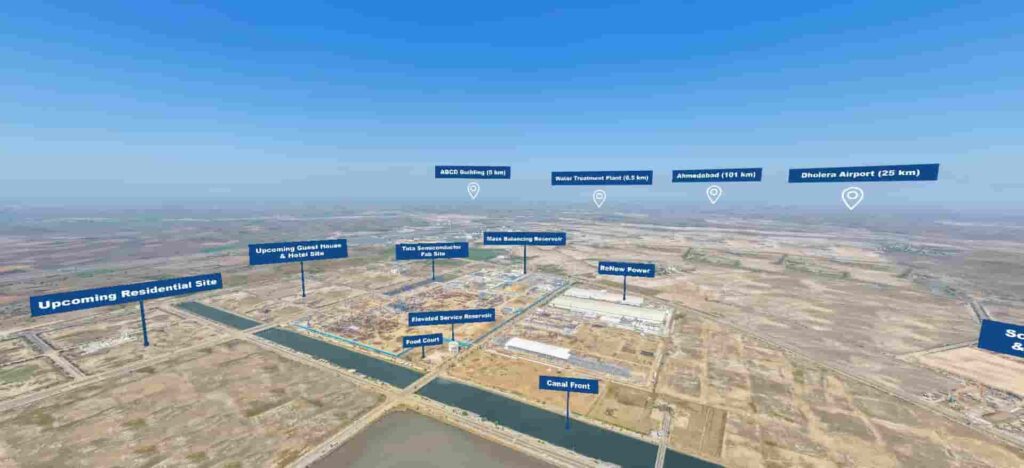
Dholera has emerged as one of India’s most ambitious urban development projects, envisioned as the country’s first greenfield smart city under the Delhi-Mumbai Industrial Corridor (DMIC). Located in Gujarat’s Ahmedabad district, Dholera is being developed from scratch with a focus on sustainable infrastructure, advanced technology, and industrial growth, positioning it as a future economic powerhouse.The project reflects India’s long-term vision of creating next-generation urban centres that can support rapid industrialisation while maintaining environmental balance and efficient governance.Vision Behind Dholera Smart CityUnlike traditional cities that evolve over time, Dholera has been planned as a greenfield city, meaning it is being built on previously undeveloped land with a fully integrated master plan.The objective behind Dholera is to:Decongest existing metropolitan citiesCreate a global manufacturing and investment hubProvide world-class infrastructure for industries and residentsDrive economic growth through planned urbanisationThe city is a key node of the Delhi Mumbai Industrial Corridor, one of India’s largest infrastructure initiatives aimed at boosting industrial development between Delhi and Mumbai.Strategic Location and ConnectivityDholera’s location gives it a strong strategic advantage. It lies around 100 kilometres from Ahmedabad and is well connected through major transport networks.The city is being linked via:The Ahmedabad-Dholera ExpresswayProposed metro rail connectivityDedicated freight corridorsProximity to ports along the western coastOne of the most important infrastructure components supporting the city is the Dholera International Airport, which is expected to enhance both domestic and international connectivity, making Dholera a globally accessible hub.Infrastructure and Smart City FeaturesDholera is being developed with a focus on future-ready infrastructure, incorporating smart technologies and sustainable systems.The city’s planning includes:Underground utility systems (electricity, water, telecom)Smart traffic management and surveillance systemsHigh-speed internet and digital connectivityIntegrated command and control centresThe infrastructure is designed to ensure efficiency, reduce congestion, and provide a high quality of life for residents and businesses.Industrial and Economic PotentialOne of the primary goals of Dholera is to function as a major industrial hub. Large tracts of land have been allocated for manufacturing, logistics, and commercial activities.The city is expected to attract:Domestic and international investorsManufacturing units across sectorsTechnology and innovation-driven industriesSpecial economic zones and industrial clusters are being planned to encourage exports and boost employment opportunities.Sustainability and Environmental PlanningA key highlight of Dholera is its focus on sustainability. The city is being designed to minimise environmental impact while supporting large-scale development.This includes:Use of renewable energy sources such as solar powerEfficient water management and recycling systemsGreen spaces and eco-friendly urban planningThe emphasis on sustainability aligns with global trends in urban development, making Dholera a model for future smart cities in India.Phased Development and Current ProgressThe development of Dholera is being carried out in phases, with initial focus on activating core infrastructure and industrial zones.The Activation Area—considered the first phase of development—has already seen progress in terms of:Road networksUtility infrastructureLand allocation for industriesAs infrastructure continues to develop, the city is gradually moving from planning to implementation, with increasing interest from investors and businesses.Challenges and ExpectationsWhile the vision for Dholera is ambitious, the project also faces challenges such as:Attracting sustained investmentEnsuring timely infrastructure developmentCreating residential demand alongside industrial growthThe success of the city will depend on how effectively these challenges are managed over time.A Glimpse into India’s Urban FutureDholera represents a shift in India’s approach to urbanisation—moving towards planned, technology-driven, and sustainable cities rather than unstructured expansion.As the project progresses, it is expected to serve as a benchmark for future smart city initiatives across the country.Dholera is not just a city under construction; it is a long-term vision of how India aims to balance growth, infrastructure, and sustainability. With its strategic location, advanced planning, and industrial focus, it has the potential to redefine urban development and emerge as a major economic hub in the years to come.
UP Chief Minister Yogi Adityanath’s Singapore and Japan Visit: A Landmark Investment Roadshow
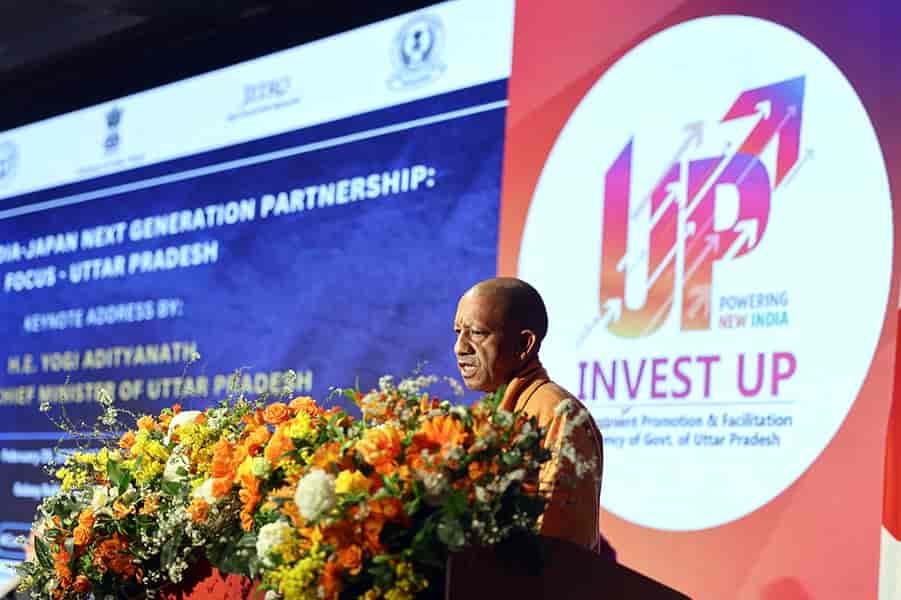
IntroductionUttar Pradesh Chief Minister Yogi Adityanath’s official visit to Singapore (February 22–24) and Japan (February 25–26) has emerged as one of the most consequential investment outreach efforts undertaken by any Indian state government in recent years. Undertaken as part of the UP Invest Roadshow, the twin-country visit generated MoUs worth ₹1.5 lakh crore and fresh investment proposals amounting to ₹2.5 lakh crore, spanning sectors ranging from semiconductors and data centres to green hydrogen and advanced manufacturing.The visit is expected to serve as a key milestone in Uttar Pradesh’s stated goal of becoming a one-trillion-dollar economy by 2029–30. With a Gross State Domestic Product of ₹30.25 lakh crore in 2024–25, projected to reach approximately ₹36 lakh crore in 2025–26, UP is positioning itself as one of India’s most competitive destinations for global capital.Singapore Visit (February 22–24, 2026)High-Level Government EngagementsThe Singapore leg of the visit was anchored in high-level political diplomacy. Chief Minister Yogi Adityanath held meetings with Singapore’s top leadership, including:President Tharman Shanmugaratnam (meeting took place on February 24)Prime Minister Lawrence Wong, who described UP as India’s third-largest economy and noted that Singaporean companies are actively investing in the state, particularly in logistics, connectivity, and infrastructureMinister for Foreign Affairs Vivian Balakrishnan, who described Uttar Pradesh as “India’s most populous state and among its fastest-growing economies, with a young and dynamic workforce”Minister for Manpower and Minister-in-charge of Energy and Science and Technology Tan See LengThe discussions were framed within the India–Singapore Comprehensive Strategic Partnership (CSP) Roadmap, which identifies priority collaboration areas including economic cooperation, digitalisation, skills development, sustainability, connectivity, and advanced manufacturing.Investor Meetings and Business EngagementsBeyond governmental meetings, the Chief Minister held substantive discussions with leaders from Singapore’s top financial and infrastructure institutions:Tan Su Shan, CEO, DBS Group — financial cooperation and infrastructure project financing for UPLim Chow Kiat, CEO, GIC — long-term institutional investments in infrastructure, logistics, and sustainable urban development; GIC is already a partner in projects such as the Ganga ExpresswayTeo Chee Hean, Chairman, Temasek — sovereign investment opportunities in data centres, renewable energy, and industrial infrastructureKerry Mok, President and CEO, SATS Ltd. — aviation sector collaborationLeaders from Mapletree, PSA India, Greenfield Ventures, AVPN, Kaizenvest, and the Private Infrastructure Development Group — covering logistics, green energy, sustainable infrastructure, and impact investmentSkill Development and Vocational TrainingThe Chief Minister reviewed Singapore’s technical and vocational education model at the ITE College Central campus, including its Aviation Hub facilities. MoUs were signed to strengthen collaboration in technical and vocational education, aviation skills, and industry-aligned training programmes.UP Investors’ Roadshow — Singapore Business FederationCM Yogi addressed business leaders at the UP Investors’ Roadshow organised by the Singapore Business Federation. He described the “new Uttar Pradesh” as offering safety, stability, and speed to investors.On the first day alone, UP secured total investment commitments of ₹19,877 crore. The single largest proposal came from Universal Success Group, which committed ₹6,650 crore for group housing, a logistics park, and a data centre.Sectoral Focus AreasKey sectors covered during the Singapore engagements included:MRO (Maintenance, Repair & Overhaul) and cargo hubs — positive discussions were held on developing the Noida International Airport at Jewar as an MRO and cargo hubSemiconductors and data centres — UP is positioning land parcels near Jewar Airport as potential sites for hyperscale and AI-enabled data infrastructureLogistics and fintechSkill development and digital economySingapore is India’s largest source of Foreign Direct Investment, contributing USD 14.94 billion in FY 2024–25.Japan Visit (February 25–26, 2026)UP Investment Roadshow, TokyoFollowing Singapore, Chief Minister Yogi Adityanath arrived in Tokyo to host the UP Investment Road Show, where he invited Japanese industrialists and investors to explore opportunities in Uttar Pradesh. He stated that “Uttar Pradesh has emerged as the most preferred state for investment in India due to its secure environment, strong infrastructure, large market potential, and young workforce.”He also referred to Japan as the “Land of the Rising Sun”, and drew a cultural connection by noting that Uttar Pradesh is the birthplace of Lord Ram and a significant node of India’s Buddhist heritage.MoUs Signed — Day One: ₹11,000 CroreOn the first day of the Japan visit, MoUs worth approximately ₹11,000 crore were signed with a range of Japanese companies. The companies included:CompanySectorKubota CorporationAgricultural machinery and equipmentMinda Corporation (with Toyo Denso)Automobiles and auto componentsJapan Aviation Electronics IndustryElectronics and defenceNagase & Co. Ltd.Chemicals and technologySeiko AdvanceIndustrial printing and graphicsO&O GroupHospitality and real estateFuji Partnership / Fuji Silvertech ConcreteIndustrial infrastructureB2G (Business-to-Government) MeetingsIn separate B2G interactions, senior representatives from the following corporations engaged with the UP government:Suzuki Motor CorporationHonda Cars India Ltd.Konoike Transport Co. Ltd.Mitsui & Co. Ltd. — discussions centred on renewable energy, ICT, semiconductor manufacturing, data centres, and logisticsRapidus CorporationMarubeni CorporationSumitomo Realty & Development Co. Ltd.MUFG BankJapan City in YEIDA RegionA centrepiece announcement of the Japan visit was the confirmation that a dedicated 500-acre “Japan City” will be developed in the Yamuna Expressway Industrial Development Authority (YEIDA) region, near the upcoming Noida International Airport. The township is envisioned as an exclusive industrial ecosystem for Japanese companies, with dedicated auto clusters and R&D facilities for OEMs and component manufacturers.The Japan Desk at Invest UP will be further strengthened, with direct monitoring by the Chief Minister’s Office (CMO), to ensure seamless facilitation of Japanese investment.Green Hydrogen Centre of ExcellenceA significant announcement on clean energy was the establishment of a Green Hydrogen Centre of Excellence, to be developed collaboratively between:University of Yamanashi (Japan)Yamanashi Hydrogen Company (Japan)IIT KanpurHarcourt Butler Technical University (HBTU)IIT BHUMadan Mohan Malaviya University of Technology (MMMUT)Technology and Industrial VisitsChief Minister Yogi Adityanath visited the L0-Series Maglev Train Station and experienced a ride on the high-speed train, exploring possibilities for collaboration in advanced transport technologies.He also inspected FANUC Corporation’s industrial robot and factory automation plant. FANUC expressed interest in investing in UP and supporting technological upgradation of the state’s MSME sector.Tourism and Cultural CollaborationBoth sides agreed to strengthen tourism ties by linking UP’s globally significant Buddhist Circuit and Ramayana Circuit with Japan’s cultural interest in these heritage routes, promoting spiritual, cultural, and heritage tourism between the two regions.Cumulative Investment OutcomesCategoryAmountMoUs Signed (Singapore + Japan combined)₹1.5 lakh croreFresh
Noida International Airport (Jewar Airport) Inauguration: A Transformational Push to India’s Aviation and Regional Growth
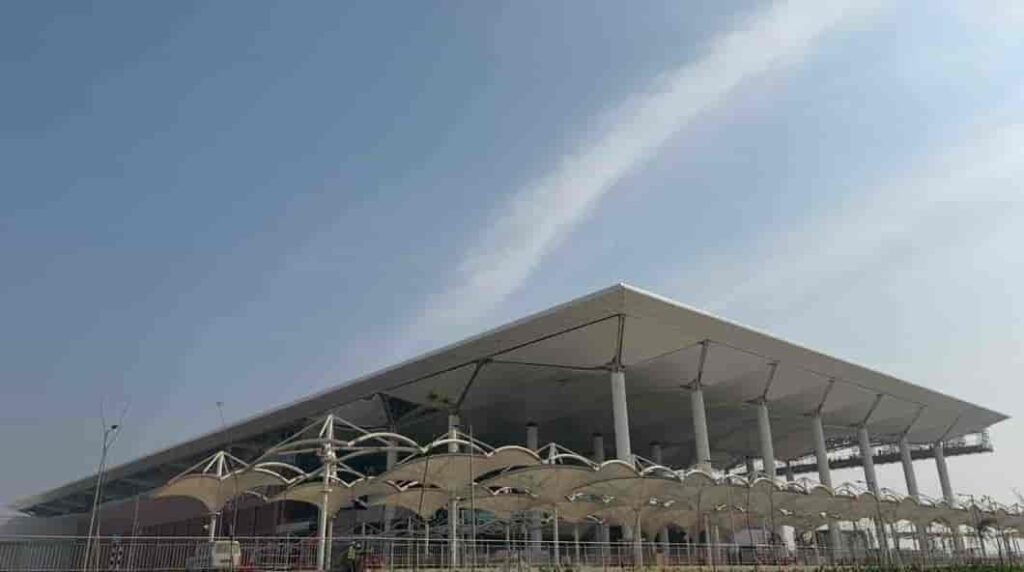
The inauguration of the Noida International Airport, widely known as Jewar Airport, marked a landmark moment in India’s aviation and infrastructure expansion. Positioned as one of the country’s largest and most ambitious greenfield airport projects, its launch has been seen as a strategic move to decongest existing aviation hubs and unlock new economic potential across northern India.Located in Jewar in Uttar Pradesh’s Gautam Buddha Nagar district, the airport has been developed to serve the rapidly growing travel demand of the National Capital Region (NCR), while also acting as a catalyst for industrial, logistical, and urban development in surrounding areas.Why India Needed a Second Major Airport in NCRFor years, the Indira Gandhi International Airport in Delhi has handled the bulk of air traffic in northern India. With passenger numbers steadily rising, the airport has been operating close to its maximum capacity, leading to congestion, delays, and operational strain.The idea of developing a second airport in the NCR was not just about expansion, but about redistributing aviation load and future-proofing infrastructure. The Noida International Airport was conceptualised to address these issues while supporting the long-term growth of one of India’s busiest urban corridors.Its location near the Yamuna Expressway provides strategic access not only to Delhi but also to key cities like Noida, Greater Noida, Ghaziabad, Agra, Mathura, and Aligarh. This makes it a regional hub rather than just an alternative airport.Scale, Design and Multi-Phase DevelopmentWhat sets the Noida International Airport apart is its scale and long-term vision. Unlike many existing airports that evolved through gradual expansion, this project has been planned from the outset as a multi-phase mega infrastructure development.In its first phase, the airport has been designed to handle around 12 million passengers annually, with a single runway and terminal. However, the long-term plan is far more ambitious. Once fully developed, the airport is expected to:Handle over 70 million passengers per yearOperate multiple runwaysInclude expansive cargo terminals and logistics parksSupport maintenance, repair, and overhaul (MRO) operationsThis phased approach ensures that the airport can scale alongside demand, making it a future-ready aviation hub.Focus on Sustainability and Modern InfrastructureOne of the defining aspects of the project is its emphasis on sustainability. The airport has been planned as an environmentally responsible infrastructure project, incorporating:Energy-efficient terminal designsWater conservation systemsReduced carbon footprint strategiesSustainable construction practicesGlobally, there has been increasing focus on green aviation infrastructure, and the Noida International Airport aligns with this shift by aiming to become one of the more eco-conscious airports in the region.Connectivity and Integration with Transport NetworksA major strength of the Jewar airport lies in its planned connectivity. The project is not being developed in isolation but as part of a larger, integrated transport ecosystem.The airport is expected to be connected through:The Yamuna Expressway and Eastern Peripheral ExpresswayProposed metro rail extensionsRegional Rapid Transit Systems (RRTS)High-speed rail links in the futureThis multi-modal integration will ensure seamless movement of passengers and goods, significantly reducing travel time and improving accessibility across the NCR and beyond.Economic Impact: A New Growth Engine for Uttar PradeshThe inauguration of the airport is expected to trigger a wave of economic activity in the region. Large infrastructure projects often act as growth multipliers, and Jewar is already witnessing rapid transformation.The airport is likely to:Generate thousands of direct and indirect employment opportunitiesBoost real estate demand in nearby areasAttract domestic and international investmentPromote development of logistics and warehousing hubsPlans for an aerotropolis—a city built around the airport—are also underway, which could include business districts, commercial centres, hotels, and industrial zones.This development is expected to strengthen Uttar Pradesh’s position as a major economic and industrial hub in northern India.Boost to Trade, Cargo and LogisticsBeyond passenger travel, the airport is expected to play a crucial role in cargo and logistics operations. With increasing demand for faster supply chains and export-oriented industries, the need for efficient cargo infrastructure has grown significantly.The Noida International Airport is being developed with dedicated cargo facilities, which will:Facilitate faster movement of goodsSupport export industries in the regionImprove connectivity for perishable and high-value goodsIts proximity to industrial clusters makes it particularly well-suited to serve as a logistics hub.Impact on Travel and Passenger ExperienceFor travellers, the airport is expected to bring noticeable improvements in convenience and efficiency. With reduced pressure on Delhi’s main airport, passengers can expect:Shorter wait timesBetter flight availabilityImproved travel experienceResidents of Noida, Greater Noida, and nearby regions will especially benefit, as they will no longer need to rely solely on Delhi for international travel.A Shift Towards Decentralised Urban DevelopmentThe development of the Jewar airport reflects a broader shift in India’s urban planning strategy—moving away from over-centralisation towards distributed growth models.By creating infrastructure hubs outside major metropolitan centres, the government aims to:Reduce pressure on existing citiesEncourage balanced regional developmentImprove quality of life in emerging urban zonesThe airport is expected to play a key role in shaping the future growth of the NCR, particularly in the Noida-Greater Noida belt.A Defining Moment in India’s Infrastructure StoryThe inauguration of the Noida International Airport is not just about adding another airport to the country’s aviation network. It represents a long-term vision for connectivity, economic expansion, and urban transformation.As air travel continues to grow in India, projects like Jewar airport will play a crucial role in ensuring that infrastructure keeps pace with demand. With its scale, strategic location, and integrated planning, the airport is poised to become one of the most important aviation hubs in the country in the coming years.In many ways, it signals how India is preparing for the next phase of growth—by investing in infrastructure that is not only large in scale but also forward-looking in design and impact.
Chenab Bridge: India’s Engineering Marvel Over the Himalayas

The Chenab Bridge, built across the Chenab River in the Union Territory of Jammu and Kashmir, stands as one of the most remarkable feats of modern engineering in India. Constructed as part of the ambitious Udhampur–Srinagar–Baramulla Rail Link (USBRL), the bridge has gained global attention for its height, design complexity, and strategic importance.Often described as a symbol of India’s infrastructural progress in difficult terrain, the Chenab Bridge is now recognized as the world’s highest railway bridge, surpassing even iconic structures like the Eiffel Tower in height from its base.Location and Strategic ImportanceThe Chenab Bridge is located between Bakkal and Kauri in the Reasi district of Jammu and Kashmir, spanning the deep gorge of the Chenab River. The region is known for its rugged Himalayan terrain, seismic sensitivity, and challenging weather conditions, making construction extremely demanding.The bridge is a crucial component of the USBRL project, which aims to provide all-weather rail connectivity to the Kashmir Valley, linking it with the rest of India. This connectivity is expected to significantly improve:Transportation and logisticsTourism and economic activityStrategic and defence mobility in the regionRecord-Breaking Height and StructureThe Chenab Bridge stands at an astonishing height of 359 metres above the riverbed, making it the highest railway bridge in the world. For perspective, it is about 35 metres taller than the Eiffel Tower.The total length of the bridge is approximately 1,315 metres, and it is designed as a steel arch bridge, a structure chosen specifically to withstand the extreme conditions of the region.Engineering and Design FeaturesThe bridge has been designed to endure some of the harshest environmental and geological challenges. Key features include:High Wind ResistanceThe structure is capable of withstanding wind speeds of up to 260 km/h, ensuring safety even in extreme weather conditions.Seismic SafetyGiven that the region falls in a high seismic zone, the bridge has been engineered to withstand earthquakes of significant magnitude, making it structurally resilient.Blast-Proof DesignConsidering its strategic importance, the bridge has been designed with blast-resistant features, adding an additional layer of security.LongevityThe structure has an estimated lifespan of over 120 years, reflecting the durability of materials and engineering precision used in its construction.Construction ChallengesBuilding the Chenab Bridge was not just an engineering task but a logistical and environmental challenge.The remote and mountainous location made transportation of materials extremely difficult.Extreme temperatures, landslides, and high winds frequently disrupted construction work.Specialised equipment and techniques were required to construct the massive steel arch over a deep gorge.Advanced technologies such as cable cranes, incremental launching, and precision welding were used to complete the structure.The project involved collaboration between Indian Railways and several international engineering firms, highlighting the global scale of expertise required.Role in the USBRL ProjectThe Indian Railways has undertaken the USBRL project to connect Kashmir via rail for the first time in history. The Chenab Bridge is considered the most critical and iconic segment of this project.Once fully operational, the rail link is expected to:Reduce travel time between Jammu and SrinagarProvide reliable connectivity in all seasonsBoost regional integration and developmentEconomic and Social ImpactThe completion of the Chenab Bridge is expected to have far-reaching effects:Tourism Boost: Easier access to Kashmir could significantly increase tourist inflow.Trade and Commerce: Improved logistics will benefit local businesses and industries.Employment Opportunities: Infrastructure development will generate jobs in the region.Regional Connectivity: It will reduce isolation and improve access to essential services.A Symbol of Modern IndiaBeyond its technical specifications, the Chenab Bridge represents a broader narrative of India’s infrastructural ambition and capability. Constructed in one of the most challenging terrains in the world, it reflects the country’s ability to execute large-scale projects with precision and resilience.It also stands as a testament to the dedication of engineers, workers, and planners who turned a seemingly impossible vision into reality.The Chenab Bridge is not just a railway structure—it is a landmark achievement that has redefined engineering possibilities in India, while playing a pivotal role in connecting the Kashmir Valley to the national railway network.
Karan Aujla’s P-Pop Culture India Tour 2026: A Musical Wave Sweeping Across the Country

Punjabi music has steadily grown into one of the most powerful cultural movements in India’s entertainment landscape, and in 2026, singer-songwriter Karan Aujla is taking that energy to stadiums across the country with his much-anticipated P-Pop Culture India Tour 2026.The tour, which began in late February, is already creating massive excitement among fans. From packed stadiums and electrifying stage production to thousands of people singing along to every lyric, Aujla’s tour is quickly becoming one of the most talked-about live music events of the year.Celebrating what Aujla calls “P-Pop Culture”—a vibrant blend of Punjabi music, global hip-hop influences, and modern pop production—the tour represents the growing power of Punjabi music on the national stage.As of 10 March 2026, the tour has already kicked off in spectacular fashion and is continuing to travel across India with several cities still waiting to witness the musical phenomenon.A Historic Opening Night in DelhiThe tour began on 28 February 2026 in New Delhi, where Aujla delivered a jaw-dropping performance at the iconic Jawaharlal Nehru Stadium.The opening night was nothing short of historic. Nearly 70,000 fans filled the stadium, turning the venue into a sea of lights, music, and excitement. The atmosphere resembled a massive festival rather than just a concert, as fans waved flashlights, danced to every beat, and sang along to Aujla’s biggest hits.With towering LED screens, dramatic lighting effects, and thunderous sound systems, the Delhi concert set the tone for the rest of the tour—bold, energetic, and unforgettable.Holi Celebrations Turn Musical in Mumbai and PuneFrom Delhi, the tour travelled to Mumbai and Pune on 3 March 2026, where special Holi edition concerts were organised.The Mumbai show took place at MMRDA Grounds, where thousands of fans gathered to celebrate both music and the festival of colours. The concert became a vibrant spectacle filled with dance, colours, and pulsating Punjabi beats.The same day, Pune hosted another energetic show, continuing the Holi celebrations with fans dancing late into the night.Ahmedabad Welcomes the Punjabi SuperstarThe P-Pop Culture tour continued its journey to Ahmedabad, where Aujla performed on 7 March 2026.The Gujarat audience responded with immense enthusiasm, proving once again that Punjabi music has grown far beyond regional boundaries. Fans travelled from nearby cities to attend the concert, making the event one of the most energetic musical gatherings in the city.Cities on the P-Pop Culture India TourThe tour spans several major cities across India, taking Aujla’s music to fans nationwide. The confirmed tour schedule includes:28 February 2026 — New Delhi • 3 March 2026 — Mumbai (Holi Special Concert) • 3 March 2026 — Pune (Holi Special Concert) • 7 March 2026 — Ahmedabad • 14 March 2026 — Chandigarh • 21 March 2026 — Indore • 29 March 2026 — Bengaluru • 3 April 2026 — Kolkata • 5 April 2026 — Jaipur • 10 April 2026 — Lucknow • 14 April 2026 — LudhianaEach city is expected to host thousands of fans, many of whom travel long distances to witness the performances live.Mumbai 2.0: A Second Night for the FansOne of the biggest talking points of the tour has been Aujla’s decision to host another concert in Mumbai.After fans raised concerns about overcrowding and arrangements during the earlier Mumbai show, the singer announced a second Mumbai concert on 12 April 2026, often referred to as “Mumbai 2.0.”In a gesture that won the hearts of fans, Aujla revealed that people who had already purchased tickets for the earlier Mumbai concert would be allowed to attend the new show free of cost.The announcement quickly went viral on social media and strengthened Aujla’s reputation for staying connected with his fanbase.A Global-Scale Concert ExperienceWhat makes the P-Pop Culture tour stand out is its massive production scale. Each concert features a 50-foot stage, huge LED screens, advanced lighting technology, and an international production crew working behind the scenes.The concerts are designed to deliver a stadium-level experience similar to global music tours. From laser lights and synchronized visuals to powerful sound systems, every element of the show is built to immerse the audience in music.The Rise of Punjabi PopOver the past decade, Punjabi music has transformed from a regional genre into a global phenomenon. Artists like Karan Aujla are at the forefront of this movement.Known for chart-topping hits such as Softly, Winning Speech, and Admiring You, Aujla has built a massive international fanbase across India, Canada, the United Kingdom, and beyond.Through the P-Pop Culture tour, he is showcasing how Punjabi music can command stadium crowds and compete with the biggest global music acts.A Tour That Feels Like a FestivalMore than just a series of concerts, the P-Pop Culture India Tour 2026 feels like a travelling music festival. Every city brings its own energy, its own crowd, and its own unforgettable moments.From the roaring crowds in Delhi to the colourful Holi concerts in Mumbai and Pune, and with many cities still waiting for their turn, the tour is proving that Punjabi music today is louder, bigger, and more influential than ever.As the tour continues through March and April, one thing is clear—wherever Karan Aujla performs, thousands of fans are ready to turn the night into a celebration of music, culture, and pure concert energy.
Dhanda Nyoliwala’s Electrifying Jaipur Concert Celebrates Haryanvi Culture
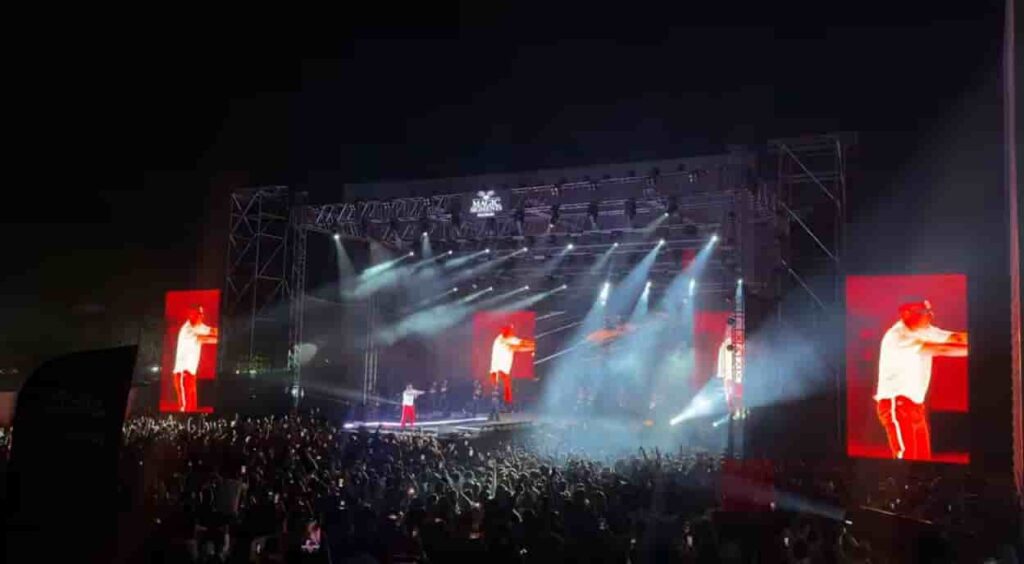
The city of Jaipur recently witnessed an energetic musical celebration as Haryanvi rapper Dhanda Nyoliwala brought his powerful stage presence to Rajasthan with a high-octane live concert that highlighted regional music and cultural identity. The concert turned into an unforgettable cultural spectacle when actor Randeep Hooda joined him on stage, transforming the performance into a vibrant celebration of Haryanvi pride and artistic expression.Held as part of Nyoliwala’s ongoing music tour, the Jaipur show attracted a large crowd of fans who gathered to experience the rising popularity of Haryanvi rap and contemporary regional music. The event stood out not only for its high-energy performances but also for the deeper cultural message it carried—showcasing the language, rhythm, and identity of Haryana on a wider national platform.A Celebration of Haryanvi Identity Through MusicDhanda Nyoliwala has rapidly emerged as one of the most recognizable voices in the Haryanvi independent music scene. Known for his distinctive rap style that blends modern hip-hop beats with raw Haryanvi dialect and storytelling, his performances often reflect everyday life, regional pride, and cultural authenticity.At the Jaipur concert, Nyoliwala performed several of his popular tracks that resonate strongly with young audiences across northern India. His music, often characterized by bold lyrics and energetic rhythms, created an electrifying atmosphere as the crowd enthusiastically sang along to his verses.The concert formed part of a broader effort by regional artists to bring local music traditions into mainstream entertainment spaces. Over the past few years, Haryanvi music has gained significant attention beyond its home state, and performers like Nyoliwala are playing a key role in pushing the genre to national and global audiences.Randeep Hooda’s Surprise Appearance on StageOne of the most memorable moments of the evening came when actor Randeep Hooda made a surprise appearance on stage alongside Dhanda Nyoliwala. Known for proudly representing his Haryanvi roots, Hooda’s presence added a new dimension to the performance and was met with loud cheers from the audience.As Nyoliwala delivered his signature rap verses infused with Haryanvi flavour, Hooda joined him in an energetic performance that blended cinema and music. The actor matched the rhythm with spirited dance moves and traditional Haryanvi expressions, creating an atmosphere that felt both authentic and celebratory.For many fans, this moment symbolised a rare and powerful collaboration between regional music and mainstream cinema. Hooda’s participation was not merely a celebrity cameo but a personal expression of cultural pride, reflecting his long-standing commitment to promoting Haryanvi language and traditions.A Cultural Spectacle Beyond a ConcertWhat began as a musical performance gradually transformed into a larger cultural event. The stage showcased a blend of contemporary rap and traditional Haryanvi spirit, creating a fusion that resonated strongly with the audience.Observers noted that the chemistry between Dhanda Nyoliwala and Randeep Hooda felt natural and spontaneous. Both artists share deep connections to Haryana’s culture, and their collaboration reflected a shared desire to bring regional voices to broader audiences.During the performance, Hooda embraced the lively atmosphere by dancing in classic Haryanvi style while Nyoliwala continued delivering his powerful rap sequences. The combination of music, cultural expression, and stage energy created a memorable experience for fans attending the concert.Audience Response and Social Media BuzzThe Jaipur concert quickly became a trending topic on social media as clips from the event circulated widely online. Videos capturing Hooda’s surprise entry and his energetic participation alongside Nyoliwala generated significant excitement among fans.Audience members described the show as one of the most vibrant musical events in Jaipur in recent months. The crowd’s enthusiastic response demonstrated the growing popularity of regional music genres that reflect local identity while appealing to younger listeners.The concert also highlighted how regional artists are increasingly using live performances to strengthen their connection with audiences beyond their home states.Growing Influence of Haryanvi MusicThe Jaipur concert underscored a broader trend in the Indian music industry: the rising influence of regional languages and independent artists. While Punjabi music has long enjoyed national popularity, Haryanvi music has recently begun carving its own space in mainstream entertainment.Artists like Dhanda Nyoliwala represent a new generation of performers who combine local storytelling with global musical influences such as hip-hop and rap. Their music resonates strongly with young audiences who connect with its authenticity and cultural roots.Collaborations with well-known public figures like Randeep Hooda further help amplify this cultural movement, bringing greater visibility to regional art forms.A Moment of Cultural PrideBeyond the music and entertainment, the Jaipur concert served as a reminder of how art and performance can celebrate identity and heritage. By bringing together contemporary rap and cinematic charisma, Dhanda Nyoliwala and Randeep Hooda created a moment that felt both entertaining and meaningful.The event reflected a growing confidence among regional artists who are proudly presenting their language and traditions to wider audiences. As more musicians and performers continue to explore these cultural roots, concerts like the one in Jaipur demonstrate the evolving landscape of India’s music scene—where regional voices are gaining recognition and influence far beyond their local origins.
Yamaha XSR 155 Price Increased and New Colours Introduced

The neo-retro motorcycle segment in India has been gaining popularity among young riders and enthusiasts who seek a blend of classic styling and modern performance. Strengthening its position in this category, Yamaha has revised the pricing of its modern-retro roadster Yamaha XSR 155 while also introducing a new colour option for the model in India.The update comes only a few months after the motorcycle’s launch in the Indian market. With the revision, the pricing of the bike now varies depending on the colour option selected, marking a shift from the earlier uniform pricing across all variants. Along with the price increase, Yamaha has also expanded the colour lineup with a new Metallic Black shade, giving customers more choices in terms of styling.Price Revision of Yamaha XSR 155When the Yamaha XSR 155 was initially launched in India, all colour variants were priced uniformly at ₹1,49,990 (ex-showroom, Delhi). However, the company has now revised the pricing structure, resulting in different prices depending on the chosen colour scheme.The revised price list is as follows:Colour VariantNew Price (Ex-Showroom Delhi)Price IncreaseMetallic Blue₹1,49,990No changeVivid Red₹1,52,990₹3,000Metallic Grey₹1,56,990₹7,000Greyish Green Metallic₹1,58,990₹9,000Metallic Black (New)₹1,58,990New colourAmong the available options, Metallic Blue remains the most affordable variant, while the Greyish Green Metallic and the newly introduced Metallic Black sit at the top of the price range.The highest price increase in the updated lineup is ₹9,000, which applies to the Greyish Green Metallic variant.Introduction of the New Metallic Black ColourOne of the major highlights of the update is the introduction of a Metallic Black colour scheme, which was previously absent in the XSR 155’s colour lineup. With this addition, the motorcycle is now available in five colour options in India.The new Metallic Black variant features an all-black finish across the fuel tank, body panels, and other components, giving the bike a more aggressive and premium appearance. The darker colour scheme is complemented by subtle branding and design elements that highlight the retro-modern character of the motorcycle.Interestingly, the Metallic Black version also features gold-finished upside-down front forks, similar to the Metallic Blue variant. These gold forks create a strong visual contrast with the black bodywork, further enhancing the bike’s premium aesthetic.This colour option has been introduced largely in response to customer demand, as many riders had expressed interest in a darker, more understated variant of the motorcycle.Design and StylingThe Yamaha XSR 155 is known for its neo-retro styling, which combines vintage design elements with modern engineering. The motorcycle follows Yamaha’s “Faster Sons” design philosophy, inspired by classic bikes from the brand’s heritage lineup.Some of the key design highlights include:Round LED headlampSculpted teardrop-shaped fuel tankMinimalistic body panelsSingle-piece tuck-and-roll seatRetro-inspired side panelsModern alloy wheels and LED lightingThese elements allow the XSR 155 to maintain a classic roadster appearance while incorporating modern performance features.Engine and PerformanceDespite the pricing revision and new colour addition, Yamaha has not introduced any mechanical changes to the motorcycle. The XSR 155 continues to be powered by the same engine and hardware that it debuted with in India.The motorcycle is equipped with a 155cc liquid-cooled single-cylinder engine featuring Yamaha’s Variable Valve Actuation (VVA) technology. The engine produces 18.1 bhp of power and 14.2 Nm of peak torque, paired with a six-speed gearbox and assist-and-slipper clutch.This engine setup is derived from the same platform used in Yamaha’s popular performance models such as the R15 and MT-15.Features and HardwareThe XSR 155 is equipped with several modern features that complement its retro styling. Some of the key hardware and technological features include:Deltabox frame for improved stabilityUpside-down (USD) front forksRear monoshock suspensionFront and rear disc brakes with dual-channel ABSLED lighting systemDigital instrument consoleBluetooth connectivity supportAssist and slipper clutchThe motorcycle weighs approximately 137 kg and features a 10-litre fuel tank, making it suitable for both city riding and occasional long-distance touring.Market Position and CompetitionThe Yamaha XSR 155 occupies a unique position in India’s motorcycle market as a modern-retro roadster in the 150-160cc category. It appeals to riders who want the styling of classic motorcycles without compromising on modern performance and reliability.While it does not have a direct competitor in the same segment, it competes indirectly with motorcycles such as:Retro-styled roadsters in the entry-level segmentLightweight performance bikes in the 150-200cc categoryIts closest competitors include models in the lifestyle roadster segment, where design, brand identity, and riding experience play a major role in purchase decisions.SummaryThe latest update to the Yamaha XSR 155 brings two key changes for the Indian market: a price revision across several colour variants and the introduction of a new Metallic Black colour scheme. The updated pricing now ranges from ₹1.49 lakh to ₹1.58 lakh (ex-showroom) depending on the colour chosen.While the motorcycle remains mechanically unchanged, the addition of the new colour and revised pricing structure provides buyers with more styling options while maintaining the bike’s modern-retro appeal. With its distinctive design, reliable engine platform, and premium styling elements, the XSR 155 continues to strengthen Yamaha’s presence in India’s growing neo-retro motorcycle segment.
Lakhpati Didi Initiative: Empowering Rural Women Through Sustainable Livelihoods
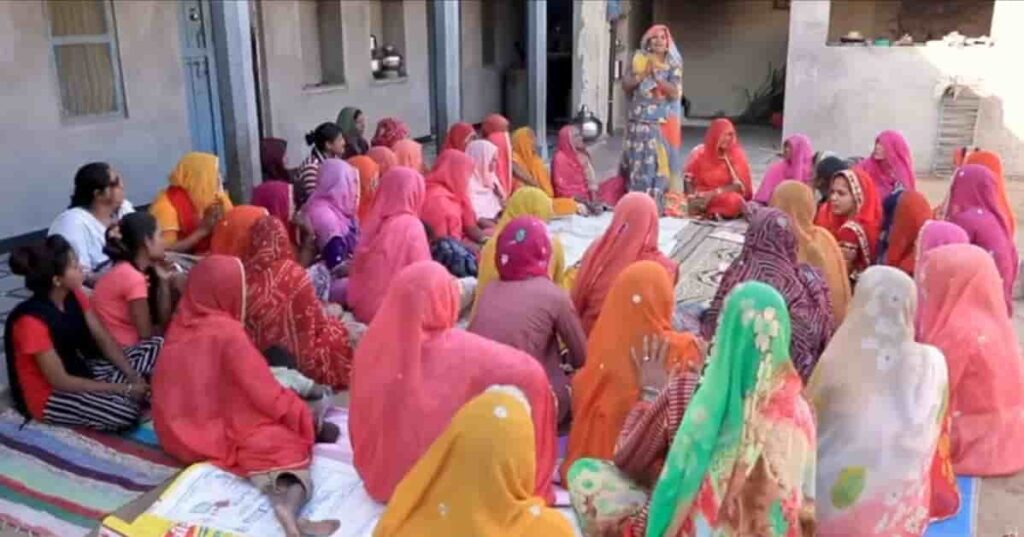
The Lakhpati Didi initiative has emerged as a significant step in India’s rural development framework, aimed at enabling women to achieve financial independence by earning an annual income of at least ₹1 lakh. Implemented under the umbrella of the Deendayal Antyodaya Yojana – National Rural Livelihoods Mission (DAY-NRLM), the programme focuses on strengthening self-help groups (SHGs) and promoting women-led economic activities across rural areas.Over time, the initiative has gained momentum as part of the government’s broader push for women-led development, shifting the focus from welfare support to income generation and entrepreneurship.Concept and ObjectiveThe core idea behind the Lakhpati Didi initiative is to transform rural women into economically self-reliant individuals by ensuring sustainable and diversified income sources. A “Lakhpati Didi” is defined as a woman who, through consistent livelihood activities, earns ₹1 lakh or more annually.The initiative emphasises not just income enhancement but also long-term financial stability. Women are encouraged to move beyond single-source earnings and adopt multiple livelihood options, reducing economic vulnerability and ensuring steady growth.Implementation Through Self-Help GroupsThe programme is primarily implemented through the extensive network of self-help groups formed under DAY-NRLM. These SHGs act as the backbone of the initiative, providing a platform for women to collaborate, access resources, and participate in economic activities.Through these groups, women receive institutional support, peer learning opportunities, and collective bargaining power. The community-based approach has played a crucial role in scaling the initiative across states.Livelihood Activities and Income GenerationWomen identified under the scheme are engaged in a wide range of livelihood activities depending on local resources and skills. These include agriculture and allied sectors such as dairy farming, poultry, and fisheries, along with non-farm activities like tailoring, handicrafts, food processing, and small retail businesses.The initiative promotes diversification of income sources, ensuring that women are not dependent on a single stream of earnings. This approach has helped create resilience against market fluctuations and seasonal uncertainties.Financial Inclusion and Credit AccessAccess to finance remains a critical component of the Lakhpati Didi initiative. Women associated with SHGs are linked to formal banking systems, enabling them to avail low-interest loans and credit facilities.This financial support allows beneficiaries to invest in their businesses, expand operations, and improve productivity. At the same time, the programme also focuses on improving financial literacy, helping women manage savings, credit, and expenditures effectively.Skill Development and Capacity BuildingTo ensure sustainability, the initiative places strong emphasis on skill development and training. Women are provided with technical knowledge related to their chosen livelihoods, along with training in entrepreneurship, business management, and digital literacy.This capacity-building approach enables women to not only generate income but also scale their activities and adapt to changing market demands.Government Push and ExpansionThe government has set ambitious targets to increase the number of Lakhpati Didis across the country, making it a central component of rural economic policy. Efforts are being made to strengthen training programmes, improve market linkages, and provide better infrastructure support.The initiative has also been integrated with other development schemes to maximise its reach and impact.Impact on Rural Economy and Social StructureThe Lakhpati Didi initiative has begun to show visible impact in several parts of rural India. Increased household incomes, reduced dependence on informal credit, and improved standards of living have been reported among beneficiaries.Beyond economic gains, the programme has contributed to enhancing the social status of women. Greater participation in financial decisions, improved confidence, and leadership roles within communities are some of the broader changes observed.Challenges and the Way ForwardDespite its progress, the initiative faces certain challenges, including uneven implementation across states, limited market access in remote areas, and the need for continuous skill upgradation. Ensuring consistent income levels and long-term sustainability remains a key focus area.Experts have highlighted that strengthening supply chains, improving infrastructure, and providing sustained support will be essential to scale the initiative effectively.The Lakhpati Didi initiative represents a shift in India’s rural development strategy, placing women at the centre of economic growth. By combining financial inclusion, skill development, and community support, it continues to build a pathway for sustainable livelihoods and grassroots-level transformation.
Ayushman Bharat: India’s Flagship Healthcare Reform and Its Expanding Impact
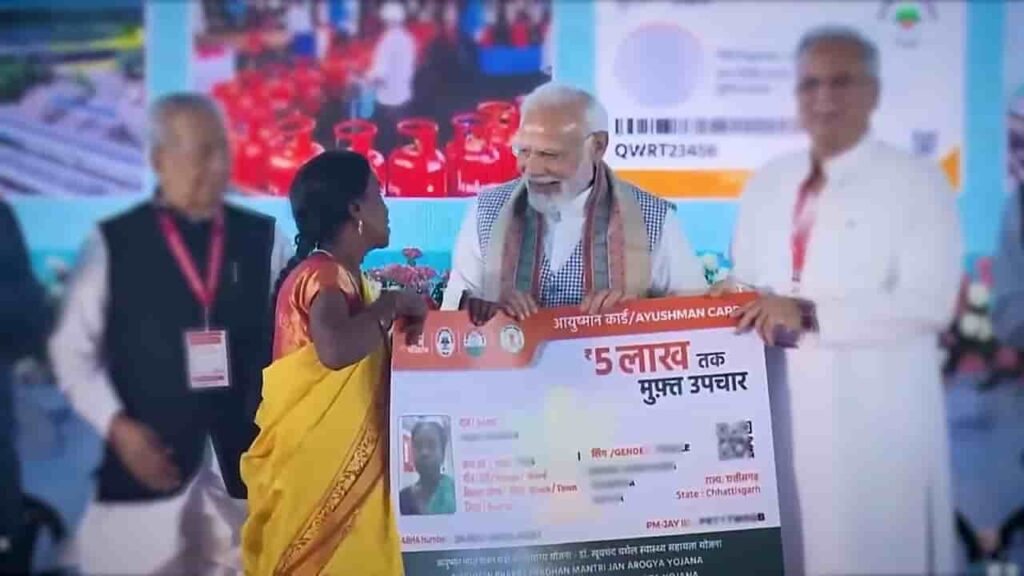
Ayushman Bharat has been one of the most ambitious and transformative public healthcare initiatives undertaken in India, aimed at addressing long-standing gaps in accessibility, affordability, and quality of medical services. Launched in 2018 by the Government of India, the programme was conceptualised as a comprehensive reform to strengthen the country’s healthcare system at multiple levels—from preventive care at the grassroots to financial protection during critical illnesses.Over time, Ayushman Bharat has not only expanded its coverage but also redefined how healthcare is accessed by economically vulnerable populations, making it a central pillar of India’s public health policy.Background: Why Ayushman Bharat Was IntroducedBefore the introduction of Ayushman Bharat, a significant portion of India’s population faced serious challenges in accessing healthcare. High out-of-pocket expenditure, limited insurance coverage, and inadequate primary healthcare infrastructure meant that medical emergencies often pushed families into financial distress.India’s healthcare system had long been characterised by:Heavy reliance on private healthcare servicesHigh treatment costs without financial protectionLimited access to quality care in rural areasFragmented public health infrastructureAyushman Bharat was introduced to address these structural issues by creating a system that combines preventive, promotive, and curative healthcare under a single framework.The Two-Pillar Structure of Ayushman BharatThe programme was designed with a dual approach, ensuring that both basic healthcare needs and advanced medical treatments are covered.1. Health and Wellness Centres (HWCs)The first component focused on strengthening primary healthcare by transforming existing sub-centres and primary health centres into Health and Wellness Centres.These centres were developed to provide comprehensive primary healthcare services, moving beyond limited treatment facilities to include:Maternal and child health servicesImmunisation programmesScreening and management of non-communicable diseases such as diabetes and hypertensionMental health servicesFree essential medicines and diagnosticsPreventive healthcare and awareness programmesThe emphasis on preventive care marked a shift in approach—from treating illness to promoting overall health and early diagnosis.2. Pradhan Mantri Jan Arogya Yojana (PM-JAY)The second and more widely recognised component is Pradhan Mantri Jan Arogya Yojana (PM-JAY), which provides financial protection for hospitalisation.PM-JAY has been designed as a government-funded health insurance scheme, offering:Coverage of up to ₹5 lakh per family per yearAccess to both public and empanelled private hospitalsCashless and paperless treatment at the point of serviceCoverage for a wide range of medical procedures, including surgeries and specialised treatmentsThe scheme primarily targets economically weaker sections, identified through socio-economic data, ensuring that those most in need receive support.Scale and Reach of the ProgrammeAyushman Bharat has been recognised as one of the largest healthcare schemes in the world, covering over 50 crore beneficiaries across India.The scale of the programme is reflected in:Thousands of empanelled hospitals across statesExpansion of Health and Wellness Centres in both rural and urban areasLarge number of hospital admissions under PM-JAYIncreasing awareness and enrolment among eligible populationsThe wide reach of the scheme has played a critical role in bridging healthcare gaps, particularly in underserved regions.Key Features and Operational FrameworkThe effectiveness of Ayushman Bharat lies in its structured implementation and use of technology.Some of its notable features include:Cashless Treatment: Beneficiaries can avail treatment without making upfront paymentsPortability: Services can be accessed across India, irrespective of the beneficiary’s home stateDigital Integration: Use of digital health cards, online verification, and real-time claim processingFraud Control Mechanisms: Systems to monitor and prevent misuse of fundsThese features have made the scheme more accessible, transparent, and efficient.Impact on Healthcare AccessibilitySince its implementation, Ayushman Bharat has had a significant impact on healthcare access in India.It has contributed to:Increased hospital admissions among low-income groupsReduced financial burden during medical emergenciesGreater utilisation of private healthcare facilitiesImproved access to specialised treatments that were previously unaffordableFor many beneficiaries, the scheme has acted as a critical safety net, enabling them to seek timely medical care without fear of financial hardship.Economic and Social ImplicationsBeyond healthcare, Ayushman Bharat has had broader socio-economic implications.By reducing out-of-pocket expenditure, the scheme has helped prevent families from falling into poverty due to medical expenses. It has also:Encouraged investment in healthcare infrastructureCreated employment opportunities in the health sectorPromoted public-private partnerships in healthcare deliveryAdditionally, improved health outcomes contribute to increased productivity and overall economic growth.Challenges in ImplementationDespite its achievements, the programme has faced certain challenges that have influenced its effectiveness.These include:Uneven implementation across statesLimited infrastructure in remote and rural areasAwareness gaps among eligible beneficiariesOccasional delays in claim settlementsConcerns regarding quality of care in some empanelled hospitalsAddressing these challenges has remained crucial for ensuring that the benefits of the scheme reach all intended recipients.Integration with India’s Digital Health EcosystemAyushman Bharat has also played a role in advancing India’s digital health initiatives. The integration of technology has enabled better tracking of patient data, streamlined service delivery, and improved transparency.The move toward digital health records and interconnected systems is expected to further strengthen the healthcare ecosystem in the long run.A Step Toward Universal Health CoverageAyushman Bharat has been a key step in India’s journey toward achieving universal health coverage. By combining primary healthcare reforms with financial protection, the scheme has addressed multiple dimensions of healthcare delivery.It reflects a shift in policy focus—from limited, fragmented healthcare services to a more inclusive and structured system that prioritises accessibility and affordability.Ayushman Bharat has, over the years, reshaped the way healthcare is accessed and delivered in India. By reducing financial barriers, expanding infrastructure, and promoting preventive care, it has moved the country closer to a more equitable healthcare system—one where access to treatment is determined not by income, but by need.