


Shatak: A Gritty Narrative Exploring Power, Morality and Consequences

The film Shatak emerged as a notable addition to the evolving landscape of Indian cinema, drawing attention for its intense narrative, grounded storytelling, and strong thematic focus. Positioned within the space of serious, content-driven films, Shatak moved away from conventional commercial formulas and instead centred on a story shaped by conflict, moral dilemmas, and human vulnerability.At a time when audiences have increasingly shown interest in layered narratives, the film stood out for its attempt to blend realism with dramatic tension, creating a story that unfolds gradually while keeping viewers engaged.Plot and Narrative ApproachShatak followed a storyline rooted in themes of power, justice, and personal choices. Rather than relying on fast-paced spectacle, the film adopted a more measured narrative style, allowing the story to develop through character interactions and situational conflicts.The plot revolved around individuals caught in circumstances that tested their ethics and resilience. As the narrative progressed, it explored how decisions—often taken under pressure—shaped the course of events, leading to consequences that were both personal and far-reaching.The storytelling avoided excessive dramatization, instead focusing on authenticity and emotional depth, which gave the film a grounded tone.Performances and CharacterisationOne of the defining strengths of Shatak lay in its performances. The cast delivered restrained yet impactful portrayals, allowing the characters to feel real and relatable.Rather than relying on exaggerated expressions, the performances were marked by subtlety—expressing conflict, tension, and emotion through controlled acting. This approach aligned well with the film’s overall tone, enhancing its credibility.Each character contributed meaningfully to the narrative, ensuring that the story remained cohesive and immersive.Direction and Cinematic TreatmentThe direction of Shatak reflected a clear focus on storytelling over spectacle. The filmmaker adopted a realistic visual style, using natural settings, minimalistic framing, and controlled pacing to build the film’s atmosphere.The use of lighting, background score, and camera work supported the narrative without overpowering it. Instead of dramatic visual flourishes, the film relied on quiet intensity, allowing scenes to unfold organically.This restrained approach helped maintain consistency in tone, making the film more engaging for audiences seeking content-driven cinema.Themes and Social UndertonesAt its core, Shatak explored themes that resonate beyond the immediate storyline. Issues such as power dynamics, ethical conflict, and the consequences of individual actions were central to the film’s narrative.The story also touched upon broader social realities, subtly reflecting the complexities of systems and institutions. By doing so, the film moved beyond entertainment, offering viewers a perspective on real-world challenges.The layered storytelling encouraged audiences to interpret the narrative in their own way, adding to its depth.Audience Reception and ImpactFollowing its release, Shatak generated discussion among viewers who appreciated its serious tone and storytelling approach. While it may not have followed the structure of mainstream commercial films, it found its audience among those who prefer meaningful and thought-provoking cinema.The film contributed to the growing trend of content-focused projects in the Indian film industry, where storytelling and performance are given precedence over scale.Position in Contemporary CinemaShatak reflected a broader shift in audience preferences, where viewers are increasingly open to films that challenge traditional formats. Its emphasis on realism, character depth, and thematic exploration placed it within the category of films that prioritise substance over spectacle.In a cinematic environment that continues to evolve, such films play an important role in expanding the scope of storytelling and encouraging experimentation.Shatak ultimately stood as a film driven by its narrative strength and emotional depth—one that relied on storytelling, performances, and realism to leave a lasting impression rather than conventional cinematic formulae.Video Credit: Panorama Studios
Mahmood Akram and the Claim of Knowing 400 Languages: A Story of Linguistic Brilliance and Debate

In an age where multilingualism is increasingly valued, the story of Mahmood Akram has drawn widespread attention for an extraordinary claim—that of knowing and understanding nearly 400 languages. The claim, which has circulated across media reports and public discussions, has positioned Akram as a remarkable figure in the world of linguistics, while also sparking conversations about the limits of human language acquisition.The Claim and Public RecognitionMahmood Akram, often described as a polyglot with exceptional linguistic abilities, has reportedly demonstrated knowledge of hundreds of languages spanning different regions, scripts, and linguistic families. His abilities have been showcased through interviews, public appearances, and interactions where he has conversed or responded in multiple languages.The claim of knowing around 400 languages has been widely shared, bringing him into the spotlight as one of the most linguistically gifted individuals in recent times. It has also led to comparisons with historically known polyglots and language scholars.Understanding What “Knowing a Language” MeansA key aspect of the discussion around Mahmood Akram’s abilities is the definition of what it means to “know” a language. Linguists often distinguish between different levels of proficiency, such as:Basic conversational abilityReading and writing skillsFluency and native-like commandAcademic or professional masteryIn the context of extreme multilingualism, it is possible for an individual to have varying levels of familiarity across a large number of languages. This may include the ability to recognise scripts, understand basic vocabulary, or hold simple conversations rather than full fluency in all.The Science Behind PolyglotsThe phenomenon of polyglots—individuals who can speak multiple languages—has long fascinated researchers. Experts in Linguistics note that learning languages becomes easier with exposure, practice, and familiarity with language patterns.Some of the factors that contribute to high-level multilingual ability include:Strong memory and pattern recognitionEarly exposure to multiple languagesConsistent practice and immersionInterest in language structures and culturesWhile mastering a handful of languages is achievable for many, claims of mastering hundreds push the boundaries of what is typically considered possible.Comparisons with Historical PolyglotsThroughout history, several individuals have gained recognition for their multilingual abilities. Figures such as Giuseppe Mezzofanti, a 19th-century cardinal known for his knowledge of dozens of languages, are often cited in discussions about extreme polyglots.However, even among the most well-documented cases, claims rarely reach the scale of hundreds of languages at high proficiency. This makes Mahmood Akram’s claim both fascinating and subject to scrutiny.Public Fascination and SkepticismThe story of Mahmood Akram has captured public imagination, particularly in a globalised world where language skills are seen as a gateway to opportunities and cultural exchange.At the same time, experts and observers have pointed out the need for careful evaluation of such claims. Verifying proficiency across hundreds of languages is a complex process that would require structured assessment, documentation, and expert validation.This has led to a mix of admiration and skepticism surrounding the claim, with many viewing it as an example of extraordinary talent, while others call for clearer evidence and standardised benchmarks.The Broader SignificanceRegardless of the exact number of languages known, the attention surrounding Mahmood Akram highlights the importance of language learning in today’s interconnected world. Multilingual individuals play a key role in bridging cultural gaps, facilitating communication, and preserving linguistic diversity.The story also underscores the human fascination with exceptional abilities and the limits of cognitive potential.A Story That Continues to EvolveAs discussions around Mahmood Akram’s linguistic abilities continue, his story remains one of intrigue and debate. Whether viewed as a record-breaking achievement or an extraordinary claim requiring further validation, it has undeniably brought renewed focus to the field of language learning and the remarkable capabilities of the human mind.The narrative serves as a reminder that language is not just a tool for communication, but also a reflection of cultural richness—and for some, a lifelong pursuit that pushes the boundaries of what seems possible.
Kumar Bhaskar Varma Bridge Over Brahmaputra River: Strengthening Connectivity in Assam

The construction and development of the Kumar Bhaskar Varma Bridge over the Brahmaputra River marks a significant step in enhancing connectivity across Assam. Named after the ancient ruler Kumar Bhaskar Varma, the bridge stands as both an infrastructure milestone and a tribute to the region’s historical legacy.Strategically located, the bridge connects the north and south banks of the Brahmaputra, addressing long-standing challenges of transportation in one of India’s most geographically complex regions.Strategic Location and ImportanceThe Kumar Bhaskar Varma Bridge is being developed near Tezpur, a crucial urban centre in Assam. The Brahmaputra, known for its vast width and unpredictable flow, has historically posed a barrier to seamless connectivity between regions on either side.By linking key districts across the river, the bridge is expected to significantly reduce travel time and improve accessibility for both passengers and goods transport. It will serve as an important alternative route to existing crossings, easing pressure on older bridges and ferry services.Enhancing Regional ConnectivityConnectivity has long been a challenge in Assam, particularly in areas separated by the Brahmaputra. The new bridge aims to transform this by providing:Faster inter-district travelImproved access to healthcare and education facilitiesBetter connectivity for rural and semi-urban areasStrengthened road networks linking national highwaysThe bridge will play a vital role in integrating remote regions with major economic centres, thereby supporting inclusive development.Boost to Trade and Economic ActivityThe project is expected to have a strong economic impact on the region. Assam’s economy relies heavily on agriculture, tea production, and small-scale industries, all of which depend on efficient transportation.With improved connectivity:Movement of goods will become faster and more cost-effectiveTrade between northern and southern Assam will increaseLocal businesses will gain better access to marketsTourism in nearby regions will receive a boostThe bridge is also likely to support cross-border trade routes in the broader Northeast region.Engineering and Infrastructure SignificanceConstructing a bridge over the Brahmaputra is a complex engineering challenge due to the river’s strong currents, shifting channels, and seasonal flooding. The Kumar Bhaskar Varma Bridge reflects advancements in modern engineering techniques designed to withstand such conditions.The structure is expected to feature:Multiple spans to accommodate the river’s widthHigh load-bearing capacity for heavy vehiclesDurable materials suited for flood-prone conditionsSafety features for all-weather usageSuch infrastructure is crucial for ensuring year-round connectivity in a region often affected by monsoon disruptions.Social and Developmental ImpactBeyond economic benefits, the bridge will have a meaningful social impact. Improved connectivity often translates into better quality of life for local communities.Residents will experience:Easier access to hospitals and emergency servicesGreater educational opportunitiesEnhanced mobility for daily commutingReduced isolation of remote areasFor many communities, the bridge represents not just infrastructure, but improved access to essential services and opportunities.Cultural and Historical SignificanceNaming the bridge after Kumar Bhaskar Varma adds a cultural dimension to the project. He was a prominent ruler of the ancient Kamarupa kingdom and is remembered for his contributions to the region’s history.The naming reflects an effort to connect modern development with historical identity, preserving regional pride while moving forward with infrastructure growth.Toward a More Connected NortheastThe Kumar Bhaskar Varma Bridge is part of a broader push by the government to improve infrastructure across Northeast India. Enhanced connectivity is seen as a key driver for economic growth, national integration, and strategic development in the region.As Assam continues to expand its transport network, projects like this bridge are expected to play a central role in shaping the state’s future—bringing regions closer, improving mobility, and unlocking new opportunities across sectors.
Delhi–Meerut RRTS Fully Operational: India’s First Regional Rapid Transit Corridor Becomes a Reality

In a major milestone for India’s urban transport infrastructure, the full stretch of the Delhi–Meerut Regional Rapid Transit System (RRTS) has now been opened for public operations. Developed by the National Capital Region Transport Corporation (NCRTC), the corridor marks the country’s first semi-high-speed regional rail system, designed to significantly reduce travel time between Delhi and key cities in western Uttar Pradesh.The corridor connects Delhi, Ghaziabad, and Meerut, transforming daily commuting across the National Capital Region into a faster, more efficient experience.A High-Speed Alternative to Road TravelThe Delhi–Meerut RRTS corridor spans approximately 82 kilometres, making it one of the most advanced regional rail projects in the country. With trains designed to operate at a maximum speed of 180 km/h and an operational speed of around 160 km/h, the system drastically cuts down travel time.Commuters can now travel between Delhi and Meerut in less than one hour, compared to the earlier duration of over two to three hours by road, depending on traffic conditions. This is expected to ease congestion on highways and reduce dependence on private vehicles.Modern Stations and InfrastructureThe corridor includes over 20 strategically located stations, covering major residential, commercial, and transit hubs along the route. Key stations include:Sarai Kale Khan (Delhi)Anand ViharGhaziabadModinagarMeerut SouthMeerut CentralThese stations are equipped with modern facilities such as:Platform screen doorsAutomated ticketing systemsEscalators and elevatorsSeamless integration with metro and bus networksThe infrastructure has been designed keeping in mind accessibility, safety, and passenger comfort.Advanced Technology and Passenger ExperienceThe RRTS introduces a new standard of rail travel in India, combining speed with technology-driven convenience.Trains on the corridor are fully air-conditioned and feature:Ergonomic seatingDedicated luggage spaceOnboard information systemsWi-Fi connectivityCCTV surveillance for securityA separate premium coach has also been introduced, offering business-class-like seating and additional comfort for passengers willing to pay a higher fare.Integration with Urban Transport NetworksOne of the key advantages of the RRTS is its integration with existing urban transit systems. Stations such as Anand Vihar and Sarai Kale Khan connect with metro lines, railway stations, and bus terminals, enabling seamless last-mile connectivity.This multimodal approach is expected to encourage greater use of public transport and reduce traffic congestion in the region.Economic and Regional ImpactThe full operationalisation of the Delhi–Meerut RRTS corridor is expected to have far-reaching economic implications.Improved connectivity will:Boost real estate development along the corridorFacilitate faster movement of workforce between citiesEncourage business expansion beyond DelhiSupport balanced regional development in NCRCities like Ghaziabad and Meerut are likely to witness increased investment and urban growth as commuting becomes more convenient.Environmental BenefitsBy providing a fast and reliable alternative to road travel, the RRTS is also expected to contribute to environmental sustainability.Reduced vehicular traffic will lead to:Lower carbon emissionsDecreased fuel consumptionImproved air quality in the NCR regionThe project aligns with India’s broader goals of promoting sustainable and green mobility solutions.A New Era of Regional ConnectivityThe Delhi–Meerut RRTS is the first of several planned corridors under the regional rapid transit system network. Its successful implementation sets a benchmark for similar projects connecting other parts of the National Capital Region.With high-speed travel, modern infrastructure, and seamless connectivity, the corridor represents a significant leap in how intercity commuting is approached in India—bringing cities closer while improving quality of life for millions of daily commuters.
Sitaar for Mental Health India Tour ft. Rishab Rikhiram Sharma

In recent years, conversations around mental health have become increasingly important across the world. Stress, anxiety, depression, and emotional burnout have emerged as significant challenges, particularly among younger generations navigating a fast-paced digital and professional environment. Against this backdrop, innovative approaches that combine art, culture, and therapy have begun to gain recognition. One such initiative is the “Sitar for Mental Health” India Tour, led by acclaimed sitarist Rishab Rikhiram Sharma, which aims to harness the healing power of music to promote emotional well-being and mindfulness.The tour represents a unique intersection of Indian classical music, modern sound design, meditation practices, and mental health awareness. By using the traditional instrument of the sitar as a tool for introspection and emotional healing, the initiative attempts to reconnect audiences with the therapeutic potential of music.About Rishab Rikhiram SharmaRishab Rikhiram Sharma is widely regarded as one of the most prominent young sitarists of his generation. Born into the renowned Rikhi Ram family of instrument makers in Delhi, he grew up surrounded by Indian classical music and craftsmanship. He began learning the sitar at the age of ten under the guidance of his father before eventually becoming the youngest disciple of legendary sitar maestro Ravi Shankar.Over the years, Sharma has built a global reputation as a neo-classical musician who blends traditional ragas with contemporary sounds and digital elements. His performances have been staged in prestigious venues around the world, and he has attracted millions of followers across social media platforms. Beyond his musical achievements, Sharma is also known for openly discussing his personal experiences with anxiety and emotional struggles, which inspired him to launch a mental health initiative through music.In 2020, he founded the “Sitar for Mental Health” movement, an initiative that uses music therapy and live performances to encourage mindfulness and emotional healing.The Concept Behind “Sitar for Mental Health”The core philosophy of the “Sitar for Mental Health” project is rooted in the belief that music possesses the power to heal, calm, and restore emotional balance. The initiative draws inspiration from ancient Indian traditions that associate musical vibrations with emotional and psychological well-being.Through immersive performances, Sharma combines classical sitar compositions with guided breathing, meditative listening, and ambient soundscapes. The experience encourages audiences to slow down, disconnect from external noise, and reconnect with their inner emotional state.Unlike conventional music concerts, these performances are structured as reflective experiences where sound becomes a medium for relaxation and introspection. The concerts often integrate elements such as:Guided breathing sessionsMeditative soundscapesTraditional ragas performed on sitarAmbient and electronic musical layersVisual and sensory elements designed to create a calm atmosphereThe goal is not merely entertainment but a deeper emotional and mental engagement that allows audiences to experience music as a form of therapy.The 2026 India TourAs part of the Asia leg of the global “Sitar for Mental Health” initiative, Sharma announced a 10-city India tour in 2026, bringing his immersive musical experience to audiences across the country.The tour is scheduled to begin in Bengaluru on March 15, 2026, and will travel across major Indian cities before concluding in New Delhi on April 19, 2026.Cities included in the tourThe performances will take place in the following cities:BengaluruMumbaiPuneHyderabadJaipurChennaiAhmedabadChandigarhKolkataNew DelhiEach event is designed as a multi-sensory experience lasting around two hours, allowing audiences to immerse themselves in calming sound environments and introspective musical journeys.A Global InitiativeThe India tour forms part of a larger international journey that has taken the “Sitar for Mental Health” concept to audiences in multiple countries. Sharma has previously performed the project across regions including North America, Europe, and Asia.The initiative gained momentum through digital sessions during the pandemic, where Sharma streamed live sitar performances and discussions about emotional well-being. Over time, these sessions evolved into large-scale live events attended by thousands of people.The tour has now become one of the most distinctive music-based wellness initiatives globally, redefining how audiences interact with classical music.Music as a Tool for Emotional HealingThe concept of using music for emotional healing is not entirely new. In Indian tradition, the ancient practice of Raga Chikitsa suggests that specific ragas can influence emotional states and psychological well-being. Sharma’s project draws inspiration from this idea while presenting it in a contemporary format that resonates with modern audiences.Through slow tempo compositions, deep resonant tones of the sitar, and immersive acoustic environments, the performances aim to stimulate calmness, reduce stress, and encourage mindfulness. The sound vibrations of the sitar, combined with ambient elements, are intended to create a deeply introspective experience.This approach has attracted audiences beyond traditional classical music enthusiasts, particularly among young people who are increasingly exploring mindfulness practices such as meditation and yoga.Growing Importance of Mental Health AwarenessThe launch of the “Sitar for Mental Health” India tour comes at a time when mental health awareness is becoming a central global concern. Increasing work pressure, digital overstimulation, social isolation, and economic uncertainty have contributed to rising levels of stress and anxiety.Initiatives like Sharma’s tour play an important role in normalizing conversations around mental health while providing accessible ways for people to engage with emotional well-being.By combining art with advocacy, the project highlights how cultural traditions can contribute to contemporary discussions about mental health.Bridging Tradition and Modern InnovationOne of the most distinctive aspects of Sharma’s work is his ability to bridge centuries-old musical traditions with modern creative expression. While deeply rooted in Indian classical music, his performances incorporate experimental sound design and contemporary storytelling.This fusion allows the sitar—an instrument with a long historical legacy—to remain relevant for modern audiences while preserving its cultural essence.Through “Sitar for Mental Health,” Sharma demonstrates how traditional art forms can evolve to address modern challenges such as emotional well-being and psychological resilience.SummaryThe “Sitar for Mental Health” India Tour by Rishab Rikhiram Sharma represents a unique cultural initiative that blends Indian classical music with mental health awareness. Rooted in the healing traditions of sound and mindfulness, the tour offers audiences an immersive musical experience designed to promote calmness, reflection, and emotional balance.Spanning ten major cities across India, the tour brings together music, meditation, and storytelling to create a
Amazon Opens Its Second-Largest Office in Asia with 12-Storey Campus in North Bengaluru
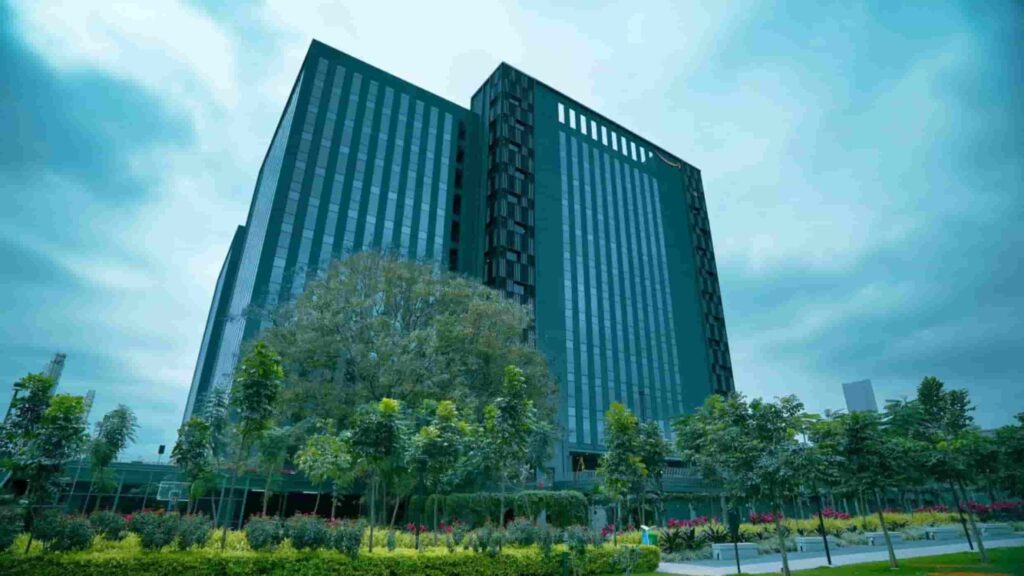
Global technology and e-commerce company Amazon has inaugurated its second-largest office in Asia in North Bengaluru, marking another major milestone in the company’s long-term expansion in India. The new corporate campus reflects Amazon’s continued investment in the country’s technology ecosystem and highlights Bengaluru’s position as one of the world’s leading technology hubs.The newly opened office spans 1.1 million square feet and consists of a 12-storey building, making it one of the largest corporate campuses operated by the company in the Asia-Pacific region. The facility is designed to accommodate more than 7,000 employees working across various business divisions including e-commerce, technology, operations, payments, and seller services.The campus was officially inaugurated on 23 February 2026 in the presence of Karnataka’s Minister for Large and Medium Industries and Infrastructure Development, Dr. M. B. Patil, along with senior leaders from Amazon India.Location and Campus SizeThe new Amazon office is located in North Bengaluru, near the rapidly developing technology corridor close to the airport region. The campus stands on a five-acre site located about 15 kilometres from Kempegowda International Airport, making it strategically accessible for employees and business partners.With its 1.1 million square-foot built-up area, the facility ranks as Amazon’s second-largest office building in Asia and one of its largest single-building corporate offices globally.The campus is part of Amazon’s broader strategy to expand its operational and technological presence in India, where the company has been building large infrastructure facilities for more than two decades.A Major Hub for Amazon’s India OperationsThe new Bengaluru campus will serve as a major hub for several of Amazon’s key business functions in India. Employees working in technology development, e-commerce operations, payments, logistics, and seller services will operate from this facility.Amazon India’s leadership has emphasised that Bengaluru has played a central role in the company’s journey in the country. Over the years, the city has hosted some of Amazon’s earliest technology and innovation teams.Samir Kumar, Country Manager of Amazon India, stated that India remains a long-term priority for the company and that Bengaluru continues to be a critical centre for talent, innovation, and global operations.Modern Workplace InfrastructureThe campus has been designed with a modern workplace philosophy that prioritises collaboration, flexibility, and employee well-being. The building includes multiple meeting rooms, collaboration zones, breakout spaces, and event areas to encourage teamwork and innovation.Several recreational and wellness facilities have also been incorporated into the campus. These include:Basketball and pickleball courtsOutdoor landscaped spacesAmphitheatres and community gathering areasRecreation zones for employeesLarge cafeterias serving diverse cuisines across two floorsThe design approach aims to create a workplace that supports both productivity and work-life balance for thousands of employees working in the building.Sustainability and Future-Ready DesignAmazon’s new campus also reflects the company’s broader sustainability commitments. The building has been designed with features intended to support energy efficiency, environmental sustainability, and responsible resource usage.Large corporate campuses like this are increasingly designed to reduce carbon footprints, improve indoor air quality, and promote sustainable operations.The campus is also aligned with Amazon’s global environmental initiative known as The Climate Pledge, through which the company aims to achieve net-zero carbon emissions by 2040.Amazon’s Investment in IndiaThe opening of this large office campus also highlights the scale of Amazon’s investment in the Indian market. Since entering India, the company has invested over 40 billion dollars in the country, and it has committed an additional 35 billion dollars in investment by 2030.India has become one of Amazon’s most important global markets, not only for e-commerce but also for technology development, cloud services, logistics, and digital payments.Large corporate campuses like the one in Bengaluru are intended to support this long-term expansion strategy while strengthening the company’s innovation capabilities in the region.Bengaluru as a Global Technology HubThe decision to establish such a large office in Bengaluru also reflects the city’s status as a global centre for technology and innovation. Often referred to as India’s “Silicon Valley,” Bengaluru hosts thousands of technology companies, research centres, and startups.The presence of global companies such as Amazon, along with major technology firms, has helped transform the city into one of the world’s largest technology talent hubs.Government officials have also highlighted that investments like Amazon’s new campus contribute significantly to the local economy by creating high-skilled jobs, strengthening the technology ecosystem, and supporting the growth of India’s digital economy.Economic and Employment ImpactThe new campus is expected to generate significant employment opportunities and strengthen the technology ecosystem in Bengaluru. With space for over 7,000 employees, the facility will host professionals working in engineering, operations, business strategy, logistics management, and digital services.In addition to direct employment, large corporate campuses often create indirect economic benefits by supporting local businesses, service providers, and infrastructure development in surrounding areas.Experts believe that investments of this scale also reinforce India’s role as a major centre for global technology development.ConclusionAmazon’s new 12-storey corporate campus in North Bengaluru represents one of the largest office developments by a technology company in India. As the company’s second-largest office in Asia, the facility underscores Amazon’s continued commitment to expanding its operations in the country.With thousands of employees expected to work from the campus and with modern infrastructure designed for collaboration and innovation, the new office is likely to play an important role in Amazon’s global operations in the years ahead.The project also highlights the growing importance of Bengaluru as a global technology hub and reflects India’s increasing role in the international digital economy.
FIH Men’s & Women’s Pro League 2025–26: Format, Teams, Schedule and Global Significance

The 2025–26 FIH Pro League is one of the most prestigious international field hockey competitions in the world, bringing together the top national teams in both men’s and women’s categories. Organised by the International Hockey Federation, the tournament represents the seventh edition of the global league since its introduction in 2019.Often referred to as the “League of the Best,” the competition features the world’s top hockey nations competing in a season-long championship across multiple countries. The 2025–26 edition began on 9 December 2025 and is scheduled to conclude on 28 June 2026, with matches held at venues across Europe, Asia and Australia.The league plays a crucial role in international hockey because it not only showcases elite competition but also serves as an important pathway toward qualification for major tournaments such as the Hockey World Cup.What is the FIH Pro League?The FIH Pro League is an annual international field hockey tournament in which the top national teams compete in a league format throughout the season. The competition replaced the earlier FIH Hockey World League and was introduced to create a consistent global calendar for international hockey.The tournament involves both men’s and women’s competitions running simultaneously. Each participating team plays multiple matches across different venues worldwide, earning points that determine their final position in the standings.The league aims to increase global visibility for hockey, provide regular high-level international competition, and strengthen the sport’s commercial and broadcast appeal.Participating TeamsThe 2025–26 season features nine teams each in the men’s and women’s competitions. These teams represent the strongest hockey nations across different continents.Men’s TeamsThe participating men’s national teams include:ArgentinaAustraliaBelgiumEnglandGermanyIndiaNetherlandsSpainPakistanPakistan’s participation in this season is particularly significant, as it returned to the Pro League after earning promotion through the Hockey Nations Cup.Women’s TeamsThe women’s competition also features nine leading hockey nations competing across the season.These teams represent four major hockey confederations and bring together many of the world’s top-ranked players.Tournament FormatThe FIH Pro League follows a round-robin league format, where each team plays multiple matches against other participating teams throughout the season.For the 2025–26 season:Each team plays 16 matches during the tournament.Teams earn points based on match results.The team finishing with the highest points at the end of the season is crowned the league champion.Matches are organised in “blocks” during the year, where several teams gather at one venue to play a series of matches in what are sometimes described as mini-tournaments. This format helps manage international travel and scheduling across different continents.Key Venues and Host CitiesThe league is played across several major international hockey venues.For the 2025–26 season, matches are hosted in cities across multiple countries including:Rourkela (India)Hobart (Australia)Rotterdam (Netherlands)London (United Kingdom)Wavre (Belgium)Berlin (Germany)This global hosting model allows fans from different parts of the world to experience international hockey matches live.Match Rules and Points SystemThe FIH Pro League follows international hockey rules with some specific features related to the league format.Key rules include:A win in regulation time earns three points.If the match ends in a draw, teams proceed to a penalty shootout.The winner of the shootout earns two points, while the loser receives one point.This points system ensures that every match produces a decisive result and maintains competitive balance throughout the season.Importance for International HockeyThe Pro League has become a major pillar of international hockey competition.The tournament provides:Regular matches between the world’s best teamsHigh-quality exposure for players and teamsA global platform for promoting the sportOpportunities for fans to watch elite hockey throughout the yearAdditionally, performances in the league often influence international rankings and can impact qualification pathways for major tournaments.India’s Participation in the Pro LeagueIndia has been one of the key participants in the FIH Pro League since its early seasons. The Indian men’s hockey team has consistently competed against top nations such as Belgium, Australia and the Netherlands.
Kerala Renamed as “Keralam”: History, Reasons, Constitutional Process and What It Means

In a significant development reflecting linguistic identity and cultural heritage, the Union Cabinet of India approved a proposal to change the official name of the southern state of Kerala to “Keralam”. The decision marks a key constitutional step toward aligning the state’s official English name with the name used in the Malayalam language.The proposal was approved by the Union Cabinet on 24 February 2026 during a meeting chaired by the Prime Minister. The move sets in motion the formal constitutional process required to alter the name of an Indian state.The change has been described as a reflection of the linguistic identity of the people of the state, as “Keralam” is the name traditionally used in Malayalam to refer to the region.Background: Why the Name Change Was ProposedThe demand to change the official name from “Kerala” to “Keralam” has existed for several years. In Malayalam—the primary language spoken in the state—the region is commonly referred to as Keralam, not Kerala.Supporters of the change argued that the current name used in English does not fully reflect the linguistic and cultural identity of the state. They maintained that adopting “Keralam” as the official name would bring the constitutional name of the state in line with its traditional and linguistic identity.The Kerala Legislative Assembly formally took up the issue and passed resolutions requesting the Union government to initiate the renaming process.Kerala Assembly ResolutionsThe first major step toward the name change was taken by the Kerala Legislative Assembly. In August 2023, the Assembly adopted a resolution urging the Union government to change the state’s name from Kerala to Keralam.However, the resolution had to be passed again due to procedural reasons. On 24 June 2024, the Assembly unanimously passed another resolution requesting the central government to amend the Constitution and change the state’s name officially to Keralam.The resolution explained that the state has always been known as “Keralam” in Malayalam and that the name “Kerala” appears only in the First Schedule of the Constitution of India.It also pointed out that Indian states were reorganised on linguistic lines in 1956, and therefore the state’s constitutional name should reflect its linguistic identity.Union Cabinet ApprovalAfter receiving the request from the Kerala government, the proposal was examined by the Ministry of Home Affairs and other legal authorities.On 24 February 2026, the Union Cabinet approved the proposal to alter the name of the state from Kerala to Keralam.The Cabinet decision acknowledged the long-standing demand from the state government and noted that the change aligns with the name used in the Malayalam language.The approval was welcomed by several political leaders, who described it as a recognition of the cultural identity of the people of the state.Constitutional Procedure for Changing the Name of a StateChanging the name of an Indian state is not a simple administrative decision. It requires a formal constitutional process under Article 3 of the Constitution of India.The procedure involves several steps:State Resolution The process usually begins with a resolution passed by the state legislature requesting the name change.Union Cabinet Approval The proposal is examined by the Union government and approved by the Union Cabinet.Presidential Recommendation After Cabinet approval, the President of India refers the proposal to the concerned state legislature for its views.Introduction of a Bill in Parliament A bill—called the Kerala (Alteration of Name) Bill, 2026 in this case—will be introduced in Parliament.Parliamentary Approval Both houses of Parliament must pass the bill.Final Presidential Assent After the bill is passed, the President of India gives assent, making the name change official.Only after completing these steps will the state’s name be formally changed in the Constitution.Historical Context of Kerala’s FormationUnderstanding the renaming issue also requires looking at the historical formation of the state.Modern Kerala was created on 1 November 1956 under the States Reorganisation Act, which reorganised Indian states based on linguistic identity. Malayalam-speaking regions from the former princely states of Travancore and Cochin were merged with the Malabar district to form the state of Kerala.This day is celebrated annually as Kerala Piravi (Kerala Formation Day).The demand for a unified state for Malayalam speakers was part of the Aikya Kerala Movement, which sought to unite all Malayalam-speaking regions into a single administrative unit.Supporters of the name change argue that since the state was formed on linguistic grounds, its official name should also reflect the Malayalam form “Keralam.”Cultural and Linguistic SignificanceThe word “Keralam” has deep cultural and linguistic roots. It is the name used in Malayalam literature, historical texts, and everyday speech by residents of the state.In Malayalam grammar, “Keralam” is the natural form of the name, while “Kerala” is an anglicised version that became widely used in English during colonial and post-colonial administrative usage.Changing the official name is therefore seen as a way of reinforcing regional identity and preserving linguistic heritage.Political and Public ReactionsThe renaming proposal has generated both support and debate in political and public circles.Supporters argue that the change is a symbolic but meaningful recognition of the state’s linguistic identity. They believe it reflects the aspirations of the Malayali people and corrects a historical inconsistency between the constitutional name and the local usage.However, some critics have argued that the change is largely symbolic and does not address more pressing economic or social issues facing the state.Despite differing opinions, the move has sparked widespread discussion about linguistic identity, federalism, and the cultural representation of Indian states.What Happens NextFollowing the Union Cabinet’s approval, the next step is the introduction of the Kerala (Alteration of Name) Bill, 2026 in Parliament.If the bill is passed by both houses of Parliament and receives presidential assent, the name “Kerala” will be officially replaced by “Keralam” in the Constitution of India.Once the change takes effect, government documents, official records, and administrative references will gradually adopt the new name.ConclusionThe proposal to rename Kerala as Keralam represents more than a simple change in spelling. It reflects a broader discussion about language, identity, and the relationship between regional cultures and the constitutional framework of India.By aligning the state’s official name with its Malayalam usage, supporters believe the
India’s First Wildlife-Friendly Highway Stretch Developed on NH-45 in Madhya Pradesh
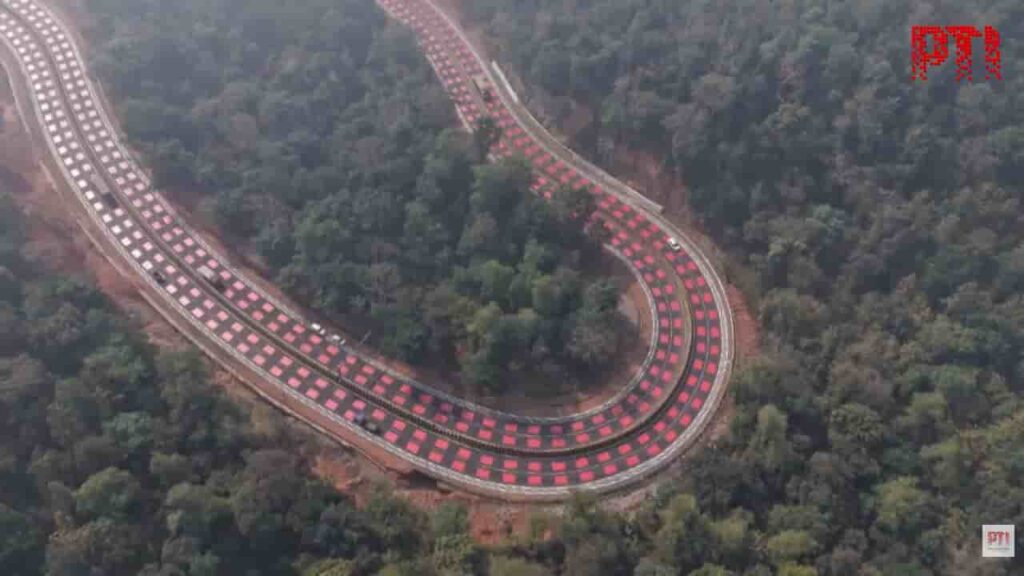
Image: PTIIndia has introduced its first wildlife-friendly highway stretch on National Highway-45 (NH-45) in Madhya Pradesh, marking an important step toward balancing infrastructure development with wildlife conservation. The initiative has been implemented by the National Highways Authority of India to reduce animal-vehicle collisions in ecologically sensitive forest corridors.The project covers an 11.96-kilometre stretch on the Hiran–Sindoor section of NH-45, which connects Bhopal and Jabalpur and passes through the Veerangana Durgavati Tiger Reserve. The corridor also lies close to the Nauradehi Wildlife Sanctuary, making it an important route for wildlife movement between forest habitats.Innovative “Table-Top” Red MarkingsA key feature of the wildlife-friendly highway is the introduction of “table-top red road markings.” These markings consist of 5-millimetre thick thermoplastic red layers applied across the road surface in areas where wildlife movement is frequent.The raised texture of these markings creates mild vibrations and audible feedback when vehicles pass over them. This tactile and visual cue encourages drivers to slow down naturally without requiring abrupt braking. The bright red colour also serves as a warning that the vehicle is entering a wildlife-sensitive zone.The design was inspired by similar traffic-calming techniques used on the Sheikh Zayed Road in Dubai, where road engineering solutions are used to control vehicle speeds in specific areas.Infrastructure for Wildlife ProtectionIn addition to the innovative road markings, the highway corridor includes several other features aimed at protecting wildlife.Authorities have constructed 25 dedicated wildlife underpasses along the stretch to allow animals to move safely beneath the road. Continuous fencing has also been installed along both sides of the highway to guide animals toward these crossing points and prevent them from wandering onto the roadway.Cameras and monitoring systems have also been installed at certain locations to track wildlife movement and ensure that the safety measures remain effective.Importance of the InitiativeThe NH-45 corridor passes through a forest ecosystem that supports a variety of wildlife species, including tigers, deer, sambar and jackals. Increased traffic on highways running through such habitats often leads to animal-vehicle collisions, posing risks both to wildlife and motorists.The wildlife-friendly highway design aims to reduce these incidents by encouraging slower driving and providing safe crossing infrastructure for animals.A Model for Sustainable Highway DevelopmentThe project is part of the government’s broader push toward environmentally responsible infrastructure under initiatives such as the Green Highways Policy. If successful, the model could be replicated on other national highways that pass through wildlife corridors and protected forest areas.Experts believe that integrating wildlife-friendly features into road design is essential as India continues expanding its highway network while also preserving its biodiversity.
Prime Minister Modi’s Israel Visit: Strategic Engagement Amid Regional Uncertainty

Prime Minister Narendra Modi undertook a two-day official visit to Israel, marking a significant moment in India–Israel relations at a time of heightened geopolitical volatility in West Asia. The visit, described by official sources as historic, was aimed at consolidating India’s long-standing strategic partnership with Israel while navigating the complex regional and global environment shaping Middle Eastern politics.The visit underscored India’s commitment to sustained engagement with Israel across defence, technology, agriculture, innovation and economic cooperation, even as regional conflicts and shifting alliances pose diplomatic headwinds.Context and Timing of the VisitPrime Minister Modi’s Israel visit comes at a sensitive juncture for the region. West Asia continues to witness prolonged instability, with security concerns, evolving power equations and humanitarian challenges dominating the geopolitical landscape. Against this backdrop, India’s outreach to Israel reflects a calibrated diplomatic approach that balances strategic interests with regional stability and global responsibilities.India and Israel share a relationship that has evolved steadily since the establishment of full diplomatic ties in 1992. Over the years, cooperation has expanded from defence procurement to joint research, innovation-driven partnerships and people-centric development projects. The current visit builds on this foundation while acknowledging the realities of a strained regional environment.High-Level Engagements and Bilateral TalksDuring the visit, Prime Minister Modi held extensive talks with Benjamin Netanyahu, focusing on deepening the India–Israel strategic partnership. The discussions reviewed the full spectrum of bilateral cooperation, including defence and security, economic engagement, technological collaboration, water management and agricultural innovation.Both leaders reaffirmed their commitment to strengthening institutional mechanisms that support cooperation in critical and emerging sectors. Emphasis was placed on sustaining momentum in joint initiatives that align with India’s development priorities and Israel’s technological expertise.Defence and Strategic CooperationDefence cooperation remains a central pillar of India–Israel relations. Israel is among India’s key defence partners, particularly in areas such as surveillance systems, missile defence technologies, unmanned aerial vehicles and advanced electronics.During the talks, the two sides reviewed ongoing defence collaboration and explored avenues for deeper cooperation under India’s ‘Make in India’ and ‘Atmanirbhar Bharat’ initiatives. Officials highlighted the importance of co-development, technology transfer and long-term industrial partnerships rather than transactional procurement.The visit reaffirmed mutual interest in enhancing defence industrial ties while ensuring that cooperation remains aligned with international norms and India’s strategic autonomy.Technology, Innovation and Economic CooperationA major focus of the visit was expanding collaboration in technology and innovation, areas where India and Israel share strong complementarities. Israel’s globally recognised startup ecosystem and India’s scale in digital adoption and manufacturing offer significant opportunities for joint growth.Discussions covered cooperation in fields such as artificial intelligence, cybersecurity, digital public infrastructure, healthcare technologies and sustainable innovation. Both sides acknowledged the growing role of startups, research institutions and private enterprises in driving the next phase of bilateral engagement.Economic ties were also reviewed, with leaders noting the steady expansion of bilateral trade and investment. Efforts are underway to diversify trade baskets and encourage partnerships in manufacturing, services and high-technology sectors.Agriculture and Water ManagementAgriculture and water management — long-standing areas of India–Israel cooperation — featured prominently during the visit. Israel’s expertise in drip irrigation, water recycling and arid-zone farming has contributed significantly to India’s agricultural productivity initiatives over the years.The two sides discussed strengthening cooperation through Centres of Excellence across Indian states, capacity-building programmes and joint research initiatives focused on climate-resilient agriculture.Geopolitical Considerations and India’s Balanced ApproachPrime Minister Modi’s Israel visit unfolded amid ongoing geopolitical tensions in West Asia, a factor acknowledged in diplomatic discussions. India reiterated its principled position of supporting peace, dialogue and stability in the region while maintaining constructive relations with all key stakeholders.India’s engagement with Israel is part of a broader West Asia strategy that also encompasses strong ties with Arab nations, Iran and other regional actors. Officials emphasised that India’s foreign policy is guided by national interest, strategic autonomy and respect for sovereignty, rather than bloc-based alignments.People-to-People Ties and Cultural EngagementBeyond strategic and economic discussions, the visit also highlighted the importance of people-to-people ties. The Indian diaspora in Israel, academic exchanges and cultural interactions continue to add depth to bilateral relations.Educational cooperation, student mobility and cultural dialogue were identified as areas with potential for further expansion, particularly among younger generations.Significance of the VisitPrime Minister Modi’s Israel visit is significant not merely for the agreements discussed or reviewed, but for its broader diplomatic message. It signals continuity in India–Israel relations, resilience in engagement despite regional uncertainties, and a forward-looking approach to cooperation in technology-driven and innovation-led sectors.At a time when global geopolitics is marked by uncertainty and realignment, the visit reinforces India’s intent to remain an active, reliable and independent partner on the world stage.The Road AheadThe outcomes of the visit are expected to translate into strengthened institutional cooperation, faster implementation of joint projects and expanded engagement between businesses, research institutions and innovation ecosystems in both countries.As India and Israel look ahead, their partnership is likely to continue evolving — shaped by shared strategic interests, technological collaboration and a mutual commitment to long-term cooperation in an increasingly complex global environment.