


NGT Greenlights Great Nicobar Mega-Project: Strategic Lifeline or Ecological Gamble?
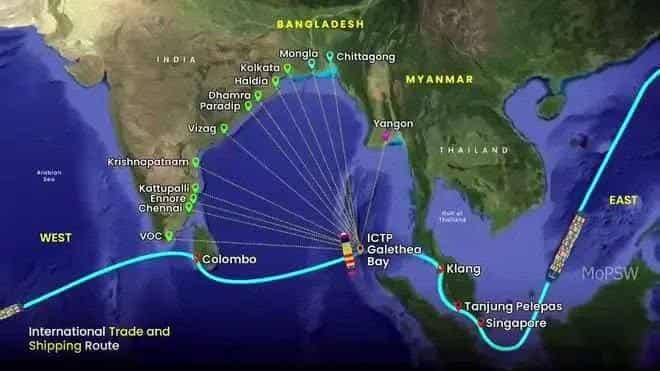
In a landmark ruling, the National Green Tribunal (NGT) on February 16, 2026, upheld environmental clearances for the ₹81,000-92,000 crore Great Nicobar Island development, dismissing petitions citing “strategic importance” and “adequate safeguards,” paving the way for India’s ambitious Bay of Bengal hub amid fierce eco-debates.Project Blueprint: Four Pillars of TransformationSpanning 166 sq km on the 910 sq km island (India’s southernmost at Indira Point), led by Andaman and Nicobar Islands Integrated Development Corp Ltd (ANIIDCO) and NITI Aayog:Dual-Use Airport: Greenfield civil-military strip east of Galathea Bay (4.2 sq km, displacing 379 families); runway north-south over the sea for surveillance near the Six Degree Channel, cutting Port Blair response time by 500+ km; eyes Singapore/Vietnam routes.Transshipment Port: Galathea Bay ICTP challenges Colombo’s monopoly; Leatherback turtle nesting site concerns flagged.Integrated Township: Residential/commercial/tourism/logistics/defense zones; power plant (450 MVA gas-solar).Population Boom: From 6,500 to 3.25L by 2040, 13-15L by 2075, 1L+ jobs projected.NGT bench (Justice Prakash Shrivastava) relied on HPC (ex-secy Leena Nandan) findings: No ICRZ violations, strict compliance mandated.Strategic Imperative in Indo-Pacific Chessboard9km from Sumatra, hugging Malacca Strait trade lanes (80% of India’s oil), Great Nicobar bolsters QUAD/Andaman chain vs. China’s String of Pearls. Dual-use airport enables fighter ops, quick IOR response; port slashes foreign transshipment reliance (₹50,000 cr savings/yr est.). Eco-tourism/scientific hubs eyed, with DPR noting minimal low-alt hill flights.Key Directives on Construction & CoastlineNo Erosion or Shoreline Changes: All activities, including foreshore development, must prevent erosion or adverse coastal alterations across project areas and nearby islands.Preserve Sandy Beaches: Absolute protection for turtle/bird nesting sites, no loss permitted, recognizing their role as natural barriers.Wildlife & Species ProtectionEnvironmental clearance conditions explicitly shield:Leatherback sea turtles (Galathea Bay nesting).Nicobar megapode, saltwater crocodiles, robber crabs, Nicobar macaques, and endemic birds.Long-term monitoring is required for forests, coral reefs, and water quality.Compliance & Tribal MeasuresBinding EC Conditions: Government must enforce all original safeguards without violation at any stage, HPC verified adequacy.Tribal Safeguards: Resettlement honoring pre-tsunami patterns; restricted construction access; include Tribal Councils (Great/Little Nicobar) per Forest Rights Act 2006.Ongoing OversightIndependent ecological audits are mandated.Violations trigger penalties/remediation.NGT emphasized these as non-negotiable for the ₹81,000 cr airport/port/township push on 130 sq km forest land.Ecological & Social StormForest/Wildlife Hit: 130 sq km diversion (14% island), ~1M trees felled; Great Nicobar Biosphere Reserve impacts, Shompen/Nicobarese tribes (84 sq km land) at risk.Critics Cry Foul: Petitions highlighted turtle bays, river deltas; NGT deems safeguards (e.g., no CRZ breaches) sufficient.Population Pressure: 6.5L by 2050 strains fragile marine/forest ecosystems.ANIIDCO insists on mitigation: Site grading, sea-path flights. NGT: “Strategic needs outweigh; monitor compliance.NGT safeguards for the Great Nicobar project aim to protect the vulnerable Shompen tribe—a Particularly Vulnerable Tribal Group (PVTG) of ~200 semi-nomadic hunter-gatherers—primarily by enforcing spatial, surveillance, and legal isolation from project activities, though critics argue enforcement gaps persist.Core Spatial & Access ProtectionsNo Habitat Disturbance: Project explicitly bans encroachment into Shompen settlements, core zones (Galathea/Alexandrina Rivers), or traditional foraging areas—130 sq km forest diversion excludes their 84 sq km reserve.greentribunal+1Geo-Fencing & Surveillance: Towers and restricted entry zones encircle tribal habitats to prevent outsider contact, minimizing disease transmission risks (past epidemics decimated PVTGs like Jarawas).Oversight & Welfare MandatesDepartment of Tribal Welfare (DTW) Lead: Monitors safety, provisions (non-invasive food at Campbell Bay hospital), and rights under Andaman & Nicobar (Protection of Aboriginal Tribes) Regulation 1956, no exploitation of reserve resources by non-tribals.NCST Consultation: Article 338A(9) compliance verified; Forest Rights Act 2006 gram sabha inclusion for PVTGs, though implementation historically lags (“Nil” FRA progress reported).Isolation Protocols: No permanent non-tribal/Govt residences in reserve; temporary camps only for welfare/research; cross-infection barriers in healthcare.Legal & Compliance BackboneNGT/HPC upheld 2022 EC conditions as “adequate”: Independent audits, penalties for violations, tribal council involvement (Great/Little Nicobar). Pre-tsunami resettlement patterns honored; Shompen rights (hunting under Wildlife Act amendment) preserved.Lingering ConcernsAnthropologists warn of indirect threats (fragmented forests, population influx to 3L+ by 2040, disrupting semi-nomadic life); NGT mandates monitoring but lacks PVTG-specific veto power, compliance now pivotal for ~181 Shompen across 56 households.Path ForwardClears legal logjam post-2022 EC; HPC revisited 2023 concerns. Investments (₹1L cr+) promise jobs/hotels but hinge on tribal consent, monitoring.As “India’s Hong Kong,” Great Nicobar eyes global tourism map, balancing security surge with island fragility.
Estonia President’s Official Visit to India: A Milestone in Bilateral Engagement
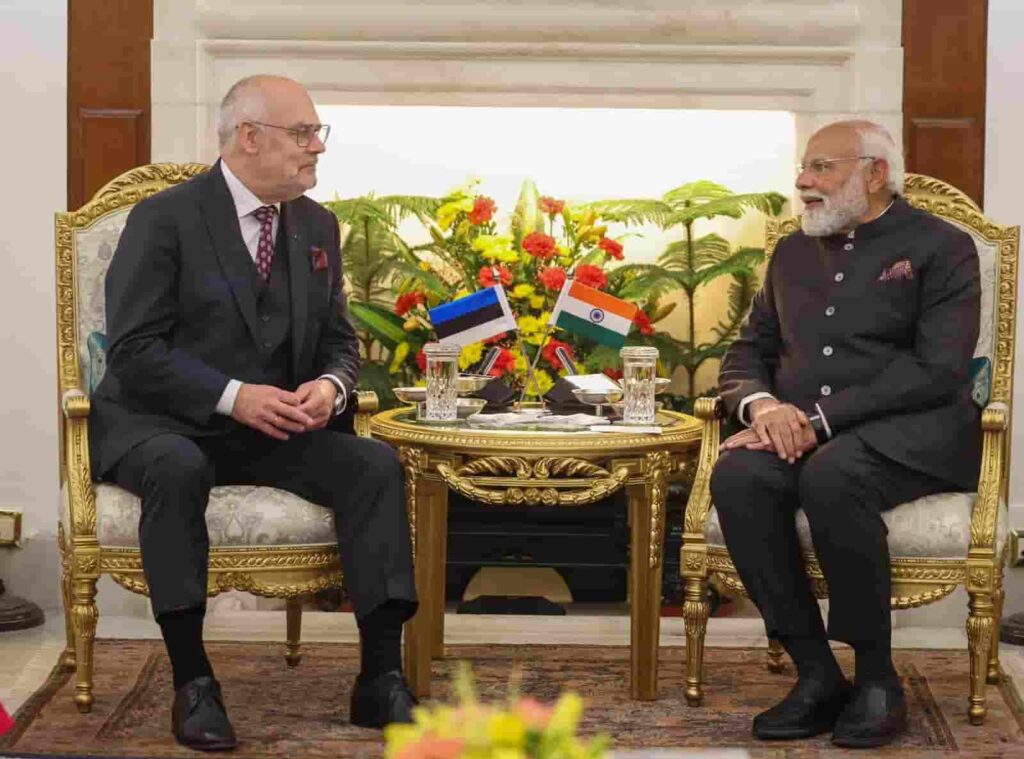
President Alar Karis, the Head of State of Estonia, concluded a significant official visit to India on February 19, 2026, underscoring deepening ties between the two countries across diplomacy, trade, digital cooperation, education and cultural exchange. The discussions and engagements during the visit reflected shared democratic values, mutual interest in technology-led growth and a growing emphasis on people-to-people links.This visit marked a high-profile diplomatic engagement that elevated relations between India and Estonia — both of which are democracies with strong commitments to digital innovation, open governance and strategic multilateral cooperation.Official Welcoming and High-Level MeetingsPresident Alar Karis was received at Rashtrapati Bhavan by President of India Smt. Droupadi Murmu, in a ceremony that reaffirmed the importance both nations place on their bilateral relationship. The ceremonial reception, followed by formal talks, set the tone for substantive discussions on a broad agenda of cooperation.In their meeting, President Murmu and President Karis reviewed ongoing collaboration, expressed satisfaction with the growing momentum of bilateral ties, and identified new avenues for future engagement. Both leaders spoke of shared democratic principles, respect for sovereignty, and the potential for deeper cooperation in emerging sectors.Strategic and Technology CooperationEstonia is known globally for its success in digital governance, cybersecurity and e-services, and these areas took centre stage during the visit. India and Estonia discussed cooperation in:Digital infrastructure and e-governance modelsCybersecurity partnershipsData governance frameworksDigital economy initiativesIndia shared its experience with large-scale programs such as Aadhaar and DigiLocker, while Estonia showcased best practices from its e-Estonia ecosystem — widely regarded as one of the most advanced digital societies in the world.Both sides expressed interest in knowledge exchange and joint initiatives that could benefit public service delivery, innovation pipelines and digital skill development.Economic and Trade EngagementBilateral trade and economic cooperation were key components of the discussions. While overall trade volume between India and Estonia has remained modest compared to India’s larger European partners, both nations affirmed a desire to broaden commercial links.Estonian companies operating in fields such as information technology, clean energy solutions, precision engineering and logistics services were identified as potential partners for deeper engagement with Indian enterprises. Similarly, Indian firms were encouraged to explore opportunities in the Estonian market, particularly in high-technology and service sectors.Both countries agreed on the need to further institutionalise trade facilitation mechanisms, reduce barriers and foster business dialogue through joint economic forums.Education, Culture and People-to-People LinksThe Presidents highlighted the importance of educational and cultural exchanges as core pillars of bilateral engagement. India and Estonia reaffirmed their commitment to expanding academic collaborations, student mobility programs and cultural showcases that deepen understanding between their citizens.Emphasis was placed on supporting:University partnershipsResearch collaboration in science and technologyStudent exchange schemesCultural festivals and artistic collaborationsThese initiatives were seen as vital for building stronger long-term ties, especially among young professionals, innovators and academics.Multilateral Cooperation and Shared ValuesIndia and Estonia also explored cooperation at the United Nations and other multilateral forums. Both countries reiterated their commitment to democratic norms, rule of law, peaceful resolution of disputes and inclusive development.There was agreement on enhancing joint efforts on global issues such as climate change, sustainable development, digital governance norms, and secure cyberspace regulations.Joint Statement and Future RoadmapAt the conclusion of the visit, both leaders issued a joint statement reaffirming their intent to broaden cooperation across multiple domains, including:Digital transformation and cybersecurityEconomic and trade linkagesEducation and cultural exchangeMultilateral engagement and strategic dialogueThe statement also expressed mutual respect for each other’s development models and acknowledged the importance of continued high-level visits and institutional dialogue mechanisms.Significance of the VisitPresident Karis’s visit to India in February 2026 carries strategic significance on several fronts. India’s engagement with Estonia — a small but highly innovative member of the European Union — reflects New Delhi’s broader approach to building partnerships based on shared technological and governance priorities rather than solely on scale.For Estonia, strengthening ties with India provides enhanced access to one of the world’s fastest-growing major economies and offers opportunities to participate in collaborative initiatives in technology, education and strategic innovation. Estonia’s expertise in digital governance was highlighted as a complementary asset to India’s own digital transformation journey.The visit also reaffirmed that India’s foreign policy priorities extend beyond traditional geopolitical partnerships to include innovative, technology-driven countries positioned for long-term global impact.As bilateral engagement moves forward, both sides signalled their intention to operationalise the discussions through focussed working groups, expert exchanges and public-private cooperation platforms that translate high-level commitments into actionable outcomes.President Karis’s visit, therefore, stands out not merely as ceremonial diplomacy but as a visit that helped articulate a forward-looking India-Estonia partnership in the digital age — one rooted in shared values, mutual respect and practical collaboration.
Spanish President Pedro Sánchez’s Official Visit to India: Strengthening Strategic Partnership
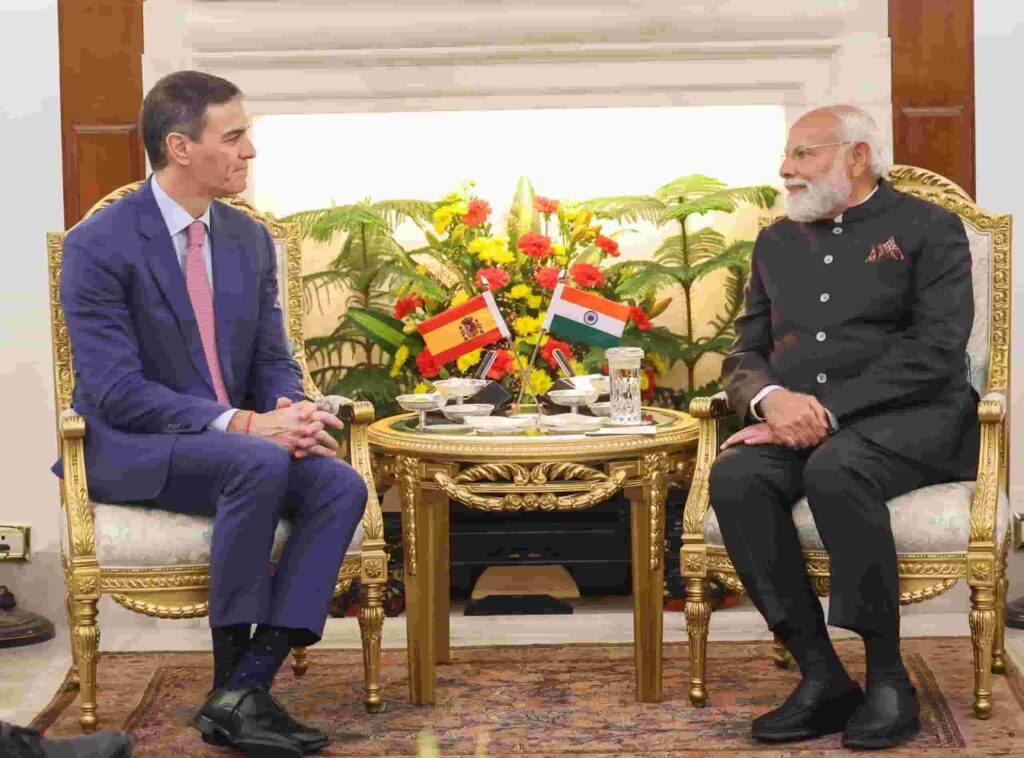
Spanish President Pedro Sánchez — President of the Government of Spain — paid an official visit to India from October 27 to 29, 2024, in a significant diplomatic engagement aimed at reinforcing bilateral ties across strategic, economic, technological and cultural domains. The visit, marked by high-level interactions with senior Indian leadership including Prime Minister Narendra Modi, underscored the evolving partnership between the two democracies in the contexts of trade, innovation, climate cooperation and global governance.This visit was the first by a Spanish head of government to India in nearly a decade, reflecting a renewed momentum in bilateral engagement driven by converging geopolitical priorities, deepening economic interdependence and shared commitments to multilateral cooperation.Arrival and Official EngagementsPresident Sánchez arrived in India on October 27, 2024, ahead of his participation in the AI Impact Summit hosted in New Delhi — an event that convened global leaders, industry experts and policymakers to discuss the future of artificial intelligence (AI), regulation frameworks and its socio-economic potential. Spanish participation in the summit signalled Spain’s interest in India’s emerging digital and technological leadership.On arrival, President Sánchez was received by senior Indian officials and engaged immediately in discussions that set the tone for substantive bilateral dialogues over the next three days.High-Level Meetings with Indian LeadershipA central component of the visit was the official meeting between President Sánchez and Prime Minister Narendra Modi at [official venue – e.g., Hyderabad House / Raisina Hill precinct]. The leaders held wide-ranging talks on issues of bilateral and global importance, reaffirming a shared vision for cooperation based on democratic values, economic partnership and sustainable development.Both leaders emphasised strengthening strategic dialogue mechanisms and enhancing cooperation in key sectors such as defence, manufacturing, green technologies, digital economy and renewable energy. They underscored the importance of elevating the India–Spain relationship into a comprehensive strategic partnership, reflecting growing political trust and mutual respect.Economic and Trade PrioritiesEconomic cooperation formed a major pillar of the visit. With bilateral trade between India and Spain having expanded over the years, both sides reiterated their intent to deepen economic engagement. Discussions focused on:Expanding trade in goods and servicesEnhanced cooperation in advanced manufacturing and innovation ecosystemsInvestment facilitation and market access for strategic sectorsTechnology partnerships in areas such as AI, mobility, health tech and clean energy solutionsPresident Sánchez and Indian counterparts acknowledged that both economies benefit from complementary industrial strengths — Spain’s advanced manufacturing and engineering capabilities and India’s growing services and technology base. They expressed optimism that targeted collaborations could accelerate investment flows and create employment opportunities in both countries.AI Impact Summit ParticipationPresident Sánchez’s participation at the AI Impact Summit underscored both nations’ interest in shaping global discourse on artificial intelligence. In his address, the Spanish leader emphasised the need for ethical, human-centric AI frameworks, equitable access to technological benefits, robust data protection standards and collaboration across nations in AI governance. The summit provided a platform for exchange of ideas on how emerging technologies can be responsibly deployed for societal benefit.Spanish delegations also engaged with Indian industry leaders, startups, research institutions and academic observers during the summit, fostering cross-border collaborations in cutting-edge research and innovation ecosystems.Defence, Security and Strategic CooperationDefence cooperation featured prominently in the discussions. Spain and India reviewed existing defence ties and explored expanded collaboration in key areas such as aerospace, naval systems, dual-use technologies and defence manufacturing partnerships. Both sides expressed interest in boosting joint research initiatives and expanding defence trade under frameworks that promote technology sharing and co-development.Security cooperation, particularly in areas such as counter-terrorism, cybersecurity and maritime security, was also prioritised. The leaders reiterated the importance of multilateral cooperation in addressing global security challenges, including in forums such as the United Nations and other international platforms.Climate Change, Renewable Energy and SustainabilityClimate action and sustainable development emerged as another key theme. India and Spain committed to enhancing cooperation on climate resilience, renewable energy deployment and green hydrogen ecosystems. Spain’s experience in wind and solar technologies aligns with India’s ambitious green energy transition targets, including the expansion of renewable capacity and sustainable urbanisation initiatives.Both sides also reaffirmed their support for multilateral climate goals under the Paris Agreement and emphasised collaborative approaches to climate finance, clean technology transfer and sustainable infrastructure development.Cultural and People-to-People ExchangesDuring his visit, President Sánchez highlighted the cultural bonds between India and Spain, noting that people-to-people ties — including tourism, academic exchange, arts and cultural collaborations — form a vital dimension of the bilateral relationship. Spain’s historical heritage and contemporary cultural vibrancy continue to find resonance with Indian audiences, even as Indian art, literature and cinema increasingly gain prominence in Spanish cultural spaces.Joint Communiqué and Future CooperationAt the conclusion of the visit, both countries released a joint communiqué outlining agreed priorities and a roadmap for future cooperation. Key commitments included:Regular high-level political consultationsEnhanced trade and investment facilitation measuresCooperative initiatives in technology, defence, climate and sustainable developmentStrengthened academic, cultural and scientific exchangesSignificance and ImpactPresident Pedro Sánchez’s visit to India in late 2024 marked a multipartite reaffirmation of the India–Spain relationship at a time of global geopolitical realignment. The emphasis on technology cooperation — particularly through Spain’s active role at the AI Impact Summit — hinted at a widening scope of cooperation beyond traditional diplomatic and defence dimensions.For India, deepening ties with Spain — a European Union member with strong global integration — adds momentum to its broader engagement strategy with Europe, aligning with India’s goals of diversifying partnerships in trade, innovation, and sustainable development.For Spain, stronger engagement with India opens pathways for Spanish companies in India’s fast-growing markets and reinforces Madrid’s diplomatic reach in Asia. Both nations signalled that their cooperation would be pragmatic, forward-looking and anchored in mutual interests.The visit has, therefore, been widely seen as a milestone moment in India–Spain ties — steering the relationship from transactional engagement toward a broader strategic partnership that spans economics, technology, culture and global governance cooperation.
Nissan Introduces ‘Gravite’ Edition, Reinforces Push in India’s Compact SUV Segment
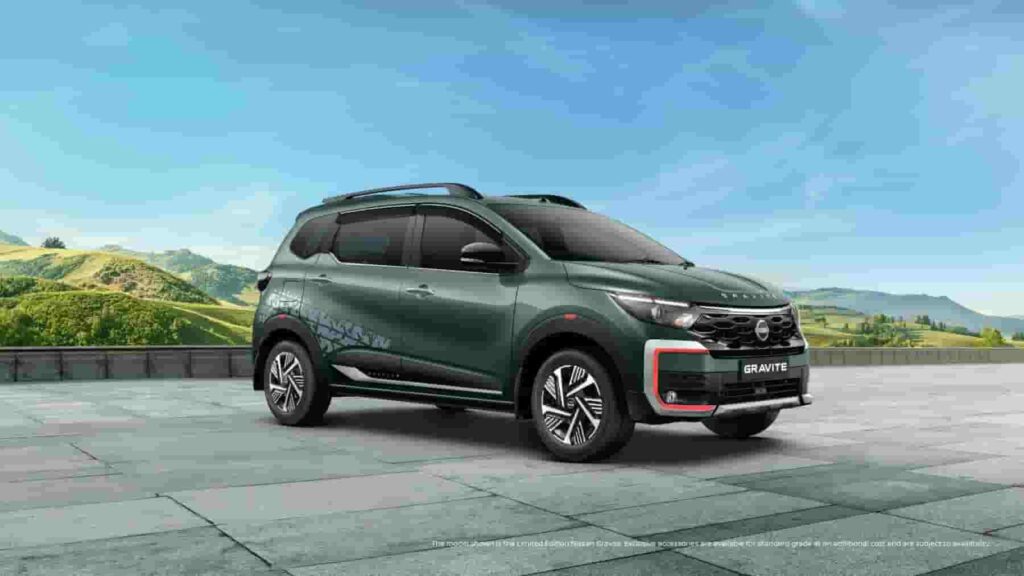
Image: Nissan IndiaNissan has introduced the Gravite as part of its India product strategy, signalling a renewed focus on strengthening its presence in the highly competitive compact SUV space. The launch comes at a time when demand for compact, feature-rich urban SUVs continues to outpace other passenger vehicle segments, driven by younger buyers and first-time car owners upgrading from hatchbacks.The Gravite has been positioned as a newly introduced edition rather than an entirely new nameplate, aligning with Nissan’s approach of refreshing and repackaging its offerings to remain competitive without altering the underlying platform. Company officials have indicated that the edition is aimed at enhancing visual appeal, perceived premiumness and feature value, while retaining the mechanical fundamentals that have already found acceptance in the Indian market.Context of the LaunchNissan’s India portfolio has undergone a gradual recalibration over the past few years, with the company focusing on fewer but more strategically positioned products. The introduction of the Gravite edition is seen as part of this recalibrated approach — offering customers something distinct within an existing framework, while keeping costs and production complexity under control.Industry observers note that such editions are often aimed at sustaining showroom interest and responding to evolving consumer preferences without the risks associated with full model overhauls.Design and PositioningVisually, the Gravite is understood to place emphasis on styling differentiation and interior presentation, elements that increasingly influence purchase decisions in the compact SUV category. The edition is intended to appeal to buyers seeking a more premium look and feel, especially in urban markets where design and brand perception play a significant role.Rather than altering the vehicle’s size, structure or mechanical layout, the focus remains on enhancing desirability through cosmetic and feature-level updates, ensuring the vehicle continues to meet regulatory norms and cost expectations.Powertrain and Mechanical ContinuityFrom a mechanical standpoint, Nissan has retained the existing engine and transmission options associated with its compact SUV lineup. This continuity reflects a broader industry trend, where manufacturers prioritise reliability, fuel efficiency and compliance over frequent mechanical changes, particularly in price-sensitive segments.By maintaining proven powertrain configurations, Nissan is also aiming to reassure customers on long-term ownership costs, service familiarity and resale value.Market Competition and StrategyThe Gravite enters an intensely contested segment dominated by established players from both Indian and global manufacturers. Compact SUVs have emerged as one of the most crowded categories in the passenger vehicle market, with buyers expecting a blend of road presence, technology, comfort and efficiency at competitive price points.Nissan’s strategy with the Gravite appears to be value reinforcement rather than reinvention — sharpening the product’s appeal through targeted updates while leveraging its existing dealer network and manufacturing base.
New Tata Punch EV: What Has Changed, How the Battery Options Work, and Why Tata Is Repositioning Its Entry-Level Electric SUV
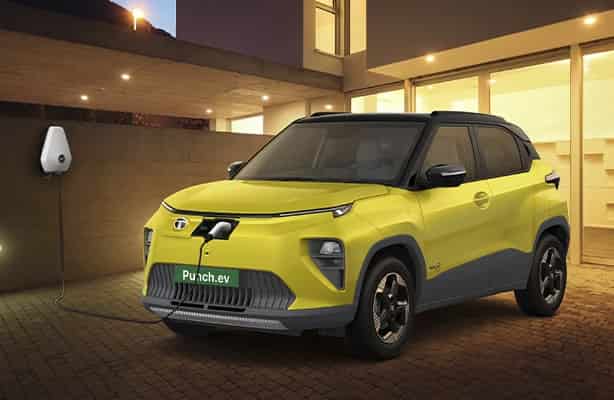
Image: TATA MotorsTata Motors has rolled out an updated version of the Tata Punch EV, strengthening its position in India’s fast-evolving electric vehicle market. The update is not a cosmetic refresh alone; it is part of a broader strategy to make electric mobility more flexible, more affordable at entry, and less intimidating for first-time EV buyers.The Punch EV continues to sit at the entry level of Tata’s electric portfolio, below the Nexon EV, but the latest changes indicate a clear effort to address two persistent concerns among buyers: range anxiety and long-term battery ownership costs.Battery Options Explained: Which Variant Gets WhatA key update in the new Punch EV is the clearer separation of battery options across variants, allowing buyers to choose based on usage rather than paying for excess capacity upfront.The model is offered with two battery pack choices:A smaller battery pack, aimed primarily at city users with predictable daily commutes.A larger battery pack, intended for buyers who want extended real-world range and greater flexibility for longer drives.Each battery option is tied to specific variants rather than being freely configurable. This helps Tata streamline pricing while guiding buyers toward a battery size that realistically matches their needs. The smaller battery is positioned as a practical urban solution, while the larger pack targets customers transitioning fully away from internal combustion vehicles.Range, Performance and Urban FocusWhile Tata continues to quote competitive certified range figures, the company’s emphasis with the Punch EV remains on real-world usability rather than headline numbers. The vehicle is engineered for:Daily city commutesStop-start traffic efficiencyPredictable charging cyclesThe electric motor output and tuning are designed to prioritise smooth acceleration and ease of driving rather than outright performance, aligning with the Punch EV’s role as an everyday compact SUV.Design Updates and Cabin ChangesVisually, the updated Punch EV receives subtle exterior revisions rather than a complete redesign. The front fascia, lighting elements and alloy wheel designs have been refreshed to align with Tata’s newer EV design language, giving the car a slightly more premium and contemporary look without altering its familiar proportions.Inside the cabin, the focus is on technology and ease of use. Updates include:A larger touchscreen infotainment system in higher variantsAn improved digital instrument clusterConnected-car features that allow users to monitor vehicle status remotelyThe cabin layout continues to emphasise space efficiency, upright seating and practicality, which have been strong selling points of the Punch platform.Lifetime Battery Warranty: Addressing Long-Term EV AnxietyOne of the most significant announcements with the new Punch EV is the introduction of a lifetime battery warranty under Tata’s Battery Assurance and Support System (BAAS).This move directly addresses concerns around:Battery degradation over timeReplacement costs after warranty expiryResale value of electric vehiclesBy offering long-term battery coverage, Tata Motors is attempting to reduce psychological barriers for buyers who are hesitant about EV ownership beyond the first few years.Dual Loan Scheme: How It WorksTo further improve affordability, Tata has introduced a dual-loan financing structure. Under this system:One loan covers the vehicle excluding the batteryA second, separate loan is taken for the battery packThis structure lowers the initial loan amount for the car itself and can result in reduced monthly EMIs, especially for buyers opting for the larger battery. It also provides flexibility for future financing and ownership decisions.Market Positioning and CompetitionThe Punch EV operates in a highly competitive and rapidly expanding segment. Tata Motors already leads India’s EV market, and the updated Punch EV is designed to:Attract first-time EV buyersServe as a second car for urban householdsOffer a safer and more robust alternative to smaller city EVsIts closest competition comes from compact electric offerings and upcoming entry-level EVs, but Tata’s advantage lies in its charging ecosystem, brand trust, and after-sales network.Why the Updated Punch EV MattersThe changes to the Punch EV reflect a broader shift in India’s EV market. Buyers are no longer asking only about range; they are asking about ownership clarity, long-term costs, and reliability. By restructuring battery options, offering lifetime warranty coverage and introducing flexible financing, Tata Motors is redefining what an entry-level electric SUV can offer.The Punch EV is no longer positioned merely as the cheapest way into Tata’s EV lineup. Instead, it is being presented as a thoughtfully engineered, long-term urban mobility solution.
India’s Upcoming State Elections 2026: High Stakes Showdowns Across Key States
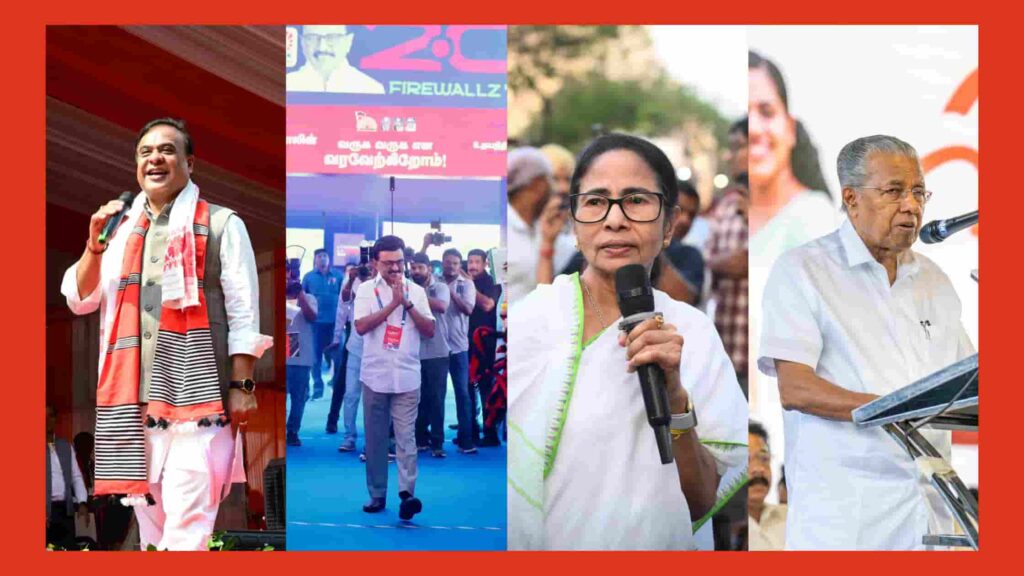
As 2026 unfolds as a major electoral year in India, several state assemblies are set to go to polls, with political parties gearing up for high-profile battles that will shape regional and national political dynamics ahead of the 2029 general elections. The Election Commission of India has already intensified preparations, including voter-roll revisions and finalisation of electoral lists, as competition rises among alliances and regional players.Key States and Territories Headed to the PollsFive major state and union territory elections are scheduled in March–April 2026, with official dates expected to be announced by the Election Commission in mid-March. These elections are critical tests for both national and regional parties.Assam — All 126 seats of the Legislative Assembly will be contested on completion of the incumbent government’s term.Tamil Nadu — Polling is expected for all 234 assembly seats before the current assembly’s term ends in May.West Bengal — Elections for the 294-member Legislative Assembly are due in March–April, with the term ending in May.Kerala — The assembly polls will take place after the final electoral roll of 2.69 crore voters was released, reflecting sustained preparations.Puducherry — The Union Territory’s 30 assembly seats will also be in contention, completing the cycle of polls in these regions.Assam 2026: Ruling NDA Faces Consolidated OppositionThe Assam Legislative Assembly election is expected to be held in March–April 2026 for all 126 seats, with the incumbent National Democratic Alliance (NDA) led by Chief Minister Himanta Biswa Sarma seeking a fresh mandate.The NDA — comprising the Bharatiya Janata Party (BJP), Asom Gana Parishad (AGP), United People’s Party Liberal (UPPL) and Bodoland People’s Front (BPF) — has shown relative unity ahead of the polls, with party leaders asserting strong confidence. Opposition groupings, led by the Indian National Congress and regional allies (such as the All India United Democratic Front), are contesting seat-sharing arrangements and campaign strategies to consolidate anti-incumbency sentiment.Assam’s election context is shaped by issues of development, identity politics, border security and infrastructure spending, with parties highlighting governance records and local socio-economic priorities to appeal to voters.Tamil Nadu: Major Showdown Between AlliancesThe 2026 Tamil Nadu Assembly election will see all 234 assembly seats contested as the incumbent Dravida Munnetra Kazhagam-led Secular Progressive Alliance government, led by M. K. Stalin, seeks re-election. The principal challengers will be the National Democratic Alliance (NDA), driven by a All India Anna Dravida Munnetra Kazhagam-BJP alliance, and various regional fronts.Seat-sharing discussions are underway months ahead of the polls, with significant negotiations involving major allies such as the Manithaneya Makkal Katchi and other partners.Tamil Nadu’s electorate of over 56.7 million voters will decide on governance related to economic growth, social welfare, infrastructure, education and employment issues.West Bengal: TMC, BJP and Opposition Contest in a High-Profile PollWest Bengal is poised for a closely watched assembly election for all 294 seats, likely to be held between March and April 2026. While detailed polling dates are awaited, the polls are expected to be a litmus test of regional party strength against national contenders.The All India Trinamool Congress (TMC) continues to consolidate support amidst challenges from the NDA and other opposition parties. The election outcome in West Bengal will play a crucial role in demonstrating political momentum for various alliances ahead of national elections.Kerala: Assembly Polls With Nuanced Electoral DynamicsKerala’s assembly polls, set for April–May 2026, will see all 140 legislative seats contested. The election environment has been shaped by demographic shifts, as reflected in Kerala’s newly published voter list of over 2.69 crore electors, with women outnumbering men and inclusive representation of third gender and persons with disabilities.Political parties are focusing on traditional issues of social welfare, employment and public services, with rising discussions around state identity and cultural assertions ahead of the elections. Political observers note that regional alliances and local narratives will be significant in shaping voter preferences.Puducherry: Assembly Race in a Union TerritoryPuducherry’s assembly polls, involving 30 seats, are also scheduled for 2026, marking a critical electoral contest in the Union Territory. The small but strategically important electorate has often seen closely contested elections between national and regional fronts.Voter List Revision and PreparationsAcross these states, the Election Commission has undertaken final media roll updates and voter list preparations to ensure clean and updated electoral rolls ahead of the polls. For example, voter list revisions in Tamil Nadu resulted in significant updates to the final electoral roll, impacting millions of names.Rajya Sabha Elections and Legislative ImplicationsIn addition to assembly polls, the **biennial elections to the Rajya Sabha will be held on March 16, 2026, to fill 37 seats across ten states whose members’ terms expire in April. The schedule includes notification on February 26, nomination deadlines on March 5, scrutiny on March 6 and counting on March 16.This phase of Rajya Sabha elections is expected to influence parliamentary arithmetic and party strength in the Upper House ahead of future legislative sessions.Political Stakes and Broader ImpactThe 2026 state elections are critical for political parties as they seek to secure influence ahead of the general elections, projected for 2029. States like Assam, Tamil Nadu, West Bengal, Kerala and Puducherry are not only regional power centres but also reflect broader national narratives around governance, development and coalition politics.Parties are deploying extensive campaign strategies, alliance negotiations and policy platforms tailored to local priorities. Analysts indicate that the outcomes of these polls will not just determine regional governance but also shape political momentum, alliances and discourse on national priorities in the coming years.
India–France Mega 114 Rafale Deal and ‘Make in India’ Push: A Strategic Leap in Defence Cooperation
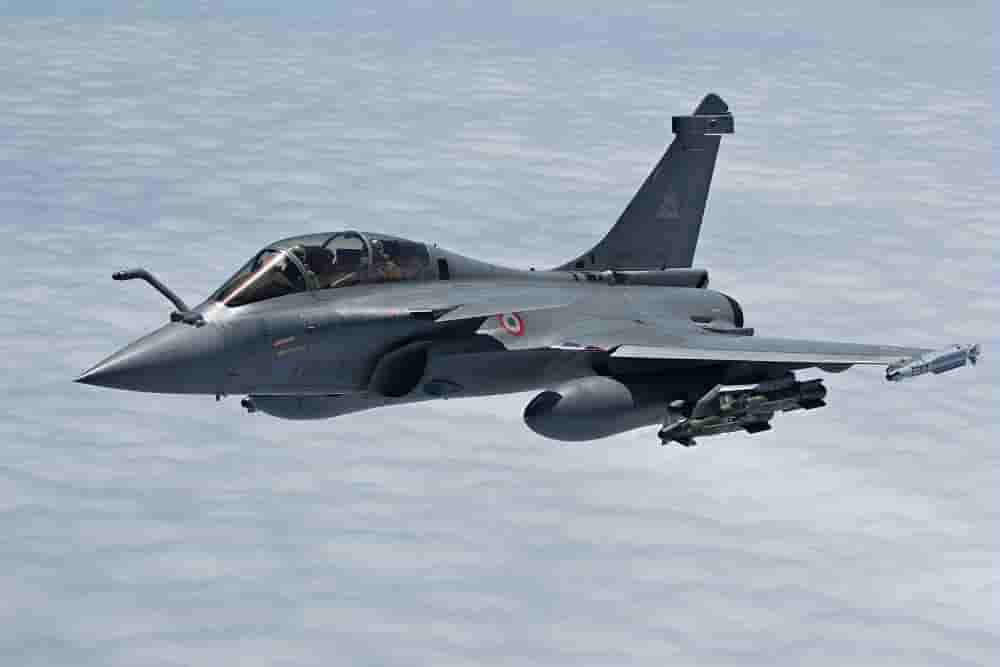
Image: Dassault AviationIndia and Dassault Aviation are on the verge of sealing one of the largest defence procurement deals in the country’s history — a proposed acquisition of 114 Rafale fighter jets from France, combining state-of-the-art military capability with a significant ‘Make in India’ manufacturing push. The deal, which has drawn international attention and strategic discussions, was strongly backed by Emmanuel Macron, the President of France, during his visit to India in February 2026.Background of the Proposed DealIndia has already inducted Rafale aircraft into the Indian Air Force (IAF), having signed an earlier contract for 36 Rafales in 2016 and subsequently ordered 26 naval variants for carrier operations. As geopolitical tensions and regional security challenges persist, New Delhi has sought to enhance its aerial combat capability with a substantially larger fleet of modern fighters.According to statements by French and Indian officials, the proposed deal for 114 additional Rafale jets is expected to be valued at an estimate of US $35–40 billion (approximately ₹3.25 lakh crore). These aircraft are intended to play a central role in bolstering the IAF’s fleet strength and addressing critical capability gaps as older aircraft retire and regional air power competition intensifies.Defence Acquisition Council and Deal ProgressThe Defence Acquisition Council (DAC), chaired by Defence Minister Rajnath Singh, has reportedly given initial clearance to the proposal, allowing it to proceed to advanced negotiations and eventual clearance by the Cabinet Committee on Security (CCS). This clearance was part of a broader defence procurement package that also included maritime reconnaissance aircraft and other hardware.While formal contract signing and commercial terms remain under negotiation, the deal is widely seen as a major strategic milestone in India’s defence modernization programme, addressing immediate operational needs while embedding long-term manufacturing objectives.Make in India: Local Production and Technology TransferA central feature of the proposed agreement is the ‘Make in India’ dimension, which envisages co-producing a large portion of the 114 jets on Indian soil. French President Macron reiterated that the deal would include Indian participation in production, defence cooperation and job creation in both countries, dismissing criticism of the arrangement and underlining its strategic benefits.Under current discussions:A portion of the jets — estimated to be around 18–20 aircraft — may be procured in fly-away condition directly from France in the near term.The remaining jets are likely to be manufactured in India, potentially with up to 60 per cent indigenous content through phased localisation, either in collaboration with an Indian partner or via joint ventures.This represents a significant deepening of India’s defence industrial base, though officials and industry sources have not confirmed the final identity of manufacturing partners, and key details are still being finalised.Strategic and Defence ImplicationsThe anticipated acquisition is framed in strategic terms by both governments:Enhancing Air Force Capability: The Rafale is a multirole fighter equipped for air superiority, ground attack, reconnaissance and nuclear delivery, contributing to a balanced and modern air combat force. The expanded fleet is intended to address IAF squadron strength shortfalls and maintain operational readiness across multiple theatres.Regional Security Dynamics: With evolving security concerns involving China and Pakistan, the reinforcement of the IAF’s combat fleet with advanced fighters strengthens India’s deterrence posture and military edge.Strategic Partnership with France: Beyond equipment acquisition, the deal is part of an increasingly broad defence and technology cooperation framework between India and France, extending into submarines, missile collaboration and aerospace industrial linkages.Make in India: Industrial and Employment OpportunitiesThe Make in India aspect of the deal is seen as a key step toward boosting the domestic defence industry. Local assembly and production of high-tech components are expected to generate employment, build skilled aerospace manufacturing capacities and reduce long-term dependency on imports. It may also pave the way for India to become a maintenance, repair and overhaul (MRO) hub for Rafale and other defence platforms.Some Indian leaders have also underscored the importance of including local production of weapons and systems that will equip the Rafale jets, emphasising co-development and integration of indigenous missiles and avionics — a request that has been formally communicated to French counterparts.Technology Transfer and LimitationsWhile co-production and local manufacturing are major objectives, defence analysts note that full transfer of certain core technologies — particularly avionics and software systems — remains a complex and sensitive area. Reports suggest that India may not initially receive access to all source codes for key systems such as AESA radar or electronic warfare suites, which could influence how quickly indigenous modifications can be integrated without French support.Ensuring meaningful technology transfer while safeguarding operational sovereignty and industrial capability will be a key focus of final negotiations.Economic and Industrial Wider ImpactThe 114-jet agreement — if formalised — would not only be one of India’s largest defence procurements ever but also a major industrial pact involving cross-border supply chains, joint ventures, and technology flows. It aligns with India’s broader goal of becoming a global defence manufacturing hub, attracting foreign investment and strengthening domestic aerospace expertise.Ongoing Developments and Next StepsThe deal’s progression is being watched closely by defence observers and strategic planners. Following the DAC’s endorsement and high-level political support from both governments, the next phase will involve commercial negotiations, final clearance by the Cabinet Committee on Security, and subsequent contract signing, expected in the coming months.The acquisition of 114 Rafale jets — as part of a comprehensive defence cooperation with France — is poised to shape India’s air power architecture for decades, while reinforcing strategic ties between New Delhi and Paris in an era of evolving global security challenges.
Indresh Maharaj Ji’s Grand Wedding: A Celebration of Faith, Culture and Community

The wedding of Indresh Maharaj, a widely revered spiritual leader and teacher, unfolded as a deeply significant cultural and spiritual event, attracting leaders, devotees and dignitaries from across India. Held with traditional rituals, heartfelt celebrations and a strong emphasis on community participation, the ceremony blended age-old religious customs with contemporary festivities, reflecting both personal joy and collective unity.A Ceremony Rooted in TraditionIndresh Maharaj Ji’s wedding took place in [City Name — please confirm], where family members, disciples and well-wishers gathered to witness the sacred union. The wedding rituals were performed in accordance with Hindu traditions, with ceremonies beginning early in the morning and extending through the day with various rites that symbolise marital commitment, spiritual harmony and blessings from elders.The couple was adorned in elegant ceremonial attire that blended traditional craftsmanship with modern design, paying homage to cultural heritage while celebrating contemporary aesthetics. The meticulously orchestrated rituals included Ganesh Puja, Kanyadaan, Varmala and the sanctified Saptapadi, among others — each laden with symbolic significance representing the union of souls, respect for family, and lifelong partnership.Presence of Dignitaries, Devotees and Notable GuestsThe wedding drew a large gathering of devotees, spiritual aspirants, friends and family, underscoring Indresh Maharaj Ji’s role as a community figure and spiritual guide. Among those present were religious leaders from various traditions, social workers, and figures from cultural and public life. Their attendance highlighted the broad respect and admiration that Indresh Maharaj Ji commands across diverse social circles.Eminent personalities offered their blessings and conveyed heartfelt congratulations to the newlyweds, emphasising the values of harmony, mutual respect and spiritual companionship that the marriage symbolises.Celebrations and Cultural ProgrammesBeyond the sacred rituals, the wedding was marked by a series of cultural performances, musical recitals and traditional dances that added vibrancy to the celebrations. Artistes from local and regional backgrounds showcased performances that reflected India’s rich cultural diversity, enhancing the festive atmosphere for attendees of all ages.The event also featured communal meals and gatherings that brought together families and followers in joyful fellowship. Food offerings included a variety of regional delicacies that underscored the cultural roots of the community and provided an inclusive dining experience for all guests.Message of Spiritual Unity and Social HarmonyIn his address during the festivities, Indresh Maharaj Ji emphasised peace, unity and service to humanity as core tenets of his spiritual philosophy. He expressed deep gratitude to his followers and well-wishers, noting that marriage — in addition to being a personal milestone — is an opportunity to foster harmony, mutual understanding and collective wellbeing.Expressing his beliefs in compassion and shared values, Maharaj Ji highlighted that the wedding was not only a personal celebration but also a reaffirmation of the bonds that tie communities together through faith, friendship and common purpose.Social Media and Public ReactionNews of the wedding spread rapidly across social and digital platforms, with devotees sharing images, blessings and congratulatory messages. Hashtags related to the event trended on social media as followers posted their best wishes, reflecting the broad interest among Maharaj Ji’s community and supporters.The coverage also spurred discussions on platforms highlighting cultural wedding traditions, spiritual leadership, and the blending of religious ceremonies with contemporary celebrations.Cultural Significance and Broader ImpactIndresh Maharaj Ji’s wedding has been celebrated as more than a personal milestone; it has emerged as a cultural event that brings attention to the ways in which spiritual leadership, community engagement and tradition intersect in modern India. The ceremony underscored the importance of cultural continuity and collective celebration in strengthening social bonds.For many of his followers, the wedding symbolises a reaffirmation of faith and community identity, inspiring reflections on values of partnership, service and mutual respect.Looking AheadAs Indresh Maharaj Ji and his partner begin their married life together, followers have expressed optimism that his message of unity, compassion and spiritual service will continue to resonate widely. The wedding, while marking the start of a new personal journey, has also served to reinforce the broader ideals and teachings that have long drawn devotees to Maharaj Ji’s guidance.The joyous occasion will long be remembered for its blend of devotional reverence, cultural pageantry and heartfelt celebration, leaving an indelible imprint on all who witnessed and participated in the festivities.
Maruti Suzuki e-Vitara Launched: India’s EV Game-Changer Hits Roads at ₹10.99 Lakh BaaS
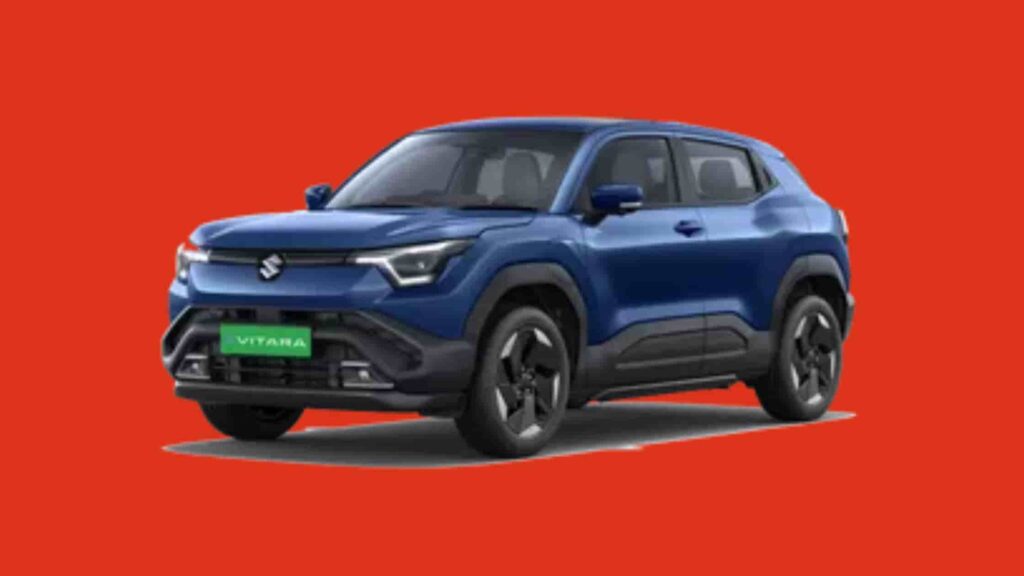
Maruti Suzuki, India’s top carmaker, has electrified the SUV segment with the e Vitara launch, deliveries underway at an introductory Battery-as-a-Service (BaaS) price of ₹10.99 lakh + ₹3.99/km battery EMI (49kWh Delta trim), undercutting rivals like Tata Curvv EV and Mahindra BE 6 while offering up to 543km range.Pricing & Ownership RevolutionBookings from ₹21,000 open now (full list pending); offers valid till March 31, 2026. BaaS splits costs (dual-loan), with e Flex matching existing EMI for upgrades. Assured buybacks shine:3-yr/45,000km: 60% value4-yr/60,000km: 50% valueTrims: Delta (49kWh, 440km ARAI), Zeta/Alpha (61kWh, 543km). WLTP: 344-461km real-world.Powertrain & PerformanceMaruti Suzuki e-Vitara packs two LFP battery options and efficient motors into its HEARTECT-e platform, delivering strong performance for urban and highway EV duties.HEARTECT-e platform (60%+ high-tensile steel) with LFP packs:49kWh: 142hp FWD, 189Nm61kWh: 172hp FWD/300Nm 4WD (ALLGRIP-e)Motor & DrivetrainPermanent Magnet Synchronous Motors (PMSM) with integrated eAxle:49kWh FWD: 142hp (105.8kW), 193Nm torque.61kWh FWD: 172-174hp (128kW), 193Nm.61kWh ALLGRIP-e AWD: Dual motors (~181hp total), up to 300Nm, grip for monsoons/hills.Top speed: 160kmph; 0-100kmph ~9 secs (tested). Regen braking, single-speed auto gearbox ensures smooth one-pedal efficiency; 5-star Bharat NCAP body shields packs.Safety & Features Standouts5-star Bharat NCAP with Level-2 ADAS (AEB, Lane Keep, Adaptive Cruise, Blind Spot), 7 airbags (knee incl.), Suzuki Connect (60+ features). Dual 10.1-inch screens, ventilated seats, panoramic sunroof, 18-inch alloys, 10 colors (4 dual-tone).Ecosystem Edge: NEXA Exclusives1,500+ EV-ready centers, trained managers.₹250 cr investment for 1L chargers by 2030.8-yr/1.6L km battery warranty; 3-yr vehicle (extend to 8 yrs).Delhi-Chandigarh: 63 chargers demo range confidence.Exports: 13,000 units to 28 countries post-Aug 2025 Gujarat plant ramp-up (Toyota collab).Competitive PositioningMaruti eyes mass EV adoption amid 2% market share (Jan 2026 debut post-Auto Expo 2025 eVX concept). Vs Hyundai Creta EV/MG Windsor: BaaS affordability, vast network win for first-timers. CEO Hisashi Takeuchi: “e Vitara mirrors Maruti reliability for EV peace-of-mind.” Book at NEXA; expect 50,000+ annual sales, scaling India’s green shift.
ICC Men’s T20 World Cup 2026: India’s Win Over Pakistan, Tight Group Standings and Why Today’s Zimbabwe vs Ireland Match Is Crucial

The group-stage race at the ICC Men’s T20 World Cup 2026 has intensified significantly following India’s high-profile victory over Pakistan, a result that not only delivered one of the tournament’s biggest moments so far but also reshaped qualification equations across the group. With multiple teams still in contention for the Super 8 stage, every fixture is now carrying heightened importance — including today’s clash between Zimbabwe and Ireland.India vs Pakistan: Tournament’s Biggest Highlight So FarThe India–Pakistan encounter stood out as the marquee fixture of the group stage, drawing global attention and immense pressure on both sides. India emerged victorious in the much-anticipated clash, securing two crucial points and strengthening their position in the group standings.Beyond the result itself, the win carried wider implications. India’s victory boosted their net run rate while simultaneously tightening the qualification path for Pakistan. In a group where several teams are separated by fine margins, the outcome of this single match has already begun influencing how teams approach their remaining fixtures.For India, the win provided momentum and breathing room, allowing them to consolidate their position as one of the frontrunners for Super 8 qualification. For Pakistan, however, the loss has complicated matters considerably, leaving them reliant not only on their own performances but also on results from other matches to stay alive in the tournament.Group Equation Tightens After Key ResultsAs the tournament progresses, the group table reflects a highly competitive landscape. No team can afford complacency, and net run rate has emerged as a decisive factor alongside points. Comprehensive wins, disciplined bowling performances, and controlled chases are now proving just as important as victories themselves.India’s result against Pakistan has effectively triggered a chain reaction, increasing the significance of every subsequent match — including fixtures involving teams placed lower on the table. With qualification still mathematically open for several sides, the group phase remains far from settled.Focus Shifts to Today’s Match: Zimbabwe vs IrelandAgainst this backdrop, today’s group-stage encounter between Zimbabwe and Ireland takes on added importance. While not traditionally viewed as a headline fixture, the match has major implications for the overall group standings and could directly impact the qualification scenarios for multiple teams.Zimbabwe have shown resilience and competitiveness in the tournament so far, keeping themselves firmly in the qualification conversation. A win today would significantly strengthen their chances of progressing, while also placing pressure on teams above them in the standings.Ireland, on the other hand, enter the contest aware that they cannot afford a slip at this stage. With points and net run rate both in play, a victory could keep their Super 8 hopes alive, while a loss would leave them needing favourable results elsewhere — a risky position in a tightly contested group.Why This Match Matters Beyond Two TeamsThe Zimbabwe vs Ireland clash is being closely watched not just by fans of the two sides, but also by teams like India and Pakistan, whose qualification paths are now intertwined with results across the group. In a tournament where margins are thin, the outcome — and the manner of victory — could influence final standings.As the ICC Men’s T20 World Cup 2026 moves deeper into the group stage, the narrative has shifted from early momentum to qualification mathematics. Every run scored, every over bowled, and every wicket taken is contributing to a larger picture that will determine which teams advance and which are left behind.With India’s win over Pakistan already setting the tone, today’s Zimbabwe vs Ireland match represents another pivotal moment in a World Cup where no result exists in isolation and the race to the Super 8 remains wide open.