


Maruti Suzuki and Hero MotoCorp Launch Flex-Fuel Vehicles: A New Chapter in India’s Clean Mobility Journey
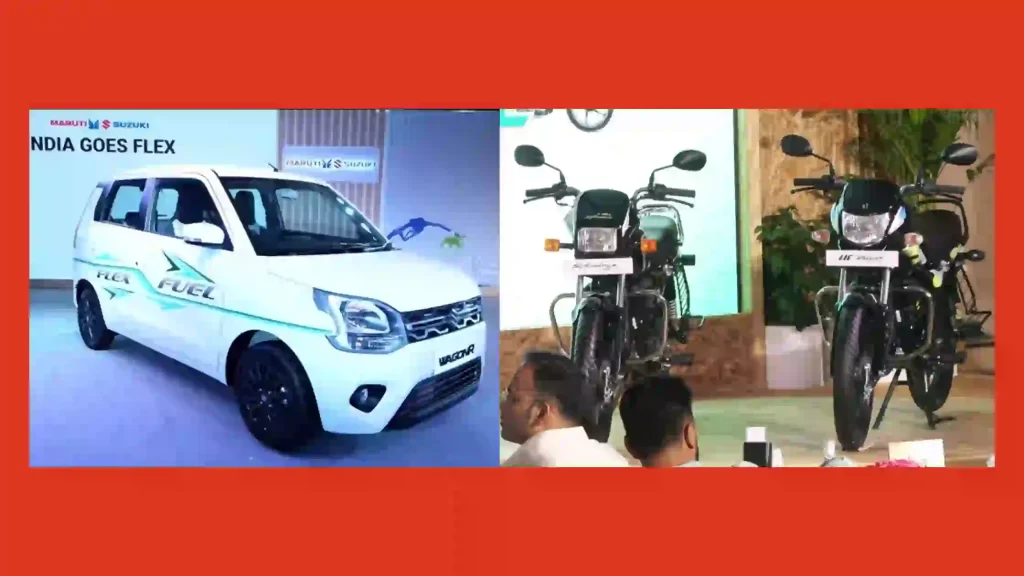
IntroductionIndia’s transition towards cleaner and more sustainable mobility received a major boost with the launch of flex-fuel vehicles by two of the country’s largest automobile manufacturers—Maruti Suzuki and Hero MotoCorp. While Maruti Suzuki introduced the country’s first mass-market flex-fuel passenger car, Hero MotoCorp launched India’s first flex-fuel motorcycles in the commuter segment, marking an important milestone in the government’s push towards alternative fuels.The launches are more than just new product introductions. They reflect India’s broader strategy to reduce dependence on imported crude oil, promote ethanol as an alternative fuel, lower vehicular emissions, and strengthen the country’s energy security. As the government continues to expand ethanol blending across the country, flex-fuel technology is expected to play a significant role in shaping the future of India’s automobile industry. Understanding Flex-Fuel TechnologyA flex-fuel vehicle is designed to operate on petrol as well as ethanol-blended fuels. Unlike conventional petrol vehicles that are compatible only with lower ethanol blends, flex-fuel vehicles can run on a wide range of blends—from E20 (20 per cent ethanol) to E85 and, in some cases, even E100, depending on the vehicle’s engineering.Since ethanol has different chemical properties compared to petrol, flex-fuel vehicles require specially designed engines, fuel pumps, injectors, sensors and fuel lines that can withstand higher ethanol concentrations without affecting performance or durability.The technology has already been widely adopted in countries such as Brazil and is gradually gaining attention in India as part of the country’s clean energy transition.Maruti Suzuki’s Entry into the Flex-Fuel SegmentMaruti Suzuki, India’s largest passenger vehicle manufacturer, unveiled its first flex-fuel passenger car, based on the WagonR platform. The model is capable of operating on ethanol-rich fuel blends and has been developed specifically to support India’s evolving ethanol fuel programme.The flex-fuel WagonR features several engineering modifications compared to the conventional model. These include changes to the engine management system, upgraded fuel injectors, corrosion-resistant fuel lines and components designed to handle higher ethanol concentrations. These upgrades ensure that the vehicle can switch between petrol and ethanol blends while maintaining reliable performance and efficiency.For Maruti Suzuki, the launch represents an important step in preparing for India’s future fuel ecosystem. The company has already introduced E20-compatible vehicles across its portfolio, and the flex-fuel model further expands its alternative fuel strategy.Hero MotoCorp Introduces India’s First Flex-Fuel MotorcyclesHero MotoCorp, the country’s largest two-wheeler manufacturer, also entered the flex-fuel segment with the launch of the Splendor+ Flex Fuel and HF Deluxe Flex Fuel motorcycles.Built on two of Hero’s most popular commuter platforms, the motorcycles are engineered to operate on ethanol-blended fuels of up to E85. Although they closely resemble their standard petrol counterparts, they feature several mechanical upgrades, including revised fuel delivery systems, ethanol-compatible engine components and modified engine calibration to accommodate higher ethanol blends.The launch is particularly significant because commuter motorcycles account for a substantial share of India’s two-wheeler market. Introducing flex-fuel technology in this segment has the potential to bring cleaner fuel options to millions of daily commuters across the country. Why India is Promoting Ethanol-Based MobilityThe push towards flex-fuel vehicles is closely linked to the Government of India’s ethanol blending programme. India imports a large portion of its crude oil requirements, making the country vulnerable to fluctuations in global oil prices and geopolitical uncertainties.By increasing the use of ethanol—produced domestically from crops such as sugarcane, maize and other agricultural feedstock—the government aims to reduce dependence on imported fossil fuels while supporting domestic agriculture.The National Policy on Biofuels and the Ethanol Blended Petrol (EBP) Programme have already accelerated ethanol adoption across the country. India successfully achieved nationwide availability of E20 fuel ahead of schedule, and the introduction of flex-fuel vehicles represents the next stage of this transition. Environmental and Economic BenefitsFlex-fuel vehicles offer several potential environmental and economic advantages.Since ethanol is a renewable biofuel, its use can help reduce greenhouse gas emissions compared to conventional petrol. Increased ethanol consumption may also contribute to improved air quality by lowering certain vehicle emissions.From an economic perspective, greater ethanol usage can reduce India’s crude oil import bill and improve energy security. It also creates additional demand for agricultural produce used in ethanol production, providing farmers with new market opportunities and supporting the rural economy.For consumers, ethanol-based fuels are expected to become more affordable as production increases and distribution infrastructure expands, although the actual cost benefits will depend on fuel prices and vehicle efficiency. Challenges Before Large-Scale AdoptionDespite the optimism surrounding flex-fuel technology, several challenges remain before widespread adoption becomes a reality.One of the biggest challenges is the availability of higher ethanol blends such as E85 and E100 across fuel stations. While E20 has become increasingly accessible, infrastructure for dispensing higher ethanol blends is still in the early stages of development.Vehicle affordability is another consideration. Flex-fuel vehicles require specialised components, making them slightly more expensive than conventional petrol models. Consumer awareness regarding ethanol compatibility, fuel availability and long-term maintenance will also play an important role in determining adoption rates.Additionally, ethanol production must continue to expand sustainably to meet growing demand without adversely affecting food security or water resources.Impact on the Automobile IndustryThe launch of flex-fuel vehicles by Maruti Suzuki and Hero MotoCorp is expected to encourage other automobile manufacturers to accelerate their own alternative fuel programmes.Several companies have already showcased flex-fuel prototypes and announced plans to introduce ethanol-compatible vehicles in the coming years. As government policies continue to favour cleaner mobility solutions, flex-fuel technology is likely to become an important part of India’s multi-fuel automotive strategy alongside electric vehicles, CNG, hybrid technology and hydrogen-powered mobility.Industry experts believe that rather than relying on a single technology, India’s transition towards cleaner transportation will involve multiple solutions tailored to different consumer needs and regional requirements. Looking AheadThe introduction of flex-fuel cars and motorcycles represents an important milestone in India’s journey towards sustainable mobility. While widespread adoption will depend on fuel infrastructure, pricing and consumer acceptance, the launch demonstrates that the country’s automobile industry is preparing for a future where alternative fuels will play a larger role.With continued government support, expansion of ethanol production and increased participation from automobile manufacturers, flex-fuel