


Anant Ambani Launches Vantara University for Wildlife Conservation
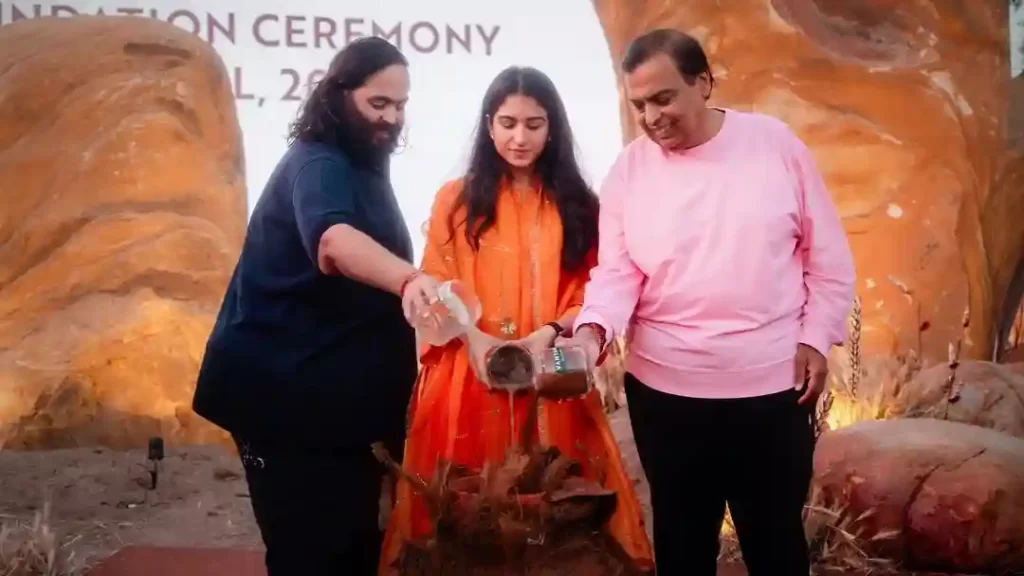
Anant Ambani, Executive Director of Reliance Industries, has launched Vantara University in Jamnagar, Gujarat. This new university focuses entirely on wildlife and veterinary sciences. He started it at the 3,000-acre Vantara wildlife rescue and rehabilitation centre. The launch happened during a foundation ceremony on his 31st birthday. Anant laid the foundation stone with his wife, Radhika and father Mukesh Ambani, Chairman of Reliance Industries.Anant Ambani calls this a “1,000-year vision for the planet.” He wants the university to train veterinarians and scientists from around the world. Right now, there is a big shortage of experts in wildlife health, disease control, and conservation. The university will fill this gap. It will create skilled people to fight problems like loss of animals, plants, and new diseases that jump from animals to humans.Why Vantara University Matters NowThe world faces more ecological problems every day. Biodiversity is disappearing fast. Zoonotic diseases, like those that spread from animals to people, are becoming common. Many countries lack trained professionals to handle these issues. Anant Ambani built this university to solve that. He says conservation needs more than money or land. It needs smart minds and strong skills.Vantara started as a rescue centre for hurt and endangered animals. Now, it grows into a full learning hub. The university sits right inside this vast facility. Students will work hands-on with real animals every day. This mix of school learning and field work makes it special.What Programs Will the University Offer?Vantara University plans many courses for different levels. These include undergraduate degrees, postgraduate studies, fellowships, and special training. The main areas cover key parts of wildlife care. Here is what they focus on:Wildlife medicine and surgery. Students learn to treat sick or injured wild animals.Animal behaviour and genetics. They study how animals act and pass on traits.Epidemiology. This teaches how diseases spread in animal groups.Conservation policy. Trainees learn rules and plans to protect nature.All programs blend classroom lessons with real work. Students use Vantara’s hospitals, rescue teams, and labs. They will help save animals, study their health, and plan for the future.Hands-On Learning at Vantara CentreThe 3,000-acre Vantara site gives perfect training grounds. It has advanced veterinary clinics for big and small animals. Rescue teams bring in hurt wildlife from India and abroad. Rehabilitation areas help animals get strong again before release. Research labs test new treatments.Students will join daily operations. They might help a rescued elephant with surgery. Or track diseases in bird groups. Or study genes to save rare species. This real-world practice builds experts fast. Anant Ambani says it turns book knowledge into life-saving action.A Global Hub with Indian RootsVantara University wants to lead worldwide. It plans partnerships with top schools and groups abroad. This brings in global experts and shares India’s know-how. At the same time, it uses India’s old wisdom. Ancient texts and traditions teach harmony with nature. The university mixes this with modern science for a unique style.Anant Ambani stresses compassion in all work. He says care for animals must come from the heart, backed by knowledge. The goal is a “purpose-led” education. Graduates will work in zoos, forests, research centres, and governments everywhere.Long-Term Vision for ConservationThis launch marks a big change in wildlife efforts. Past projects built zoos or parks. Vantara University builds people. It invests in talent for generations. Anant Ambani sees it as a civilizational step.Conservation will rely on trained hands as much as good intentions.The university supports Vantara’s full mission. That includes rescue, rehab, research, and now education. Together, they form one strong system. Over time, it will train thousands. This helps save species and ecosystems worldwide.India’s Jamnagar now hosts the world’s first university just for wildlife sciences. Vantara University promises hope amid global crises. It shows that one family’s big dream can spark worldwide change.
World Wildlife Day 2026: India’s Mega-Biodiversity Efforts Take Center Stage Amid Global Calls for Conservation
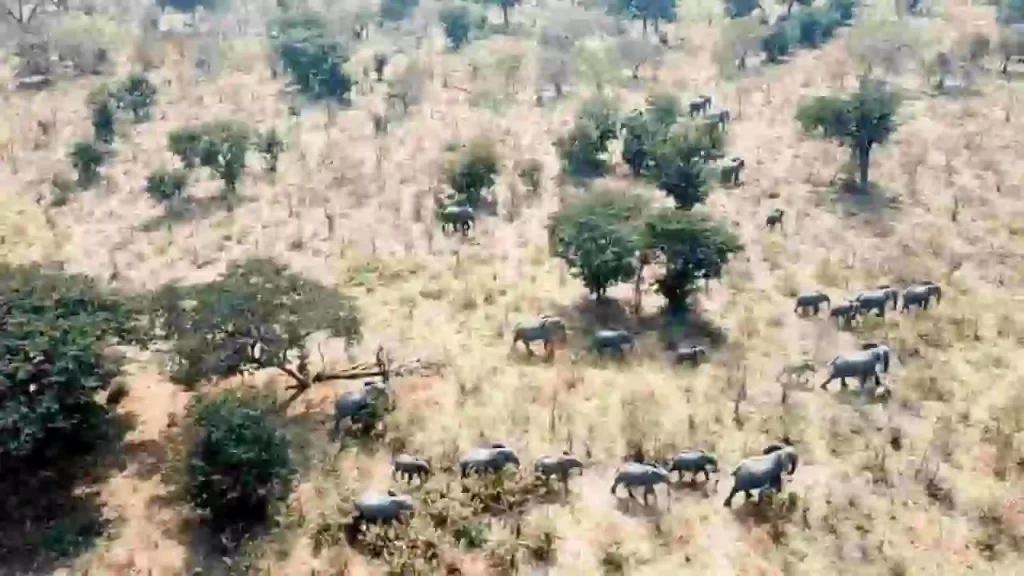
New Delhi, March 15, 2026 – World Wildlife Day 2026, observed on March 3, shifted the conservation spotlight from charismatic megafauna to the unsung heroes of ecosystems: medicinal and aromatic plants. Under the theme “Medicinal and Aromatic Plants: Conserving Health, Heritage and Livelihoods,” the global event commemorated the 1973 adoption of the Convention on International Trade in Endangered Species of Wild Fauna and Flora (CITES). Proclaimed by the UN General Assembly in 2013, the day underscores plants’ vital role in healthcare, culture, and economies, while warning of threats like overharvesting and habitat lossIndia, a mega-biodiverse powerhouse harboring 7% of global biodiversity, including 45,000 plant species and 15,000 medicinal ones—led domestic observances with renewed focus on sustainable practices. About 8,000 species fuel Ayurveda, Siddha, Unani, and folk medicine, with 70% thriving in hotspots like the Western Ghats, Eastern Ghats, Himalayas, and Aravalli ranges.Global Virtual Gala: Stories, Stamps, and Stakeholder VoicesCITES hosted a star-studded virtual celebration moderated by Secretary-General Ivonne Higuero. High-profile speakers included UNEP’s Inger Andersen, UNDP’s Francine Pickup, and ministers from Mexico, Laos, Colombia, Somalia, and France. Highlights:Lightning Talks: Experts on chamomile (Hungary), frankincense (Ethiopia), jatamansi (Nepal), and candelilla (global).Stakeholder Stories: From Amazonian indigenous guides to African traditional leaders and U.S. herbal firms.Cultural Touches: Helen Anahita Wilson’s musical performance using medicinal plants; launch of UN Endangered Species Stamps; youth art winners and Jackson Wild films.The event emphasized sustainable trade, community stewardship, and youth involvement, echoing CITES’ 50-year legacy.India’s Robust Conservation ArsenalIndia’s response blends policy, infrastructure, and innovation:In-Situ & Ex-Situ Networks: 115 Medicinal Plant Conservation Areas (MPCAs) protect wild habitats; National Gene Bank (New Delhi) stores seeds.National Medicinal Plants Board (NMPB): Under the Ministry of Ayush, its Central Sector Scheme funds conservation, cultivation, R&D, and markets.Key Missions: National Ayush Mission (NAM, 2014) and Mission for Integrated Development of Horticulture (MIDH) integrate medicinal crops into farming.Digital & Recognition Tools: e-CHARAK app tracks prices of 100 plants in 25 markets (multi-language); Aushadhi Vanaspati Mitra Program (AVMP) honors conservators; Medicinal Plants Business Centres (MPBCs) aid post-harvest quality.GI Protections: Safeguards like Nagauri Ashwagandha (Rajasthan, Nov 2025), Saffron (J&K), Green Cardamom (Kerala/Karnataka), Navara Rice (Kerala), and Ganjam Kewda Flower (Odisha).These efforts support 70% rural reliance on traditional medicine, preserving heritage while boosting livelihoods.InitiativeFocusImpactNMPB Central SchemeConservation & CultivationFunds MPCAs, R&D, infrastructureNAM & MIDHIntegration with AgricultureScalable farming of medicinal plantse-CHARAKMarket LinkageFortnightly prices for 100 plantsAVMP & MPBCsRecognition & QualityHonors stewards; storage/testingGI Tags (Recent)Heritage ProtectionNagauri Ashwagandha, Saffron, etc. Global Echoes: Zambia’s Community Radio & Bangladesh’s Reform CryIn Zambia, the EU-funded Sustainable Wildlife Management (SWM) Programme aired a Namwianga Radio discussion linking plant conservation to wildlife. CIFOR-ICRAF’s Penias Banda and DNPW’s Moses Mbewe stressed: Healthy ecosystems sustain both animals and plants vital for 60% global traditional healthcare. SWM’s biodiversity baselines (e.g., Mize-Lukuni Conservancy) empower communities via CBNRM.Bangladesh, facing wildlife decline despite laws like the 2012 Wildlife Act, urged a Bangladesh Wildlife Service (BWS) and National Wildlife Policy (2026–2040). Proposals target habitat fragmentation, crime, and EIAs, aligning with Article 18A and CBD/CITES commitments.Challenges and Path ForwardOverexploitation, deforestation, and climate change threaten species like jatamansi and ashwagandha. Yet, integrated approaches, science, policy, communities, offer hope. As Dr. Grethel Aguilar (IUCN) noted in takeaways, “Conserving plants secures health, heritage, livelihoods for generations.”India’s model, from gene banks to GI tags, exemplifies scalable action. World Wildlife Day 2026 reminds: Plants aren’t backdrops, they’re the foundation of life.
Messi gets a Luxury Watch: Anant Ambani Richard Mille Watch Moment Goes Viral Online

In a moment that blended global sport, luxury, and Indian business legacy, Anant Ambani’s reported gift of an ultra-luxury Richard Mille watch to football legend Lionel Messi has set social media and lifestyle circles abuzz.The gesture, understated yet powerful, reflects the growing intersection of sports icons and global elite branding.Lionel Messi, widely regarded as one of the greatest footballers of all time, is no stranger to luxury watches. However, the Richard Mille timepiece gifted to him stands apart, not just for its craftsmanship but also for what it represents. Richard Mille watches are known for their aerospace-grade materials and limited production, making them symbols of exclusivity rather than mere accessories.The watch reportedly belongs to Richard Mille’s ultra-high-end collection, a brand long associated with elite athletes including Rafael Nadal, Lewis Hamilton, and Charles Leclerc.Messi himself has often been seen wearing rare timepieces, but this particular gift has drawn attention due to its association with Anant Ambani, the youngest son of industrialist Mukesh Ambani.Online Reactions to the News Online reactions to the news have been swift and divided, while many admire the elegance of the exchange, others see it as a reflection of how luxury brands and elite personalities operate in a shared ecosystem of influence. Regardless, the moment has undeniably captured attention worldwide.Sources close to the development suggest the gift was a mark of admiration and mutual respect, highlighting Messi’s impact on global sport and his inspirational journey from Rosario to football immortality.The Ambani family has frequently been associated with major international sporting events, athletes, and cultural icons, reinforcing India’s rising presence on the global luxury and influence map.In an era where gestures often speak louder than statements, this exchange between Anant Ambani and Lionel Messi stands as a symbol of global connection, where sport, luxury, and legacy converge seamlessly.
Aravalli Issue: The Slow Disappearance of India’s Oldest Mountain Range
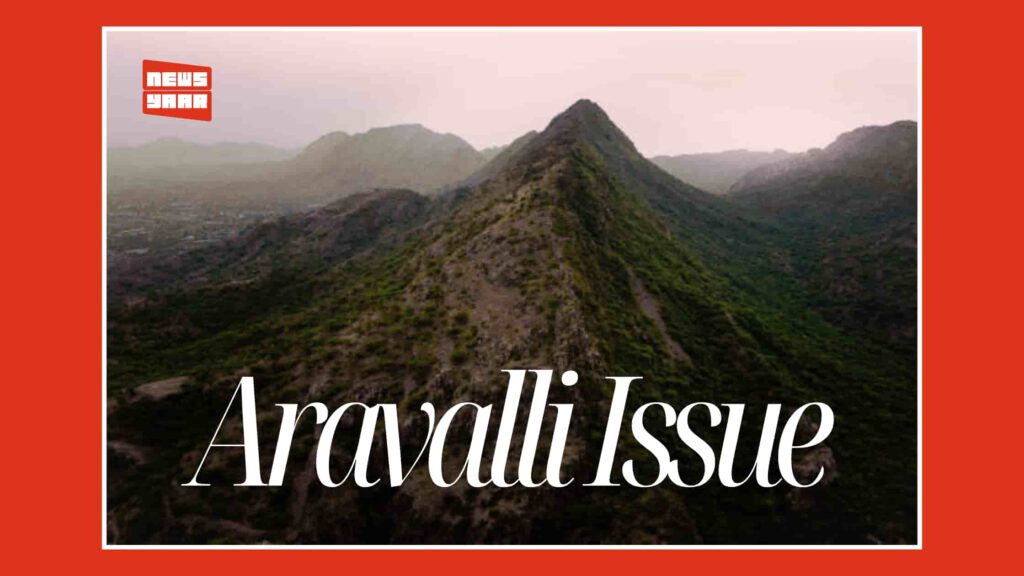
Stretching across Rajasthan, Haryana, and Delhi, the Aravalli range is among the oldest mountain systems in the world. For centuries, it has acted as a natural shield against desertification, helped regulate groundwater, and supported diverse ecosystems.Yet today, the Aravallis are facing an existential threat, one that has intensified following a recent Supreme Court judgement. What Triggered the Current Aravalli Debate? The Aravalli issue has resurfaced as a major public concern after the Supreme Court approved a new, stricter definition of the Aravalli Hills. According to this ruling, only landforms rising 100 metres or more above the local relief will now qualify as Aravallis. This reclassification effectively removes legal protection from over 90% of areas that were previously considered part of the Aravalli range.The judgment has sparked widespread criticism from environmentalists, scientists, and civil society groups, who argue that the decision ignores geological realities and decades of conservation efforts. Protests and public campaigns have since emerged, demanding stronger protection for the fragile ecosystem. Mining, Construction, and Urban Pressure Even before the judgment, the Aravallis were under severe pressure from illegal mining, real estate development, and deforestation. The new definition is feared to further open vast stretches of land to mining and construction, particularly around the National Capital Region (NCR), where urban expansion is already aggressive.Experts warn that narrowing the legal definition provides a loophole that could legitimize activities earlier deemed illegal, accelerating environmental degradation. Impact on Climate and Water Resources The consequences of Aravalli degradation are far-reaching. The range plays a crucial role in groundwater recharge, especially in semi-arid regions. Its destruction has been linked to declining water tables, rising temperatures, dust storms, and worsening air pollution across North India.Environmentalists caution that weakening protections could worsen climate vulnerability in cities like Delhi, Gurugram, and Jaipur. Legal Battles and Policy Challenges Over the years, multiple court orders and environmental regulations sought to safeguard the Aravallis. However, ambiguous land classifications, conflicting state policies, and weak enforcement have consistently diluted these protections.The recent Supreme Court ruling has further complicated the legal landscape, prompting calls for a review and clearer conservation-focused policies. What Needs to Be Done? Experts stress that protecting the Aravallis requires scientifically sound definitions, stronger enforcement, and coordinated policy action across states. Public participation and transparency are equally critical.As protests grow louder, the debate is no longer just environmental; it is about sustainable development and the future of millions who depend on this ancient mountain range.