


Strait of Hormuz Crisis: Why This Narrow Waterway Controls Global Oil and Sparks Economic Chaos
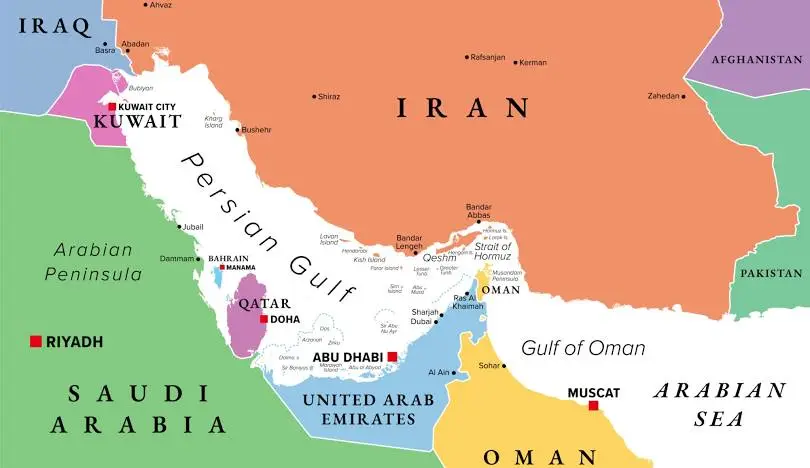
A tense new threat hangs over world trade. Iran has warned it will “set fire” to any ships passing through the Strait of Hormuz and block all oil exports from the region. This comes after US and Israeli strikes on Iran starting February 28, 2026. Already, oil prices have jumped, ships are avoiding the area, and experts fear big problems for countries like India, China, and Japan. Let’s explain this vital sea route in simple terms, what it is, why it matters, and what happens if it closes.What is the Strait of Hormuz?The Strait of Hormuz is a narrow waterway between Iran (north) and Oman/UAE (south). At its narrowest, it’s just 33 km (21 miles) wide, with shipping lanes only about 3 km (2 miles) each way. It connects the Persian Gulf to the Arabian Sea and the open ocean.Size: Deep enough for giant oil tankers; the busiest oil chokepoint in the world.Daily traffic: Around 3,000 ships per month; 20 million barrels of oil per day (20% of global supply).Value: Nearly $600 billion in oil/gas trade yearly.Big producers like Saudi Arabia, Iraq, Kuwait, Qatar, the UAE, and Iran send oil here. Most goes to Asia (84% crude oil).Why is It So Important for World Trade?This strait is like a busy highway for energy, with no good shortcuts. Without it:Global oil: 20-27% of all seaborne oil (14-20 million barrels/day). LNG (gas): 20% of world supply, mostly Qatar to Europe/Asia.Other goods: 1/3 of global fertilizer trade (hits farming/food prices).Top destinations (2024-2025 data):CountryOil ShareWhy It HurtsChina5.4M b/d (27%)90% of Iran’s oil goes here; factories are slow. India1.6-2.1M b/dHalf of India’s oil imports; fuel/food prices rise. Japan/S. Korea1.6-2.1M eachPower plants, cars affected. Europe/USSmaller but key LNGGas bills up. Saudi leads exports: 5.5M b/d (38%). Iran: 1.7M b/d ($67B/year)Current Crisis: Threats, Attacks, and Shipping StoppedIran’s General Sardar Jabbari said no “single drop of oil” leaves. After US/Israel missiles sank Iranian warships and hit tankers:Ships flee: Hapag-Lloyd/CMA CGM paused transits; 150+ tankers stranded.Prices soar: Brent crude hit $82/bbl (up 10%); could reach $100+ if blocked long.reuters+1Ports shut: Dubai’s Jebel Ali fire from missile debris.Insurance skyrockets: Supertanker to China: $400K (doubled).UKMTO warns of “miscalculation” near military ships. Flows dropped to 4M b/d (from 16-20M).How Could Iran Close It—and Can They?UN rules give coastal control up to 12 nautical miles, covering the strait fully (Iran/Oman waters).Iran’s options:Mine: Fast boats/subs drop them, hard to clear.Missiles/drones: From IRGC navy boats/subs.Attacks: On tankers/warships.But risky: US Navy could strike back (1980s “Tanker War” escorts won). Trump vows to destroy Iran’s navy.Economic Impact: Higher Prices EverywhereShort block: Oil $80-90/bbl. Month-long: $100+; gas surges 130%.Consumers: Petrol, diesel, heating 20-50%.India/Asia: Factories slow; inflation hits food/transport.Gulf hurt too: Saudi/UAE lose exports (economies rely 70% on oil).Ripple effect: Airlines, plastics, fertilizers cost more—global goods pricier.OPEC+: Boost 206K b/d April, but tiny vs 20M gap.Worst case: Sunk tanker = eco-disaster, months closed.What Happens Next?Short-term: Ships wait; prices are high for days/weeks.India: Stockpiles activated; seeks other suppliers.Global: OPEC output up, but war drags = recession risk.The Strait of Hormuz isn’t just water; it’s the world’s energy lifeline. Iran’s threat tests whether one narrow gap can choke global trade. Eyes on ships, missiles, and oil pumps.
India Army’s Combat Battalions Bhairav Force Ready for Modern Warfare
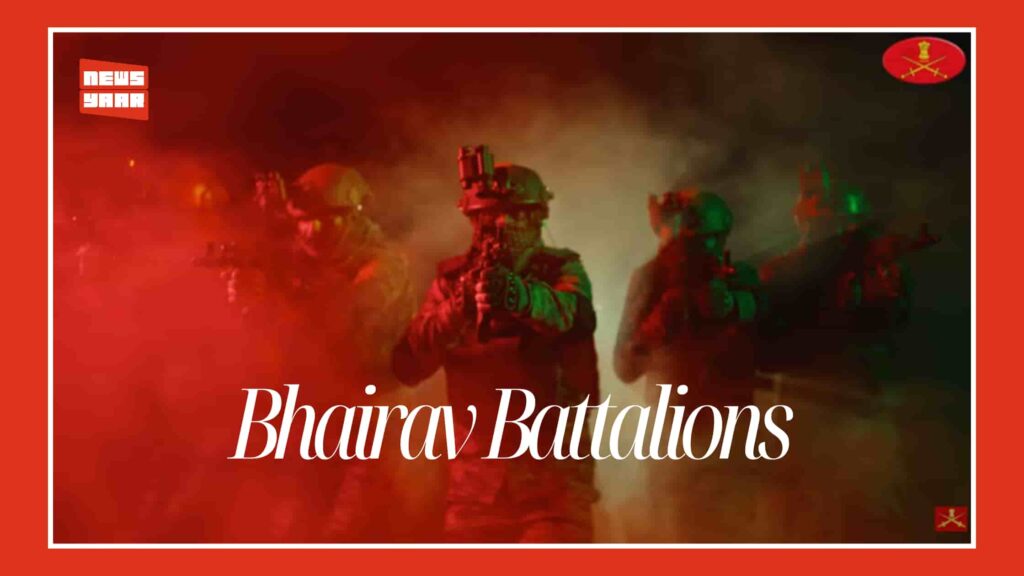
The Indian Army’s Bhairav Battalions are fast emerging as a key element of the force’s modernisation drive, designed to meet the demands of 21st-century warfare with speed, technology, and tactical agility.These newly raised light commando units are set to play a significant role in both operational deployments and ceremonial showcases, including participation in the upcoming 78th Army Day Parade in Jaipur.A New Chapter in Army ModernisationOfficially introduced in 2025, the Bhairav Battalions form part of a broader restructuring effort by the Indian Army to adapt to rapidly evolving threats along India’s borders.Rather than replacing traditional infantry or elite Special Forces, these units are meant to bridge the capability gap between regular battalions and the highly specialised Para Special Forces. Each battalion typically consists of around 250 soldiers selected from various arms of the Army, including infantry, artillery, air defence, and signals, providing an integrated and versatile combat unit.The Bhairav formation reflects the Army’s recognition that future conflicts will likely involve hybrid warfare, where speed, technology, and precision matter as much as manpower. Strategic Deployment and ExpansionThe Bhairav concept has already seen practical implementation, with around 15 battalions raised and integrated across various commands on both the northern and western borders. Plans are underway to expand this number to 25 battalions within the next few months, underscoring the Army’s emphasis on adaptability and readiness.Two of these units, the 2 Bhairav Battalion from Southern Command, known as the “Desert Falcons”, and the 4 Bhairav Battalion from South Western Command, have been confirmed to participate in this year’s Army Day celebrations in Jaipur.The 2 Bhairav Battalion’s distinctive war cry, “Raja Ramchandra ki Jai,” embodies its fighting spirit and commitment to mission success.Role and Operational FocusUnlike the Para Special Forces, Bhairav Battalions operate as a rapid response force capable of acting independently at short notice. Their training emphasises modern tactical manoeuvres, drone integration, surveillance, and quick-strike capabilities, making them well-suited to the challenges of today’s complex battlefield environments.With their smaller size and high mobility, Bhairav units can rapidly respond to evolving threats, conduct targeted operations in diverse terrains, and support conventional forces during high-intensity situations.Final Insights The rise of the Bhairav Battalions signals a significant shift in the Indian Army’s operational doctrine, blending traditional combat strength with modern warfare capabilities.These units represent the service’s efforts to stay ahead of contemporary threats while enhancing overall battlefield effectiveness. As they take centre stage during national events and operational deployments alike, the Bhairav Force stands as a symbol of India’s evolving military prowess in an increasingly dynamic security landscape.Video credit: DD India