


Mumbai’s Mahalaxmi Racecourse Transforms into a Giant Central Park
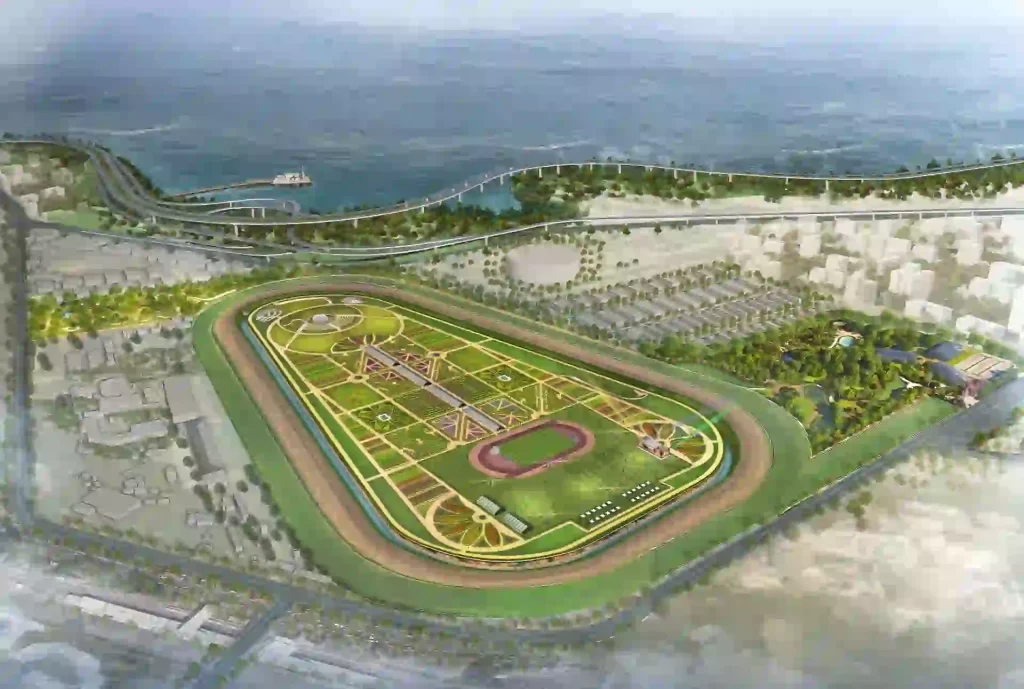
Mumbai, a city famous for its crowded streets and tall buildings, is about to gain a massive green escape. The historic Mahalaxmi Racecourse, a 211-acre colonial-era landmark leased to the Royal Western India Turf Club (RWITC), will become Mumbai Central Park. This ambitious project promises to create India’s largest urban park at 295 acres, blending vast green spaces, world-class sports facilities, and entertainment hubs. Deputy Chief Minister Eknath Shinde announced the plan, calling it the “biggest central park in Indian city history.” The now controls 120 acres of racecourse land after the old lease expired, adding 175 acres from the nearby Coastal Road project. No buildings will rise on the surface, just eco-friendly greenery modeled after New York’s and London’s iconic Central Parks.A Historic Site Gets a Green RebirthThe Mahalaxmi Racecourse opened in 1883 as Mumbai’s premier horse-racing venue, facing the Arabian Sea with grandstands and stables. The BMC owns the land but leases it long-term to RWITC. That lease ended recently, sparking a new 30-year deal from June 2023 to May 2053 for RWITC’s 91 remaining acres, keeping the racing track, stables, and heritage clubhouse intact. Architect Hafeez Contractor submitted the blueprint to BMC in August 2025, envisioning a park that honors history while serving millions.The park expands Mumbai’s green cover from 3,917 acres to 4,212 acres. Shinde stressed: “No construction on the racecourse. It will be a pure oxygen park for Mumbaikars.” An underpass links it to Annie Besant Road at Haji Ali, making it walkable from Worli to Breach Candy.Vast Green Spaces and Themed GardensAt the heart lies 125 acres of racecourse greens turning into lush landscapes:70-acre Topiary Garden: Artfully clipped shrubs, hedges, and sculptures.31-acre Botanical Garden: Medicinal trees/herbs, giant water-lily pond, palm grove, hillock, arboretum, kids’ play area, food kiosks.Diverse gardens: Perennial, annual, monsoon, seasonal, aquatic, succulent, organic farm, and a fun maze.Add an amphitheatre for 900 people, events lawn, stage, perfect for festivals, yoga, concerts. Coastal Road land adds wetlands, lakes, jogging tracks, and cycle paths. Imagine families picnicking under banyans, seniors strolling shaded paths, amid Mumbai’s concrete jungle.Underground Wonders: Sports and Parking GaloreSurface stays green, but below ground? High-tech action:10 lakh sq ft Sports Complex (Olympic-standard): 11 volleyball courts, 4 basketball/handball, 14 cricket nets, 2 gymnastics, 6 kho-kho, 14 badminton, 18 squash courts, 2 skating rinks, velodrome.Three-level Parking: Space for 5,000 cars, easing traffic.9-acre Convention Centre: Three 7,440 sq m halls, 50,000 sq ft pre-function area for expos, weddings, global summits.These stay hidden, preserving open skies. RWITC gets Rs 100 crore from the government for stable upgrades, no BMC burden.Political Fire and Public DebateNot everyone cheers. Shiv Sena (UBT) leader Aaditya Thackeray slammed it as a “BJP-mindhe regime” ploy to favor builders. He accused forced terms on RWITC’s 1,718 members, vowed probes if MVA returns: No underground builds, protect heritage, scrap “bribe-like” membership clauses, BMC-free stables. RWITC’s January 2025 vote approved a new clubhouse and repairs, but critics fear open-space grabs.Why Mumbai Needs This Oxygen BoostMumbai’s air chokes on pollution; lungs like Shivaji Park strain under 2 crore people. This park fights climate change, cools heat islands, and boosts biodiversity. Health perks: Sports for youth, walks for elders. Economy: Conventions draw business; tourism spikes with sea views. RWITC races continue uninterrupted.Hafeez Contractor’s vision: “A game-changer.” From horses to habitats, Mahalaxmi evolves, green, active, alive. If built right, Mumbai Central Park becomes the city’s beating heart, rivaling global icons.
Zojila Tunnel: Asia’s Longest High-Altitude Road Link Burrowing Through Himalayan Fury
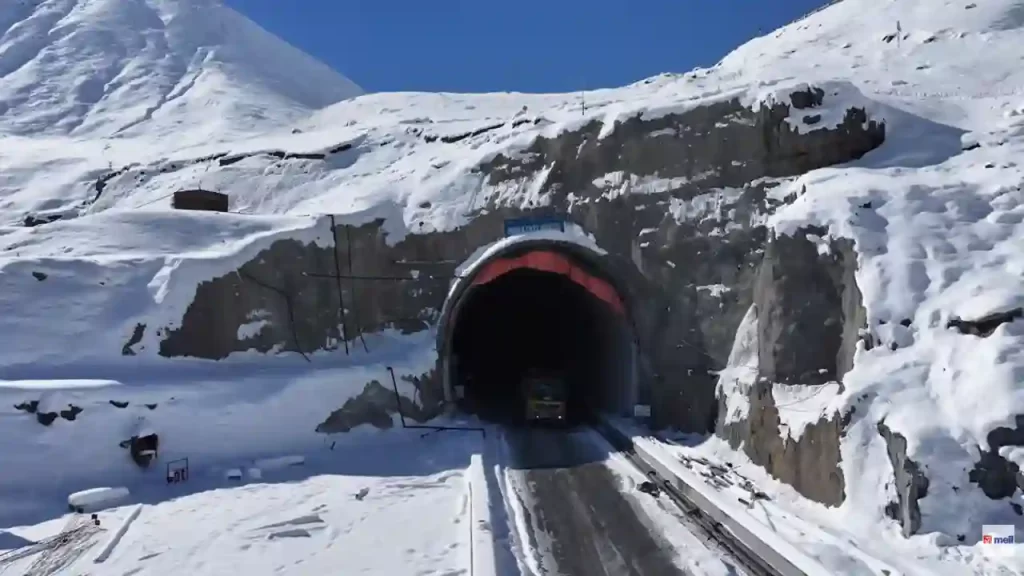
High in the snow-capped Himalayas, where blizzards rage and temperatures plunge to minus 25 degrees Celsius, workers are carving out one of India’s boldest engineering feats. The Zojila Tunnel, set to be Asia’s longest bidirectional highway tunnel at high altitude, promises to end Ladakh’s winter isolation forever. Stretching 13.15 kilometers under the notorious Zojila Pass, this horseshoe-shaped, single-tube, two-lane tunnel will connect Srinagar in Jammu & Kashmir to Drass in Ladakh’s Kargil district. As of April 2026, excavation stands at an impressive 90-95% complete, with just 1-1.25 kilometers left before the big breakthrough in April-May 2026. Led by Hyderabad’s Megha Engineering and Infrastructures Limited (MEIL), the Rs 6,809 crore project defies avalanches, rockfalls, and extreme cold to deliver year-round road access, a game-changer for civilians, soldiers, and the economy.The Perilous Zojila Pass: Why the Tunnel is a LifesaverZojila Pass sits at 11,578 feet (3,528 meters) on the Srinagar-Kargil-Leh highway – a narrow, twisting nightmare prone to heavy snow, landslides, and avalanches. For seven months each winter (October to April), it shuts down completely, stranding Ladakh. Army convoys crawl at 10-15 km/h; civilians face 3-4 hour ordeals over 40 km of ice. Fresh tragedies, like the March 2026 avalanche killing seven near Zero Point, highlight the urgency.The tunnel changes everything. Vehicles zip 13 km straight at safe speeds, slashing Srinagar-Leh travel by 3.5 hours (to about 11-12 hours total). No more seasonal blockades, apples, saffron, and tourists flow freely; troops rush heavy gear to borders with Pakistan and China. It’s strategic gold for India’s Line of Actual Control security.Drilling Through Hell: Progress Amid Sub-Zero BattlesWork kicked off in April 2021 after PM Modi laid the foundation in 2018. MEIL took over in 2020, beating initial Rs 12,000 crore estimates down to Rs 5,500-6,809 crore using smart tech. Divided into two parts:Part 1 (100% done): 17 km approach road from Sonamarg Tunnel to Zojila’s western portal – includes two mini-tunnels, seven avalanche shelters, snow galleries, and four bridges.Part 2 (Main Tunnel): 12 km excavated from both ends (Baltal in Kashmir, Minamarg in Ladakh). Concrete lining covers over 2 km already.Breakthrough ahead: Tunnellers meet mid-2026, then 8-10 fronts tackle finishing, safety gear. Full opening? February-May 2028, ahead of the old 2030 deadlines despite COVID, a 2024 militant attack, and brutal weather. 1,200 workers battle -18°C nights, snowdrifts, water ingress, and fragile geology using New Austrian Tunneling Method (NATM) – drill-blast-support cycles.Winter warrior mode: Heated camps with 24/7 power/hot water, on-site cabins, machine heaters. Recent snows (over a foot) didn’t stop them – teams clear paths round-the-clock.Engineering Marvel: Safe, Smart, and Storm-ProofSpain-designed with European/North American standards, the tunnel is not a basic bore:Specs: 7.57m high/wide, two lanes + 1.5m emergency walkway.Every 750m: 40m refuge bays for breakdowns.Tech wonders: SCADA smart system (CCTV, radio, UPS, ventilation); auto fire detection/suppression.Snow shield: 6 km of catch dams, blast walls, deflectors outside.Seismic savvy: Faces Zone V quakes, high winds; sensors monitor health.Union Minister Nitin Gadkari hailed it in Parliament: 70% done (earlier 2026 update), inviting Speaker Om Birla to see. Ladakh’s Chief Secretary reviewed in 2025: 12 km done, on the 2028 track.Boom for Ladakh: Tourism, Trade, and TroopsZojila Tunnel will transform Ladakh’s tourism from a short summer rush into a year-round magnet. Currently, Zojila Pass closes for 6-7 winter months due to blizzards, limiting visitors to June-September. The 13.15 km tunnel (Asia’s longest high-altitude bidirectional road tunnel) ensures all-weather access from Srinagar, slashing 40 km windy pass to 15-30 minutes smooth drive. Ladakh Lieutenant Governor Kavinder Gupta calls it a “dream project” for tourism boom.Year-Round Access Opens New SeasonsSnow blocks roads now, stranding tourists and locals. Tunnel means winter travel anytime:Winter Wonderland: Snow safaris, ice skating, frozen Pangong Lake views without risks.Shoulder Seasons (Oct-May): Off-peak hikes, photography – cheaper stays, fewer crowds.Travel time Srinagar-Leh drops 3.5 hours; Sonamarg-Minamarg from 4 hours to 40 minutes.This extends Ladakh’s tourist window, like Z-Morh Tunnel did for Sonamarg’s skiing.Easier, Safer Journeys Draw More VisitorsFrom India: Delhi-Leh road trip safer (no avalanches); buses/cars anytime.Adventure Boost: Bikers, SUVs access Nubra Valley, Tso Moriri easier.Pilgrims/Trekkers: Amarnath Yatra, Markha Valley treks less daunting.Fuel savings (shorter route) and comfort lure families, seniors, not just thrill-seekers.Economic Ripple: Jobs, Hotels, Local WinsVisitor Surge: Experts predict double tourists; Leh hotels full year-round.New Spots: Winter festivals, heli-skiing, cultural tours in Kargil/Drass.Local Gains: Homestays, guides, handicrafts boom; women-led enterprises grow.Leh businessman Farooq Misger: “More tourists will experience our beauty, boost economy.”Challenges Conquered, Finish Line in SightDelays? Yes, geology surprises, monsoons, terror hit. Cost savings? Rs 5,000+ crore via modern methods. MEIL’s CEO Harpal Singh: “Zero risk, maximum safety.” Workers’ grit shines, from engineers plotting blasts to laborers in snow gear.As drills echo under Zojila, Ladakh’s winter woes fade. This tunnel isn’t just concrete, it’s a lifeline, linking valleys to the world. By 2028, drive to Leh in comfort, watch border hawks soar safely.
Report says, India beats Japan to become world’s 4th largest economy
In a milestone moment for the Indian economy, official data and projections indicate that India has surpassed Japan to become the world’s fourth-largest economy, a result of strong growth momentum, robust domestic demand, and strategic economic reforms. With a nominal Gross Domestic Product (GDP) estimated at around USD 4.18 trillion in 2025, India is now ranked fourth globally, trailing only the United States, China, and Germany in size.The shift in rankings reflects decades of economic transformation driven by liberalisation, digital and manufacturing reforms, and one of the world’s most dynamic young labour forces. India’s rise in the global economic order has been steady, moving from the eleventh largest economy in 1990 to the fifth in recent years, ahead of major developed countries such as the United Kingdom before overtaking Japan.According to government releases and international forecasts, the Indian economy’s recent performance has been marked by accelerating GDP growth. Official figures show that India’s real GDP expanded by 8.2 per cent in the second quarter of the 2025–26 fiscal year, up from 7.8 per cent in the previous quarter and 7.4 per cent in the final quarter of 2024–25, led by resilient domestic consumption and expanding services and industrial activity.The government’s year-end economic review highlighted that with a GDP valued at USD 4.18 trillion, India has overtaken Japan and is poised to move into the third spot globally in the next 2.5 to 3 years if current growth continues. Projections suggest India’s GDP could reach as high as USD 7.3 trillion by 2030, potentially placing it above Germany and reinforcing its position as a dominant economic power.India’s ascent has drawn wide attention from business leaders and economists. Industry figures such as Anand Mahindra noted that overtaking Japan, long considered an economic powerhouse, is “no small achievement,” underlining the country’s rapid rise driven by entrepreneurial energy and large-scale reforms. He also stressed that while the milestone is significant, continued focus on per capita income and inclusive development will be critical for sustained progress.The achievement also reflects broader global economic shifts. Japan’s economy has faced challenges from demographic decline and slower growth rates, while India’s younger population, expanding middle class, and increasing integration into global trade and technology supply chains have helped boost its economic trajectory. International agencies, including the International Monetary Fund (IMF), World Bank, and rating agencies like Moody’s and Fitch, have projected continued GDP growth for India over the next several years.Despite this success, some analysts caution that headline GDP figures do not fully capture underlying economic welfare, such as per capita income, where India still lags significantly behind Japan. They argue that while India’s total economic output now ranks fourth, focus on quality of growth, productivity improvements, and equitable income distribution remains essential.For now, India’s leap past Japan into the fourth position underscores a transformative economic journey and a rapidly evolving role in global economic leadership. As India continues to expand its industrial base, innovate in technology and services, and enhance global trade relations, its trajectory toward becoming one of the world’s top three economies appears increasingly plausible.