
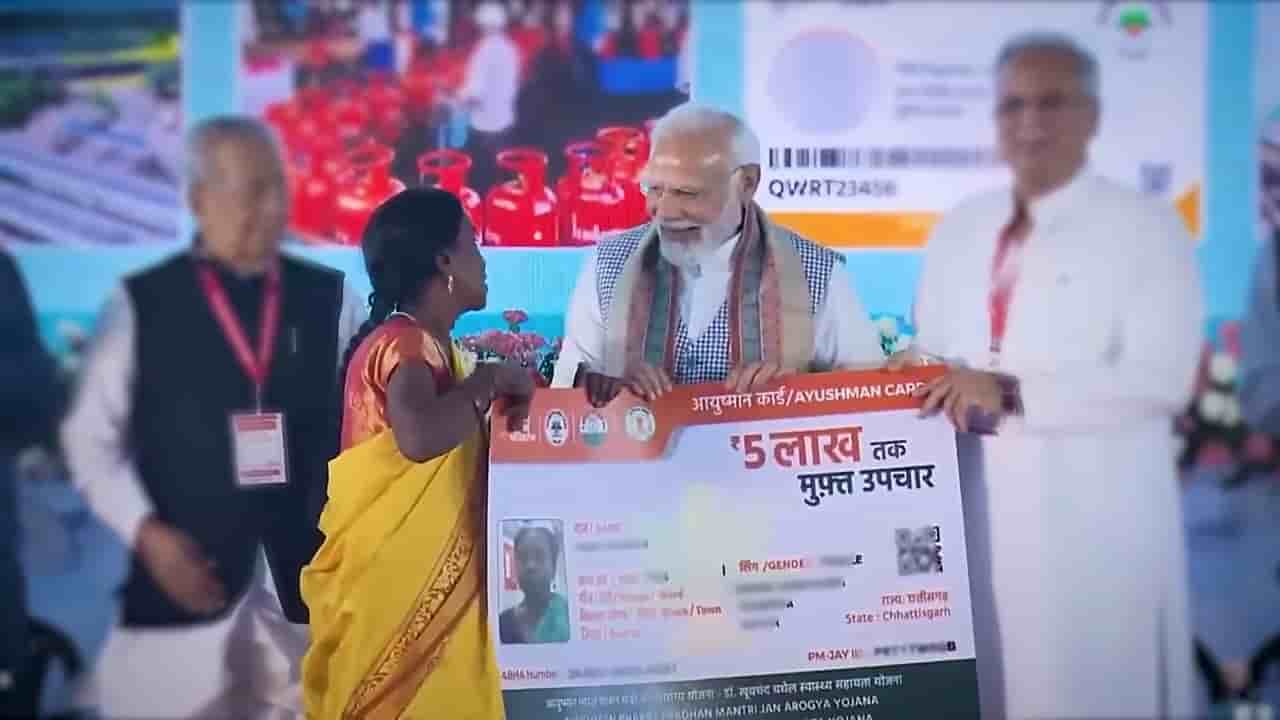
Ayushman Bharat has been one of the most ambitious and transformative public healthcare initiatives undertaken in India, aimed at addressing long-standing gaps in accessibility, affordability, and quality of medical services. Launched in 2018 by the Government of India, the programme was conceptualised as a comprehensive reform to strengthen the country’s healthcare system at multiple levels—from preventive care at the grassroots to financial protection during critical illnesses.
Over time, Ayushman Bharat has not only expanded its coverage but also redefined how healthcare is accessed by economically vulnerable populations, making it a central pillar of India’s public health policy.
Background: Why Ayushman Bharat Was Introduced
Before the introduction of Ayushman Bharat, a significant portion of India’s population faced serious challenges in accessing healthcare. High out-of-pocket expenditure, limited insurance coverage, and inadequate primary healthcare infrastructure meant that medical emergencies often pushed families into financial distress.
India’s healthcare system had long been characterised by:
- Heavy reliance on private healthcare services
- High treatment costs without financial protection
- Limited access to quality care in rural areas
- Fragmented public health infrastructure
Ayushman Bharat was introduced to address these structural issues by creating a system that combines preventive, promotive, and curative healthcare under a single framework.
The Two-Pillar Structure of Ayushman Bharat
The programme was designed with a dual approach, ensuring that both basic healthcare needs and advanced medical treatments are covered.
1. Health and Wellness Centres (HWCs)
The first component focused on strengthening primary healthcare by transforming existing sub-centres and primary health centres into Health and Wellness Centres.
These centres were developed to provide comprehensive primary healthcare services, moving beyond limited treatment facilities to include:
- Maternal and child health services
- Immunisation programmes
- Screening and management of non-communicable diseases such as diabetes and hypertension
- Mental health services
- Free essential medicines and diagnostics
- Preventive healthcare and awareness programmes
The emphasis on preventive care marked a shift in approach—from treating illness to promoting overall health and early diagnosis.
2. Pradhan Mantri Jan Arogya Yojana (PM-JAY)
The second and more widely recognised component is Pradhan Mantri Jan Arogya Yojana (PM-JAY), which provides financial protection for hospitalisation.
PM-JAY has been designed as a government-funded health insurance scheme, offering:
- Coverage of up to ₹5 lakh per family per year
- Access to both public and empanelled private hospitals
- Cashless and paperless treatment at the point of service
- Coverage for a wide range of medical procedures, including surgeries and specialised treatments
The scheme primarily targets economically weaker sections, identified through socio-economic data, ensuring that those most in need receive support.
Scale and Reach of the Programme
Ayushman Bharat has been recognised as one of the largest healthcare schemes in the world, covering over 50 crore beneficiaries across India.
The scale of the programme is reflected in:
- Thousands of empanelled hospitals across states
- Expansion of Health and Wellness Centres in both rural and urban areas
- Large number of hospital admissions under PM-JAY
- Increasing awareness and enrolment among eligible populations
The wide reach of the scheme has played a critical role in bridging healthcare gaps, particularly in underserved regions.
Key Features and Operational Framework
The effectiveness of Ayushman Bharat lies in its structured implementation and use of technology.
Some of its notable features include:
- Cashless Treatment: Beneficiaries can avail treatment without making upfront payments
- Portability: Services can be accessed across India, irrespective of the beneficiary’s home state
- Digital Integration: Use of digital health cards, online verification, and real-time claim processing
- Fraud Control Mechanisms: Systems to monitor and prevent misuse of funds
These features have made the scheme more accessible, transparent, and efficient.
Impact on Healthcare Accessibility
Since its implementation, Ayushman Bharat has had a significant impact on healthcare access in India.
It has contributed to:
- Increased hospital admissions among low-income groups
- Reduced financial burden during medical emergencies
- Greater utilisation of private healthcare facilities
- Improved access to specialised treatments that were previously unaffordable
For many beneficiaries, the scheme has acted as a critical safety net, enabling them to seek timely medical care without fear of financial hardship.
Economic and Social Implications
Beyond healthcare, Ayushman Bharat has had broader socio-economic implications.
By reducing out-of-pocket expenditure, the scheme has helped prevent families from falling into poverty due to medical expenses. It has also:
- Encouraged investment in healthcare infrastructure
- Created employment opportunities in the health sector
- Promoted public-private partnerships in healthcare delivery
Additionally, improved health outcomes contribute to increased productivity and overall economic growth.
Challenges in Implementation
Despite its achievements, the programme has faced certain challenges that have influenced its effectiveness.
These include:
- Uneven implementation across states
- Limited infrastructure in remote and rural areas
- Awareness gaps among eligible beneficiaries
- Occasional delays in claim settlements
- Concerns regarding quality of care in some empanelled hospitals
Addressing these challenges has remained crucial for ensuring that the benefits of the scheme reach all intended recipients.
Integration with India’s Digital Health Ecosystem
Ayushman Bharat has also played a role in advancing India’s digital health initiatives. The integration of technology has enabled better tracking of patient data, streamlined service delivery, and improved transparency.
The move toward digital health records and interconnected systems is expected to further strengthen the healthcare ecosystem in the long run.
A Step Toward Universal Health Coverage
Ayushman Bharat has been a key step in India’s journey toward achieving universal health coverage. By combining primary healthcare reforms with financial protection, the scheme has addressed multiple dimensions of healthcare delivery.
It reflects a shift in policy focus—from limited, fragmented healthcare services to a more inclusive and structured system that prioritises accessibility and affordability.
Ayushman Bharat has, over the years, reshaped the way healthcare is accessed and delivered in India. By reducing financial barriers, expanding infrastructure, and promoting preventive care, it has moved the country closer to a more equitable healthcare system—one where access to treatment is determined not by income, but by need.