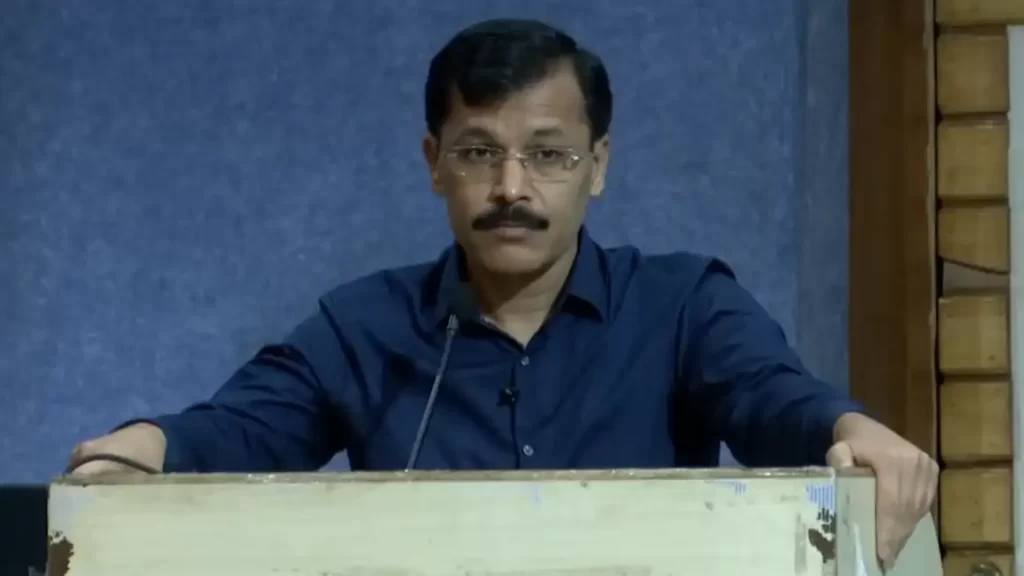

Maharashtra Chief Minister Devendra Fadnavis laid the foundation for India's first Pod Taxi project, an Automated Rapid Transit System (ARTS), in Mumbai, marking a transformative moment for the city's urban transport infrastructure. The groundbreaking ceremony was performed with Deputy Chief Ministers Eknath Shinde and Sunetra Pawar, formally launching work on this futuristic, driverless pod taxi system. The 8.85-kilometer elevated, driverless corridor will connect Bandra (East) and Kurla, providing seamless first- and last-mile connectivity to suburban rail and metro stations while aiming to decongest one of Mumbai's busiest business districts, the Bandra-Kurla Complex (BKC).
The project aims to provide seamless last-mile connectivity between Kurla and the Bandra Kurla Complex, serving an estimated four to six lakh commuters traveling to BKC daily. Planned with 22 air-conditioned stations spaced roughly 200 meters apart, the system will be implemented in phases, with Phase I covering 3.36 kilometers between Kurla Terminal and Bandra (East) terminals, expected to be completed within 20 months. Key stations in the first phase include Kurla (Terminal), LBS Marg, MMRDA Pay & Park (G Block), BDB Gate-11, Kalanagar, Old MMRDA Building, and the Excise Department, before terminating at Bandra (East).
AI-Driven, Zero-Carbon Transportation System
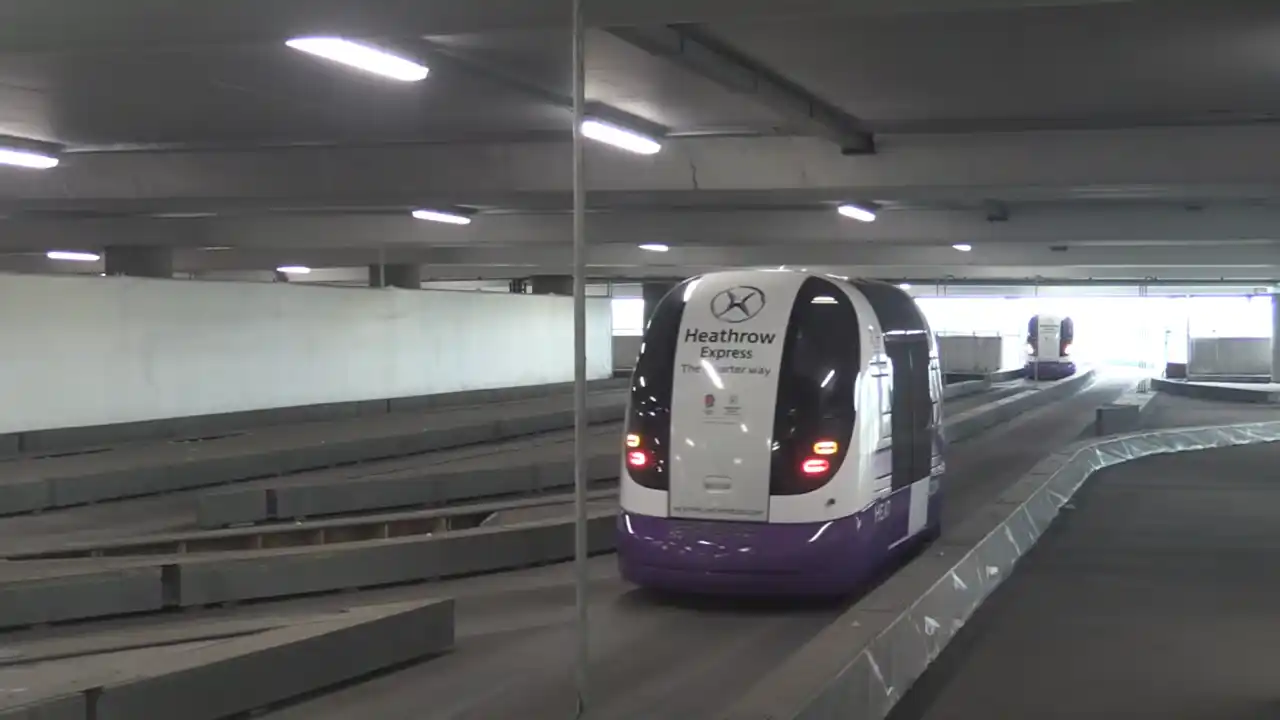
The pods are driverless and AI-powered, running on battery power along a dedicated guideway. Each pod can carry up to six passengers with a maximum speed of 40 km/h and a headway of just 15 seconds, ensuring high frequency and minimal waiting time. Unlike conventional systems, pods stop only at stations chosen by passengers, bypassing others to reduce travel time through an innovative on-demand stop mechanism.
Each pod measures 3.9 meters in length, 2.01 meters in width, and 1.8 meters in height, and will be fully air-conditioned for passenger comfort. Operations will be monitored from a central control room to maintain safety and efficiency, while a dedicated depot is planned at the RLDA Plot in Bandra East. Speaking at the foundation-laying ceremony, Chief Minister Fadnavis said, "The Pod Taxi project reflects Mumbai's move towards future-ready, sustainable transport solutions. It will ease congestion in BKC and offer fast, eco-friendly connectivity to thousands of commuters."
Transforming Urban Mobility in Mumbai's Business Hub
Describing the project as a "game-changer for urban mobility," a senior official from the Mumbai Metropolitan Region Development Authority (MMRDA) said, "The Pod Taxi will transform the way people move within BKC. It is designed to provide fast, predictable, and green transport while significantly reducing pressure on roads." The fully automated system will operate on AI-based, driverless technology, representing a major advancement in Mumbai's transformation into a smart city and aligning its urban mobility with tech-savvy global centers such as London and Dubai.
Urban transport experts believe the system will drastically cut short intra-BKC travel times that often stretch due to heavy vehicular congestion. By offering a zero-carbon, battery-operated alternative, the project is also expected to contribute to sustainable mobility goals and improved air quality in one of India's most polluted metropolitan areas.
An MMRDA official added, "This is not just a transport project; it is a step towards smart, future-ready infrastructure for Mumbai. The Pod Taxi will strengthen connectivity between Bandra and Kurla stations while making travel within BKC smooth, quick, and environmentally friendly."
Strong Metro Integration Creating Multi-Modal Transport Grid
The Pod Taxi corridor will integrate with Mumbai Metro Line 3 at the BKC metro station and connect with ITO and IL&FS stations on Mumbai Metro Line 2B, creating a multi-modal transport grid in the commercial hub. This integration will improve multimodal access for commuters, allowing seamless transfers between different modes of transportation and reducing overall travel time for daily commuters navigating Mumbai's complex transport network.
Officials said the service will cater to 1.09 lakh daily commuters by 2031, with fares proposed at ₹21 per kilometer (2022 rates). The project is being implemented under a Public-Private Partnership (PPP) model, with no financial burden on the state government or MMRDA, while still generating revenue for the authority. With an estimated budget of approximately ₹1,017 crore, this project is set to transform daily commuting for the estimated four to six lakh commuters traveling to BKC.
Implementation Timeline and Phased Development
The project in Mumbai is being executed by the Mumbai Metropolitan Region Development Authority (MMRDA) to strengthen urban transport. The project will be developed in phases, with the first phase covering 3.36 kilometers between Kurla Terminal and Bandra East terminals. CM Fadnavis directed officials to immediately escalate any hurdles posed by government agencies or departments, assuring such issues would be resolved at the highest level to ensure the project is executed in a hassle-free environment and within the deadline.
Once completed by 2031, the Automated Rapid Transit System is expected to redefine short-distance urban commuting in Mumbai, positioning the city among global adopters of next-generation personal rapid transit solutions. The full system will span approximately 8.85 kilometers, establishing Mumbai as a pioneer in India's urban mobility landscape and setting a precedent for other metropolitan cities to follow.
A Vision for Future-Ready Sustainable Transport
Chief Minister Fadnavis described the project as reflecting Mumbai's move towards future-ready, sustainable transport solutions that will ease congestion in BKC and offer fast, eco-friendly connectivity to thousands of commuters. The Pod Taxi represents India's entry into advanced personal rapid transit technology, demonstrating the country's commitment to adopting cutting-edge urban mobility solutions that combine sustainability, efficiency, and technological innovation.