


Soaring Heights: How Tata-Airbus H-125 Facility Marks India’s Aerospace Leap

India’s aerospace ambitions just touched new heights, literally. On February 17, 2026, Prime Minister Narendra Modi and French President Emmanuel Macron virtually inaugurated the Tata Advanced Systems Limited (TASL) Final Assembly Line (FAL) for Airbus H-125 light utility helicopters in Vemagal, Karnataka, from Mumbai. This isn’t mere infrastructure; it’s a fusion of strategic trust, technological prowess, and economic firepower, propelling India’s Make-in-India and Aatmanirbhar Bharat visions skyward.A Historic Virtual Ribbon-CuttingPicture this: Leaders from two global powers, Modi and Macron, hitting the digital button to unveil a facility that symbolises Indo-French synergy. Raksha Mantri Rajnath Singh, on-site at Vemagal, called it a “milestone in the strategic partnership between India and France,” quipping that “even the sky is not the limit.” Joining him were French Minister of Armed Forces and Veterans Affairs Catherine Vautrin, Union Civil Aviation Minister KR Naidu, Karnataka’s Minister for Large & Medium Industries MB Patil, Chief of Air Staff Air Chief Marshal AP Singh, Defence Secretary Rajesh Kumar Singh, and Secretary (Defence Production) Sanjeev Kumar.This event builds directly on TASL-Airbus’ prior triumph: the C-295 military transport aircraft FAL, India’s first private-sector final assembly for military planes. Now, the H-125 line cements a full-spectrum military aerospace ecosystem, blending French engineering with Indian manufacturing muscle.H-125: The Everest-Conquering WorkhorseAt its core, the H-125 is no ordinary chopper; it’s the world’s most trusted single-engine light utility helicopter, with unmatched reliability across brutal conditions. The military-optimised H-125M variant acts as a high-altitude force multiplier: stealthy low acoustic and thermal signatures enable tactical reconnaissance and surveillance. It delivers logistics to remote frontline outposts, rushes search-and-rescue (SAR) or medical evacuations (MEDEVAC), and thrives where others falter.Why? It’s the only helicopter to land on Mount Everest’s summit, proof of its extreme performance ceiling. For India’s armed forces, battling “hot-and-high” terrains from Ladakh’s icy peaks to Siachen’s glaciers, this is gold. Traditional fleets struggle above 6,000 meters; the H-125 powers through, ensuring supply drops, troop insertions, and rapid response in oxygen-starved zones. Globally, over 9,000 H-125 family units fly missions, from VIP transport to firefighting, logging 45+ million flight hours.PM Modi captured the pride: “We take pride in manufacturing in India the world’s only helicopter capable of flying to the heights of Mount Everest and exporting it worldwide.” Raksha Mantri echoed, praising its “exceptional reliability, versatility, and outstanding performance.”Economic Engine: Jobs, Investment, and ExportsThis FAL isn’t just about rotors; it’s an economic turbocharger. Projected investment surpasses ₹1,000 crore, igniting direct and indirect jobs for India’s “skilled and hardworking youth.” It supercharges the MSME ecosystem, now boasting 16,000+ defence-linked units supplying global giants.Since 2014, under Modi, reforms have flipped the script: Ordnance Factories corporatised into seven DPSUs, liberalised FDI (up to 74% on the automatic route), and twin Defence Industrial Corridors (Uttar Pradesh-Tamil Nadu). Private sector share? A robust 25% of total defence production. Exports? Multi-fold surge, ranking India among the top global defence exporters. Foreign OEMs now tap Indian MSMEs for components, with Rajnath Singh inviting deeper tech transfers to fuel security solutions worldwide.Schemes like Production Linked Incentives (PLI), massive infrastructure (roads, ports), and startup boosts have slashed gestation periods, drawing high-capital plays like this. Result: Holistic growth, from domestic self-reliance to export powerhouse.Economic Impact MetricsDetailsInvestment>₹1,000 croreEmploymentDirect + indirect jobs for youth; boosts 16,000+ MSMEsDefence ReformsPrivate share at 25%; exports up manifoldBroader EcosystemPLI schemes, FDI liberalisation, industrial corridorsGlobal ReachComponent sourcing by foreign firms; export-ready H-125sMake-in-India’s Aerospace AscentLaunched in 2014, Make-in-India targeted manufacturing revival; Aatmanirbhar Bharat amplified it post-COVID, prioritising critical tech. Defence exemplifies: From 65% import dependence, India now produces 70%+ indigenously. Private players like TASL lead, absorbing complex tech via offsets and partnerships.This H-125 FAL exemplifies “mutually beneficial partnerships.” Airbus gains India as a low-cost hub; TASL masters final assembly, testing, and avionics integration. Future? Potential exports to friendly nations, plus civilian H-125 variants for tourism, charters, and disaster relief. Karnataka’s Vemagal, near Bengaluru’s aerospace cluster, optimises logistics, skills, and supply chains.Indo-French Ties: Boundless HorizonsIndia-France defence bonds run deep: Rafale jets, Scorpene submarines, joint exercises. Macron’s visit layered geopolitics, countering China in Indo-Pacific, onto tech ties. Vautrin’s presence signals sustained commitment. As Singh noted, collaborations are “limitless,” eyeing AI, drones, and sixth-gen fighters.Charting the Future SkiesThe Vemagal FAL isn’t an endpoint; it’s a launchpad. For troops in unforgiving Himalayas, it means swifter rescues. For workers, stable careers. For India, a louder global voice in aerospace. As helicopters hum off the line, they carry more than passengers; they ferry self-reliance, innovation, and unbreakable partnerships into tomorrow’s skies.
ODOP – One District One Product: Transforming Local Economies into Global Opportunities
The One District One Product (ODOP) initiative has emerged as a key strategy in India’s effort to promote balanced regional development and strengthen local economies. The programme focuses on identifying and promoting a unique product from each district, with the aim of boosting manufacturing, generating employment, and enhancing exports.By linking traditional skills and local specialisations with modern market access, ODOP seeks to position India’s diverse district-level products on both national and global platforms.Concept and Origin of ODOPThe idea behind ODOP is rooted in the principle that every district has a distinct product, craft, or agricultural strength that can be developed into a competitive economic asset. The initiative was first implemented at the state level in Uttar Pradesh, where it gained considerable success in promoting local industries and artisans.Building on this model, the concept was later adopted at the national level to encourage districts across India to identify and develop their unique products. These include handicrafts, textiles, agricultural goods, processed foods, and industrial products.Objectives of the InitiativeODOP is designed to address multiple economic and developmental challenges through a focused approach. The initiative aims to promote indigenous products, support local artisans and manufacturers, and create sustainable employment opportunities at the district level.Another key objective is to reduce regional imbalances by ensuring that economic growth is not limited to major urban centres but is distributed across smaller districts. By strengthening local industries, ODOP also contributes to increasing exports and enhancing India’s global trade presence.Implementation and Institutional FrameworkThe ODOP initiative is implemented through coordination between central ministries, state governments, and district administrations. Each district identifies its flagship product based on factors such as historical significance, availability of raw materials, and existing skill sets.Once identified, support is provided in areas such as production, processing, packaging, branding, and marketing. Financial assistance, training programmes, and infrastructure development are also part of the implementation framework.The initiative is closely aligned with broader national programmes aimed at promoting self-reliance and entrepreneurship.Focus on Skill Development and Capacity BuildingA significant component of ODOP is the emphasis on skill development. Artisans and producers are trained in modern techniques, quality control, and business practices to improve productivity and competitiveness.Capacity-building programmes also focus on enhancing design, innovation, and value addition, enabling local products to meet global standards. This approach helps traditional industries adapt to changing market demands without losing their authenticity.Market Linkages and Export PromotionOne of the major challenges faced by local producers has been access to markets. ODOP addresses this by facilitating market linkages through exhibitions, e-commerce platforms, and export channels.Products identified under the initiative are promoted through various trade fairs and government-supported platforms, helping them reach a wider audience. The focus on branding and packaging has further improved the visibility and appeal of these products in international markets.Economic and Social ImpactThe ODOP initiative has contributed to strengthening local economies by creating employment opportunities and increasing income levels in districts. By promoting district-specific industries, it has encouraged entrepreneurship and reduced migration to urban areas.Socially, the initiative has helped preserve traditional crafts and cultural heritage, providing recognition and support to artisans who were previously operating in informal sectors.Integration with National Development GoalsODOP aligns with India’s broader vision of self-reliance and inclusive growth, complementing initiatives focused on manufacturing and exports. It also supports the development of micro, small, and medium enterprises (MSMEs), which play a crucial role in the country’s economy.The initiative contributes to the goal of making India a global manufacturing hub by leveraging local strengths and diversifying production bases.Challenges and the Way ForwardDespite its potential, the implementation of ODOP faces certain challenges. These include issues related to infrastructure, supply chain inefficiencies, and limited awareness among producers in some regions.Ensuring consistent quality, scaling production, and maintaining competitiveness in global markets are also areas that require continued attention. Strengthening digital platforms and improving logistics will be crucial for the initiative’s long-term success.The One District One Product initiative represents a strategic approach to decentralised economic development. By focusing on local strengths and connecting them to larger markets, it is creating new opportunities for growth while preserving India’s rich cultural and industrial diversity.
Four Stars of Destiny: The Autobiography of General Manoj Mukund Naravane

Four Stars of Destiny is the autobiography of Manoj Mukund Naravane, the former Chief of the Indian Army. The book offers a detailed account of Naravane’s personal life, military career, leadership experiences, and the strategic challenges he faced during his decades of service in the armed forces. The memoir traces his journey from his early years and training as a young cadet to eventually becoming the 28th Chief of the Indian Army, a position he held from December 2019 to April 2022.The book is considered an important narrative of modern Indian military leadership, providing readers with insights into the functioning of the Indian Army, strategic decision-making at the highest levels, and the complexities of managing national security challenges in the twenty-first century.About the AuthorGeneral Manoj Mukund Naravane was born on 22 April 1960 in Pune, Maharashtra. He comes from a family with a background in public service—his father served as an officer in the Indian Air Force while his mother worked with All India Radio. Naravane received his education in Pune before joining the National Defence Academy and later the Indian Military Academy, where he began his professional military journey.He was commissioned into the 7th Battalion of the Sikh Light Infantry in June 1980, beginning a career that would span more than four decades. Over the years, he served in a wide range of operational, command, and staff roles across India and abroad. His service included counter-insurgency operations in Jammu and Kashmir and the Northeast, as well as participation in the Indian Peace Keeping Force in Sri Lanka.These experiences shaped his leadership style and strategic understanding, themes that are extensively discussed in his autobiography.Journey from Cadet to Army ChiefA central theme of Four Stars of Destiny is Naravane’s professional journey through the ranks of the Indian Army. The memoir describes how discipline, training, and operational experience helped shape his character and leadership philosophy.The book recounts his early days as a young officer and his exposure to challenging military environments. It highlights how officers are trained to make difficult decisions under pressure while maintaining responsibility for the lives of their soldiers.Naravane gradually rose through the ranks, commanding various units and formations and holding several senior positions in the Indian Army. His leadership roles included command of an infantry brigade, senior operational responsibilities in counter-insurgency areas, and high-level appointments in the defence establishment.Eventually, he rose to become the Chief of the Army Staff, the highest position in the Indian Army. His tenure as army chief coincided with several significant national security developments and military challenges.Insights into Military LeadershipOne of the key aspects of the memoir is its discussion of leadership and decision-making in the armed forces. Naravane reflects on the values of discipline, professionalism, and responsibility that define military leadership.Through personal anecdotes and experiences, he explains how officers must balance strategic planning with ground-level realities. The book also explores the importance of teamwork, trust within the chain of command, and the ethical responsibilities associated with leadership in the military.The memoir also offers lessons on management and leadership that extend beyond the armed forces, showing how military principles such as preparedness, resilience, and clarity of command can be applied in other professional fields as well.Key Military Events Discussed in the BookFour Stars of Destiny also provides an insider’s perspective on several important security developments that took place during Naravane’s career.Among the most significant is the India-China military standoff in eastern Ladakh in 2020, one of the most serious confrontations between the two countries since the 1962 war. The memoir discusses the strategic decisions taken by the Indian military leadership during the crisis and the measures implemented to manage tensions along the Line of Actual Control (LAC).The book also touches upon other policy and organisational changes within the armed forces, including reforms related to recruitment and military preparedness.Publication and ControversyAlthough the memoir was originally scheduled for publication in 2024 by Penguin Random House India, its release has been delayed due to the review process required for books written by former senior military officials.In India, manuscripts written by senior defence personnel often undergo scrutiny by the Ministry of Defence before publication to ensure that sensitive information related to national security is not disclosed.The book also became the subject of political debate in Parliament after excerpts from the manuscript were cited during discussions on national security issues. This controversy brought renewed public attention to the memoir even before its official release.Significance of the MemoirDespite the publication delays, Four Stars of Destiny has generated considerable interest among readers, military analysts, and policymakers. The memoir is expected to provide valuable insights into the workings of India’s military leadership and the challenges faced by the armed forces in an evolving geopolitical environment.More than just a record of personal achievements, the book is also seen as a reflection on the values and responsibilities associated with serving in the armed forces. It highlights how decades of dedication, discipline, and leadership can shape both an individual career and the broader institution of the military.ConclusionFour Stars of Destiny stands as an important account of the life and career of General Manoj Mukund Naravane. By narrating his journey from a young cadet to the head of the Indian Army, the autobiography provides readers with a deeper understanding of military service, leadership, and national security.The memoir not only documents a distinguished military career but also offers lessons on perseverance, duty, and leadership—qualities that remain central to the ethos of the Indian armed forces.
Atal Setu: India’s Longest Sea Bridge Transforming Mumbai’s Connectivity
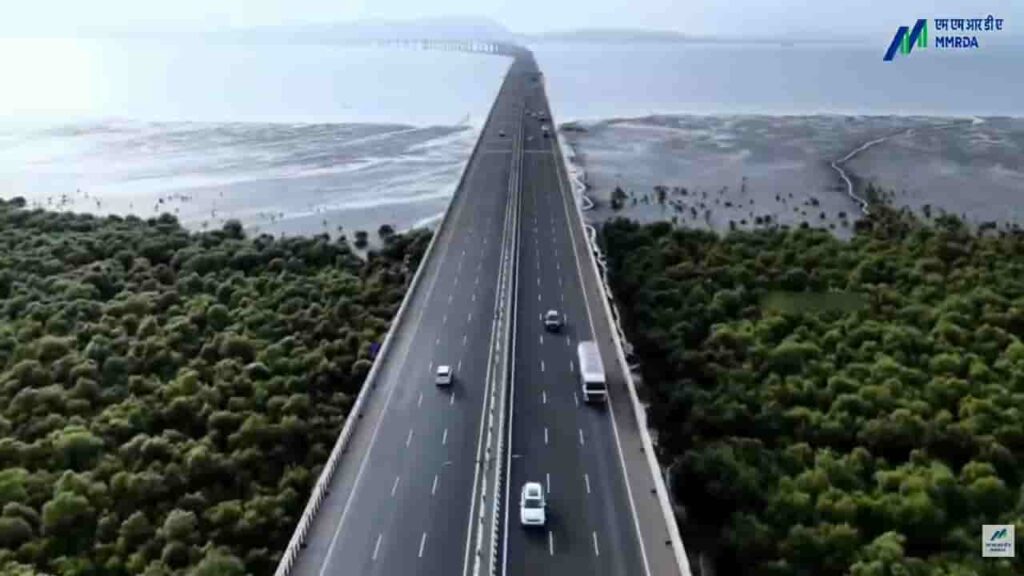
IntroductionThe Atal Setu, officially known as the Mumbai Trans Harbour Link, is one of India’s most remarkable infrastructure achievements. Connecting Mumbai with Navi Mumbai, this sea bridge has significantly transformed travel across the Mumbai Metropolitan Region.Inaugurated in January 2024, the project stands as India’s longest sea bridge and represents a major milestone in enhancing urban mobility, reducing congestion, and supporting economic growth in one of the country’s busiest regions.Project OverviewThe Atal Setu stretches approximately 21.8 kilometres, of which around 16.5 kilometres lies over the Arabian Sea. Developed by the Mumbai Metropolitan Region Development Authority, the bridge connects Sewri in Mumbai to Nhava Sheva in Navi Mumbai.Designed as a six-lane access-controlled expressway, the bridge allows high-speed travel and provides a direct link between South Mumbai and key areas such as:Navi MumbaiJawaharlal Nehru Port TrustNavi Mumbai International Airport (upcoming)This strategic alignment makes the bridge a critical infrastructure asset for both passenger and cargo movement.Need and Strategic ImportanceBefore the construction of Atal Setu, connectivity between Mumbai and Navi Mumbai relied heavily on longer routes via Thane or Vashi, often leading to heavy congestion and extended travel times.The bridge was conceptualised to:Provide a faster alternative routeReduce traffic burden on existing corridorsImprove connectivity to ports and upcoming infrastructure projectsIt is expected to reduce travel time between Sewri and Nhava Sheva from nearly two hours during peak traffic to about 20 minutes.Engineering Excellence and DesignSpecial materials and coatings were used to ensure durability and long-term performance.Intelligent Transport SystemsThe bridge is equipped with modern traffic management systems, including:Speed monitoring camerasEmergency response systemsSurveillance infrastructureThese features enhance safety and ensure smooth traffic flow.Safety RestrictionsTo maintain safety, certain categories of vehicles such as two-wheelers, auto-rickshaws, and tractors are restricted from using the bridge.Economic and Urban ImpactThe Atal Setu is expected to play a transformative role in the economic and urban development of the Mumbai Metropolitan Region.Boost to Logistics and TradeWith improved access to Jawaharlal Nehru Port Trust, India’s largest container port, the bridge enhances the efficiency of cargo transportation and logistics operations.Real Estate and Urban ExpansionThe project is expected to accelerate development in Navi Mumbai, making it a more attractive destination for residential and commercial investment.Airport ConnectivityThe bridge provides seamless access to the upcoming Navi Mumbai International Airport, strengthening regional connectivity.The Atal Setu is a testament to advanced engineering and modern construction techniques.Sea Bridge ConstructionBuilding a long bridge over open sea posed several challenges, including:Strong tidal currentsCorrosion due to saline conditionsEnvironmental constraintsEnvironmental ConsiderationsGiven its location over the sea, the project required careful environmental planning.Measures included:Minimising impact on marine ecosystemsMonitoring coastal biodiversityAdhering to environmental regulationsDespite these efforts, environmental concerns were raised during the planning and construction phases, particularly regarding potential effects on marine life.Challenges During ConstructionThe construction of Atal Setu involved multiple challenges:Working in deep-sea conditionsManaging logistics for large-scale constructionEnsuring minimal disruption to shipping routesDelays due to environmental clearances and pandemic-related disruptionsDespite these obstacles, the project was completed through coordinated efforts and advanced engineering solutions.Integration with Other Infrastructure ProjectsThe Atal Setu is part of a broader infrastructure network aimed at improving connectivity in the Mumbai region. It complements:Mumbai Coastal Road ProjectNavi Mumbai International AirportExisting highway and rail networksThis integrated approach enhances overall transport efficiency and supports regional growth.Final PerspectiveThe Atal Setu stands as a landmark achievement in India’s infrastructure development, symbolising innovation, scale, and ambition. By drastically reducing travel time and improving connectivity between Mumbai and Navi Mumbai, it has reshaped commuting patterns and opened new avenues for economic expansion.More than just a bridge, Atal Setu represents a critical link in India’s journey towards building world-class infrastructure that supports both urban growth and national development.
PM Modi’s Mann Ki Baat E-133 | 26th April, 2026
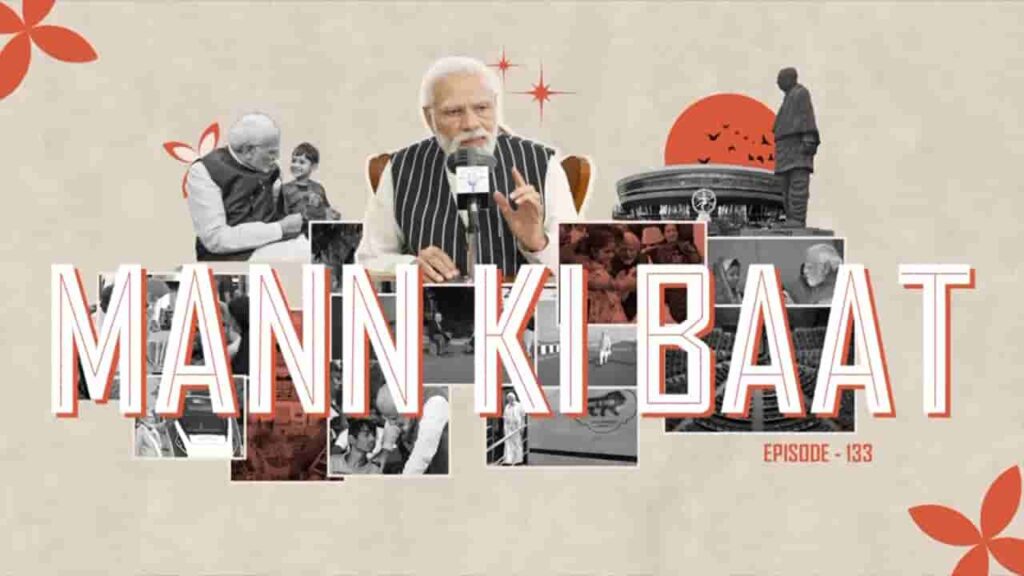
PM Modi’s Mann Ki Baat E-133 | 26th April, 2026 Video: YT/@NaMo
Sagarmala Project: Transforming India’s Maritime Infrastructure and Coastal Economy
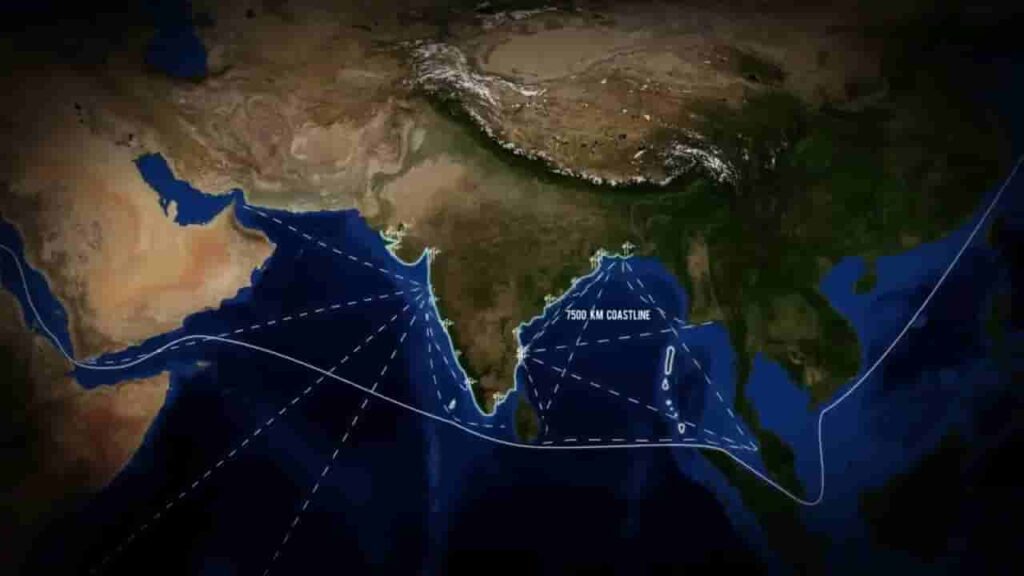
IntroductionThe Sagarmala Programme is one of the Government of India’s flagship initiatives aimed at harnessing the country’s vast coastline and maritime potential to drive economic growth. Launched with the vision of port-led development, the project seeks to modernise ports, improve logistics efficiency, and promote industrialisation along coastal regions.With over 7,500 km of coastline and strategic access to major international trade routes, India has long had the potential to become a global maritime hub. The Sagarmala Programme was designed to unlock this potential by integrating ports with hinterland connectivity and industrial development.Background and VisionIndia’s logistics sector has historically faced challenges such as high transportation costs, inefficiencies in port operations, and inadequate connectivity between ports and inland regions. Recognising these gaps, the Sagarmala Programme was introduced to create a more efficient and cost-effective logistics ecosystem.The core vision of Sagarmala is to reduce logistics costs for both domestic and international trade while boosting exports and generating employment. By focusing on port-led industrialisation, the initiative aims to transform coastal areas into economic growth centres.Key Pillars of the Sagarmala ProgrammeThe Sagarmala Project is built around four key pillars, each addressing a specific aspect of maritime and logistics development.Port Modernisation and New Port DevelopmentOne of the primary objectives is to upgrade existing ports and develop new ones to handle increasing cargo volumes. This includes improving port infrastructure, adopting advanced technologies, and enhancing operational efficiency.Major ports across India are being modernised to reduce turnaround time for ships and improve cargo handling capacity, making them globally competitive.Port Connectivity EnhancementEfficient connectivity between ports and inland regions is critical for seamless movement of goods. Under Sagarmala, significant investments have been made in road, rail, and inland waterways connectivity.Projects include:Dedicated freight corridorsRail links to portsNational highways connecting industrial clustersThese developments aim to ensure faster and more cost-effective transportation of goods.Port-Led IndustrialisationA major focus of the programme is the development of industrial clusters near ports. These include:Coastal Economic Zones (CEZs)Industrial corridorsPort-based manufacturing unitsBy locating industries closer to ports, the project reduces logistics costs and enhances export competitiveness. This approach also encourages foreign investment and boosts manufacturing under initiatives like “Make in India.”Coastal Community DevelopmentSagarmala also emphasises the socio-economic development of coastal communities. The programme includes initiatives for:Skill development in maritime sectorsEmployment generationFisheries and aquaculture developmentThis ensures that local populations benefit directly from the project’s growth opportunities.Implementation and ScaleThe Sagarmala Programme encompasses hundreds of projects across various sectors, making it one of the largest infrastructure initiatives in the country.It is being implemented by multiple agencies, including:Ministry of Ports, Shipping and WaterwaysState governmentsPrivate sector stakeholdersProjects range from port modernisation and connectivity improvements to industrial zone development and urban infrastructure in coastal regions.Economic SignificanceThe Sagarmala Project is expected to have a far-reaching impact on India’s economy.Reduction in Logistics CostsOne of the biggest advantages is the potential reduction in logistics costs, which have traditionally been higher in India compared to global standards. Efficient ports and better connectivity will make Indian goods more competitive in international markets.Boost to Trade and ExportsImproved port infrastructure and faster cargo handling will facilitate higher trade volumes, strengthening India’s position in global supply chains.Employment GenerationThe programme is expected to create millions of jobs, both directly and indirectly, across sectors such as shipping, logistics, manufacturing, and fisheries.Environmental and Social ConsiderationsGiven the scale of the project, environmental sustainability has been a key concern.Efforts have been made to:Promote green port initiativesReduce carbon emissionsEnsure sustainable coastal developmentHowever, concerns have also been raised regarding the impact of industrialisation on fragile coastal ecosystems, including mangroves and marine biodiversity.Balancing economic growth with environmental protection remains a critical challenge for the programme.Progress and AchievementsSince its launch, significant progress has been made under the Sagarmala Programme. Several port modernisation projects have been completed, and connectivity infrastructure has been strengthened.Cargo handling capacity at major ports has increased, and turnaround times have improved, reflecting enhanced efficiency. Industrial projects in coastal regions are also gradually taking shape.Challenges and the Road AheadDespite its progress, the Sagarmala Project faces several challenges:Land acquisition issuesEnvironmental clearancesCoordination between multiple agenciesFunding and timely execution of projectsAddressing these challenges will be essential to ensure the programme achieves its full potential.Final PerspectiveThe Sagarmala Programme represents a strategic shift in India’s approach to infrastructure and economic development. By leveraging its coastline and maritime strengths, the country aims to build a robust logistics network and emerge as a global trade hub.At its core, the project is not just about ports—it is about creating an integrated ecosystem that connects industries, communities, and markets, driving long-term growth and development across the nation.
Parvatmala Project: India’s National Ropeway Development Programme
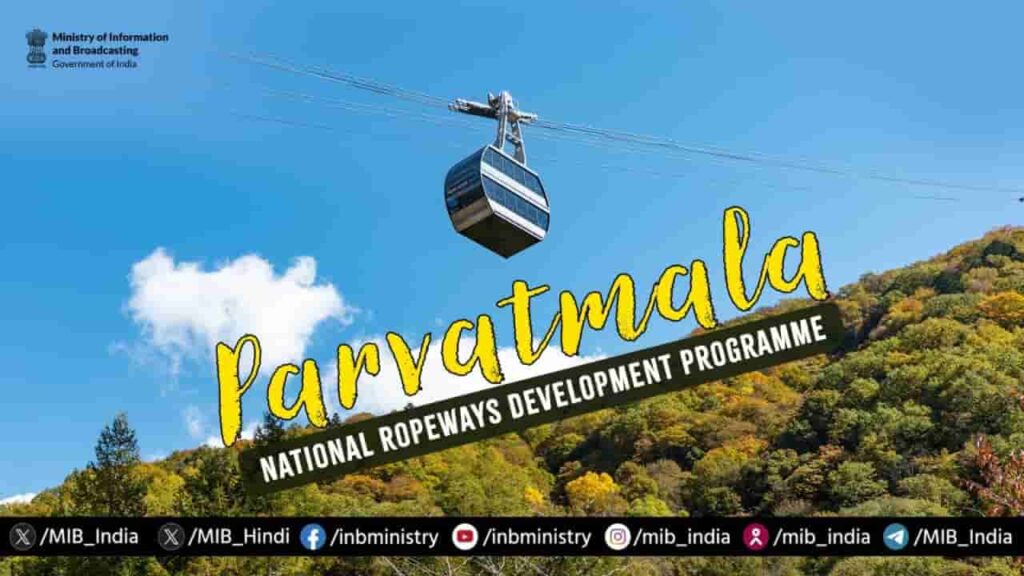
Image: MIBIntroductionThe Parvatmala Project, officially known as Parvatmala Pariyojana, was announced in the Union Budget 2022–23 as a major initiative to develop ropeway infrastructure across India, particularly in hilly and mountainous regions. The project aims to provide safe, efficient and sustainable connectivity in areas where traditional road and rail infrastructure face geographical and environmental challenges.It is being implemented under the guidance of the Ministry of Road Transport and Highways, with a strong focus on boosting connectivity, tourism, and local economic activity.Vision and ObjectivesThe core vision of the Parvatmala Project is to transform mobility in difficult terrains by introducing ropeways as a viable alternative to conventional transport systems. In many hill regions, road construction is not only expensive but also environmentally disruptive. Ropeways offer a cleaner and more efficient solution.The project is designed to:Improve last-mile connectivity in remote and hilly areasReduce travel time significantlyPromote eco-friendly transportationBoost tourism in scenic destinationsBy focusing on these objectives, the initiative seeks to integrate remote regions more effectively into the mainstream economy.Implementation StrategyThe Parvatmala Project is being developed under the Public-Private Partnership (PPP) model, which allows private players to participate in financing, constructing, and operating ropeway systems.The government has identified multiple corridors across states such as Uttarakhand, Himachal Pradesh, Jammu & Kashmir, and the Northeast for ropeway development. These routes are selected based on their tourism potential, connectivity needs, and feasibility.The project is expected to be implemented in phases, with initial priority given to high-demand routes and pilgrimage circuits.Key Features of Ropeway SystemsRopeways under the Parvatmala Project are expected to offer several advantages over traditional transport:They are designed to operate in difficult terrains with minimal land use, reducing the need for large-scale construction. Travel through ropeways is significantly faster, especially in areas where road journeys can take several hours due to winding routes.Additionally, ropeways are considered environmentally sustainable, as they produce lower emissions compared to fuel-based transport systems. They also help in reducing traffic congestion in popular tourist destinations.Economic and Tourism ImpactOne of the major expected outcomes of the Parvatmala Project is the boost to tourism. Improved connectivity to hill stations, धार्मिक sites, and remote scenic locations can increase tourist footfall and generate employment opportunities for local communities.The project is also likely to:Support small businesses in remote areasEnhance accessibility for pilgrims and touristsCreate jobs in construction, operations, and maintenanceBy improving connectivity, the initiative can play a key role in regional economic development.Challenges and ConcernsDespite its potential, the Parvatmala Project faces several challenges. Land acquisition, environmental clearances, and coordination between multiple agencies can slow down implementation.There are also concerns regarding the financial viability of certain routes, especially in areas with seasonal tourist demand. Ensuring safety standards and maintenance of ropeway systems will be critical for long-term success.The Road AheadThe government aims to develop over 200 ropeway projects covering more than 1,200 km in the coming years under the Parvatmala initiative. As implementation progresses, the focus will be on balancing infrastructure development with environmental sustainability.Successful execution of the project will depend on efficient planning, strong private sector participation, and timely clearances.ConclusionThe Parvatmala Project represents a significant shift in India’s approach to infrastructure development in mountainous regions. By introducing ropeways as a mainstream mode of transport, the initiative offers a practical solution to long-standing connectivity challenges.If implemented effectively, it has the potential to not only transform mobility in hilly areas but also drive tourism and economic growth, making remote regions more accessible and integrated with the rest of the country.
PM Surya Ghar Yojana: Powering Homes with Solar Energy
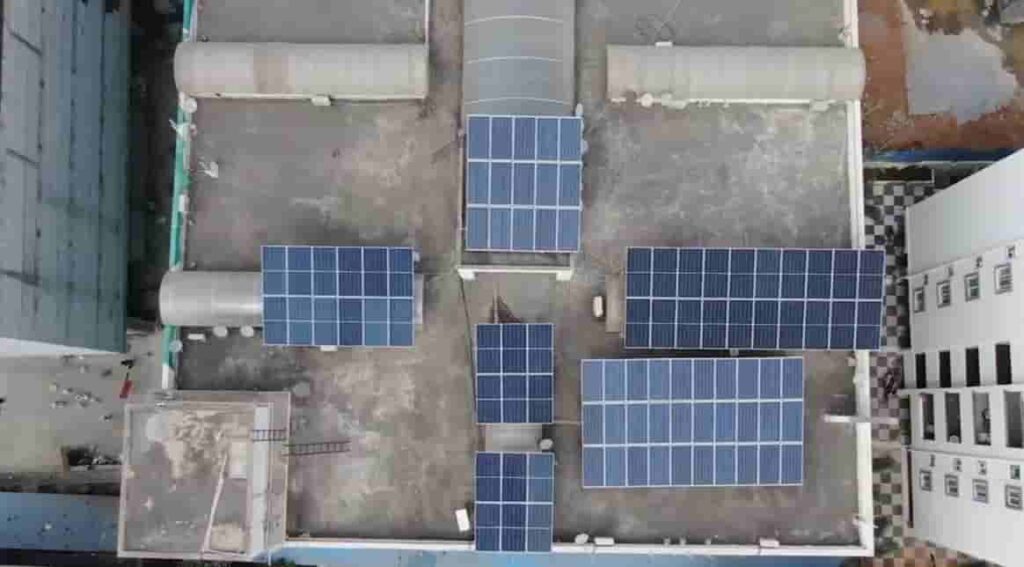
IntroductionThe PM Surya Ghar Yojana, officially known as the PM Surya Ghar: Muft Bijli Yojana, was launched in 2024 as a major step towards promoting rooftop solar adoption across India. Announced by Narendra Modi, the scheme aims to provide affordable and sustainable electricity to households while reducing dependence on conventional power sources.The initiative is positioned as a key component of India’s broader push towards renewable energy and energy self-reliance.Objective of the SchemeThe primary objective of the scheme is to encourage households to install rooftop solar panels by offering financial assistance and incentives. By doing so, the government aims to reduce electricity costs for citizens and promote clean energy usage at the grassroots level.The scheme also aligns with India’s long-term climate goals by reducing carbon emissions and supporting the transition to non-fossil fuel energy sources.Key Features of the YojanaUnder the PM Surya Ghar Yojana, eligible households are provided with subsidies to install rooftop solar systems. The government has set an ambitious target of covering 1 crore households under the scheme.One of the major highlights is the provision of up to 300 units of free electricity per month, depending on the installed solar capacity and energy generation. This is expected to significantly reduce electricity bills for middle- and lower-income households.The subsidy is directly transferred to beneficiaries, ensuring transparency and faster implementation. The scheme also promotes easy application processes through an online portal.Financial Support and Subsidy StructureThe government provides substantial financial assistance to make solar installations more accessible. Subsidies vary depending on the capacity of the rooftop solar system installed.Typically, households installing smaller systems receive higher proportional support, making it easier for a larger segment of the population to participate. In addition to central subsidies, some state governments also offer additional incentives, further reducing the overall cost.This financial model is designed to make rooftop solar a viable option even for households that may otherwise find the upfront investment challenging.Implementation and ReachSince its launch, the scheme has seen growing interest across various states. Urban areas, where rooftop access and electricity consumption are higher, have shown quicker adoption. However, efforts are also being made to expand the scheme’s reach in semi-urban and rural regions.The government has collaborated with local electricity distribution companies (DISCOMs) and vendors to streamline installation and approval processes. Digital platforms have been introduced to track applications, approvals, and subsidy disbursement.Benefits for Households and EconomyThe PM Surya Ghar Yojana offers multiple benefits at both the individual and national levels. For households, the most immediate advantage is reduced electricity expenditure and long-term savings. Over time, solar installations can significantly offset energy costs.At a broader level, the scheme contributes to:Increased adoption of renewable energyReduced burden on conventional power gridsLower carbon emissionsJob creation in the solar energy sectorIt also supports India’s goal of becoming a global leader in renewable energy.Challenges and ConcernsDespite its potential, the scheme faces certain challenges. Awareness about rooftop solar and the application process remains limited in some regions. Additionally, initial installation delays and coordination issues with local authorities have been reported in certain cases.Another challenge is ensuring quality control and standardisation across vendors, as the rapid scale-up of installations requires strict monitoring.Addressing these issues will be crucial for the scheme’s long-term success.ConclusionThe PM Surya Ghar Yojana represents a significant step towards democratising solar energy in India. By making rooftop solar accessible and affordable, the scheme has the potential to transform how households consume electricity.While challenges remain, its early momentum indicates a strong shift towards clean energy adoption at the household level. As implementation improves and awareness grows, the scheme is expected to play a crucial role in shaping India’s sustainable energy future.
Bharatiya GPT: India’s Push Towards Indigenous AI Models
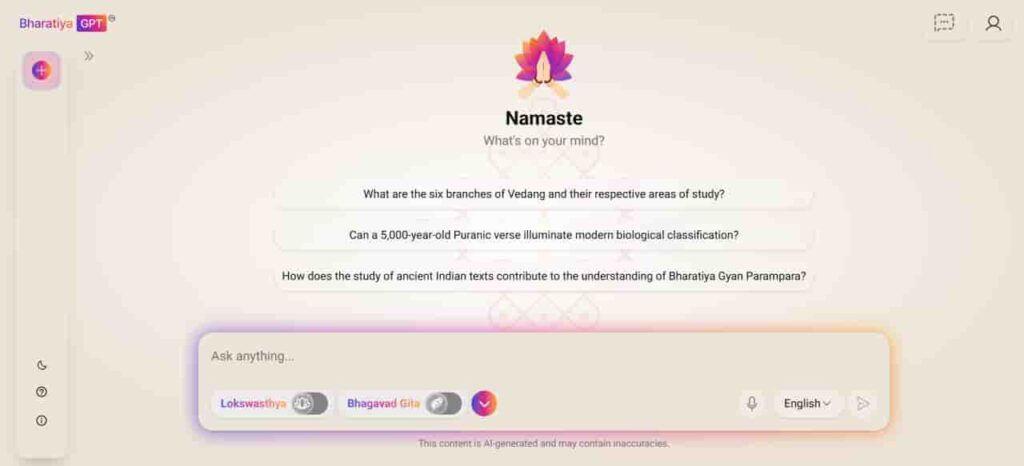
As artificial intelligence continues to reshape industries globally, India has been steadily moving towards building its own large language models (LLMs), often referred to in public discourse as “Bharatiya GPT.” The term does not denote a single product, but rather represents a broader effort to develop India-focused AI systems that understand the country’s languages, cultural context, and governance needs.At the centre of this movement are government-backed initiatives, academic collaborations, and private sector innovations aimed at reducing dependence on global AI platforms.The Need for an India-Centric AI ModelMost globally dominant AI systems, including those developed by OpenAI and Google, are primarily trained on English-heavy datasets and Western contexts. While they perform well globally, their understanding of India’s linguistic diversity and socio-cultural nuances remains limited.India, with over 20 officially recognised languages and hundreds of dialects, requires AI systems that can:Understand and generate regional languages accuratelyInterpret local context, idioms, and governance frameworksServe sectors like agriculture, healthcare, and public administration at scale“Bharatiya GPT” is therefore envisioned as a solution tailored specifically to these needs.Government-Led Initiatives and Policy PushThe Indian government has played a key role in advancing indigenous AI capabilities. Under its broader digital transformation agenda, several initiatives have been launched to support AI research and deployment.One of the central efforts is the IndiaAI Mission, which focuses on:Building domestic AI infrastructureSupporting startups and research institutionsCreating datasets in Indian languagesAdditionally, institutions like Indian Institute of Technology Madras and Indian Institute of Technology Bombay have been actively involved in AI research, contributing to language models and speech technologies tailored for Indian users.Rise of Indigenous AI ModelsIndia has already seen the emergence of several homegrown AI models that align with the idea of “Bharatiya GPT.”Key Developments:AI4BharatA research initiative focused on building open-source datasets and models for Indian languages. It has played a significant role in enabling multilingual AI capabilities.KrutrimDeveloped by Ola, Krutrim is one of India’s first large language models designed specifically for Indian users, supporting multiple regional languages.Reliance Jio AI initiativesIn collaboration with global technology partners, Jio has been working on AI platforms aimed at large-scale deployment across its digital ecosystem.These developments indicate a growing ecosystem where both public and private players are contributing to India’s AI ambitions.Challenges in Building Bharatiya GPTDespite strong momentum, developing a fully indigenous AI model comes with several challenges:1. Data AvailabilityHigh-quality datasets in Indian languages are limited compared to English, making training complex.2. Computing InfrastructureTraining large AI models requires massive computational resources, an area where global players still have an advantage.3. Linguistic ComplexityIndia’s linguistic diversity adds layers of difficulty in ensuring accuracy, consistency, and contextual understanding.4. Funding and ScaleBuilding and maintaining LLMs is capital-intensive, requiring sustained investment.Strategic Importance for IndiaThe push for Bharatiya GPT is not just technological—it is also strategic.Key Benefits:Digital SovereigntyReduces dependence on foreign AI systemsInclusionEnables access to AI in regional languages, especially in rural areasEconomic GrowthSupports startups, innovation, and job creationGovernance EfficiencyHelps in citizen services, policy implementation, and digital governanceGlobal Context and CompetitionIndia’s efforts mirror a broader global trend, where countries are developing their own AI models to maintain technological independence. Nations like China and the European Union have already invested heavily in localized AI systems.In this context, Bharatiya GPT represents India’s attempt to establish itself as a serious player in the global AI ecosystem, rather than just a consumer of foreign technology.The Road AheadIndia’s journey towards building a fully functional “Bharatiya GPT” is still evolving. Future developments are expected to focus on:Expanding multilingual capabilitiesImproving accuracy and contextual understandingScaling infrastructure through public-private partnershipsIntegrating AI into everyday governance and business use casesConclusion“Bharatiya GPT” is not a single product but a national vision for AI self-reliance. It reflects India’s ambition to create technology that is not only globally competitive but also deeply rooted in its own linguistic and cultural landscape.As development continues, the success of this initiative will depend on how effectively India can balance innovation, inclusivity, and scale—while building AI systems that truly understand and serve its diverse population.
Dholera: India’s First Greenfield Smart City Taking Shape in Gujarat
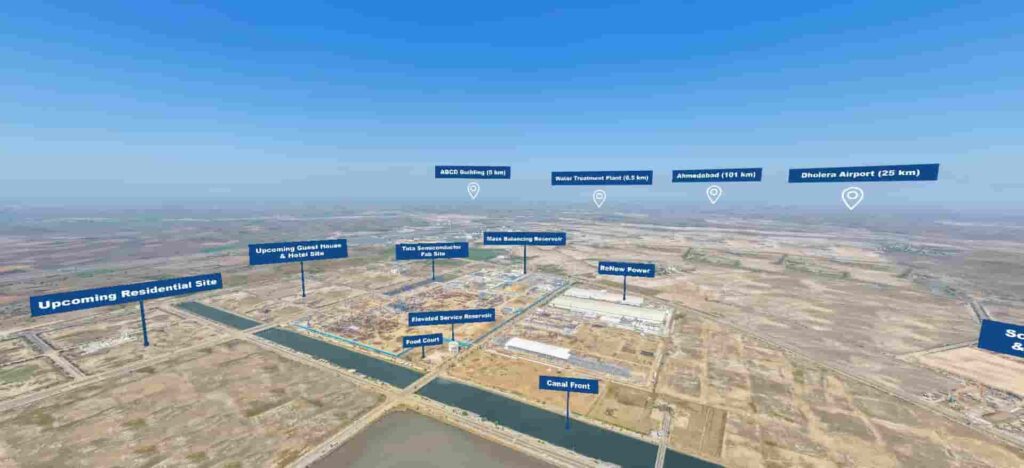
Dholera has emerged as one of India’s most ambitious urban development projects, envisioned as the country’s first greenfield smart city under the Delhi-Mumbai Industrial Corridor (DMIC). Located in Gujarat’s Ahmedabad district, Dholera is being developed from scratch with a focus on sustainable infrastructure, advanced technology, and industrial growth, positioning it as a future economic powerhouse.The project reflects India’s long-term vision of creating next-generation urban centres that can support rapid industrialisation while maintaining environmental balance and efficient governance.Vision Behind Dholera Smart CityUnlike traditional cities that evolve over time, Dholera has been planned as a greenfield city, meaning it is being built on previously undeveloped land with a fully integrated master plan.The objective behind Dholera is to:Decongest existing metropolitan citiesCreate a global manufacturing and investment hubProvide world-class infrastructure for industries and residentsDrive economic growth through planned urbanisationThe city is a key node of the Delhi Mumbai Industrial Corridor, one of India’s largest infrastructure initiatives aimed at boosting industrial development between Delhi and Mumbai.Strategic Location and ConnectivityDholera’s location gives it a strong strategic advantage. It lies around 100 kilometres from Ahmedabad and is well connected through major transport networks.The city is being linked via:The Ahmedabad-Dholera ExpresswayProposed metro rail connectivityDedicated freight corridorsProximity to ports along the western coastOne of the most important infrastructure components supporting the city is the Dholera International Airport, which is expected to enhance both domestic and international connectivity, making Dholera a globally accessible hub.Infrastructure and Smart City FeaturesDholera is being developed with a focus on future-ready infrastructure, incorporating smart technologies and sustainable systems.The city’s planning includes:Underground utility systems (electricity, water, telecom)Smart traffic management and surveillance systemsHigh-speed internet and digital connectivityIntegrated command and control centresThe infrastructure is designed to ensure efficiency, reduce congestion, and provide a high quality of life for residents and businesses.Industrial and Economic PotentialOne of the primary goals of Dholera is to function as a major industrial hub. Large tracts of land have been allocated for manufacturing, logistics, and commercial activities.The city is expected to attract:Domestic and international investorsManufacturing units across sectorsTechnology and innovation-driven industriesSpecial economic zones and industrial clusters are being planned to encourage exports and boost employment opportunities.Sustainability and Environmental PlanningA key highlight of Dholera is its focus on sustainability. The city is being designed to minimise environmental impact while supporting large-scale development.This includes:Use of renewable energy sources such as solar powerEfficient water management and recycling systemsGreen spaces and eco-friendly urban planningThe emphasis on sustainability aligns with global trends in urban development, making Dholera a model for future smart cities in India.Phased Development and Current ProgressThe development of Dholera is being carried out in phases, with initial focus on activating core infrastructure and industrial zones.The Activation Area—considered the first phase of development—has already seen progress in terms of:Road networksUtility infrastructureLand allocation for industriesAs infrastructure continues to develop, the city is gradually moving from planning to implementation, with increasing interest from investors and businesses.Challenges and ExpectationsWhile the vision for Dholera is ambitious, the project also faces challenges such as:Attracting sustained investmentEnsuring timely infrastructure developmentCreating residential demand alongside industrial growthThe success of the city will depend on how effectively these challenges are managed over time.A Glimpse into India’s Urban FutureDholera represents a shift in India’s approach to urbanisation—moving towards planned, technology-driven, and sustainable cities rather than unstructured expansion.As the project progresses, it is expected to serve as a benchmark for future smart city initiatives across the country.Dholera is not just a city under construction; it is a long-term vision of how India aims to balance growth, infrastructure, and sustainability. With its strategic location, advanced planning, and industrial focus, it has the potential to redefine urban development and emerge as a major economic hub in the years to come.