


Noida International Airport (Jewar Airport) Inauguration: A Transformational Push to India’s Aviation and Regional Growth
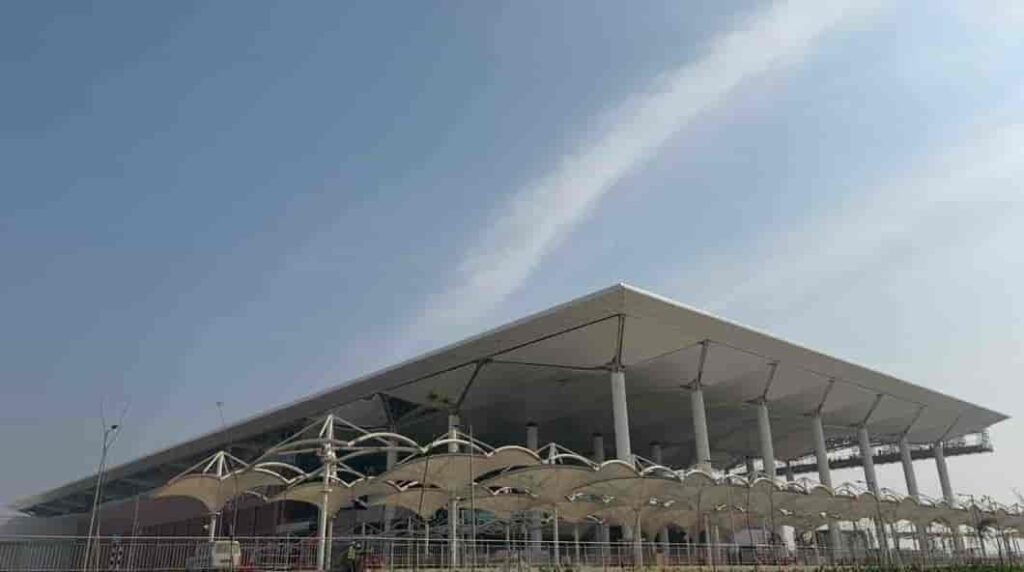
The inauguration of the Noida International Airport, widely known as Jewar Airport, marked a landmark moment in India’s aviation and infrastructure expansion. Positioned as one of the country’s largest and most ambitious greenfield airport projects, its launch has been seen as a strategic move to decongest existing aviation hubs and unlock new economic potential across northern India.Located in Jewar in Uttar Pradesh’s Gautam Buddha Nagar district, the airport has been developed to serve the rapidly growing travel demand of the National Capital Region (NCR), while also acting as a catalyst for industrial, logistical, and urban development in surrounding areas.Why India Needed a Second Major Airport in NCRFor years, the Indira Gandhi International Airport in Delhi has handled the bulk of air traffic in northern India. With passenger numbers steadily rising, the airport has been operating close to its maximum capacity, leading to congestion, delays, and operational strain.The idea of developing a second airport in the NCR was not just about expansion, but about redistributing aviation load and future-proofing infrastructure. The Noida International Airport was conceptualised to address these issues while supporting the long-term growth of one of India’s busiest urban corridors.Its location near the Yamuna Expressway provides strategic access not only to Delhi but also to key cities like Noida, Greater Noida, Ghaziabad, Agra, Mathura, and Aligarh. This makes it a regional hub rather than just an alternative airport.Scale, Design and Multi-Phase DevelopmentWhat sets the Noida International Airport apart is its scale and long-term vision. Unlike many existing airports that evolved through gradual expansion, this project has been planned from the outset as a multi-phase mega infrastructure development.In its first phase, the airport has been designed to handle around 12 million passengers annually, with a single runway and terminal. However, the long-term plan is far more ambitious. Once fully developed, the airport is expected to:Handle over 70 million passengers per yearOperate multiple runwaysInclude expansive cargo terminals and logistics parksSupport maintenance, repair, and overhaul (MRO) operationsThis phased approach ensures that the airport can scale alongside demand, making it a future-ready aviation hub.Focus on Sustainability and Modern InfrastructureOne of the defining aspects of the project is its emphasis on sustainability. The airport has been planned as an environmentally responsible infrastructure project, incorporating:Energy-efficient terminal designsWater conservation systemsReduced carbon footprint strategiesSustainable construction practicesGlobally, there has been increasing focus on green aviation infrastructure, and the Noida International Airport aligns with this shift by aiming to become one of the more eco-conscious airports in the region.Connectivity and Integration with Transport NetworksA major strength of the Jewar airport lies in its planned connectivity. The project is not being developed in isolation but as part of a larger, integrated transport ecosystem.The airport is expected to be connected through:The Yamuna Expressway and Eastern Peripheral ExpresswayProposed metro rail extensionsRegional Rapid Transit Systems (RRTS)High-speed rail links in the futureThis multi-modal integration will ensure seamless movement of passengers and goods, significantly reducing travel time and improving accessibility across the NCR and beyond.Economic Impact: A New Growth Engine for Uttar PradeshThe inauguration of the airport is expected to trigger a wave of economic activity in the region. Large infrastructure projects often act as growth multipliers, and Jewar is already witnessing rapid transformation.The airport is likely to:Generate thousands of direct and indirect employment opportunitiesBoost real estate demand in nearby areasAttract domestic and international investmentPromote development of logistics and warehousing hubsPlans for an aerotropolis—a city built around the airport—are also underway, which could include business districts, commercial centres, hotels, and industrial zones.This development is expected to strengthen Uttar Pradesh’s position as a major economic and industrial hub in northern India.Boost to Trade, Cargo and LogisticsBeyond passenger travel, the airport is expected to play a crucial role in cargo and logistics operations. With increasing demand for faster supply chains and export-oriented industries, the need for efficient cargo infrastructure has grown significantly.The Noida International Airport is being developed with dedicated cargo facilities, which will:Facilitate faster movement of goodsSupport export industries in the regionImprove connectivity for perishable and high-value goodsIts proximity to industrial clusters makes it particularly well-suited to serve as a logistics hub.Impact on Travel and Passenger ExperienceFor travellers, the airport is expected to bring noticeable improvements in convenience and efficiency. With reduced pressure on Delhi’s main airport, passengers can expect:Shorter wait timesBetter flight availabilityImproved travel experienceResidents of Noida, Greater Noida, and nearby regions will especially benefit, as they will no longer need to rely solely on Delhi for international travel.A Shift Towards Decentralised Urban DevelopmentThe development of the Jewar airport reflects a broader shift in India’s urban planning strategy—moving away from over-centralisation towards distributed growth models.By creating infrastructure hubs outside major metropolitan centres, the government aims to:Reduce pressure on existing citiesEncourage balanced regional developmentImprove quality of life in emerging urban zonesThe airport is expected to play a key role in shaping the future growth of the NCR, particularly in the Noida-Greater Noida belt.A Defining Moment in India’s Infrastructure StoryThe inauguration of the Noida International Airport is not just about adding another airport to the country’s aviation network. It represents a long-term vision for connectivity, economic expansion, and urban transformation.As air travel continues to grow in India, projects like Jewar airport will play a crucial role in ensuring that infrastructure keeps pace with demand. With its scale, strategic location, and integrated planning, the airport is poised to become one of the most important aviation hubs in the country in the coming years.In many ways, it signals how India is preparing for the next phase of growth—by investing in infrastructure that is not only large in scale but also forward-looking in design and impact.
Sonamarg Tunnel: A Key Milestone in Jammu and Kashmir’s All-Weather Connectivity

The Sonamarg Tunnel, officially known as the Z-Morh Tunnel, marked a significant step in improving infrastructure in Jammu and Kashmir. Built along the strategic Srinagar–Leh highway, the tunnel has addressed one of the region’s long-standing challenges—seasonal isolation of Sonamarg due to extreme weather conditions.For decades, Sonamarg remained cut off during winters as heavy snowfall and avalanches made the route unsafe and often impassable. The opening of this tunnel has fundamentally changed that reality, ensuring smoother, safer, and uninterrupted connectivity.Overcoming a Long-Standing Connectivity ChallengeLocated between Gagangir and Sonamarg, the tunnel bypasses a particularly vulnerable stretch of road that was notorious for landslides, avalanches, and sharp turns. This stretch, often referred to as the “Z-Morh” due to its winding shape, posed serious risks to travellers and frequently led to prolonged road closures.With the tunnel now operational, the dependency on weather conditions has been significantly reduced. What was once a seasonal route has now been transformed into an all-weather corridor, ensuring that Sonamarg remains accessible throughout the year.Engineering in Extreme TerrainConstructing the tunnel in the Himalayan region was a complex and demanding task. The area is characterised by fragile geology, sub-zero temperatures, and unpredictable weather patterns, all of which posed challenges during construction.The tunnel stretches approximately 6.5 kilometres and has been designed as a modern, two-lane passage capable of handling bi-directional traffic efficiently. Advanced tunnelling techniques were used to cut through the mountainous terrain, while maintaining structural stability and safety.In addition to the main tunnel, extensive work was carried out on approach roads and protective structures to safeguard the route from avalanches and falling debris.Safety and Modern InfrastructureThe Sonamarg Tunnel has been equipped with several modern safety systems to ensure a secure travel experience. Continuous ventilation ensures air quality inside the tunnel, while surveillance systems allow real-time monitoring of traffic movement.Emergency response mechanisms, including escape routes and communication systems, have been integrated into the design. These features are particularly important given the tunnel’s location in a remote and high-altitude region, where immediate external assistance may not always be available.Boost to Tourism and Local EconomyOne of the most immediate impacts of the tunnel has been on tourism. Sonamarg, often called the “Meadow of Gold,” is one of the most scenic destinations in Jammu and Kashmir, but its accessibility was limited to a few months each year.With year-round connectivity now possible, the region is expected to witness a steady increase in tourist inflow. This will directly benefit local businesses, including hotels, transport operators, and small vendors who rely heavily on seasonal tourism.The tunnel has also improved the movement of goods and services, contributing to better economic stability for local communities.Strategic Importance and Connectivity to LadakhBeyond tourism, the tunnel plays a crucial role in enhancing connectivity towards Ladakh. The Srinagar–Leh highway is of significant strategic importance, particularly for defence movement and logistics.By ensuring smoother and more reliable access along this route, the Sonamarg Tunnel strengthens both civilian and strategic mobility in the region. It also complements larger infrastructure projects such as the Zojila Tunnel, which aims to further enhance all-weather connectivity between Srinagar and Leh.Transforming Travel in the RegionThe experience of travelling to Sonamarg has changed considerably with the opening of the tunnel. Journeys that were once uncertain and weather-dependent have become more predictable and safer.Reduced travel time, improved road safety, and uninterrupted access have collectively enhanced the overall connectivity of the region. This shift is expected to play a long-term role in integrating remote areas with mainstream economic and social networks.The Sonamarg Tunnel stands as a testament to India’s growing capability in executing complex infrastructure projects in challenging terrains. By addressing both connectivity and safety concerns, it has not only improved access to a key tourist destination but also contributed to the broader goal of regional development in Jammu and Kashmir.
Beti Bachao, Beti Padhao: A National Campaign for Gender Equality and Girls’ Education
The Beti Bachao, Beti Padhao (BBBP) scheme is one of India’s flagship social initiatives aimed at addressing the declining child sex ratio and promoting the education and empowerment of the girl child. Launched in January 2015, the campaign marked a coordinated effort by the government to tackle deep-rooted gender bias and discrimination that have historically affected girls across various parts of the country.Over the years, the programme has evolved into a nationwide movement, combining policy intervention with behavioural change campaigns to improve the status of girls in society.Background and Need for the InitiativeThe launch of Beti Bachao, Beti Padhao was driven by growing concerns over the declining child sex ratio (CSR) in India. Census data and various reports had highlighted a worrying trend of fewer girls being born and surviving due to practices such as gender-biased sex selection and neglect of girl children.This imbalance not only reflected social discrimination but also posed long-term demographic and societal challenges. The need of the hour was not just legal enforcement but also a shift in societal mindset, which became a core focus of the BBBP campaign.Objectives of the SchemeThe Beti Bachao, Beti Padhao initiative was designed with a multi-dimensional approach, focusing on survival, protection, and education of the girl child.Its key objectives include improving the child sex ratio, ensuring the survival and protection of girls, and promoting their education and participation in society. The campaign also aims to challenge gender stereotypes and encourage equal value for girls within families and communities.Implementation and Institutional FrameworkThe scheme is implemented through a convergence of three key ministries — the Ministry of Women and Child Development, the Ministry of Health and Family Welfare, and the Ministry of Education.This multi-sectoral approach ensures that interventions are carried out at different levels, including healthcare, education, and community awareness. The programme initially focused on districts with low child sex ratios but was later expanded to cover the entire country.At the district level, local administrations play a crucial role in executing awareness campaigns, monitoring progress, and engaging with communities.Key Components of the CampaignOne of the defining features of Beti Bachao, Beti Padhao is its strong emphasis on mass awareness and behavioural change. Campaigns are conducted at national, state, and local levels to challenge societal norms that favour male children.Efforts include promoting the value of the girl child, discouraging gender-biased practices, and encouraging families to invest in girls’ education. The initiative also supports the enforcement of laws such as the prohibition of sex-selective practices.In the education sector, the scheme works towards improving enrolment and retention of girls in schools, ensuring access to quality education, and creating a supportive learning environment.Progress and ImpactSince its launch, the Beti Bachao, Beti Padhao scheme has contributed to increased awareness about gender equality and the importance of educating girls. Several districts have reported improvements in the child sex ratio, along with higher school enrolment rates for girls.The campaign has also succeeded in bringing conversations about gender bias into the mainstream, encouraging communities to reflect on long-standing social practices.In many regions, local initiatives under the scheme have led to better monitoring of pregnancies, institutional deliveries, and early education for girls.Challenges and CriticismDespite its achievements, the scheme has faced criticism regarding its implementation and utilisation of funds. Reports have pointed out that a significant portion of the budget has been spent on publicity rather than direct interventions.There are also concerns about the uneven impact across states, with some regions showing better outcomes than others. Experts have emphasised the need for stronger ground-level implementation and measurable outcomes.Additionally, changing deep-rooted social attitudes remains a long-term challenge that requires sustained effort beyond policy measures.Broader SignificanceBeti Bachao, Beti Padhao goes beyond being a government scheme; it represents a societal campaign aimed at redefining the value of girls in India. By addressing issues of gender discrimination, education, and empowerment together, the initiative attempts to create a more balanced and inclusive society.The programme aligns with India’s broader goals of social justice, gender equality, and inclusive development, recognising that empowering girls is essential for national progress.The Beti Bachao, Beti Padhao initiative continues to play a crucial role in shaping public discourse around gender equality. While challenges remain, its focus on awareness, education, and protection has contributed to a gradual shift in attitudes, reinforcing the importance of valuing and empowering the girl child across the country.
Lakhpati Didi Initiative: Empowering Rural Women Through Sustainable Livelihoods
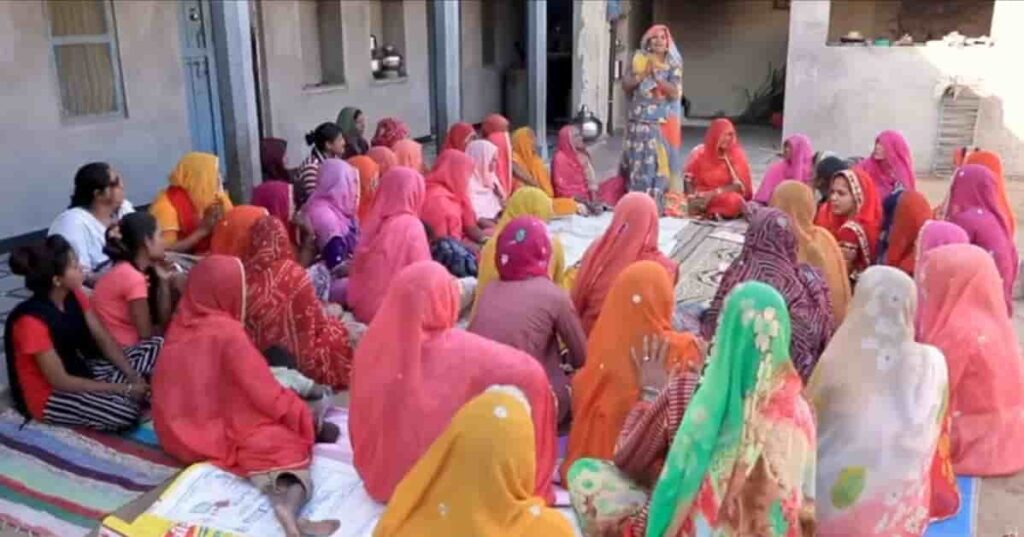
The Lakhpati Didi initiative has emerged as a significant step in India’s rural development framework, aimed at enabling women to achieve financial independence by earning an annual income of at least ₹1 lakh. Implemented under the umbrella of the Deendayal Antyodaya Yojana – National Rural Livelihoods Mission (DAY-NRLM), the programme focuses on strengthening self-help groups (SHGs) and promoting women-led economic activities across rural areas.Over time, the initiative has gained momentum as part of the government’s broader push for women-led development, shifting the focus from welfare support to income generation and entrepreneurship.Concept and ObjectiveThe core idea behind the Lakhpati Didi initiative is to transform rural women into economically self-reliant individuals by ensuring sustainable and diversified income sources. A “Lakhpati Didi” is defined as a woman who, through consistent livelihood activities, earns ₹1 lakh or more annually.The initiative emphasises not just income enhancement but also long-term financial stability. Women are encouraged to move beyond single-source earnings and adopt multiple livelihood options, reducing economic vulnerability and ensuring steady growth.Implementation Through Self-Help GroupsThe programme is primarily implemented through the extensive network of self-help groups formed under DAY-NRLM. These SHGs act as the backbone of the initiative, providing a platform for women to collaborate, access resources, and participate in economic activities.Through these groups, women receive institutional support, peer learning opportunities, and collective bargaining power. The community-based approach has played a crucial role in scaling the initiative across states.Livelihood Activities and Income GenerationWomen identified under the scheme are engaged in a wide range of livelihood activities depending on local resources and skills. These include agriculture and allied sectors such as dairy farming, poultry, and fisheries, along with non-farm activities like tailoring, handicrafts, food processing, and small retail businesses.The initiative promotes diversification of income sources, ensuring that women are not dependent on a single stream of earnings. This approach has helped create resilience against market fluctuations and seasonal uncertainties.Financial Inclusion and Credit AccessAccess to finance remains a critical component of the Lakhpati Didi initiative. Women associated with SHGs are linked to formal banking systems, enabling them to avail low-interest loans and credit facilities.This financial support allows beneficiaries to invest in their businesses, expand operations, and improve productivity. At the same time, the programme also focuses on improving financial literacy, helping women manage savings, credit, and expenditures effectively.Skill Development and Capacity BuildingTo ensure sustainability, the initiative places strong emphasis on skill development and training. Women are provided with technical knowledge related to their chosen livelihoods, along with training in entrepreneurship, business management, and digital literacy.This capacity-building approach enables women to not only generate income but also scale their activities and adapt to changing market demands.Government Push and ExpansionThe government has set ambitious targets to increase the number of Lakhpati Didis across the country, making it a central component of rural economic policy. Efforts are being made to strengthen training programmes, improve market linkages, and provide better infrastructure support.The initiative has also been integrated with other development schemes to maximise its reach and impact.Impact on Rural Economy and Social StructureThe Lakhpati Didi initiative has begun to show visible impact in several parts of rural India. Increased household incomes, reduced dependence on informal credit, and improved standards of living have been reported among beneficiaries.Beyond economic gains, the programme has contributed to enhancing the social status of women. Greater participation in financial decisions, improved confidence, and leadership roles within communities are some of the broader changes observed.Challenges and the Way ForwardDespite its progress, the initiative faces certain challenges, including uneven implementation across states, limited market access in remote areas, and the need for continuous skill upgradation. Ensuring consistent income levels and long-term sustainability remains a key focus area.Experts have highlighted that strengthening supply chains, improving infrastructure, and providing sustained support will be essential to scale the initiative effectively.The Lakhpati Didi initiative represents a shift in India’s rural development strategy, placing women at the centre of economic growth. By combining financial inclusion, skill development, and community support, it continues to build a pathway for sustainable livelihoods and grassroots-level transformation.
Ayushman Bharat: India’s Flagship Healthcare Reform and Its Expanding Impact
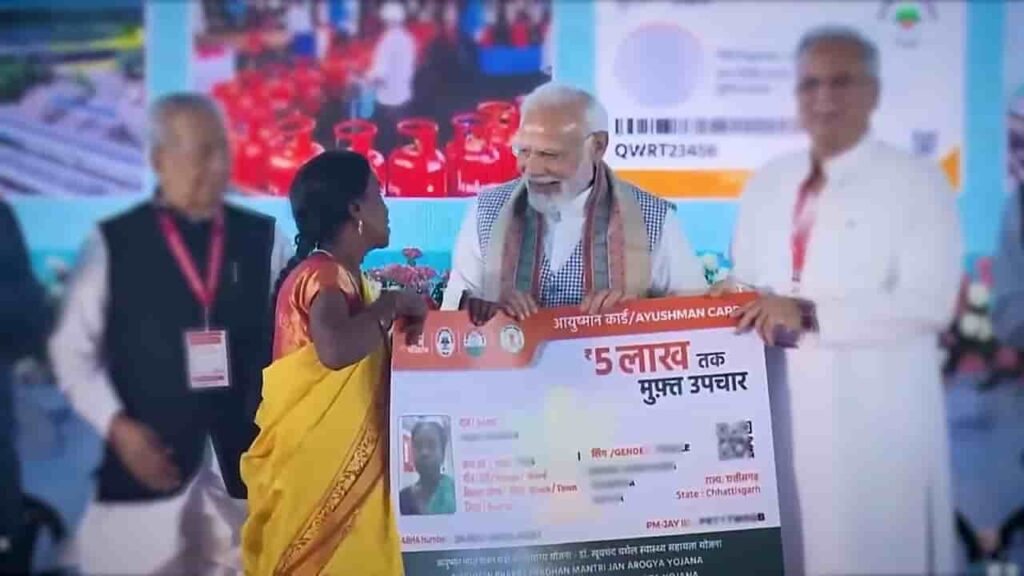
Ayushman Bharat has been one of the most ambitious and transformative public healthcare initiatives undertaken in India, aimed at addressing long-standing gaps in accessibility, affordability, and quality of medical services. Launched in 2018 by the Government of India, the programme was conceptualised as a comprehensive reform to strengthen the country’s healthcare system at multiple levels—from preventive care at the grassroots to financial protection during critical illnesses.Over time, Ayushman Bharat has not only expanded its coverage but also redefined how healthcare is accessed by economically vulnerable populations, making it a central pillar of India’s public health policy.Background: Why Ayushman Bharat Was IntroducedBefore the introduction of Ayushman Bharat, a significant portion of India’s population faced serious challenges in accessing healthcare. High out-of-pocket expenditure, limited insurance coverage, and inadequate primary healthcare infrastructure meant that medical emergencies often pushed families into financial distress.India’s healthcare system had long been characterised by:Heavy reliance on private healthcare servicesHigh treatment costs without financial protectionLimited access to quality care in rural areasFragmented public health infrastructureAyushman Bharat was introduced to address these structural issues by creating a system that combines preventive, promotive, and curative healthcare under a single framework.The Two-Pillar Structure of Ayushman BharatThe programme was designed with a dual approach, ensuring that both basic healthcare needs and advanced medical treatments are covered.1. Health and Wellness Centres (HWCs)The first component focused on strengthening primary healthcare by transforming existing sub-centres and primary health centres into Health and Wellness Centres.These centres were developed to provide comprehensive primary healthcare services, moving beyond limited treatment facilities to include:Maternal and child health servicesImmunisation programmesScreening and management of non-communicable diseases such as diabetes and hypertensionMental health servicesFree essential medicines and diagnosticsPreventive healthcare and awareness programmesThe emphasis on preventive care marked a shift in approach—from treating illness to promoting overall health and early diagnosis.2. Pradhan Mantri Jan Arogya Yojana (PM-JAY)The second and more widely recognised component is Pradhan Mantri Jan Arogya Yojana (PM-JAY), which provides financial protection for hospitalisation.PM-JAY has been designed as a government-funded health insurance scheme, offering:Coverage of up to ₹5 lakh per family per yearAccess to both public and empanelled private hospitalsCashless and paperless treatment at the point of serviceCoverage for a wide range of medical procedures, including surgeries and specialised treatmentsThe scheme primarily targets economically weaker sections, identified through socio-economic data, ensuring that those most in need receive support.Scale and Reach of the ProgrammeAyushman Bharat has been recognised as one of the largest healthcare schemes in the world, covering over 50 crore beneficiaries across India.The scale of the programme is reflected in:Thousands of empanelled hospitals across statesExpansion of Health and Wellness Centres in both rural and urban areasLarge number of hospital admissions under PM-JAYIncreasing awareness and enrolment among eligible populationsThe wide reach of the scheme has played a critical role in bridging healthcare gaps, particularly in underserved regions.Key Features and Operational FrameworkThe effectiveness of Ayushman Bharat lies in its structured implementation and use of technology.Some of its notable features include:Cashless Treatment: Beneficiaries can avail treatment without making upfront paymentsPortability: Services can be accessed across India, irrespective of the beneficiary’s home stateDigital Integration: Use of digital health cards, online verification, and real-time claim processingFraud Control Mechanisms: Systems to monitor and prevent misuse of fundsThese features have made the scheme more accessible, transparent, and efficient.Impact on Healthcare AccessibilitySince its implementation, Ayushman Bharat has had a significant impact on healthcare access in India.It has contributed to:Increased hospital admissions among low-income groupsReduced financial burden during medical emergenciesGreater utilisation of private healthcare facilitiesImproved access to specialised treatments that were previously unaffordableFor many beneficiaries, the scheme has acted as a critical safety net, enabling them to seek timely medical care without fear of financial hardship.Economic and Social ImplicationsBeyond healthcare, Ayushman Bharat has had broader socio-economic implications.By reducing out-of-pocket expenditure, the scheme has helped prevent families from falling into poverty due to medical expenses. It has also:Encouraged investment in healthcare infrastructureCreated employment opportunities in the health sectorPromoted public-private partnerships in healthcare deliveryAdditionally, improved health outcomes contribute to increased productivity and overall economic growth.Challenges in ImplementationDespite its achievements, the programme has faced certain challenges that have influenced its effectiveness.These include:Uneven implementation across statesLimited infrastructure in remote and rural areasAwareness gaps among eligible beneficiariesOccasional delays in claim settlementsConcerns regarding quality of care in some empanelled hospitalsAddressing these challenges has remained crucial for ensuring that the benefits of the scheme reach all intended recipients.Integration with India’s Digital Health EcosystemAyushman Bharat has also played a role in advancing India’s digital health initiatives. The integration of technology has enabled better tracking of patient data, streamlined service delivery, and improved transparency.The move toward digital health records and interconnected systems is expected to further strengthen the healthcare ecosystem in the long run.A Step Toward Universal Health CoverageAyushman Bharat has been a key step in India’s journey toward achieving universal health coverage. By combining primary healthcare reforms with financial protection, the scheme has addressed multiple dimensions of healthcare delivery.It reflects a shift in policy focus—from limited, fragmented healthcare services to a more inclusive and structured system that prioritises accessibility and affordability.Ayushman Bharat has, over the years, reshaped the way healthcare is accessed and delivered in India. By reducing financial barriers, expanding infrastructure, and promoting preventive care, it has moved the country closer to a more equitable healthcare system—one where access to treatment is determined not by income, but by need.
Kumar Bhaskar Varma Bridge Over Brahmaputra River: Strengthening Connectivity in Assam
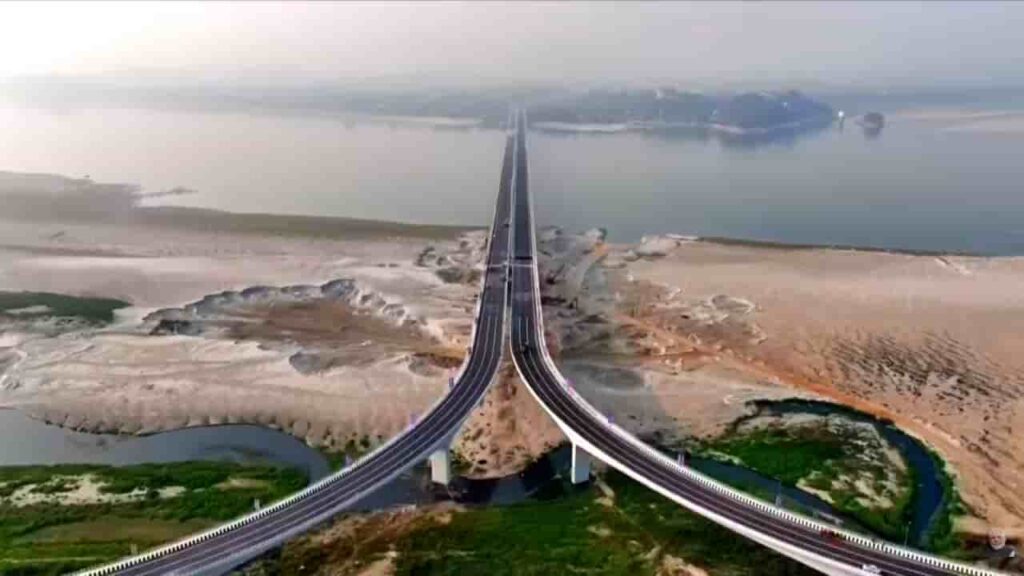
The construction and development of the Kumar Bhaskar Varma Bridge over the Brahmaputra River marks a significant step in enhancing connectivity across Assam. Named after the ancient ruler Kumar Bhaskar Varma, the bridge stands as both an infrastructure milestone and a tribute to the region’s historical legacy.Strategically located, the bridge connects the north and south banks of the Brahmaputra, addressing long-standing challenges of transportation in one of India’s most geographically complex regions.Strategic Location and ImportanceThe Kumar Bhaskar Varma Bridge is being developed near Tezpur, a crucial urban centre in Assam. The Brahmaputra, known for its vast width and unpredictable flow, has historically posed a barrier to seamless connectivity between regions on either side.By linking key districts across the river, the bridge is expected to significantly reduce travel time and improve accessibility for both passengers and goods transport. It will serve as an important alternative route to existing crossings, easing pressure on older bridges and ferry services.Enhancing Regional ConnectivityConnectivity has long been a challenge in Assam, particularly in areas separated by the Brahmaputra. The new bridge aims to transform this by providing:Faster inter-district travelImproved access to healthcare and education facilitiesBetter connectivity for rural and semi-urban areasStrengthened road networks linking national highwaysThe bridge will play a vital role in integrating remote regions with major economic centres, thereby supporting inclusive development.Boost to Trade and Economic ActivityThe project is expected to have a strong economic impact on the region. Assam’s economy relies heavily on agriculture, tea production, and small-scale industries, all of which depend on efficient transportation.With improved connectivity:Movement of goods will become faster and more cost-effectiveTrade between northern and southern Assam will increaseLocal businesses will gain better access to marketsTourism in nearby regions will receive a boostThe bridge is also likely to support cross-border trade routes in the broader Northeast region.Engineering and Infrastructure SignificanceConstructing a bridge over the Brahmaputra is a complex engineering challenge due to the river’s strong currents, shifting channels, and seasonal flooding. The Kumar Bhaskar Varma Bridge reflects advancements in modern engineering techniques designed to withstand such conditions.The structure is expected to feature:Multiple spans to accommodate the river’s widthHigh load-bearing capacity for heavy vehiclesDurable materials suited for flood-prone conditionsSafety features for all-weather usageSuch infrastructure is crucial for ensuring year-round connectivity in a region often affected by monsoon disruptions.Social and Developmental ImpactBeyond economic benefits, the bridge will have a meaningful social impact. Improved connectivity often translates into better quality of life for local communities.Residents will experience:Easier access to hospitals and emergency servicesGreater educational opportunitiesEnhanced mobility for daily commutingReduced isolation of remote areasFor many communities, the bridge represents not just infrastructure, but improved access to essential services and opportunities.Cultural and Historical SignificanceNaming the bridge after Kumar Bhaskar Varma adds a cultural dimension to the project. He was a prominent ruler of the ancient Kamarupa kingdom and is remembered for his contributions to the region’s history.The naming reflects an effort to connect modern development with historical identity, preserving regional pride while moving forward with infrastructure growth.Toward a More Connected NortheastThe Kumar Bhaskar Varma Bridge is part of a broader push by the government to improve infrastructure across Northeast India. Enhanced connectivity is seen as a key driver for economic growth, national integration, and strategic development in the region.As Assam continues to expand its transport network, projects like this bridge are expected to play a central role in shaping the state’s future—bringing regions closer, improving mobility, and unlocking new opportunities across sectors.
Delhi–Meerut RRTS Fully Operational: India’s First Regional Rapid Transit Corridor Becomes a Reality
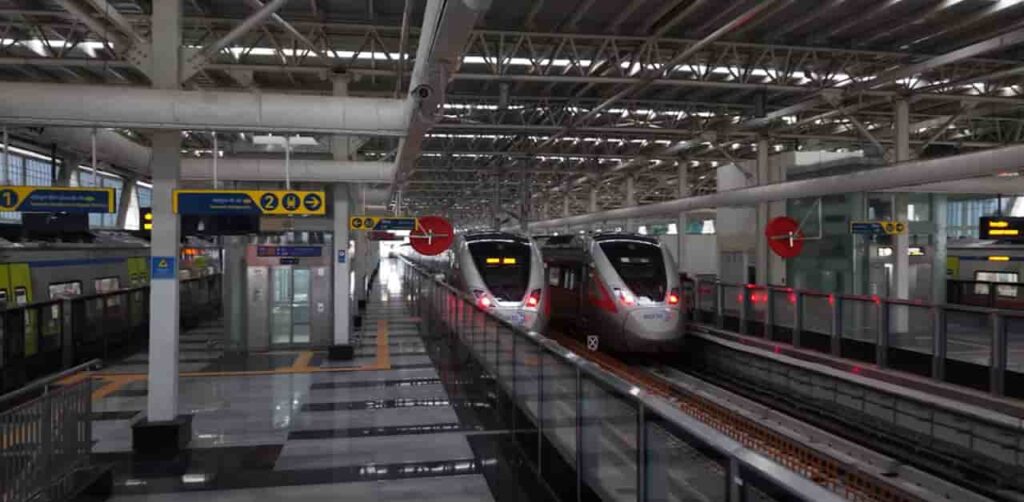
In a major milestone for India’s urban transport infrastructure, the full stretch of the Delhi–Meerut Regional Rapid Transit System (RRTS) has now been opened for public operations. Developed by the National Capital Region Transport Corporation (NCRTC), the corridor marks the country’s first semi-high-speed regional rail system, designed to significantly reduce travel time between Delhi and key cities in western Uttar Pradesh.The corridor connects Delhi, Ghaziabad, and Meerut, transforming daily commuting across the National Capital Region into a faster, more efficient experience.A High-Speed Alternative to Road TravelThe Delhi–Meerut RRTS corridor spans approximately 82 kilometres, making it one of the most advanced regional rail projects in the country. With trains designed to operate at a maximum speed of 180 km/h and an operational speed of around 160 km/h, the system drastically cuts down travel time.Commuters can now travel between Delhi and Meerut in less than one hour, compared to the earlier duration of over two to three hours by road, depending on traffic conditions. This is expected to ease congestion on highways and reduce dependence on private vehicles.Modern Stations and InfrastructureThe corridor includes over 20 strategically located stations, covering major residential, commercial, and transit hubs along the route. Key stations include:Sarai Kale Khan (Delhi)Anand ViharGhaziabadModinagarMeerut SouthMeerut CentralThese stations are equipped with modern facilities such as:Platform screen doorsAutomated ticketing systemsEscalators and elevatorsSeamless integration with metro and bus networksThe infrastructure has been designed keeping in mind accessibility, safety, and passenger comfort.Advanced Technology and Passenger ExperienceThe RRTS introduces a new standard of rail travel in India, combining speed with technology-driven convenience.Trains on the corridor are fully air-conditioned and feature:Ergonomic seatingDedicated luggage spaceOnboard information systemsWi-Fi connectivityCCTV surveillance for securityA separate premium coach has also been introduced, offering business-class-like seating and additional comfort for passengers willing to pay a higher fare.Integration with Urban Transport NetworksOne of the key advantages of the RRTS is its integration with existing urban transit systems. Stations such as Anand Vihar and Sarai Kale Khan connect with metro lines, railway stations, and bus terminals, enabling seamless last-mile connectivity.This multimodal approach is expected to encourage greater use of public transport and reduce traffic congestion in the region.Economic and Regional ImpactThe full operationalisation of the Delhi–Meerut RRTS corridor is expected to have far-reaching economic implications.Improved connectivity will:Boost real estate development along the corridorFacilitate faster movement of workforce between citiesEncourage business expansion beyond DelhiSupport balanced regional development in NCRCities like Ghaziabad and Meerut are likely to witness increased investment and urban growth as commuting becomes more convenient.Environmental BenefitsBy providing a fast and reliable alternative to road travel, the RRTS is also expected to contribute to environmental sustainability.Reduced vehicular traffic will lead to:Lower carbon emissionsDecreased fuel consumptionImproved air quality in the NCR regionThe project aligns with India’s broader goals of promoting sustainable and green mobility solutions.A New Era of Regional ConnectivityThe Delhi–Meerut RRTS is the first of several planned corridors under the regional rapid transit system network. Its successful implementation sets a benchmark for similar projects connecting other parts of the National Capital Region.With high-speed travel, modern infrastructure, and seamless connectivity, the corridor represents a significant leap in how intercity commuting is approached in India—bringing cities closer while improving quality of life for millions of daily commuters.
Estonia President’s Official Visit to India: A Milestone in Bilateral Engagement
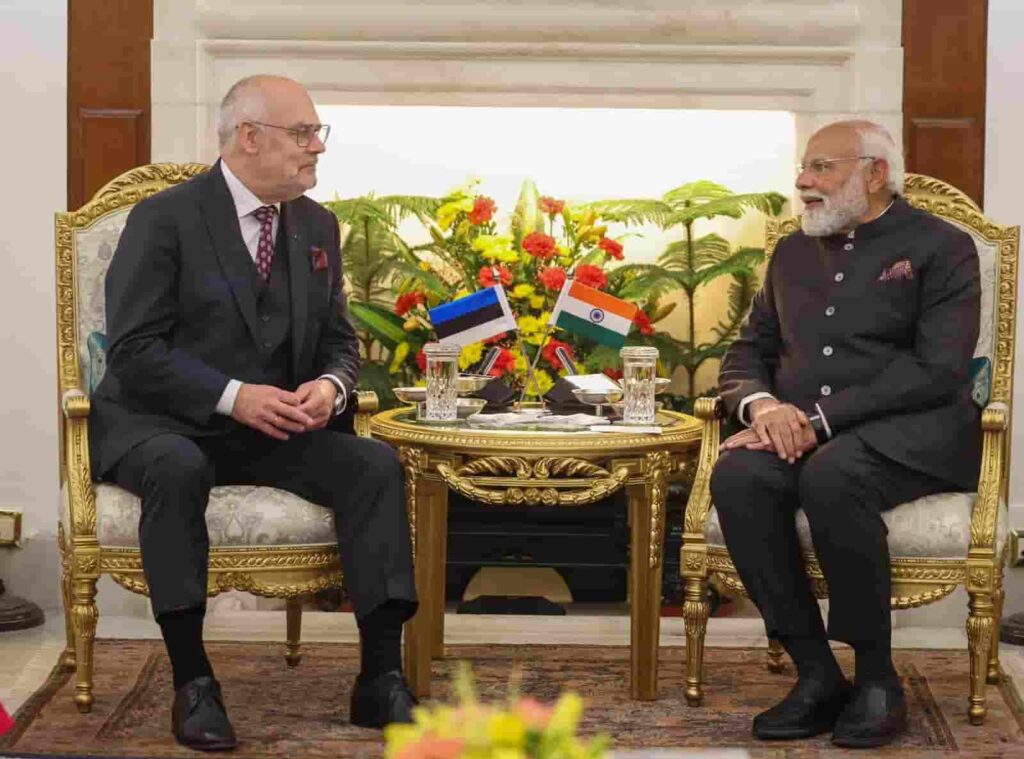
President Alar Karis, the Head of State of Estonia, concluded a significant official visit to India on February 19, 2026, underscoring deepening ties between the two countries across diplomacy, trade, digital cooperation, education and cultural exchange. The discussions and engagements during the visit reflected shared democratic values, mutual interest in technology-led growth and a growing emphasis on people-to-people links.This visit marked a high-profile diplomatic engagement that elevated relations between India and Estonia — both of which are democracies with strong commitments to digital innovation, open governance and strategic multilateral cooperation.Official Welcoming and High-Level MeetingsPresident Alar Karis was received at Rashtrapati Bhavan by President of India Smt. Droupadi Murmu, in a ceremony that reaffirmed the importance both nations place on their bilateral relationship. The ceremonial reception, followed by formal talks, set the tone for substantive discussions on a broad agenda of cooperation.In their meeting, President Murmu and President Karis reviewed ongoing collaboration, expressed satisfaction with the growing momentum of bilateral ties, and identified new avenues for future engagement. Both leaders spoke of shared democratic principles, respect for sovereignty, and the potential for deeper cooperation in emerging sectors.Strategic and Technology CooperationEstonia is known globally for its success in digital governance, cybersecurity and e-services, and these areas took centre stage during the visit. India and Estonia discussed cooperation in:Digital infrastructure and e-governance modelsCybersecurity partnershipsData governance frameworksDigital economy initiativesIndia shared its experience with large-scale programs such as Aadhaar and DigiLocker, while Estonia showcased best practices from its e-Estonia ecosystem — widely regarded as one of the most advanced digital societies in the world.Both sides expressed interest in knowledge exchange and joint initiatives that could benefit public service delivery, innovation pipelines and digital skill development.Economic and Trade EngagementBilateral trade and economic cooperation were key components of the discussions. While overall trade volume between India and Estonia has remained modest compared to India’s larger European partners, both nations affirmed a desire to broaden commercial links.Estonian companies operating in fields such as information technology, clean energy solutions, precision engineering and logistics services were identified as potential partners for deeper engagement with Indian enterprises. Similarly, Indian firms were encouraged to explore opportunities in the Estonian market, particularly in high-technology and service sectors.Both countries agreed on the need to further institutionalise trade facilitation mechanisms, reduce barriers and foster business dialogue through joint economic forums.Education, Culture and People-to-People LinksThe Presidents highlighted the importance of educational and cultural exchanges as core pillars of bilateral engagement. India and Estonia reaffirmed their commitment to expanding academic collaborations, student mobility programs and cultural showcases that deepen understanding between their citizens.Emphasis was placed on supporting:University partnershipsResearch collaboration in science and technologyStudent exchange schemesCultural festivals and artistic collaborationsThese initiatives were seen as vital for building stronger long-term ties, especially among young professionals, innovators and academics.Multilateral Cooperation and Shared ValuesIndia and Estonia also explored cooperation at the United Nations and other multilateral forums. Both countries reiterated their commitment to democratic norms, rule of law, peaceful resolution of disputes and inclusive development.There was agreement on enhancing joint efforts on global issues such as climate change, sustainable development, digital governance norms, and secure cyberspace regulations.Joint Statement and Future RoadmapAt the conclusion of the visit, both leaders issued a joint statement reaffirming their intent to broaden cooperation across multiple domains, including:Digital transformation and cybersecurityEconomic and trade linkagesEducation and cultural exchangeMultilateral engagement and strategic dialogueThe statement also expressed mutual respect for each other’s development models and acknowledged the importance of continued high-level visits and institutional dialogue mechanisms.Significance of the VisitPresident Karis’s visit to India in February 2026 carries strategic significance on several fronts. India’s engagement with Estonia — a small but highly innovative member of the European Union — reflects New Delhi’s broader approach to building partnerships based on shared technological and governance priorities rather than solely on scale.For Estonia, strengthening ties with India provides enhanced access to one of the world’s fastest-growing major economies and offers opportunities to participate in collaborative initiatives in technology, education and strategic innovation. Estonia’s expertise in digital governance was highlighted as a complementary asset to India’s own digital transformation journey.The visit also reaffirmed that India’s foreign policy priorities extend beyond traditional geopolitical partnerships to include innovative, technology-driven countries positioned for long-term global impact.As bilateral engagement moves forward, both sides signalled their intention to operationalise the discussions through focussed working groups, expert exchanges and public-private cooperation platforms that translate high-level commitments into actionable outcomes.President Karis’s visit, therefore, stands out not merely as ceremonial diplomacy but as a visit that helped articulate a forward-looking India-Estonia partnership in the digital age — one rooted in shared values, mutual respect and practical collaboration.
Spanish President Pedro Sánchez’s Official Visit to India: Strengthening Strategic Partnership
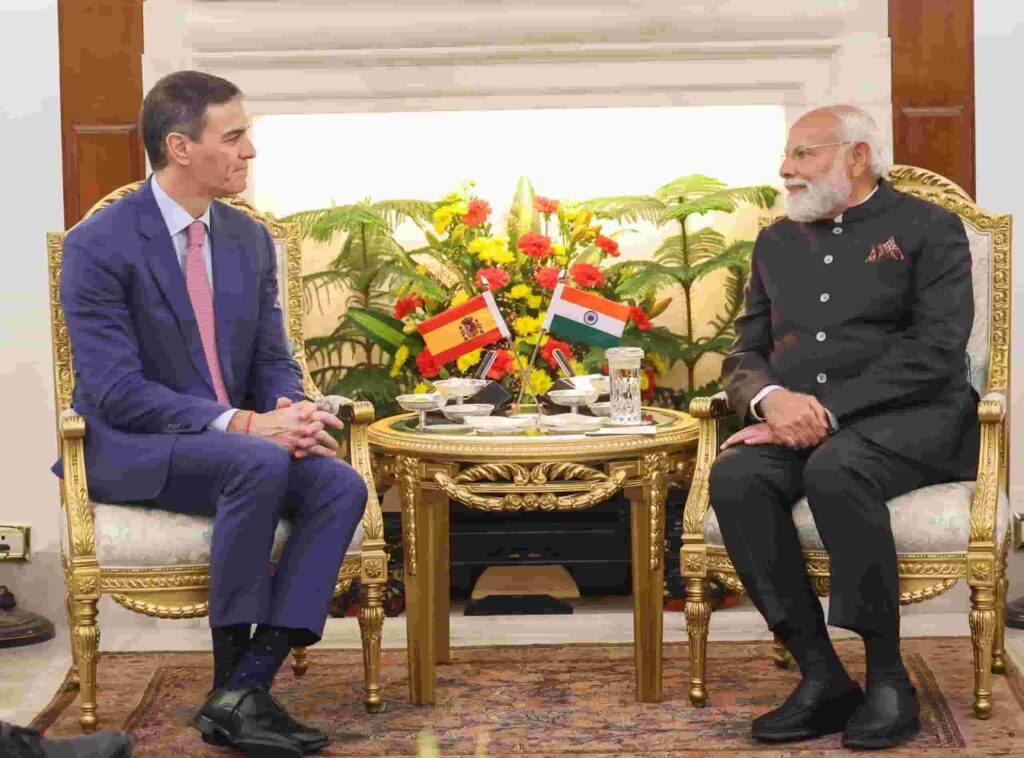
Spanish President Pedro Sánchez — President of the Government of Spain — paid an official visit to India from October 27 to 29, 2024, in a significant diplomatic engagement aimed at reinforcing bilateral ties across strategic, economic, technological and cultural domains. The visit, marked by high-level interactions with senior Indian leadership including Prime Minister Narendra Modi, underscored the evolving partnership between the two democracies in the contexts of trade, innovation, climate cooperation and global governance.This visit was the first by a Spanish head of government to India in nearly a decade, reflecting a renewed momentum in bilateral engagement driven by converging geopolitical priorities, deepening economic interdependence and shared commitments to multilateral cooperation.Arrival and Official EngagementsPresident Sánchez arrived in India on October 27, 2024, ahead of his participation in the AI Impact Summit hosted in New Delhi — an event that convened global leaders, industry experts and policymakers to discuss the future of artificial intelligence (AI), regulation frameworks and its socio-economic potential. Spanish participation in the summit signalled Spain’s interest in India’s emerging digital and technological leadership.On arrival, President Sánchez was received by senior Indian officials and engaged immediately in discussions that set the tone for substantive bilateral dialogues over the next three days.High-Level Meetings with Indian LeadershipA central component of the visit was the official meeting between President Sánchez and Prime Minister Narendra Modi at [official venue – e.g., Hyderabad House / Raisina Hill precinct]. The leaders held wide-ranging talks on issues of bilateral and global importance, reaffirming a shared vision for cooperation based on democratic values, economic partnership and sustainable development.Both leaders emphasised strengthening strategic dialogue mechanisms and enhancing cooperation in key sectors such as defence, manufacturing, green technologies, digital economy and renewable energy. They underscored the importance of elevating the India–Spain relationship into a comprehensive strategic partnership, reflecting growing political trust and mutual respect.Economic and Trade PrioritiesEconomic cooperation formed a major pillar of the visit. With bilateral trade between India and Spain having expanded over the years, both sides reiterated their intent to deepen economic engagement. Discussions focused on:Expanding trade in goods and servicesEnhanced cooperation in advanced manufacturing and innovation ecosystemsInvestment facilitation and market access for strategic sectorsTechnology partnerships in areas such as AI, mobility, health tech and clean energy solutionsPresident Sánchez and Indian counterparts acknowledged that both economies benefit from complementary industrial strengths — Spain’s advanced manufacturing and engineering capabilities and India’s growing services and technology base. They expressed optimism that targeted collaborations could accelerate investment flows and create employment opportunities in both countries.AI Impact Summit ParticipationPresident Sánchez’s participation at the AI Impact Summit underscored both nations’ interest in shaping global discourse on artificial intelligence. In his address, the Spanish leader emphasised the need for ethical, human-centric AI frameworks, equitable access to technological benefits, robust data protection standards and collaboration across nations in AI governance. The summit provided a platform for exchange of ideas on how emerging technologies can be responsibly deployed for societal benefit.Spanish delegations also engaged with Indian industry leaders, startups, research institutions and academic observers during the summit, fostering cross-border collaborations in cutting-edge research and innovation ecosystems.Defence, Security and Strategic CooperationDefence cooperation featured prominently in the discussions. Spain and India reviewed existing defence ties and explored expanded collaboration in key areas such as aerospace, naval systems, dual-use technologies and defence manufacturing partnerships. Both sides expressed interest in boosting joint research initiatives and expanding defence trade under frameworks that promote technology sharing and co-development.Security cooperation, particularly in areas such as counter-terrorism, cybersecurity and maritime security, was also prioritised. The leaders reiterated the importance of multilateral cooperation in addressing global security challenges, including in forums such as the United Nations and other international platforms.Climate Change, Renewable Energy and SustainabilityClimate action and sustainable development emerged as another key theme. India and Spain committed to enhancing cooperation on climate resilience, renewable energy deployment and green hydrogen ecosystems. Spain’s experience in wind and solar technologies aligns with India’s ambitious green energy transition targets, including the expansion of renewable capacity and sustainable urbanisation initiatives.Both sides also reaffirmed their support for multilateral climate goals under the Paris Agreement and emphasised collaborative approaches to climate finance, clean technology transfer and sustainable infrastructure development.Cultural and People-to-People ExchangesDuring his visit, President Sánchez highlighted the cultural bonds between India and Spain, noting that people-to-people ties — including tourism, academic exchange, arts and cultural collaborations — form a vital dimension of the bilateral relationship. Spain’s historical heritage and contemporary cultural vibrancy continue to find resonance with Indian audiences, even as Indian art, literature and cinema increasingly gain prominence in Spanish cultural spaces.Joint Communiqué and Future CooperationAt the conclusion of the visit, both countries released a joint communiqué outlining agreed priorities and a roadmap for future cooperation. Key commitments included:Regular high-level political consultationsEnhanced trade and investment facilitation measuresCooperative initiatives in technology, defence, climate and sustainable developmentStrengthened academic, cultural and scientific exchangesSignificance and ImpactPresident Pedro Sánchez’s visit to India in late 2024 marked a multipartite reaffirmation of the India–Spain relationship at a time of global geopolitical realignment. The emphasis on technology cooperation — particularly through Spain’s active role at the AI Impact Summit — hinted at a widening scope of cooperation beyond traditional diplomatic and defence dimensions.For India, deepening ties with Spain — a European Union member with strong global integration — adds momentum to its broader engagement strategy with Europe, aligning with India’s goals of diversifying partnerships in trade, innovation, and sustainable development.For Spain, stronger engagement with India opens pathways for Spanish companies in India’s fast-growing markets and reinforces Madrid’s diplomatic reach in Asia. Both nations signalled that their cooperation would be pragmatic, forward-looking and anchored in mutual interests.The visit has, therefore, been widely seen as a milestone moment in India–Spain ties — steering the relationship from transactional engagement toward a broader strategic partnership that spans economics, technology, culture and global governance cooperation.
Brazil President Lula in India: A Friendly Visit for Talks on AI, Trade, and More
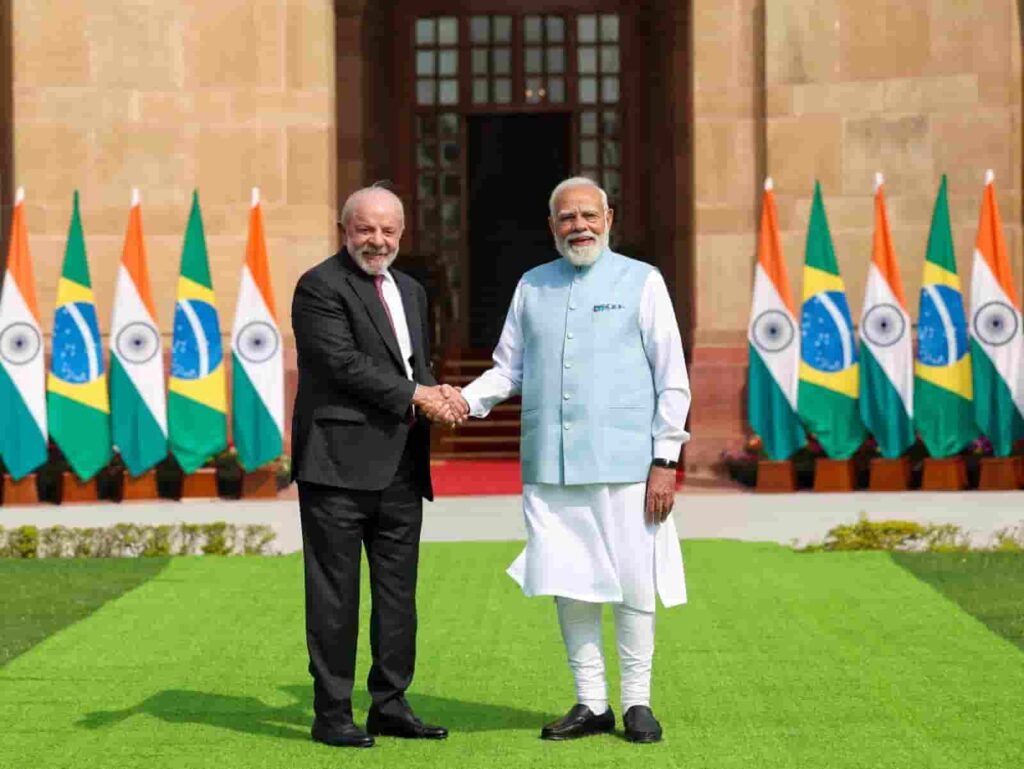
Brazil’s President Luiz Inácio Lula da Silva landed in New Delhi on February 18, 2026, for a five-day state visit. He said “Namaste, India!” on social media and shared a video of his warm traditional welcome. This is his sixth trip to India, invited by Prime Minister Narendra Modi. Lula will stay until February 22. The visit focuses on stronger ties between the two countries, with key events like the AI Impact Summit and meetings with top Indian leaders. Lula got a nice welcome at the airport from Minister of State for External Affairs Pabitra Margherita. He is here with about 14 ministers and many top CEOs from Brazilian companies. They will meet Indian leaders and join a Business Forum to talk business. India and Brazil already trade a lot, $15 billion in 2025. Brazil is India’s biggest trade partner in Latin America. What Will Happen During the Visit The visit has a full schedule. On February 19-20, Lula will join the 2nd AI Impact Summit. This event brings leaders together to discuss how AI can help countries grow fairly. India and Brazil both care about smartly using tech. President Droupadi Murmu will meet Lula and host a banquet for him. Vice President C.P. Radhakrishnan and External Affairs Minister S. Jaishankar will also call on him. The big meeting is on February 21. Prime Minister Modi will sit down with Lula to review all parts of their relationship. They will talk about trade, defense, energy, farming, health, and new areas like AI and space. Modi will host lunch for Lula. The leaders will also share ideas on world issues like UN changes, climate change, terrorism, and problems facing the Global South. Strong Ties Between India and Brazil India and Brazil have been close friends since 1948. They became Strategic Partners in 2006. Both are big democracies with shared values. They work together in BRICS, where India is the chair right now. Trade is growing fast. Brazil sells things like soybeans and oil to India. India sends pharma, chemicals, and auto parts to Brazil. They cooperate in defense, green energy, critical minerals for batteries, and Digital Public Infrastructure, like India’s UPI. Both push for UN reforms and fight climate change. Lula first came to India in 2004 as a Republic Day guest. He was here last for the G20 in 2023. Modi visited Brazil in July 2025, the first Indian PM’s state visit there in 57 years. They met again at the G20 in November 2025. Why This Visit Matters This trip will help both countries plan. Business leaders want more deals in trade and investment. Ministers will talk on energy, health, and tech. The CEOs’ forum shows how companies from both sides see big chances. Lula said the visit is about “strengthening ties, deepening partnerships, and discussing AI’s future.” For India, it boosts the BRICS and the Global South work. Brazil gets a stronger link to Asia’s top economy. People-to-people links are good too, yoga in Brazil, Brazilian culture in India. Both leaders want more cooperation on big world problems.