


Pandharpur Wari 2026: Maharashtra’s Great Pilgrimage of Faith, Equality, and Shared Devotion
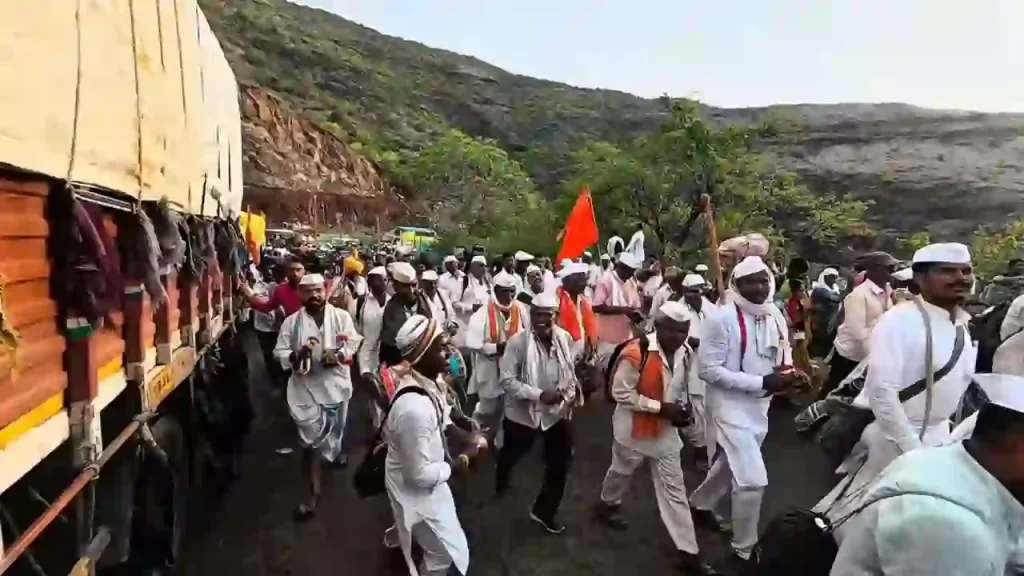
Pandharpur Wari is one of Maharashtra’s most enduring and emotionally powerful traditions, a centuries-old walking pilgrimage that transforms faith into movement and devotion into community. In 2026, the Wari runs from July 7 to July 25, culminating on Ashadhi Ekadashi, with the Sant Tukaram Maharaj Palkhi departing Dehu on July 7 and the Sant Dnyaneshwar Maharaj Palkhi leaving Alandi on July 8 before both streams converge at Pandharpur after nearly three weeks on foot.What Makes Wari SpecialThe Pandharpur Wari is not just a religious event; it is a living expression of Maharashtra’s Bhakti tradition, where Warkaris walk together singing abhangs, chanting “Vitthal Vitthal” and “Dnyanoba Tukaram,” and carrying saffron flags as they make their way to the Vitthal-Rukmini temple in Pandharpur. Its deeper power lies in its inclusive spirit, because the pilgrimage transcends caste, class, and region, bringing together lakhs of people in a shared discipline of prayer, service, and endurance.The route itself becomes part of the experience. Villages and towns along the way welcome the pilgrims with food, water, medical aid, music, and volunteer support, turning the road into a moving festival of hospitality and collective care. For many participants, the journey is as important as the destination, because the slow walk, the group chants, and the shared hardship create a sense of spiritual purification that a single temple visit cannot match.Routes and Key DatesThe 2026 pilgrimage follows the traditional twin-procession structure that has defined the Ashadhi Wari for generations. Sant Tukaram Maharaj’s palkhi leaves Dehu on July 7, Sant Dnyaneshwar Maharaj’s palkhi departs Alandi on July 8, both reach Wakhri on July 23, arrive in Pandharpur on July 24, and culminate on Ashadhi Ekadashi on July 25.These processions are the heart of the Wari because they carry the padukas, or sacred sandals, of the saint-poets whose writings and teachings gave the Warkari tradition its distinctive spiritual identity. The structure of the pilgrimage, with fixed stopping points and a disciplined timetable, is not accidental; historical reform in the early 19th century helped formalize the route and rhythm, giving the Wari its modern shape.Roots in the Bhakti TraditionThe Wari is closely tied to the Warkari panth, a devotional movement within Maharashtra’s Vaishnav tradition that emphasizes humility, collective worship, and the direct remembrance of Lord Vitthal. The tradition is more than 700 years old, and in some accounts it is traced to 700–800 years of continuous practice, making it one of India’s oldest living pilgrimage cultures.Sant Dnyaneshwar, who wrote the Dnyaneshwari, a Marathi rendering of the Bhagavad Gita, and Sant Tukaram, known for his powerful abhangs, are central to this spiritual world. Their teachings turned devotion into daily practice, and the Wari became the most visible annual embodiment of that philosophy, a journey where songs, discipline, and community service all became forms of worship.Lord Vitthal and PandharpurAt the end of the journey stands the Vitthal-Rukmini temple in Pandharpur, where devotees seek blessings from Lord Vitthal, whose black stone image stands in a distinctive posture with hands on the waist. The iconic form is linked in tradition to the legend of Pundalik, the devoted son who is said to have asked the deity to wait on a brick while he tended to his parents, giving the god his signature standing pose.This story gives the Wari much of its emotional power because it combines divine presence with ordinary duty, teaching that devotion is not separate from family responsibility and lived ethics. The pilgrimage therefore feels both intensely sacred and deeply humane, rooted in the idea that God walks with those who walk in service, discipline, and love.The Wari is physically demanding, often stretching over about 21 days and covering nearly 250 kilometres on foot, yet devotees embrace the hardship as part of the vow. Most Warkaris travel in dindis, or organized groups, and many come from agricultural villages where the rhythm of life is shaped by seasons, faith, and community support.Along the route, bhajans, kirtans, folk dance, and the famous ringan horse ritual sustain the pilgrims and transform exhaustion into collective energy. The rainy monsoon landscape adds another layer to the journey, making the pilgrimage visually dramatic but also practically challenging, which is why charitable support and volunteer aid are such essential parts of the experience.Modern Support for an Ancient JourneyThe 2026 Wari is also showing how modern brands and local communities are adapting to support an ancient tradition. Gemini, for example, has introduced four Seva Vans from Pune equipped with charging stations for pilgrims, while also supplying oil to restaurant partners, distributing one lakh transparent utility pouches, pocket aartis, and commemorative keychains to make the journey more comfortable.That kind of support matters because it reflects how the Wari continues to evolve without losing its soul. The pilgrimage remains rooted in faith, but it now also involves logistics, safety, hydration, connectivity, and monsoon preparedness, proving that living traditions survive not by freezing in time but by adapting to the needs of each generation.ConclusionPandharpur Wari 2026 is more than a religious calendar event; it is a centuries-old social institution that turns walking into worship, community into discipline, and devotion into a shared public ethic. Its power lies in the way it unites saint-poetry, temple ritual, rural culture, and collective service into one moving tradition, one that still draws lakhs of devotees every year to the holy land of Vitthal.As the Dehu and Alandi palkhis begin their journey and converge at Pandharpur for Ashadhi Ekadashi on July 25, the Wari once again reminds Maharashtra, and India, that faith can be both personal and communal, ancient and modern, demanding and joyful. In an age of speed, the Wari’s slow walk remains its greatest strength, because it asks people not only to arrive, but to become something better along the way.Video: YT/@DevendraFadnavis