


Jagannath Puri Yatra: The Grand Chariot Festival That Turns Faith Into Movement
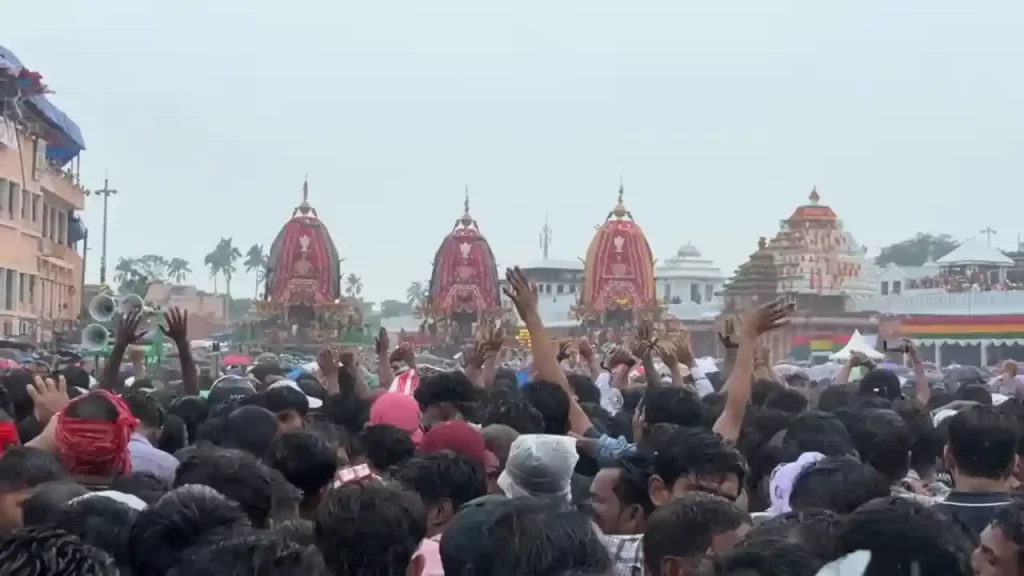
The Jagannath Puri Yatra, more widely known as the Rath Yatra of Puri, is one of India’s most extraordinary religious processions, a festival where devotion leaves the temple and enters the streets, drawing millions into a shared act of faith, celebration, and symbolism. Held in Puri, Odisha, it is centered on the journey of Lord Jagannath, along with his siblings Lord Balabhadra and Goddess Subhadra, from the Jagannath Temple to the Gundicha Temple, and it has long been regarded as one of the oldest and most revered chariot festivals in the world.Why the Yatra MattersWhat makes the Jagannath Puri Yatra so powerful is not simply its scale, though the scale is immense, but its meaning: for a few days each year, the deities are taken out of the sanctum and brought before the people, creating a deeply democratic spiritual moment in which anyone, regardless of background, can witness, pull the chariots, and participate in the divine journey. This movement of the gods is often interpreted as Lord Jagannath’s symbolic journey to meet devotees in the world outside the temple, which is why the festival carries such emotional force across generations of worshippers.The atmosphere in Puri during the Yatra is unlike anything else in India. The main roadway, the Bada Danda, becomes the stage for an enormous spiritual gathering, with chants, conches, bells, drums, and a sea of pilgrims filling the air as the towering chariots begin their slow and sacred movement toward Gundicha Temple, which lies about 3 km away. For many devotees, witnessing or touching the ropes is believed to be an act of immense merit, and the festival’s enduring popularity reflects how ritual, spectacle, and collective faith combine into one living tradition.The Story Behind the FestivalThe mythology of Jagannath Puri is deeply intertwined with Lord Krishna, and the Rath Yatra is often understood as a symbolic reenactment of Krishna’s movement from Dwarka to Vrindavan or, in some interpretations, his return to the people and the places of his divine memory. This layered symbolism gives the festival a feeling that is both intimate and cosmic: it is a homecoming, a procession, and a reminder that divinity in the Jagannath tradition is not hidden away but travels among devotees.Traditional sources such as the Brahma Purana, Padma Purana, and Skanda Purana are among the texts that describe aspects of the festival’s religious significance, helping anchor the Yatra in a long scriptural and cultural memory. Over time, the event has grown into a defining expression of Odia identity and one of the most recognized pilgrimage festivals in Hindu tradition.The Rituals and ChariotsThe festival revolves around three majestic wooden chariots, each built anew for the deities: Nandighosh for Lord Jagannath, Taladhwaja for Lord Balabhadra, and Darpadalana or Padmadhvaja for Goddess Subhadra. These chariots are not merely vehicles; they are sacred structures that embody divine presence, craftsmanship, and tradition, and the act of pulling them is considered spiritually transformative for devotees.One of the most symbolic rituals is Chera Pahara, in which the Gajapati King of Puri sweeps the area around the deities and the chariots, underscoring the principle that in front of Lord Jagannath, all are equal. That act has remained one of the most powerful visual reminders of the festival’s spiritual message: humility before the divine and the temporary dissolution of social hierarchy in a sacred space.After the deities reach Gundicha Temple, they remain there for several days before the return journey, known as Bahuda Yatra, when the chariots are pulled back to the Jagannath Temple. The full sequence of movement, rest, and return gives the Yatra a narrative shape that devotees often interpret as a divine visit to a maternal home, followed by a homecoming to the main temple.A Festival of Scale and DevotionThe Jagannath Puri Yatra is not just a local temple event; it is a mass pilgrimage that draws lakhs of devotees from across India and the world, making Puri the spiritual center of an enormous human gathering. The festival’s emotional power lies in how it turns devotion into participation — pilgrims do not merely watch; they walk, wait, pray, sing, and sometimes pull the ropes themselves, becoming active contributors to the sacred journey.That public participation is one reason the Yatra has endured for centuries. Even in an age of fast-moving digital attention, the festival retains its ability to command live, collective presence, because it offers something modern life often lacks: a sense of shared time, shared space, and shared purpose. It is both a religious event and a cultural phenomenon, carrying Odisha’s heritage onto the national and global stage.Spiritual Meaning for DevoteesFor devotees, the Jagannath Puri Yatra is more than a festival to observe; it is a chance to experience a form of faith that is active, communal, and emotionally intense. Many believe that even a glimpse of the deities or a moment of contact with the chariot ropes can bring blessings, while others come simply to be part of a tradition that connects them to family memory, community identity, and a much older civilizational rhythm.What distinguishes the Yatra from many other religious festivals is its combination of grandeur and intimacy. The chariots are enormous, the crowds immense, and the rituals highly choreographed, yet the experience remains deeply personal for every devotee who comes to Puri seeking darshan, purification, or simply belonging. That balance of spectacle and sincerity is what has allowed the festival to remain spiritually alive rather than merely ceremonial.ConclusionThe Jagannath Puri Yatra stands as one of India’s most powerful living traditions, uniting mythology, ritual, architecture, devotion, and public participation into a festival that continues to inspire awe year after year. Its significance lies not only in the movement of wooden chariots from the Jagannath Temple to Gundicha Temple and back again, but in the deeper message that the divine can journey among people, dissolving distance and inviting everyone into the fold of faith.In a country of vast religious diversity, the Puri Rath Yatra remains remarkable because it is at once ancient and immediate, deeply local