


Skoda Epiq Global Launch: The Czech Brand’s Most Affordable Electric SUV
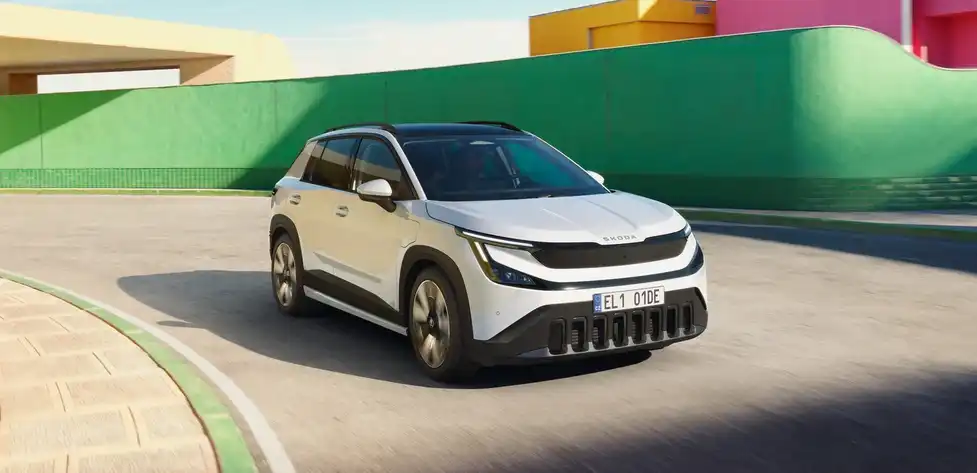
Skoda Auto has officially ignited series production of its new all-electric entry model, the Epiq, at the Volkswagen Navarra plant in Pamplona, Spain, marking a historic milestone as the first Skoda model ever to be manufactured outside the Czech Republic and the brand’s most accessible electric vehicle to reach global markets. Celebrating its world premiere on May 19 in Zurich, Switzerland, the Epiq now joins the Electric Urban Car Family from Volkswagen’s Brand Group Core (BGC), alongside the CUPRA Raval and Volkswagen ID. Polo and Volkswagen ID. Cross, forming a cross-brand product campaign that brings competitive electric entry-level vehicles to European customers.Priced at approximately €26,000, the Epiq represents Skoda’s strategic cornerstone for bringing electric mobility to the dynamic entry-level segment, offering great value for money designed for real life while welcoming new customers, including those seeking something a step above mainstream offerings. As the brand’s first car built on the new MEB+ platform and its first model to fully embody the Modern Solid design language, the Epiq will play a key role alongside the upcoming Peaq in doubling Skoda’s electric portfolio in 2026, following the record sales of the Enyaq and Elroq across Europe that prove progress can be both inspiring and accessible.A Historic Manufacturing Shift: Production Begins in SpainLaunching production of the new Škoda Epiq is nothing less than a historic moment for the Czech brand, as Klaus Zellmer, CEO of Škoda Auto, emphasized during the announcement. With the momentum of Brand Group Core behind it, Skoda is making fully electric driving more reachable than ever, combining great value for money, real-life design, and readiness to welcome new customers who want something a step above current offerings. Over the past years, Enyaq and Elroq have reached record sales across Europe, proving that progress can be both inspiring and accessible while establishing Skoda’s credibility in the electric vehicle segment.The Epiq is the first Škoda model ever to be produced in Spain, a step that highlights the strength and adaptability of the group’s production network, according to Andreas Dick, Škoda Auto Board Member for Production and Logistics. By efficiently balancing capacity across the Volkswagen Group, Skoda can support the ramp-up of key electric models while maintaining high production quality and competitive costs, all of which directly benefit customers. This strategic approach allows Škoda Auto to retain its own production capacity at Czech plants for other high-demand models while enhancing flexibility in responding to shifts in demand across vehicle segments.The Volkswagen Navarra plant, located on the outskirts of Pamplona in northern Spain, is one of the Group’s key production sites, founded in 1965 and having produced more than ten million vehicles since becoming part of the Volkswagen Group in 1984. It’s nearly 5,000 employees who build more than 1,400 cars daily, and until now, the plant has produced Volkswagen models with combustion engines, the Taigo and T-Cross. The production programme is now being expanded to include the all-electric Škoda Epiq, with another electric model, the Volkswagen ID. Cross, soon to follow, demonstrating the site’s high degree of flexibility with combustion-engine and all-electric vehicles assembled on the same production line.Modern Solid Design: Skoda’s Visual Revolution for the Electric AgeThe Epiq marks a visual revolution as the very first series model to fully adopt Skoda’s next-generation Modern Solid design philosophy, fundamentally distinguishing it from the internal combustion engine Skodas customers have traditionally seen on sale. Key characteristics of this theme include the Tech Deck Face, a glossy black front panel that replaces the traditional open grille to house advanced assistance sensors, and T-shaped LED elements that create a sharp signature lighting layout gracing both the front and rear profiles of the vehicle.Upfront, the Epiq replaces the traditional ‘butterfly’ grille with a glossy black Tech-Deck Face and introduces slim T-shaped LED DRLs, a new lighting signature that will become a defining feature of future Skoda SUV models. The main LED headlight units extend downward from the DRLs, linked by a black trim piece in the bumper, while below this, the Epiq features a front bumper with eight vertical slats and a silver skid plate that adds rugged SUV character. Aerodynamic elements such as active cooling shutters, air curtain channels, a flat underbody, rear diffuser, and roof spoiler help the Epiq achieve a drag coefficient of 0.275, improving the SUV’s efficiency significantly.The Epiq rides on 17- to 19-inch wheels depending on variants, getting dual-tone outside rear view mirrors, black roof rails, body-coloured pull-type door handles, and slim black body cladding extending over the wheel arches. At the rear, it gets slim T-shaped LED taillights with ‘Skoda’ lettering between them, while the bumper design remains minimalistic with a similar eight-slat design. The vehicle is offered in six colour options, including a distinctive Timiano Green hue alongside red, white, silver, grey, beige, and black hues, with specific colour names yet to be announced.Skoda will also bring an Epiq First Edition, a limited launch model arriving shortly after the standard Epiq goes on sale, based on the top-spec Selection trim and coming exclusively with the Epiq 55 powertrain as well as exclusive design elements. Its distinctive styling includes Navajo Orange accents on the exterior and interior, a black roof, exclusive 20-inch alloy wheels, orange stitching, sports pedals, and a First Edition badge that marks its limited production status.Compact Dimensions with Outstanding Interior PracticalityMeasuring exactly 4,171mm in total length, 1,798mm in width, and 1,581mm in height, with a wheelbase of 2,601mm, the compact vehicle slots perfectly into crowded urban environments while delivering space optimization that rivals vehicles from much larger segments. The Epiq is nearly as big as the Skoda Kushaq, just a little short in terms of length, height, and wheelbase, making it ideal for city driving where nimble handling in tight environments matters.Despite its compact footprint, clever space management allows the Epiq to deliver immense practical value. The standard boot yields 475 litres of storage capacity, expanding to a massive 1,345 litres when rear seats are folded flat, ensuring buyers do not sacrifice convenience when choosing a
Volvo EX60: The AI-Powered Electric SUV Revolutionizing Safe and Smart Driving
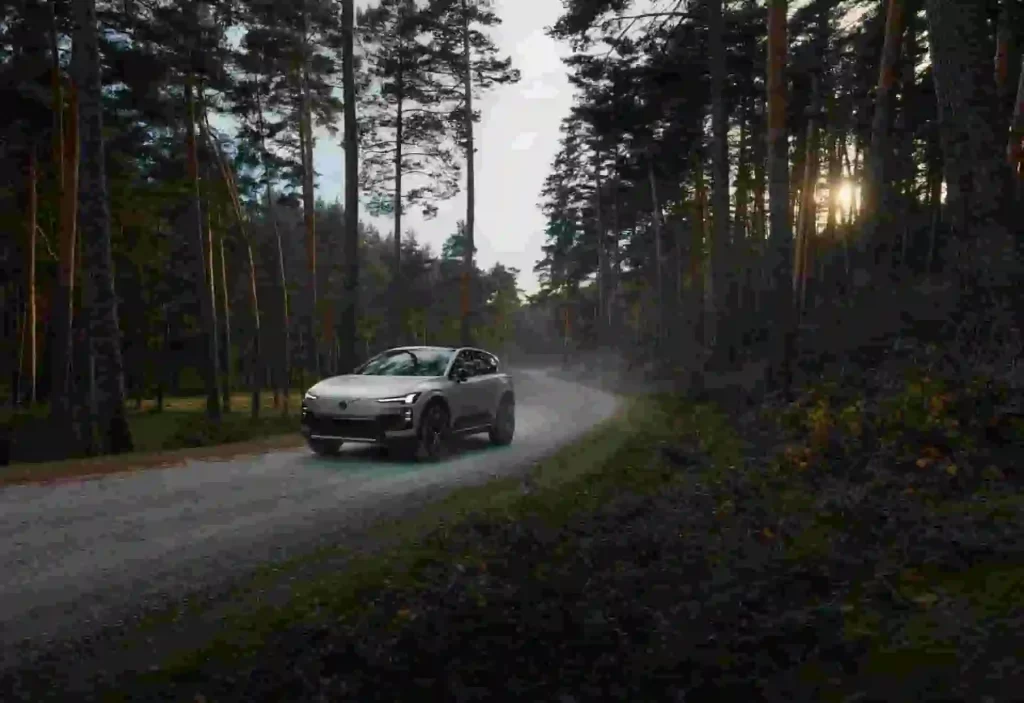
Volvo Cars is gearing up for a major launch with the all-new EX60, a fully electric mid-size SUV set to debut globally on January 21, 2026. This vehicle replaces the popular petrol-powered XC60 and enters the world’s largest EV segment as Volvo’s most intelligent and technologically advanced car yet. Built on the new SPA3 electric platform, the EX60 promises up to 810km of WLTP range in its top all-wheel-drive version, ultra-fast charging, and groundbreaking AI integration with Google’s Gemini assistant. It combines human-centric design, massive computing power, and continuous learning to make driving safer, easier, and more enjoyable. The full reveal will livestream on Volvo’s site and YouTube.Sleek Design Inspired by Volvo Heritage with Electric FlairThe EX60 draws from Volvo’s iconic style, resembling a larger version of the bold EX30. Its front features the signature “Thor’s Hammer” LED daytime running lights above sleek LED headlights. A closed-off grille suits its EV nature, flanked by vertically stacked LED fog lamps and a black scuff plate on the bumper. Smooth side surfaces include subtle character lines on wheel arches and doors, sculpted creases, black cladding, and innovative illuminated wing grip handles on the window line instead of traditional ones. Wheel sizes span 20 to 22 inches, with wider rear wheels for better traction.At the rear, slim LED taillights connect via a black strip on the tailgate, complemented by thick cladding and a thin silver bumper accent. Two themes, “Bright” with silver accents or “Dark” with black finishes, add personalization. A rugged Cross Country variant ups ground clearance by 20mm, adds stainless steel skid plates, matte black cladding, Frost Green paint, unique interiors, and adaptive air suspension with off-road mode. Overall, the EX60 looks handsome, boxy yet modern, with big wheels and ample space, blending family practicality with premium EV appeal.Luxurious Cabin Brimming with Cutting-Edge Tech and ComfortThe interior emphasizes natural, high-end materials, generous storage, split-fold rear seats, and a Bowers & Wilkins stereo with speakers in the four main headrests. A large free-standing touchscreen handles infotainment with integrated climate controls and a physical scroller for easy navigation. Expect a digital driver’s display, multi-zone climate control, wireless charger, powered and ventilated seats, panoramic roof, and Level 2 ADAS. Multi-adaptive seatbelts use real-time sensor data to adjust tension based on speed, crash direction, and occupant needs for superior protection.Gemini AI and HuginCore: A Car That Talks, Learns, and EvolvesThe EX60 launches as the first Volvo with Google’s Gemini AI assistant, enabling natural, hands-free conversations, no memorized commands needed. Ask it to find a hotel address in your email, check if luggage fits in the trunk, or brainstorm road trip ideas. It handles multi-turn chats, staying personalized and integrated to keep eyes on the road. Gemini will evolve via updates to use cameras for real-world queries.Powering this is HuginCore, Volvo’s new core system (named after Norse mythology’s thoughtful bird), encompassing electrical architecture, core computer, zone controllers, and software. It’s a true software-defined vehicle that learns from global Volvo fleet data like accidents and near-misses. The Superset tech stack delivers over-the-air (OTA) updates, making the car smarter over time. Chief Engineering Officer Anders Bell calls it “discreet yet cutting-edge tech” blending Volvo’s in-house innovations with Google, NVIDIA, and Qualcomm.Massive Processing Power for Seamless, Responsive ExperienceThe EX60 boasts unprecedented computing: Qualcomm’s next-gen Snapdragon Cockpit Platform for top-tier processing, Snapdragon Auto Connectivity for ultra-responsive 4G/5G (with 4 years unlimited data), and NVIDIA DRIVE AGX Orin SoC on DriveOS for accelerated AI. It handles 250 trillion operations per second, ensuring lag-free screens, instant maps, sharp voice recognition, and smooth everything. Sensors give 360-degree awareness to anticipate dangers, enabling advanced driver aids.Powertrain Lineup: Epic Range, Blistering Speed, and Rapid ChargingThree battery options (83kWh, 95kWh, 117kWh) power versatile configs on the 800V SPA3 platform:P6 RWD (83kWh): 374 PS, 480 Nm, 620km range, 0-100km/h in 5.9s.P10 AWD (95kWh): 510 PS, 710 Nm, 660km range, 0-100km/h in 4.6s.P12 AWD (117kWh): 680 PS, 790 Nm, 810km range, 0-100km/h in 3.9s.All top 180km/h, with passive or semi-active suspension. Add 340km in 10 minutes via 400kW DC charger (10-80% under 20 mins); 22kW AC supported. A “cell-to-body” battery integrates cells directly into the structure for lightness (2,115-2,330kg curb weight) and strength. One Cross Country trim available.Safety-First DNA with Real-Time Learning and Adaptive FeaturesVolvo’s legendary safety shines: reinforced cage, advanced restraints, and HuginCore’s sensor fusion for proactive risk avoidance. It processes surroundings in real-time, drawing fleet-wide insights to improve. Adaptive belts, a wide sensor array, and AI aids reduce stress. OTA updates ensure it stays ahead.Volvo’s Game-Changer in the Crowded EV ArenaThe EX60 eyes Tesla Model Y, BMW iX3, Audi Q6 e-tron, Hyundai Ioniq 5, Porsche e-Macan, and Mercedes EQE SUV. CEO Håkan Samuelsson says it “removes all obstacles to going electric” with range, charging, price, and smarts. Born electric on SPA3, it’s lighter and future-proof. Availability starts in Europe/US soon after reveal; India unclear, but rivals would position it as premium. This isn’t just an SUV, it’s a thinking, evolving companion for safer, smarter mobility.
Toyota Urban Cruiser Ebella: Toyota’s Sleek Entry into India’s Electric SUV Market
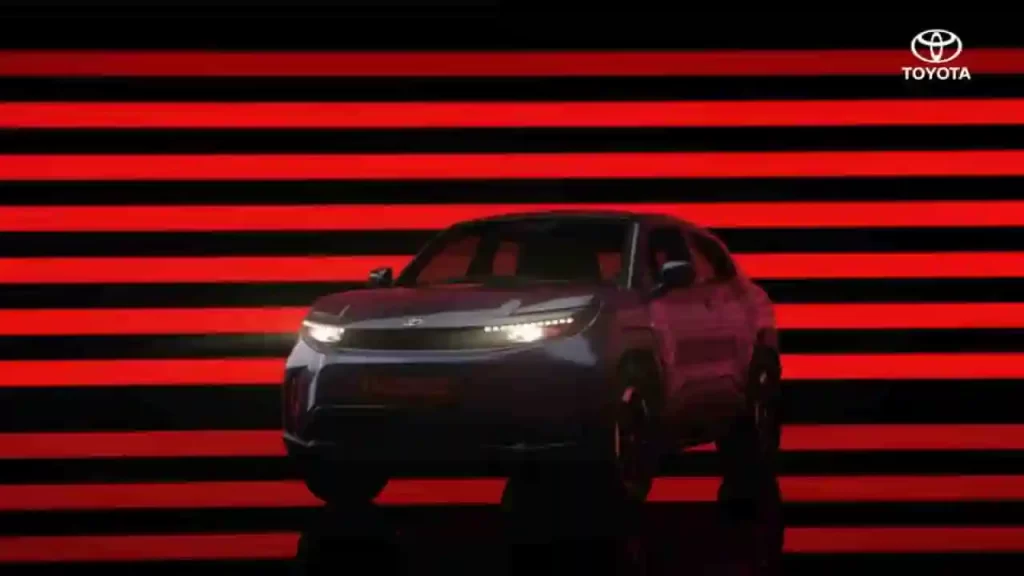
Toyota has unveiled the Urban Cruiser Ebella, a stylish new compact electric SUV that marks the company’s bold step into India’s fast-growing EV segment. This vehicle is essentially a rebadged version of the Maruti Suzuki e-Vitara, sharing the same core engineering, specifications, and features. What sets the Ebella apart is its modern, premium styling that gives it a sleek and urban appeal, making it feel distinct from its Suzuki sibling. Bookings are already open across three variants, E1, E2, and E3, with prices expected to start around Rs 18-21 lakh and a launch slated for April 15, 2026. Toyota aims to attract buyers who value reliability and peace of mind in an EV still new to many Indian families.Striking Design and Premium Touches Tailored for Urban DriversThe Urban Cruiser Ebella stands out with its unique front fascia, which looks far more sophisticated than the e-Vitara’s. It features sharp triangular headlights paired with segmented eyebrow-like daytime running lamps that create a modern, aggressive look. Gloss-black trim accents the slim vertical air intakes and a subtle silver skid plate, giving the nose a clean, premium vibe. While the side profile shares elements like generous body cladding, C-pillar-mounted rear door handles, a sloping roofline, and 18-inch aero-optimised alloy wheels wrapped in 225/55-section tyres, the overall stance feels more refined and city-ready.At the rear, the tail-lamps keep a similar shape to the e-Vitara but sport a different LED signature for a fresh identity. Toyota offers nine colour choices to suit every taste: five monotone shades, including Bluish Black, Cafe White, Enticing Silver, Gaming Grey, and Sportin Red, plus four dual-tone options with a black roof, like Cafe White, Enticing Silver, Land Breeze Green, and Sportin Red. These details make the Ebella look less rugged and more polished, appealing to buyers who want an EV that blends seamlessly into urban lifestyles without drawing unnecessary attention. Note some minor panel gaps around the bonnet, a remnant of its shared hard points, but Toyota’s smoother surface treatment elevates the premium perception.Spacious, Feature-Packed Cabin with Toyota’s Signature PolishInside, the Ebella mirrors the e-Vitara’s practical layout, which prioritises everyday usability over flashy novelty. The cabin feels spacious for a compact SUV, with good rear-seat flexibility and modern ergonomics that make long drives comfortable. Toyota adds its own touch through polished material finishes, lifestyle-oriented colour themes, and a subtle shift toward premium vibes rather than utility alone. Key highlights across variants include a 10.25-inch infotainment touchscreen with wireless Apple CarPlay and Android Auto, a 10.1-inch digital driver’s display, a fixed panoramic glass roof, a powered driver’s seat, a JBL sound system, a 360-degree camera, Level 2 ADAS, automatic climate control, ventilated front seats, and ambient lighting.While outright space lags slightly behind rivals like the Hyundai Creta Electric, nothing essential is missing. Toyota’s proprietary infotainment software and badges reinforce trust. The design avoids extravagance, focusing on balanced completeness that reassures families switching from petrol cars. Insulation under the bonnet further quiets the cabin, and an Acoustic Vehicle Alerting System (AVAS) gently warns pedestrians at low speeds without disturbing occupants.Powerful Dual-Battery Options with Impressive Range and Smart Driving ModesThe Ebella comes with two lithium-iron-phosphate (LFP) battery choices for durability and safety: a 49kWh pack delivering 144hp and a larger 61kWh unit in the E3 variant, pumping out 172-174 BHP with 193Nm of torque. Both power a front-mounted permanent magnet synchronous motor with front-wheel drive. ARAI-certified ranges are 440km for the smaller battery and a strong 543km for the 61kWh version, making it competitive for city-highway use.Power delivery is smooth and linear, with no gear jerks or engine noise for a refined EV experience. It crawls at 7km/h in Drive mode without throttle input. Three driving modes cater to every scenario: Normal balances power and efficiency for mixed use; Eco tones down throttle response for maximum range and city comfort; Sport sharpens acceleration for quick overtakes but drains battery faster. A Snow Mode enhances traction on slippery surfaces. The 61kWh E3’s power-to-weight ratio of 95 BHP/ton and torque-to-weight of 106 Nm/ton make it punchy enough to surge past ICE cars at lights, cruising triple-digit speeds effortlessly.Real-world tests over 60km with aggressive driving showed ~450km estimated range from 90-92% charge, though ownership reviews will confirm. Road and wind noise stay controlled at legal speeds, with minimal NVH for serene drives.Adjustable Regen, Fast Charging, and Ownership PerksRegenerative braking offers three levels, adjustable via touchscreen after stopping—no steering paddles, which feels like a miss. Even max regen requires brakes to halt fully, lacking true one-pedal driving. Toyota includes a 7.2kW wall box charger, with DC fast charging hitting 10-80% in 45 minutes.Ownership shines with an 8-year battery warranty, 60% assured buy-back value for resale confidence, and Battery-as-a-Service (BaaS) to cut upfront costs by leasing the battery. This targets urban commuters, undercutting rivals like MG’s similar model. Charging apps ease range anxiety, but Toyota reminds: charge where you park.Balanced Ride, Handling, and Braking for Everyday ConfidenceThe suspension uses MacPherson struts with a front stabiliser and rear multi-link, paired with 18-inch wheels. It’s firmer than average, transmitting medium bumps into the cabin and feeling busy at low speeds or crashy over large ones. Dropping tyre pressure from 36 PSI to 32 PSI could soften it. Straight-line stability impresses, with controlled body roll in corners at legal speeds. Grip from 225mm tyres suffices.Electric power steering is light in traffic, weighing up on highways but feeling nervous at speed with inconsistent feedback. Ventilated disc brakes front and rear deliver confident stops without drama.Toyota’s Smart Strategy in a Crowded EV ArenaThe Ebella leverages the Toyota-Maruti partnership for quick, localised production and exports. Priced Rs 19-24 lakh, it rivals the Hyundai Creta Electric, Mahindra BE 6, Vinfast VF6, Tata Curvv EV, MG ZS EV, and ironically, the e Vitara. Toyota banks on its reliability badge over spectacle, perfect for cautious first-time EV buyers wary of battery life and resale.While the name “Ebella” draws COVID-era jokes (echoing Toyota’s old Corona), it prioritises trust over flair. In India’s uncertain EV market, this dependable, no-drama SUV could steadily “infect” the
Maruti Suzuki e-Vitara Launched: India’s EV Game-Changer Hits Roads at ₹10.99 Lakh BaaS
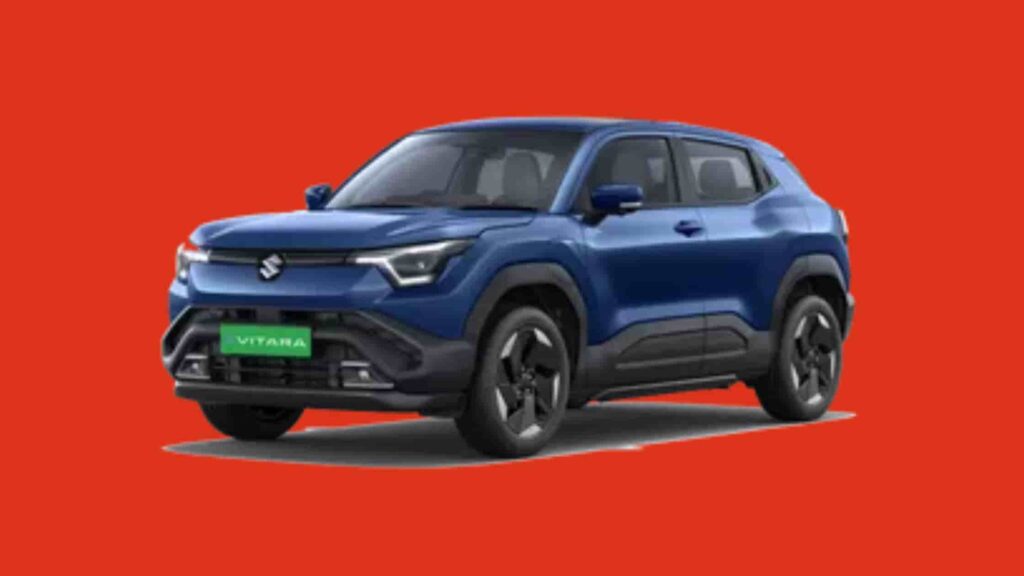
Maruti Suzuki, India’s top carmaker, has electrified the SUV segment with the e Vitara launch, deliveries underway at an introductory Battery-as-a-Service (BaaS) price of ₹10.99 lakh + ₹3.99/km battery EMI (49kWh Delta trim), undercutting rivals like Tata Curvv EV and Mahindra BE 6 while offering up to 543km range.Pricing & Ownership RevolutionBookings from ₹21,000 open now (full list pending); offers valid till March 31, 2026. BaaS splits costs (dual-loan), with e Flex matching existing EMI for upgrades. Assured buybacks shine:3-yr/45,000km: 60% value4-yr/60,000km: 50% valueTrims: Delta (49kWh, 440km ARAI), Zeta/Alpha (61kWh, 543km). WLTP: 344-461km real-world.Powertrain & PerformanceMaruti Suzuki e-Vitara packs two LFP battery options and efficient motors into its HEARTECT-e platform, delivering strong performance for urban and highway EV duties.HEARTECT-e platform (60%+ high-tensile steel) with LFP packs:49kWh: 142hp FWD, 189Nm61kWh: 172hp FWD/300Nm 4WD (ALLGRIP-e)Motor & DrivetrainPermanent Magnet Synchronous Motors (PMSM) with integrated eAxle:49kWh FWD: 142hp (105.8kW), 193Nm torque.61kWh FWD: 172-174hp (128kW), 193Nm.61kWh ALLGRIP-e AWD: Dual motors (~181hp total), up to 300Nm, grip for monsoons/hills.Top speed: 160kmph; 0-100kmph ~9 secs (tested). Regen braking, single-speed auto gearbox ensures smooth one-pedal efficiency; 5-star Bharat NCAP body shields packs.Safety & Features Standouts5-star Bharat NCAP with Level-2 ADAS (AEB, Lane Keep, Adaptive Cruise, Blind Spot), 7 airbags (knee incl.), Suzuki Connect (60+ features). Dual 10.1-inch screens, ventilated seats, panoramic sunroof, 18-inch alloys, 10 colors (4 dual-tone).Ecosystem Edge: NEXA Exclusives1,500+ EV-ready centers, trained managers.₹250 cr investment for 1L chargers by 2030.8-yr/1.6L km battery warranty; 3-yr vehicle (extend to 8 yrs).Delhi-Chandigarh: 63 chargers demo range confidence.Exports: 13,000 units to 28 countries post-Aug 2025 Gujarat plant ramp-up (Toyota collab).Competitive PositioningMaruti eyes mass EV adoption amid 2% market share (Jan 2026 debut post-Auto Expo 2025 eVX concept). Vs Hyundai Creta EV/MG Windsor: BaaS affordability, vast network win for first-timers. CEO Hisashi Takeuchi: “e Vitara mirrors Maruti reliability for EV peace-of-mind.” Book at NEXA; expect 50,000+ annual sales, scaling India’s green shift.
Bajaj Chetak 2026 Electric Scooter Launched in India: Price, Range, Features and What You Need to Know
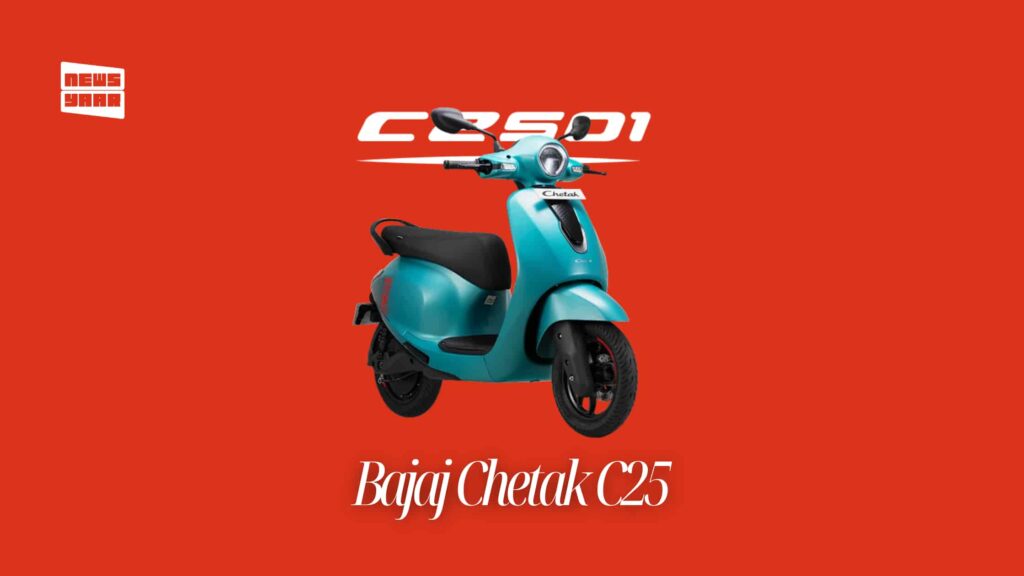
Bajaj Auto has expanded its electric scooter portfolio with the launch of the Bajaj Chetak C25 in India, bringing a more accessible and city-focused variant to its popular Chetak electric lineup. The new model, priced competitively in the growing electric two-wheeler segment, is designed specifically for urban commuters and daily use. Entry-Level Electric Mobility: What’s New in 2026On 14 January 2026, Bajaj Auto officially introduced the Bajaj Chetak C25, marking a strategic push to make electric scooters more affordable without compromising core Chetak attributes such as build quality and reliability. The C25 model joins the existing 35 Series and other Chetak variants as part of Bajaj’s effort to capture a larger share of India’s rapidly growing EV market. With competition intensifying from brands like Ola, Hero and TVS, Bajaj’s move towards budget-friendly electrics targets everyday riders who want a dependable city commuter. Price, Battery and RangeEx-showroom price: ₹91,399 (Bengaluru)Battery capacity: 2.5 kWhClaimed range: Up to 113 km on a single charge (IDC certified)Charging time: Approximately 80% in about 2 hours 25 minutes using a suitable charger This range and pricing position the Chetak C25 as one of the most affordable electric scooters in its category, making it attractive for daily city travel and short commutes. Performance and DesignThe Chetak C25 retains many of the styling cues and build philosophy of earlier Chetak models while introducing features tailored for urban ease:Motor: Hub-mounted electric motor designed for city cruisingTop speed: Around 55 km/hBody: Metal frame construction, characteristic of Chetak’s durabilityDisplay: LCD instrument console with essential ride informationStorage: Around 25 litres under-seat space Bajaj Auto has retained the signature metal body and sturdy build quality that Chetak is known for, even as it aims for a lighter, more agile feel suited to dense city traffic. Features and TechnologyWhile not as feature-rich as higher-end models, the C25 offers practical kit for daily use:Hill Hold Assist for easier starts on slopesGuide-Me-Home lighting for safety at nightBluetooth and LCD display with basic connectivityUSB charging port for mobile devices These features are aimed at balancing practicality with value, ensuring riders get essential EV tech without paying a premium.Availability and BookingThe Bajaj Chetak C25 is available for booking online and at official dealerships across India. As stocks reach showrooms, deliveries are expected to begin soon, giving early adopters an advantage in a segment where demand continues to grow. How it Compares with Other ModelsThe new Chetak wariant sits below the established 35 Series in both price and specifications, making it a strong competitor to other affordable electric scooters such as the Hero Vida VX2 Go and TVS Orbiter in the sub-₹1 lakh category. Compared to more premium Chetak variants (which offer larger batteries, longer range and advanced features), the C25 focuses on efficiency and everyday practicality, making it ideal for 9-to-5 commuters and urban families looking for a reliable second vehicle.What This Launch Means for the EV MarketWith this launch, Bajaj Auto aims to strengthen its position in the electric two-wheeler ecosystem. The company has previously held significant market presence with its older combustion-engine scooters, and the Chetak name carries strong brand equity among Indian riders.The C25’s accessible pricing and competitive range are likely to attract first-time EV buyers and riders seeking an upgrade from conventional scooters, reinforcing the shift toward electrification in India’s personal mobility landscape.Video credit: YT@/ChetakOfficial
Mahindra XUV 3XO EV Launch: Affordable Electric SUV for Indian Roads
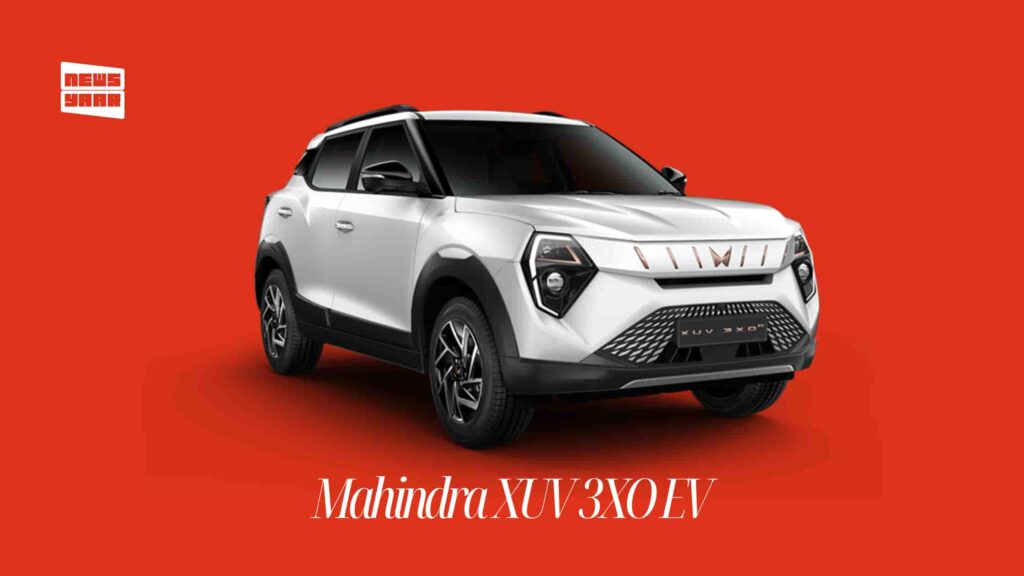
Mahindra & Mahindra has expanded its electric vehicle portfolio with the launch of the Mahindra XUV 3XO EV in India, underlining its strategic push into electrified mobility. The electric variant of the popular sub-compact SUV was unveiled with prices starting at ₹13.89 lakh (ex-showroom) for the base AX5 variant, while the top-end AX7L is priced at around ₹14.96 lakh, positioning it as one of the most accessible electric SUVs in the Indian market. Powertrain, Performance, and RangePowered by a 39.4 kWh battery pack paired with a single electric motor, the XUV 3XO EV produces 110 kW of power and 310 Nm of torque, enabling brisk performance and responsiveness tailored for everyday driving. The SUV delivers a claimed real-world range of up to 285 km on a single charge, making it suitable for urban and peri-urban commutes.Mahindra rates the electric SUV’s 0–100 km/h sprint at around 8.3 seconds, a performance figure that rivals or surpasses many competitors in the segment. Quick DC fast-charging capability allows the battery to be charged from 0 to 80% in around 50 minutes using a 50 kW charger.Features, Safety, and ConnectivityThe XUV 3XO EV arrives with a strong feature set that includes Level 2 Advanced Driver Assistance Systems (ADAS) in the top variant, offering adaptive cruise control, lane assist, forward collision warning, and autonomous emergency braking, enhancing both safety and convenience.Interior features include a panoramic sunroof, dual-zone automatic climate control, and premium infotainment with Harman Kardon audio systems in higher trims. Mahindra’s Adrenox connected tech provides over 80 connected car features, including built-in Alexa support, remote vehicle control, and onboard navigation.Additional comfort amenities include passive keyless entry, electronic parking brake, wireless Android Auto and Apple CarPlay, and a 360-degree surround-view camera, making the 3XO EV a compelling package for urban families and EV adopters. Market Impact: The Final Review The launch of the XUV 3XO EV builds on the success of the ICE XUV 3XO lineup, which has sold nearly 1.8 lakh units since its debut. With deliveries slated to begin from February 23, 2026, Mahindra is betting that the combination of value pricing, daily usability, and advanced tech will attract first-time EV buyers and strengthen its foothold in India’s electrifying automotive landscape.With rapid growth in EV adoption driven by government incentives and expanding charging infrastructure, the XUV 3XO EV is poised to be a key contender in the mass-market electric SUV segment, challenging rivals like the Tata Nexon EV and MG Windsor EV.Video credit: Mahindra