


O Romeo: A Contemporary Take on Love and Modern Relationships

O Romeo emerged as a romantic drama that attempts to reinterpret the idea of love in today’s fast-paced, emotionally complex world. Drawing inspiration from the timeless theme of passionate romance—echoing the essence of Shakespeare’s Romeo and Juliet—the film presents a modern narrative shaped by urban relationships, individual aspirations, and emotional vulnerability.Positioned as a youth-centric film, O Romeo explores how love is experienced, expressed, and often challenged in contemporary society.Storyline and Narrative ApproachAt its core, O Romeo revolves around the journey of a young man navigating love, heartbreak, and self-discovery. The narrative follows his emotional evolution as he encounters relationships that test his understanding of commitment and identity.Unlike traditional romantic films that rely heavily on idealised love stories, O Romeo leans towards a more realistic portrayal of relationships, where misunderstandings, personal struggles, and societal expectations play a significant role.The film captures:The intensity of first loveThe confusion and vulnerability that come with emotional attachmentThe impact of external pressures on personal relationshipsThrough its storytelling, the film attempts to reflect the emotional landscape of modern youth.Themes and Emotional DepthOne of the defining aspects of O Romeo is its focus on emotional realism. The film does not present love as a flawless experience but rather as something that evolves through challenges.Key themes explored in the film include:The fragility of modern relationshipsThe conflict between personal ambition and emotional commitmentThe idea of love in the age of independence and self-identityThe narrative also touches upon heartbreak and healing, portraying how individuals cope with emotional setbacks and grow through them.Performances and Character PortrayalThe performances in O Romeo contribute significantly to its storytelling. The lead character’s journey is portrayed with a sense of relatability, capturing the confusion and intensity often associated with young love.The supporting cast adds depth to the narrative, representing different perspectives on relationships and life choices. Together, the characters create a layered portrayal of contemporary social dynamics.Music and Visual ToneAs with many romantic dramas, music plays an important role in O Romeo. The soundtrack complements the emotional tone of the film, enhancing moments of love, longing, and introspection.Visually, the film adopts a modern aesthetic, with urban settings and stylised cinematography reflecting the lifestyle and environment of its characters. The use of lighting and framing helps convey mood shifts, particularly during emotionally charged scenes.Reception and Audience ConnectO Romeo has been positioned as a film that resonates primarily with younger audiences. Its attempt to depict realistic relationships and emotional struggles makes it relatable to viewers navigating similar experiences.While it draws inspiration from classical romantic themes, its treatment is distinctly contemporary, focusing more on internal conflicts than external drama.A Modern Interpretation of Timeless LoveThe film’s title itself reflects a connection to the idea of a “Romeo”—a symbol of passionate love—but reimagined in a present-day context. Instead of grand gestures and idealised romance, O Romeo presents a more grounded and introspective view of relationships.O Romeo stands as a reflection of how love stories are evolving in modern cinema. By blending emotional realism with relatable storytelling, it attempts to capture the complexities of relationships in today’s world, offering audiences a narrative that feels both familiar and introspective.Video: YT/@NadiadwalaGrandson
Ponniyin Selvan – II: A Grand Historical Saga Concludes in Cinematic Glory
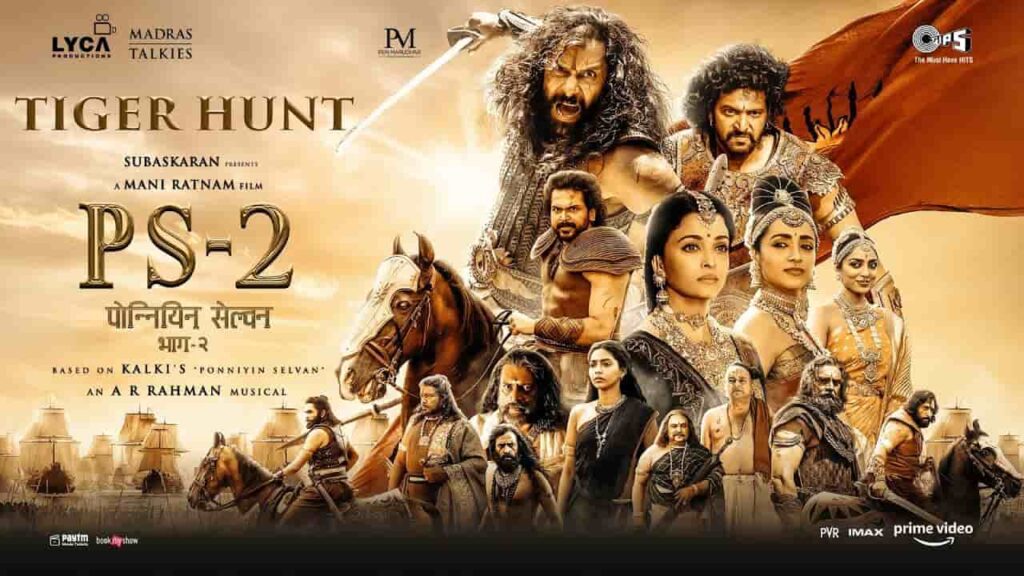
Ponniyin Selvan: II marked the powerful conclusion to one of Indian cinema’s most ambitious historical epics, directed by acclaimed filmmaker Mani Ratnam. Released in April 2023, the film served as the second instalment of the two-part adaptation of Ponniyin Selvan, a celebrated Tamil literary work that chronicles the rise of the Chola dynasty.With its rich storytelling, intricate political drama, and visually stunning presentation, the film brought together history, emotion, and spectacle in a way that resonated strongly with audiences across the country.Continuing the Saga of the CholasPicking up from where the first part left off, Ponniyin Selvan – II delved deeper into the power struggles, conspiracies, and personal conflicts within the Chola empire. The narrative revolved around the journey of Prince Arulmozhi Varman, who would later become the great Rajaraja Chola I, and the complex political dynamics surrounding his ascension.The film explored themes of loyalty, betrayal, love, and ambition, weaving together multiple character arcs into a cohesive and engaging storyline. Unlike the first part, which focused on setting up the world and its characters, the second instalment provided emotional closure and resolution to the long-standing conflicts.Stellar Cast and PerformancesThe film featured a strong ensemble cast, including Vikram, Aishwarya Rai Bachchan, Jayam Ravi, Karthi, and Trisha Krishnan.Each actor brought depth and intensity to their roles. Vikram’s portrayal of Aditya Karikalan stood out for its emotional complexity, while Aishwarya Rai Bachchan’s dual role added layers of mystery and intrigue to the narrative. Jayam Ravi, as Arulmozhi Varman, delivered a composed and dignified performance, embodying the qualities of a future king.Visual Grandeur and Cinematic ExcellenceOne of the defining aspects of Ponniyin Selvan – II was its visual scale. From grand palaces to expansive battle sequences, the film captured the richness of the Chola era with remarkable attention to detail.The cinematography and production design played a crucial role in bringing the historical setting to life, while the music composed by A. R. Rahman added emotional depth and grandeur to the storytelling. The background score, in particular, enhanced the intensity of key moments throughout the film.Adaptation of a Literary ClassicAdapting Ponniyin Selvan, a novel deeply rooted in Tamil culture and history, was a challenging task. The story spans multiple volumes and features a wide array of characters and subplots.Mani Ratnam’s approach focused on simplifying the narrative while retaining its essence. The second part, in particular, balanced political intrigue with emotional storytelling, ensuring that even audiences unfamiliar with the original novel could follow the plot.Box Office Performance and ReceptionUpon its release, Ponniyin Selvan – II received a strong response from both critics and audiences. It was praised for its storytelling, performances, and technical excellence.The film performed well at the box office, especially in South India, and contributed to the growing success of large-scale historical films in Indian cinema. While some viewers felt the narrative required familiarity with the first part, the overall reception remained largely positive.Cultural and Cinematic ImpactPonniyin Selvan – II is not just a film but a significant cultural milestone. It brought renewed attention to Tamil literature and history, introducing a wider audience to the legacy of the Chola dynasty.The film also demonstrated the potential of Indian cinema to produce large-scale historical epics that can compete with global productions in terms of scale and storytelling.Bringing together history, literature, and cinematic craft, Ponniyin Selvan – II successfully concluded a story that had been cherished for decades. With its blend of political drama, emotional depth, and visual spectacle, the film left a lasting impression and reinforced its place as one of the most notable historical films in Indian cinema.
Shatak: A Gritty Narrative Exploring Power, Morality and Consequences
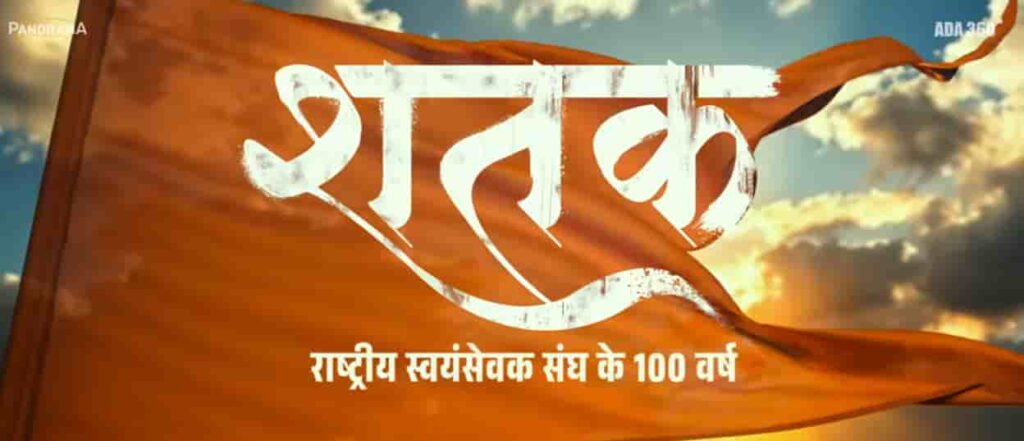
The film Shatak emerged as a notable addition to the evolving landscape of Indian cinema, drawing attention for its intense narrative, grounded storytelling, and strong thematic focus. Positioned within the space of serious, content-driven films, Shatak moved away from conventional commercial formulas and instead centred on a story shaped by conflict, moral dilemmas, and human vulnerability.At a time when audiences have increasingly shown interest in layered narratives, the film stood out for its attempt to blend realism with dramatic tension, creating a story that unfolds gradually while keeping viewers engaged.Plot and Narrative ApproachShatak followed a storyline rooted in themes of power, justice, and personal choices. Rather than relying on fast-paced spectacle, the film adopted a more measured narrative style, allowing the story to develop through character interactions and situational conflicts.The plot revolved around individuals caught in circumstances that tested their ethics and resilience. As the narrative progressed, it explored how decisions—often taken under pressure—shaped the course of events, leading to consequences that were both personal and far-reaching.The storytelling avoided excessive dramatization, instead focusing on authenticity and emotional depth, which gave the film a grounded tone.Performances and CharacterisationOne of the defining strengths of Shatak lay in its performances. The cast delivered restrained yet impactful portrayals, allowing the characters to feel real and relatable.Rather than relying on exaggerated expressions, the performances were marked by subtlety—expressing conflict, tension, and emotion through controlled acting. This approach aligned well with the film’s overall tone, enhancing its credibility.Each character contributed meaningfully to the narrative, ensuring that the story remained cohesive and immersive.Direction and Cinematic TreatmentThe direction of Shatak reflected a clear focus on storytelling over spectacle. The filmmaker adopted a realistic visual style, using natural settings, minimalistic framing, and controlled pacing to build the film’s atmosphere.The use of lighting, background score, and camera work supported the narrative without overpowering it. Instead of dramatic visual flourishes, the film relied on quiet intensity, allowing scenes to unfold organically.This restrained approach helped maintain consistency in tone, making the film more engaging for audiences seeking content-driven cinema.Themes and Social UndertonesAt its core, Shatak explored themes that resonate beyond the immediate storyline. Issues such as power dynamics, ethical conflict, and the consequences of individual actions were central to the film’s narrative.The story also touched upon broader social realities, subtly reflecting the complexities of systems and institutions. By doing so, the film moved beyond entertainment, offering viewers a perspective on real-world challenges.The layered storytelling encouraged audiences to interpret the narrative in their own way, adding to its depth.Audience Reception and ImpactFollowing its release, Shatak generated discussion among viewers who appreciated its serious tone and storytelling approach. While it may not have followed the structure of mainstream commercial films, it found its audience among those who prefer meaningful and thought-provoking cinema.The film contributed to the growing trend of content-focused projects in the Indian film industry, where storytelling and performance are given precedence over scale.Position in Contemporary CinemaShatak reflected a broader shift in audience preferences, where viewers are increasingly open to films that challenge traditional formats. Its emphasis on realism, character depth, and thematic exploration placed it within the category of films that prioritise substance over spectacle.In a cinematic environment that continues to evolve, such films play an important role in expanding the scope of storytelling and encouraging experimentation.Shatak ultimately stood as a film driven by its narrative strength and emotional depth—one that relied on storytelling, performances, and realism to leave a lasting impression rather than conventional cinematic formulae.Video Credit: Panorama Studios
BAFTA Awards 2026: A Landmark Celebration of Global Cinema, Storytelling and Artistic Excellence
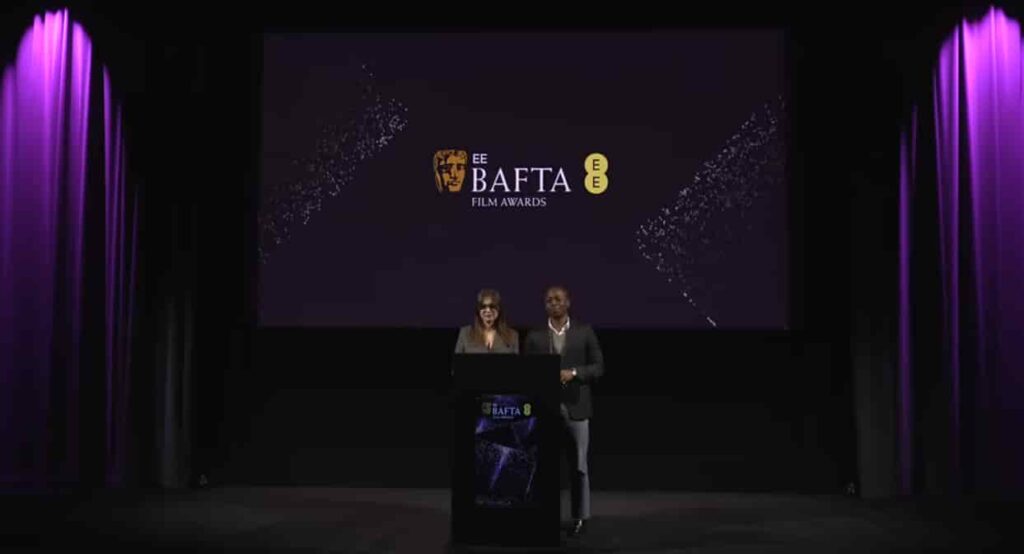
The 2026 edition of the BAFTA Awards, organised by the British Academy of Film and Television Arts, stood out as one of the most closely watched events in the international film calendar. Held in London, the ceremony brought together leading actors, filmmakers, and creators from across the world, recognising excellence in cinema across a wide spectrum of categories.Over the years, the BAFTA Awards have built a reputation not just as a British honour, but as a global benchmark for cinematic achievement. The 2026 ceremony continued that tradition, reflecting both the scale of mainstream cinema and the depth of independent storytelling.A Crucial Moment in the Awards SeasonThe BAFTA Awards have consistently held a significant position in the global awards circuit, often seen as a key indicator ahead of the Academy Awards. As a result, the outcomes of the ceremony were closely analysed by industry experts, critics, and audiences alike.Films that received recognition at BAFTA often gained momentum in the awards season, influencing both public perception and industry conversations. The 2026 edition was no different, as it highlighted performances and productions that had already generated strong critical buzz.Films and Performances That Defined the YearThe awards celebrated a diverse mix of films, ranging from large-scale productions to nuanced, character-driven narratives. The Best Film category, along with awards for direction, acting, and screenplay, showcased the evolving nature of storytelling in global cinema.Actors who delivered layered, emotionally resonant performances were recognised, reflecting a shift toward more grounded and realistic portrayals on screen. At the same time, directors who experimented with form, structure, and narrative style were also acknowledged, indicating a growing acceptance of creative risk-taking within the industry.The acting categories remained among the most discussed, with winners being chosen not only for their popularity but for the depth and authenticity they brought to their roles.Recognition Beyond the MainstreamOne of the defining aspects of the 2026 BAFTA Awards was its continued focus on recognising films beyond mainstream commercial success. Independent films and international productions found a place alongside major studio releases, underlining the Academy’s commitment to diverse storytelling.This broader representation ensured that cinema from different cultures and regions received visibility on a global platform. It also reflected changing audience preferences, where viewers are increasingly engaging with content beyond language and geographical boundaries.Technical Brilliance and CraftsmanshipWhile acting and direction often dominate headlines, the BAFTA Awards also placed strong emphasis on the technical aspects of filmmaking. Categories such as cinematography, editing, sound design, production design, and visual effects highlighted the collaborative effort behind every film.The 2026 ceremony saw recognition for projects that demonstrated innovation in visual storytelling, whether through advanced technology or meticulous attention to detail. These awards reinforced the idea that cinema is as much about craft as it is about performance.Representation and Industry ShiftsIn recent years, the BAFTA Awards have undergone significant changes to improve inclusivity and representation, and the 2026 edition reflected those efforts. The nominations and winners included a wider range of voices, backgrounds, and perspectives, indicating a gradual shift within the industry.This evolution has been driven by ongoing discussions around diversity, access, and equal opportunity in filmmaking. By recognising talent from varied backgrounds, BAFTA has continued to position itself as an institution that adapts to the changing realities of global cinema.The Red Carpet and Cultural ImpactBeyond the awards themselves, the BAFTA ceremony remained a major cultural event. The red carpet saw the presence of leading global celebrities, filmmakers, and emerging talent, making it a focal point for fashion, public appearances, and media coverage.The event generated significant attention across social media platforms, with moments from the ceremony being widely shared and discussed. From acceptance speeches to unexpected wins, the BAFTA Awards once again became a talking point far beyond the film industry.Influence on Global CinemaRecognition at the BAFTA Awards often extends beyond the night of the ceremony. Winning or even being nominated can elevate a film’s global reach, increase its audience base, and enhance its critical standing.For filmmakers, the awards serve as validation of their work, while for audiences, they act as a guide to some of the most impactful films of the year. The 2026 edition continued this trend, shaping conversations around cinema and influencing viewing choices worldwide.The BAFTA Awards 2026 ultimately reflected a year of cinema that was both expansive and introspective—balancing large productions with intimate storytelling, and tradition with innovation. By bringing together talent from across the world and recognising excellence in all aspects of filmmaking, the ceremony once again reinforced its role as a defining platform in the global film industry.
The Dreamy Udaipur Wedding of Vijay Deverakonda and Rashmika Mandanna

Some love stories quietly unfold away from the spotlight and then suddenly bloom into something magical. That is exactly how the romance between Vijay Deverakonda and Rashmika Mandanna captured millions of hearts. After years of rumours, friendship, and an undeniable on-screen chemistry that fans adored, the beloved couple finally tied the knot in a dreamy destination wedding in the royal city of Udaipur on 26 February 2026.The wedding, fondly called the “VIROSH wedding” by fans (a combination of Vijay and Rashmika), became one of the most talked-about celebrity unions of the year. Set against the romantic backdrop of Rajasthan’s palaces and lakes, the ceremony was intimate yet breathtakingly elegant.A Love Story Years in the MakingThe journey of Vijay and Rashmika began on film sets. The two actors first starred together in the blockbuster Telugu film Geetha Govindam and later reunited for Dear Comrade. Their on-screen chemistry quickly turned them into one of the most loved pairs in Indian cinema.Over the years, rumours about their relationship frequently surfaced, but both actors kept their personal lives private. Their bond, however, was always visible in interviews, public appearances, and social media interactions.In October 2025, the couple reportedly got engaged in a private ceremony in Hyderabad attended by close family members.After months of anticipation from fans, they announced their wedding plans with a heartfelt note, calling their union “The Wedding of VIROSH.”A Royal Destination Wedding in UdaipurChoosing Udaipur as their wedding destination added a touch of timeless romance to the celebrations. Known as the “City of Lakes,” Udaipur has become one of India’s most popular locations for grand celebrity weddings.The couple hosted their wedding festivities at a luxurious heritage resort in the city, surrounded by scenic hills, palaces, and serene lake views. The venue was booked exclusively for their celebrations, ensuring privacy for the couple and their families.Unlike many extravagant celebrity weddings filled with hundreds of guests, Vijay and Rashmika opted for a close-knit and intimate ceremony, attended mainly by family members, close friends, and a few colleagues from the film industry.Wedding Festivities: Days of CelebrationThe celebrations began two days before the wedding and were filled with music, laughter, and heartfelt moments.Pre-Wedding CelebrationsThe wedding festivities kicked off on February 24 with fun activities for family and friends. Guests enjoyed poolside gatherings, intimate dinners, and playful events that reflected the couple’s fun-loving personalities.One of the highlights of the pre-wedding events was a friendly cricket match playfully named the “VIROSH Premier League.”Friends of the groom also performed energetic dance numbers during the sangeet night, many of them dancing to Vijay’s popular film songs.Haldi and MehendiThe Haldi ceremony took place on the morning before the wedding. The atmosphere was cheerful and colourful as family members applied turmeric paste to the bride and groom, blessing them for their new life together.Later in the evening, the Mehendi ceremony brought even more colour to the celebrations. Rashmika’s hands were adorned with intricate henna designs while guests enjoyed music and traditional performances.Decorations for these events included delicate paper flowers and personalised décor featuring the couple’s affectionate nicknames.A Wedding That Honoured Two CulturesOne of the most beautiful aspects of the ceremony was how it honoured the cultural roots of both families.The wedding included two traditional ceremonies: A Telugu Hindu ceremony reflecting Vijay’s heritage • A Kodava ceremony honouring Rashmika’s roots from CoorgThe rituals symbolised the union of two cultures and two families.During the ceremony, several meaningful traditions were performed, including the sacred ritual where the couple places cumin and jaggery paste on each other’s heads—a ritual symbolising the inseparable bond between husband and wife.The Bride and Groom’s Stunning Wedding LooksRashmika Mandanna looked radiant as a bride in a richly embroidered traditional saree featuring shades of rust, red, and gold. The outfit was designed with intricate temple motifs and antique gold embroidery that reflected Indian craftsmanship.She paired the saree with heavy temple jewellery and a traditional veil, completing a look that was both regal and graceful.Vijay Deverakonda matched her elegance in a classic ivory dhoti ensemble paired with a vermilion angavastram. His outfit reflected traditional South Indian wedding attire while maintaining a royal aesthetic.Together, the couple looked every bit like royalty on their big day.Emotional Family MomentsLike every wedding, the ceremony was filled with emotional moments.One touching highlight was when Vijay’s mother welcomed Rashmika into the family by presenting her with heirloom bangles, symbolising acceptance and blessings for the new bride.Guests described the atmosphere as warm, emotional, and filled with joy as the couple exchanged vows and began their new journey together.The Grand Reception in HyderabadAlthough the wedding in Udaipur was private, the couple planned a grand reception in Hyderabad on March 4, 2026, where friends from the film industry, political leaders, and celebrities gathered to celebrate the newlyweds.The reception quickly became a glamorous event attended by prominent personalities from the Telugu film industry and beyond.Fans also got their first glimpse of the couple together after the wedding during public appearances and meet-and-greet events.The Internet’s Favorite CouplePhotos from the wedding spread rapidly across social media, with fans celebrating the union of the beloved couple.Their wedding pictures became some of the most liked celebrity posts online, with fans showering the pair with love and blessings.For years, fans had affectionately called them “VIROSH,” and the wedding felt like the happy ending everyone had been waiting for.A New Chapter BeginsAfter years of friendship, partnership, and unwavering support for each other’s careers, Vijay Deverakonda and Rashmika Mandanna finally began a new chapter as husband and wife.Their wedding was not just a grand celebrity celebration but a heartfelt union that blended love, culture, tradition, and simplicity.From the lakes of Udaipur to the hearts of millions of fans across the world, the VIROSH wedding became a moment of pure celebration—a reminder that sometimes the most beautiful love stories are the ones that quietly grow over time before blossoming into something unforgettable.
Sunidhi Chauhan I Am Home India Tour 2025 – 26: Here’s Everything You Need to Know
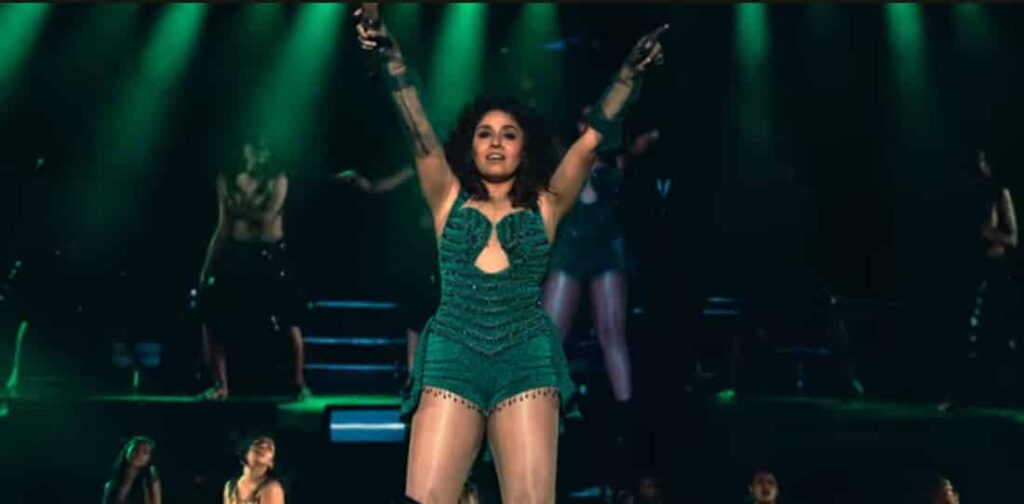
Sunidhi Chauhan’s “I Am Home India Tour 2025-26” electrifies stages across 11 cities, blending her powerhouse vocals with Bollywood hits in a high-energy homecoming after global triumphs. This multi-city spectacle, powered by Mastercard and organized by BAE (ABP Network’s live arm), promises immersive live experiences via District by Zomato tickets.Sunidhi’s Storied CareerIndian playback sensation Sunidhi Chauhan, with over 50 million records sold worldwide, debuted at 13 and exploded with “Ruki Ruki Si Zindagi” from Mast (1999). She’s bagged 3 Filmfare Awards (12 nominations), 2 IIFA, 2 Star Screen, and Zee Cine honors for hits like “Dhoom Machale Dhoom,” “Desi Girl,” “Sheila Ki Jawani,” “Kamli,” “Chhaliya,” and “Beedi Jalaile.” Judging Indian Idol (two seasons) and The Voice India, she’s mentored stars while collaborating globally; 2008’s superhits earned her GR8! FLO Women Award.”I Am Home” Tour LegacyLaunched internationally in 2023, the series sold out Dubai’s Coca-Cola Arena, London’s Wembley (OVO Arena), and Singapore, as well as US spots like Long Beach Convention Center and Hard Rock Live Hollywood. It traces her journey via classics and fresh takes, famed for vibrant energy, live bands, choreography, and bass-heavy immersion.India Tour 2025-26: Full ScheduleKicking off Mumbai (20,000+ crowd, celebs like Imtiaz Ali, Zakir Khan, Nushrratt Bharuccha, Sunil Grover; Alisha Chinai guest), the 11-city run spans Dec 2025–Mar 2026. Three-hour sets mix anthems, ballads, and regional surprises.CityDateVenue (if announced)MumbaiDec 24, 2025Hall No. 6, Nesco Center DelhiDec 27, 2025JLN Stadium (Gate 14) BengaluruJan 17, 2026TBA AhmedabadJan 31, 2026TBA (Gujarati garba hit) ChennaiFeb 7, 2026TBA JaipurFeb 14, 2026TBA ChandigarhFeb 21, 2026TBA IndoreFeb 28, 2026TBA LucknowMar 7, 2026TBA KolkataMar 14, 2026TBA Confirmed Special GuestsSunidhi Chauhan’s “I Am Home India Tour 2025-26” has featured surprise special guests in early shows, elevating the high-energy Bollywood sets. So far, only Mumbai and Ahmedabad have confirmed performers amid the ongoing 11-city run.Mumbai (Dec 24, 2025, Nesco Center): Veteran singer Alisha Chinai made a surprise appearance, performing nostalgic hits like “Tinka Tinka” and “Aaj Ki Raat.” The 20,000+ crowd, including celebs (Imtiaz Ali, Zakir Khan, Nushrratt Bharuccha, Sunil Grover, Avinash Tiwary, Dhvani Bhanushali, Asees Kaur, Salim Merchant), went wild; Alisha later shared her joy on social media.Ahmedabad (Jan 31, 2026): No formal onstage guests, but Gujarati stars Puja Joshi and Geetaben Rabari grooved front-row to Sunidhi’s viral rendition of “Mahisagar ni Aare Dhol Vaage Se,” sparking spontaneous garba, clip exploded online.Official Booking Steps (District by Zomato)Tickets for Sunidhi Chauhan’s “I Am Home India Tour 2025-26” are available exclusively through the District by Zomato platform, with some resellers offering alternatives.Follow these simple steps for most cities (Delhi, Bengaluru, Lucknow, etc.):Download the District by Zomato app (iOS/Android) or visit district.in/events/sunidhi-chauhan/artist.Log in with your phone number, email, or Google/Zomato account; select your city if prompted.Search “Sunidhi Chauhan I Am Home” or pick your city/date from the tour page.Choose seats/tier (e.g., ₹1,500–₹10,000+; varies by city), add-ons like food/drink packages.Complete payment (UPI, cards, wallets); e-tickets emailed instantly—show QR at venue.Presales (e.g., HDFC/Mastercard) may apply early; general sale live since Oct 30, 2025. Expect quick sell-outs post-Mumbai buzz.Tips and AvailabilityAs of Feb 2026, early shows (Mumbai Dec 24, Delhi Dec 27, Bengaluru Jan 17, Ahmedabad Jan 31) likely sold out; later ones (Chennai Feb 7, Jaipur Feb 14, Chandigarh Feb 21, Indore Feb 28, Lucknow Mar 7, Kolkata Mar 14) still have tickets from ₹1,500. Venues serve food/beverages/alcohol on-site. Refunds rare, buy from official sources to avoid fakes.What to Expect?Electric vibes: Nostalgic Bollywood medleys, dance numbers, emotional highs, regional nods (e.g., Ahmedabad’s “Mahisagar ni Aare,” garba dance with Puja Joshi/Geetaben Rabari cheers). Full production, unfiltered Sunidhi, “unstoppable, untamed”, redefining live entertainment via BAE’s “experience-first” ethos.
Chai Over Cocktails: Bhajan Beats and Sober Raves Redefine South Asian Nightlife
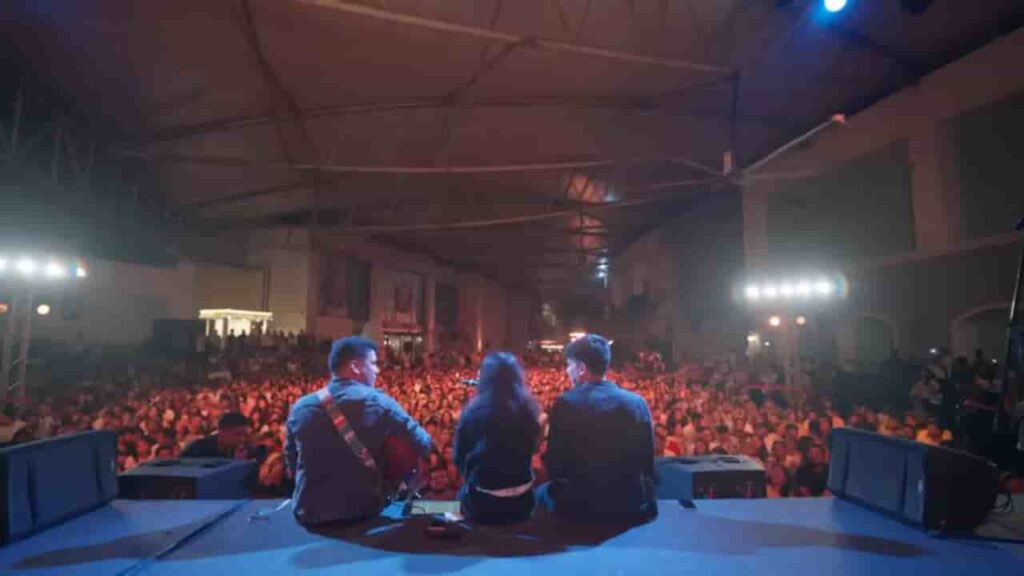
From chai-fueled dance floors in Karachi to devotional DJ drops in Delhi, Gen Z across South Asia is ditching hangovers for halos in a nightlife revolution. This sober, spiritual wave, blending ancient chants with modern beats, is drawing thousands, offering community without chaos and vibes with values.Bhajan Clubbing Takes India by StormIn Visakhapatnam, over 2,000 young fans packed a recent event, grooving to kirtan remixed with electronic percussion, no booze, just pure energy from “Om Namah Shivaya” and Hanuman Chalisa beats. Delhi’s Indira Gandhi Sports Complex hosted the city’s biggest bash in December 2025, with 3,000 attendees under strobes chanting for Shiva, Ram, and Krishna in a three-hour “satsang 2.0.” From Mumbai’s Kallol Café to Lucknow’s Rangreza Festival on Maha Shivaratri, where hundreds fasted and danced to dholak-infused bhajans, the trend is exploding, ticketed, lit-up, and viral on reels.Karachi’s Sober Raves Glow UpPakistan’s scene thrives in regulated spots like sports clubs and cafes, where neon-lit padel courts double as dance floors and events wrap at 10 p.m. sharp under cameras and drones. Women-only nights at places like Third Culture Coffee pack in crowds for desi remixes, fostering safety and shareable joy, tickets at 3,000-7,000 PKR signal real demand. Soft drinks sales surged 27% from 2020-2025, fueling this alcohol-free shift aligned with cultural norms.Trend LocationKey FeaturesCrowd Size (Recent Events)India (Delhi/Vizag)Bhajans + EDM, chai stations2,000-3,000KarachiTechno/des mixes, padel breaksHundreds per venueWhy Gen Z Vibes with ItExperts like psychologist Raksha Rajesh call it “neurological relief”, repetitive chants calm overstimulation from digital life, while psychiatrist Dr. Ashima Ranjan links it to mental health wins: no regrets, genuine bonds, and vagus nerve boosts. Sociologist Gulshan Sihag dubs it “cultural hybridity,” remixing jagratas and Garba for Instagram poets craving rootedness amid chaos. Globally sober-leaning youth find perfect sync here: faith-fueled fun in India, boundary-honoring parties in Pakistan.Past Events for ContextRecent Vizag shows include a January 25, 2026, Art of Living-organized night and a post-2,500-attendee recap hinting at more “bhakti meets beats” sessions soon. No exact venues or tickets listed yet, check local organizers like Bhavika Patel or Instagram for updates as March nears.Known VenuesMoon Bar and Kitchen, VIP Road: Hosted a BhaZen Clubbing debut with DJ sets and devotional beats; RSVPs via 9587192999 for entry.Beach Road: Featured highlights from a major session, drawing crowds for open-air chanting and dancing.Event TrendsPast gatherings linked to Art of Living and Nirvana Station Band suggest indoor sports arenas or large halls for the 2,000+ crowds, with chai stations replacing bars, no fixed “home base” yet, as pop-ups rotate for safety and buzz. A Shared South Asian ShiftFrom DU students picking bhajan dates over dinners, inspired by Virat Kohli reels, to Karachi’s safe, early-end raves, this is presence over escapism. Bhajan clubbing events are gaining popularity in the Vizag area, with specific upcoming dates confirmed for nearby districts. Organizers plan expansions following recent successes drawing thousands.Confirmed DatesVizianagaram District: March 21, 2026 – A state-wide expansion event featuring high-energy bhajans by Nirvana Station Band, blending traditional chants like “Om Namah Shivaya” with electronic beats and prasadam.Visakhapatnam (Vizag): May 2026 – Another major gathering anticipated, building on the viral February event that packed 2,000+ youth.
SS Rajamouli’s Varanasi: Inside the Making of India’s Most Anticipated Cinematic Epic

When filmmaker S.S. Rajamouli announces a new project, it is no longer treated as just another film launch — it becomes a national and global cinema event. His upcoming film, widely known as Varanasi (also referred to in industry circles as SSMB29), has already generated extraordinary anticipation, years ahead of its release. The excitement stems not only from its scale, but from the creative forces, thematic ambition and cultural resonance that underpin the project.The Film and Its Creative BackgroundVaranasi is directed by S.S. Rajamouli, India’s most internationally recognised filmmaker, whose previous works Baahubali and RRR redefined the global perception of Indian cinema. The story is written by V. Vijayendra Prasad, Rajamouli’s father and long-time collaborator, known for crafting mythologically rooted narratives that blend emotion, scale and philosophical depth.The film is produced by K.L. Narayana under Sri Durga Arts, with S.S. Karthikeya also attached as producer. Music is composed by M.M. Keeravani, whose long association with Rajamouli culminated in an Academy Award for Naatu Naatu. This core creative team — often described as Rajamouli’s “inner circle” — has consistently delivered landmark cinema, making expectations for Varanasi exceptionally high.Why the Title ‘Varanasi’ MattersThe title itself carries immense symbolic weight. Varanasi, one of the world’s oldest continuously inhabited cities, is deeply embedded in India’s spiritual, philosophical and civilisational consciousness. Often described as a city where life, death, time and faith intersect, Varanasi provides fertile ground for storytelling that transcends linear narratives.While the makers have remained deliberately guarded about plot specifics, official material and early promotional cues indicate that the film draws heavily from Indian mythology, metaphysics and the idea of time as a cyclical force rather than a linear one. This aligns closely with Rajamouli’s filmmaking philosophy — using spectacle not as an end in itself, but as a vessel for larger cultural and emotional ideas.Mahesh Babu in the Lead: A Career-Defining RoleAt the centre of Varanasi is Mahesh Babu, one of Telugu cinema’s biggest stars, making his first collaboration with Rajamouli. This casting alone has amplified anticipation to unprecedented levels. Known for his restrained screen presence and mass appeal, Mahesh Babu is expected to be presented in a radically transformed avatar.According to official descriptions, he plays Rudra, a character whose journey forms the backbone of the narrative. While the exact contours of the role remain undisclosed, Rajamouli has indicated that the character arc is unlike anything Mahesh Babu has portrayed before — both physically and emotionally. Industry observers widely view this as a potential turning point in the actor’s career, positioning him firmly on a global stage.A Global Cast and Pan-Indian VisionAdding to the film’s reach is the inclusion of Priyanka Chopra Jonas, marking her return to Indian cinema in a major theatrical project. Her casting reinforces the film’s global ambition and cross-cultural appeal. Prithviraj Sukumaran is also part of the ensemble, reportedly in a pivotal role, further strengthening the film’s pan-Indian credentials.Rajamouli has consistently emphasised that Varanasi is not confined to a single industry or linguistic identity. The film is being mounted as a pan-Indian and international release, with plans for multiple language versions to ensure broad accessibility.Scale, Technology and Cinematic AmbitionFrom a production standpoint, Varanasi is among the most ambitious Indian films ever attempted. The project is being designed for large-format theatrical experiences, with the makers openly discussing premium visual presentation and immersive storytelling. Extensive pre-production work, advanced visual effects planning and long-term scheduling reflect Rajamouli’s methodical approach to scale.Rather than relying purely on spectacle, the filmmaker has repeatedly stated that technology will serve the story — a principle that has defined his previous successes.Why the Hype Is UnmatchedThe anticipation around Varanasi is driven by several converging factors:Rajamouli’s global credibility following the international success of RRRA mythologically rooted narrative anchored in one of India’s most symbolically powerful citiesMahesh Babu’s transformation in a role crafted specifically for a global audienceA creative team with a proven track record of delivering culturally resonant blockbustersLong-term planning and secrecy, which has only fuelled public curiosityEarly promotional events and visual teasasers have already drawn massive crowds and online engagement, indicating that audience interest is not limited to traditional fan bases.More Than a FilmVaranasi is shaping up to be more than a cinematic release — it represents a broader moment in Indian cinema’s evolution. By blending mythology, philosophy, action and global storytelling grammar, Rajamouli appears poised to once again challenge how Indian stories are told and received worldwide.As production progresses and details gradually emerge, Varanasi continues to stand at the intersection of expectation and ambition — a film that many believe could redefine the scale, scope and global positioning of Indian cinema in the years to come.Video credit: YT@/T-SeriesVideo credit: YT@/T-Series
Grammy Awards 2026: Historic Wins, Major Moments and Full Winners List

The 68th Annual Grammy Awards — the most prestigious honours in the global music industry — were held on February 1, 2026, at the Crypto.com Arena in Los Angeles, California, celebrating outstanding achievements in music released between August 31, 2024, and August 30, 2025. The ceremony was broadcast live on CBS and streamed on Paramount+, marking the final year on these platforms before the broadcast moves to new partners under a long-term agreement beginning in 2027. South African comedian Trevor Noah hosted the event for the sixth and final time, closing a defining chapter in Grammy hosting history. The Grammys are presented annually by the Recording Academy, recognising excellence in recordings, performances, compositions and technical artistry across widespread genres. This year’s event drew major global attention for its historic milestones, genre diversity and broad musical representation spanning rap, pop, Latin, R&B, rock, country and international music. Big Night, Big Winners: Major Awards and Historic FirstsOne of the most notable outcomes of the 2026 ceremony was the Album of the Year award going to Bad Bunny for Debí Tirar Más Fotos, marking the first time a primarily Spanish-language album has won the Grammys’ most coveted prize. The triumph was widely viewed as a cultural milestone, illustrating the expanding global influence of Latin urban music. Record of the Year, which honours the performance and production of a single recording, went to “luther” by Kendrick Lamar and SZA, highlighting one of the year’s most acclaimed songs. Song of the Year, awarded to songwriters, was won by Billie Eilish and Finneas O’Connell for “Wildflower”. Meanwhile, Olivia Dean was named Best New Artist, acknowledging a breakthrough year in her career. Leadership in Nominations and AwardsRap powerhouse Kendrick Lamar led all nominees with nine nominations heading into the night, tying with artists such as Lady Gaga, Jack Antonoff and producer Cirkut in multiple categories. Lamar went on to capture five Grammy wins, the most of any artist at the ceremony, including Best Rap Album for GNX and a second consecutive win for Record of the Year. His victories also extended his standing as the most awarded rapper in Grammy history, surpassing previous record holders through sustained artistic excellence. Full Winners Snapshot: Major CategoriesWhile the Grammys encompass 95 categories covering both popular and specialised areas, the following represents a condensed overview of key awards and winners from the 2026 ceremony:Album of the Year — Debí Tirar Más Fotos (Bad Bunny)Record of the Year — “luther” (Kendrick Lamar & SZA)Song of the Year — “Wildflower” (Billie Eilish & Finneas)Best New Artist — Olivia DeanBest Pop Vocal Album — Mayhem (Lady Gaga)Best Pop Solo Performance — “Messy” (Lola Young)Best Pop Duo/Group Performance — “Defying Gravity” (Cynthia Erivo & Ariana Grande)Best Rap Album — GNX (Kendrick Lamar)Best R&B Album — MUTT (Leon Thomas)Best Rock Album — Songs of a Lost World (The Cure)Best Country Solo Performance — “Bad As I Used to Be” (Chris Stapleton)Best African Music Performance — “Water” (Tyla)(Other winners and full lists are available from Recording Academy sources.) Diverse Recognition Across GenresThe 2026 Grammys celebrated genre diversity and global music influence. Lady Gaga secured wins in both Best Pop Vocal Album and Best Dance Pop Recording for Abracadabra, while artists like Tyler, The Creator and Turnstile were recognised in rock and alternative categories. R&B and hip-hop saw standout wins for Kehlani and Leon Thomas, reinforcing the continued crossover appeal of those genres. Latin, African and reggae music also featured in winners’ circles, reflecting the Recording Academy’s broader emphasis on inclusivity within music’s evolving landscape. Notable moments also emerged outside typical categories; the documentary Music by John Williams, produced by Steven Spielberg and collaborators, earned a win for Best Music Film, crowning him an EGOT recipient — an artist who has collectively won an Emmy, Grammy, Oscar and Tony Award. Additionally, the song “Golden” from KPop Demon Hunters captured Best Song Written for Visual Media, marking a landmark moment for Korean pop integration into major Grammy recognition. Performances, Red Carpet and Broader Cultural ImpactThe 2026 ceremony featured a lineup of performances and presentations spanning multiple music styles and eras. High-profile artists such as Lady Gaga, Justin Bieber, Sabrina Carpenter and others took to the stage, bridging mainstream pop with experimental and genre-blending sounds. The red carpet was equally vibrant, with nominees and attendees showcasing fashion and expression that added to the cultural resonance of the event. While the Grammys are inherently competitive, the 2026 edition was marked by artist statements and moments that transcended music alone, with some performers using their acceptance speeches to touch on social commentary and advocacy, underlining the intersection of art and contemporary issues.Why the 2026 Grammys MatterThe 68th Annual Grammy Awards reaffirmed the ceremony’s position as a bellwether for global music trends, celebrating both commercial success and artistic innovation. From Bad Bunny’s historic Spanish-language Album of the Year to Kendrick Lamar’s record-setting achievements, the event highlighted the industry’s dynamic evolution and the broadening reach of diverse musical voices.As the music world looks ahead, the 2026 Grammys will be remembered for its blend of historic wins, genre-crossing recognition and cultural expression — a testament to the ever-expanding landscape of global music.Video credit: YT@/Recording Academy / GRAMMYsVideo credit: YT@/Recording Academy / GRAMMYs
Dhurandhar’s Box Office Success: Ranveer Singh Starrer Rewrites Hindi Cinema Records

Aditya Dhar’s Dhurandhar, starring Ranveer Singh and Akshaye Khanna, has emerged as one of the biggest box office success stories in Indian cinema, continuing its remarkable theatrical run well into its seventh week. Released on December 5, the film has not only sustained audience interest but has also rewritten multiple box office benchmarks, particularly for single-language Hindi releases.After a historic opening week collection of ₹207.25 crore, Dhurandhar witnessed an even stronger performance in its second week, amassing a staggering ₹253.25 crore. While collections naturally dipped in the following weeks, the film maintained impressive momentum, earning ₹172 crore in week three, followed by ₹106.5 crore in week four.Even in weeks five and six, when most films faded out, Dhurandhar managed respectable figures of ₹51.25 crore and ₹26.35 crore respectively.What has surprised trade analysts is the film’s resilience in week seven.Despite beginning the week with its lowest single-day collection, early estimates indicate a strong Saturday surge, pushing the week-seven total to approximately ₹4.75 crore in just two days. This places Dhurandhar among the top three highest seventh-week collections in Hindi cinema history, behind only Stree 2 and Chhaava.Domestically, the film’s net collection now stands at an estimated ₹821.35 crore, making it the highest-earning Hindi-only release ever. Its all-India gross has climbed to around ₹985 crore, bringing it within touching distance of the coveted ₹1,000 crore milestone. This achievement positions *Dhurandhar* alongside cinematic giants like KGF: Chapter 2, Baahubali 2, and Pushpa 2 in the list of India’s highest-grossing films.Internationally, the film has performed exceptionally well, particularly in North America and other overseas markets, contributing approximately ₹293 crore. With this, Dhurandhar’s worldwide box office total has reached an estimated ₹1,278.8 crore, further cementing its blockbuster status.Despite competition from newer releases and multilingual films, Dhurandhar has held its ground, often outperforming fresh titles at the box office. The sustained success has also amplified anticipation for Dhurandhar Part 2, officially slated for a March 19 release, as confirmed by director Aditya Dhar.With its blend of strong storytelling, mass appeal, and repeat value, Dhurandhar stands as a defining theatrical phenomenon of modern Bollywood, setting new standards for box office longevity and scale.