


Delhi Literature Festival 2026: Three Days of Ideas, Culture and Dialogue in the Capital
The 14th edition of the Delhi Literature Festival (DLF) 2026 — one of India’s most vibrant annual literary events — was held from 6 February to 8 February 2026 at the Indira Gandhi National Centre for the Arts (IGNCA) Amphitheatre on Janpath in New Delhi. Spread over three days, the festival served as a confluence of literature, culture, art and public discourse, featuring a rich programme of author interactions, panel discussions, book launches, poetry sessions, performances and special thematic conversations. It is recognised as a key platform for nurturing literary talent, promoting creative expression, and fostering dialogue between writers, thinkers and readers. Origins and Purpose of the Festival First launched in 2013, the Delhi Literature Festival was conceived with the aim of celebrating India’s varied literary heritage and providing an inclusive space for thought leadership and cultural exchange. Over the years it has evolved into a major winter literary gathering that attracts authors, poets, journalists, policy experts, academics, cultural practitioners and enthusiastic readers from across India and abroad. The festival’s programming spans panel discussions, book readings, creative writing workshops, theatre and music performances, poetry recitals, debates, live interviews and thematic sessions that explore literature in its many forms. The festival emphasises the interplay between literature and public life, encouraging discussions that reflect the complexities of contemporary Indian society while also showcasing artistic and narrative innovation. It draws inspiration from Delhi’s long tradition as a cultural and intellectual hub, making it an ideal venue for literary exchange. Dates, Venue and Organisation Festival Name: Delhi Literature Festival 2026 Edition: 14th Dates: 6 February – 8 February 2026 Venue: Indira Gandhi National Centre for the Arts (IGNCA) Amphitheatre, Janpath, New Delhi Organisers: Delhi Literature Festival Organising Committee with support from cultural partners and sponsors The festival was open to the public with free registration, reinforcing its mission to make literature and cultural dialogue accessible to all sections of society. Theme and Programming The 2026 edition was held under the broad theme of “Literature, Culture and Prosperity”, acknowledging the role of literary engagement in shaping cultural understanding, public debate and intellectual flourishing. The festival’s sessions were designed to showcase diverse perspectives while exploring how stories and ideas connect to broader social, artistic and philosophical contexts. Programming was spread across the three days and included a balance of formal discussions and interactive sessions: Panel Discussions and Conversations: Authors, poets, literary critics and scholars participated in in-depth discussions on topics ranging from contemporary fiction and narrative style to cultural heritage, social issues and the future of publishing. Thematic Sessions: Special thematic talks gave voice to pressing subjects at the intersection of literature and society, such as the evolving role of storytelling in a digital era, the political dimensions of writing, and creative responses to cultural change. Cybercrime Awareness Session: Reflecting the festival’s engagement with contemporary realities beyond traditional literary boundaries, a notable session focused on cybercrime awareness, particularly the rise of “digital arrest” scams and online financial fraud. The session featured Nishant Kumar, Director of the Indian Cybercrime Coordination Centre (I4C), in conversation with RJ Purkhaa Tak, underscoring the importance of digital literacy and public vigilance in a rapidly evolving technological environment. Book Launches and Author Interactions: Several book launches and author meet-and-greet sessions were held, allowing readers to engage directly with writers and learn about their creative processes and recent work. Poetry and Performance: Poetry readings and live performances highlighted the expressive dimensions of language and narrative, bringing together established and emerging voices in verse and spoken word. Notable Participants and Voices While the official speakers’ list for DLF 2026 included a range of distinguished authors, thinkers, journalists and artists from across India, some sessions stood out for their depth and public engagement: Literary figures and cultural commentators Journalists and media personalities Policy experts and public intellectuals Emerging writers and poets The festival provided an important space for cross-generational dialogue, with established voices engaging with rising talent and new ideas. Public Engagement and Support The Delhi Literature Festival is supported by cultural organisations, literary associations, sponsor partners and volunteers who contribute to its efficient organisation and outreach. By offering free or accessible entry and a diverse programme, the festival has cultivated a broad audience, including students, professionals, senior citizens and families. Session formats were designed to encourage audience participation through question-and-answer segments, open debates and interactive workshops, making it not just a platform for listening but also for engaging. Why the Festival Matters The Delhi Literature Festival holds a unique place in India’s cultural calendar for several reasons: Promotion of Creative Expression: It celebrates literary creativity in its widest sense — from fiction and poetry to essays and public discourse — and supports writers in sharing their work beyond conventional publishing spaces. Cross-Disciplinary Dialogue: By incorporating contemporary issues such as digital literacy, technology and social questions into its programming, the festival underscores the relevance of literature to everyday public life. Audience Inclusivity: Free and open sessions attract a diverse audience, encouraging an active reading and discussion culture among people from different regions, age groups and backgrounds. Platform for Emerging Voices: Workshops, open mic formats and interactive panels provide opportunities for emerging writers and young thinkers to connect with established figures and build literary communities. Legacy and Future Outlook Since its inception in 2013, the Delhi Literature Festival has grown in influence and scope, becoming a hallmark of India’s literary landscape. The 2026 edition reinforced its commitment to evolving with the times — integrating contemporary subjects, forging new partnerships and encouraging participatory public engagement. As it looks forward to future editions, the festival continues to embrace literature as a space for cultural exchange, critical thinking and collective imagination, reaffirming the enduring power of ideas and storytelling in shaping society.
Ahmedabad International Flower Show 2026: A Celebration of Art, Culture, and Nature
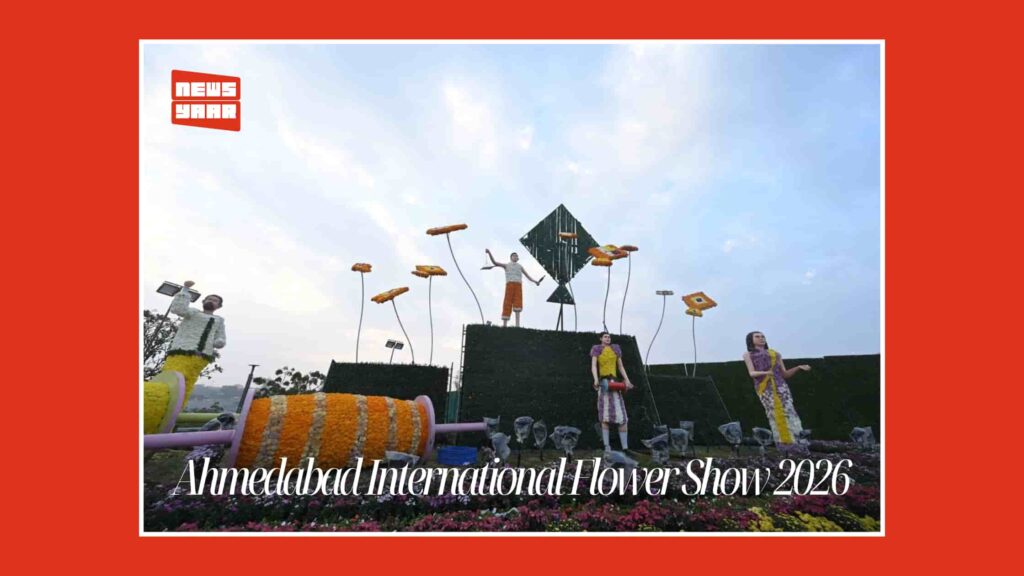
Ahmedabad has once again blossomed into a vibrant hub of creativity as the 14th International Flower Show 2026 opened at the Sabarmati Riverfront Event Centre.Organised by the Ahmedabad Municipal Corporation (AMC), this year’s spectacle, themed “Bharat Ek Gatha,” is on display from January 1 to January 22, 2026, inviting visitors from across India and around the world to witness a stunning fusion of floral art, culture, and history. A Floral Tale of India’s Journey The theme Bharat Ek Gatha aims to narrate the story of India’s civilisation from ancient roots to modern achievements, all through imaginative and artistic floral installations. Curators have designed the show to be more than a typical exhibition; it is a living narrative of the nation’s heritage and aspirations, expressed through millions of flowers arranged in thematic zones.These zones highlight everything from India’s spiritual traditions and festivals to its strides in science, technology, education, and innovation.Visitors can explore imaginative displays such as the “Sanatan Bharat” pavilion, which celebrates traditional knowledge, yoga, and classical arts, alongside floral structures that reflect India’s modern trajectory in sectors like renewable energy and digital technology. A specially dedicated floral arrangement on women’s empowerment (Stree Shaktikaran) graced the inauguration, adding depth and social context to the event’s storytelling. World Records and National Pride The 2026 edition of the Flower Show has drawn global attention by setting two Guinness World Records. One is for the world’s largest flower mandala, and the other for the world’s largest flower portrait of Sardar Vallabhbhai Patel.These accomplishments mark a hat-trick for the Ahmedabad Flower Show, following previous record-breaking floral achievements in 2024 and 2025. Prime Minister Narendra Modi lauded the spectacle, calling it “captivating” and an example of how creativity and public participation can elevate cultural expression.This year’s mega installations, including the expansive mandala and the striking portrait of Sardar Patel, reflect both a celebration of national unity and a tribute to India’s cultural icons, enhancing the show’s appeal as both an artistic and patriotic experience. What to See and Experience The exhibition covers a sprawling area along the riverfront and has been organised into multiple themed zones featuring more than a million flowers and plants from dozens of species. Classic floral art, intricate sculptures, fountains, and vibrant displays make the event a visual treat for families, artists, students, and tourists alike.Other attractions include themed sections dedicated to India’s festivals, landscapes, wildlife, and cultural motifs, ensuring that visitors enjoy both educational depth and aesthetic richness as they stroll the event grounds. Special children’s zones and interactive display areas add to the appeal for younger visitors and families. A Blooming Celebration of Culture The Ahmedabad International Flower Show is more than an exhibition; it has become a symbolic celebration of nature, creativity, community, and national pride. Blending artistic expression with cultural storytelling, the show continues to grow in scope, drawing large crowds and international attention year after year.As it runs through January 22, 2026, the event offers a unique opportunity for visitors to connect with India’s rich heritage through the universal beauty of flowers.