


Krishna Janmashtami and Dahi Handi 2026: Faith, Play and the Human Pyramid Tradition
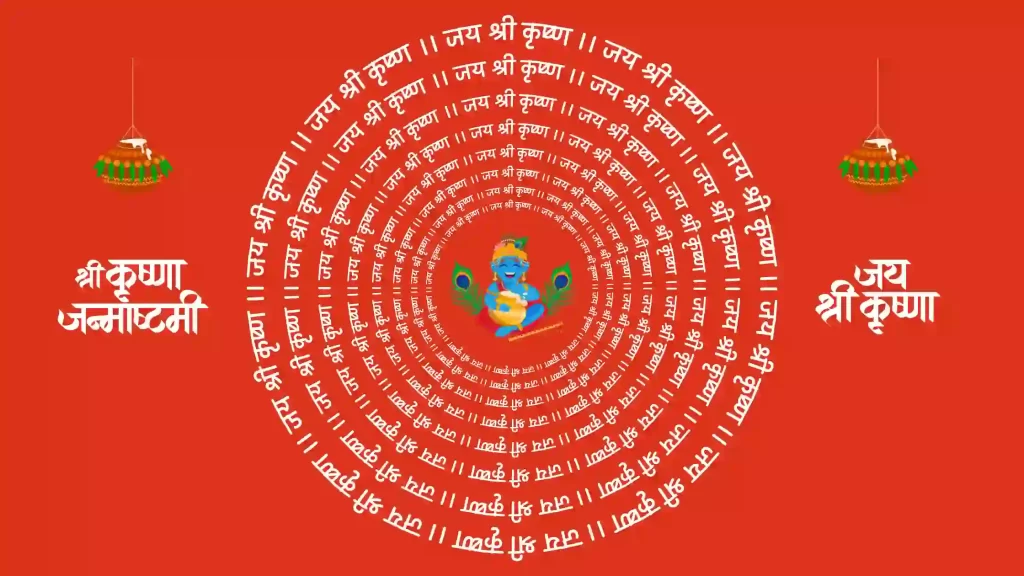
Krishna Janmashtami and Dahi Handi are two of India’s most vibrant religious festivals, and Janmashtami in particular is widely anticipated nationwide. The first is a reverent observance of Lord Krishna’s birth, while Dahi Handi, which follows on the next day, is a grand display of teamwork and tenacity as Govinda teams form human pyramids to reach a pot of yogurt that has been hoisted up a building or on a crane.The Story Behind The FestivalKrishna Janmashtami is the birthday of Lord Krishna, the eighth incarnation of Vishnu, who is widely worshiped across Hinduism as a divine figure. According to legend, Krishna was born in Mathura when his parents, Devaki and Vasudeva, were imprisoned by the tyrant king Kamsa. It is said that the newborn baby was smuggled across the Yamuna river to Gokul where he was raised by his foster parents Yashoda and Nanda. Krishna Janmashtami and Dahi Handi are celebrated extensively in Maharashtra, particularly in Mumbai, Thane, and Pune. On the day of Dahi Handi, which is followed by Janmashtami the next day, Govinda teams compete with each other to form human pyramids and reach a pot of curd that has been tied between two buildings or on a crane. Teams perform extensively and are showered with water, cheers, and chants by spectators.On the day of Dahi Handi, Govinda teams compete with each other to form human pyramids and reach a pot of curd that has been tied between two buildings or on a crane. Teams perform extensively and are showered with water, cheers, and chants by spectators. The pot, called the handi, is filled with curd, butter, milk, flattened rice, and fruits and sometimes contains a cash prize, and Govinda teams train hard for months to form human pyramids, some as high as five, seven, or even nine levels, in an attempt to reach it and break it open.Janmashtami: Devotion And RitualKrishna Janmashtami is a festival of personal faith, communal celebration, and devotion. Many devotees observe a fast until midnight, the believed time of Krishna’s birth, and only break it once the day has started. Temples are decorated, flower garlands and lamps are hung, and offerings of food are made and the evenings and nights are spent in prayer, song, and dance.In homes, altars are set up with pictures or idols of little Krishna, sometimes showing him crawling or stealing butter, and devotional songs and poems are sung and recited. Devotees believe that Krishna is not only a loving and wise deity but an all-powerful one and Janmashtami is seen by many as a chance to connect with Krishna in a deeper spiritual way.Dahi Handi: Faith As A Public PerformanceWhile Janmashtami is more of a devotional affair, Dahi Handi is a public display of faith and an expression of devotion in action. It has its epicentre in Maharashtra, where Govinda teams, or pathaks , compete to break as many handis (pots) as possible in a single day. Teams travel from place to place, sometimes on open trucks, with drums, music, and fans, and are cheered on by crowds. The teams then form human pyramids, with the strongest and heaviest men at the bottom and the lightest and agilest at the top, in an attempt to reach a pot of curd that has been tied between two buildings or on a crane. When the pot is broken open, the curd, milk, and fruits spill out, water is sprayed from nearby balconies, drums are beaten, and the pyramid collapses in a mass of cheers and laughter. It is a spectacle for the crowds, a test of strength and agility for the competitors.It is the combination of the height of the pyramid and the trust that the men at the top must place in the men at the bottom that makes Dahi Handi such an enthralling spectacle. The men at the top of the pyramid must trust that the men at the bottom, who are holding them up, will not fail. With their necks and backs exposed, they are at the mercy of the men below, who are risking their lives to make sure that they do not. It is not uncommon for men from different castes and classes to join forces, and for those who might not have crossed paths otherwise to find themselves working together in the name of the festival. For many, it is a chance to earn money, and for some it is a chance to earn fame and recognition. In recent years, teams have competed for large cash prizes and the festival has become a way for communities to not only come together but to assert their identity and show off their organisational skills.Safety, Regulation, And ChangeAs the festival has grown in popularity and scale, so too have the risks and dangers associated with it. In the past, there have been reports of serious injuries and even deaths as pyramids of men have fallen from great heights. As a result, rules have been put in place to try to reduce the risks and ensure the safety of participants. These include a ban on pyramids of more than a certain height and the use of body armour, helmets, and harnesses to protect participants.In addition to this, permission must be obtained from local authorities and first aid must be available at all times. Schools and housing societies are encouraged to participate in celebrations that do not involve large pyramids of people, especially where children are involved. But these restrictions have not dulled the enthusiasm for the festival and for the human pyramids that take centre stage in its celebrations. They have ensured that the festival continues to attract large crowds and participants, and the spectacle of seeing people forming pyramids of incredible heights is still as enthralling as ever. In recent years, all-female Govinda teams have also emerged, dazzling crowds with their displays.While Maharashtra is the festival’s epicentre, it is celebrated in other parts of the country as well, although it is not as widely observed elsewhere.
Pongal 2026: India Celebrates the Festival of Harvest with Tradition, Gratitude, and Unity
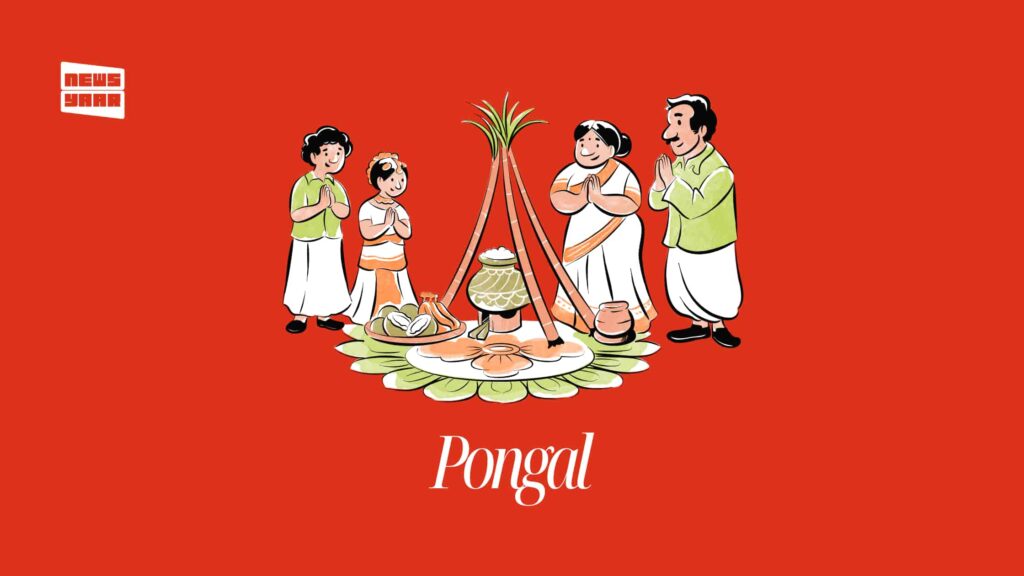
As the sun begins its northward journey, Tamil Nadu and Tamil communities across the globe come alive with joy, devotion, and cultural pride to celebrate Pongal 2026, one of India’s most significant harvest festivals. Observed annually in mid-January, Pongal marks gratitude to nature, farmers, cattle, and the Sun God for a bountiful harvest.Pongal 2026 will be celebrated over four days, each holding deep cultural and spiritual meaning.The festival begins with Bhogi Pongal, symbolising renewal and the discarding of old possessions to welcome positivity and prosperity. Homes are cleaned, bonfires are lit, and families prepare for new beginnings.The main day, Thai Pongal, is dedicated to Surya Dev (the Sun God). Families gather early in the morning to prepare the traditional sweet dish “Pongal” made from freshly harvested rice, jaggery, milk, and lentils.As the milk overflows from the pot, cries of “Pongalo Pongal!” echo through homes, symbolising abundance and good fortune. Colourful kolams (rangoli) adorn entrances, reflecting happiness and creativity.The third day, Mattu Pongal, honors cattle, recognizing their vital role in agriculture and rural life. Cows and bulls are bathed, decorated with flowers, and worshipped. In many villages, traditional events like Jallikattu add excitement, drawing large crowds and tourists.The celebrations conclude with Kaanum Pongal, a day for social bonding. Families visit relatives, enjoy outdoor picnics, and strengthen community ties. In 2026, urban celebrations are expected to blend tradition with modernity, featuring cultural programs, eco-friendly festivities, and digital greetings.Pongal 2026 also highlights sustainability and respect for nature. Many communities are choosing organic decorations, traditional cooking methods, and locally sourced ingredients, aligning the festival with environmental awareness.Beyond Tamil Nadu, Pongal is celebrated by the Tamil diaspora worldwide, from Sri Lanka and Malaysia to the US, UK, and Canada, making it a global cultural event.As Pongal 2026 arrives, it serves as a reminder of gratitude, hard work, and harmony between humans and nature, values that remain timeless in a rapidly changing world
International Kite Festival 2026: All You Need To Know
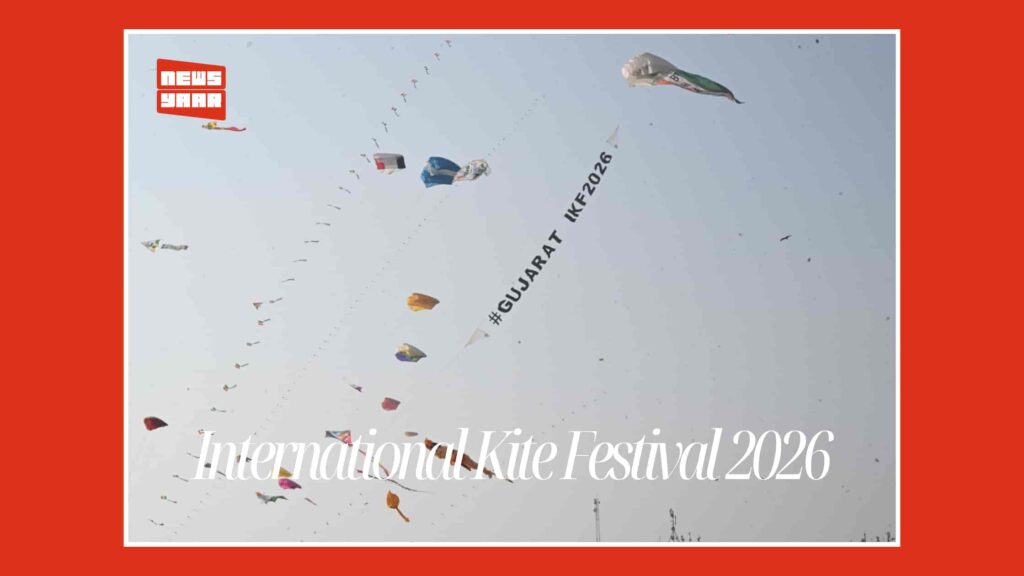
Ahmedabad transforms into a city of colours every January as it hosts the International Kite Festival, one of Gujarat’s most iconic cultural events. Celebrated alongside Uttarayan (Makar Sankranti), the festival draws kite flyers, artists, and tourists from across India and the world, turning the sky into a vibrant canvas.The International Kite Festival is held annually on January 14 and is organised by the Gujarat Tourism Department. The main events take place along the Sabarmati Riverfront and other designated venues across Ahmedabad. What began as a local harvest celebration has now grown into a globally recognised cultural festival.Participants from countries like Japan, Brazil, France, Italy, the UK, and the USA bring uniquely designed kites, showcasing creativity, craftsmanship, and cultural diversity.Why Ahmedabad Becomes the Kite Capital?During Uttarayan, almost every rooftop in Ahmedabad turns into a kite-flying arena. Families, friends, and neighbours gather from early morning till sunset, competing to cut each other’s kites while shouting the famous phrase, “Kai Po Che!”The festival symbolises the end of winter and the arrival of longer, sunnier days, making it a time of joy, hope, and renewal. For Gujaratis, kite flying is not just a pastime but a deeply rooted tradition passed down through generations.One of the biggest attractions is the display of giant kites, artistic designs, and night kite flying, also known as tukkals. These illuminated kites light up the evening sky and add a magical touch to the celebrations.Cultural performances, music, dance, and local food stalls enhance the festive atmosphere. Traditional Gujarati dishes like undhiyu, jalebi, and chikki are an essential part of the experience.Global Participation and Tourism BoostThe International Kite Festival plays a major role in promoting cultural exchange and tourism. International participants not only showcase their kite-flying skills but also engage with local traditions, making the event a meeting point of global cultures.Hotels, local markets, and tourism services see a significant boost during the festival, contributing to Ahmedabad’s economy.More Than a FestivalBeyond colours and competition, the International Kite Festival reflects the spirit of community, creativity, and celebration. It brings people together under one sky, reminding everyone of the joy found in simple traditions.As kites fly high above Ahmedabad, the festival continues to celebrate freedom, culture, and the timeless charm of Uttarayan, making it an unforgettable experience year after year.Video credit: @YT/NarendraModi
Lohri 2026: What You Need to Know About Punjab’s Lohri
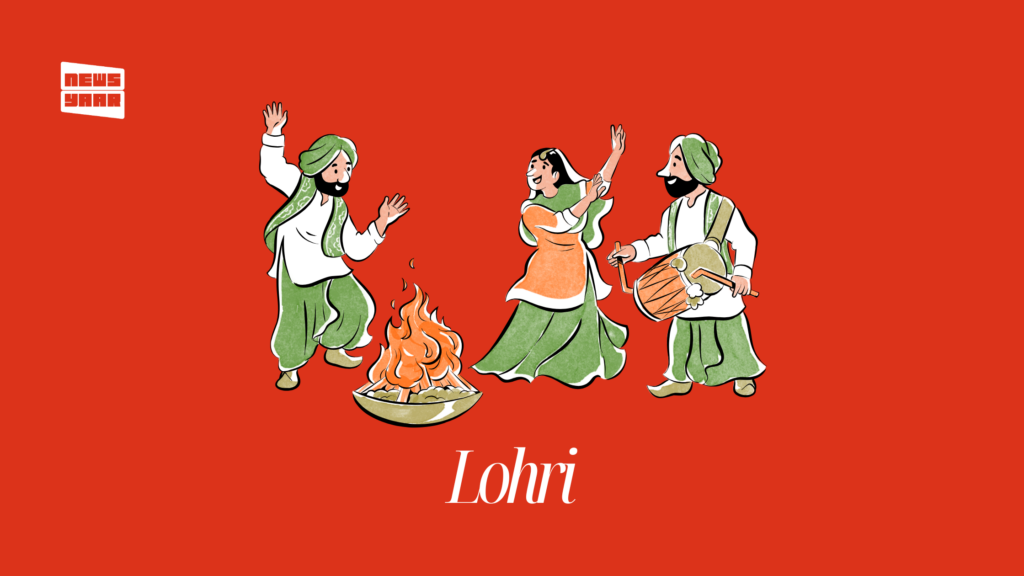
Lohri is one of the most vibrant and culturally rich festivals of North India, especially celebrated with great enthusiasm in Punjab, Haryana, Himachal Pradesh, and parts of Delhi.Observed every year on January 13, Lohri marks the end of winter and the arrival of longer days. Deeply rooted in Punjabi traditions, the festival is a celebration of warmth, harvest, community bonding, and gratitude. Why is Lohri celebrated? Lohri is closely associated with the harvest of rabi crops, particularly sugarcane and wheat. For farmers, it is a time to thank nature for a good harvest and pray for prosperity in the coming season.The festival also coincides with the solar movement before Makar Sankranti, symbolising the transition from cold, dark days to brighter and warmer times.Historically, Lohri is linked to folklore and legends, most notably the tale of Dulla Bhatti, remembered for helping young girls during difficult times. Folk songs sung around the bonfire often mention his bravery, keeping oral traditions alive across generations. The Bonfire: Heart of Lohri Celebrations The bonfire is the centrepiece of Lohri celebrations. Families and communities gather around it in the evening, offering rewri, gajak, peanuts, popcorn, and til to the fire. This ritual symbolises gratitude to the Sun God and the elements of nature.People walk around the fire, sing traditional songs, and offer prayers for happiness, good health, and abundance. The warmth of the fire reflects the spirit of togetherness that defines Lohri. Punjabi Traditions and Cultural Celebrations Lohri is incomplete without Punjabi folk music and dance. Men perform bhangra, while women dance gidda, dressed in colourful traditional attire. The beats of the dhol set the mood for celebration, turning villages and cities into lively cultural spaces.The festival holds special significance for newlyweds and newborns, as their first Lohri is celebrated with extra joy and rituals, symbolising new beginnings and blessings. More Than a Festival Lohri is more than just a seasonal celebration; it is a reflection of Punjabi identity, resilience, and joy. It brings people together, strengthens social bonds, and keeps cultural heritage alive in a rapidly modernising world.As Lohri approaches, the festival continues to remind communities of the importance of gratitude, unity, and celebrating life’s simple joys.
Makar Sankranti 2026: Know the Importance of the Festival
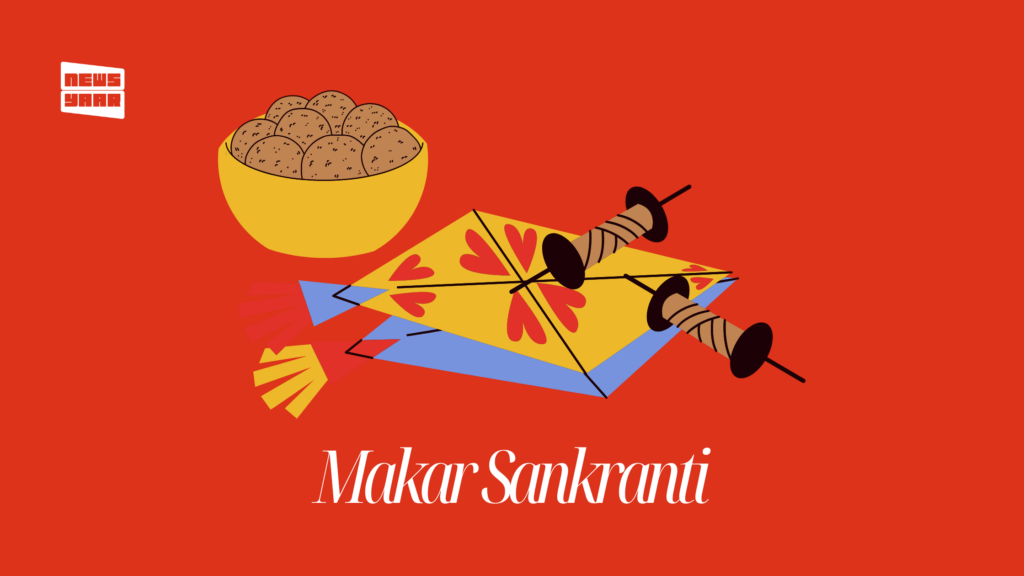
Makar Sankranti, one of India’s most widely celebrated harvest festivals, will be observed on January 14, 2026.Unlike many Hindu festivals that follow the lunar calendar, Makar Sankranti is based on the solar cycle, making its date largely fixed every year. The festival marks a significant event and holds deep cultural, spiritual, and agricultural importance across the country. Why Makar Sankranti Is Celebrated? Makar Sankranti signifies the Sun’s transition into the zodiac sign Capricorn (Makara). This movement marks the beginning of Uttarayan, the sun’s northward journey, which is considered highly auspicious in Hindu tradition.According to ancient beliefs, the period of Uttarayan symbolises light, positivity, and spiritual progress, while the previous phase, Dakshinayan, is associated with darkness and inactivity.The festival also marks the end of the winter solstice and the gradual lengthening of days, bringing warmth and renewed energy. Farmers across India celebrate it as a harvest festival, thanking nature for its bounty and welcoming a new agricultural cycle. Cultural Significance Across India Makar Sankranti is celebrated under different names in different regions, reflecting India’s cultural diversity.In Punjab, it is celebrated as Lohri, marked by bonfires and folk songs. Tamil Nadu observes it as Pongal, a four-day harvest festival. In Assam, it is known as Magh Bihu, while Gujarat celebrates with vibrant kite-flying festivals that fill the sky with colour.Despite regional variations, the essence of the festival remains the same: gratitude, renewal, and togetherness. Rituals and Traditions One of the most common rituals associated with Makar Sankranti is taking a holy dip in rivers such as the Ganga, Yamuna, and Godavari. It is believed that bathing on this day cleanses sins and brings spiritual merit.Another key tradition is the exchange of til (sesame) and jaggery sweets, symbolising unity, warmth, and harmony. The phrase “til-gud ghya ani god-god bola” reflects the spirit of speaking kindly and maintaining sweet relationships. Spiritual and Health Importance Makar Sankranti is not only spiritually significant but also aligned with seasonal health practices. Sesame seeds and jaggery, commonly consumed during this time, help generate warmth in the body and strengthen immunity during winter.Spiritually, the festival encourages people to move away from negativity and embrace discipline, charity, and self-reflection. Donating food, clothes, and essentials to the needy is considered highly auspicious. A Festival of Hope and Positivity As Makar Sankranti 2026 approaches, the festival serves as a reminder of the balance between nature, faith, and human life.It celebrates new beginnings, collective joy, and the timeless bond between tradition and daily living, making it one of the most meaningful festivals in India’s cultural calendar.