


Kanwar Yatra 2026: The Sacred Journey of Gangajal and Devotion
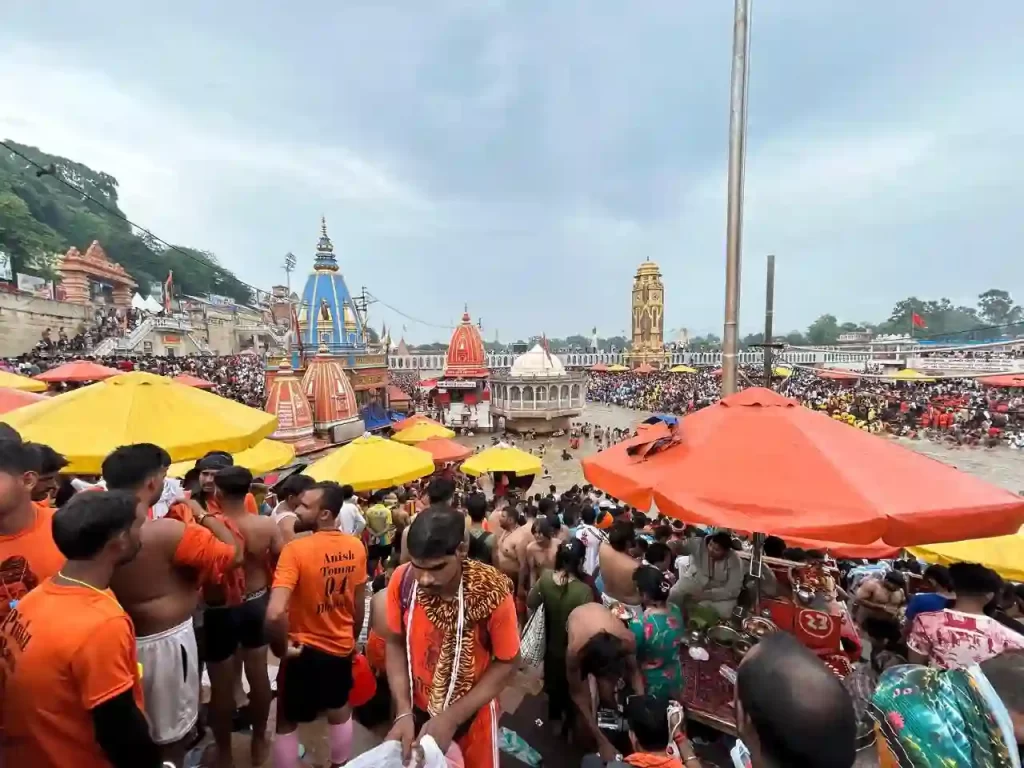
Every year during the holy month of Sawan, North India’s roads change character. Highways and town streets fill with saffron-clad devotees carrying decorated bamboo poles, devotional music travels through the monsoon air, and the chant of “Bol Bam” becomes a shared rhythm. This is the Kanwar Yatra, one of India’s largest annual pilgrimages dedicated to Lord Shiva. In 2026, the Haridwar Kanwar Mela is scheduled from July 30 to August 11, culminating on Sawan Shivratri, when devotees offer the sacred Ganga water they have carried to Shiva temples. More than a religious procession, the yatra is a powerful combination of faith, physical endurance, community service, and regional culture.What is the Kanwar Yatra?The Kanwar Yatra is an annual pilgrimage in which devotees, known as Kanwariyas, travel to sacred rivers, most commonly the Ganga at Haridwar, Gangotri, or Gaumukh, collect water in containers, and carry it back to their chosen Shiva temple. The water is then offered to the Shivling in a ritual known as Jalabhishek. The central object of the pilgrimage is the kanwar, a bamboo or wooden pole with water pots suspended from both ends. It is carried across the shoulders, and devotees traditionally ensure that the kanwar does not touch the ground or become impure during the journey. Many pilgrims walk barefoot, observing dietary restrictions and maintaining a disciplined devotional routine.The most widely associated origin of the Kanwar Yatra comes from the legend of Samudra Manthan, or the churning of the cosmic ocean. According to Hindu mythology, the churning produced the deadly poison halahal, which threatened all creation. Lord Shiva consumed the poison to save the universe, causing his throat to turn blue and earning him the name Neelkanth, or the blue-throated one. To cool the burning effect of the poison, Ganga water was offered to Shiva. The Kanwar tradition is understood as a continuation of that act of devotion. Another popular account connects the practice with Ravana, an ardent devotee of Shiva, who is believed to have carried Ganga water in a kanwar and offered it to the deity. Some traditions also associate the earliest Kanwar pilgrimage with Parashuram, who is believed to have carried Gangajal to a Shiva shrine in present-day western Uttar Pradesh. These legends differ in detail, but they share the same central idea: carrying sacred water to Shiva is an act of service, faith, and gratitude.Why is Sawan Important?Sawan, or Shravan, is regarded as one of the most sacred months for Shiva worship. The monsoon transforms the landscape, rivers are replenished, and devotees believe that prayers, fasting, and offerings made during this period carry special spiritual significance. For Kanwariyas, the pilgrimage becomes a vow undertaken during this auspicious month. The physical hardship, walking long distances, sleeping in temporary shelters, and carrying the kanwar continuously, is treated as part of the devotional offering. The journey is not merely a means of reaching a temple; it is itself an act of worship.Kanwar Yatra 2026 DatesThe 2026 Haridwar Kanwar Yatra is scheduled to begin on July 30, the first day of Sawan, and continue until August 11, the day of Sawan Shivratri. The period from August 7 to August 11 is expected to see particularly heavy pilgrim movement as devotees prepare for Jalabhishek. Devotees travel from Delhi, Uttar Pradesh, Haryana, Rajasthan, Punjab, Bihar, Jharkhand, Madhya Pradesh, Chhattisgarh, and other regions. Some walk the entire distance, while others use vehicles for parts of the route before completing the ritual journey on foot. Haridwar turns saffron. During the yatra, Haridwar becomes the principal gathering point for millions of devotees. Pilgrims take a ritual bath in the Ganga, collect water from the river, decorate their kanwars, and begin the return journey toward their home temples.The city takes on a distinctive appearance as saffron flags, temporary camps, devotional stages, and service centres appear along roads and riverbanks. The atmosphere combines intense religious energy with the practical organisation required to support a large, moving population of pilgrims.The chant of “Bol Bam,” “Bam Bam Bhole,” and “Har Har Mahadev” becomes the soundscape of the yatra. For many participants, chanting together creates a sense of solidarity that makes the physical journey feel shared rather than individual. One of the defining features of the Kanwar Yatra is the network of temporary facilities established along the routes. Makeshift camps, known as Kanwar camps, provide spaces for rest, food, water, medical assistance, and sometimes bathing and sanitation. Many NGOs, religious organisations, local residents, and volunteers operate free food stalls, tea points, water stations, and medical camps. This service is often seen as seva, or selfless service, and it reflects one of the most important social dimensions of the yatra: the pilgrimage is sustained not only by the devotees walking but also by communities supporting them.Spiritual Discipline and Physical EnduranceThe Kanwar Yatra demands considerable physical effort. Pilgrims may walk for several days or weeks, often in hot and humid conditions, on crowded roads and uneven surfaces. Many choose to go barefoot, observe dietary restrictions, and maintain a disciplined routine throughout the journey. The difficulty is intentional for many devotees. The hardship becomes a form of tapasya, or spiritual discipline, through which the pilgrim expresses dedication to Shiva. The kanwar carried on the shoulders becomes both a physical weight and a symbol of responsibility, faith, and personal commitment. At the same time, pilgrims should not ignore medical needs. Hydration, rest, appropriate footwear where permitted, first aid, and attention to signs of heat exhaustion or injury are essential for a safe journey.The Kanwar Yatra has a major effect on transport, commerce, and public life across northern India. Roads are often diverted, dedicated lanes are created, and traffic restrictions may be imposed to protect pilgrims. Hotels, shops, transport operators, food vendors, medical providers, and temporary camp operators all experience a sharp rise in activity. The pilgrimage also creates seasonal employment and income for local communities. However, its scale requires careful planning because large crowds place pressure on roads, sanitation systems, hospitals, water supplies, and waste-management facilities. A safe and successful yatra