


GIFT City Updates: IPO Withdrawal, New Initiatives, and Growth Milestones in Gujarat’s Financial Hub
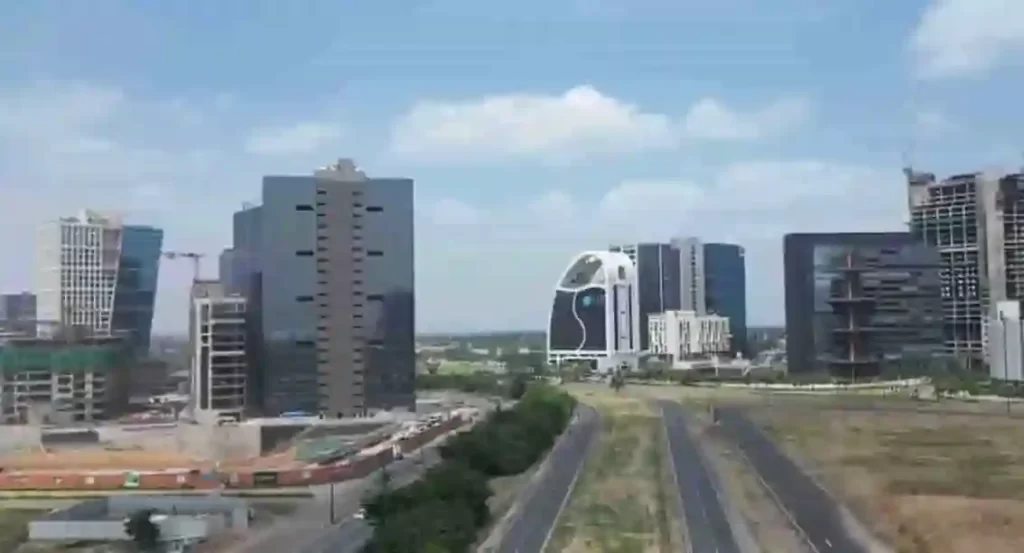
Gandhinagar, April 2026 – Gujarat International Finance Tec-City (GIFT City) saw key developments this week. These include the withdrawal of the first GIFT City IPO, the launch of an industry-academia collaboration series, Niyam Group’s insurance authorization, and recognition as India’s first fully operational global financial hub. All details are from official sources, IFSCA, and company statements.XED Executive Development Withdraws $12 Million IPOXED Executive Development, the first company to launch an IPO in GIFT City, withdrew its $12 million share sale on Monday.Reason: Weak investor demand due to global uncertainties.Subscription: Only 5% of the offer size, per NSE International Exchange data, despite extensions.Company statement: “We withdraw in the current environment and plan to return at a better time.” Informed GIFT City-IFSC and exchanges.Challenges: KYC bottlenecks for retail investors; caution from institutions amid volatility and low liquidity.Impact: Industry calls it a setback for GIFT City’s IFSC ambitions against global hubs.GIFT City Launches Industry-Academia Roundtable SeriesGIFT City started its Industry-Academia Roundtable series to align talent with IFSC needs.First event: Held recently in GIFT City with leaders from Ahmedabad/Gandhinagar universities, tech firms, and GCC companies.Focus areas:Curriculum alignment with financial services, fintech, and tech.Structured internships and live projects.Research collaboration and talent pipelines.Quotes:Ms. Shefali Gaur, IBM: “Future workforce needs adaptability, digital fluency, and problem-solving. These platforms build employable talent.”Mr. Nimay Kalyani, University of Wollongong: “Evolve from alignment to integration for job-ready graduates.”Future: Expand to key Indian cities to boost employability and partnerships.Niyam Group Gets Tier 2 Insurance Intermediary ApprovalNiyam Group received IFSCA approval as a Tier 2 Insurance Intermediary Office (IIO) in GIFT City.Launch: January 2026 by insurance veteran Bobby Swarup (20+ years experience).Focus: Bring reinsurance capacity to India; supports Viksit Bharat 2047.Key approvals: Lloyd’s of London for Syndicate 2047; first IIO to offer Lloyd’s capacity from GIFT City.Principal Officer: Sumit Aneja, based in GIFT City, to scale operations.Quotes:Aneja: “Focused on building a high-performing team for Vision 2047.”Company: “Grateful to IFSCA; GIFT City key to India’s re/insurance growth.”GIFT City: India’s First Fully Operational Global HubGIFT City is now India’s first fully operational global financial and IT hub.Vision: Started under PM Narendra Modi as Gujarat CM; advanced by CM Bhupendra Patel.Features: Policy-driven center with financial services, tech, regulatory ease, and infrastructure.Goal: Serve India and the world by competing with global financial centers.Status: Transformed into a vibrant ecosystem per official press release.Recent Developments RecapXED IPO Withdrawal: First GIFT City IPO ($12M) pulled due to 5% subscription amid global issues and KYC hurdles.Industry-Academia Roundtables: New series bridges education and fintech needs; first event with universities and firms like IBM.Niyam Group Approval: Tier 2 IIO license; first to offer Lloyd’s Syndicate 2047 capacity; led by Sumit Aneja.Hub Milestone: Fully operational global finance/IT center, envisioned by PM Modi and advanced by CM Bhupendra Patel.Future Plans for ExpansionGIFT City targets rapid scaling post-2026:GCCs and Innovation: Priority on Global Capability Centres (GCCs), Global Innovation Centres (GICs), and centres of excellence for cost advantages.Workforce Goal: 100,000 jobs by 2030.Infrastructure: Add 10.25M sq ft (DTA, ~52,300 jobs) + 12.26M sq ft (SEZ, ~84,600 jobs) by FY2030; total 136,900+ new jobs.Residential: 7,500 units by 2030 for a live-work balance.Talent Focus: Deeper skills via partnerships, regulatory sandboxes, and social infrastructure. Outreach: Global events like Davos drive commitments beyond banking.Comparison: GIFT City vs. DIFC (Dubai) and SingaporeGIFT City competes effectively with established hubs, emphasizing India’s market access and low costs.FeatureGIFT City DIFC (Dubai) gift.Singapore Tax Exemptions100% for 10 years (profits, gains, no GST/MAT)0% on qualifying Free Zone income; 50-year holiday possibleAttractive rates, treatiesOperational CostsLowModerateHighRegulationsIFSCA: Flexible, global standardsStrict, investor-friendlyBusiness-friendly, GST exemptionsMarket AccessIndia’s 1.4B populationMiddle East/AfricaAsia-PacificSetup EaseSimple for funds/fintechUSD 50M AUM min for someHigh but costlyBest ForCost-effective offshore financeHigh-net-worth family officesEstablished tradingGIFT City excels in tax holidays and proximity to India’s growth, while DIFC offers long-term certainty for larger assets.Strategic ImportanceDespite IPO hiccups, GIFT City’s momentum – via reinsurance, talent initiatives, and expansions- positions it as a rival to offshore hubs like Singapore/Mauritius. It supports India’s Viksit Bharat 2047 vision with reinsurance capacity and fintech innovation.These updates show GIFT City’s push in finance, talent, and reinsurance despite challenges like the IPO pullback. The hub strengthens Gujarat’s role in India’s economy.
Dholera: India’s First Greenfield Smart City Taking Shape in Gujarat
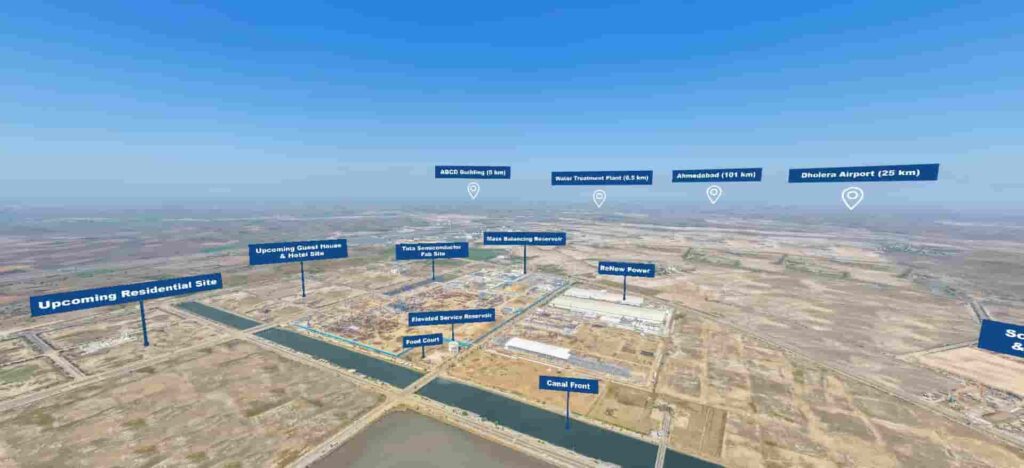
Dholera has emerged as one of India’s most ambitious urban development projects, envisioned as the country’s first greenfield smart city under the Delhi-Mumbai Industrial Corridor (DMIC). Located in Gujarat’s Ahmedabad district, Dholera is being developed from scratch with a focus on sustainable infrastructure, advanced technology, and industrial growth, positioning it as a future economic powerhouse.The project reflects India’s long-term vision of creating next-generation urban centres that can support rapid industrialisation while maintaining environmental balance and efficient governance.Vision Behind Dholera Smart CityUnlike traditional cities that evolve over time, Dholera has been planned as a greenfield city, meaning it is being built on previously undeveloped land with a fully integrated master plan.The objective behind Dholera is to:Decongest existing metropolitan citiesCreate a global manufacturing and investment hubProvide world-class infrastructure for industries and residentsDrive economic growth through planned urbanisationThe city is a key node of the Delhi Mumbai Industrial Corridor, one of India’s largest infrastructure initiatives aimed at boosting industrial development between Delhi and Mumbai.Strategic Location and ConnectivityDholera’s location gives it a strong strategic advantage. It lies around 100 kilometres from Ahmedabad and is well connected through major transport networks.The city is being linked via:The Ahmedabad-Dholera ExpresswayProposed metro rail connectivityDedicated freight corridorsProximity to ports along the western coastOne of the most important infrastructure components supporting the city is the Dholera International Airport, which is expected to enhance both domestic and international connectivity, making Dholera a globally accessible hub.Infrastructure and Smart City FeaturesDholera is being developed with a focus on future-ready infrastructure, incorporating smart technologies and sustainable systems.The city’s planning includes:Underground utility systems (electricity, water, telecom)Smart traffic management and surveillance systemsHigh-speed internet and digital connectivityIntegrated command and control centresThe infrastructure is designed to ensure efficiency, reduce congestion, and provide a high quality of life for residents and businesses.Industrial and Economic PotentialOne of the primary goals of Dholera is to function as a major industrial hub. Large tracts of land have been allocated for manufacturing, logistics, and commercial activities.The city is expected to attract:Domestic and international investorsManufacturing units across sectorsTechnology and innovation-driven industriesSpecial economic zones and industrial clusters are being planned to encourage exports and boost employment opportunities.Sustainability and Environmental PlanningA key highlight of Dholera is its focus on sustainability. The city is being designed to minimise environmental impact while supporting large-scale development.This includes:Use of renewable energy sources such as solar powerEfficient water management and recycling systemsGreen spaces and eco-friendly urban planningThe emphasis on sustainability aligns with global trends in urban development, making Dholera a model for future smart cities in India.Phased Development and Current ProgressThe development of Dholera is being carried out in phases, with initial focus on activating core infrastructure and industrial zones.The Activation Area—considered the first phase of development—has already seen progress in terms of:Road networksUtility infrastructureLand allocation for industriesAs infrastructure continues to develop, the city is gradually moving from planning to implementation, with increasing interest from investors and businesses.Challenges and ExpectationsWhile the vision for Dholera is ambitious, the project also faces challenges such as:Attracting sustained investmentEnsuring timely infrastructure developmentCreating residential demand alongside industrial growthThe success of the city will depend on how effectively these challenges are managed over time.A Glimpse into India’s Urban FutureDholera represents a shift in India’s approach to urbanisation—moving towards planned, technology-driven, and sustainable cities rather than unstructured expansion.As the project progresses, it is expected to serve as a benchmark for future smart city initiatives across the country.Dholera is not just a city under construction; it is a long-term vision of how India aims to balance growth, infrastructure, and sustainability. With its strategic location, advanced planning, and industrial focus, it has the potential to redefine urban development and emerge as a major economic hub in the years to come.
Vibrant Gujarat Global Summit 2026: Rajkot to Host Regional Conference Focusing on Saurashtra–Kutch Growth
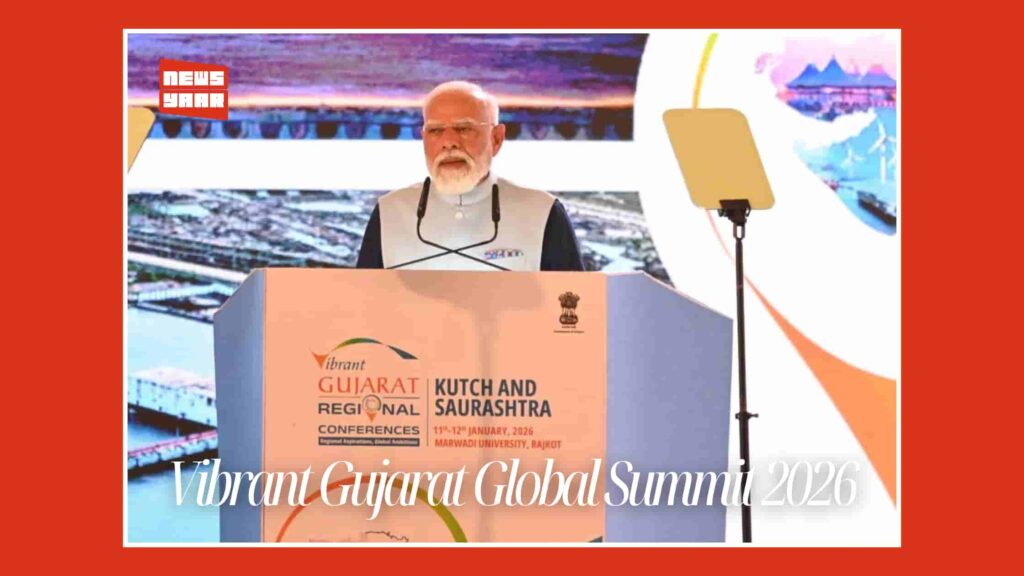
The Vibrant Gujarat initiative, one of India’s most influential investment and policy platforms, will continue its next phase in 2026 through region-specific conferences, with Rajkot hosting the Vibrant Gujarat Regional Conference (VGRC) for the Saurashtra–Kutch region. The move marks a strategic shift towards decentralised economic development, taking the Vibrant Gujarat vision beyond mega summits and closer to regional industry clusters.While the Vibrant Gujarat Global Summit is scheduled to return in 2027, the 2026 regional conferences are designed to strengthen grassroots industrial growth, attract targeted investments and align regional strengths with national development priorities.Dates and VenueEvent: Vibrant Gujarat Regional Conference (Saurashtra–Kutch)Dates: January 11 and 12, 2026Exhibition Duration: January 11 to January 15, 2026Venue: Marwadi University, Rajkot, GujaratRajkot, a major industrial and commercial hub of Saurashtra, has been chosen for its strong presence in engineering goods, auto components, ceramics, MSMEs and export-oriented manufacturing.What Is the Vibrant Gujarat Regional Conference?The Vibrant Gujarat Regional Conference is an extension of the state’s flagship Vibrant Gujarat Global Summit, launched to promote region-specific investment, sector-based policy discussions and local entrepreneurship.Unlike the larger biennial global summit held in Gandhinagar, the regional conferences focus on:District-level industrial strengthsLocal infrastructure and logisticsMSMEs, startups and traditional industriesEmployment generation and skill developmentThe Rajkot edition will specifically address economic opportunities and challenges in Saurashtra and Kutch, two regions with high industrial potential and strategic coastal advantages.Key Focus Areas and SectorsThe 2026 Rajkot conference will focus on both traditional industries and emerging sectors critical to Gujarat’s long-term growth strategy.Core Industry SectorsEngineering and auto componentsCeramics and manufacturing clustersAgro-processing and food industriesPorts, logistics and maritime tradePetrochemicals and mineralsEmerging and Priority SectorsRenewable energy and green manufacturingGreen hydrogen and clean fuel projectsDefence manufacturing and innovationStartups, MSMEs and entrepreneurshipSkill development and employment-linked industriesTourism and cultural economyThe discussions are aligned with India’s long-term development roadmap, including the Viksit Bharat @2047 vision.Key Events and HighlightsThe Vibrant Gujarat Regional Conference 2026 will feature a range of policy, business and networking platforms:Inaugural session and leadership addresses, including participation from senior central and state government leadersSector-specific conferences and panel discussions focusing on investment opportunities, policy reforms and technology adoptionReverse Buyer–Seller Meets, enabling direct interaction between domestic producers and international buyersVibrant Gujarat Regional Exhibition, showcasing industrial innovation, products and services across key sectorsUdyami Mela, aimed at promoting startups, MSMEs, women entrepreneurs and government schemesThe exhibition will run for five days, providing extended engagement opportunities for investors, businesses and the general public.Investment Outlook and Regional ImpactThe Rajkot conference is expected to play a significant role in:Attracting fresh domestic and foreign investmentsStrengthening Gujarat’s manufacturing and export ecosystemPromoting sustainable and green industrial practicesExpanding employment opportunities in Saurashtra and KutchPositioning the region as a multi-sector industrial and logistics hubPrevious regional conferences under the Vibrant Gujarat banner have resulted in substantial investment commitments and long-term industrial planning at the district level.Who Should AttendThe event is relevant for:Indian and global investorsIndustry leaders and exportersStartups and MSMEsPolicy makers and government officialsEntrepreneurs and business associationsProfessionals interested in Gujarat’s industrial and economic roadmapParticipation details and registrations are available through the official Vibrant Gujarat platforms.Why the 2026 Rajkot Conference MattersBy hosting the Vibrant Gujarat Regional Conference in Rajkot, the Gujarat government is reinforcing its approach of balanced regional development, ensuring that growth opportunities extend beyond major urban centres.The 2026 edition positions Saurashtra–Kutch as a critical contributor to Gujarat’s and India’s economic future, combining industrial strength, coastal advantage, innovation and sustainability.Video credit: YT@/NaMo
A Millennium of Faith and Civilisational Pride at the Somnath Swabhiman Parv 2026
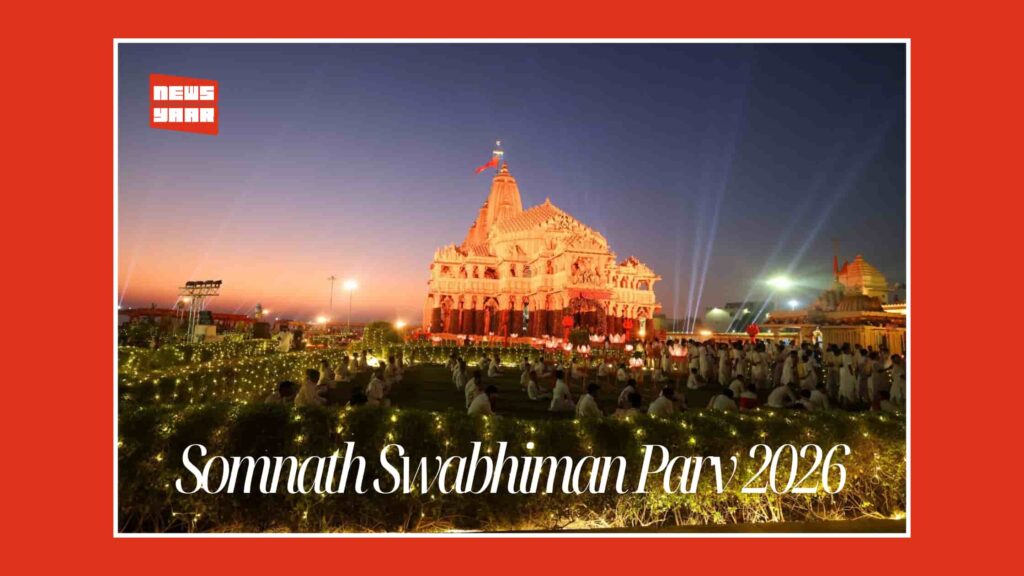
Somnath (Gujarat): The coastal town of Somnath is witnessing a grand national celebration as the Somnath Swabhiman Parv unfolds this year, honouring 1,000 years of unbroken faith and resilience tied to the iconic Somnath Temple.Observed from January 8–11, 2026, the event commemorates both a millennium since the first recorded attack on the temple and 75 years since its post-Independence reconstruction. It has drawn devotees, dignitaries and citizens from across India to reflect on India’s spiritual heritage and civilisational strength.Historic Significance Behind the CelebrationThe Somnath Swabhiman Parv marks a historic milestone in the temple’s long journey. In January 1026, the temple was attacked by Mahmud of Ghazni, initiating a series of invasions over centuries that repeatedly destroyed and tested this sacred shrine.Despite these challenges, the Somnath Temple was rebuilt numerous times, becoming a powerful symbol of Indian civilisation’s depth and resilience. This enduring spirit is central to the Parv’s celebrations, with organisers emphasising not the devastation of the past but the unbroken continuity of faith.The year 2026 is doubly significant because it also marks 75 years since the temple’s reconstruction was completed and opened to the public in 1951, following India’s independence. This intertwines the celebration with modern India’s journey of nation-building and cultural revival.Prime Minister Leads National ObservancePrime Minister Narendra Modi visited Somnath to participate in the Swabhiman Parv, highlighting the temple’s role as a symbol of civilisational courage and cultural pride.During his three-day visit, he took part in traditional rituals, offered prayers and addressed gatherings that reflected on the temple’s significance as a cornerstone of India’s spiritual identity. Modi also underscored that the Parv honours those who preserved the heritage and spirit of Somnath across the centuries.Spiritual and Cultural Activities Across the ParvThe four-day Parv featured a range of devotional and cultural events designed to engage visitors and deepen public appreciation of the temple’s legacy. A notable highlight was the 72-hour Akhand Omkar chanting, a continuous recitation symbolising unity and collective devotion. The temple town also hosted devotional music performances, cultural programmes, and spiritual discourses, creating an atmosphere of reflection and reverence.The celebrations have been so well-received that the Gujarat government extended the Parv until January 15, enabling more devotees to participate in the festivities and anniversary observances.A Symbol of Faith and National IdentityMore than a festival, the Somnath Swabhiman Parv is being viewed as a collective affirmation of India’s civilisational strength, spiritual continuity and cultural pride.As visitors from across the nation continue to join in the celebrations, the Parv reaffirms Somnath’s place not only as a revered pilgrimage site but also as a testament to the enduring faith and resilience that have defined the region across centuries.Video credit: YT@/NaMoVideo credit: YT@/NaMoVideo credit: YT@/NaMo
International Kite Festival 2026: All You Need To Know

Ahmedabad transforms into a city of colours every January as it hosts the International Kite Festival, one of Gujarat’s most iconic cultural events. Celebrated alongside Uttarayan (Makar Sankranti), the festival draws kite flyers, artists, and tourists from across India and the world, turning the sky into a vibrant canvas.The International Kite Festival is held annually on January 14 and is organised by the Gujarat Tourism Department. The main events take place along the Sabarmati Riverfront and other designated venues across Ahmedabad. What began as a local harvest celebration has now grown into a globally recognised cultural festival.Participants from countries like Japan, Brazil, France, Italy, the UK, and the USA bring uniquely designed kites, showcasing creativity, craftsmanship, and cultural diversity.Why Ahmedabad Becomes the Kite Capital?During Uttarayan, almost every rooftop in Ahmedabad turns into a kite-flying arena. Families, friends, and neighbours gather from early morning till sunset, competing to cut each other’s kites while shouting the famous phrase, “Kai Po Che!”The festival symbolises the end of winter and the arrival of longer, sunnier days, making it a time of joy, hope, and renewal. For Gujaratis, kite flying is not just a pastime but a deeply rooted tradition passed down through generations.One of the biggest attractions is the display of giant kites, artistic designs, and night kite flying, also known as tukkals. These illuminated kites light up the evening sky and add a magical touch to the celebrations.Cultural performances, music, dance, and local food stalls enhance the festive atmosphere. Traditional Gujarati dishes like undhiyu, jalebi, and chikki are an essential part of the experience.Global Participation and Tourism BoostThe International Kite Festival plays a major role in promoting cultural exchange and tourism. International participants not only showcase their kite-flying skills but also engage with local traditions, making the event a meeting point of global cultures.Hotels, local markets, and tourism services see a significant boost during the festival, contributing to Ahmedabad’s economy.More Than a FestivalBeyond colours and competition, the International Kite Festival reflects the spirit of community, creativity, and celebration. It brings people together under one sky, reminding everyone of the joy found in simple traditions.As kites fly high above Ahmedabad, the festival continues to celebrate freedom, culture, and the timeless charm of Uttarayan, making it an unforgettable experience year after year.Video credit: @YT/NarendraModi