


Raksha Bandhan 2026: The Thread That Ties Siblings, Families, and Generations
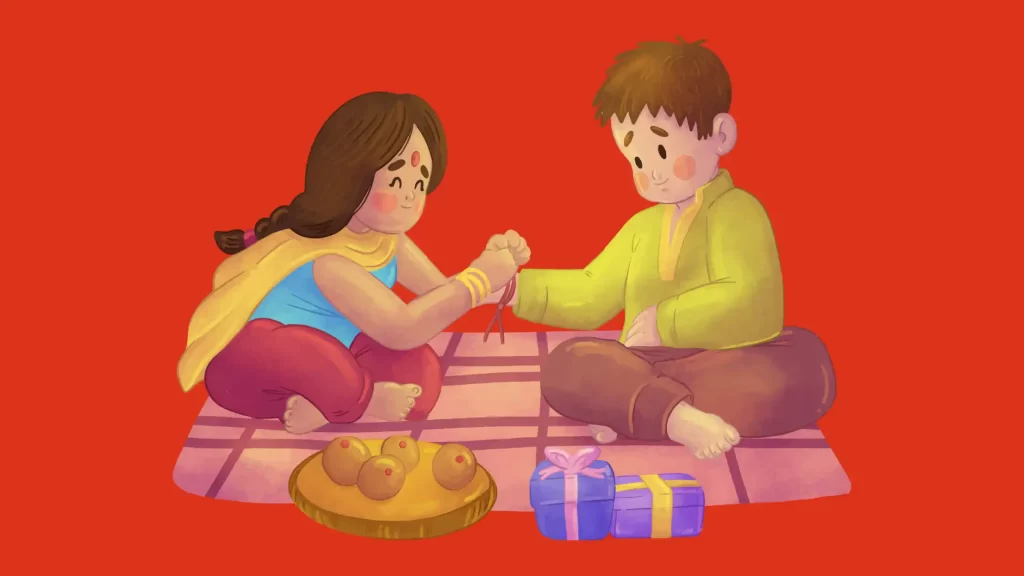
Raksha Bandhan is one of those festivals that feels both intimate and universal. At its heart is a simple ritual: a sister ties a thread around her brother’s wrist, offering prayers for his well-being, while he promises to protect and support her. Yet that small act carries layers of meaning, about family, duty, affection, memory, and the changing ways in which relationships are lived and understood in contemporary India. In 2026, Raksha Bandhan will be observed on August 28, on the full moon day (Purnima) of the Hindu month of Shravana. Across the country, homes will fill with the scent of sweets, phones will buzz with video calls between siblings who live far apart, and markets will overflow with colourful rakhis, gift boxes, and festive decorations. When is Raksha Bandhan 2026?Raksha Bandhan falls on Shravan Purnima, the full moon day in the month of Shravana, which usually corresponds to July or August in the Gregorian calendar. In 2026, the festival is expected to be observed on Thursday, August 28. As with many Hindu festivals, the exact timing of rituals may vary slightly depending on regional calendars and local traditions, but the central date remains anchored to the full moon of Shravana, a month traditionally associated with devotion, monsoon, and familial bonds. The core ritual of Raksha Bandhan is straightforward but deeply symbolic. Sisters tie a rakhi, a sacred thread, often decorated with beads, motifs, or small charms, around their brothers’ wrists. Along with the rakhi, they may offer sweets, perform a small puja, and apply a tilak on the brother’s forehead. In return, brothers give gifts, often in the form of money, clothes, jewellery, or other tokens, and make a verbal promise to protect and support their sisters. This exchange is not merely transactional; it is a reaffirmation of a relationship that is expected to endure across distance, time, and life’s changes. For many families, the ritual extends beyond biological siblings. Cousins, close friends, and even neighbours may participate, turning Raksha Bandhan into a broader celebration of kinship and care. In some communities, women also tie rakhis to priests, mentors, or public figures as a mark of respect and symbolic protection.Origins and Evolving MeaningsLike many Indian festivals, Raksha Bandhan does not have a single, fixed origin story. Over time, it has accumulated multiple layers of myth, history, and cultural practice. Some accounts link it to ancient legends in which queens sent rakhis to neighbouring rulers as a plea for protection, while others connect it to stories from the epics where divine or royal figures exchanged threads as a symbol of alliance and care. What is clear is that the festival has evolved. In earlier periods, it may have been more closely tied to ideas of martial protection and political alliance. In modern times, it has become more domesticated, centred on sibling relationships, emotional bonds, and the practical realities of family life in a rapidly changing society. One of the most striking aspects of contemporary Raksha Bandhan is how it adapts to new realities. In a country where migration for education and work is common, many siblings no longer live in the same city, let alone the same home. Yet the festival persists, often reimagined through technology and logistics. Rakhis are couriered across states and countries. Video calls replace physical presence, with sisters tying rakhis on screen while brothers do the same on their end. Gifts are ordered online and delivered directly, sometimes with personalised messages or customised designs. For many families, the ritual is no longer bound by geography; it is sustained by intention and effort. This adaptation does not diminish the festival’s meaning. Instead, it shows how deeply the idea of sibling connection is valued. Even when physical proximity is not possible, the act of tying a rakhi, exchanging gifts, and speaking words of care remains a way of saying: “You matter to me, and our bond endures.”While Raksha Bandhan is popularly described as a “brother–sister” festival, its social reach is wider. In some communities, women tie rakhis to other women, redefining the ritual as a celebration of mutual support rather than gendered protection. In other contexts, rakhis are tied to soldiers, police personnel, or public servants as a gesture of gratitude and collective responsibility. There are also growing conversations about how the festival can be made more inclusive. For families where sibling relationships are complicated by distance, estrangement, loss, or gender dynamics, Raksha Bandhan can be both a comfort and a challenge. Some choose to celebrate the day by honouring friends, mentors, or chosen family, while others use it as a moment to reflect on what protection, care, and responsibility mean in their own lives. Raksha Bandhan has a significant economic dimension. In the weeks leading up to the festival, markets fill with rakhis of every kind, from simple threads to elaborate designer pieces, from traditional motifs to characters from popular culture. Sweet shops, gift stores, jewellery outlets, and online platforms all see a surge in demand. For many small businesses, this period is an important part of the annual cycle. Artisans who make rakhis, confectioners who prepare festive sweets, and delivery services that handle the rush all benefit from the heightened activity. At the same time, there is growing awareness around sustainability, with many consumers opting for eco-friendly rakhis, locally made products, and gifts that prioritise quality over quantity. Raksha Bandhan As A Public ObservanceRaksha Bandhan is listed as an optional or restricted holiday in India. This means that while individuals can choose to take the day off, most government offices, businesses, and schools remain open. The flexible holiday system reflects the country’s diverse religious landscape, allowing people to observe festivals according to their own traditions without imposing a uniform shutdown. For many families, this means that celebrations often take place in the evening or on the nearest weekend, when siblings can gather without conflicting with work or school schedules. The festival’s timing, therefore, is shaped not only by the lunar calendar but also by the rhythms of modern
Maha Shivaratri 2026: Significance, Rituals, and Grand Celebrations Across India
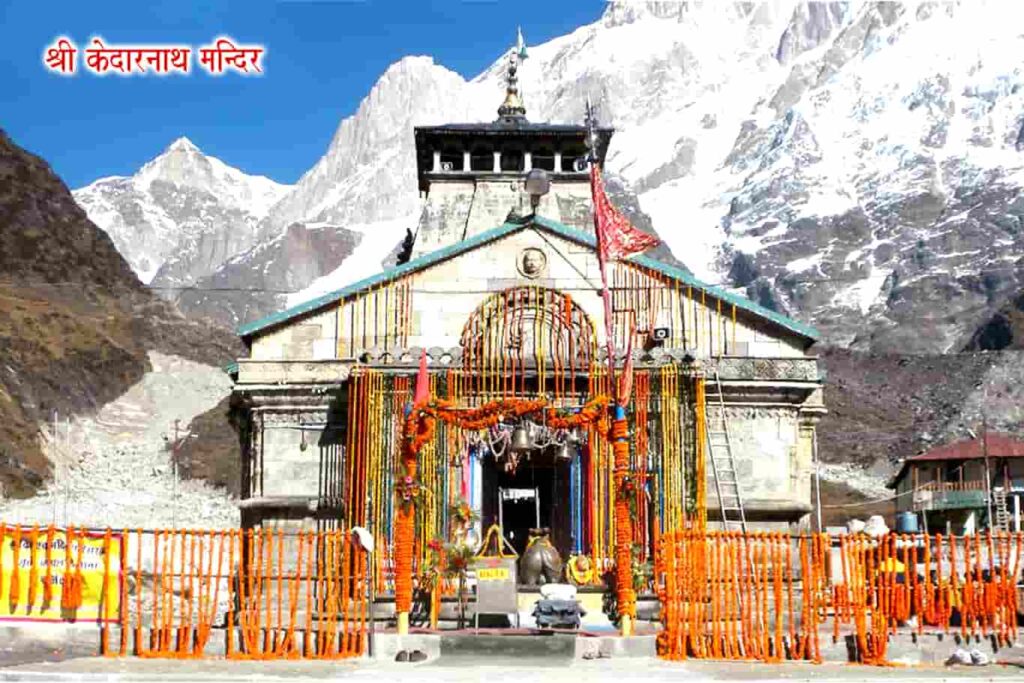
Coimbatore/Bengaluru/Bhubaneswar – Maha Shivaratri, one of Hinduism’s grandest festivals, falls on February 15, 2026, drawing millions worldwide to honor Lord Shiva—the Adi Yogi, destroyer of ignorance, and cosmic dancer, during the 14th night/15th day of Phalguna’s dark half. This “Great Night of Shiva” symbolizes Shiva’s triumph over poison (Halahala from Samudra Manthan, earning him Neelkanth), his Tandava Nritya, or marriage to Parvati, with natural planetary alignments amplifying spiritual energy for kundalini awakening and inner transformation.As Sadhguru notes, staying awake vertically harnesses nature’s forces for profound physical and spiritual well-being, making it a pivotal night for meditation amid modern stresses.Why and When it is Celebrated?Rooted in myths like Shiva consuming cosmic poison to save creation or manifesting as infinite light (Jyotirlinga), the festival occurs on the year’s darkest, moonless night, ideal for overcoming tamas (inertia). Devotees fast from dawn on February 15 (parana post-sunrise February 16), seeking ego dissolution, health, and moksha. Yogic texts highlight their role in aligning chakras naturally.Core Rituals: How and WhatAll-night jaagran (vigil) from ~6 PM to dawn unfolds with layered practices:Abhishekam & Rudrabhishekam: Bathe Shiva Lingam with milk, honey, curd, ghee, gangajal, sugarcane juice, and bilva patra (sacred leaves mimicking Shiva’s trishul for triple potency).Puja Steps: Mangal aarti, Panchamrit snan, chanting “Om Namah Shivaya,” Shiva Chalisa, Mahamrityunjaya Mantra; midnight Nishita Kaal peak.Fasting & Offerings: Sattvic fruits, thandai (non-bhaang), bhang for some; regional flair like Maharashtra dhuni fires, Gujarat garba, or Tamil Nadu theerthavari.Fun fact: Bilva’s trifoliate shape triples puja merits; many do 108 bilva circumambulations.Jyotirlingas and Iconic TemplesThe 12 Jyotirlingas, self-manifested fiery lingams, pulse with fervor, expecting crores:JyotirlingaLocation2026 HighlightsSomnathGujarat (Veraval)Seafront processions; Dwadash Yatra start.MallikarjunaAndhra (Srisailam)11-day Brahmotsavam, midnight abhishekam. wikipedia+1MahakaleshwarMP (Ujjain)Dawn Bhasma Aarti; south-facing swayambhu. OmkareshwarMP (Khandwa)Narmada parikrama rituals. BaidyanathJharkhand (Deoghar)Kanwar yatra vibes. TrimbakeshwarMaharashtra (Nashik)Godavari holy dips.KedarnathUttarakhandGhee lingam post-hibernation. Kashi VishwanathUP (Varanasi)Ganga aarti spectacles. Bhimashankar, Rameswaram, Nageshwar, GrishneshwarVariousRudra jaap marathons. Other gems: Lingaraja Temple (Bhubaneswar) chariot pulls; Pashupatinath (Nepal) massive mela.Spiritual Centers’ Grand EventsIsha Foundation (Coimbatore Yoga Center): Sadhguru’s spectacular all-night celebration (Feb 15, 6 PM IST–Feb 16, 6 AM) amid Velliangiri hills draws lakhs for mysticism and music. Highlights:6 PM: Pancha Bhuta Kriya meditation.Evening: Bhairavi Maha Yatra, Adiyogi Divya Darshanam (yoga origins video).10:50 PM: Sadhguru Satsang.Midnight: Mahamantra Initiation (open guided session).3:40 AM: Brahma Muhurtham meditation.5:45 AM: Finale with performances.Traditional arts by Isha Samskriti students, eminent musicians. Mandatory online registration (sells out fast); no accommodation—arrange nearby. Live webcast global.news18+1The Art of Living (Bengaluru & worldwide): Sri Sri Ravi Shankar hosts Rudra Puja, Sudarshan Kriya, bhajans, yoga workshops, and midnight meditations, accessible via live streams.Participation and BeyondVirtual streams from Isha, Art of Living, ensure worldwide darshan. Shiva, as yogic source and grace icon, offers renewal; pair with home puja kits for authenticity. This Shivaratri, embrace the Adi Guru’s energy for holistic upliftment.Registration is mandatory and available online in advance, with tickets selling out quickly in past years. Importantly, accommodation is not provided; attendees must arrange their own stays nearby. The event draws lakhs of devotees annually, fostering an electric atmosphere of devotion amid the lush hills of the Isha Yoga Center.Beyond Isha, other prominent organizations are also ramping up for Maha Shivaratri 2026. The Art of Living, led by Sri Sri Ravi Shankar, will host vibrant celebrations featuring Sudarshan Kriya meditation sessions, bhajans, and yoga workshops at centers worldwide, including Bengaluru and online streams for global participation. Temples like the iconic Lingaraja Temple in Bhubaneswar, Ujjain’s Mahakaleshwar Jyotirlinga, and Trimbakeshwar in Nashik anticipate massive pilgrim influxes, with special poojas, rudrabhishekam rituals, and all-night vigils.Video credit: YT@/SadhguruVideo credit: YT@/The Art of Living
Kerala’s ‘Kumbh Mela’ Revival at Thirunavaya: Spiritual Spectacle or Contested Rebranding?
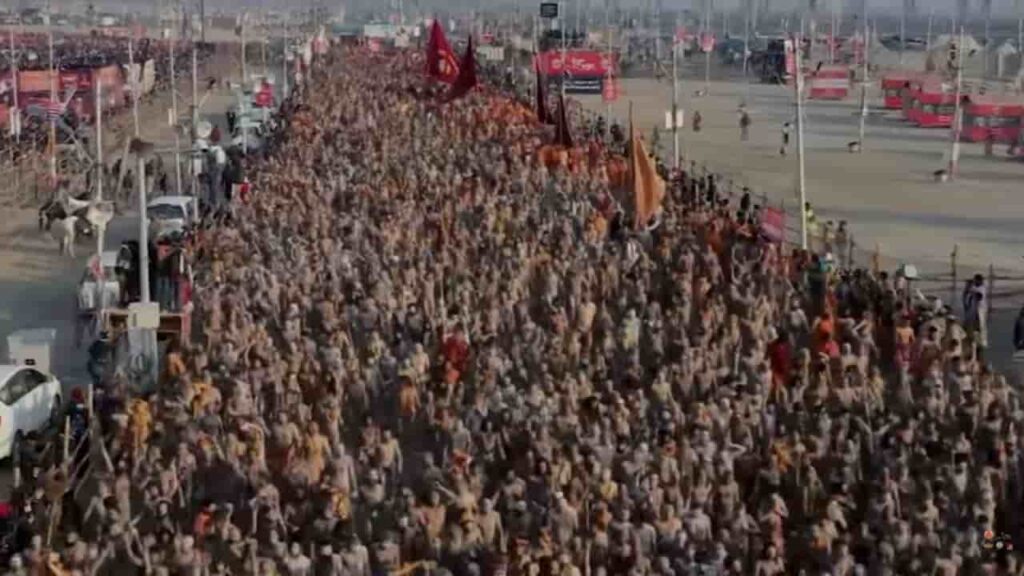
Thirunavaya’s Bharathapuzha (Nila) riverbanks hosted the Mahamagha Mahotsavam, dubbed Kerala’s Kumbh Mela, from January 18 to February 3, 2026, drawing over 3.5 lakh daily devotees at its peak. Organized by Varanasi’s Juna Akhada with Mohanji Foundation and Mata Amritanandamayi Math, the 17-day event peaked February 2-3 with Naga sanyasis’ arrival, blending Vedic dips, Nila aarti by Varanasi priests, and tribal rites, but sparked debate over history, politics, and ecology.Event Highlights and RitualsHeld at Trimurti Sangama (Brahma-Vishnu-Shiva temples triangle), the festival revived rituals absent for ~250-270 years:Holy Dips (Snana Mahotsavam): Believed to energize souls, equivalent to Ganga baths.Nila Aarti: 15-member Varanasi team’s evening fire rituals, evoking Kashi ghats.Inclusivity: Vedic yajnas, tantra, Paniya/Kattunayakan tribal practices alongside Brahmin rites; discourses, bhajans.Processions: Mahameru Rath Yatra from Tamil Nadu’s Trimurtimala; Naga sanyasis’ dips/meditations.Special trains stopped at Kuttipuram/Tirur; crowds from Kerala, Tamil Nadu, Andhra, and North India. Logistics: Parking/security robust; stays in Kottakkal/Perinthalmanna (accommodation scarce onsite).Phase/DateHighlights & SignificanceJan 18: Inaugural SnanaFestival launch; initial mass dips, poojas at Navamukunda Temple.Jan 19-22: Rathayatra PeriodChariot arrival; heightened dips amid processions, yajnas.Feb 2: Naga Sanyasi ArrivalAsh-smeared avadhoots’ ritual dips via special trains (Kuttipuram/Tirur stops); awe-inspiring for devotees.Feb 3: Mahamagha CulminationFinal peak snana; grand aarti, homams, festival close; max crowds for soul purification.Brahma Muhurta (4-5:30 AM) is ideal for dips; post-bath charity/meditation amplified merits. No exact parallels to Prayagraj’s Paush Purnima/Mauni Amavasya, but Feb 3 evoked “king of snans” vibe.Key Leaders and RolesThirunavaya’s Mahamagha event (Jan 18–Feb 3, 2026) drew key figures from Juna Akhada, Kerala mathas, and reformist lineages, blending north-south traditions. Led by Varanasi’s Juna Akhada with Mohanji Foundation and Mata Amritanandamayi Math, attendees included Naga sanyasis, Aghori babas, and matha heads for dips, aartis, and poojas.Leader/TitleAffiliation/RoleHighlightsMahamandaleshwar Swami Anandavanam BharatiJuna Akhada (Sabhapati); ex-SFI/journalist turned Mahamandaleshwar (2025 Maha Kumbh).Led inaugural Magha Snana (Jan 19); presided over all rituals; public face promoting “Kerala Kumbh.” Mata Amritanandamayi (Amma)Chief Patron (Mata Amritanandamayi Math).Symbolic patron since 2018 revivals; inclusivity focus. Acharya Mahamandaleshwar Avadheshananda Giri Ji MaharajJuna Akhada Supreme Head; Co-Chief Patron.Oversaw organizational revival.Swami Satyananda SaraswatiFoundation Managing Trustee; Shriramdas Mission National Gen Secy.Inaugural presence (Jan 18). Sri Shakti Shantanananda MaharshiShriramdas Mission; with Swami Satyananda.Day 1 ceremonies. Mooppil Swamis (Kerala Shankara Mathas)Thrissur Thekke (Vasudevananda Brahmanandabhuti), Kasaragod Idaneer (Sachidananda Bharathi), Thrissur Naduvil (Achyuta Bharathi), Thanur Thrikkaikattu (Narayana Brahmananda Theertha), Ilamura (Parthasarathy Bharathi).Special poojas (Jan 30); sanctified event. Acharyan Arun PrabhakarjiGayatri Gurukulam.Led Vedic chanting for Magha Snana. Ivarmatham Ramesh KorappathjiVedic ritual leader.Shmashana Shraddha (Jan 18). Naga Sanyasis & Aghori BabasJuna Akhada ashrams (Kashi/Varanasi).Arrived Feb 2 for dips/meditations; mystic draw.Additional ContextInaugural Dignitaries: Kerala Governor Rajendra Vishwanath Arlekar (Chief Guest, Dharmadhwaja hoisting Jan 19); Zamorin rep K.C. Dileep Raja Arikkara, Sudheer Namboothiri.Reformist Homage: Honored Adi Shankaracharya, Sree Narayana Guru, Chattampi Swamikal, Ayyankali, Ayya Vaikunda Swamikal, Swami Chinmayananda, Nijananda/Satchidananda Saraswati—inclusivity across sects.Coordination: Swami Chidanandapuri (earlier patron); BJP leaders/Seva Bharati volunteers supported.These figures amplified the event’s pan-Hindu appeal, drawing 3.5 lakh/day peaks despite historical debates.Historical Context: Mamankam vs. Kumbh RebrandRooted in medieval Mamankam (Maha-Makham, every 12 years till 1755), a Chera-era trade/political arena where Zamorin-Valluvakonathiri clashed via chaver suicide squads. Sites: Nilapadu Thara (Zamorin throne), Manikkinar well, Changampally Kalari. Legends tie to Parashurama’s yajna at Thavunur.Organizers (Sabhapati Swami Anandavanam Bharati, ex-SFI/journalist turned Mahamandaleshwar) frame as prehistoric Magha Mela revival—Bṛhaspati-led, post-Palazhi Mathanam myth. But historians diverge:Supporters (VV Haridas): River festival akin to Kumbh; Mamakam=Magha Utsavam.Critics (Rajan Gurukkal, KN Ganesh): Distinct—nakshatra (Makam) vs. Jupiter-Sun rāśi alignments; martial/multicultural (Muslim Kozhikotu Koya on platform, Mappila guards/traders), not purely religious. No Kerala Kumbh tradition; Hindutva overlay erases secular history.Revival attempts: 2016 (Thirur Dinesh), 2018+ (Swami Chidanandapuri, Amma); 2025 Juna Akhada scale-up. 2028 promises a fuller 12-year cycle.Controversies: Hindutva, Politics, EcologyRebranding Critique: Historians (Shibi Thekkeyil, PK Michael Tharakan) call it Hindutva appropriation, Brahminical north-Indian narrative overwriting Dravidian/secular Mamankam in Muslim-majority Malappuram (75%+ local Muslims). RSS visitors’ eyes “Hindu unity.”Permissions Clash: Jan 2026 stop-memo (river conservation/safety) resolved via Collector; TN denied TN-Kerala rathayatra stops—framed as anti-Hindu bias by Swami (communal remarks on LDF/UDF vs. Muslim events).Environmental Alarm: Drought-prone Bharathapuzha (dries summers; coliform pollution, sand-mining); NGOs (Re-Echo, Friends of Bharathapuzha) fear crowds exacerbate scarcity (444 water projects dependent). CPCB post-2025 Prayagraj report warns of pilgrim impacts. Organizers counter: Tradition reveres nature.State aid: Police (hundreds), Haritha Sena (waste), KSRTC buses, despite BJP gripes.Broader ImplicationsIn poll-bound Kerala, the event fuses local lore with pan-Indian Hindu revivalism, attracting lakhs yet polarizing: Devotees hail spiritual homecoming; critics see imported north-Indian violence/majoritarianism. As Bharathapuzha’s ecology strains, balancing faith and sustainability looms large for 2028’s sequel.
Lohri 2026: What You Need to Know About Punjab’s Lohri
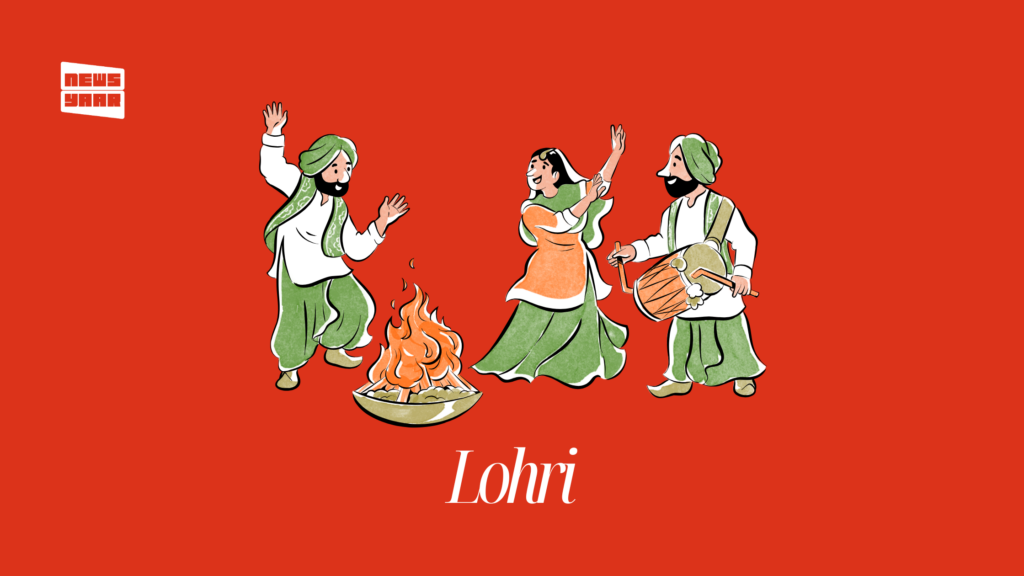
Lohri is one of the most vibrant and culturally rich festivals of North India, especially celebrated with great enthusiasm in Punjab, Haryana, Himachal Pradesh, and parts of Delhi.Observed every year on January 13, Lohri marks the end of winter and the arrival of longer days. Deeply rooted in Punjabi traditions, the festival is a celebration of warmth, harvest, community bonding, and gratitude. Why is Lohri celebrated? Lohri is closely associated with the harvest of rabi crops, particularly sugarcane and wheat. For farmers, it is a time to thank nature for a good harvest and pray for prosperity in the coming season.The festival also coincides with the solar movement before Makar Sankranti, symbolising the transition from cold, dark days to brighter and warmer times.Historically, Lohri is linked to folklore and legends, most notably the tale of Dulla Bhatti, remembered for helping young girls during difficult times. Folk songs sung around the bonfire often mention his bravery, keeping oral traditions alive across generations. The Bonfire: Heart of Lohri Celebrations The bonfire is the centrepiece of Lohri celebrations. Families and communities gather around it in the evening, offering rewri, gajak, peanuts, popcorn, and til to the fire. This ritual symbolises gratitude to the Sun God and the elements of nature.People walk around the fire, sing traditional songs, and offer prayers for happiness, good health, and abundance. The warmth of the fire reflects the spirit of togetherness that defines Lohri. Punjabi Traditions and Cultural Celebrations Lohri is incomplete without Punjabi folk music and dance. Men perform bhangra, while women dance gidda, dressed in colourful traditional attire. The beats of the dhol set the mood for celebration, turning villages and cities into lively cultural spaces.The festival holds special significance for newlyweds and newborns, as their first Lohri is celebrated with extra joy and rituals, symbolising new beginnings and blessings. More Than a Festival Lohri is more than just a seasonal celebration; it is a reflection of Punjabi identity, resilience, and joy. It brings people together, strengthens social bonds, and keeps cultural heritage alive in a rapidly modernising world.As Lohri approaches, the festival continues to remind communities of the importance of gratitude, unity, and celebrating life’s simple joys.