


Tukaram Mundhe: The ‘Singham’ Officer Who Sparked a Food Safety Revolution and a Political Storm
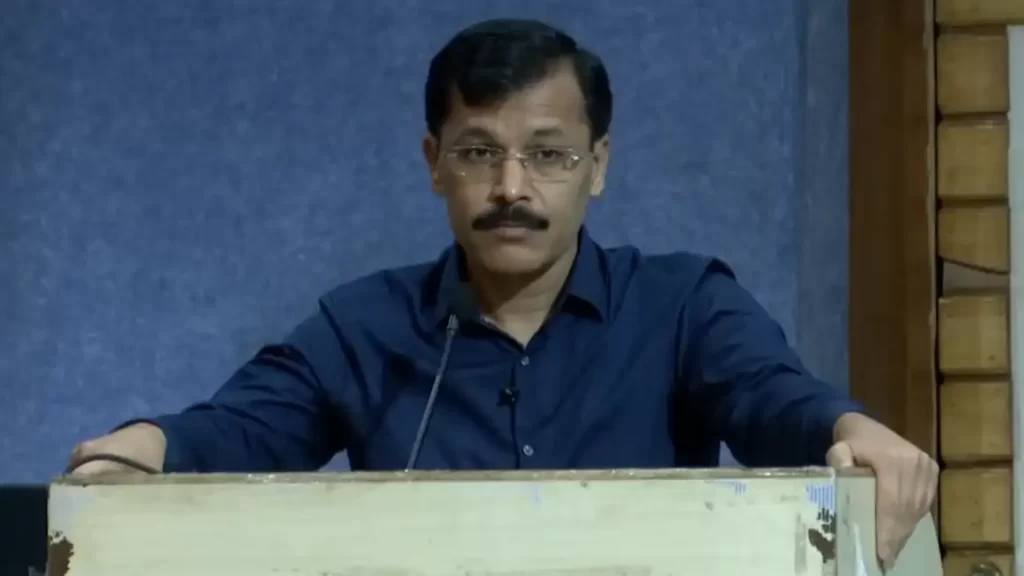
Tukaram Mundhe is one of those rare bureaucrats whose name has moved beyond government files and press releases into everyday conversation, becoming shorthand for a certain kind of governance that is blunt, visible, and unafraid of confrontation. As the Commissioner of the Maharashtra Food and Drug Administration (FDA), he has become both a symbol of uncompromising regulation and a lightning rod for controversy, with his aggressive anti-adulteration drives, high-profile raids on eateries, and frequent clashes with powerful business and political interests turning his office into a focal point of public debate. What makes Mundhe’s story compelling is not just his strict enforcement style, but the way it has exposed deeper fault lines in how food safety, regulation, and accountability work in India. His actions have won him strong public support, angered influential traders, triggered legislative drama, and even drawn sharp questions from the Bombay High Court about fairness, due process, and whether the state is applying one rulebook for private businesses and another for government-run establishments. Who Is Tukaram Mundhe?Tukaram Haribhau Mundhe is a 2005-batch IAS officer of the Maharashtra cadre who has built a reputation over two decades as an administrator who prioritises rules over convenience, often at personal and professional cost. Coming from a small farming family in Marathwada, he worked on his family’s land while studying in a Zilla Parishad school, eventually cracking the UPSC Civil Services Examination in 2004 with an All India Rank of 20, a performance that marked him early as someone with both intellect and discipline. His career has spanned district administration, municipal corporations, public transport, health, disaster management, and now food and drug regulation, giving him a breadth of experience that few officers accumulate. He has served as Collector of Solapur, Municipal Commissioner of Nagpur and Nashik, Chairman and Managing Director of PMPML in Pune, and Commissioner of Health Services, among other roles, often in postings where corruption, inefficiency, or entrenched interests made reform difficult. What stands out in his career is the frequency of his transfers, which has become almost a running joke in bureaucratic circles. In nearly 21 years of service, Mundhe has been moved around 25 times, a record often attributed to his strict, no-compromise style that has put him at odds with vested interests and political pressures, making him both admired and inconvenient for those in power. The FDA Crackdown That Shook MaharashtraSince taking charge as FDA Commissioner in May 2026, Mundhe has launched one of the department’s most aggressive enforcement drives in recent memory, turning food safety from a technical issue into a daily headline. In the first few months alone, the FDA conducted more than 3,000 inspections, issued hundreds of improvement notices, suspended over 160 licences, and seized food stock worth more than Rs 55 crore, sending a clear message that violations would no longer be ignored. The targets have ranged from small dairy vendors and roadside eateries to iconic restaurants, clubs, and bakeries in Mumbai, many of which had operated for decades with little regulatory scrutiny. Establishments like Noor Mohammadi Hotel, Shalimar Restaurant, K. Rustom & Co., Cricket Club of India, and Willingdon Sports Club were temporarily shut or had their licences suspended after inspections allegedly uncovered serious hygiene and food safety violations, shocking a city used to seeing such names treated as beyond reach. Mundhe’s drive has also extended beyond restaurants, targeting the entire food supply chain. The FDA has cracked down on adulterated dairy products, edible oils, mawa, gutkha, pan masala, and even analogue (non-dairy) paneer, imposing a one-year ban on its production and sale after tests revealed health risks. Schools have been directed to stop selling junk food and soft drinks on campus, and hospitals have been warned against forcing patients to buy medicines only from affiliated pharmacies, a practice that had long been tolerated despite being illegal. Public Support and Political BacklashMundhe’s actions have generated unusual public support for a bureaucrat, with many citizens seeing him as a rare example of an officer who is willing to take on powerful interests without hesitation. Supporters have organised protests demanding that he be allowed to continue in his role, with groups like the Pani Sangharsh Samiti performing a milk abhishek of his portrait and submitting memorandums seeking a minimum three-year tenure, arguing that his crackdown on adulterated food had helped protect public health while also safeguarding the interests of farmers by acting against fake and substandard products. Industrialist Harsh Goenka publicly praised him on social media, calling him an example of an honest officer who puts public interest above all else. Goenka noted that despite being transferred around 25 times, Mundhe has remained steadfast in enforcing the law, describing him as “an honest officer India needs more of,” a sentiment that resonated with many who feel that regulatory capture has long weakened food safety enforcement. At the same time, his crackdown has triggered political backlash, with allegations that powerful lobbies are working to remove him from the post. In the Maharashtra Assembly, NCP (Sharad Pawar) MLA Jitendra Awhad alleged that an “international drug lobby” had collected Rs 250 crore to ensure Mundhe’s transfer, claiming that powerful interests in the pharmaceutical and food sectors were unhappy with his actions. BJP MLA Sudhir Mungantiwar praised Mundhe’s work and argued he should remain in the post for at least three years, while Shiv Sena MLA Arjun Khotkar claimed Mundhe had received death threats and demanded enhanced security, highlighting how high the stakes have become. The Bombay High Court PushbackNot all of Mundhe’s actions have gone unchallenged, and the Bombay High Court has emerged as a critical check on the FDA’s approach, questioning whether due process was always followed before licences were suspended. Under the Food Safety and Standards Act, officers are generally required to issue an improvement notice and give at least 14 days to comply before suspending a licence, unless there is an immediate public health risk, a nuance that has become central to the legal battle. In multiple cases, courts have restored licences, stayed suspension orders, or directed that suspensions be