


India Secures Record Investments at Davos 2026
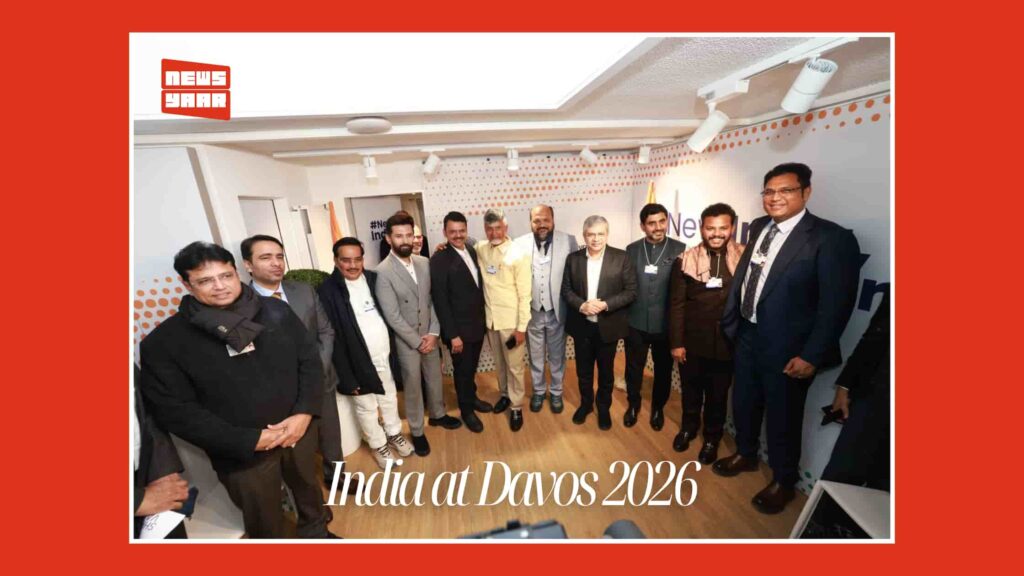
Nine States Present Unified Investment Vision at World Economic ForumIndia emerged as the preferred investment destination at the World Economic Forum 2026 held in Davos, Switzerland, with nine participating states securing commitments worth lakhs of crores across artificial intelligence, clean energy, manufacturing, and digital infrastructure. The states presented themselves as a single, integrated investment market, showcasing opportunities that position India firmly as a future-ready economic powerhouse. Gujarat, Maharashtra, Telangana, Karnataka, Uttar Pradesh, Andhra Pradesh, Kerala, Assam, and Jharkhand participated in the summit, with Assam and Jharkhand making their inaugural appearances. All states are integrated with the National Single Window System, a centralised digital platform designed to streamline investment approvals and clearances for global investors. India’s Strategic Objectives at Davos 2026 India’s presence at Davos 2026 represented a coordinated national strategy with several key objectives: Positioning India as a Unified Investment Destination: Rather than competing against each other, states presented complementary strengths, demonstrating policy alignment and infrastructure readiness across the country. Showcasing Digital Infrastructure Readiness: With the National Single Window System integration, India demonstrated its commitment to ease of doing business and rapid investment approvals. Accelerating Clean Energy Transition: States highlighted renewable energy commitments aligned with India’s net-zero targets, attracting global climate-focused investors. Building AI and Technology Leadership: Multiple states positioned themselves as AI-ready economies, competing for next-generation technology investments. Creating Employment at Scale: Investment commitments focused on job creation, with Maharashtra alone projecting over 40 lakh jobs from secured MoUs. Maharashtra Leads with ₹30 Lakh Crore Investment Pipeline Maharashtra Chief Minister Devendra Fadnavis announced MoUs worth ₹30 lakh crore, with 83 per cent involving foreign direct investment and 16 per cent in partnerships with foreign technologies. Companies from 18 countries are committed to investing in the state, potentially creating over 40 lakh jobs. Major investors include Lodha Developers, OpenAI, Iron Mountain, Princeton Data Group, Volkswagen, and Coca-Cola, with a primary focus on developing data centres. Lodha Developers pledged ₹1 lakh crore to develop a 2.5 GW Green Data Centre Park in the Mumbai Metropolitan Region, set to become one of India’s largest digital infrastructure hubs. Plans also include an AI innovation city near Navi Mumbai, a Global Capability Centre in Bandra Kurla Complex, and a ₹20,000 crore steel plant expansion in Gadchiroli. Technology and Clean Energy Drive State Commitments Telangana secured investments worth ₹30,000 crore, positioning itself as an AI-first economy. L’Oréal will establish an AI-powered Global Beauty Tech Hub in Hyderabad, while UPC Volt plans a 100 MW AI-ready data centre in Bharat Future City. The Rashmi Group committed ₹12,500 crore for a steel plant, and Schneider Electric India announced manufacturing capacity expansion. Uttar Pradesh signed MoUs exceeding ₹9,750 crore, coordinated by Invest UP. Key projects include SAEL Industries’ ₹8,000 crore waste-to-energy initiative, Sift Technologies’ ₹1,600 crore AI-ready data centres, and a ₹150 crore AI city in Noida focused on defence manufacturing. Assam has secured investment commitments worth Rs 1 lakh crore already, and it is only a base for the state in the global arena, Chief Minister Himanta Biswa Sarma said on Wednesday. Karnataka attracted interest from Nokia for Global Capability Centres and research facilities beyond Bengaluru, with discussions involving Cloudflare and aerospace companies Vast Space and Voyager Technologies. The RPSG Group invested in renewable energy projects in Vijapura and Ballari districts, supporting wind power manufacturing expansion. Kerala secured $14 billion (₹1.18 lakh crore) in commitments across renewable energy, skill development, tourism, medical services, and infrastructure. Andhra Pradesh partnered with RMZ Corporation for large-scale mixed-use, digital, industrial, and logistics infrastructure development. Jharkhand received Tata Steel’s ₹11,000 crore investment commitment for low-carbon steelmaking technologies and held discussions with Hitachi India on power and grid infrastructure. National Clean Energy Push India is rapidly expanding its clean electricity pipeline through large-scale solar and wind farms while upgrading grid infrastructure. The focus includes battery storage and hybrid storage options to meet 24×7 renewable power needs, increasing energy reliability across regions. Davos 2026 showcased India’s growing stature as a global investment destination. From state-led projects to nationwide green energy initiatives, the announcements reflect strong investor confidence in India’s policy stability, scale, and future-ready growth story, promising long-term economic growth, job creation, and deeper global integration. Why Davos 2026 Matters for India? Davos 2026 showcased India’s growing stature as a global investment destination. From state-led projects to nationwide green energy initiatives, the announcements reflect strong investor confidence in India’s policy stability, scale, and future-ready growth story, promising long-term economic growth, job creation, and deeper global integration. The success of India’s Davos 2026 participation will ultimately be measured not just in MoU values, but in actual project implementation, job creation, technology transfer, and contribution to India’s vision of becoming a developed nation by 2047. The unified approach by participating states, supported by central government infrastructure and policy frameworks, creates a strong foundation for translating commitments into tangible economic outcomes.
Kerala Literature Festival 2026: A Celebration of Ideas in an Age of Change

Kozhikode:As the world grapples with rapid political, social, and technological shifts, the Kerala Literature Festival (KLF) 2026 is set to offer a rare space for reflection, dialogue, and debate. Over the years, KLF has grown into a global literary landmark, known not just for books but for conversations that shape public thought.The 2026 edition is expected to bring together renowned authors, thinkers, journalists, and cultural voices from India and abroad. True to its spirit, the festival will explore themes ranging from free expression and identity to the climate crisis and the future of storytelling.What distinguishes KLF is its deep connection to Kerala’s intellectual traditions. Malayalam literature, regional storytelling, and indigenous voices continue to anchor the festival, ensuring global ideas remain rooted in local realities.With a growing emphasis on young writers, translation, and literature in the digital age, KLF 2026 is likely to focus on how stories evolve without losing their soul. More than a festival, KLF has become a cultural movement, one that celebrates dialogue, disagreement, and the enduring power of words.Key AttendeesNASA astronaut Sunita Williams delivered the keynote and inaugurated the event alongside Kerala Tourism Minister Mohammed Riyas, sharing insights on space resilience, leadership, and Earth’s fragility in packed sessions like “Dreams Reach Orbit.” Other luminaries included over 400 speakers from 17 countries, Nobel laureates, business leaders, authors, and activists. Besides Sunita Williams, prominent figures included Nobel Prize winners Abdulrazak Gurnah (Literature), Olga Tokarczuk (Literature), and Abhijit Banerjee (Economics).What to Expect at KLF 2026KLF 2026 will feature a mix of panel discussions, book launches, poetry readings, performances, film conversations, and interactive sessions. While global names draw attention, Malayalam literature and regional narratives will remain at the heart of the festival, reflecting Kerala’s deep-rooted intellectual and cultural traditions.A key focus this year is expected to be on youth participation, translation of regional works, and how literature adapts in the digital era. The festival’s open-access format continues to make it inclusive, allowing audiences from diverse backgrounds to engage directly with ideas and creators.Book Launches & AwardsA highlight was the launch of the Malayalam translation of Abhay K’s “Nalanda: How it Changed the World” by Benyamin, following a discussion on Nalanda’s legacy of Buddhism and debate.KLF announced shortlists for its Book of the Year Awards in fiction and nonfiction, with winners revealed during the festival; fiction included works like Vivek Shanbhag’s “Sakina’s Kiss,” while nonfiction featured Sunitha Krishnan’s memoir.Why KLF 2026 MattersAt a time when public discourse is increasingly polarised, KLF offers a rare space for thoughtful dialogue and disagreement. It celebrates literature not just as art, but as a tool for understanding society, questioning power, and imagining better futures.As Kozhikode prepares to host KLF 2026, the festival once again promises to be more than an event, it will be a meeting ground for ideas that shape culture, politics, and public thought.
Republic Day 2026: India Celebrates 77 Years of the Constitution with a Grand Display of Unity and Aspirations
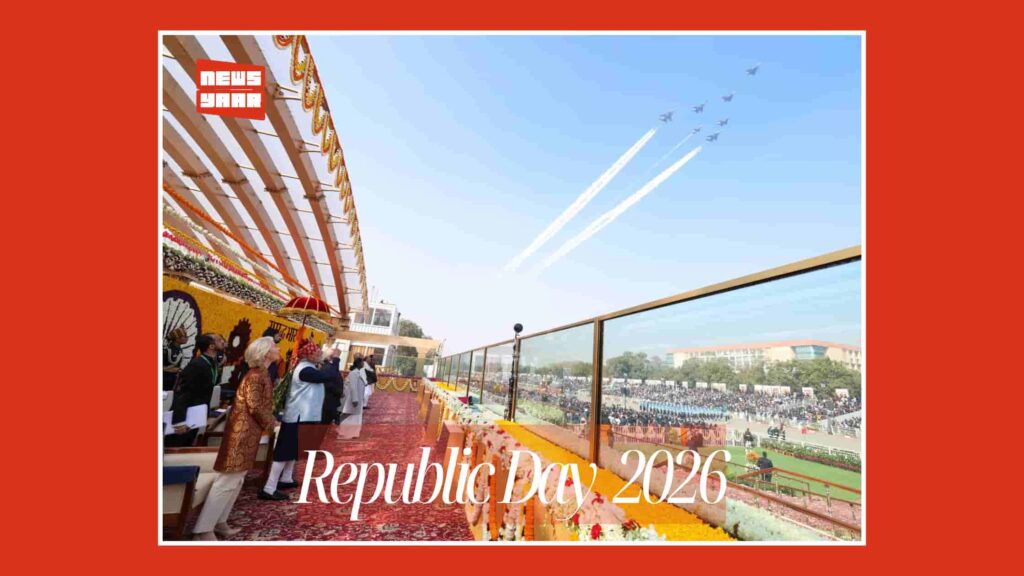
New Delhi: India celebrated its 77th Republic Day on January 26, 2026, with a majestic ceremonial parade at Kartavya Path, showcasing the country’s constitutional ethos, democratic resilience and evolving national priorities. The occasion marked 77 years since the Constitution of India came into force in 1950, laying the foundation of a republic built on justice, liberty, equality and fraternity.The celebrations were graced by the Republic Day Chief Guest, a distinguished head of state from a key strategic partner nation, underlining India’s growing global stature and its emphasis on international cooperation in a rapidly changing world.Chief GuestsThe celebrations were graced by two distinguished chief guests: President of the European Commission Ursula von der Leyen and President of the European Council António Costa, underscoring India’s strategic partnership with the European Union. Their presence highlighted international cooperation amid global challenges.Ceremonial Traditions and National HomageThe day commenced with the President of India unfurling the national flag, followed by the traditional 21-gun salute, symbolising the sovereignty of the republic. Earlier in the morning, Prime Minister Narendra Modi paid tribute to fallen soldiers at the National War Memorial, reaffirming the nation’s gratitude to the armed forces for their sacrifice and service.Parade Highlights: Military Might and Indigenous CapabilityThe Republic Day parade unfolded as a powerful demonstration of discipline, preparedness and national resolve. The parade featured marching contingents from the Army, Navy, Air Force, and paramilitary forces, including 18 contingents and 13 bands, with a new “phased battle array” format mimicking battlefield deployment for realism. A debut animal contingent from the Remount & Veterinary Corps showcased camels, ponies, raptors, and dogs.A major highlight was the display of indigenously developed defence platforms, reinforcing India’s push towards Aatmanirbhar Bharat in defence manufacturing. From advanced weapon systems to next-generation mobility platforms, the parade reflected India’s transition from an importer to a producer of defence technology.Tableaux: India’s Diversity, Development and VisionThe state and Union Territory tableaux remained among the most visually striking segments of Republic Day 2026. Each tableau told a distinct story, blending cultural heritage with development priorities.Thirty tableaux participated: 17 from states/UTs depicting culture, freedom struggle, and self-reliance (e.g., Uttar Pradesh, Maharashtra, Tamil Nadu), and 13 from ministries on defence, education reforms, skill development, and urban transformation. A special Ministry of Culture tableau celebrated “150 Years of Vande Mataram.”Themes ranged from traditional art forms and indigenous knowledge systems to modern infrastructure, digital governance, green energy initiatives and social welfare programmes. Together, the tableaux offered a snapshot of how India’s regions are preserving identity while embracing transformation.Notable Performances and Special SegmentsThis year’s celebrations placed special emphasis on youth and women-led participation. Performances highlighted achievements in science, innovation, education, sports and entrepreneurship, underscoring the role of the next generation in shaping India’s future.The growing presence of women in the armed forces and leadership roles stood out during the parade, symbolising changing social norms and expanding opportunities across sectors.Aerial Display & Sky ShowThe parade culminated in a spectacular flypast by the Indian Air Force, with fighter jets, transport aircraft and helicopters soaring across Kartavya Path. The tricolour smoke trails across the winter sky provided a dramatic finale, drawing applause from spectators and reinforcing national pride.The Indian Air Force flypast featured Rafale, Sukhoi, and Tejas jets in formations like “Trishul,” painting tricolour trails, followed by a spectacular fireworks and drone show finale.Republic Day Beyond CelebrationRepublic Day is more than a ceremonial occasion; it is a reaffirmation of India’s constitutional identity. As the world’s largest democracy, India’s Constitution continues to function as a living document, guiding governance while adapting to societal change.Leaders across political and institutional lines used the occasion to reiterate their commitment to constitutional values, democratic institutions and inclusive growth. Messages centred on balancing economic expansion with social justice, sustainability and technological advancement.A Nation Reflects and Looks AheadAcross the country, Republic Day was observed with flag-hoisting ceremonies, cultural programmes and community gatherings, allowing citizens to reconnect with the ideals that define the republic.As India steps into its 78th year as a republic, Republic Day 2026 reflected a nation confident in its achievements, conscious of its challenges, and committed to progress that leaves no one behind.Above all, the celebrations reaffirmed a timeless truth: India’s strength lies in its people and their enduring faith in the Constitution that binds the nation together.
Flamingo Aerospace, Russia’s UAC Partner to Manufacture Il-114-300 Regional Aircraft in India

In a significant development for India’s civil aviation and aerospace manufacturing ecosystem, Hyderabad-based Flamingo Aerospace has entered into a strategic partnership with Russia’s United Aircraft Corporation (UAC) to bring the Ilyushin Il-114-300 regional turboprop aircraft to India. The collaboration marks a major step toward strengthening India’s regional air connectivity while expanding indigenous aerospace manufacturing capabilities under the government’s Make in India and Atmanirbhar Bharat initiatives. The agreement was announced on the sidelines of Wings India 2026, the country’s premier civil aviation exhibition, held in Hyderabad, where senior representatives from Flamingo Aerospace and UAC formalised a framework cooperation and supply agreement. As per the initial arrangement, six Il-114-300 aircraft will be supplied, with deliveries expected to begin from 2028, followed by phased localisation and manufacturing activities in India. About the Il-114-300 Aircraft The Il-114-300 is a next-generation regional turboprop aircraft developed by Russia’s Ilyushin Aviation Complex under UAC. It is designed to carry up to 68 passengers and is optimised for short-haul and regional routes, particularly in areas with limited airport infrastructure. The aircraft is powered by TV7-117ST-01 turboprop engines, developed by the United Engine Corporation (UEC), and is capable of operating in extreme climatic conditions, ranging from sub-zero Arctic temperatures to hot and humid tropical environments. With its ability to take off and land on short and semi-prepared runways, the Il-114-300 is positioned as a strong contender for regional connectivity markets dominated by aircraft such as the ATR-72 and Dash-8. Industry experts note that the aircraft’s fuel efficiency, rugged design and lower operating costs make it particularly suitable for India’s tier-II and tier-III city routes, as well as remote and underserved regions. Details of the Flamingo–UAC Partnership Under the agreement, Flamingo Aerospace will initially procure six Il-114-300 aircraft from UAC. Beyond supply, the partnership outlines a long-term roadmap that includes: Assembly and localisation of aircraft components in India Establishment of Maintenance, Repair and Overhaul (MRO) facilities Development of a local supplier ecosystem for parts and systems Training of Indian engineers, technicians and pilots Potential expansion into full-scale manufacturing depending on market demand The phased approach is aimed at gradually transferring technology and industrial capability, positioning India as a regional hub for turboprop aircraft manufacturing and support services. Flamingo Aerospace: India’s Emerging Aviation Player Founded in 2022, Flamingo Aerospace is a private Indian aerospace and aviation company headquartered in Hyderabad, a growing centre for aerospace and defence manufacturing. The company focuses on regional aircraft programmes, aviation engineering services, MRO development and sustainable aviation solutions. Flamingo’s leadership has repeatedly emphasised the need for India to develop home-grown regional aircraft capabilities to support domestic aviation growth. With India now the third-largest domestic aviation market in the world, demand for efficient short-haul aircraft is expected to rise sharply over the next decade. The Il-114-300 programme aligns with Flamingo’s vision of creating an end-to-end aviation ecosystem, starting with aircraft acquisition and moving toward local manufacturing and lifecycle support. Strategic Importance for India’s Aviation Sector The Flamingo-UAC collaboration comes at a time when India is aggressively expanding regional air connectivity through schemes such as UDAN (Ude Desh ka Aam Naagrik). While India has witnessed rapid growth in metro-to-metro air travel, connectivity to smaller cities and remote regions remains limited. Regional turboprop aircraft like the Il-114-300 are seen as critical to bridging this gap, offering: Lower operating costs for airlines Ability to operate from smaller airports Improved connectivity to remote and hilly regions Support for tourism, trade and economic development Aviation analysts believe the introduction of an additional aircraft platform could also reduce dependence on a limited set of foreign suppliers, increase competition and provide airlines with more fleet options. Part of Broader Indo-Russian Civil Aviation Cooperation The Il-114-300 agreement complements a broader trend of expanding Indo-Russian cooperation in civil aviation. Earlier, Hindustan Aeronautics Limited (HAL) signed an agreement with UAC to manufacture the Sukhoi Superjet 100 (SJ-100) in India, signalling a diversification of aviation ties beyond defence aircraft. For Russia, partnerships with Indian firms offer access to one of the world’s fastest-growing aviation markets at a time when Western sanctions have constrained its traditional export channels. For India, these collaborations present opportunities to build industrial capability, acquire technology and create skilled jobs. Economic and Industrial Impact If fully realised, the Il-114-300 programme could generate significant economic benefits, including: Creation of high-skilled aerospace jobs Boost to India’s aerospace manufacturing supply chain Development of regional MRO hubs serving South Asia Strengthening of India’s position in the global aviation value chain Officials involved in the programme have indicated that future phases could include higher localisation levels, depending on airline interest and regulatory clearances. Looking Ahead While the agreement is currently at a framework stage, industry observers view it as a strategic entry point into regional aircraft manufacturing in India. The success of the programme will depend on certification timelines, airline orders, regulatory approvals and the pace of localisation. Nevertheless, the Flamingo Aerospace–UAC partnership represents a notable shift in India’s civil aviation landscape, reflecting growing confidence in domestic aerospace capability and a clear focus on regional connectivity as the next frontier of aviation growth. As India prepares for a sustained expansion in air travel, initiatives such as the Il-114-300 programme could play a crucial role in shaping a more inclusive, resilient and self-reliant aviation ecosystem.
HAL, Russia’s UAC to Manufacture SJ 100 Regional Jet in India: A Major Leap for Civil Aviation

Hindustan Aeronautics Limited (HAL) has entered into a strategic aviation partnership with Russia’s United Aircraft Corporation (UAC) to manufacture the SJ 100 regional jet in India, marking a significant expansion of HAL’s footprint into the civil aviation sector. The move was announced on the sidelines of the Wings India 2026 aviation exhibition held at Begumpet Airport in Hyderabad, where the collaboration was formally unveiled amid industry attention. The pact — which builds on a Memorandum of Understanding (MoU) signed on October 28, 2025, in Moscow — provides HAL with a licence to produce the twin-engine SJ 100 commercial aircraft in India for domestic customers, including local assembly, component manufacturing and maintenance support, alongside technical and consulting assistance from UAC. What Is the SJ 100 and Why It Matters The Yakovlev SJ 100 (often referred to as Sukhoi Superjet 100) is a twin-engine, narrow-body regional passenger jet designed to seat between 87 and 108 passengers, with a range of around 3,000 km, tailored for short- to mid-distance routes. The aircraft is already in service with airlines in Russia and abroad, with over 200 units produced and operated by multiple carriers. The SJ 100 is capable of operating from smaller airports and shorter runways, making it particularly suitable for India’s expanding regional network under initiatives such as the UDAN (Ude Desh ka Aam Naagrik) scheme, which aims to improve connectivity to underserved and tier-2/tier-3 cities. Strategic Shift for HAL HAL — traditionally focused on military aerospace manufacturing (including fighters, trainers and helicopters) — is now actively diversifying into civil aviation manufacturing. Civil platforms currently contribute only about 4–5 per cent of HAL’s revenue. The SJ 100 partnership is a cornerstone of HAL’s strategy to increase this share to about 25 per cent over the next decade, according to HAL Chairman and Managing Director D.K. Sunil. Sunil explained at Wings India 2026 that HAL plans a phased approach to aircraft introduction. Initially, HAL aims to lease about 10–20 fully assembled SJ 100 aircraft from Russia to Indian operators to familiarise them with the aircraft and validate performance and support infrastructure under Indian operating conditions. Timeline and ‘Make in India’ Ambition The partnership foresees several key stages: Short term (next 18 months): Leasing of fully built SJ 100 jets to Indian operators. Medium term (around three years): Commencement of semi-knocked-down (SKD) assembly in India, utilising HAL’s existing facilities at locations such as Nashik and Kanpur. Long term (by late decade): Full domestic manufacture capability with enhanced localisation and “Make in India” content, aligning with national goals of reduced import dependence and broader industrial development. This would mark the first time since the production of the AVRO HS-748 ended in 1988 that a complete passenger aircraft will be manufactured in India, making it a milestone for the country’s civil aviation manufacturing base. Broader Industry and Policy Context The HAL-UAC collaboration highlights deeper Indo-Russian aerospace cooperation, historically rooted in military aircraft production, now extending to civil aircraft. It also dovetails with government measures designed to attract and scale aircraft manufacturing in India. The Union Budget 2026 removed basic customs duty on aircraft components, significantly lowering the cost of establishing manufacturing lines for regional aircraft such as the SJ 100, potentially boosting both HAL’s and other manufacturers’ plans in the civil aviation domain. Industry observers note that HAL’s entry into regional jet production addresses a long-recognized gap in India’s aviation ecosystem: the absence of indigenous passenger aircraft manufacturing. India is among the world’s fastest-growing domestic aviation markets, with demand for short- to medium-haul aircraft projected to remain strong over the next decade. Local assembly and production of the SJ 100 could help airlines bridge capacity needs more cost-effectively while supporting domestic aerospace supply chains. Technology, Certification and Future Prospects Under the agreement, HAL will assist UAC in gaining type certification for the SJ 100 in India, a critical step before domestically produced jets can enter commercial service. In exchange, HAL obtains manufacturing rights and support for establishing production infrastructure, quality control systems, and maintenance ecosystems. Experts see this collaboration as a key step toward building India’s aircraft manufacturing competencies. While HAL’s primary strength has been in defence platforms, working with UAC on a complex regional jet programme is expected to transfer valuable design, production, certification and lifecycle support expertise. Officials and industry executives involved in the pact have described the arrangement as mutually beneficial: it enhances HAL’s capabilities and helps Russia sustain civilian aircraft exports in the face of geopolitical and sanction-related challenges, while opening a new avenue for aerospace collaboration between the two countries. What This Means for Passengers and Airlines If the phased plan succeeds, airlines operating within India could have access to the SJ 100 as an alternative to turboprops and larger narrow-body jets for regional routes. The regional jet segment (90–100 seats) is seen as crucial for balancing operational economics with demand on short-haul sectors, particularly under government connectivity programmes. Leasing a small fleet in the initial phase also allows airlines and HAL to build operational familiarity with the SJ 100 without requiring immediate large capital commitments, potentially encouraging broader adoption in India’s growing domestic market. Conclusion HAL’s partnership with Russia’s United Aircraft Corporation to manufacture the SJ 100 regional jet in India represents a significant step in diversifying India’s aviation industry and strengthening its manufacturing base. By combining Russian aerospace experience with HAL’s production capabilities and India’s burgeoning aviation market, the collaboration aims to deliver regional aircraft solutions tailored to national connectivity needs while advancing the government’s Make in India and civil aerospace ambitions.
Padma Awards 2026: Full List, Backgrounds and Significance of Recipients

On January 25, 2026, the Government of India announced the Padma Awards 2026, one of the nation’s highest civilian honours, recognising individuals who have made exceptional contributions across public life and diverse fields. The list was released on the eve of the 77th Republic Day, continuing a tradition of celebrating excellence and service that enriches the social, cultural and developmental fabric of India. The awards, which were instituted in 1954, are conferred by the President of India, and are announced annually on Republic Day (26 January). They are classified into three broad categories — Padma Vibhushan, Padma Bhushanand Padma Shri — ranked in descending order of prestige, after the Bharat Ratna, India’s highest civilian award. For 2026, a total of 131 Padma Awards were approved, comprising 5 Padma Vibhushan, 13 Padma Bhushan and 113 Padma Shri awards. Among the awardees are notable figures from art and cinema, public affairs, sports, science, social service, education, medicine and literature. The list includes 19 women, six foreign/NRI/PIO/OCI recipients, and 16 posthumous awards. Padma Vibhushan 2026: Exceptional and Distinguished ServiceThe Padma Vibhushan is the second-highest civilian award of India, presented for “exceptional and distinguished service” in any field. Dharmendra Singh Deol (Posthumous) – ArtVeteran Bollywood actor Dharmendra, often called the “He-Man” of Indian cinema, was honoured posthumously for his unparalleled legacy in Hindi film, spanning over six decades with more than 300 films that shaped Indian popular culture. K T Thomas – Public AffairsJustice K T Thomas served on the Supreme Court of India from 1995 to 2002 and was instrumental in major judicial decisions and legal reforms that shaped Indian constitutional jurisprudence. N Rajam – ArtRenowned violinist N Rajam is celebrated for bridging Hindustani and Carnatic classical music traditions. A former professor and cultural ambassador, her global influence on Indian classical music spans decades. P Narayanan – Literature and EducationWriter and journalist P Narayanan has made enduring contributions to literature and education, particularly through his editorial leadership and influence in regional and national discourse. V S Achuthanandan (Posthumous) – Public AffairsVeteran Kerala political leader V S Achuthanandan was honoured posthumously for his long public service and leadership in social and political arenas, especially in governance, transparency and anti-corruption efforts. Padma Bhushan 2026: Distinguished Service of High OrderThe Padma Bhushan recognises “distinguished service of high order” in any field, and this year’s list reflects contributions in arts, public affairs, commerce, sport and medicine. Alka Yagnik (Art) – Legendary playback singer whose voice defined generations of Bollywood music and delivered countless chart-topping songs. Bhagat Singh Koshyari (Public Affairs) – Former Uttarakhand Chief Minister and Maharashtra Governor, recognised for his political and administrative service. Kallipatti Ramasamy Palaniswamy (Public Affairs) – Noted leader from Tamil Nadu contributing to public life and governance. Mammootty (Art) – Malayalam cinema icon with a distinguished acting career spanning decades, honoured for his contribution to Indian film. Nori Dattatreyudu (Medicine) – Eminent cancer specialist, internationally recognised for his work in oncology. Piyush Pandey (Posthumous) (Art & Media) – Influential advertising veteran and creative mind whose work shaped Indian media and communication. S K M Maeilanandhan (Trade & Industry) – Entrepreneur and industry leader known for his business acumen and contributions to economic growth. Shatavadhani R Ganesh (Literature & Education) – Celebrated scholar known for literary mastery and cultural scholarship. Shibu Soren (Posthumous) (Public Affairs) – Founder of Jharkhand Mukti Morcha and key figure in the state’s formation movement, recognised posthumously. Uday Kotak (Trade & Industry) – Prominent banker and financial institution builder, founder of Kotak Mahindra Bank. V K Malhotra (Posthumous) (Public Affairs) – Veteran political leader honoured for lifelong service. Vellappally Natesan (Social Service) – Community leader and social service advocate from Kerala. Vijay Amritraj (Sports & International) – Tennis legend and global sports ambassador, acknowledged for enhancing India’s presence in international sport. Padma Shri 2026: Distinguished Service Across FieldsThe Padma Shri is the fourth-highest civilian honour in India, recognising “distinguished service in any field”. This year, 113 individuals received the Padma Shri, covering disciplines such as arts, sports, public service, science, literature, education, medicine, social work and agriculture. Notable awardees include:Rohit Sharma (Sports) – Captain of the Indian men’s cricket team and globally recognised for leading India to ICC titles. Harmanpreet Kaur (Sports) – Captain of the Indian women’s cricket team, instrumental in India’s international success. Savita Punia (Sports) – Star Indian hockey goalkeeper with standout international performances. R. Madhavan (Art) – Versatile actor and filmmaker known for acclaimed performances across Indian cinema. Anke Gowda (Literature & Education) – Former bus conductor who built India’s largest free-access librarywith over two million books, recognised for lifelong dedication to knowledge and literacy. Naresh Chandra Dev Varma (Literature & Education) – Tripuri writer known for contributions to Kokborok literature. Praveen Kumar (Sports) – Paralympic gold medallist whose achievements inspired national pride. The full Padma Shri roster includes awardees from every region of India, representing innovations and service in areas such as agriculture, archaeology, healthcare, traditional arts, community welfare and scientific research, highlighting the diversity and depth of Indian talent. Significance and National ImpactThe Padma Awards underscore India’s appreciation for individuals whose work exemplifies excellence, integrity and service. While Padma Vibhushan and Padma Bhushan honour lifetime achievement and high-order service, the Padma Shri celebrates impactful contributions at national and grassroots levels. These awards not only recognise famous personalities but also highlight unsung heroes whose work fosters community development, preserves culture, advances science, and uplifts society. The 2026 list, with its balance of legendary figures, scholars, sports icons, social changemakers and grassroots achievers, illustrates the expanding scope of national recognition. From cinema legends and artistic luminaries to pioneering scientists, educators and community builders, the Padma Awards 2026 reflect India’s evolving narrative of excellence — one that honours both institutional achievements and everyday courage.
National Tourism Day 2026: Celebrating India’s Cultural Heritage, Economic Growth and Youth Engagement
National Tourism Day is observed annually on January 25 in India to recognise the vital role tourism plays in the nation’s socio-economic development, cultural exchange and heritage conservation. In 2026, the country marked National Tourism Day with multi-theme programmes, state participation, youth-oriented activities, and initiatives to boost both domestic and international travel. Tourism is one of India’s fastest-growing economic sectors, contributing significantly to employment, foreign exchange earnings and community-led development. National Tourism Day highlights these dimensions while promoting travel awareness, sustainability and inclusive participation across regions and communities. Background: Why National Tourism Day Matters National Tourism Day commemorates the adoption of the National Tourism Policy in 2002, a landmark moment when the Government of India formally recognised tourism as a key driver of economic growth and cultural diplomacy. The policy aimed to expand tourism infrastructure, incentivise private sector participation, enhance employability, and position India as a global travel destination. Over the years, tourism has become a major employment generator, particularly in rural and semi-urban areas. The sector supports jobs across hospitality, transportation, cultural industries, handicrafts, heritage management, tour operations, adventure travel and wellness tourism. According to industry estimates, tourism contributes 7–9% of India’s GDP and supports millions of direct and indirect jobs across the country. Post-pandemic recovery and strategic initiatives have further elevated tourism as a priority sector in national development planning. National Tourism Day 2026: Themes and Programmes In 2026, National Tourism Day was marked with a series of coordinated events spanning heritage walks, cultural performances, seminars, youth forums, heritage site launches and promotional campaigns. The Ministry of Tourism’s multi-theme programme emphasised: Heritage Conservation and Cultural Tourism: Celebrating India’s rich history through curated events at iconic sites. Youth Engagement and Education: Special outreach to students and young travellers to encourage tourism careers and awareness of local heritage. Sustainable and Eco-Friendly Tourism: Promoting responsible travel practices that protect landscapes and support community livelihoods. Local and Regional Specialties: Showcasing food, handicrafts, folk art and customs from various states to highlight India’s diversity. The multi-theme approach, adopted by state tourism departments, aimed to both celebrate India’s diverse cultural tapestry and provide economic opportunities for local artists, guides, heritage managers and hospitality professionals. National and State Participation The Ministry of Tourism, Government of India, coordinates National Tourism Day events in collaboration with state tourism boards, cultural institutions, educational bodies and industry associations. State governments organise activities such as: Heritage Walks and Site Visits: Guided tours at forts, temples, museums and historical cities such as Agra, Jaipur, Varanasi and Hampi. Tourism Promotion Fairs: Exhibitions featuring travel destinations, culinary showcases, handicraft bazaars and local performances. Youth Outreach and Awareness Campaigns: Competitions, webinars and campus events to engage students in tourism-related careers. Community Tourism Projects: Initiatives to promote village tourism, eco-trails, homestays and local enterprise models. For 2026, Uttar Pradesh — home to several major heritage sites including the Taj Mahal — held a flagship programme with tribal dance performances, youth engagement forums, skill development workshops and discussions on sustainable destination management. Significance: Beyond Travel National Tourism Day carries multi-layered significance: Economic Significance: Tourism drives economic activity through direct services (hotels, transport, tour operators) and indirect value chains (farmers, artisans, retail, logistics). Growth in visitor numbers fosters investment in infrastructure and amenities. Cultural and Social Impact: Tourism promotes cultural exchange, enabling travellers to experience India’s linguistic, religious and artistic diversity. Heritage conservation initiatives often receive momentum through tourism interests, leading to improved preservation and community pride. Youth Empowerment: With a large youth population, India views tourism as a sector that can offer meaningful careers — from tour guiding and hospitality to digital marketing, event management and sustainable adventure tourism. Global Connectivity: National Tourism Day also underscores India’s place in global travel circuits. India offers unique attractions spanning ancient monuments, biodiversity hotspots, spiritual circuits, hill stations, desert landscapes, backwaters and festivals that draw millions of international travellers every year. Key Initiatives and Government Measures The Government of India has undertaken several strategic measures to enhance India’s tourism footprint: Increased Connectivity: Development of airports, regional air routes, rail connectivity and waterways to improve access to remote and emerging destinations. Incentives for Homestays and Eco-Tourism: Policies to support local tourism entrepreneurs with training, grants and marketing support. Digital Platforms: Initiatives like the Incredible India portal, mobile apps, virtual tours and digital campaigns that offer seamless travel planning and destination information. Skill Development: Collaborations with hospitality training institutes and universities to build tourism-related skills among youth. Safety and Accessibility: Enhancing traveller safety, accessibility for differently-abled tourists and women traveller support systems. Such initiatives reinforce National Tourism Day’s role as both a celebration and a policy milestone, aligning tourism with broader national goals of employment generation, cultural preservation and economic progress. Tourism Trends and Future Outlook India’s tourism sector continues to register strong indicators of growth. Domestic travel has seen sustained enthusiasm, while international arrivals have rebounded following the pandemic. Emerging trends include: Experiential and Adventure Tourism: Rising demand for trekking, wildlife circuits, river rafting and off-beat trails. Wellness and Spiritual Tourism: Increased interest in Ayurveda, yoga retreats and spiritual heritage circuits such as Char Dham and Buddhist heritage trails. Eco-Tourism and Community Tourism: Focus on sustainability, homestays and tourism that directly benefits local communities. Industry analysts expect that India’s tourism sector will continue to expand its contribution to GDP and employment, particularly with supportive government policies, improved infrastructure and global travel confidence. How National Tourism Day Inspires Travellers Travellers and tourism stakeholders view National Tourism Day as an invitation to explore India’s untapped destinationsand celebrate its living heritage. The day inspires individuals, families, students and professionals to discover cultural gems, engage in sustainable travel practices, and participate in livelihood opportunities tied to tourism. For students and young professionals, events offer exposure to career paths in areas such as tourism management, heritage interpretation, hospitality operations, travel technology, storytelling and destination branding. National Tourism Day 2026: A Milestone for Growth The celebration of National Tourism Day 2026 reaffirmed the sector’s potential to advance economic growth, promote cultural preservation and build a
18th Rozgar Mela: Massive Government Job Drive Connects Youth With Employment Opportunities
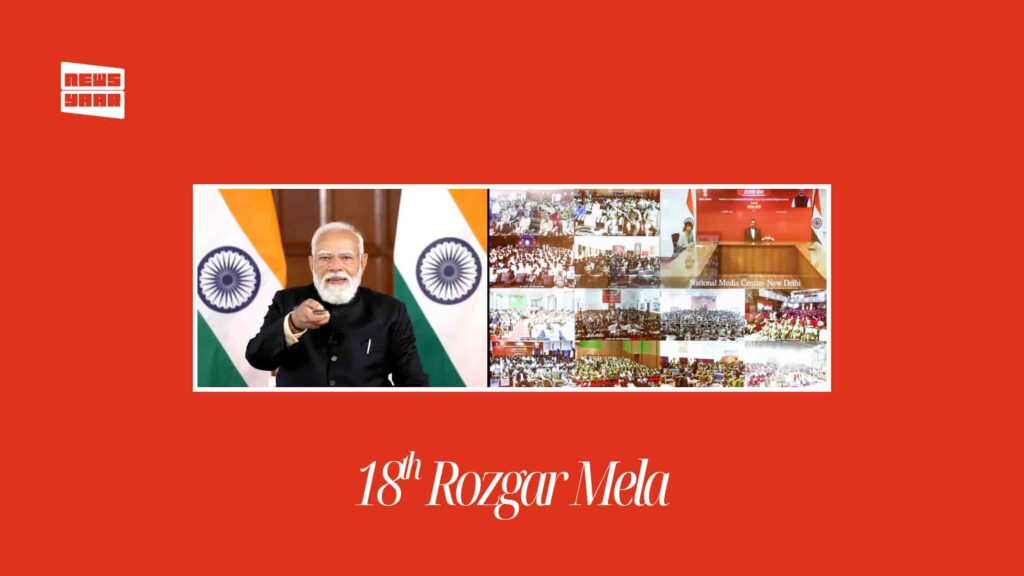
The 18th Rozgar Mela, one of India’s largest ongoing employment initiatives, was held on 24 January 2026 with events organised simultaneously across the country to provide job opportunities and appointment letters to young Indians. The flagship programme — aimed at accelerating government recruitment and linking the nation’s youth with jobs across ministries, departments and public sector units — witnessed widespread participation and engagement from newly appointed candidates. Prime Minister Narendra Modi addressed the 18th Rozgar Mela via video conferencing from New Delhi, speaking to appointees gathered at 45 locations nationwide. In his address, he described the initiative as a significant milestone for India’s youth and reiterated the government’s focus on employment creation, skill development and economic opportunity expansion for young Indians. When and Where It HappenedThe 18th Rozgar Mela took place on 24 January 2026, coinciding with a period of national significance that includes Parakram Diwas (on 23 January), National Voters’ Day (25 January) and the Republic Day celebrations on 26 January. The event was organised at 45 locations across India, allowing candidates from diverse regions to receive appointment letters and engage in related activities. The main address was delivered from New Delhi by the Prime Minister, while physical distribution of letters and events were held at designated Rozgar Mela venues in states across the country, including West Bengal, Nagaland, and other regions. Some centres, such as the Assam Rifles Training Centre in Dimapur, Nagaland, issued appointment letters to newly recruited candidates, reflecting the decentralised nature of the event. Key Highlights and Appointment DistributionOver 61,000 appointment letters were distributed to candidates selected for government jobs across ministries, departments and organisations, including departments such as Home Affairs, Health and Family Welfare, Higher Education, Financial Services, and others. The appointment letters were handed over through a combination of physical distribution at Rozgar Mela venuesand virtual interaction, connecting recipients across different states with the Prime Minister’s address. The event marks one of the largest single distributions of appointment letters under the Rozgar Mela scheme, with many of the new appointees beginning their careers in government service immediately following the mela. Reports from individual centres — such as Digberia in West Bengal — indicated that thousands of appointment letters were issued locally to freshly recruited personnel, including those selected for service in Central Armed Police Forces (CAPFs) and other government wings. Prime Minister’s Address and Core MessagesIn his address, Prime Minister Narendra Modi highlighted the symbolic importance of the Rozgar Mela and framed the distribution of appointment letters as an “invitation to nation building” for the youth. He noted that the year 2026 had begun with new opportunities and happiness for many young Indians who were now entering government service through the mela. The Prime Minister emphasised that connecting youth with skills and employment remains a priority of the government and that the Rozgar Mela had evolved into a key institutional mechanism over recent years, issuing over 11 lakh appointment letters since its inception as a mission-mode recruitment drive. In his remarks, the Prime Minister also positioned the Rozgar Mela within a larger economic and developmental narrative, highlighting India’s rapidly growing startup ecosystem, expanding opportunities in sectors such as animation, digital media and electronics, and the role of trade and mobility agreements in opening new opportunities for Indian youth globally. He pointed to India’s demographic advantage as one of the youngest countries in the world and underlined the government’s consistent efforts to create employment both domestically and internationally, reinforcing the event’s relevance as part of the broader agenda of economic empowerment and youth inclusion. Broader Impact of Rozgar MelasSince its launch, the Rozgar Mela programme has been a significant tool for mission-mode recruitment by the Centre, working to accelerate government hiring and ensure transparent, timely delivery of appointment letters. According to government figures, the Rozgar Mela initiative has facilitated the distribution of appointment letters in excess of 11 lakh across multiple editions, helping to place youth in positions within central ministries, departments and public sector undertakings nationwide. Union officials and youth representatives have lauded the Rozgar Mela as a platform that not only invites career opportunities but also encourages the next generation of public servants to contribute meaningfully to national development. Many candidates expressed gratitude and optimism after receiving their appointment letters, highlighting the personal and professional significance of the event. A Platform for Empowerment and National ServiceThe 18th Rozgar Mela reinforced its identity as a platform for youth employment generation, providing young Indians with direct entry points into government service while aligning with broader national goals of skill development, economic growth and public service excellence. By bringing thousands of new recruits into government employment, the event underscored the government’s commitment to expanding opportunities for work and career advancement for the nation’s youth. Looking ahead, future editions of the Rozgar Mela will continue to be watched closely as an indicator of the government’s progress in achieving large-scale, transparent employment generation across sectors and regions, particularly at a time when job creation remains a central public policy objective.
India Energy Week 2026: Mapping India’s Energy Transition in a Fragmented World
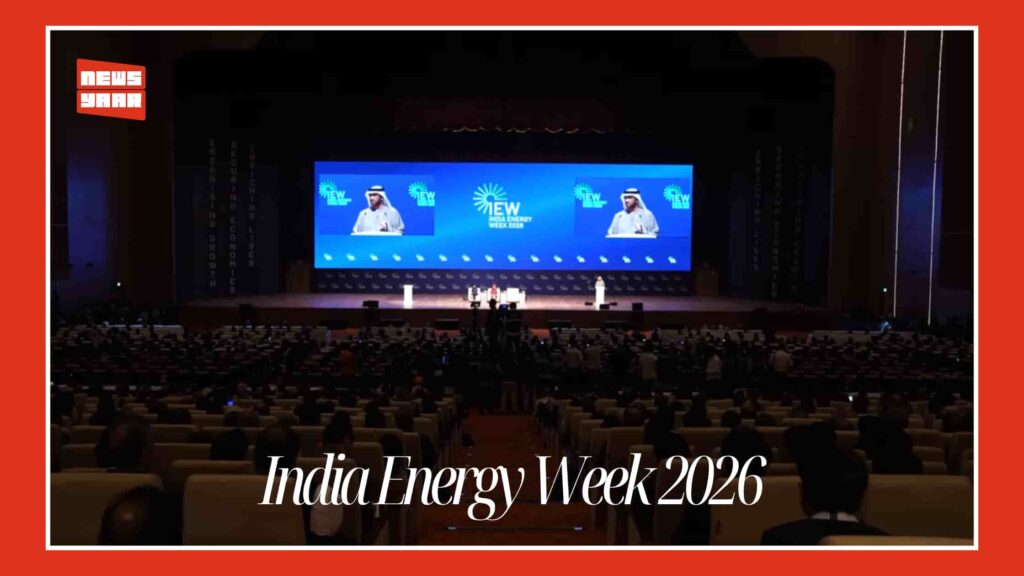
New Delhi: India Energy Week (IEW) 2026 emerged as a pivotal platform for India to articulate its energy priorities at a time when global energy systems are undergoing rapid transition amid geopolitical uncertainty, climate imperatives and shifting technology landscapes. Bringing together policymakers, industry leaders, innovators and global stakeholders, the event reinforced India’s ambition to position itself as a key driver of the global energy transition while safeguarding energy security and affordability.Held with a sharp focus on collaboration and execution, India Energy Week 2026 underscored the idea that India’s energy journey will be defined not by a single fuel or technology, but by a balanced, multi-pathway approach.Why India Energy Week MattersIndia Energy Week is designed as India’s flagship international energy forum, aimed at bridging dialogue between government, global energy companies, clean-tech innovators and investors. As one of the world’s fastest-growing energy consumers, India sits at the centre of global energy conversations, both as a market and as a solutions provider.With India targeting net-zero emissions by 2070, while simultaneously meeting the needs of a growing population and industrial base, the event plays a crucial role in aligning policy intent with industry execution. IEW 2026 continued this mandate by spotlighting policy clarity, investment opportunities and technological pathways across conventional and clean energy sectors.Central Themes and Focus AreasIndia Energy Week 2026 revolved around a few clear pillars:Energy Security in an Uncertain World: Discussions highlighted the need for diversified supply chains, domestic production and strategic reserves to shield economies from global disruptions.Accelerating the Clean Energy Transition: Renewable energy, green hydrogen, biofuels and energy storage were central to conversations, with India positioning itself as a scalable clean-energy hub rather than just a consumer of imported technologies.Technology, Innovation and Digitalisation: Artificial intelligence, smart grids and digital monitoring systems were presented as key enablers for improving efficiency, reducing losses and optimising energy distribution.Just and Inclusive Transition: Policymakers stressed that India’s energy shift must remain affordable and inclusive, ensuring that growth, employment and access are not compromised in the pursuit of sustainability.Key Highlights from India Energy Week 2026A major highlight of IEW 2026 was the strong participation from both domestic and global energy players across oil & gas, renewables, power, hydrogen and emerging technologies. The event featured:Policy Dialogues: Senior government representatives outlined India’s evolving energy roadmap, emphasising reforms, infrastructure expansion and investor-friendly frameworks.Investment Conversations: India showcased opportunities across upstream and downstream energy, renewable manufacturing, electric mobility and green hydrogen ecosystems, reinforcing confidence in long-term capital deployment.Hydrogen and Bioenergy Push: India’s ambitions under the National Green Hydrogen Mission were discussed in detail, alongside progress in ethanol blending and bioenergy adoption to reduce import dependence.Energy Transition Showcases: Technology exhibitions and innovation zones demonstrated advancements in storage solutions, clean fuels and digital energy platforms.Global and Domestic Voices on the Same StageIndia Energy Week 2026 featured participation from a wide range of stakeholders, including senior Indian ministers, global energy executives, international organisations and climate experts. The presence of global industry leaders reinforced India’s growing relevance in shaping future energy markets.International delegates engaged in dialogues on climate finance, technology transfer and collaborative innovation, while Indian public sector enterprises and private companies presented transition-ready business models aligned with sustainability goals.Strategic Significance for IndiaThe significance of India Energy Week 2026 lies in its timing and context. As global energy systems face volatility, from supply disruptions to policy shifts, India is positioning itself as a stable, predictable and scalable energy partner.The event highlighted India’s dual strength:Its ability to anchor traditional energy markets responsibly, andIts growing leadership in renewables and low-carbon solutions.By aligning policy, capital and innovation under one platform, IEW 2026 strengthened India’s narrative as a country that is not choosing between growth and sustainability, but integrating both.Looking Ahead: The Final Insights While India Energy Week 2026 focused heavily on ideas, partnerships and vision, the underlying message was clear: execution will define success. The emphasis on infrastructure readiness, regulatory clarity and market depth suggests a shift from aspirational announcements to delivery-oriented outcomes.As India advances towards becoming a $5 trillion economy, energy will remain at the core of its growth story. India Energy Week 2026 reaffirmed that India’s approach, pragmatic, inclusive and forward-looking, could well serve as a blueprint for other emerging economies navigating similar transitions.In a world searching for balanced energy solutions, India is increasingly positioning itself not just as a participant, but as a shaper of the global energy future.
Economic Survey 2025–26: Know the key highlights of Stable Growth& Inflation
New Delhi:The Economic Survey 2025–26, tabled in Parliament on January 29 ahead of the Union Budget, presents a picture of an Indian economy that remains resilient amid global uncertainty, while urging policymakers and businesses to proceed with caution rather than pessimism. Prepared by the Department of Economic Affairs under Chief Economic Adviser (CEA) V. Anantha Nageswaran, the document sets the tone for the government’s economic thinking going into FY27. At its core, the Survey projects real GDP growth in the range of 6.8% to 7.2% for FY27, signalling steady momentum despite a challenging external environment marked by trade tensions, tariff pressures, and geopolitical risks. Growth Outlook: Steady, but Not Without Risks According to the Survey, India’s domestic economy is on a stable footing, supported by strong macro fundamentals. For FY26, growth is estimated at 7.4% as per the first advance estimates. Looking ahead, the government expects India to remain one of the fastest-growing major economies globally. The Survey notes that while domestic drivers such as consumption resilience, public investment, and improving private investment intentions continue to support growth, global conditions remain fragile. Trade conflicts, particularly tariff-related disruptions, could weigh on exports and investor sentiment intermittently. Importantly, the Survey introduces a nuanced stance: growth prospects are steady, but policymakers must maintain buffers and credibility. As the document puts it, the outlook requires “caution, but not pessimism.” Inflation: At Historic Lows, With Firming Ahead One of the most notable takeaways from the Economic Survey is the sharp moderation in inflation. Retail inflation has remained well below the Reserve Bank of India’s target of 4%, aided by food price corrections and improved supply conditions. The RBI has estimated CPI inflation at 2% for FY26, with projections of 0.6% for the December quarter and 2.9% for the March quarter. While inflation is expected to firm up gradually in FY27, it is likely to remain within the targeted range. Healthier balance sheets across households, firms, and banks, combined with controlled inflation, have helped preserve macroeconomic stability, the Survey notes. Global Context: Headwinds Persist The Survey flags a dim medium-term outlook for the global economy, citing modest growth, lingering geopolitical tensions, and risks related to global financial markets. It warns that if the much-hyped AI boom fails to deliver productivity gains, it could trigger corrections in asset markets. Despite these risks, India’s economy has demonstrated resilience. Total exports, including goods and services, reached a record $825.3 billion in FY25, even as merchandise exports faced tariff-related pressures, particularly from the United States. Investment, Reforms, and Deregulation The Economic Survey places renewed emphasis on systematic deregulation as the next phase of reforms under what it calls Ease of Doing Business 2.0. It argues that small, targeted deregulation efforts can trigger a “butterfly effect”, leading to entrepreneurship, investment, and innovation. Public capital expenditure continues to play a critical role, with Centre-led infrastructure spending acting as a key growth driver. At the same time, private investment intentions are improving, though the Survey stresses the need for regulatory certainty to translate intent into execution. Social Sectors and Emerging Themes Beyond macroeconomics, the Survey reviews progress across employment, health, education and agriculture. It reiterates the importance of skill development as services now account for over 55% of India’s Gross Value Added. The document also raises concerns over excessive social media use among younger populations, suggesting that age-based access limits may need consideration. On artificial intelligence, the Survey proposes the creation of an AI Economic Council to calibrate the pace of adoption and balance innovation with societal risks. Setting the Stage for Budget 2026 Presented just days before the Union Budget, the Economic Survey serves as a crucial backdrop for upcoming fiscal decisions. It highlights FY26 as an “unusually challenging year,” but frames FY27 as a year of adjustment, where firms and households adapt to regulatory changes and global shifts. In sum, the Economic Survey 2025–26 paints a picture of an economy that is resilient, reform-oriented and cautiously optimistic, positioning India to navigate uncertainty without losing growth momentum.