


Modi’s Australia Visit Signals a New, Deeper Phase in India–Australia Ties
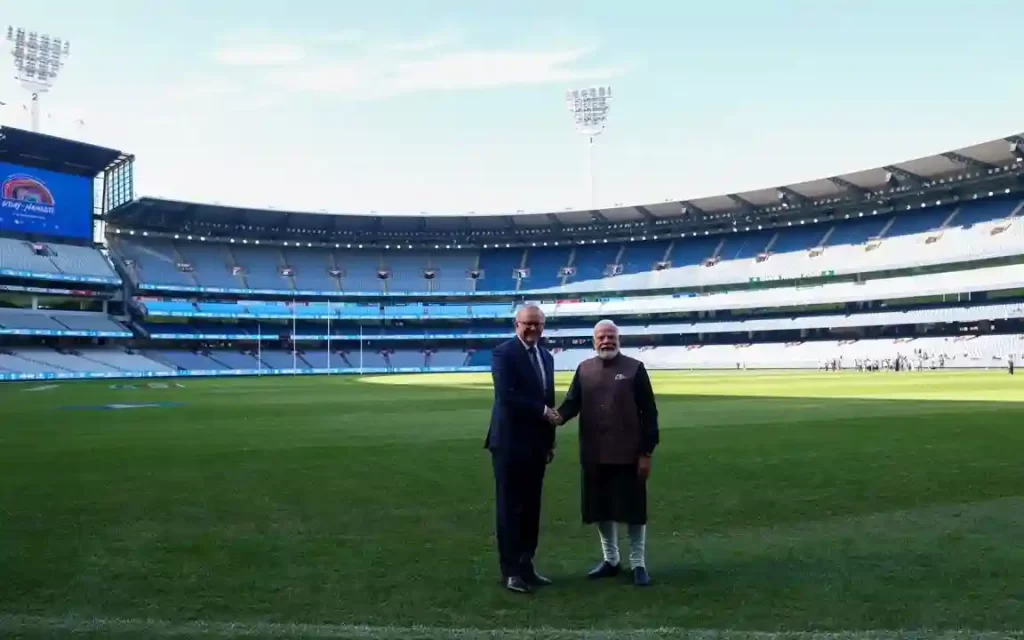
Prime Minister Narendra Modi’s July 2026 visit to Australia has given fresh momentum to a partnership that is now clearly moving beyond symbolism and into institutionally grounded cooperation. The visit produced a wide set of outcomes across defence, energy, critical technologies, education, skills, maritime security, culture, and the Indo-Pacific, underscoring how far India and Australia have come from the uneven and often cautious relationship of earlier decades. What stands out most is not simply the number of agreements signed, but the coherence of the overall package. Defence, energy security, supply chains, education, and regional strategy were all treated as interconnected priorities, reflecting a relationship that is becoming more resilient, more practical, and more difficult to derail. A Relationship Built on TrustThis was Modi’s third visit to Australia, and that in itself is historically significant. It reflects a diplomatic rhythm that has become more regular and more substantive, with both countries now willing to engage at a high level even when the broader global environment is uncertain. The summit’s central message was clear: India and Australia are no longer relying on ad hoc engagement. Instead, they are building a partnership that can absorb disagreements, manage differences, and still keep expanding in strategically important areas. Defence Cooperation DeepensThe most important strategic outcome was the Joint Declaration on Defence and Security Cooperation, which renews and expands earlier bilateral frameworks and places greater emphasis on interoperability, maritime domain awareness, counter-terrorism, HADR, cyber security, defence-industrial collaboration, and professional military education. The declaration also supports a more regular defence dialogue, including an annual defence ministers’ mechanism, which should help the two sides move from broad strategic alignment to more structured operational cooperation. In a region where maritime competition and security uncertainty are growing, that kind of institutionalisation matters.A parallel Maritime Security Collaboration Roadmap further strengthens coordination on information sharing, capability development, and operational planning. The MoU between the Indian Coast Guard and Australia’s Maritime Border Command adds a practical layer to this effort by linking maritime law-enforcement and border-protection agencies directly.Energy Security and Nuclear CooperationEnergy security emerged as another major pillar of the visit. The two countries issued a joint statement reaffirming cooperation on reliable, affordable, and sustainable energy, while also highlighting the importance of resilience in the face of geopolitical disruptions. The most notable breakthrough came with the finalisation of the administrative arrangement under the civil nuclear agreement, which clears the path for Australian uranium exports to India for peaceful use under IAEA safeguards. That step carries both practical and symbolic weight, because it reflects a new level of trust and helps India diversify its uranium supply sources. Technology, Supply Chains, and the Future EconomyThe summit also launched the Australia–India Partnership for Cyber, Critical Technologies, Supply Chains (PACTS), signalling that both countries want to cooperate more closely in the technological domains that will shape economic competitiveness and national security in the coming years. PACTS builds on earlier cyber and critical technology arrangements, but it goes further by linking digital resilience, supply-chain diversification, and defence-related innovation. That makes it one of the most forward-looking outcomes of the visit, especially at a time when trusted technology partnerships are becoming central to global strategy. Education, Skills, and People-to-People TiesEducation and skills cooperation formed a major part of the summit’s practical agenda. The visit included the issuance of a Letter of Intent to Flinders University for a campus in Bengaluru and a Letter of Approval to Victoria University to operate in Gurugram, reinforcing the growing role of Australian higher education in India. The two sides also advanced vocational cooperation through a new agreement between India’s regulators and Australia’s skills authority, along with a Centre of Excellence in Mining and Mining Equipment, Technology and Services at NSTI Bhubaneswar. These are the kinds of arrangements that create long-term institutional links rather than one-off announcements.Culture and HeritageThe visit also included a meaningful cultural dimension. Australia’s voluntary repatriation of Indian antiquities, including Nandi, a Bhadrakali trident, and a six-headed Skanda, underscored how heritage cooperation is becoming an important part of the bilateral relationship.The broader emphasis on heritage restitution, along with parallel work on human remains and cultural exchange, shows that the relationship is now capable of accommodating not just strategic interests but also historical and moral concerns.A Shared Indo-Pacific VisionRegionally, the two leaders reaffirmed support for a free, open, rules-based Indo-Pacific and emphasized the importance of UNCLOS, ASEAN centrality, IORA, the Pacific Islands Forum, and the Quad. They also condemned terrorism, voiced concern about instability in the Middle East, Ukraine, and Myanmar, and stressed the need for diplomacy, restraint, and adherence to international law. This regional alignment is important because it gives the partnership strategic depth. India and Australia are not merely coordinating bilaterally; they are also trying to shape a regional order that supports stability, maritime security, and economic resilience.Why This Visit MattersThe real significance of Modi’s Australia visit is that it shows how much the relationship has matured. Earlier phases were marked by distrust, interruptions, and political hesitations, but the present phase is defined by continuity, institutional trust, and an expanding set of shared interests. That shift matters because it makes the partnership more durable. Agreements on defence, energy, technology, education, and regional security now sit within a broader framework of cooperation that appears strong enough to withstand domestic political changes and strategic pressure.ConclusionModi’s July 2026 visit to Australia should be seen as more than a successful diplomatic tour. It was a signal that India–Australia ties have entered a deeper, more consequential phase, one in which both sides are investing in mechanisms that can support long-term cooperation rather than short-term headlines. From defence and maritime security to uranium exports, universities, and cultural repatriation, the visit delivered a broad and carefully balanced set of outcomes. Taken together, they point to a partnership that is increasingly built on trust, institutional depth, and a shared understanding of what stability and prosperity in the Indo-Pacific require
PM Modi’s Mann Ki Baat – Episode 136th
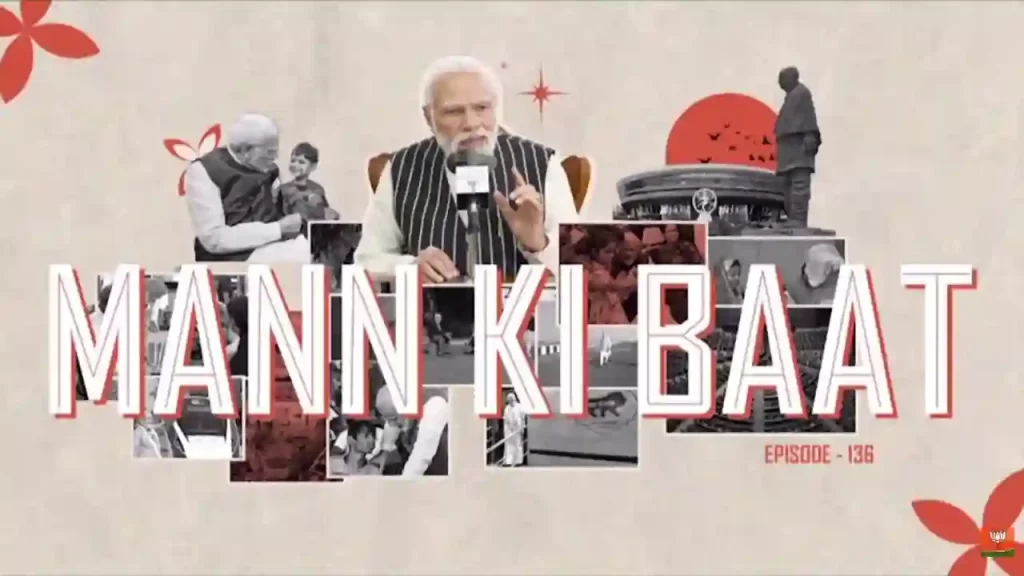
The 136th Episode of Prime Minister Shri Narendra Modi’s Mann Ki Baat, the monthly radio programme that connects the Prime Minister with citizens across the nation. Through this unique platform, PM Modi shares inspiring stories, highlights grassroots innovations, and discusses topics of national importance that encourage public participation and nation-building. In this episode of Mann Ki Baat, PM Modi interacts with the people of India, recognizes exceptional contributions by individuals and communities, and speaks about initiatives that are shaping the country’s progress. The programme reflects the spirit of Jan Bhagidari and celebrates inspiring efforts from every corner of the nation.Video: YT/@NaMo
Shri Ram Yantra to Be Installed in Ayodhya Ram Mandir: President Murmu to Lead Mega Spiritual Event
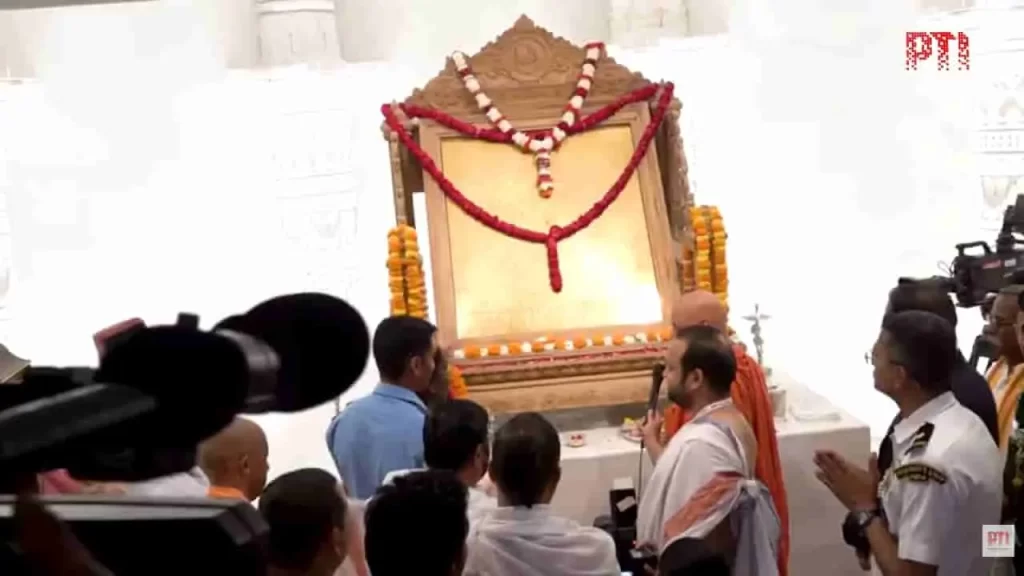
Ayodhya is preparing for another historic spiritual milestone as the Shri Ram Janmabhoomi temple gears up to host the installation of the Shri Ram Yantra on March 19, in the presence of President Droupadi Murmu on the auspicious first day of Chaitra Navratri and Hindu New Year (Varsha Pratipada).Historic ceremony on March 19The Shri Ram Yantra will be ceremonially installed on the upper floor of the Ram Mandir complex in a grand Vedic ritual that the Shri Ram Janmabhoomi Teerth Kshetra Trust is billing as the next major chapter after the pran pratishtha of Ram Lalla.President Droupadi Murmu will be the chief guest and is expected to arrive at the temple around late morning, with the main installation scheduled in an auspicious muhurat close to noon.The ceremony coincides with Chaitra Shukla Pratipada, which marks the beginning of the Vikram Samvat Hindu New Year and the first day of Chaitra Navratri, considered especially sacred for new beginnings and major religious undertakings.news.Around 7,000 invited participants, including seers, scholars, saints, key engineers, artisans, and workers who contributed to the construction of the Ram Mandir, are expected to attend and be felicitated by the Trust.hindi.Trust officials say that after the installation, devotees visiting the temple will be able to have darshan of both Ram Lalla and the Shri Ram Yantra during their visit.What is the Shri Ram Yantra?According to Shri Ram Janmabhoomi Teerth Kshetra general secretary Champat Rai, the Shri Ram Yantra was sent to Ayodhya about two years ago in a ceremonial procession led by seer Vijayendra Saraswati.The yantra is described as being based on Vedic mathematics and sacred geometry and is believed to be a medium that concentrates divine energies and attracts positive spiritual vibrations into the garbhagriha and temple complex.Until now, the yantra has been kept before the idol of Ram Lalla and worshipped daily as part of regular rituals; after March 19, it will be formally installed on an upper floor of the shrine as a permanent spiritual focal point.Priests and members of the Trust have emphasized that the installation has been timed with great care to align with an “extremely auspicious” muhurat on New Year day, reinforcing the belief that the yantra will strengthen the spiritual ambience of the entire complex.news.New rules for devotees: mobiles and weapons bannedIn parallel with preparations for the ceremony and the Chaitra Navratri–Ram Navami rush, the temple administration and district authorities have notified a stricter set of guidelines for devotees visiting the Ram Mandir.Champat Rai has clearly stated that mobile phones will now be completely banned inside the Shri Ram Janmabhoomi temple premises.Devotees will not be allowed to carry mobile phones beyond designated security points; this rule applies to all visitors, including those accompanied by personal security staff.Licensed weapons such as revolvers, pistols, swords, or other firearms are strictly prohibited in the temple complex, even if the person possesses valid legal licenses.An exception is being made for members of the Sikh community, who will be allowed to carry their traditional small kirpan in line with religious practice; the Trust has clarified that this exemption is purely out of respect for faith and is limited to the customary symbolic blade.Officials say these measures aim to strengthen security, reduce crowd-management challenges, and maintain a disciplined, distraction-free environment for darshan amid rapidly increasing footfall.Special arrangements for Chaitra Navratri and Ram NavamiChaitra Navratri this year runs from March 19 to March 27, culminating in Ram Navami, the birthday of Lord Ram, which traditionally sees some of the largest crowds in Ayodhya.To handle the surge of pilgrims, the Trust and administration are putting in place additional facilities and service arrangements:Fasting-friendly food: For devotees observing Navratri fasts, stalls and counters will offer appropriate items such as fruits, milk-based preparations, peanuts, butter, and light dishes made from potatoes and other vrat-compliant ingredients, so that those on fast are not inconvenienced during long queues and extended stays.Basic amenities: Adequate drinking water points and temporary as well as permanent toilet blocks are being arranged around the temple complex and in holding areas for queues, with more units to be added as crowd estimates firm up.Crowd flow and gates: The administration has indicated that detailed information on entry and exit gates, queue lanes, holding zones, and timing-wise crowd management plans will be shared in the days leading up to the main dates as assessments are finalized.Given the President’s visit on March 19, VIP darshan passes are expected to be suspended for certain time slots so that security and protocol arrangements can be managed smoothly.Appeal for orderly darshanThe Shri Ram Janmabhoomi Teerth Kshetra and district administration have jointly appealed to devotees to strictly follow the new guidelines, particularly the ban on mobile phones and weapons, and to cooperate with security forces during the high-traffic Navratri and Ram Navami period.Officials underline that adherence to these rules will not only enhance security but also ensure that all pilgrims, many of whom travel long distances, can experience peaceful, unhurried darshan of Ram Lalla and, after March 19, of the newly installed Shri Ram Yantra.For Ayodhya, which witnessed a landmark moment with the consecration of Ram Lalla in January and is now set for the formal installation of the Shri Ram Yantra on Hindu New Year, this year’s Chaitra Navratri is emerging as a powerful convergence of faith, symbolism, and meticulous planning.
Delhi–Meerut RRTS Fully Operational: India’s First Regional Rapid Transit Corridor Becomes a Reality
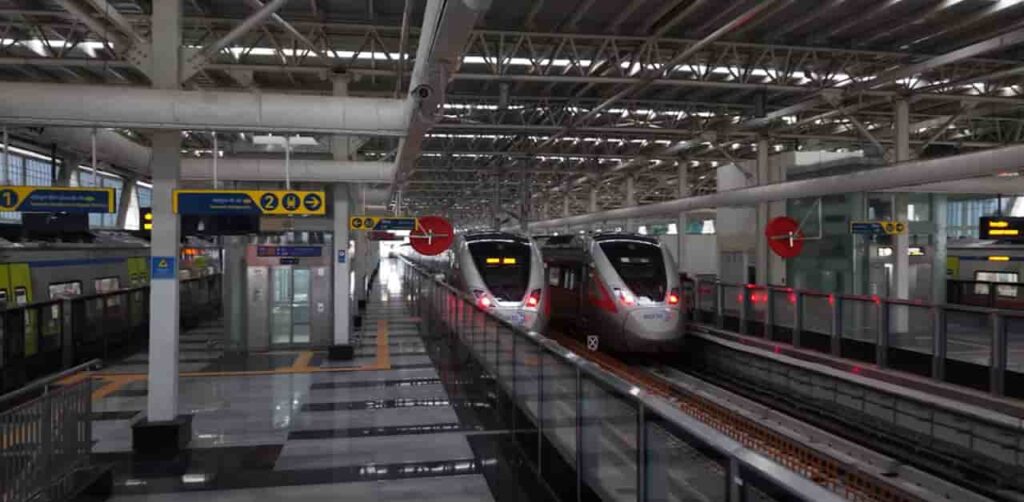
In a major milestone for India’s urban transport infrastructure, the full stretch of the Delhi–Meerut Regional Rapid Transit System (RRTS) has now been opened for public operations. Developed by the National Capital Region Transport Corporation (NCRTC), the corridor marks the country’s first semi-high-speed regional rail system, designed to significantly reduce travel time between Delhi and key cities in western Uttar Pradesh.The corridor connects Delhi, Ghaziabad, and Meerut, transforming daily commuting across the National Capital Region into a faster, more efficient experience.A High-Speed Alternative to Road TravelThe Delhi–Meerut RRTS corridor spans approximately 82 kilometres, making it one of the most advanced regional rail projects in the country. With trains designed to operate at a maximum speed of 180 km/h and an operational speed of around 160 km/h, the system drastically cuts down travel time.Commuters can now travel between Delhi and Meerut in less than one hour, compared to the earlier duration of over two to three hours by road, depending on traffic conditions. This is expected to ease congestion on highways and reduce dependence on private vehicles.Modern Stations and InfrastructureThe corridor includes over 20 strategically located stations, covering major residential, commercial, and transit hubs along the route. Key stations include:Sarai Kale Khan (Delhi)Anand ViharGhaziabadModinagarMeerut SouthMeerut CentralThese stations are equipped with modern facilities such as:Platform screen doorsAutomated ticketing systemsEscalators and elevatorsSeamless integration with metro and bus networksThe infrastructure has been designed keeping in mind accessibility, safety, and passenger comfort.Advanced Technology and Passenger ExperienceThe RRTS introduces a new standard of rail travel in India, combining speed with technology-driven convenience.Trains on the corridor are fully air-conditioned and feature:Ergonomic seatingDedicated luggage spaceOnboard information systemsWi-Fi connectivityCCTV surveillance for securityA separate premium coach has also been introduced, offering business-class-like seating and additional comfort for passengers willing to pay a higher fare.Integration with Urban Transport NetworksOne of the key advantages of the RRTS is its integration with existing urban transit systems. Stations such as Anand Vihar and Sarai Kale Khan connect with metro lines, railway stations, and bus terminals, enabling seamless last-mile connectivity.This multimodal approach is expected to encourage greater use of public transport and reduce traffic congestion in the region.Economic and Regional ImpactThe full operationalisation of the Delhi–Meerut RRTS corridor is expected to have far-reaching economic implications.Improved connectivity will:Boost real estate development along the corridorFacilitate faster movement of workforce between citiesEncourage business expansion beyond DelhiSupport balanced regional development in NCRCities like Ghaziabad and Meerut are likely to witness increased investment and urban growth as commuting becomes more convenient.Environmental BenefitsBy providing a fast and reliable alternative to road travel, the RRTS is also expected to contribute to environmental sustainability.Reduced vehicular traffic will lead to:Lower carbon emissionsDecreased fuel consumptionImproved air quality in the NCR regionThe project aligns with India’s broader goals of promoting sustainable and green mobility solutions.A New Era of Regional ConnectivityThe Delhi–Meerut RRTS is the first of several planned corridors under the regional rapid transit system network. Its successful implementation sets a benchmark for similar projects connecting other parts of the National Capital Region.With high-speed travel, modern infrastructure, and seamless connectivity, the corridor represents a significant leap in how intercity commuting is approached in India—bringing cities closer while improving quality of life for millions of daily commuters.