


Karan Aujla’s P-Pop Culture India Tour 2026: A Musical Wave Sweeping Across the Country
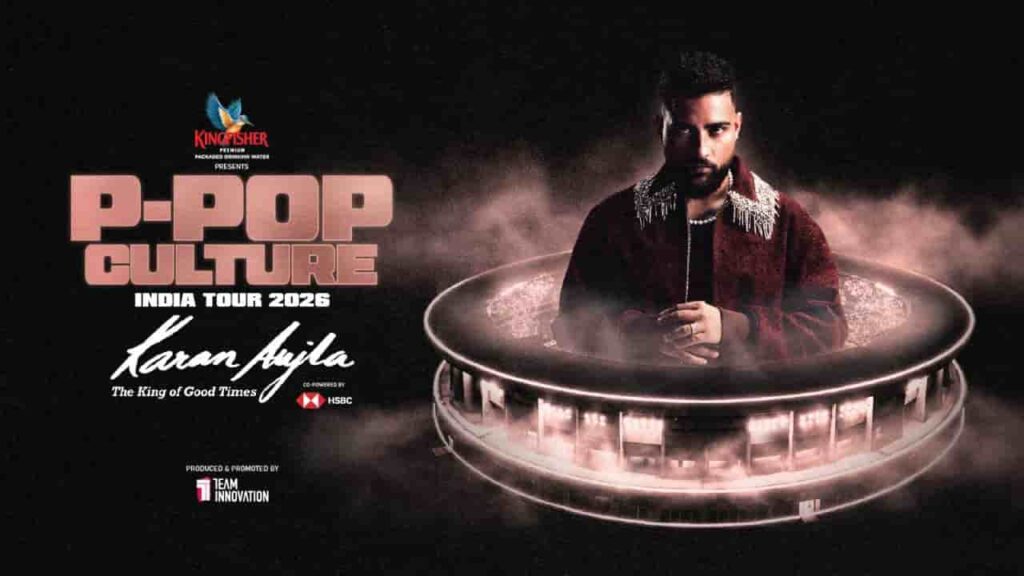
Punjabi music has steadily grown into one of the most powerful cultural movements in India’s entertainment landscape, and in 2026, singer-songwriter Karan Aujla is taking that energy to stadiums across the country with his much-anticipated P-Pop Culture India Tour 2026.The tour, which began in late February, is already creating massive excitement among fans. From packed stadiums and electrifying stage production to thousands of people singing along to every lyric, Aujla’s tour is quickly becoming one of the most talked-about live music events of the year.Celebrating what Aujla calls “P-Pop Culture”—a vibrant blend of Punjabi music, global hip-hop influences, and modern pop production—the tour represents the growing power of Punjabi music on the national stage.As of 10 March 2026, the tour has already kicked off in spectacular fashion and is continuing to travel across India with several cities still waiting to witness the musical phenomenon.A Historic Opening Night in DelhiThe tour began on 28 February 2026 in New Delhi, where Aujla delivered a jaw-dropping performance at the iconic Jawaharlal Nehru Stadium.The opening night was nothing short of historic. Nearly 70,000 fans filled the stadium, turning the venue into a sea of lights, music, and excitement. The atmosphere resembled a massive festival rather than just a concert, as fans waved flashlights, danced to every beat, and sang along to Aujla’s biggest hits.With towering LED screens, dramatic lighting effects, and thunderous sound systems, the Delhi concert set the tone for the rest of the tour—bold, energetic, and unforgettable.Holi Celebrations Turn Musical in Mumbai and PuneFrom Delhi, the tour travelled to Mumbai and Pune on 3 March 2026, where special Holi edition concerts were organised.The Mumbai show took place at MMRDA Grounds, where thousands of fans gathered to celebrate both music and the festival of colours. The concert became a vibrant spectacle filled with dance, colours, and pulsating Punjabi beats.The same day, Pune hosted another energetic show, continuing the Holi celebrations with fans dancing late into the night.Ahmedabad Welcomes the Punjabi SuperstarThe P-Pop Culture tour continued its journey to Ahmedabad, where Aujla performed on 7 March 2026.The Gujarat audience responded with immense enthusiasm, proving once again that Punjabi music has grown far beyond regional boundaries. Fans travelled from nearby cities to attend the concert, making the event one of the most energetic musical gatherings in the city.Cities on the P-Pop Culture India TourThe tour spans several major cities across India, taking Aujla’s music to fans nationwide. The confirmed tour schedule includes:28 February 2026 — New Delhi • 3 March 2026 — Mumbai (Holi Special Concert) • 3 March 2026 — Pune (Holi Special Concert) • 7 March 2026 — Ahmedabad • 14 March 2026 — Chandigarh • 21 March 2026 — Indore • 29 March 2026 — Bengaluru • 3 April 2026 — Kolkata • 5 April 2026 — Jaipur • 10 April 2026 — Lucknow • 14 April 2026 — LudhianaEach city is expected to host thousands of fans, many of whom travel long distances to witness the performances live.Mumbai 2.0: A Second Night for the FansOne of the biggest talking points of the tour has been Aujla’s decision to host another concert in Mumbai.After fans raised concerns about overcrowding and arrangements during the earlier Mumbai show, the singer announced a second Mumbai concert on 12 April 2026, often referred to as “Mumbai 2.0.”In a gesture that won the hearts of fans, Aujla revealed that people who had already purchased tickets for the earlier Mumbai concert would be allowed to attend the new show free of cost.The announcement quickly went viral on social media and strengthened Aujla’s reputation for staying connected with his fanbase.A Global-Scale Concert ExperienceWhat makes the P-Pop Culture tour stand out is its massive production scale. Each concert features a 50-foot stage, huge LED screens, advanced lighting technology, and an international production crew working behind the scenes.The concerts are designed to deliver a stadium-level experience similar to global music tours. From laser lights and synchronized visuals to powerful sound systems, every element of the show is built to immerse the audience in music.The Rise of Punjabi PopOver the past decade, Punjabi music has transformed from a regional genre into a global phenomenon. Artists like Karan Aujla are at the forefront of this movement.Known for chart-topping hits such as Softly, Winning Speech, and Admiring You, Aujla has built a massive international fanbase across India, Canada, the United Kingdom, and beyond.Through the P-Pop Culture tour, he is showcasing how Punjabi music can command stadium crowds and compete with the biggest global music acts.A Tour That Feels Like a FestivalMore than just a series of concerts, the P-Pop Culture India Tour 2026 feels like a travelling music festival. Every city brings its own energy, its own crowd, and its own unforgettable moments.From the roaring crowds in Delhi to the colourful Holi concerts in Mumbai and Pune, and with many cities still waiting for their turn, the tour is proving that Punjabi music today is louder, bigger, and more influential than ever.As the tour continues through March and April, one thing is clear—wherever Karan Aujla performs, thousands of fans are ready to turn the night into a celebration of music, culture, and pure concert energy.
Dhanda Nyoliwala’s Electrifying Jaipur Concert Celebrates Haryanvi Culture
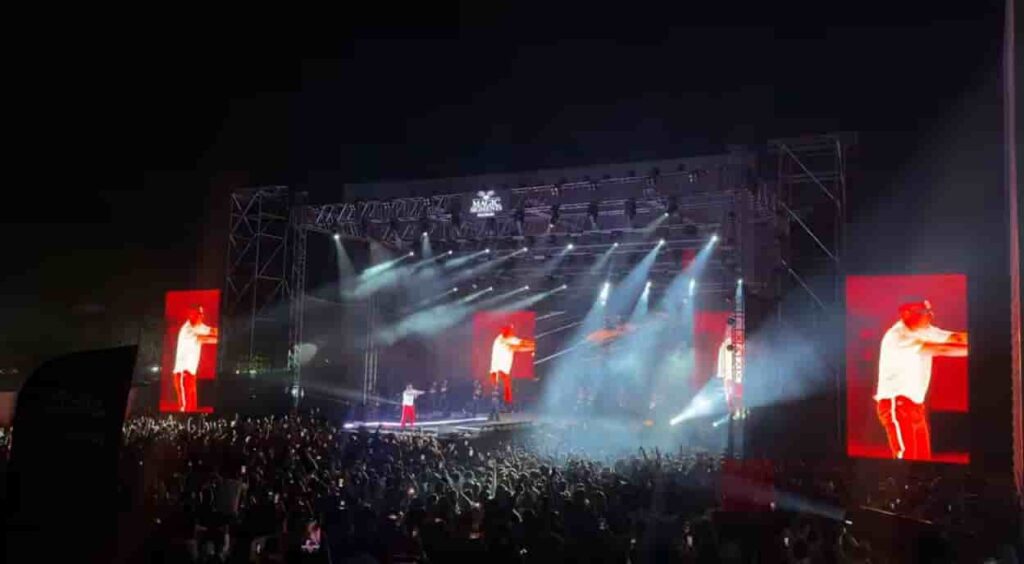
The city of Jaipur recently witnessed an energetic musical celebration as Haryanvi rapper Dhanda Nyoliwala brought his powerful stage presence to Rajasthan with a high-octane live concert that highlighted regional music and cultural identity. The concert turned into an unforgettable cultural spectacle when actor Randeep Hooda joined him on stage, transforming the performance into a vibrant celebration of Haryanvi pride and artistic expression.Held as part of Nyoliwala’s ongoing music tour, the Jaipur show attracted a large crowd of fans who gathered to experience the rising popularity of Haryanvi rap and contemporary regional music. The event stood out not only for its high-energy performances but also for the deeper cultural message it carried—showcasing the language, rhythm, and identity of Haryana on a wider national platform.A Celebration of Haryanvi Identity Through MusicDhanda Nyoliwala has rapidly emerged as one of the most recognizable voices in the Haryanvi independent music scene. Known for his distinctive rap style that blends modern hip-hop beats with raw Haryanvi dialect and storytelling, his performances often reflect everyday life, regional pride, and cultural authenticity.At the Jaipur concert, Nyoliwala performed several of his popular tracks that resonate strongly with young audiences across northern India. His music, often characterized by bold lyrics and energetic rhythms, created an electrifying atmosphere as the crowd enthusiastically sang along to his verses.The concert formed part of a broader effort by regional artists to bring local music traditions into mainstream entertainment spaces. Over the past few years, Haryanvi music has gained significant attention beyond its home state, and performers like Nyoliwala are playing a key role in pushing the genre to national and global audiences.Randeep Hooda’s Surprise Appearance on StageOne of the most memorable moments of the evening came when actor Randeep Hooda made a surprise appearance on stage alongside Dhanda Nyoliwala. Known for proudly representing his Haryanvi roots, Hooda’s presence added a new dimension to the performance and was met with loud cheers from the audience.As Nyoliwala delivered his signature rap verses infused with Haryanvi flavour, Hooda joined him in an energetic performance that blended cinema and music. The actor matched the rhythm with spirited dance moves and traditional Haryanvi expressions, creating an atmosphere that felt both authentic and celebratory.For many fans, this moment symbolised a rare and powerful collaboration between regional music and mainstream cinema. Hooda’s participation was not merely a celebrity cameo but a personal expression of cultural pride, reflecting his long-standing commitment to promoting Haryanvi language and traditions.A Cultural Spectacle Beyond a ConcertWhat began as a musical performance gradually transformed into a larger cultural event. The stage showcased a blend of contemporary rap and traditional Haryanvi spirit, creating a fusion that resonated strongly with the audience.Observers noted that the chemistry between Dhanda Nyoliwala and Randeep Hooda felt natural and spontaneous. Both artists share deep connections to Haryana’s culture, and their collaboration reflected a shared desire to bring regional voices to broader audiences.During the performance, Hooda embraced the lively atmosphere by dancing in classic Haryanvi style while Nyoliwala continued delivering his powerful rap sequences. The combination of music, cultural expression, and stage energy created a memorable experience for fans attending the concert.Audience Response and Social Media BuzzThe Jaipur concert quickly became a trending topic on social media as clips from the event circulated widely online. Videos capturing Hooda’s surprise entry and his energetic participation alongside Nyoliwala generated significant excitement among fans.Audience members described the show as one of the most vibrant musical events in Jaipur in recent months. The crowd’s enthusiastic response demonstrated the growing popularity of regional music genres that reflect local identity while appealing to younger listeners.The concert also highlighted how regional artists are increasingly using live performances to strengthen their connection with audiences beyond their home states.Growing Influence of Haryanvi MusicThe Jaipur concert underscored a broader trend in the Indian music industry: the rising influence of regional languages and independent artists. While Punjabi music has long enjoyed national popularity, Haryanvi music has recently begun carving its own space in mainstream entertainment.Artists like Dhanda Nyoliwala represent a new generation of performers who combine local storytelling with global musical influences such as hip-hop and rap. Their music resonates strongly with young audiences who connect with its authenticity and cultural roots.Collaborations with well-known public figures like Randeep Hooda further help amplify this cultural movement, bringing greater visibility to regional art forms.A Moment of Cultural PrideBeyond the music and entertainment, the Jaipur concert served as a reminder of how art and performance can celebrate identity and heritage. By bringing together contemporary rap and cinematic charisma, Dhanda Nyoliwala and Randeep Hooda created a moment that felt both entertaining and meaningful.The event reflected a growing confidence among regional artists who are proudly presenting their language and traditions to wider audiences. As more musicians and performers continue to explore these cultural roots, concerts like the one in Jaipur demonstrate the evolving landscape of India’s music scene—where regional voices are gaining recognition and influence far beyond their local origins.
Barefoot Warriors of the Thar: The 725-Km Fight to Save Rajasthan’s Sacred Sands
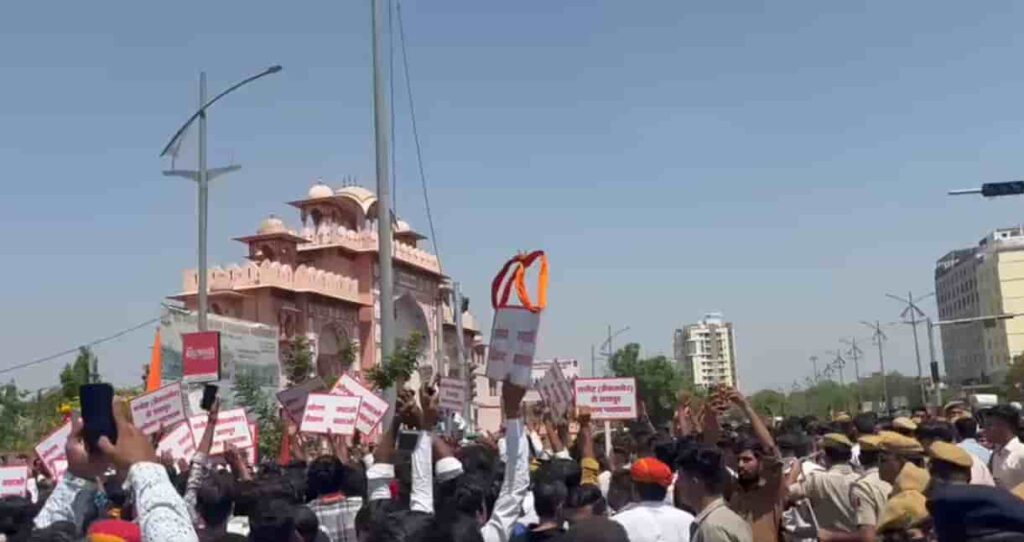
In the blazing heart of Rajasthan’s Thar Desert, where the sun scorches the earth and mirages dance on endless dunes, a remarkable movement is in making. It’s the Oran Bachao Yatra, a massive 725-kilometer barefoot march from Jaisalmer to Jaipur. Started on January 21, 2026, at the holy Tanot Rai Mata Temple (just 30 km from the Pakistan border), this isn’t just a protest. It’s a pilgrimage of faith, culture, and survival. Hundreds of villagers, farmers, camel herders, women, children as young as 10, and elders up to 75 – walk daily under the relentless sun. They shout slogans like “Oran bachao, gochar bachao!” (Save the Oran, save the pastures!) and sing bhajans at night. Why? To stop solar companies from swallowing sacred “Oran” lands that hold their gods, animals, and future.What Exactly is Oran? A Desert LifelineImagine patches of green in a sea of sand – that’s Oran. In western Rajasthan, especially Jaisalmer and Barmer, villages have set aside these lands for centuries. No one farms here. No trees get cut. They’re holy spots for folk gods like Ramdevji, Pabuji, and local deities. Khejri trees (Rajasthan’s state tree) provide life-saving shade and fodder. Ponds catch rainwater, keeping groundwater alive. Rare wildlife thrives: Great Indian Bustards (near extinction), chinkaras (deer), foxes, jackals, pelicans, cranes, and desert birds.Oran isn’t “waste” land, it’s the desert’s beating heart. It supports livestock (key for herders), stops soil erosion, and fights climate change. After 15 years of local struggles, only 300,000 bighas (about 75,000 hectares) are officially registered as Oran in the revenue records. But 2.5 million more bighas across Jaisalmer alone are at risk – labeled “gair mumkin” (uncultivable) or “banjar” (barren) by officials. Without protection, they’re easy prey for “development.”Solar Dreams vs. Desert Reality: The Spark of AngerRajasthan leads India in solar power, with over 22,000 MW installed, and 41,000 hectares more for new projects. Great for clean energy! But locals cry foul. Governments (Congress earlier, now the current one) hand over the Oran lands to companies. Examples: 745 hectares allotted in Jaisalmer’s Ramgarh tehsil recently. Trees uprooted, ponds filled, temples demolished. Leader Sumer Singh Sawanta of Team Oran fumes: “Cows’ grazing spots and deity lands vanish overnight.”Past betrayals sting. Officials once promised fixes in three months, but nothing happened. Herders lose pastures, so animals starve, forcing migration. Biodiversity crumbles: No Bustards means lost eco-tourism. Water tables drop without ponds. Women, remembering 1730’s Amrita Devi Bishnoi (who hugged Khejri trees to death against choppers), now lead the charge. It’s not anti-development, it’s a call for sustainable growth.The Epic Journey: Feet on Fire, Hearts AblazeDay by day, the yatra moves. Sunrise prayers at temples kick off barefoot walks. Drums beat, flags wave. They cover villages, explaining Oran’s role in water, forests, faith, and food. By evening: Chaupals (village squares) for bhajans, songs to gods give strength. “This fuels us,” says marcher Harish Dhandev.Covered 400 km so far! Highlights: Jodhpur stop. Shiv Sena MLA Ravindra Singh Bhati joined, carrying Sawanta on his shoulders for 1.5 km. Massive rally at Rajput Sabha Bhawan, then march to Collectorate. Hundreds submitted a memorandum demanding 17,562 bighas registered in Jaisalmer. Mahant Satyamani warned: “Public anger boils – protect forests now!”Bhopal Singh, 35: “We’ve met collectors everywhere, woken villages.” No full-time politicians walk, but support grows from all sides. Multi-state backing shows it’s bigger than party lines.Voices from the Sands: Real Stories, Raw PassionSumer Singh Sawanta (Team Oran leader): “Govt tests our patience. Temples razed, wrong! Both parties did this.”Mahant Satyamani: “Issue orders fast. Register grazing lands, people are furious.”Harish Dhandev: “Kids to grannies join. We love progress, but save our heritage first.”Women marchers: Echo Amrita Devi, carrying water pots as symbols of life-giving Orans.Why This Matters – A Wake-Up for IndiaOran Bachao isn’t local; it’s a green alert. Solar boom is vital against climate change, but at what cost? Lose Orans, lose desert balance: Herders flee, wildlife vanishes, culture fades. This yatra revives folk pride, unites faiths, and empowers women.
AP Dhillon’s “One of One India Tour” Sweeps the Country, Turning Concerts into Cultural Events
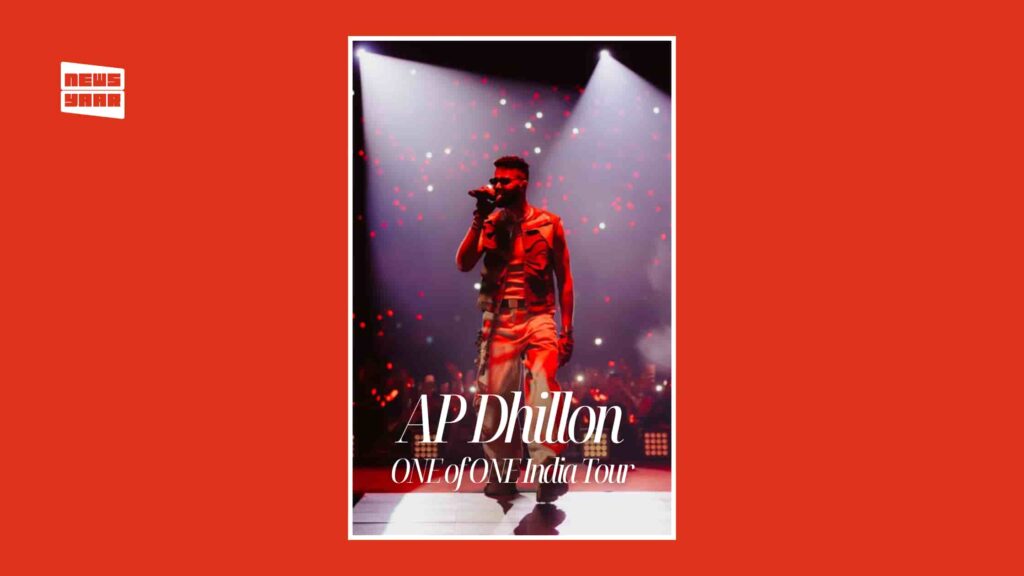
Punjabi-Canadian global star AP Dhillon wrapped up his ambitious “One of One India Tour” after a multi-city run that cut across regions, languages and fan cultures, reaffirming his status as one of the most influential live performers in India’s contemporary music scene. Spanning metros and emerging cultural hubs alike, the tour transformed concert venues into shared spaces of music, identity and youthful expression.More than a string of sold-out shows, the tour unfolded as a pan-India cultural movement, reflecting how Dhillon’s sound — rooted in Punjabi music yet shaped by global hip-hop and R&B — has found resonance far beyond linguistic boundaries. A Nationwide Tour with City-Specific Energy The One of One India Tour 2025–26 covered multiple states and major cities, each responding to Dhillon’s music in its own distinct way.In Mumbai, one of the tour’s most high-profile stops, the concert drew a dense mix of music lovers, industry figures and celebrities. Actress Tara Sutaria’s presence at the Mumbai show added to the buzz, underlining the tour’s crossover appeal beyond music circles. The city’s crowd responded with near-constant sing-alongs, turning tracks like Excuses and Insane into collective anthems.Delhi-NCR witnessed one of the loudest receptions of the tour, with fans arriving hours early and filling the venue to capacity. The capital’s stop stood out for its raw energy and intense fan interaction, with Dhillon frequently pausing to acknowledge placards, flags and fan chants.In Bengaluru, the show reflected the city’s cosmopolitan character, attracting a diverse audience that mirrored Dhillon’s global following. The performance leaned heavily into production finesse — lighting, visuals and sound — creating an immersive experience that resonated strongly with the city’s young, tech-savvy crowd.Hyderabad and Pune saw packed venues as well, reinforcing Dhillon’s growing footprint in India’s non-traditional Punjabi music markets. Fans in these cities responded enthusiastically to both his chartbusters and newer material, underscoring how his appeal has moved well beyond niche audiences.The eastern leg of the tour, particularly Kolkata, stood out for its emotional intensity. Fans from neighbouring states travelled to attend the show, turning it into a regional gathering. Dhillon’s engagement with the crowd here became one of the most shared moments on social media during the tour.The tour concluded in Jaipur, where the finale took on a celebratory tone. The Rajasthan capital witnessed one of the tour’s most talked-about moments when Indian cricketer Abhishek Sharma made a surprise appearance on stage, blending sport and music fandom into a single spectacle and amplifying the concert’s cultural reach.Other cities on the tour included Ahmedabad, Chandigarh and select regional hubs, each adding to the tour’s geographic and cultural spread. Music, Performance and Fan Connection At the heart of the tour was Dhillon’s ability to convert studio hits into high-impact live experiences. Setlists featured fan favourites such as Brown Munde, Summer High, Dil Nu and With You, delivered through tightly choreographed lighting, sharp visuals and controlled stagecraft.Yet what truly distinguished the tour was its fan engagement. Dhillon repeatedly acknowledged the role of Indian audiences in shaping his career, often addressing crowds directly and responding to fan-led chants and moments. This mutual exchange — rather than a one-way performance — gave the concerts a sense of intimacy despite their scale. Digital Buzz and Cultural Visibility The One of One India Tour dominated social media timelines throughout its run. Clips from Mumbai, Delhi, Kolkata and Jaipur trended across platforms, while fan-shot videos, outfit recreations and live reactions extended the tour’s impact far beyond the venues themselves.This digital amplification reinforced Dhillon’s role in normalising Punjabi-led global pop culture within India’s mainstream youth ecosystem, where language barriers increasingly matter less than authenticity and sound. Economic and Cultural Ripple Effect Beyond music, the tour contributed to local event economies, driving footfall for hotels, transport services and nightlife in host cities. For many fans, concerts became weekend travel plans, blending music with urban exploration.Culturally, the tour highlighted how contemporary Indian audiences are embracing artists who operate at the intersection of diaspora identity and homegrown culture, signalling a shift in how Indian pop culture defines success and relevance. A Defining Chapter in AP Dhillon’s India Story By the time the final notes rang out in Jaipur, the One of One India Tour had firmly established itself as more than a promotional run. It stood as a statement of scale, influence and connection — a reminder that live music, when executed with intent, can still create moments that feel personal even in packed arenas. As AP Dhillon looks ahead to new music and future global tours, the India leg of One of One will be remembered as a defining chapter — one that captured a country singing back, city after city, in its own voice.
Jaipur Literature Festival 2026 Reinforces Jaipur’s Global Cultural Identity
The Jaipur Literature Festival (JLF) 2026 concluded earlier this month, reaffirming its status as the world’s largest free literary gathering and one of India’s most influential cultural events. Held at the historic Diggi Palace in Jaipur, the five-day festival brought together authors, poets, thinkers, artists and performers from across the world, transforming the Pink City into a vibrant hub of ideas, debate and artistic expression. Over the years, JLF has grown beyond a literary festival into a cultural phenomenon, and its 2026 edition once again reflected that evolution by blending literature with music, dance, storytelling and public discourse. When and Where JLF 2026 Took Place The Jaipur Literature Festival 2026 was held from January 15 to January 19, 2026, at Diggi Palace, a heritage venue in the heart of Jaipur. The centrally located venue allowed easy access for both domestic and international visitors and offered a unique setting where historical architecture met contemporary dialogue. What Is the Jaipur Literature Festival? Founded in 2006, the Jaipur Literature Festival is an annual celebration of books, ideas and free speech. Known for its open-access format, the festival brings together voices from diverse backgrounds including fiction and non-fiction writers, historians, journalists, poets, philosophers, economists, policymakers and artists. JLF has earned global recognition for encouraging open debate, cultural exchange and intellectual engagement while remaining accessible to the general public. Key Highlights of JLF 2026 The 2026 edition featured a packed programme of panel discussions, book launches, readings and conversations covering themes such as global politics, history, climate change, gender, technology, identity and contemporary society. Prominent Indian and international authors shared stages with emerging voices, creating a balance between established thought leadership and new perspectives. One of the defining features of JLF 2026 was its emphasis on cross-cultural dialogue. Sessions explored the intersection of literature with global events, regional narratives and evolving social realities. Music, Dance and Cultural Performances Beyond literature, JLF 2026 offered an immersive cultural experience. The Jaipur Music Stage attracted large crowds with performances by celebrated Indian and international artists. From folk and classical music to contemporary fusion and independent bands, the music programme added a festive dimension to the event. Dance performances, spoken-word poetry and visual storytelling further enriched the festival, making it appealing not just to readers but to cultural enthusiasts and tourists alike. Tourism and Economic Impact The festival significantly boosted tourism in Jaipur, with hotels, local markets and heritage sites witnessing increased footfall throughout the event. Visitors combined festival attendance with sightseeing, exploring Jaipur’s forts, bazaars and culinary offerings. Cultural tourism linked to JLF continues to play an important role in promoting Rajasthan as a destination for heritage-driven experiences, especially among international travellers. How Visitors Reached Jaipur Jaipur is well connected by air, rail and road, making it easily accessible for festival attendees. By Air: Jaipur International Airport connects the city with major Indian cities and select international destinations. By Rail: Jaipur Junction serves as a major railhead with frequent trains from Delhi, Mumbai, Kolkata and other metros. By Road: National highways and state transport buses connect Jaipur with Delhi, Agra, Udaipur and other key cities. Local transport options including cabs, autos and app-based services made commuting to Diggi Palace convenient during the festival. Why JLF Matters The Jaipur Literature Festival continues to stand out for its commitment to free expression, inclusivity and cultural dialogue. At a time when public discourse globally is often polarised, JLF provides a rare platform for nuanced conversations and respectful exchange of ideas. As one participating author noted during the festival, “Jaipur remains one of the few places where literature still feels like a public celebration rather than a closed-door conversation.” Conclusion As Jaipur Literature Festival 2026 came to a close, it left behind more than just packed auditoriums and headline sessions. The festival once again demonstrated how literature, music and culture can coexist as powerful tools of connection, drawing people across borders, languages and generations. By turning Jaipur into a living canvas of ideas and creativity, JLF 2026 reinforced the city’s position as a global cultural destination and highlighted the enduring relevance of literature in shaping conversations that extend far beyond the festival grounds.
Rajasthan DigiFest 2026: Jaipur to Host Regional AI Impact Conference Ahead of India AI Summit
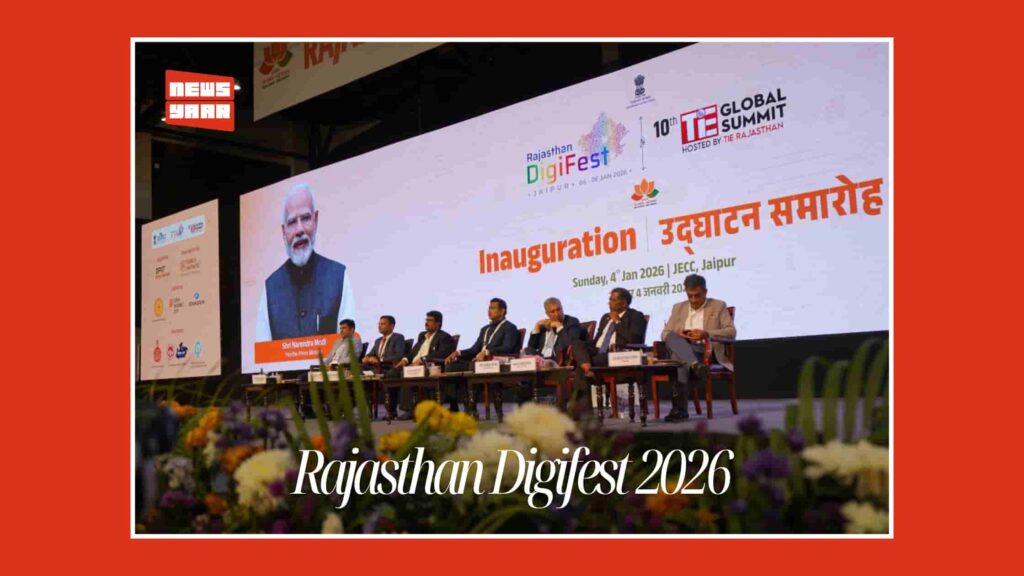
Jaipur is set to become a major hub for artificial intelligence discussions as Rajasthan hosts the Regional AI Impact Conference 2026 on January 6, marking a significant step in India’s journey towards AI-driven governance and innovation.The conference will be held as part of Rajasthan DigiFest 2026, in collaboration with the TiE Global Summit 2026, and will serve as a crucial regional engagement leading up to the India AI Impact Summit 2026, scheduled for February this year.The high-profile event will witness the presence of Union Minister for Electronics and Information Technology Ashwini Vaishnaw and Minister of State for Electronics and Information Technology Jitin Prasada, underlining the Centre’s strong focus on accelerating AI adoption across states and sectors.A Platform for AI-Led Governance and GrowthAccording to the Ministry of Electronics and Information Technology (MeitY), the Regional AI Impact Conference in Jaipur will act as a key platform to explore how Artificial Intelligence can transform governance systems, boost economic growth, encourage innovation, and support inclusive development. The discussions are expected to focus on both policy and practice, highlighting how AI can be effectively integrated into public administration and service delivery.One of the central themes of the conference will be AI for Public Service Delivery and Governance, examining the role of emerging technologies in improving efficiency, transparency, and citizen engagement. Sessions will also address Ethical and Responsible AI, reflecting growing concerns around data privacy, algorithmic bias, and accountability in AI-driven systems.As AI continues to reshape the global workforce, the conference will feature dedicated discussions on AI and the Future of Employment and Skills. Policymakers and industry experts are expected to deliberate on reskilling, upskilling, and preparing India’s workforce for technology-driven changes.AI Conversations Extend to GuwahatiParallel to the Jaipur conference, Guwahati will host a Human Capital Working Group Meeting over the next two days. The meeting will be chaired by Prof. T. G. Sitharam, Chair of the Human Capital Working Group, and will bring together senior policymakers, academic leaders, industry experts, and practitioners.The discussions in Guwahati will focus on the future of education, skilling, and workforce readiness in the age of Artificial Intelligence, complementing the broader objectives of the AI Impact Conference. Together, these engagements underline the government’s emphasis on aligning technology advancement with human capital development.Building Momentum Towards India AI Impact Summit 2026The Regional AI Impact Conference under Rajasthan DigiFest 2026 is part of a nationwide series of dialogues aimed at building momentum for the India AI Impact Summit 2026. By bringing AI conversations closer to regional ecosystems, the initiative seeks to ensure that technological growth remains inclusive, balanced, and aligned with India’s development priorities.With Jaipur hosting this significant gathering, Rajasthan is positioning itself as an active participant in India’s AI transformation, reinforcing its role in shaping the country’s digital and innovation-led future.Video credit: YT@/DoIT&C Government of RajasthanVideo credit: YT@/DoIT&C Government of Rajasthan
Historic Army Day Parade in Jaipur: A Public Spectacle of Pride
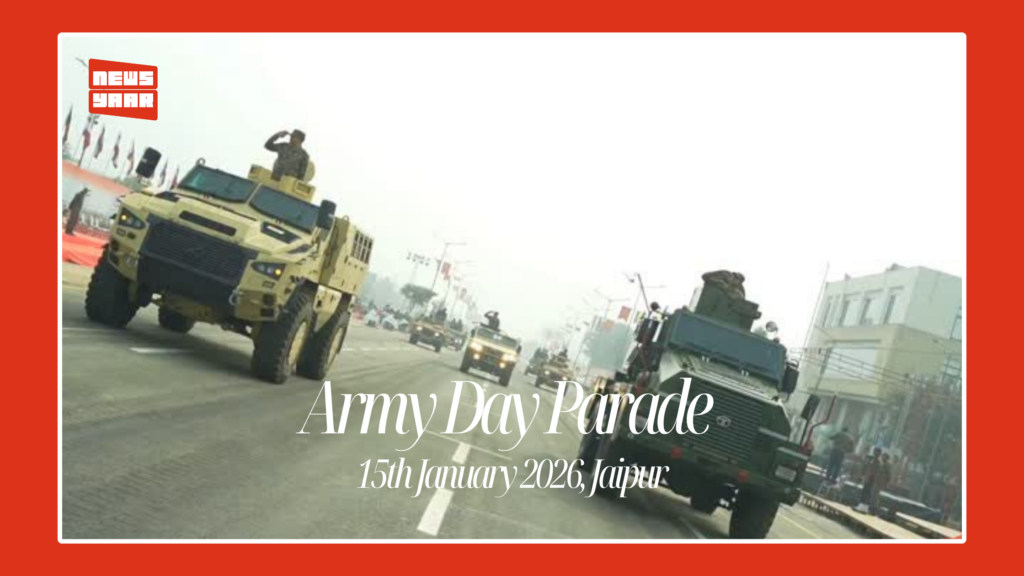
Jaipur is up for a historic celebration as the 78th Army Day Parade & is set to take place on January 15, 2026.The event along Mahal Road in Jagatpura is one of the most inclusive tributes to the Indian Army.Army Day is observed every year on January 15 to honour Field Marshal Kodandera M. Cariappa, who became the first Indian Commander-in-Chief of the Indian Army in 1949 following independence.A Parade Like Never BeforeAuthorities have organised open rehearsals on January 9, 11, and 13, allowing thousands of residents to witness military precision, disciplined marching contingents, and displays of modern weapons well ahead of the main parade.Public enthusiasm has been palpable, with crowds gathering early along Mahal Road to watch tanks, missile systems, and advanced defence technologies.Patriotism on DisplayOfficials have emphasised the parade’s role in reinforcing civil-military harmony and national pride. Thousands of audiences, including school and college students, women’s groups, ex-servicemen, and families, are expected to attend under a registration system implemented by the Rajasthan government.The excitement has translated into public participation during rehearsals, with residents capturing performances on mobile phones and cheering the march-past and military bands. More Than a Parade: The Final InsightsAlongside the main event, Jaipur will host a variety of complementary programs, including a “Know Your Army” exhibition, which showcases armoured vehicles, missile systems, and interactive displays aimed at deepening public awareness of India’s defence forces.A special evening event, Shaurya Sandhya 2026, featuring cultural performances, light and sound shows, and a tribute to families of martyrs, will take place as part of the broader celebration.The 78th Army Day Parade stands as a celebration of military tradition and discipline, but also as a powerful symbol of national unity, pride, and collective respect for the service of the Indian Army.Video credit: DD News