


Kargil Vijay Diwas: A Day of Remembrance, Gratitude, and National Resolve
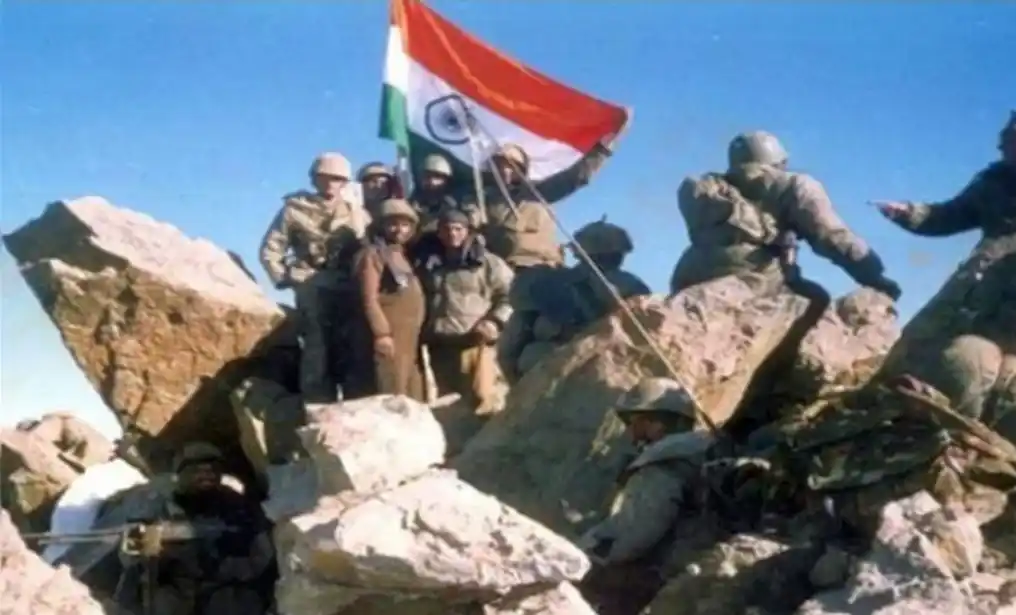
Kargil Vijay Diwas is one of India’s most solemn national observances, marked every year to honour the soldiers who fought in the Kargil War of 1999 and to remember the extraordinary cost of reclaiming India’s territory in the Himalayas. On the 27th anniversary of Operation Vijay, commemorations across the country once again placed the focus on courage, sacrifice, and the enduring responsibility to protect the nation’s sovereignty. This year’s observance carried special emotional weight in places like Drass, Shimla, Belagavi, Bhaderwah, and Lucknow, where wreath-laying ceremonies, military tributes, and public remembrance events brought together serving officers, veterans, families of martyrs, cadets, and citizens in a shared act of gratitude. The Meaning of Kargil Vijay DiwasKargil Vijay Diwas marks India’s victory in the Kargil conflict, which culminated in the successful execution of Operation Vijay and the recovery of territory in the Kargil district of Jammu and Kashmir that had been infiltrated by Pakistani soldiers and militants. The day is not simply about military success; it is about remembering the harsh conditions in which the war was fought, the high altitude at which soldiers operated, and the discipline and determination that made the eventual victory possible. Photo: PIBThe anniversary matters because it reminds the country that national security is often secured in places that most citizens will never see, on mountain heights where every advance is costly and every act of bravery carries real risk. It is also a reminder that freedom and territorial integrity are preserved not in abstract terms, but through sacrifice, planning, and unflinching commitment by the armed forces. Tributes Across the CountryAt the Kargil War Memorial in Drass, the main national ceremony was held in a deeply solemn atmosphere, with Defence Minister Rajnath Singh leading the commemorations by paying floral tributes at the cenotaph in honour of the bravehearts of Operation Vijay. He also inaugurated the Virtual Walkthrough Portal of the Kargil War Memorial, visited the Hut of Remembrance and Veer Bhoomi, interacted with Veer Naris and Veer Matas, and flagged off the Shaurya Vijay Yatra motorcycle rally. In Shimla, Army Training Command commemorated the 27th anniversary of the day with a wreath-laying ceremony at Shradhanjali Sthal in Annandale, followed by two minutes of silence and the sounding of the Last Post. The ceremony ended with all ranks of ARTRAC taking a pledge to uphold patriotism, courage, and selfless service, underscoring how the memory of Kargil continues to shape military ethos even decades later. Belagavi also saw an emotional observance, where officers and personnel of the Maratha Light Infantry Regimental Centre marked the day with a wreath-laying ceremony at the war memorial. Such regimental commemorations matter because they connect the memory of Kargil not only to the nation at large, but also to the traditions, identities, and inherited sense of duty within India’s military units.Drass and the National Centre of MemoryDrass remains the symbolic heart of Kargil Vijay Diwas because it is where the nation gathers most visibly to remember the war. The Kargil War Memorial there stands not only as a site of tribute, but also as a physical expression of collective memory, where names, stones, and ceremonial rituals help translate history into lived remembrance. The memorial’s significance grows each year because the war itself has become part of India’s national narrative of resilience. The presence of soldiers’ families, veterans, young cadets, and public officials creates a powerful bridge between the generation that fought in 1999 and the generations that now inherit the duty of remembering what was won and what was lost. The Voices of National LeadersPublic tributes from national leaders have reinforced the day’s seriousness. Rajnath Singh described the soldiers who fought on the inaccessible heights of Kargil as examples of indomitable bravery, supreme sacrifice, and unwavering resolve, saying the nation would remain forever grateful for their service. Amit Shah called Kargil Vijay Diwas a symbol of the Army’s indomitable courage, while S. Jaishankar emphasized that the service and sacrifice of those who laid down their lives to protect India’s unity and integrity would always be remembered. Dr. L. Murugan also paid tribute, urging people to remember the valour and dedication of the soldiers not only on this day but every day. [user-provided]These statements are more than ceremonial language. They reflect the way Kargil Vijay Diwas has become part of India’s civic calendar, a day when public remembrance, military pride, and national unity are brought together through ritual and reflection. The Human Cost of VictoryThe Kargil War is often remembered through strategy and geography, but the deeper reality is human. Soldiers fought under extreme cold, difficult terrain, and the strategic advantage held by enemy positions on higher ground, and they did so with the knowledge that many would not return. That human cost is why observances such as the felicitation of Veer Naris, Veer Matas, and families of martyrs carry such emotional force. In Lucknow, for instance, the municipal corporation honoured the families of soldiers who sacrificed their lives, while officials were instructed to create a database of military families and resolve their grievances on priority. These acts of recognition help ensure that remembrance is not just symbolic, but also practical and humane. Why the Day Still MattersKargil Vijay Diwas remains relevant because it speaks to values that do not age: duty, sacrifice, discipline, and loyalty to the nation. In an era when public attention can move quickly from one event to another, the day insists on memory and gratitude, asking citizens to pause and reflect on the people who secured the country’s safety in one of its most difficult military conflicts.It also carries a lesson about preparedness. The war showed how quickly high-altitude infiltration and strategic surprise can create danger, and how crucial it is for armed forces to have the resilience, equipment, training, and national support needed to respond effectively. That lesson remains important even today, because sovereignty is never protected only by sentiment; it is protected by readiness.A Legacy Passed ForwardThe enduring power of Kargil Vijay Diwas lies in the way it connects past sacrifice to present responsibility. Students performing patriotic songs in
Sonamarg Tunnel: A Key Milestone in Jammu and Kashmir’s All-Weather Connectivity
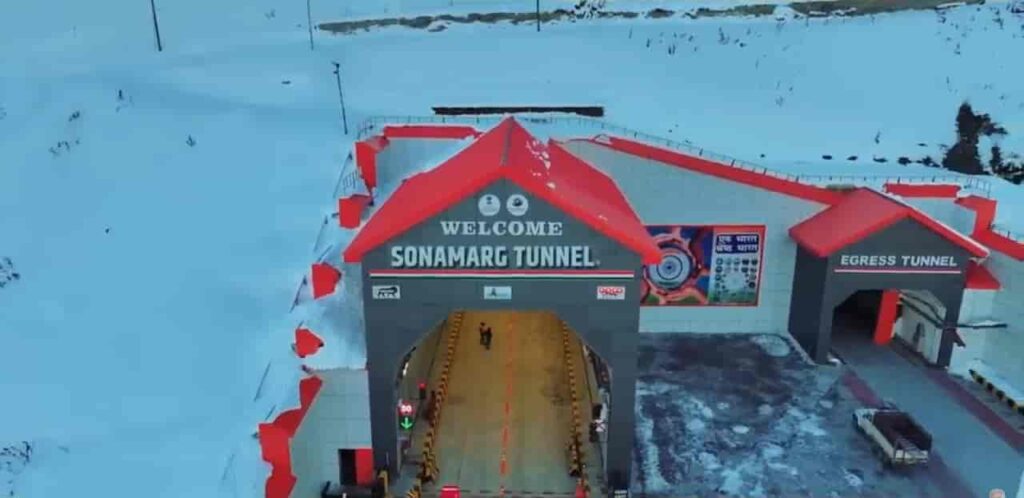
The Sonamarg Tunnel, officially known as the Z-Morh Tunnel, marked a significant step in improving infrastructure in Jammu and Kashmir. Built along the strategic Srinagar–Leh highway, the tunnel has addressed one of the region’s long-standing challenges—seasonal isolation of Sonamarg due to extreme weather conditions.For decades, Sonamarg remained cut off during winters as heavy snowfall and avalanches made the route unsafe and often impassable. The opening of this tunnel has fundamentally changed that reality, ensuring smoother, safer, and uninterrupted connectivity.Overcoming a Long-Standing Connectivity ChallengeLocated between Gagangir and Sonamarg, the tunnel bypasses a particularly vulnerable stretch of road that was notorious for landslides, avalanches, and sharp turns. This stretch, often referred to as the “Z-Morh” due to its winding shape, posed serious risks to travellers and frequently led to prolonged road closures.With the tunnel now operational, the dependency on weather conditions has been significantly reduced. What was once a seasonal route has now been transformed into an all-weather corridor, ensuring that Sonamarg remains accessible throughout the year.Engineering in Extreme TerrainConstructing the tunnel in the Himalayan region was a complex and demanding task. The area is characterised by fragile geology, sub-zero temperatures, and unpredictable weather patterns, all of which posed challenges during construction.The tunnel stretches approximately 6.5 kilometres and has been designed as a modern, two-lane passage capable of handling bi-directional traffic efficiently. Advanced tunnelling techniques were used to cut through the mountainous terrain, while maintaining structural stability and safety.In addition to the main tunnel, extensive work was carried out on approach roads and protective structures to safeguard the route from avalanches and falling debris.Safety and Modern InfrastructureThe Sonamarg Tunnel has been equipped with several modern safety systems to ensure a secure travel experience. Continuous ventilation ensures air quality inside the tunnel, while surveillance systems allow real-time monitoring of traffic movement.Emergency response mechanisms, including escape routes and communication systems, have been integrated into the design. These features are particularly important given the tunnel’s location in a remote and high-altitude region, where immediate external assistance may not always be available.Boost to Tourism and Local EconomyOne of the most immediate impacts of the tunnel has been on tourism. Sonamarg, often called the “Meadow of Gold,” is one of the most scenic destinations in Jammu and Kashmir, but its accessibility was limited to a few months each year.With year-round connectivity now possible, the region is expected to witness a steady increase in tourist inflow. This will directly benefit local businesses, including hotels, transport operators, and small vendors who rely heavily on seasonal tourism.The tunnel has also improved the movement of goods and services, contributing to better economic stability for local communities.Strategic Importance and Connectivity to LadakhBeyond tourism, the tunnel plays a crucial role in enhancing connectivity towards Ladakh. The Srinagar–Leh highway is of significant strategic importance, particularly for defence movement and logistics.By ensuring smoother and more reliable access along this route, the Sonamarg Tunnel strengthens both civilian and strategic mobility in the region. It also complements larger infrastructure projects such as the Zojila Tunnel, which aims to further enhance all-weather connectivity between Srinagar and Leh.Transforming Travel in the RegionThe experience of travelling to Sonamarg has changed considerably with the opening of the tunnel. Journeys that were once uncertain and weather-dependent have become more predictable and safer.Reduced travel time, improved road safety, and uninterrupted access have collectively enhanced the overall connectivity of the region. This shift is expected to play a long-term role in integrating remote areas with mainstream economic and social networks.The Sonamarg Tunnel stands as a testament to India’s growing capability in executing complex infrastructure projects in challenging terrains. By addressing both connectivity and safety concerns, it has not only improved access to a key tourist destination but also contributed to the broader goal of regional development in Jammu and Kashmir.
Madhavi Latha: The Engineer Behind the World’s Highest Rail Bridge
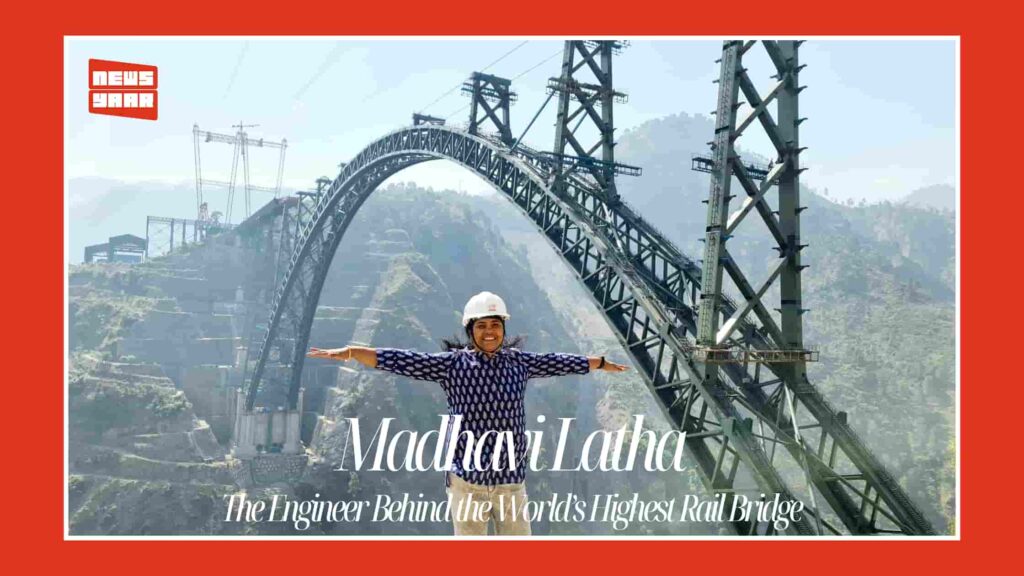
When the Chenab Rail Bridge, the world’s highest railway bridge, stands tall amid the rugged Himalayas, it represents more than an engineering marvel. It tells the story of Dr. G. Madhavi Latha, the engineer whose expertise and vision played a pivotal role in turning an impossible idea into reality. She has also been awarded the NDTV Science Icon of the Year Award.Towering at 359 metres above the Chenab River in Jammu and Kashmir, the bridge is higher than the Eiffel Tower and is one of India’s most ambitious infrastructure projects. Designed to withstand extreme winds, earthquakes, and challenging geological conditions, the Chenab Bridge is a symbol of modern India’s engineering strength, and Dr. Madhavi Latha was at the heart of it.A professor at IIT Madras, Dr. Madhavi Latha, served as the geotechnical consultant for the project. Her role was crucial: the bridge stands in a highly seismic zone with fragile rock formations and unpredictable terrain. Traditional construction methods were not enough. Innovative geotechnical solutions were required to stabilise slopes, design foundations, and ensure long-term safety in one of the most hostile environments imaginable.Dr. Latha and her team worked extensively on slope stabilisation, foundation design, and rock reinforcement, addressing landslide risks and geological uncertainties. What made the challenge even greater was the remoteness of the site, harsh weather conditions, and limited accessibility. Despite these obstacles, her scientific approach and practical problem-solving ensured that the bridge could safely support high-speed trains while enduring nature’s extremes.Beyond its technical brilliance, Dr. Madhavi Latha’s contribution carries deep symbolic value. In a field traditionally dominated by men, her leadership and expertise have made her an inspiration for young engineers across India. She has often spoken about how the project demanded patience, collaboration, and unwavering commitment, qualities as critical as technical knowledge.The Chenab Rail Bridge is a vital link in the Udhampur–Srinagar–Baramulla Rail Line (USBRL) project, aimed at improving connectivity, mobility, and development in Jammu and Kashmir. Its completion marks a major milestone in India’s infrastructure journey.Dr. Madhavi Latha’s story reminds us that behind every iconic structure lies human effort, intellect, and resilience. As trains begin to cross the world’s highest rail bridge, they carry with them not just passengers, but the legacy of an engineer who redefined what was possible.