


PM Modi Launches Five-Nation Tour to Secure Energy, Tech Ties Amid Iran War
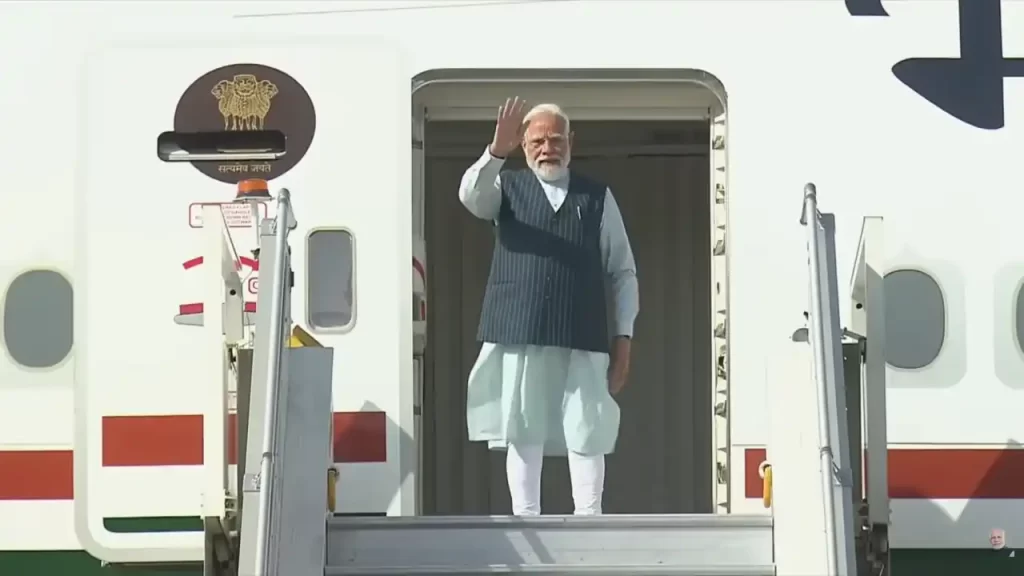
Prime Minister Narendra Modi has begun a massive five-nation tour starting in the United Arab Emirates (UAE). The trip runs from May 15 to May 20, 2026. It includes visits to the UAE, the Netherlands, Sweden, Norway, and Italy. The Prime Minister travels at a critical time when the ongoing war between the US and Iran has disrupted global shipping routes. Tensions around the Strait of Hormuz have caused oil prices to rise. This tour aims to secure India’s energy supply and strengthen technology partnerships. The visit comes right after India and the European Union signed a historic free trade agreement. Modi calls this deal the “mother of all deals.”The journey highlights India’s effort to build strong economic ties while managing global instability. Experts say diplomacy can reduce market panic, but oil prices will stay high until the war ends. Until then, India must focus on energy security and protecting its economy from rising costs.Visit to UAE: Fortifying Energy and Strategic TiesPM Modi landed in the UAE on May 15 to meet President Sheikh Mohamed bin Zayed Al Nahyan. Since 2014, Modi has visited the UAE seven times. President Sheikh Mohamed has visited India five times. Their relationship has only grown stronger over the years. The UAE has remained one of India’s most reliable energy partners even during this Gulf crisis. Long-term oil and gas supply agreements protect India’s energy security.Two important Memorandums of Understanding (MoUs) are likely to be signed during this visit. One deals with Liquefied Petroleum Gas (LPG). The other focuses on Strategic Petroleum Reserves. These deals will help India store more fuel for emergencies. Bilateral trade between India and the UAE crossed $101.25 billion in the last financial year. Both nations aim to double this trade to $200 billion by 2032. The UAE is India’s seventh-largest investor, with over $25 billion in cumulative investment.The UAE also hosts the largest group of Indian expatriates in the world. Over 4.5 million Indians live there. They form the backbone of the UAE economy. The leaders will discuss their welfare and safety. Remittances from these workers help India’s foreign exchange reserves. A Local Currency Settlement system allows trade in Indian Rupees and UAE Dirhams. This reduces dependence on the US dollar.Netherlands: Chip Deals and Water TechnologyThe Prime Minister arrived in the Netherlands from May 15 to 17. This is only his second visit since 2017. The partnership focuses on “innovation meets scale.” Dutch technology combines with India’s massive market size. Areas like semiconductors, water management, hydrogen, and maritime tech are key.A major business highlight is the agreement between Tata Electronics and ASML Netherlands. They will sign a deal to equip a semiconductor fabrication plant in Dholera, Gujarat. This boosts India’s chip-making capabilities. PM Modi and the Dutch Prime Minister visited the Afsluitdijk Dam together. This site shows cooperation in clean energy and sustainable fisheries. The Netherlands is India’s largest trading partner in Europe. Trade reached $27.8 billion in FY 2024-25. It is also India’s fourth-largest investor.The PM addressed the Indian community of over 90,000 NRIs. The visit also reached out to over 200,000 Surinami Hindustanis, the largest Indian-origin group in mainland Europe. Both nations are streamlining migration and mobility. Tourism between the two countries is set to grow.Sweden: Defense, AI, and Strategically De-risking from ChinaModi visited Sweden after an eight-year gap. He last went there in April 2018 for the first India-Nordic Summit. Sweden invests over 3 percent of its GDP in research and development. It ranks among the top innovators in Europe. Sweden has taken a firm stance to reduce its reliance on China. They removed Chinese vendors from their telecom networks. This makes India a key strategic partner.Bilateral trade reached $7.75 billion in 2025. Over 280 Swedish companies work in India. A major project is the Saab manufacturing plant in Jhajjar. Saab is building its first Carl-Gustaf weapon plant outside Sweden here. This is India’s first 100 percent FDI-driven defense project. Sweden also holds large critical mineral deposits. This helps India secure supply chains for electric vehicles and defense electronics.A new Statement of Intent created the Sweden-India Technology and AI Corridor (SITAC). It covers 6G, Artificial Intelligence, quantum computing, and life sciences. Over 80 Swedish companies attended the AI Impact Summit 2026. The Maharashtra government signed an MoU for electric boat investment worth Rs 1,990 crore.Norway: First Solo Visit in 43 Years and Arctic TechThis trip marks the first standalone visit by an Indian Prime Minister to Norway in 43 years. Modi attended the third India-Nordic Summit in Oslo. This summit places India in a high tier of Nordic engagement, joining only the United States. The India-EFTA TEPA agreement is now in force. It promises $100 billion in investment and one million jobs over 15 years.Norway’s sovereign wealth fund, the world’s largest at $2 trillion, has invested nearly $30 billion in India. Indian shipyards now hold 11 percent of Norwegian ship orders. Cochin Shipyard is building eco-friendly vessels for Norway. An MoU between GRSE and Kongsberg Maritime will deliver India’s first indigenous Polar Research Vessel.ISRO antennas at Svalbard became operational in 2026. They support India’s Arctic research. Norwegian tunneling technology helps the Char Dham railway project. Clean energy cooperation will diversify India’s energy mix. Norway also sees opportunities for Indian talent due to its aging population.Italy: Strategic Partnership and Submarine CablesPM Modi travels to Italy from May 19 to 21. He meets Prime Minister Giorgia Meloni to reaffirm their strategic partnership. The visit follows the Joint Strategic Plan of Action 2025-29. Italy views India as a major power and an indispensable partner.Italy champions the India-Middle East-Europe Economic Corridor (IMEEC). A new submarine cable, Sparkle-Airtel Blue-Raman, connects Genoa to India. This secures supply chains and boosts energy security. Bilateral trade reached $16.77 billion in 2025. The target is 20 billion euros by 2029. Tata Motors acquired the Iveco Group for 3.8 billion euros. This is the largest Indian investment in Italy. Italy opened a SIMEST office in Delhi to support SMEs.Energy Crisis and Global ImpactThe Iran war has caused
Bharatgas Lite: BPCL Launches India’s Lighter, Safer LPG Cylinder for Modern Homes
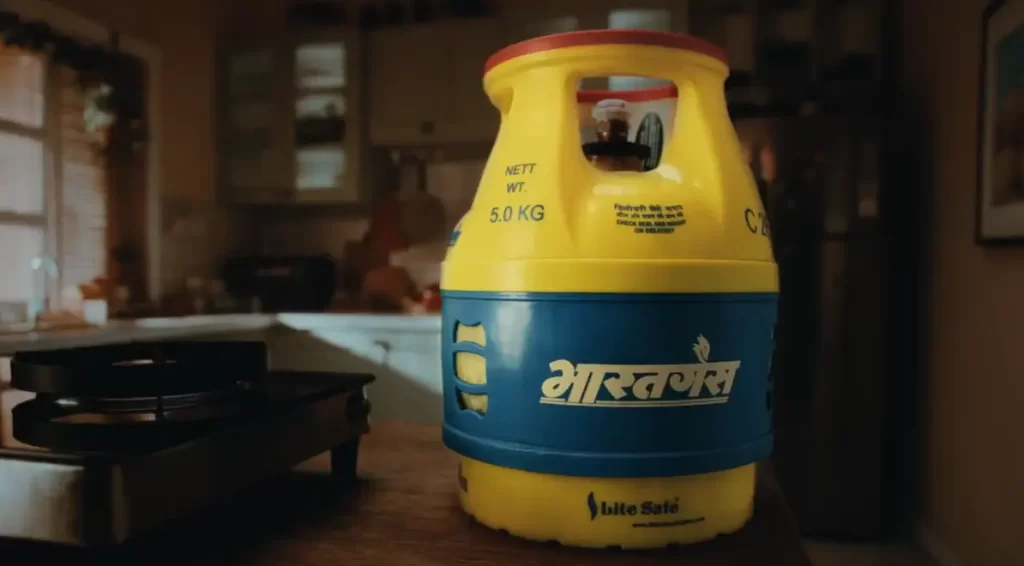
Cooking gas cylinders have been a staple in Indian kitchens for decades, but they come with familiar hassles. Heavy mild steel cylinders are tough to lift, rust over time, and hide how much gas remains until it’s too late. Bharat Petroleum Corporation Limited (BPCL), a Fortune Global 500 Maharatna company, has now solved these problems with Bharatgas Lite. Launched on January 28, 2026, in Goa, this next-generation LPG cylinder uses advanced composite materials to make life easier, safer, and cleaner for households. Union Minister of Petroleum and Natural Gas Hardeep Singh Puri inaugurated it alongside Goa Chief Minister Dr. Pramod Sawant, BPCL leaders, and dignitaries. Branded as “Naye Bharat Ka Naya Cylinder”, Bharatgas Lite promises over 50% less weight, see-through gas levels, rust-free design, and explosion resistance, all tailored for India’s busy families.A Smarter Cylinder Born from Everyday NeedsImagine carrying a full LPG cylinder without back strain or calling a neighbor for help. Bharatgas Lite weighs more than 50% less than traditional 14.2 kg mild steel (MS) cylinders, making it simple for women, seniors, and anyone to handle, transport, and install. Its translucent body lets you peek inside and check gas levels instantly, no more surprises during dinner prep or unexpected refills. The rust-free composite build keeps kitchens hygienic, free from corrosion stains or leaks. Plus, it resists explosions even in extreme heat or impacts, adding peace of mind.BPCL’s Business Head LPG, T.V. Pandiyan, called it a “reimagined energy solution.” Designed for modern India, it fits sleek kitchens while prioritizing safety and convenience. Launched at India Energy Week, it showcases BPCL’s push for practical innovations in refining, marketing, and customer service – backed by 35.3 MMTPA refining capacity and networks of 24,000+ fuel stations and 6,200+ LPG distributors.Safer, Lighter, and User-Friendly: Key Features ExplainedBharatgas Lite stands out with thoughtful engineering:Ultra-Lightweight: Half the weight of MS cylinders – lift it solo, no delivery delays.Visible Gas Gauge: Translucent design shows exact LPG left, plan refills smartly.Rust-Proof and Hygienic: Composite material prevents corrosion, keeps burners clean.Explosion-Resistant: Survives drops, fire, or pressure, minimizes leak risks.Modern Aesthetics: Sleek look suits urban homes, easier storage.These fix common pains: Heavy lifting injuries, gas runouts mid-cooking, and rusty leaks in monsoons. It’s non-subsidized, aligning with BPCL’s premium Bharatgas focus.Easy Access: New Connections and Smart SwappingBPCL makes switching simple, the only Oil Marketing Company (OMC) with a cylinder swapping scheme:Existing Bharatgas Customers (Non-Subsidized): Request exchange, pay Rs 300 extra security deposit per cylinder. Get Bharatgas Lite immediately.New Domestic Connections: Opt for Lite at signup. Security Deposit: Rs 2,500. Same documents/onboarding as MS cylinders.Starting in Goa, it rolls nationwide via Bharatgas distributors. Refills follow the uFill app or SMS, seamless as always.A Milestone for India’s Energy FutureThe Goa launch highlights government-industry synergy. Minister Puri praised BPCL’s innovation; CM Sawant welcomed safer homes for Goans. Secretary Dr. Neeraj Mittal, Director (Refineries) Sanjay Khanna (Addl. Charge Chairman), and Director (Marketing) Subhankar Sen joined, signaling national rollout.BPCL leads LPG evolution: From jumbo cylinders to composites, prioritizing women (80% users). It cuts carbon footprints indirectly via efficient use, and fits “Viksit Bharat” goals. Challenges like higher upfront cost? Offset by durability, safety savings.Bharatgas Lite isn’t just a cylinder, it’s lighter burdens, visible futures, safer stoves. For Goan homemakers boiling rice or Delhi families hosting dinners, it delivers reliable energy with modern ease. BPCL proves: Innovation powers progress, one lighter lift at a time.