


Onam 2026: Kerala’s Harvest Festival of Flowers, Feasts, and the Return of King Mahabali
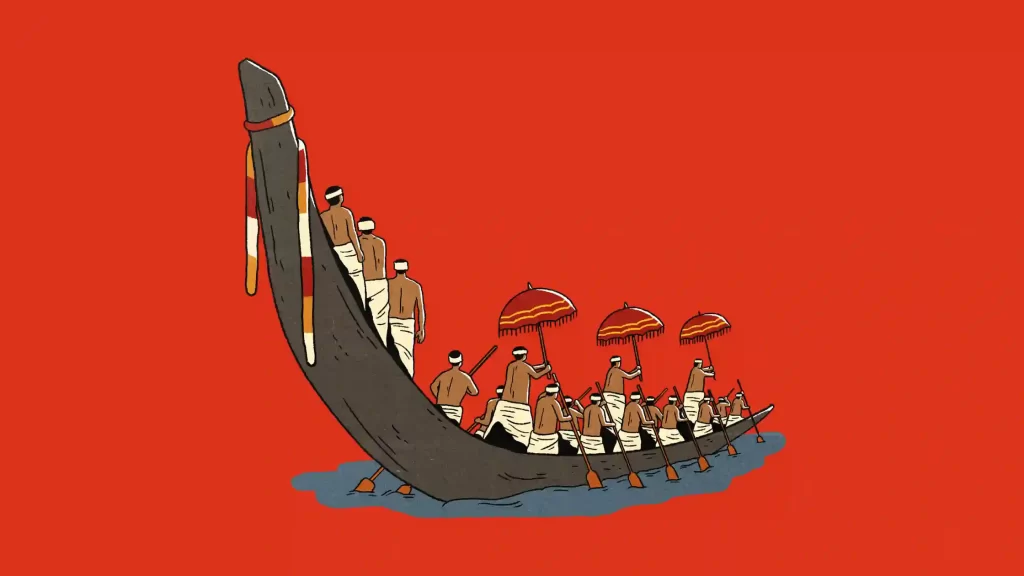
Onam is the kind of festival that transforms an entire state into a living celebration. In Kerala, the ten days of Onam turn homes, temples, backwaters, and public spaces into a vibrant tapestry of flowers, music, dance, and food, all centred around a simple but powerful idea: the annual return of a beloved king. For Malayalis, Onam is not just a religious observance; it is a cultural homecoming, a harvest thanksgiving, and a reminder of a golden age when prosperity, equality, and justice were said to define everyday life.In 2026, Onam celebrations begin with Atham on August 16 and culminate in Thiruvonam on August 26, with each of the ten days carrying its own rituals, preparations, and regional events. From the intricate flower rangolis known as Pookalam to the grand vegetarian feast called Sadhya, from snake boat races to tiger dances, Onam offers a rare combination of devotion, community, and spectacle that continues to draw both locals and travellers into its rhythm. The Legend That Gives Onam Its SoulAt the heart of Onam lies the story of King Mahabali, a ruler remembered not for conquest but for compassion. According to tradition, Mahabali governed with such fairness that there was no poverty, no crime, and no discrimination in his kingdom. His reign is recalled as a kind of utopia, a time when people lived in harmony and abundance. The legend goes that the gods, uneasy with Mahabali’s growing power and popularity, sought the help of Lord Vishnu. Vishnu descended to earth in the form of Vamana, a dwarf Brahmin, and approached the king during a ritual of charity. He asked for a piece of land that could be covered in three footsteps. Mahabali, known for his generosity, agreed without hesitation. Vamana then expanded to cosmic size, covering the earth with his first step and the heavens with his second. With nowhere left to place the third step, Mahabali offered his own head. Vishnu pressed down, sending the king to the underworld, but granted him a boon: Mahabali would be allowed to return once every year to visit his people. Onam is the celebration of that annual homecoming. This story is more than mythology. It encodes values that Kerala continues to cherish: humility before power, the dignity of keeping one’s word, and the ideal of a ruler who exists for his people rather than the other way around. The Ten Days Of Onam: From Atham To ThiruvonamOnam is not a single-day event but a ten-day festival, with each day marked by specific rituals and a growing sense of anticipation. The celebrations begin with Atham, when the first Pookalam is drawn and the public festivities, including processions like Athachamayam in some regions, are inaugurated. Over the next several days, Chithira, Chothi, Vishakham, Anizham, Thrikketta, Moolam, and Pooradam, homes are cleaned, new clothes (Onakkodi) are bought, Pookalam designs become larger and more intricate, and preparations for the Sadhya begin in earnest. In many places, cultural programmes, temple events, and local games start taking shape as the festival moves toward its climax. Uthradam, the day before Thiruvonam, is the main preparation day, when families finalise arrangements for the feast, complete the largest Pookalam, and ensure that everything is ready to welcome Mahabali. Thiruvonam itself is the principal day, when the king is believed to arrive, and when the full Sadhya, prayers, and family gatherings take centre stage. Pookalam: The Flower Carpet That Welcomes A KingIf there is one visual symbol of Onam, it is the Pookalam, the circular floral rangoli drawn at the entrance of homes. Beginning small on Atham, the design grows each day, with additional layers, colours, and complexity added as Thiruvonam approaches. Fresh flowers of different hues are arranged in patterns that range from traditional motifs to contemporary designs, turning courtyards into temporary galleries of colour. The Pookalam is not merely decorative. It is a ritual act of welcome, a way of preparing the home for Mahabali’s visit. It is also a communal activity: families work together, neighbours compare designs, and schools, offices, and public spaces organise competitions that turn the festival into a shared creative exercise.Onam Sadhya: The Feast That Defines The FestivalNo account of Onam is complete without the Sadhya, the elaborate vegetarian feast served on a banana leaf. The Sadhya is a culinary marathon, with dozens of dishes arranged in a specific order around a central serving of rice. Curries, stir-fried vegetables, pickles, thoran, avial, sambar, rasam, and various coconut-based preparations come together in a meal that is as much about balance and tradition as it is about taste. The feast culminates in payasam, the sweet dessert that exists in several forms. Palada Payasam, made with milk, sugar, and rice flakes, offers a creamy, delicate sweetness, while Ada Pradhaman, prepared with coconut milk and jaggery, brings a deeper, richer flavour and a dark brown hue. In many households, multiple varieties of payasam are served, each adding a different note to the ending of the meal. The Sadhya is also a social event. Families cook together, recipes are passed down through generations, and community feasts allow large groups to sit side by side on the floor, sharing food and conversation. In that sense, the Sadhya is not just a meal; it is a ritual of togetherness. Beyond Flowers And Food: Games, Dances, And BoatsOnam’s cultural life extends well beyond the home. Across Kerala, the festival is marked by traditional sports, performances, and public celebrations that turn towns and villages into stages. Vallamkali, the snake boat races, are among the most spectacular. Long, narrow boats manned by dozens of rowers race across rivers and backwaters to the rhythm of traditional songs and drums. The Aranmula Boat Race Pathanamthitta is particularly famous, drawing large crowds and embodying the spirit of teamwork and local pride. In Thrissur, Pulikali transforms the streets into a moving canvas. Performers paint their bodies like tigers and hunters, then dance through the town to the beat of percussion instruments, creating a vivid, almost carnivalesque spectacle that has become synonymous with Onam in that region. Traditional