


Maruti Suzuki New Brezza: How India’s Best-Selling Compact SUV Has Evolved
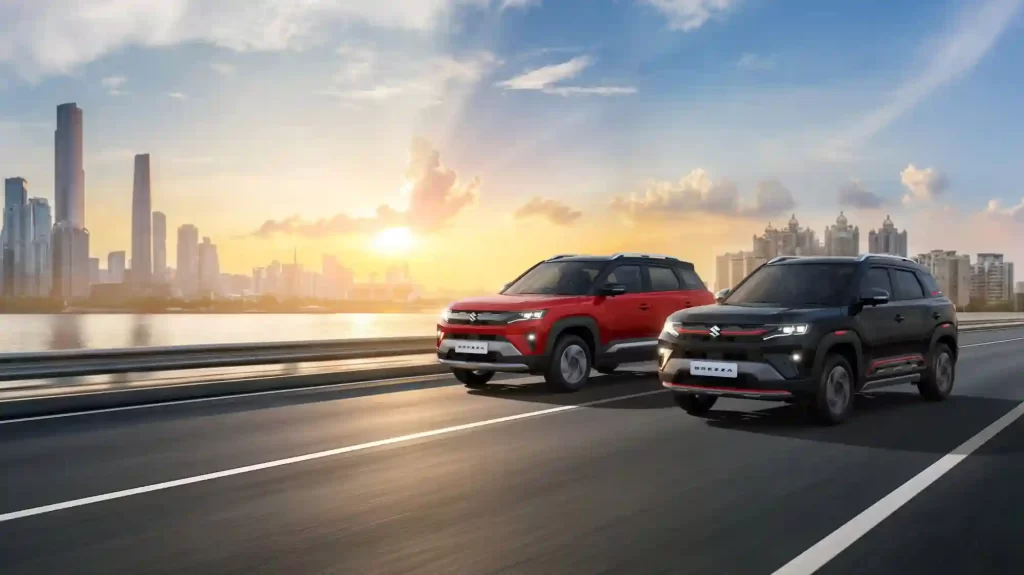
The compact SUV segment has emerged as one of the fastest-growing categories in the Indian passenger vehicle market over the past decade. Combining the practicality of a hatchback with the styling and road presence of an SUV, compact SUVs have become the preferred choice for a wide range of buyers, from first-time car owners to families upgrading from smaller vehicles. This intense competition has prompted manufacturers to continuously update their offerings with improved technology, stronger safety features and more efficient powertrains.Among the most successful vehicles in this segment is the Maruti Suzuki Brezza. Since its debut in 2016, the Brezza has consistently ranked among India’s highest-selling compact SUVs, with cumulative domestic sales crossing 1.4 million units. Over the years, it has built a reputation for reliability, fuel efficiency, low maintenance costs and strong resale value.In July 2026, Maruti Suzuki introduced the New Brezza, bringing one of the most comprehensive updates to the model since its launch. The refreshed SUV features design revisions, enhanced technology, expanded safety equipment and new powertrain options while retaining the qualities that have made the Brezza one of the company’s most important products.The Brezza’s JourneyThe Brezza entered the Indian market in 2016 at a time when demand for compact SUVs was beginning to rise rapidly. It quickly established itself as a strong contender by offering SUV styling in a sub-four-metre package, making it eligible for favourable taxation while remaining practical for urban driving.Initially available with a diesel engine, the Brezza later transitioned to petrol powertrains as the Indian market shifted away from small diesel vehicles. Maruti Suzuki also introduced factory-fitted CNG variants, responding to growing demand for cleaner and more economical fuel options.Over the years, the Brezza has become one of Maruti Suzuki’s flagship SUVs and a key contributor to the company’s expanding utility vehicle portfolio. According to Maruti Suzuki, the model has earned the trust of more than 1.4 million customers in India, making it the country’s highest-selling compact SUV since its introduction.Launch of the New BrezzaThe 2026 New Brezza was launched with a starting ex-showroom price of ₹7.40 lakh, introducing several updates aimed at strengthening its position in the highly competitive compact SUV segment. Maruti Suzuki opened bookings through its Arena dealership network as well as online, with the updated model available in multiple petrol, turbo-petrol and CNG variants.Rather than redesigning the vehicle completely, the company adopted an evolutionary approach by refining its exterior styling, upgrading the cabin, improving safety and expanding the powertrain lineup. This strategy allows Maruti Suzuki to preserve the Brezza’s established identity while addressing changing customer expectations.Exterior DesignThe New Brezza retains its familiar upright SUV proportions but introduces several styling enhancements that give it a more contemporary appearance.The front fascia features a redesigned grille, updated bumper and revised lighting elements that contribute to a bolder road presence. New LED daytime running lamps, refreshed alloy wheel designs and subtle changes to the rear styling further modernise the vehicle without departing significantly from its established design language.The SUV continues to measure under four metres in length, allowing it to remain within India’s compact SUV category while offering practical cabin space and a commanding driving position.Interior and FeaturesInside the cabin, Maruti Suzuki has focused on improving technology and comfort.The New Brezza receives an updated 10.1-inch SmartPlay Pro+ touchscreen infotainment system with wireless smartphone connectivity, voice assistance and connected-car features. Depending on the variant, buyers also get ventilated front seats, wireless charging, ambient lighting, a premium audio system and automatic climate control.The dashboard layout has been refreshed to offer a cleaner and more premium appearance, while improvements in seat materials and cabin finishes enhance overall comfort. Practicality remains one of the Brezza’s strengths, with ample storage spaces and a spacious cabin suitable for both city driving and long-distance travel.New Powertrain OptionsOne of the biggest changes introduced with the New Brezza is the expansion of its engine lineup.The SUV continues to offer the proven 1.5-litre K15C Dual Jet petrol engine, available with manual and automatic transmission options. Alongside this, Maruti Suzuki has introduced a 1.0-litre Boosterjet turbo-petrol engine, paired with a six-speed manual transmission, providing higher performance for buyers seeking a more engaging driving experience.The company has also retained its factory-fitted S-CNG variant, which now uses an underbody-mounted CNG tank. Unlike earlier CNG models where the cylinder occupied much of the luggage compartment, the revised configuration frees up significantly more boot space, improving practicality for everyday use.These multiple powertrain options allow customers to choose between fuel efficiency, performance and lower running costs based on their individual requirements.Safety Takes Centre StageSafety has become an increasingly important purchasing consideration for Indian consumers, and the New Brezza reflects this shift.Before its launch, the updated model received a five-star rating under the Bharat New Car Assessment Programme (Bharat NCAP) for both Adult Occupant Protection and Child Occupant Protection. This makes it one of Maruti Suzuki’s latest vehicles to achieve the highest safety rating under India’s crash-testing programme.The SUV now offers six airbags as standard across all variants, along with Electronic Stability Program (ESP), Hill Hold Assist, front parking sensors, blind-spot warning with lane-change alert, rear cross-traffic alert, emergency stop signal and safe exit warning. Higher variants also include additional driver assistance and convenience technologies.The emphasis on safety reflects the broader transformation of India’s passenger vehicle market, where crash-test performance and active safety technologies have become major factors influencing purchase decisions.Technology and Connected MobilityModern buyers increasingly expect their vehicles to function as connected digital platforms rather than simply modes of transport.The New Brezza addresses this expectation by incorporating connected-car services that allow users to monitor vehicle status, access navigation, receive maintenance alerts and interact with the infotainment system through smartphone integration.Voice-enabled functions, wireless Apple CarPlay and Android Auto, Alexa compatibility on select variants and improved digital interfaces contribute to a more connected driving experience. These additions help the Brezza remain competitive in a segment where technology has become an important differentiator.Competition in the Compact SUV SegmentThe compact SUV segment remains one of the most fiercely contested categories in the
Maruti Suzuki and Hero MotoCorp Launch Flex-Fuel Vehicles: A New Chapter in India’s Clean Mobility Journey
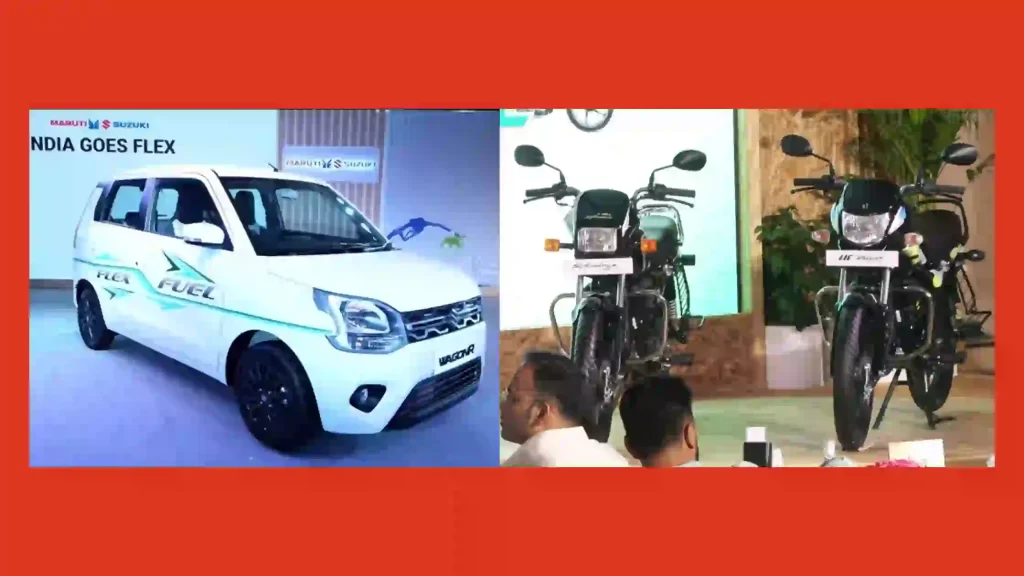
IntroductionIndia’s transition towards cleaner and more sustainable mobility received a major boost with the launch of flex-fuel vehicles by two of the country’s largest automobile manufacturers—Maruti Suzuki and Hero MotoCorp. While Maruti Suzuki introduced the country’s first mass-market flex-fuel passenger car, Hero MotoCorp launched India’s first flex-fuel motorcycles in the commuter segment, marking an important milestone in the government’s push towards alternative fuels.The launches are more than just new product introductions. They reflect India’s broader strategy to reduce dependence on imported crude oil, promote ethanol as an alternative fuel, lower vehicular emissions, and strengthen the country’s energy security. As the government continues to expand ethanol blending across the country, flex-fuel technology is expected to play a significant role in shaping the future of India’s automobile industry. Understanding Flex-Fuel TechnologyA flex-fuel vehicle is designed to operate on petrol as well as ethanol-blended fuels. Unlike conventional petrol vehicles that are compatible only with lower ethanol blends, flex-fuel vehicles can run on a wide range of blends—from E20 (20 per cent ethanol) to E85 and, in some cases, even E100, depending on the vehicle’s engineering.Since ethanol has different chemical properties compared to petrol, flex-fuel vehicles require specially designed engines, fuel pumps, injectors, sensors and fuel lines that can withstand higher ethanol concentrations without affecting performance or durability.The technology has already been widely adopted in countries such as Brazil and is gradually gaining attention in India as part of the country’s clean energy transition.Maruti Suzuki’s Entry into the Flex-Fuel SegmentMaruti Suzuki, India’s largest passenger vehicle manufacturer, unveiled its first flex-fuel passenger car, based on the WagonR platform. The model is capable of operating on ethanol-rich fuel blends and has been developed specifically to support India’s evolving ethanol fuel programme.The flex-fuel WagonR features several engineering modifications compared to the conventional model. These include changes to the engine management system, upgraded fuel injectors, corrosion-resistant fuel lines and components designed to handle higher ethanol concentrations. These upgrades ensure that the vehicle can switch between petrol and ethanol blends while maintaining reliable performance and efficiency.For Maruti Suzuki, the launch represents an important step in preparing for India’s future fuel ecosystem. The company has already introduced E20-compatible vehicles across its portfolio, and the flex-fuel model further expands its alternative fuel strategy.Hero MotoCorp Introduces India’s First Flex-Fuel MotorcyclesHero MotoCorp, the country’s largest two-wheeler manufacturer, also entered the flex-fuel segment with the launch of the Splendor+ Flex Fuel and HF Deluxe Flex Fuel motorcycles.Built on two of Hero’s most popular commuter platforms, the motorcycles are engineered to operate on ethanol-blended fuels of up to E85. Although they closely resemble their standard petrol counterparts, they feature several mechanical upgrades, including revised fuel delivery systems, ethanol-compatible engine components and modified engine calibration to accommodate higher ethanol blends.The launch is particularly significant because commuter motorcycles account for a substantial share of India’s two-wheeler market. Introducing flex-fuel technology in this segment has the potential to bring cleaner fuel options to millions of daily commuters across the country. Why India is Promoting Ethanol-Based MobilityThe push towards flex-fuel vehicles is closely linked to the Government of India’s ethanol blending programme. India imports a large portion of its crude oil requirements, making the country vulnerable to fluctuations in global oil prices and geopolitical uncertainties.By increasing the use of ethanol—produced domestically from crops such as sugarcane, maize and other agricultural feedstock—the government aims to reduce dependence on imported fossil fuels while supporting domestic agriculture.The National Policy on Biofuels and the Ethanol Blended Petrol (EBP) Programme have already accelerated ethanol adoption across the country. India successfully achieved nationwide availability of E20 fuel ahead of schedule, and the introduction of flex-fuel vehicles represents the next stage of this transition. Environmental and Economic BenefitsFlex-fuel vehicles offer several potential environmental and economic advantages.Since ethanol is a renewable biofuel, its use can help reduce greenhouse gas emissions compared to conventional petrol. Increased ethanol consumption may also contribute to improved air quality by lowering certain vehicle emissions.From an economic perspective, greater ethanol usage can reduce India’s crude oil import bill and improve energy security. It also creates additional demand for agricultural produce used in ethanol production, providing farmers with new market opportunities and supporting the rural economy.For consumers, ethanol-based fuels are expected to become more affordable as production increases and distribution infrastructure expands, although the actual cost benefits will depend on fuel prices and vehicle efficiency. Challenges Before Large-Scale AdoptionDespite the optimism surrounding flex-fuel technology, several challenges remain before widespread adoption becomes a reality.One of the biggest challenges is the availability of higher ethanol blends such as E85 and E100 across fuel stations. While E20 has become increasingly accessible, infrastructure for dispensing higher ethanol blends is still in the early stages of development.Vehicle affordability is another consideration. Flex-fuel vehicles require specialised components, making them slightly more expensive than conventional petrol models. Consumer awareness regarding ethanol compatibility, fuel availability and long-term maintenance will also play an important role in determining adoption rates.Additionally, ethanol production must continue to expand sustainably to meet growing demand without adversely affecting food security or water resources.Impact on the Automobile IndustryThe launch of flex-fuel vehicles by Maruti Suzuki and Hero MotoCorp is expected to encourage other automobile manufacturers to accelerate their own alternative fuel programmes.Several companies have already showcased flex-fuel prototypes and announced plans to introduce ethanol-compatible vehicles in the coming years. As government policies continue to favour cleaner mobility solutions, flex-fuel technology is likely to become an important part of India’s multi-fuel automotive strategy alongside electric vehicles, CNG, hybrid technology and hydrogen-powered mobility.Industry experts believe that rather than relying on a single technology, India’s transition towards cleaner transportation will involve multiple solutions tailored to different consumer needs and regional requirements. Looking AheadThe introduction of flex-fuel cars and motorcycles represents an important milestone in India’s journey towards sustainable mobility. While widespread adoption will depend on fuel infrastructure, pricing and consumer acceptance, the launch demonstrates that the country’s automobile industry is preparing for a future where alternative fuels will play a larger role.With continued government support, expansion of ethanol production and increased participation from automobile manufacturers, flex-fuel
Maruti Suzuki e-Vitara Launched: India’s EV Game-Changer Hits Roads at ₹10.99 Lakh BaaS
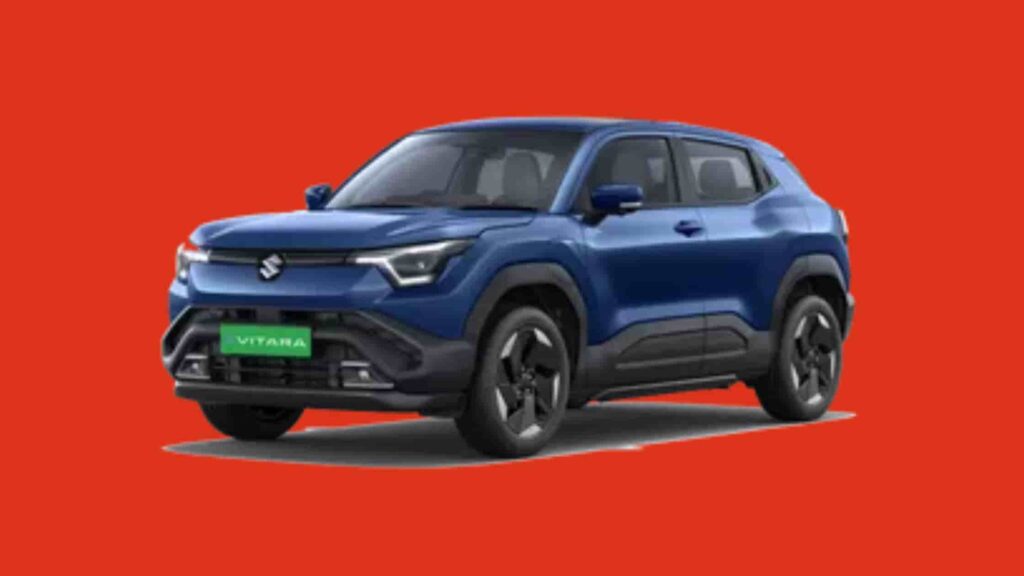
Maruti Suzuki, India’s top carmaker, has electrified the SUV segment with the e Vitara launch, deliveries underway at an introductory Battery-as-a-Service (BaaS) price of ₹10.99 lakh + ₹3.99/km battery EMI (49kWh Delta trim), undercutting rivals like Tata Curvv EV and Mahindra BE 6 while offering up to 543km range.Pricing & Ownership RevolutionBookings from ₹21,000 open now (full list pending); offers valid till March 31, 2026. BaaS splits costs (dual-loan), with e Flex matching existing EMI for upgrades. Assured buybacks shine:3-yr/45,000km: 60% value4-yr/60,000km: 50% valueTrims: Delta (49kWh, 440km ARAI), Zeta/Alpha (61kWh, 543km). WLTP: 344-461km real-world.Powertrain & PerformanceMaruti Suzuki e-Vitara packs two LFP battery options and efficient motors into its HEARTECT-e platform, delivering strong performance for urban and highway EV duties.HEARTECT-e platform (60%+ high-tensile steel) with LFP packs:49kWh: 142hp FWD, 189Nm61kWh: 172hp FWD/300Nm 4WD (ALLGRIP-e)Motor & DrivetrainPermanent Magnet Synchronous Motors (PMSM) with integrated eAxle:49kWh FWD: 142hp (105.8kW), 193Nm torque.61kWh FWD: 172-174hp (128kW), 193Nm.61kWh ALLGRIP-e AWD: Dual motors (~181hp total), up to 300Nm, grip for monsoons/hills.Top speed: 160kmph; 0-100kmph ~9 secs (tested). Regen braking, single-speed auto gearbox ensures smooth one-pedal efficiency; 5-star Bharat NCAP body shields packs.Safety & Features Standouts5-star Bharat NCAP with Level-2 ADAS (AEB, Lane Keep, Adaptive Cruise, Blind Spot), 7 airbags (knee incl.), Suzuki Connect (60+ features). Dual 10.1-inch screens, ventilated seats, panoramic sunroof, 18-inch alloys, 10 colors (4 dual-tone).Ecosystem Edge: NEXA Exclusives1,500+ EV-ready centers, trained managers.₹250 cr investment for 1L chargers by 2030.8-yr/1.6L km battery warranty; 3-yr vehicle (extend to 8 yrs).Delhi-Chandigarh: 63 chargers demo range confidence.Exports: 13,000 units to 28 countries post-Aug 2025 Gujarat plant ramp-up (Toyota collab).Competitive PositioningMaruti eyes mass EV adoption amid 2% market share (Jan 2026 debut post-Auto Expo 2025 eVX concept). Vs Hyundai Creta EV/MG Windsor: BaaS affordability, vast network win for first-timers. CEO Hisashi Takeuchi: “e Vitara mirrors Maruti reliability for EV peace-of-mind.” Book at NEXA; expect 50,000+ annual sales, scaling India’s green shift.