


Mumbai Hits Play: India’s First Musical Road Belts Out ‘Jai Ho’ – Your Drive Just Got an Oscar-Worthy Soundtrack!
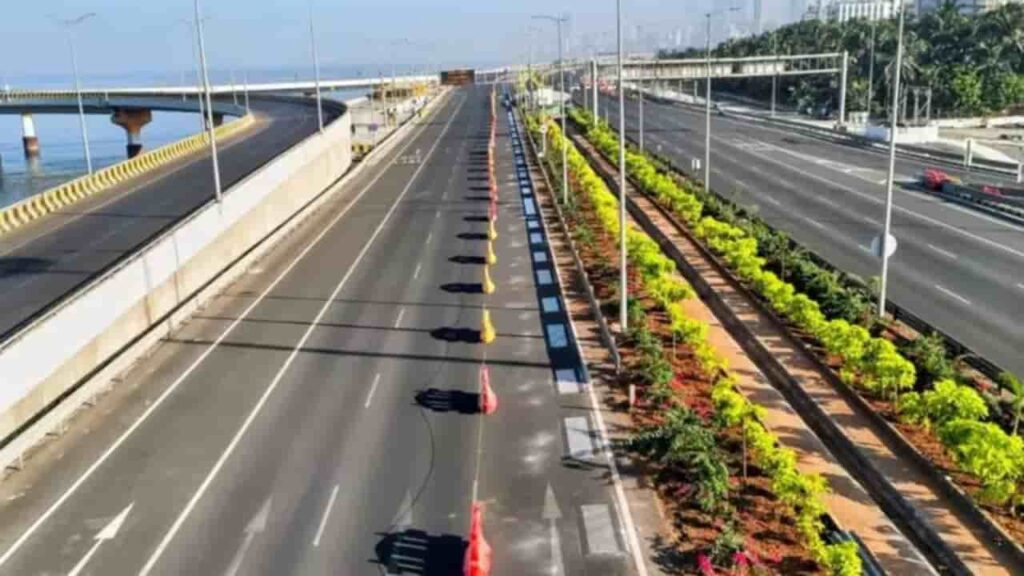
Picture this: You’re cruising out of Mumbai’s swanky Coastal Road tunnel, windows up, AC humming, when suddenly… thrum-thrum-TA-DA! A.R. Rahman’s Oscar-winning Jai Ho explodes from your tires. No speakers, no playlist – just pure road magic! On February 11, 2026, the Brihanmumbai Municipal Corporation (BMC) flipped the switch on India’s first musical road, a 500-meter groove-fest on the northbound stretch from Nariman Point to Worli. Maharashtra CM Devendra Fadnavis and Deputy CM Eknath Shinde cut the ribbon, but let’s be real – the real stars are the rumble strips stealing the show. A ₹7.5 crore stretch of asphalt grooves that’s got drivers ditching Spotify for tire-tarmac tunes. Is it gimmick, genius, or both? Let’s dive deep into the beats, tech, trivia, and tips that make this road India’s freshest jam.How This Asphalt Symphony Works Forget pothole symphonies of despair. This ₹7.5 crore wonder uses Hungarian-engineered rumble strips, think tiny grooves laser-cut into the asphalt at ninja-level precision. Hit 60-80 kmph (that’s your sweet spot, speed demons), and your tires “strum” the road like guitar strings. Vibrations bounce inside your car (hello, natural resonator!), birthing Jai Ho’s triumphant beats. Too slow? Silence. Too fast? Chaos. Just right? You’re Slumdog Millionaire’s dancing hero.Signboards scream warnings 500m, 100m, and 60m ahead (even in the tunnel): “Slow to 70-80 kmph for Jai Ho!” – BMC’s sneaky genius for safer speeds. Pro tip: Early mornings or late evenings = lighter traffic, clearer tunes. Windows up? Still slaps.Not Just Gimmick – A Global Groove GangMumbai joins an elite club: Japan kicked it off in 2007 (Asphaltophone vibes from Denmark’s 1990s artists), with Hungary, South Korea, UAE, USA, China, and more grooving along. Mumbai’s twist? Oscar swagger via Rahman. “It’s engineering meets entertainment,” BMC boasts, and honestly, who wouldn’t merge lanes for melody?Why You’ll Ditch Spotify for This StretchBucket-List Drive: Northbound only, post-tunnel joyride – perfect Instagram reel fodder (tag your co-pilot’s jaw-drop).Safety Sneak: Tunes tempt ideal speeds, cutting rash-driving blues.Mumbai Flex: Coastal Road’s tunnel-to-sea views + free concert? Peak city swagger.Fun fact: Sound stays inside your vehicle – no blaring for neighbors. Celebs, your move – Virat, Deepika, ready for a Jai Ho cruise?Next time you’re Mumbai-bound, skip the aux cord. Let the road sing. Jai Ho indeed – India’s drive game just leveled up! The Magic Under the Tires: How Rumble Strips Remix RahmanNo speakers, no speakers, just pure physics playing DJ. Picture rumble strips on steroids: Precisely engineered grooves (depths and spacings calculated to millimeter perfection) etched into the asphalt divider-adjacent lane. Cruise at the “Goldilocks speed” of 60-80 kmph (BMC’s sweet spot: 70kmph for crystal-clear Jai Ho), and your tires “strum” the ridges like a sitar. Friction sparks vibrations that resonate through your chassis, your car becomes a natural echo chamber, birthing sound waves tuned to Rahman’s triumphant melody.Science Breakdown: Narrower grooves = higher pitches (that TA-DA! hook); wider ones rumble low bass. Speed too low? Muted hum. Zoom past 80? Cacophony. Windows up? Still slaps – sound’s trapped inside for your private gig.Safety Symphony: BMC’s ulterior motive? Nudge safe speeds on the high-speed Coastal Road. Signage screams from 500m, 100m, and 60m ahead (tunnel inklings too): “Maintain 70-80 kmph for Jai Ho!” It’s behavioral engineering disguised as fun – fewer accidents, one catchy chorus at a time.Cost & Specs: ₹7.5 crore for 500m of melodic mastery. Northbound only (Breach Candy exit vibes), audible solely in-vehicle, no neighborhood noise wars.Early birds report goosebumps: “Felt like Rahman remixed my engine!” quips a tester. Rainy days? Tunes hold (grooves drain fast). Pro drive hack: Early mornings/late evenings = traffic-light serenades.Mumbai Joins the Global Groove Parade: Musical Roads Around the WorldIndia’s debut steals from a quirky international playlist. Japan pioneered in 2007 (Honda’s Fukuoka “Melody Road” played anime OSTs), sparking a wave:Hungary: Tech blueprint here – traffic-calming tunes (Mumbai adapted theirs).South Korea/UAE: K-pop/Arabic hits for highways.USA/China/Iran/Russia/Turkey: From California’s “Honda Sounds” to Tehran’s Persian pops.Roots trace to Denmark’s 1990s Asphaltophone, artists Steen Krarup Jensen and Jakob Freud-Magnus vibing pavement poetry. Mumbai elevates: Jai Ho’s global Oscar cred (2009 Best Original Song) nods Bollywood’s soft power. Fun global nugget: Japan’s roads “sing” only at exact speeds, stray, and it’s static city!Why Mumbai? Coastal Road’s Perfect StageThis isn’t random tarmac, it’s the poster child for BMC’s infrastructure glow-up. The Coastal Road (Nariman Point-Worli sea-link shortcut) slashes commute hell, dodging Marine Drive snarls. Post-tunnel emergence? Epic: Arabian Sea sunsets + surprise soundtrack = Insta-gold. BMC’s vision: Blend utility (speed enforcement) with wow-factor (tourist trap). Travel buffs: Hit lighter hours – dawn cruises amplify sea breeze + Jai Ho euphoria.Beyond the Buzz: Real Impact and Reader RoadmapCeleb Bait?: Expect Bollywood cameos, Coastal Road’s elite lane screams influencer flex.Eco Angle: Grooves sip minimal asphalt; no lights/power draw.Expansion Tease: BMC eyes more stretches – patriotic anthems next?Your Play-by-Play Guide:Enter Northbound: Nariman Point → Worli tunnel.Spot Signs: Gear down to 60-80 kmph.Exit Tunnel: Jai Ho drops – film it (safely!).Best Time: 6-9 AM/7-10 PM – queue-free vibes.Pit Stops: Worli Sea Face for post-tune selfies.Critics yawn “gimmick,” but riders rave: “Engineering poetry!” In a pothole-plagued nation, Mumbai’s dropping beats, not bombs. Next time you’re Mumbai-bound, skip the aux cord. Let the road sing. Jai Ho indeed – India’s drive game just leveled up!
PM Modi Receives the UAE President at the Airport
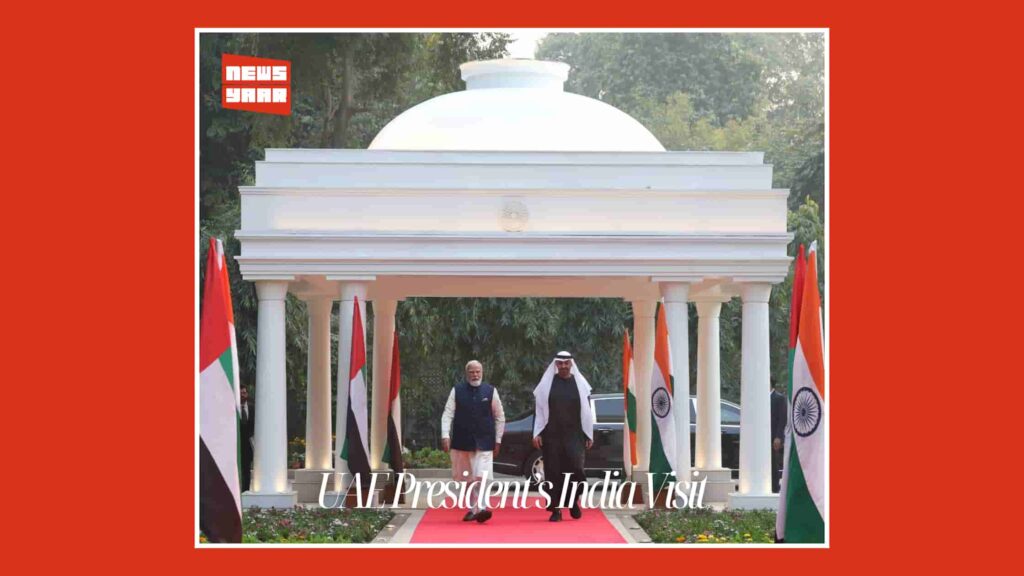
New Delhi: United Arab Emirates President Sheikh Mohamed bin Zayed Al Nahyan concluded a high-profile official visit to India on January 19, 2026, reinforcing the growing strategic partnership between New Delhi and Abu Dhabi. In a rare and symbolic gesture, Prime Minister Narendra Modi personally received the UAE President at the airport, underscoring the importance India attaches to its relationship with the Gulf nation.This marked Sheikh Mohamed bin Zayed’s third official visit to India since assuming office as UAE President and his fifth visit to the country over the past decade. The visit highlighted the sustained political engagement between the two countries and reflected the UAE’s view of India as a key strategic partner in Asia.During the visit, the two leaders held comprehensive talks covering trade, investment, energy security, defence cooperation, technology, and regional geopolitics. Several agreements and memoranda of understanding (MoUs) were signed to further strengthen bilateral cooperation. These included frameworks to expand collaboration in renewable energy, food security, digital infrastructure, fintech, and defence manufacturing, aligning with India’s “Make in India” and self-reliance goals while offering new opportunities for UAE investors.A major focus of the discussions was economic cooperation under the Comprehensive Economic Partnership Agreement (CEPA), which has significantly boosted bilateral trade since its implementation. Both sides reviewed progress under CEPA and agreed to work toward further increasing non-oil trade, easing market access, and encouraging private-sector partnerships. The use of local currency settlement mechanisms and the bilateral investment treaty were also highlighted as key enablers of smoother financial flows and long-term investment confidence.From India’s perspective, the outcomes of the visit strengthen energy security through long-term supply arrangements and increased cooperation in clean energy and green hydrogen. The UAE’s continued interest in investing in Indian infrastructure, ports, logistics, and technology startups was seen as a strong vote of confidence in India’s growth story.For the UAE, deeper engagement with India supports its strategy of economic diversification and strengthens its footprint in one of the world’s fastest-growing major economies. Enhanced cooperation in food corridors, technology, and innovation helps Abu Dhabi secure supply chains while expanding its global economic influence.The leaders also exchanged views on regional and global issues, including developments in West Asia, maritime security, and global economic uncertainty. Both sides reaffirmed their commitment to stability, dialogue, and cooperation in an increasingly complex geopolitical environment.Beyond agreements, the visit carried strong symbolic value. Prime Minister Modi’s decision to personally welcome Sheikh Mohamed bin Zayed sent a clear message of trust, warmth, and strategic alignment. It also reflected the personal rapport between the two leaders, which has played a significant role in elevating India–UAE ties over the years.As the UAE President departed India, the visit was widely seen as a reaffirmation of a mature and forward-looking partnership, one that goes beyond transactional ties to focus on long-term strategic, economic, and people-centric cooperation.
AP Dhillon’s “One of One India Tour” Sweeps the Country, Turning Concerts into Cultural Events
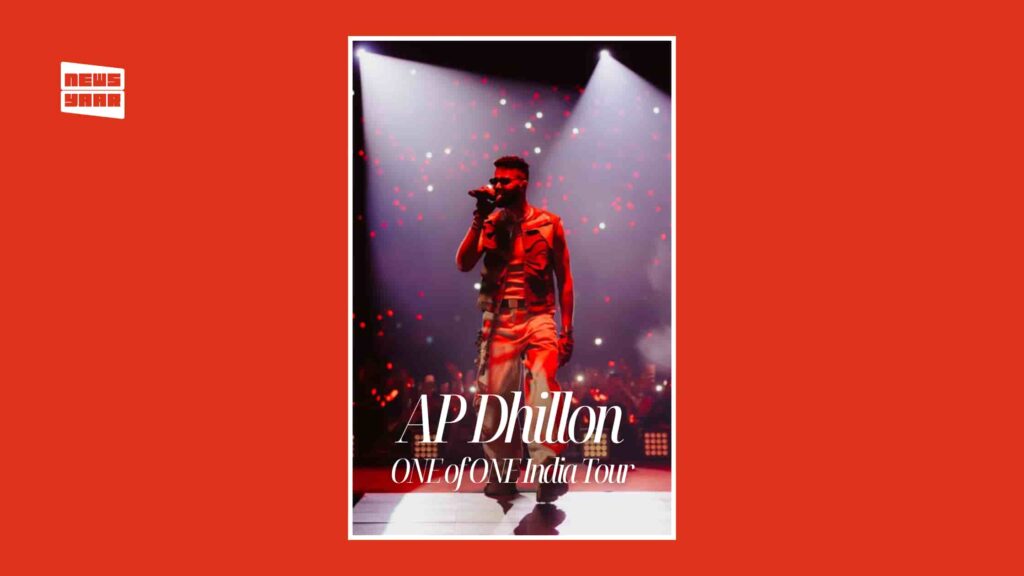
Punjabi-Canadian global star AP Dhillon wrapped up his ambitious “One of One India Tour” after a multi-city run that cut across regions, languages and fan cultures, reaffirming his status as one of the most influential live performers in India’s contemporary music scene. Spanning metros and emerging cultural hubs alike, the tour transformed concert venues into shared spaces of music, identity and youthful expression.More than a string of sold-out shows, the tour unfolded as a pan-India cultural movement, reflecting how Dhillon’s sound — rooted in Punjabi music yet shaped by global hip-hop and R&B — has found resonance far beyond linguistic boundaries. A Nationwide Tour with City-Specific Energy The One of One India Tour 2025–26 covered multiple states and major cities, each responding to Dhillon’s music in its own distinct way.In Mumbai, one of the tour’s most high-profile stops, the concert drew a dense mix of music lovers, industry figures and celebrities. Actress Tara Sutaria’s presence at the Mumbai show added to the buzz, underlining the tour’s crossover appeal beyond music circles. The city’s crowd responded with near-constant sing-alongs, turning tracks like Excuses and Insane into collective anthems.Delhi-NCR witnessed one of the loudest receptions of the tour, with fans arriving hours early and filling the venue to capacity. The capital’s stop stood out for its raw energy and intense fan interaction, with Dhillon frequently pausing to acknowledge placards, flags and fan chants.In Bengaluru, the show reflected the city’s cosmopolitan character, attracting a diverse audience that mirrored Dhillon’s global following. The performance leaned heavily into production finesse — lighting, visuals and sound — creating an immersive experience that resonated strongly with the city’s young, tech-savvy crowd.Hyderabad and Pune saw packed venues as well, reinforcing Dhillon’s growing footprint in India’s non-traditional Punjabi music markets. Fans in these cities responded enthusiastically to both his chartbusters and newer material, underscoring how his appeal has moved well beyond niche audiences.The eastern leg of the tour, particularly Kolkata, stood out for its emotional intensity. Fans from neighbouring states travelled to attend the show, turning it into a regional gathering. Dhillon’s engagement with the crowd here became one of the most shared moments on social media during the tour.The tour concluded in Jaipur, where the finale took on a celebratory tone. The Rajasthan capital witnessed one of the tour’s most talked-about moments when Indian cricketer Abhishek Sharma made a surprise appearance on stage, blending sport and music fandom into a single spectacle and amplifying the concert’s cultural reach.Other cities on the tour included Ahmedabad, Chandigarh and select regional hubs, each adding to the tour’s geographic and cultural spread. Music, Performance and Fan Connection At the heart of the tour was Dhillon’s ability to convert studio hits into high-impact live experiences. Setlists featured fan favourites such as Brown Munde, Summer High, Dil Nu and With You, delivered through tightly choreographed lighting, sharp visuals and controlled stagecraft.Yet what truly distinguished the tour was its fan engagement. Dhillon repeatedly acknowledged the role of Indian audiences in shaping his career, often addressing crowds directly and responding to fan-led chants and moments. This mutual exchange — rather than a one-way performance — gave the concerts a sense of intimacy despite their scale. Digital Buzz and Cultural Visibility The One of One India Tour dominated social media timelines throughout its run. Clips from Mumbai, Delhi, Kolkata and Jaipur trended across platforms, while fan-shot videos, outfit recreations and live reactions extended the tour’s impact far beyond the venues themselves.This digital amplification reinforced Dhillon’s role in normalising Punjabi-led global pop culture within India’s mainstream youth ecosystem, where language barriers increasingly matter less than authenticity and sound. Economic and Cultural Ripple Effect Beyond music, the tour contributed to local event economies, driving footfall for hotels, transport services and nightlife in host cities. For many fans, concerts became weekend travel plans, blending music with urban exploration.Culturally, the tour highlighted how contemporary Indian audiences are embracing artists who operate at the intersection of diaspora identity and homegrown culture, signalling a shift in how Indian pop culture defines success and relevance. A Defining Chapter in AP Dhillon’s India Story By the time the final notes rang out in Jaipur, the One of One India Tour had firmly established itself as more than a promotional run. It stood as a statement of scale, influence and connection — a reminder that live music, when executed with intent, can still create moments that feel personal even in packed arenas. As AP Dhillon looks ahead to new music and future global tours, the India leg of One of One will be remembered as a defining chapter — one that captured a country singing back, city after city, in its own voice.
Tata Mumbai Marathon 2026: Date, Winners, Route, Celebrities, Elite Runners and Why the Race Matters
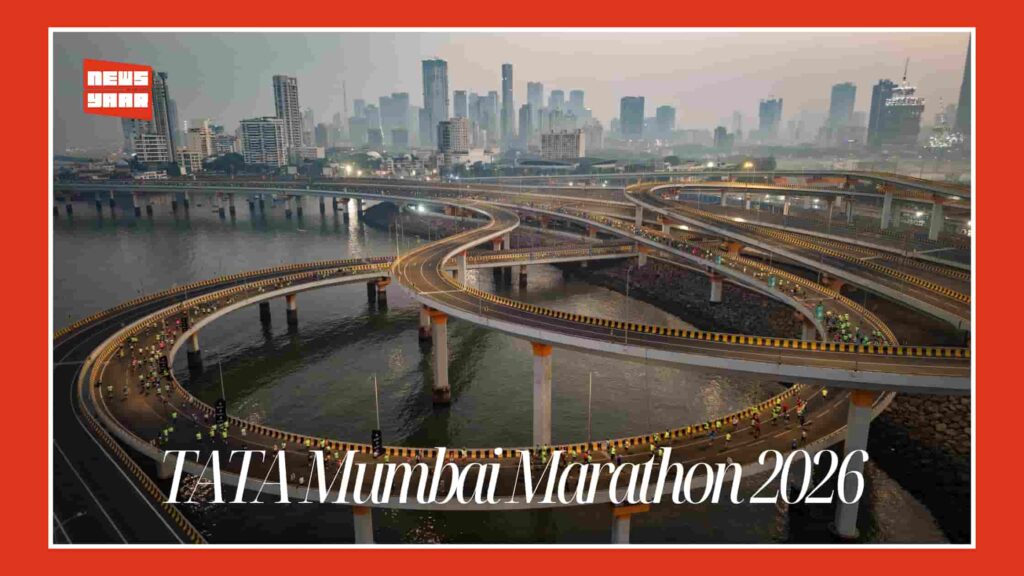
The Tata Mumbai Marathon 2026, one of Asia’s largest and most prestigious road races, was held on January 18, 2026, transforming Mumbai’s streets into a celebration of endurance, inclusivity and city pride. Thousands of runners from India and abroad participated across multiple categories, while elite athletes, celebrities and civic leaders reinforced the marathon’s position as a landmark sporting and cultural event. Organised by Procam International in association with the Tata Group, the Mumbai Marathon continues to be a key fixture on the global long-distance running calendar and a flagship event in India’s sports ecosystem. Tata Mumbai Marathon 2026: Race Categories and Distances The 2026 edition featured a wide range of race formats, allowing participation from professional athletes as well as first-time runners: 42.195 km Full Marathon (Elite & Open Category) 21.097 km Half Marathon 10 km Timed Run 5 km Run for All Senior Citizens’ Run This structure ensured that the Tata Mumbai Marathon remained both highly competitive and mass-participative, a defining feature of the event since its inception. Mumbai Marathon 2026 Route, Venue and Course Highlights The race commenced in the early hours near Chhatrapati Shivaji Maharaj Terminus (CSMT), with the route spanning some of Mumbai’s most recognisable landmarks. Runners passed through Marine Drive, Nariman Point and key arterial roads, experiencing a course that blends urban intensity with coastal beauty. The early morning schedule and sea-facing stretches helped maintain favourable running conditions, while strict traffic and safety protocols ensured smooth execution across the city. Elite Race at Tata Mumbai Marathon 2026: International and Indian Athletes The elite field at the Tata Mumbai Marathon 2026 featured top runners from Kenya, Ethiopia and other East African nations, continuing their strong presence in global distance running. Indian athletes also made their mark, with Kartik Karkera emerging as a notable performer in the men’s elite race. His effort was widely viewed as a significant step for Indian long-distance running, highlighting growing domestic competitiveness against established international runners. The elite races delivered tactical battles, fast pacing and strong finishes, reinforcing Mumbai Marathon’s standing as a serious international athletic contest. Celebrities at Tata Mumbai Marathon 2026: Aamir Khan Joins the Run Bollywood actor Aamir Khan joined thousands of runners on the streets of Mumbai, lending star presence to the event. Speaking during the marathon, Khan described the experience as a reflection of Mumbai’s resilience and collective spirit, praising participants for their enthusiasm and discipline. Celebrity participation has become an important element of the Mumbai Marathon, helping bridge the gap between elite sport and popular culture while motivating wider public participation. Sponsors and Support System: Bisleri and Event Infrastructure Bisleri, the Official Hydration Partner for Tata Mumbai Marathon 2026, ensured uninterrupted hydration support across the route. The event also featured: Medical aid and emergency response teams Volunteer-managed hydration and energy stations Live entertainment zones On-ground crowd and traffic coordination These measures played a crucial role in maintaining runner safety and enhancing the overall experience. Public Participation and Social Impact of Mumbai Marathon 2026 Beyond competition, the Tata Mumbai Marathon continues to function as a social movement. Corporate teams, schools, NGOs, fitness groups and charity runners participated in large numbers, using the platform to raise awareness for causes ranging from health and education to environmental sustainability. The Run for All and Senior Citizens’ Run segments underlined the marathon’s inclusive philosophy, making it accessible to participants across age groups and fitness levels. Tourism, Culture and the Mumbai Experience For international and out-of-city participants, the marathon doubled as a gateway to exploring Mumbai. Many runners extended their visits to experience the city’s heritage sites, coastal promenades and diverse cuisine. Spectators along the route added to the festive atmosphere with music, cheering zones and local flavour, turning the race into a city-wide celebration rather than a closed sporting event. Why the Tata Mumbai Marathon Is Important for India The Tata Mumbai Marathon plays a vital role in India’s sporting and civic landscape by: Promoting fitness and long-distance running culture Providing a global platform for Indian athletes Supporting charitable fundraising initiatives Strengthening Mumbai’s international sporting profile Encouraging community participation and inclusivity Its consistent growth reflects India’s increasing engagement with endurance sports and large-scale civic events. Conclusion The Tata Mumbai Marathon 2026 once again demonstrated why it is regarded as one of Asia’s premier road races. By seamlessly blending elite competition, mass participation, celebrity engagement and social purpose, the event captured the essence of Mumbai — energetic, resilient and inclusive. As runners crossed finish lines against the backdrop of the city’s skyline, the marathon reaffirmed its place not just as a sporting event, but as a symbol of India’s evolving fitness culture and global sporting ambition.
Official Start of Passenger Flights from Navi Mumbai International Airport: A New Era for Regional Aviation
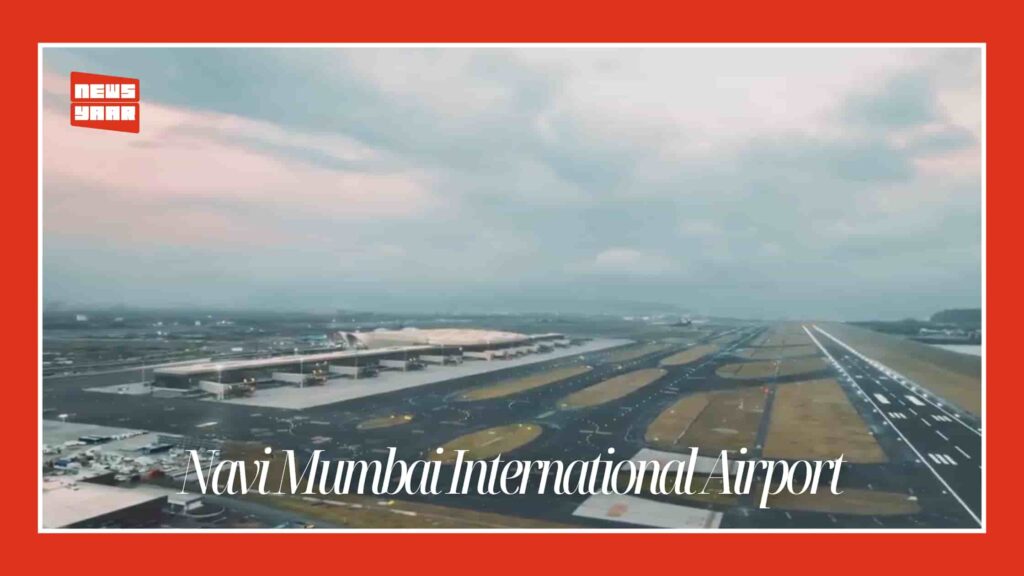
Navi Mumbai / Mumbai: The long-awaited Navi Mumbai International Airport (NMIA) has officially opened its passenger flight operations, marking a major milestone in India’s civil aviation landscape. Backed by the Adani Group, the new international gateway welcomed its first commercial travellers on Thursday, signalling the beginning of full-scale flight services from the strategically located airport.In its first 19 days of operations, NMIA recorded over 100,000 passengers, highlighting strong early demand and adding momentum to the region’s aviation growth. The early passenger traffic underscores the confidence that travellers, airlines and the broader aviation ecosystem place in the new facility as a major alternative to the congested Chhatrapati Shivaji Maharaj International Airport (CSMIA).The commissioning of NMIA comes as part of a broader effort to ease pressure on Mumbai’s primary airport, long plagued by capacity constraints. Located in Ulwa, Navi Mumbai, the new airport is expected to handle both domestic and international flights, offering enhanced connectivity and reducing congestion in one of India’s busiest airspaces. Passenger Experience and Early Reception Early reports from passengers travelling through NMIA have been overwhelmingly positive. Commuters pointed to the airport’s spacious terminals, streamlined check-in processes and clear signage as key improvements over older facilities. Many highlighted the convenience of the airport’s location for those living in Navi Mumbai and surrounding areas, with easier access than the traditional Mumbai airport.“We had no idea the airport was this smooth and comfortable,” said one traveller who flew out on a weekday morning. “Check-in was quick, security was efficient, and everything felt brand new.” Airline Operations and Flight Routes Several domestic carriers have already begun scheduling flights from NMIA, connecting key metros and regional hubs.As flight operations continue to ramp up, airlines are expected to expand their route portfolios based on demand. Industry analysts suggest that the airport’s growth could attract international carriers in the near future once regulatory clearances and bilateral agreements are in place.The operational launch of NMIA is not only an aviation milestone but also a boost for the broader Maharashtra economy. The airport is expected to catalyse job creation in sectors ranging from hospitality and logistics to retail and ground services. Local businesses have welcomed the development, anticipating increased footfall and commercial opportunities in the region.Infrastructure planners also foresee improvements in last-mile connectivity, including dedicated access roads, metro extensions and bus networks that will link NMIA efficiently with central Mumbai and other areas. Looking Ahead As passenger flights officially take off from the Navi Mumbai International Airport, the aviation sector and travelling public alike are watching closely to see how the new facility evolves.With strong initial numbers and a strategic location, NMIA is poised to become a key node in India’s rapidly growing aviation network, offering relief to existing hubs while setting new benchmarks for passenger comfort and operational excellence.
Mumbai BMC Election Results 2026: BJP Breaks Shiv Sena Stronghold, Fragmented Mandate Sets New Political Tone
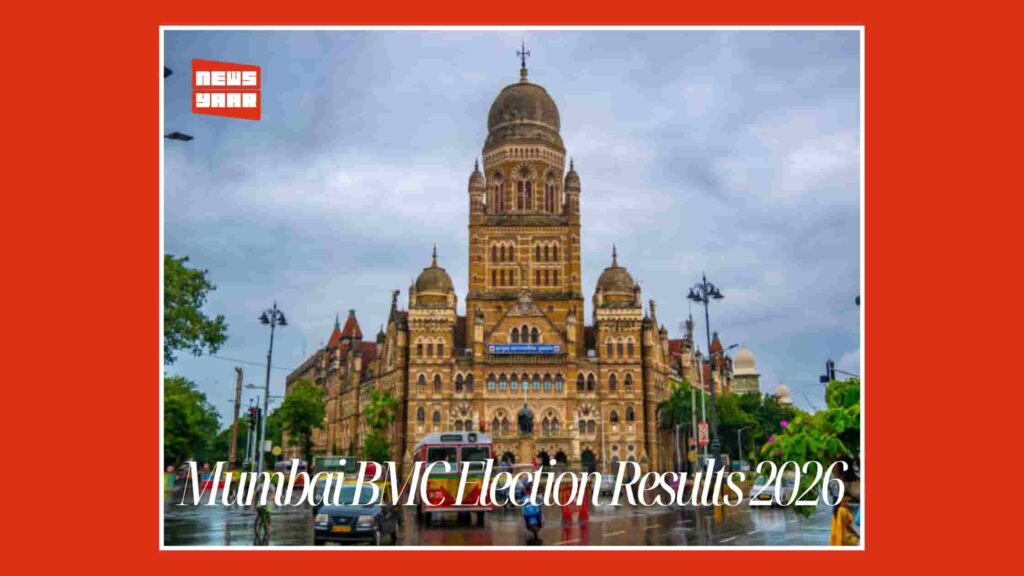
The results of the Brihanmumbai Municipal Corporation (BMC) elections 2026, declared late Friday night, have reconfigured civic politics in Mumbai after years of uncertainty. In a contest marked by shifting alliances and urban development themes, the Bharatiya Janata Party (BJP)-led Mahayuti alliance has emerged as the largest bloc in India’s richest municipal body, ending decades of dominance by the undivided Shiv Sena and reshaping the city’s political landscape. What Is the BMC and Why This Election Matters The Brihanmumbai Municipal Corporation is the administrative body responsible for civic services in Mumbai, including roads, hospitals, sanitation, water supply, and urban infrastructure. With an annual budget of over Rs 74,400 crore, it plays a crucial role in daily life for millions and sets the tone for urban policy in the Mumbai Metropolitan Region. This election was especially significant because it was the first held after a four-year delay and the first civic poll since the Shiv Sena split in 2022, which divided the party into the Eknath Shinde-led faction allied with the BJP and the Uddhav Balasaheb Thackeray-led Shiv Sena (UBT). Final Results: Seat Share and Winning Parties No single party secured an outright majority in the 227-ward BMC, but results show a clear lead for the Mahayuti alliance. Party-wise tally in BMC 2026: Bharatiya Janata Party (BJP): 89 seats Shiv Sena (Shinde faction): 29 seats Shiv Sena (UBT): 65 seats Congress: 24 seats AIMIM: 8 seats MNS: 6 seats Nationalist Congress Party (NCP): 3 seats Samajwadi Party: 2 seats NCP (SP): 1 seat(Majority mark in BMC: 114) With the BJP–Shinde Sena alliance jointly leading in 118 wards, they are well-positioned to form the next civic administration. Key Ward Victories and Local Players Several notable victories across the city shaped the electoral narrative. Highlights include: Ward 2 (BJP): Tejaswini Ghosalkar Ward 214 (BJP): Ajay Patil Ward 123 (UBT): Sunil More Ward 182 (UBT): Milind Vaidya Ward 183 (Congress): Asha Kale These wins reflect how both national and local issues influenced voter decisions across diverse Mumbai neighbourhoods. Political Reactions After the Results Leaders from all major camps offered their perspectives soon after results were declared. Maharashtra Chief Minister Devendra Fadnavis highlighted the alliance’s performance as a reflection of public trust in governance. According to him, the BJP’s share — around 45% vote share — demonstrated a broad urban mandate for development-oriented politics. From the opposition, Shiv Sena (UBT) leader Sanjay Raut said the results showed continued support for the Thackeray brand in many traditional areas, even as the party lost its institutional hold. Why This Is a Turning Point for Mumbai BMC has historically been a bastion of regional identity politics, with the Shiv Sena’s rise intertwined with the ‘Marathi asmita’ narrative — emphasising local pride and mobilisation around regional interests. However, this election suggests a shift toward urban governance themes such as infrastructure, flood management, civic service delivery, and development outcomes, rather than purely identity-based politics. Analysts note that the BJP’s success is the result of a “triple engine” strategy, combining support from the Centre, state leadership, and local organisational strength to appeal to voters focused on performance and delivery. Broader Maharashtra Civic Sweep and Urban Impact The BMC outcome was part of a wider civic sweep by the BJP-led alliance across Maharashtra. The party has secured dominant positions in multiple municipal corporations, including Pune and Pimpri-Chinchwad, further weakening rival factions and establishing itself as the leading force in urban local bodies ahead of future state and national contests. What Comes Next: Leadership and Governance With the alliance poised to control the BMC, the focus now shifts to: Election of the Mayor Formation of key standing committees (finance, public works, health) Early policy signals on infrastructure upgrades, monsoon preparedness, housing redevelopment and sanitation The new administration faces a range of civic challenges that will test its governance approach amidst high public expectations. In Brief BMC election 2026 held after a four-year gap ended long-standing political patterns in Mumbai. The BJP-Shinde Sena alliance crossed the majority mark with 118 wards. Shiv Sena (UBT) held on to 65 seats, showing resilience in core areas. Congress, AIMIM, MNS and smaller parties maintained pockets of influence. Urban governance and development issues appeared to outweigh traditional identity politics.