


Kargil Vijay Diwas: A Day of Remembrance, Gratitude, and National Resolve
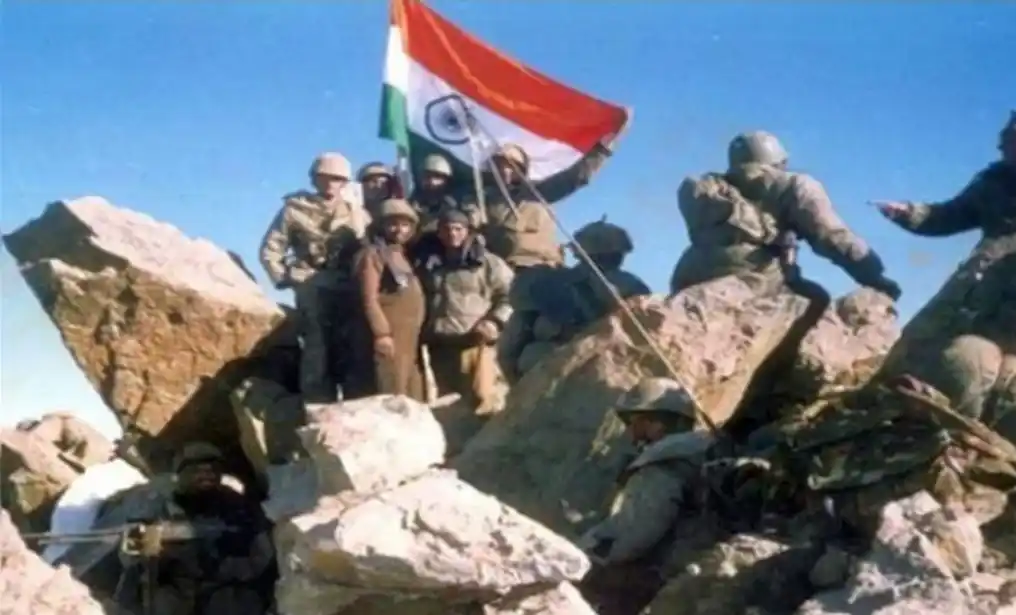
Kargil Vijay Diwas is one of India’s most solemn national observances, marked every year to honour the soldiers who fought in the Kargil War of 1999 and to remember the extraordinary cost of reclaiming India’s territory in the Himalayas. On the 27th anniversary of Operation Vijay, commemorations across the country once again placed the focus on courage, sacrifice, and the enduring responsibility to protect the nation’s sovereignty. This year’s observance carried special emotional weight in places like Drass, Shimla, Belagavi, Bhaderwah, and Lucknow, where wreath-laying ceremonies, military tributes, and public remembrance events brought together serving officers, veterans, families of martyrs, cadets, and citizens in a shared act of gratitude. The Meaning of Kargil Vijay DiwasKargil Vijay Diwas marks India’s victory in the Kargil conflict, which culminated in the successful execution of Operation Vijay and the recovery of territory in the Kargil district of Jammu and Kashmir that had been infiltrated by Pakistani soldiers and militants. The day is not simply about military success; it is about remembering the harsh conditions in which the war was fought, the high altitude at which soldiers operated, and the discipline and determination that made the eventual victory possible. Photo: PIBThe anniversary matters because it reminds the country that national security is often secured in places that most citizens will never see, on mountain heights where every advance is costly and every act of bravery carries real risk. It is also a reminder that freedom and territorial integrity are preserved not in abstract terms, but through sacrifice, planning, and unflinching commitment by the armed forces. Tributes Across the CountryAt the Kargil War Memorial in Drass, the main national ceremony was held in a deeply solemn atmosphere, with Defence Minister Rajnath Singh leading the commemorations by paying floral tributes at the cenotaph in honour of the bravehearts of Operation Vijay. He also inaugurated the Virtual Walkthrough Portal of the Kargil War Memorial, visited the Hut of Remembrance and Veer Bhoomi, interacted with Veer Naris and Veer Matas, and flagged off the Shaurya Vijay Yatra motorcycle rally. In Shimla, Army Training Command commemorated the 27th anniversary of the day with a wreath-laying ceremony at Shradhanjali Sthal in Annandale, followed by two minutes of silence and the sounding of the Last Post. The ceremony ended with all ranks of ARTRAC taking a pledge to uphold patriotism, courage, and selfless service, underscoring how the memory of Kargil continues to shape military ethos even decades later. Belagavi also saw an emotional observance, where officers and personnel of the Maratha Light Infantry Regimental Centre marked the day with a wreath-laying ceremony at the war memorial. Such regimental commemorations matter because they connect the memory of Kargil not only to the nation at large, but also to the traditions, identities, and inherited sense of duty within India’s military units.Drass and the National Centre of MemoryDrass remains the symbolic heart of Kargil Vijay Diwas because it is where the nation gathers most visibly to remember the war. The Kargil War Memorial there stands not only as a site of tribute, but also as a physical expression of collective memory, where names, stones, and ceremonial rituals help translate history into lived remembrance. The memorial’s significance grows each year because the war itself has become part of India’s national narrative of resilience. The presence of soldiers’ families, veterans, young cadets, and public officials creates a powerful bridge between the generation that fought in 1999 and the generations that now inherit the duty of remembering what was won and what was lost. The Voices of National LeadersPublic tributes from national leaders have reinforced the day’s seriousness. Rajnath Singh described the soldiers who fought on the inaccessible heights of Kargil as examples of indomitable bravery, supreme sacrifice, and unwavering resolve, saying the nation would remain forever grateful for their service. Amit Shah called Kargil Vijay Diwas a symbol of the Army’s indomitable courage, while S. Jaishankar emphasized that the service and sacrifice of those who laid down their lives to protect India’s unity and integrity would always be remembered. Dr. L. Murugan also paid tribute, urging people to remember the valour and dedication of the soldiers not only on this day but every day. [user-provided]These statements are more than ceremonial language. They reflect the way Kargil Vijay Diwas has become part of India’s civic calendar, a day when public remembrance, military pride, and national unity are brought together through ritual and reflection. The Human Cost of VictoryThe Kargil War is often remembered through strategy and geography, but the deeper reality is human. Soldiers fought under extreme cold, difficult terrain, and the strategic advantage held by enemy positions on higher ground, and they did so with the knowledge that many would not return. That human cost is why observances such as the felicitation of Veer Naris, Veer Matas, and families of martyrs carry such emotional force. In Lucknow, for instance, the municipal corporation honoured the families of soldiers who sacrificed their lives, while officials were instructed to create a database of military families and resolve their grievances on priority. These acts of recognition help ensure that remembrance is not just symbolic, but also practical and humane. Why the Day Still MattersKargil Vijay Diwas remains relevant because it speaks to values that do not age: duty, sacrifice, discipline, and loyalty to the nation. In an era when public attention can move quickly from one event to another, the day insists on memory and gratitude, asking citizens to pause and reflect on the people who secured the country’s safety in one of its most difficult military conflicts.It also carries a lesson about preparedness. The war showed how quickly high-altitude infiltration and strategic surprise can create danger, and how crucial it is for armed forces to have the resilience, equipment, training, and national support needed to respond effectively. That lesson remains important even today, because sovereignty is never protected only by sentiment; it is protected by readiness.A Legacy Passed ForwardThe enduring power of Kargil Vijay Diwas lies in the way it connects past sacrifice to present responsibility. Students performing patriotic songs in
INS Mahendragiri: India’s Sixth Project 17A Stealth Frigate and a New Marker of Naval Self-Reliance
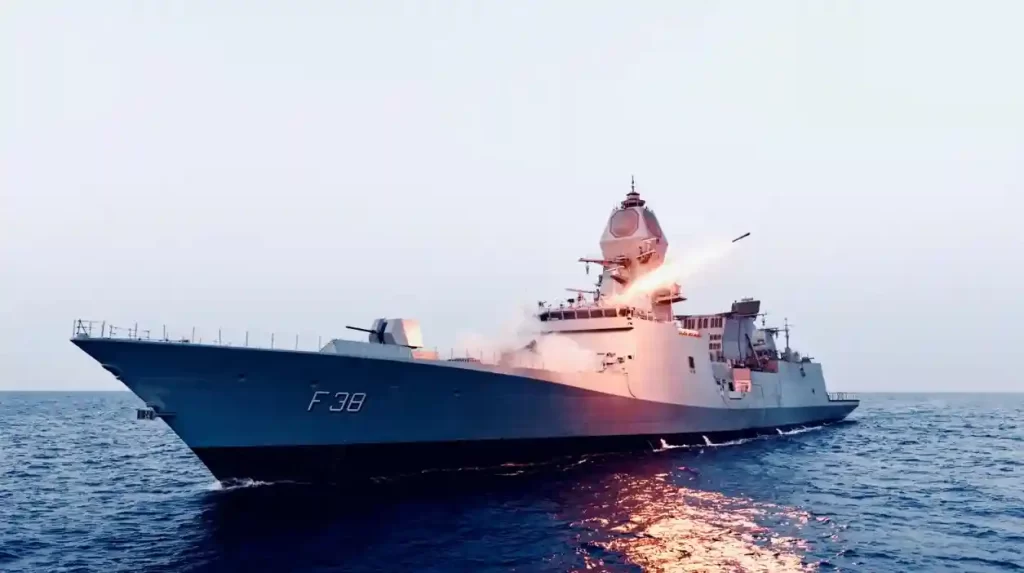
INS Mahendragiri represents a major step forward in India’s indigenous naval power, combining stealth design, advanced weapons, high indigenous content, and faster project execution into one frontline warship. Commissioned at Visakhapatnam in the presence of Defence Minister Rajnath Singh, it is the sixth Project 17A frigate to join the Indian Navy and a strong symbol of Aatmanirbhar Bharat at sea. For India, this is not just the induction of another warship; it is a statement that the country’s shipbuilding ecosystem can now design, build, test, and deliver sophisticated combat platforms that are ready for modern maritime warfare. The ship’s commissioning also strengthens India’s ability to operate across the Indian Ocean Region and the wider Indo-Pacific, where naval presence, deterrence, and rapid response now matter more than ever. A Warship Built for the New Maritime EraINS Mahendragiri belongs to the Nilgiri-class or Project 17A family, which has been developed as a new generation of multi-role stealth frigates for the Indian Navy. Designed by the Navy’s Warship Design Bureau and built by Mazagon Dock Shipbuilders Limited in Mumbai, the vessel has been created to handle a broad operational spectrum, from fleet air defence and anti-surface warfare to anti-submarine warfare, maritime interdiction, surveillance, and humanitarian assistance. That versatility is one of the ship’s most important strengths. Modern naval warfare rarely involves only one type of threat, and a ship that can defend against aircraft, submarines, and surface combatants while also supporting peacetime missions such as search and rescue must be engineered with exceptional balance. INS Mahendragiri is meant to do exactly that, which is why it is described as a frontline warship rather than a niche platform. What Makes It Stealthy?The phrase “stealth frigate” is not just a marketing label; it refers to design and systems that reduce detection and improve survivability in a contested environment. INS Mahendragiri features advanced stealth characteristics, reduced radar signature, modern sensors, and a network-centric combat system that helps it operate more effectively while remaining harder to track. In practical terms, this means the warship is better positioned to approach hostile areas, survive layered threats, and respond faster in a crisis. Its stealth profile, coupled with its electronic warfare suite and integrated combat systems, gives the Navy a ship that is more difficult to target and more adaptable to modern maritime battle conditions. Firepower and Mission SystemsINS Mahendragiri is armed for the full spectrum of naval combat, and its weapons fit the role of a highly capable multi-mission frigate. It can be equipped with the BrahMos surface-to-surface missile, widely regarded as one of the world’s fastest and most lethal cruise missiles, and it also carries medium-range surface-to-air missiles, anti-submarine rocket launchers, torpedo launchers, and a close-in weapon system for last-line defence. Beyond the headline weapons, its value lies in the combination of systems working together. An advanced multifunction radar, anti-submarine defence systems, electronic warfare gear, and an embarked multi-role helicopter create layered offensive and defensive capability, allowing the frigate to detect, classify, engage, and endure across different threat environments.Indigenous Content and Industrial DepthOne of the most important features of INS Mahendragiri is its more than 75 percent indigenous content. That figure matters because it shows how far India has come in building a defence-industrial base that is no longer dependent solely on foreign supply chains for key platforms and systems.The ship was built with the contribution of more than 200 Indian industries, including numerous MSMEs, which means its significance goes well beyond naval doctrine. It supports domestic manufacturing, precision engineering, electronics, software, propulsion-related work, logistics, and the wider industrial ecosystem that grows around a major warship programme. Faster Build, Better ProcessThe commissioning of Mahendragiri also reflects a major improvement in project execution. According to the details shared at the commissioning ceremony, the time from launch to delivery was cut from 63 months to 31 months, and the overall construction timeline fell from 95 months to 75 months. Even more strikingly, technical analyses were completed in a single sea trial instead of the usual five to seven. Those numbers matter because they show that India is not only building advanced ships, but learning how to build them more efficiently. In defence manufacturing, speed without quality is a problem, but speed with quality is a strategic advantage, and Mahendragiri appears to represent that kind of maturity. Why the Name MattersThe ship is named after the Mahendragiri mountain range in the Eastern Ghats, which gives it a sense of rootedness in India’s geography and cultural imagination. The mountain symbolism fits the vessel’s motto, “Mighty, Majestic, Matchless,” and reinforces the idea of endurance, strength, and resolve. Naming a frontline warship after a mountain range is also fitting because naval power often relies on the same qualities associated with mountains: stability, permanence, and commanding presence. In that sense, the name gives the frigate a character that is both poetic and strategic. Strategic Role in the Indo-PacificINS Mahendragiri arrives at a time when India is increasingly framing maritime security as central to national security, trade resilience, and regional stability. As Rajnath Singh noted in the commissioning address, seas matter not only for defence but also for supply chains, energy flows, commerce, and the country’s wider economic security. That is why the frigate’s role in the Eastern Fleet is especially important. It strengthens India’s blue-water reach, supports presence missions in the Indian Ocean Region, and contributes to the country’s broader posture as a net security provider and preferred security partner in the Indo-Pacific. Conventional Power and Future TechOne of the most interesting themes in the commissioning speech was the insistence that next-generation technologies and conventional platforms are not rivals but complements. Rajnath Singh’s point was that even as warfare evolves through drones, AI, cyber systems, space assets, and unmanned platforms, credible ships, trained crews, and proven military power still remain the foundation of defence.That argument is important because it places INS Mahendragiri in the real world rather than in a futuristic fantasy. The warship does not represent a rejection of new technology; it represents the idea that advanced technologies become meaningful when they are backed by solid, reliable,
Lucknow-Kanpur Expressway: Uttar Pradesh’s New High-Speed Corridor
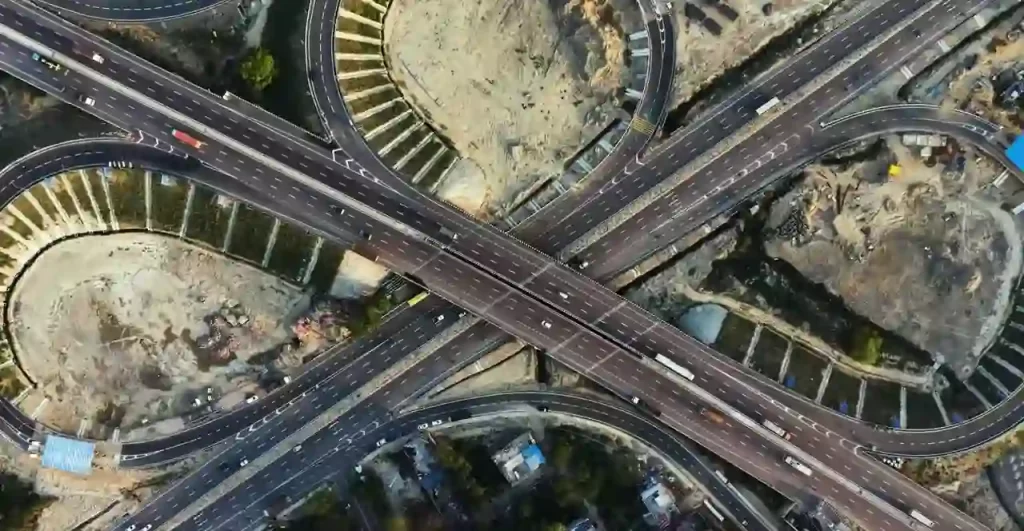
The Lucknow-Kanpur Expressway is one of the most important road infrastructure projects to come out of Uttar Pradesh in recent years, and its opening marks a major shift in how people, goods, and economic activity will move between the state’s two biggest urban centres. Built as a six-lane, access-controlled corridor with advanced traffic systems and a substantial elevated stretch, it is designed to cut travel time dramatically while also easing pressure on the older and more congested routes that commuters have relied on for decades.For travelers, the biggest change is simple and immediate: what used to be a tiring, unpredictable journey of well over two hours can now be completed in a fraction of that time. For the state, the expressway is more than a convenience project; it is a growth corridor that connects Lucknow, Kanpur, Unnao, and surrounding districts through faster mobility, smarter highway management, and stronger investment potential.A Long-Awaited CorridorThe Lucknow-Kanpur road link has been a long-standing demand, and the expressway finally gives that connection a modern, high-capacity form. The project has been completed by the National Highways Authority of India, with construction handled by PNC Infratech, and it runs for about 62.76 km between Amausi in Lucknow and Shuklaganj near Kanpur.What makes the corridor especially significant is that it combines greenfield and brownfield development, meaning it was built both on new land and through upgraded sections near existing urban areas. That blend allowed planners to create a faster, more direct route while still dealing with the practical realities of dense settlements, traffic pressure, and urban connectivity.Route and StructureThe expressway is not just a straight strip of asphalt; it is a carefully engineered corridor with multiple layers of mobility planning built into it. Around 45 km of the route is greenfield alignment, while about 18 km is elevated, making it one of the more advanced highway projects in the state.Its key stretches pass through or near Nawabganj, Banthara, Bani, and Unnao, with integration planned toward the upcoming Ganga Expressway at Unnao. The route includes major bridges, minor bridges, underpasses, flyovers, and interchanges, all of which help the expressway function as an access-controlled corridor rather than a conventional road with frequent interruptions.Faster Travel, Smarter AccessThe main promise of the expressway is time savings. Reports indicate that travel between Lucknow and Kanpur, which currently takes roughly 1.5 to 2.5 hours and sometimes more in heavy traffic, may be reduced to around 45 to 60 minutes, with some early reporting even suggesting a 35- to 45-minute range under ideal conditions.That kind of reduction matters because the corridor links two cities that are central to Uttar Pradesh’s economy, administration, education, and industry. A commuter, logistics operator, or business traveler using the route regularly does not just save time; they gain predictability, and in transport planning, predictability is often as valuable as speed.Elevated Section and Urban ReliefOne of the most impressive engineering features of the project is the elevated stretch through the Lucknow side of the corridor. This section helps vehicles bypass some of the worst congestion around areas such as Amausi, Sarojininagar, and parts of NH-27, which is crucial in a region where urban traffic often slows even fast roads to a crawl.The elevated corridor also shows how expressway planning has evolved in India. Instead of simply widening roads and hoping for better flow, modern projects increasingly try to separate through-traffic from local traffic, allowing long-distance vehicles to move efficiently while reducing conflict with city movement.Technology on the HighwayWhat sets the Lucknow-Kanpur Expressway apart from older highways is its heavy use of intelligent transport systems. The corridor has been equipped with surveillance cameras, variable message signs, video incident detection systems, emergency call boxes, speed radars, and other digital safety tools intended to make the road not just faster, but more manageable and safer.It is also described as India’s first barrier-free expressway, using Automatic Number Plate Recognition technology alongside FASTag-based tolling so vehicles can move without the stop-and-go experience of conventional toll booths. That barrier-free model is important because it reduces delay, lowers congestion at toll points, and creates a more modern highway experience overall.Tolling and User CostsThe expressway’s toll structure is an important part of the public conversation because affordability always shapes how widely such infrastructure is used. Available project details indicate that regular cars may be charged around ₹275 for a one-way trip, with a return trip within 24 hours costing around ₹415, while higher rates apply to light commercial vehicles, buses, trucks, and heavy vehicles.There are also notes that annual FASTag users may benefit from lower effective charges on eligible trips, although final toll notifications are issued by the authorities before public operations begin. For many users, the key question will be whether the time saved and fuel efficiency gained justify the toll cost, especially for frequent intercity travel.Why the Project Matters EconomicallyThe Lucknow-Kanpur Expressway is expected to influence land values, logistics activity, and regional business development along the corridor. Areas near interchanges and access points, particularly around Amausi, Unnao, and Shuklaganj, are likely to draw investor interest as improved connectivity makes them more attractive for residential and commercial development.This kind of effect is common around major highways, but the scale here could be especially notable because the expressway ties into industrial and administrative centres rather than only passing through remote land. Faster movement between airports, highways, warehouses, and city markets can encourage warehousing, manufacturing support services, and new township development in surrounding districts.Engineering College FlyoverAlong with the expressway inauguration, the government is also laying the foundation stone for a four-lane flyover at Engineering College intersection in Lucknow, reportedly at a cost of ₹108 crore. That project is meant to reduce a major local bottleneck and improve access in northern parts of the city, which shows that the highway program is not being treated as a standalone corridor but as part of a wider urban mobility plan.This matters because highway success often depends on what happens at the edges. If entry and exit zones remain congested, the road’s benefits
DRDO’s GaN Chip Breakthrough: A Strategic Leap in India’s Defence Technology
India’s Defence Research and Development Organisation (DRDO) has achieved a transformative milestone in defence electronics with the successful development of indigenous Gallium Nitride (GaN) semiconductor chips — a feat that marks a decisive shift in the country’s technological autonomy and strategic capability. This achievement, emerging from years of sustained research and innovation, places India alongside a select group of countries with advanced compound semiconductor capabilities and strengthens its defence industrial base amid evolving global security dynamics.What Are GaN Chips and Why They MatterGallium Nitride (GaN) chips represent a class of compound semiconductors that outperform traditional silicon-based technologies in power efficiency, thermal tolerance and high-frequency performance. Unlike silicon, GaN can operate at much higher power densities and elevated temperatures, making it ideal for defence systems where reliability under extreme conditions is critical. These characteristics are especially valuable in active electronically scanned array (AESA) radars, missile seekers, electronic warfare systems, communication arrays and surveillance sensors, which demand compact, high-power, high-frequency performance.Experts characterise compound semiconductor technologies like GaN and Silicon Carbide (SiC) as “thoroughbred racehorses” of modern defence electronics — systems that deliver superior range, resolution and signal fidelity in comparison with legacy counterparts.From Technology Denial to Indigenous MasteryThe journey toward GaN mastery in India began as a response to foreign technology denial regimes that restricted access to high-end semiconductor technologies during sensitive defence procurements. A notable example occurred during negotiations for the Rafale fighter jet acquisition, when France declined to transfer restricted chip-level technologies under offset requirements. Rather than accept continued dependence, Indian scientists initiated a long-term indigenous development effort led by DRDO labs.Two principal research centres spearheaded this effort:Solid State Physics Laboratory (SSPL), Delhi — focusing on material growth, device physics and compound semiconductor device design.Gallium Arsenide Enabling Technology Centre (GAETEC), Hyderabad — concentrating on compound chip fabrication, testing and integration.By late 2025 and into 2026, DRDO scientists had successfully decoded and implemented GaN technology at the level of monolithic microwave integrated circuits (MMICs) and high-power GaN High Electron Mobility Transistors (HEMTs), a critical achievement for defence electronic systems.Strategic and Operational ImplicationsThe GaN breakthrough is not merely a laboratory milestone — it has direct implications for India’s defence preparedness, sensor infrastructure and future combat platforms:Enhanced Radar and AESA Systems: GaN-based radar modules allow systems to transmit and receive much higher power with reduced heat loss, improving detection range, resolution and reliability — vital for surveillance and targeting.Missile Seekers and Electronic Warfare: GaN chips’ high-frequency handling and thermal tolerance make them suitable for compact, resilient radar seekers and EW systems used in both air-to-air and surface-to-air engagements.Communication and Satellite Systems: GaN’s superior power efficiency enhances satellite payloads and communication terminals, especially where size, weight and power constraints are critical.The integration of GaN in defence electronics also supports self-reliance in mission-critical technology, reducing dependency on imports and external suppliers. DRDO leadership has emphasised this capability as a strategic buffer against supply disruptions and export control regimes in times of geopolitical tension.Broader Technological ContextGaN development is part of a broader global emphasis on third-generation semiconductor technologies, which include GaN and SiC. These technologies are rapidly shaping defence, telecommunications, electric vehicles, power electronics and 5G infrastructure due to their ability to handle extreme operating conditions and high efficiencies.India’s achievement places it in an elite cohort of nations — including the United States, France, Russia, Germany, South Korea and China — actively pursuing sovereign GaN semiconductor capabilities.Expert Perspectives and Domestic Innovation EcosystemOfficials within DRDO, including Suma Varughese — Director General of Micro Electronic Devices and Computational Systems — have highlighted that GaN chips are not incremental advancements but foundational enablers for next-generation defence systems. These chips allow systems such as AESA radars to deliver significantly greater range and resolution, while electronic warfare setups benefit from enhanced power management and frequency agility.The GaN initiative also bolsters India’s indigenous semiconductor ecosystem, encouraging domestic research institutions, startups and industry partners to participate in high-end chip design and fabrication research.Integration into Defence PlatformsWhile the GaN chips themselves are an achievement, the ongoing work involves incorporating them into operational systems. DRDO’s progress in GaN technology aligns with advancements in long-range radars, missile guidance systems and next-generation avionics, where compound semiconductors enable performance far beyond what silicon technology can offer.Indigenous GaN technology is expected to play a key role in future sensor suites for platforms such as radar networks and upgraded fighter aircraft systems, enhancing India’s air domain awareness and electronic warfare capabilities.Strategic Autonomy and Future ProspectsFrom a strategic standpoint, achieving GaN chip capability is a milestone in India’s pursuit of technological sovereignty. DRDO’s advancements underscore a wider national effort toward self-reliance in defence technology, consistent with the government’s “Aatmanirbhar Bharat” (self-reliant India) vision.Officials estimate that mastering and iterating next-generation semiconductor technologies — including further refinement of GaN and related systems — will be a multi-year endeavour. However, the successful development of indigenous GaN chips demonstrates India’s capacity to innovate at the highest technical levels, insulating its defence industry from external constraint and positioning it for leadership in future electronic warfare technologies.Why This Breakthrough MattersThe indigenous GaN chip triumph represents more than a single technical achievement; it embodies a shift in India’s defence technology trajectory — from dependence on foreign suppliers to authentic self-sufficiency in core electronic systems. As warfare becomes increasingly reliant on advanced sensors, radar systems and digital electronics, the mastery of GaN technology equips India with tools essential for next-generation defence capabilities, operational autonomy and strategic deterrence in the evolving security environment.
Modi Calls Nitin Nabin His ‘Boss’ as New BJP President Takes Charge
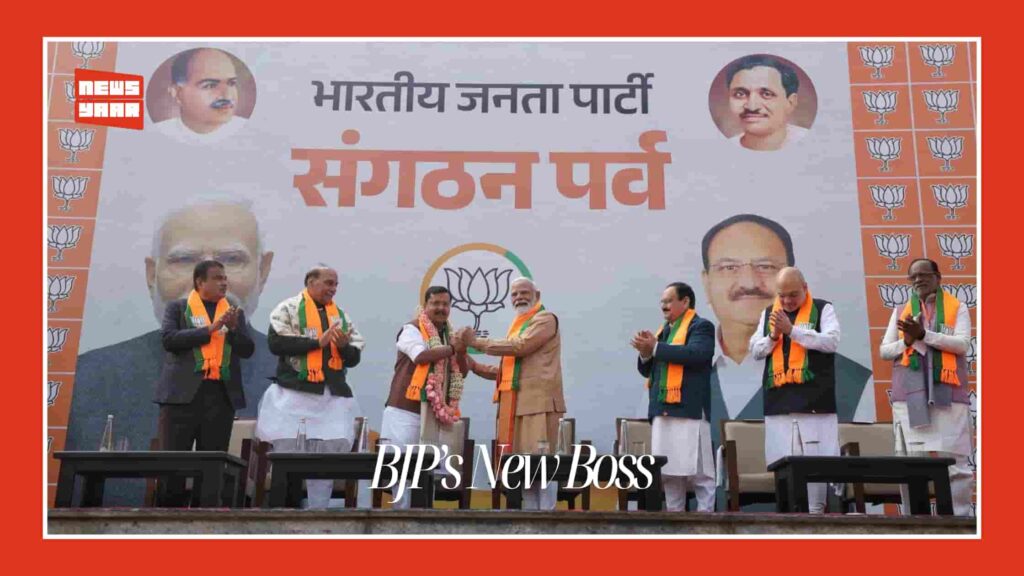
New Delhi:In a moment rich with symbolism and political messaging, Prime Minister Narendra Modi on Tuesday formally welcomed Nitin Nabin as the new national president of the Bharatiya Janata Party (BJP), declaring that in party matters, the newly appointed chief would be his “boss”. The remark, made at a felicitation event on January 20, 2026, with the BJP’s emphasis on organisational discipline and a clear separation between the party and the government.Nitin Nabin, 45, officially assumed charge in the presence of senior party leaders and Prime Minister Modi, marking the beginning of a new phase for the BJP’s organisational leadership. Addressing party workers, Modi said he had presented an account of his own work to the new president, adding with a touch of humour that he now awaited Nabin’s “guidance” and confidential report.“When it comes to party matters, honourable Nitin Nabin ji is my boss. I am a worker,” Modi said, drawing applause from the audience. The Prime Minister had made a similar statement in 2019 alongside then BJP president Amit Shah, reiterating a long-standing message within the party that the organisation functions independently of the government.Highlighting Nabin’s generational outlook, Modi pointed to the new president’s ability to bridge tradition and modernity. He remarked that while he himself grew up listening to news on the radio, Nabin represents a generation comfortable with technology and artificial intelligence, an implicit nod to the BJP’s evolving political strategies in a digital age.Nitin Nabin was officially declared the BJP national president on January 19, following the completion of an extensive internal organisational election process. According to party sources, 37 nominations were filed in his support, all of which were found valid.While the event largely focused on organisational unity, Modi also touched upon broader political issues. He reiterated the BJP’s position on national security, stating that infiltrators posed a serious threat to the country and must be identified and deported. He stressed the importance of learning from the mistakes of other political parties, a veiled reference to the Congress, and urged BJP workers to remain disciplined and connected to grassroots concerns.As Nitin Nabin steps into his new role, he faces the challenge of steering the BJP through complex electoral terrain and internal expectations. His relatively young age and organisational mandate signal a leadership style that blends experience with adaptability, qualities the party believes are essential for navigating the evolving political landscape.The transition, marked by Modi’s symbolic deference, reinforces the BJP’s core message: strong leadership thrives on organisational clarity, collective responsibility, and disciplined separation between party and power.
India, France Hold High-Level Talks on $36–39 Billion Rafale Fighter Jet Deal

New Delhi is preparing for crucial high-level discussions with France this week on a proposal to acquire 114 additional Rafale fighter jets, a defence deal estimated at around $36–39 billion (approximately ₹3.25 trillion). If cleared, the agreement would become India’s largest-ever defence procurement, significantly boosting the combat capability of the Indian Air Force (IAF) and deepening strategic ties between the two countries.According to defence officials, the proposal will be reviewed at a senior-level Defence Ministry meeting after months of internal assessment by the IAF. The plan, formally known as the Statement of Case, must receive Defence Ministry approval before being sent to the Cabinet Committee on Security (CCS), the highest authority on defence decisions in India.The proposed acquisition comes at a critical time for the Indian Air Force, which continues to face a shortage of fighter squadrons. Several squadrons are operating below sanctioned strength, raising concerns over long-term operational readiness amid evolving regional security challenges.If approved, the deal would raise India’s total Rafale fleet to 176 aircraft, including the 36 Rafale jets already in service with the IAF and 26 Rafale-M jets contracted by the Indian Navy for aircraft carrier operations. India would then become one of the world’s largest operators of the Rafale platform.A key feature of the proposal is its strong Make in India component. Defence sources say over 30 per cent of the aircraft content would be indigenous, with most of the jets assembled domestically. Only 12 to 18 aircraft are expected to be delivered in “fly-away” condition for immediate operational use, while the rest would be produced in India in partnership with local industry.India is also seeking French approval to integrate indigenously developed weapons and electronic systems onto the Rafale. However, officials noted that the aircraft’s proprietary source codes would remain under French control, consistent with global defence norms.The deal is expected to significantly expand Dassault Aviation’s industrial footprint in India. Plans include enhanced maintenance, repair and overhaul (MRO) facilities and a proposed engine maintenance hub for Rafale’s M88 engines in Hyderabad, which could serve regional requirements as well. Indian private sector firms, including the Tata Group, are likely to play a major role in manufacturing and sustainment activities.The Rafale proposal comes amid offers from other global defence majors, including the United States’ F-35 stealth fighter and Russia’s Su-57. However, Indian officials have emphasised that proven operational performance and immediate readiness are key priorities. The Rafale’s advanced avionics, sensors and electronic warfare systems have reportedly performed strongly during recent IAF exercises.The talks follow the 38th India–France Strategic Dialogue, co-chaired by National Security Adviser Ajit Doval and French President Emmanuel Macron’s diplomatic adviser Emmanuel Bonne. Defence cooperation, technology partnerships and joint production were among the key issues discussed, setting the stage for an expected visit by President Macron to India.While the Rafale deal is still under consideration, defence analysts say it reflects India’s balanced approach, combining foreign technology with domestic manufacturing, to modernise its armed forces in an increasingly complex Indo-Pacific security environment.
German Chancellor Friedrich Merz’s India Visit Signals Deeper Strategic Engagement

German Chancellor Friedrich Merz’s first official visit to India has set the tone for a renewed phase in India–Germany relations, with both sides signalling intent to expand cooperation across defence, trade, technology and people-to-people exchanges. Welcoming the visit, Germany’s Ambassador to India, Philipp Ackermann, described it as wide-ranging and forward-looking. In a social media post, Ackermann highlighted discussions on defence cooperation, economic ties and migration, while also sharing a personal moment from the visit that underscored growing cultural links between the two countries. He noted that Chancellor Merz was particularly impressed after speaking in German with a young Indian woman who had begun learning the language only months ago. Focus on Defence, Trade and Technology Chancellor Merz arrived in Gujarat earlier this week at the invitation of Prime Minister Narendra Modi, marking his first official visit to India since taking office. The visit comes at a significant moment, as India and Germany mark 25 years of their Strategic Partnership and 75 years of diplomatic relations. During bilateral talks, Prime Minister Modi and Chancellor Merz reaffirmed their shared commitment to strengthening defence and security cooperation. The discussions covered deeper military-to-military engagement, including joint exercises, training programmes and exchanges between senior officials. Both leaders also acknowledged the value of regular port calls by naval ships, describing them as a symbol of growing trust and operational cooperation. Expanding Cooperation Beyond Security Beyond defence, the talks reflected a broader ambition to elevate the partnership. Prime Minister Modi said the two leaders agreed to take the relationship to a higher qualitative level, with enhanced collaboration in areas such as space, critical and emerging technologies, climate action and resilient supply chains. Education, skilling, sports and cultural exchanges also featured prominently in the discussions, pointing to a long-term vision focused on people-to-people ties. Modi described Chancellor Merz’s choice of India as the destination for his first visit to Asia as a reflection of Germany’s commitment to strengthening bilateral relations. Joint Exercises and Strategic Presence in the Indian Ocean The visit also resulted in concrete commitments in the maritime and defence domains. India welcomed Germany’s intention to participate in major regional and multilateral naval and air exercises in the coming years. These include Naval Exercise MILAN and the Indian Ocean Naval Symposium Conclave of Chiefs in early 2026, as well as the Air Combat Exercise Tarang Shakti later the same year. Germany’s decision to deploy a liaison officer to the Information Fusion Centre for the Indian Ocean Region was also noted as a significant step towards closer coordination in maritime domain awareness. Defence Collaboration With Europe Both sides expressed satisfaction with ongoing cooperation between India’s Defence Research and Development Organisation and the Organisation for Joint Armament Cooperation. The collaboration on the Eurodrone MALE UAV programme was highlighted as an example of how India can access advanced defence technologies while strengthening strategic ties with Europe. Looking Ahead Chancellor Merz’s visit has added momentum to India–Germany relations at a time when both countries are seeking reliable partners in a rapidly changing global landscape. With shared interests in security, innovation and sustainable development, the visit signals a mutual willingness to translate strategic intent into long-term cooperation. As the two nations look ahead, the outcomes of this visit are expected to shape bilateral engagement across defence, technology and economic sectors, reinforcing the growing importance of the India–Germany partnership on the global stage. Video credit: YT@/NaMo Video credit: YT@/NaMo Video credit: YT@/NaMo