


PM Surya Ghar Yojana: Powering Homes with Solar Energy
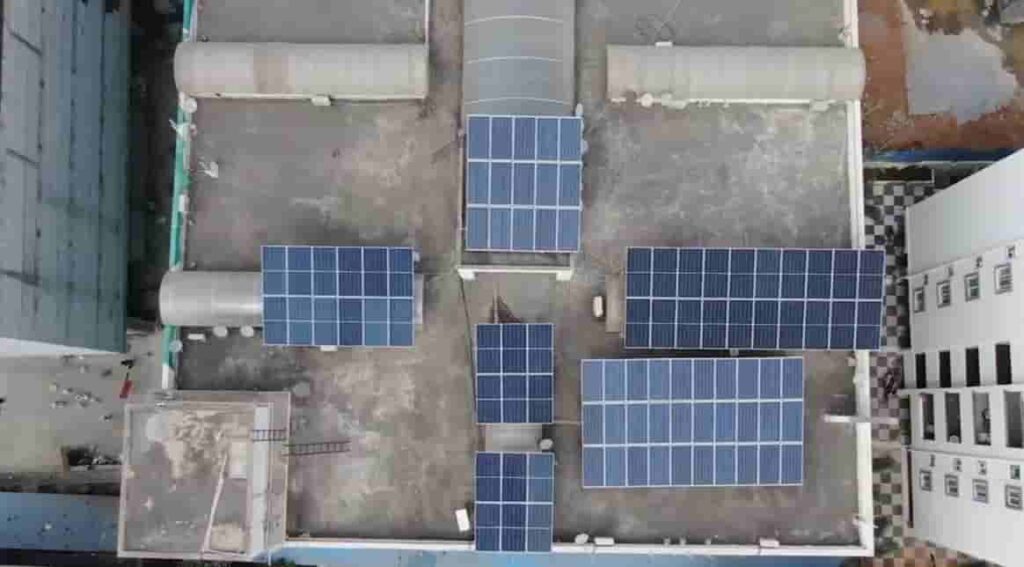
IntroductionThe PM Surya Ghar Yojana, officially known as the PM Surya Ghar: Muft Bijli Yojana, was launched in 2024 as a major step towards promoting rooftop solar adoption across India. Announced by Narendra Modi, the scheme aims to provide affordable and sustainable electricity to households while reducing dependence on conventional power sources.The initiative is positioned as a key component of India’s broader push towards renewable energy and energy self-reliance.Objective of the SchemeThe primary objective of the scheme is to encourage households to install rooftop solar panels by offering financial assistance and incentives. By doing so, the government aims to reduce electricity costs for citizens and promote clean energy usage at the grassroots level.The scheme also aligns with India’s long-term climate goals by reducing carbon emissions and supporting the transition to non-fossil fuel energy sources.Key Features of the YojanaUnder the PM Surya Ghar Yojana, eligible households are provided with subsidies to install rooftop solar systems. The government has set an ambitious target of covering 1 crore households under the scheme.One of the major highlights is the provision of up to 300 units of free electricity per month, depending on the installed solar capacity and energy generation. This is expected to significantly reduce electricity bills for middle- and lower-income households.The subsidy is directly transferred to beneficiaries, ensuring transparency and faster implementation. The scheme also promotes easy application processes through an online portal.Financial Support and Subsidy StructureThe government provides substantial financial assistance to make solar installations more accessible. Subsidies vary depending on the capacity of the rooftop solar system installed.Typically, households installing smaller systems receive higher proportional support, making it easier for a larger segment of the population to participate. In addition to central subsidies, some state governments also offer additional incentives, further reducing the overall cost.This financial model is designed to make rooftop solar a viable option even for households that may otherwise find the upfront investment challenging.Implementation and ReachSince its launch, the scheme has seen growing interest across various states. Urban areas, where rooftop access and electricity consumption are higher, have shown quicker adoption. However, efforts are also being made to expand the scheme’s reach in semi-urban and rural regions.The government has collaborated with local electricity distribution companies (DISCOMs) and vendors to streamline installation and approval processes. Digital platforms have been introduced to track applications, approvals, and subsidy disbursement.Benefits for Households and EconomyThe PM Surya Ghar Yojana offers multiple benefits at both the individual and national levels. For households, the most immediate advantage is reduced electricity expenditure and long-term savings. Over time, solar installations can significantly offset energy costs.At a broader level, the scheme contributes to:Increased adoption of renewable energyReduced burden on conventional power gridsLower carbon emissionsJob creation in the solar energy sectorIt also supports India’s goal of becoming a global leader in renewable energy.Challenges and ConcernsDespite its potential, the scheme faces certain challenges. Awareness about rooftop solar and the application process remains limited in some regions. Additionally, initial installation delays and coordination issues with local authorities have been reported in certain cases.Another challenge is ensuring quality control and standardisation across vendors, as the rapid scale-up of installations requires strict monitoring.Addressing these issues will be crucial for the scheme’s long-term success.ConclusionThe PM Surya Ghar Yojana represents a significant step towards democratising solar energy in India. By making rooftop solar accessible and affordable, the scheme has the potential to transform how households consume electricity.While challenges remain, its early momentum indicates a strong shift towards clean energy adoption at the household level. As implementation improves and awareness grows, the scheme is expected to play a crucial role in shaping India’s sustainable energy future.