


Mahua Flower: Why It’s In The News And Why Its Future Matters
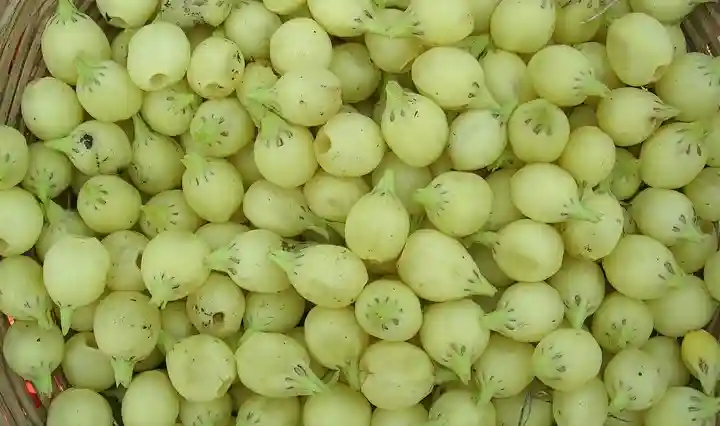
The mahua flower has suddenly moved from the margins of forest life into the centre of a much larger conversation about food, livelihoods, tribal enterprise, heritage beverages, and rural industry. Once known mainly as a traditional forest produce used by tribal communities for food and liquor, Madhuca longifolia is now being recast as a superfood, an artisanal ingredient, and even the base for premium craft spirits, with states such as Telangana planning dedicated projects around it and value-added products beginning to draw national and international attention. That shift is important because mahua is not merely a trendy ingredient. It sits at the crossroads of ecology, culture, nutrition, and political economy, which is why its rise in the news says as much about changing consumer tastes as it does about how India is beginning to look at forest produce as a serious economic asset. Why Mahua Is In The NewsMahua is in the news for three overlapping reasons. First, state governments are starting to promote it as the foundation of a heritage industry that can support tribal livelihoods, with Telangana preparing a project and examining excise policy changes to allow Mahua spirit and liquor. Second, entrepreneurs and markets are discovering new uses for the flower in packaged foods, gourmet products, and craft beverages, which is driving higher demand and better collection prices. Third, conservation and forest-management models are evolving, with some regions using more scientific harvesting methods to reduce forest fires and improve incomes.The result is a kind of rebranding: a flower that was once treated as a rural subsistence resource is now being discussed in the language of premium food, exports, wellness, and organised value chains. That alone makes it newsworthy, because it signals a larger shift in how India values forest-based products. What Mahua Is: The Preface Mahua comes from the tree Madhuca longifolia, a medium-sized deciduous species found widely in the tropical and subtropical regions of India, especially across central and eastern tribal belts. It flowers mainly in March and April, when the creamy-white blossoms fall before dawn and are collected by local communities, while its fruits ripen later in the year and its seeds are also economically useful. For tribal households, mahua is far more than a botanical species. It has long provided food, seasonal income, medicinal uses, fuel value, and cultural meaning, making it one of those rare forest species that is deeply woven into daily life rather than existing as a distant environmental resource. Why It Matters To Tribal CommunitiesIn many tribal regions, mahua has historically served as a kind of safety net. The flowers are eaten fresh, sun-dried for storage, fermented into local beverages, and used in cooking and sweet preparations, while the seeds yield oil that has domestic and industrial uses. Its significance lies in the combination of nutrition and cash value. A single mature tree can yield meaningful income from flowers and seeds, but for many families the bigger story is that mahua bridges the gap between forest ecology and household survival, helping people meet daily needs when agriculture alone is not enough. The Nutritional AppealThe renewed interest in mahua is also linked to its nutritional profile. Research summaries indicate that the flowers are rich in natural sugars and carbohydrates, contain calories that can help with physical fatigue, and also carry micronutrients such as calcium, iron, potassium, magnesium, vitamin C, and antioxidant compounds. That is why mahua is now increasingly being described as a traditional Indian superfood rather than just a forest flower. In practice, this means it has the potential to move into better-organised food products such as dried flower packs, syrups, herbal infusions, sweets, chocolates, and ready-to-use culinary ingredients. Traditional And Medicinal UsesMahua has also long been part of indigenous healing traditions. It is used in Ayurveda and folk practice for digestive discomfort, mild laxative effects, respiratory relief, skin applications, joint pain, and general nourishment, while mahua oil and seed extracts are valued for moisturising and anti-inflammatory properties. These benefits should be understood carefully. They do not make mahua a miracle cure, but they do explain why the flower has remained important for generations and why modern wellness brands are now trying to package it for a broader market. From Village Liquor To Heritage SpiritOne of the biggest reasons mahua is back in the headlines is its liquor. Traditionally, the flowers are fermented into a local brew that has long been part of tribal and rural culture, even though colonial authorities once discouraged or restricted such indigenous alcohols while favouring imported spirits. Today, that same beverage is being reframed in the language of craft, heritage, and indigenous entrepreneurship. What was once dismissed as a local intoxicant is increasingly being discussed as India’s answer to artisanal spirits, with premium positioning, legal reform, and state-backed processing now opening the possibility of a very different market. Telangana’s Mahua ProjectTelangana’s planned mahua initiative is one of the clearest signs that the flower is moving from informal use to formal enterprise. The state is looking at a project that could allocate around ₹200 crore and benefit roughly 2.5 lakh tribal families, while also exploring policy changes that would allow the production and sale of Mahua spirit and liquor under regulated conditions.That kind of institutional support matters because it can transform mahua from a seasonal, low-margin forest product into an organised rural industry. If processing, branding, quality control, and market access are handled well, the flower could become a model for tribal entrepreneurship rather than just another raw material extracted from forests. Better Harvesting, Better IncomesAnother important part of the story is the harvesting method. In some forest areas, scientific collection techniques such as net-based harvesting are replacing older practices that involved burning or disturbing the ground, which not only protects the forest but can also improve the quality of the collected flowers and double village incomes in some cases. This is a crucial point because the future of mahua depends not only on demand, but on how sustainably it is gathered. If forest produce is to become a real livelihood engine, then collection methods, storage, drying, and transport all
Hyderabad Literary Festival 2026: A Confluence of Culture, Ideas and Storytelling

The Hyderabad Literary Festival 2026 — one of South India’s most dynamic and inclusive literary events — was held from January 24 to January 26, 2026, in Hyderabad, Telangana. The annual festival brought together authors, poets, journalists, scholars, artists, translators and readers for three days of conversations, performances, workshops and community engagement revolving around literature, culture, cinema, history, social issues and the arts. The festival’s programming underscored its commitment to diversity, regional voices, multilingual storytelling and public dialogue. Organised by the Hyderabad Literary Trust, the festival has become a cornerstone of the city’s cultural calendar. It invites audiences not only from Hyderabad and other Indian states but also from abroad, positioning the city as a vibrant literary hub that celebrates both regional and global narratives. About the Festival The Hyderabad Literary Festival (HLF) is an annual event initiated with the purpose of promoting reading and writing, nurturing literary talent, fostering cross-cultural exchange, and creating an inclusive space where ideas and stories flourish. Since its inception, the festival has expanded in scale and scope, integrating a wide range of programmes including panel discussions, one-on-one conversations, book launches, poetry recitals, theatre presentations, film screenings, children’s literature sessions and writing workshops. The festival’s charter emphasises multilingual engagement, reflecting Hyderabad’s cosmopolitan ethos. Sessions at the festival are conducted in English as well as other Indian languages — particularly Telugu, Urdu and Hindi — ensuring accessibility for diverse audiences and literary communities. Dates and Venue (2026 Edition) Festival Name: Hyderabad Literary Festival 2026 Edition: Annual literary festival Dates: January 24–26, 2026 Location: Hyderabad (multiple cultural venues across the city) Organiser: Hyderabad Literary Trust For 2026, the festival took place at several venues in Hyderabad, including auditoriums, public libraries, literary centres and cultural institutions. These spaces enabled both curated programmes and interactive audience participation, accommodating literary events for all age groups. Key Highlights of HLF 2026 The 2026 edition of the Hyderabad Literary Festival featured an eclectic mix of sessions and activities. Major highlights included: Conversations with Renowned Authors: Established and emerging writers participated in in-depth discussions about their work, creative processes and the broader role of literature in society. Themes ranged from fiction and poetry to biography and reportage. Panel Discussions on Contemporary Issues: Festival sessions examined pressing social, political and cultural topics, including freedom of expression, climate narratives, migration and identity, digital media’s impact on storytelling, and historical memory. Regional Language Focus: True to its ethos of multilingual inclusivity, HLF 2026 amplified regional language voices — with sessions in Telugu, Urdu and Hindi alongside English. These included poetry recitals, translations showcases and dialogues on local literary traditions. Book Launches and Author Meet-and-Greets: Several new titles were launched during the festival, giving audiences the opportunity to interact with authors directly, participate in Q&A sessions and engage with creative communities. Workshops and Masterclasses: The festival offered a series of workshops aimed at aspiring writers, poets and students. Topics included creative writing techniques, translation skills, narrative structure, publishing insights and editorial craft. Children’s Literature Programme: With dedicated sessions for young readers, storytelling hours, interactive activities and workshops tailored for children and teenagers, the festival encouraged early literary engagement and fostered a reading culture among youth. Performances and Cultural Presentations: Poetry slams, theatre presentations and musical performances complemented the literary offerings, demonstrating how literature intersects with other art forms and live expression. Notable Participants and Voices While the festival featured a wide array of contributors, some notable participants in 2026 included: Indian authors and poets whose works have shaped contemporary discourse Regional language writers celebrated for their contributions to Telugu, Urdu and Hindi literature Journalists and cultural commentators addressing social change and media landscapes Academics and critics offering analytical perspectives on national and global themes Children’s authors and educators engaging young audiences through interactive sessions The diversity of participants underscored HLF’s commitment to providing platforms for both established voices and emerging talent. Why the Festival Matters The Hyderabad Literary Festival matters for a number of reasons: Promotion of Reading Culture: By drawing together writers, readers and cultural enthusiasts, the festival fosters a vibrant environment that encourages reading and literary appreciation across age groups. Multilingual and Inclusive Engagement: HLF’s focus on sessions in multiple languages acknowledges India’s rich linguistic landscape and promotes inclusivity in literary dialogue. Cultural and Intellectual Exchange: With discussions that cross disciplines — from literature and philosophy to social justice and technology — the festival stimulates intellectual exchange and public engagement with complex ideas. Support for Emerging Writers: Workshops, masterclasses and interactive forums provide emerging writers with mentorship opportunities and peer learning experiences, supporting the next generation of creative voices. City as Cultural Hub: For Hyderabad, the festival reinforces the city’s reputation as a thriving centre for culture, arts and literary expression. It contributes to the city’s cultural identity and encourages tourism, academic discourse and community participation. Audience Experience and Participation The 2026 festival welcomed readers, students, families, scholars and visitors from different parts of India. The inclusive programming ensured that sessions were accessible to a wide audience, with free or affordable tickets for select events and open-air activities designed to appeal to casual attendees and serious literature enthusiasts alike. Local institutions — including universities, cultural organisations and libraries — collaborated with the festival to support community outreach, extend programming into public spaces and integrate educational events into school and college schedules. Looking Forward As the Hyderabad Literary Festival continues to grow, its future promises enhanced engagement with national and international literary communities, deeper collaborations across cultures and greater emphasis on digital outreach and hybrid participation. By championing storytelling in all its forms, HLF remains a vital platform for ideas, identity and cultural dialogue in contemporary India.