


Ravi Tamta: The Almora Innovator Behind India’s New Flying Vehicle Prototype

For years, the idea of a flying car has existed somewhere between science fiction and engineering ambition. In India, that idea has now taken an unusual turn in the hills of Uttarakhand.Ravi Tamta, an innovator from Almora, has developed and test-flown a single-seater electric flying vehicle prototype called HAPIDA SKYNeX. The prototype, developed under his venture Hapida Sky, has attracted attention after videos of its test flight in Almora surfaced online.The achievement is particularly striking because Tamta’s work has emerged from Kaflikhan village in Almora, rather than from a large aerospace company or a major metropolitan technology hub. His journey reflects a growing interest in grassroots innovation in India’s smaller towns and hilly regions.At the same time, the vehicle is still a prototype. It is not a commercially available flying car, and its development should not be confused with the large-scale electric vertical take-off and landing aircraft programmes being pursued by established aerospace companies around the world.What makes the story interesting is the attempt itself: using electric propulsion and modified drone technology to explore personal air mobility in a region where terrain can make conventional transportation difficult.Who Is Ravi Tamta?Ravi Tamta is a young entrepreneur and innovator based in Almora, Uttarakhand. His company, Hapida, describes him as its founder and says his work focuses on developing technology and products suited to hilly areas and village life. His earlier work has included several unconventional inventions. Hapida’s website lists products and projects ranging from a smart bamboo stick and mobile-chargeable shoes to an electrolyte pump that the company describes as an electric vehicle charging technology. This background is important to understanding Tamta’s latest project.His work has consistently focused on using relatively accessible technology to address problems associated with difficult terrain, mobility and everyday life in hill regions.The flying vehicle is an extension of that approach, although on a considerably more ambitious scale.HAPIDA SKYNeX: What Has Been Developed?The vehicle developed by Tamta is known as HAPIDA SKYNeX.It is described as a single-seater electric personal flying vehicle prototype. Unlike the conventional image of a flying car that can drive on roads and then take off, SKYNeX is better understood at its current stage as a compact electric vertical-flight vehicle.The prototype uses multiple electric motors and propellers to generate lift and manoeuvre through the air. Its design draws on principles used in multirotor drones, allowing the vehicle to take off vertically rather than requiring a conventional runway.The recent test flight in Almora demonstrated that the prototype could become airborne with a person onboard. Reports said the test was conducted in an open field in the Almora region.That distinction matters.SKYNeX is currently a flying vehicle prototype, not a road-going car that can seamlessly switch between driving and flying.Calling it a “flying car” is useful for describing the broader idea behind the project, but the technology demonstrated so far is closer to a personal electric aerial vehicle.The Almora Test FlightThe test flight became the moment when Tamta’s project moved from an experimental concept to something that could be seen operating in the real world.The prototype was flown in an open area in Almora, with Tamta demonstrating its ability to lift off and remain airborne.The test attracted attention because of the location.Almora is part of Uttarakhand’s mountainous Kumaon region, where steep slopes, winding roads and difficult terrain can make road connectivity time-consuming.For such regions, the concept of short-distance aerial mobility has obvious appeal.A journey that requires considerable time by road could theoretically be shortened dramatically if a small electric aircraft could travel directly from one point to another.Reports surrounding the prototype have cited the possibility of reducing journeys that could take around 90 minutes by road to roughly 10 minutes through the air. These figures represent the potential being discussed around the concept, rather than an established commercial service. Why Build a Flying Vehicle in the Hills?The geography of Uttarakhand provides an interesting context for the project.Mountainous terrain makes transportation fundamentally different from transportation across plains.Roads often have to follow the contours of mountains rather than taking a straight route between two locations. Building new roads can involve tunnels, bridges, land acquisition and significant construction costs.Air travel, in principle, can bypass some of these geographical constraints.This is one reason small electric aircraft and vertical-flight technologies are attracting interest globally.For a state such as Uttarakhand, potential applications could extend beyond personal transportation.Such aircraft could eventually have applications in emergency response, medical transportation, tourism, logistics and connectivity to remote areas.However, turning that potential into a safe and economically viable transportation system would require considerably more development.From Drone Technology to Personal Air MobilityThe basic technology behind SKYNeX draws on the rapid development of electric drone systems.Multirotor drones have demonstrated that multiple electronically controlled propellers can provide vertical lift and directional movement without the need for conventional aircraft wings or runways.The challenge becomes much greater when the system has to carry a human being.A passenger-carrying aircraft needs considerably higher levels of reliability, redundancy, structural strength, battery capacity, flight control and safety.A drone that weighs a few kilograms can tolerate design limitations that a vehicle carrying a person cannot.That is why a successful prototype flight is only an early stage in the development process.The Biggest Challenge: SafetyThe most important question surrounding any passenger-carrying flying vehicle is not whether it can take off.It is whether it can take off safely, remain controllable and land safely under a wide range of conditions.A human-carrying electric aircraft must account for motor failures, battery problems, electronic failures, weather conditions, loss of control, emergency landings and structural stresses.It also needs systems capable of preventing a single component failure from immediately becoming a catastrophic event.For commercial deployment, aviation regulators would also need to establish appropriate certification and operating requirements.Therefore, the successful flight of SKYNeX should be seen as a demonstration of a prototype’s capability, not as proof that the vehicle is ready for public transportation.The Battery ProblemElectric propulsion offers an important advantage because electric motors are mechanically simpler than conventional combustion engines and can produce power efficiently.But batteries remain one of the
Snowfall Returns to Bare Himalayas: Tourism Boom Brings Joy, Chaos, and Economic Lifeline
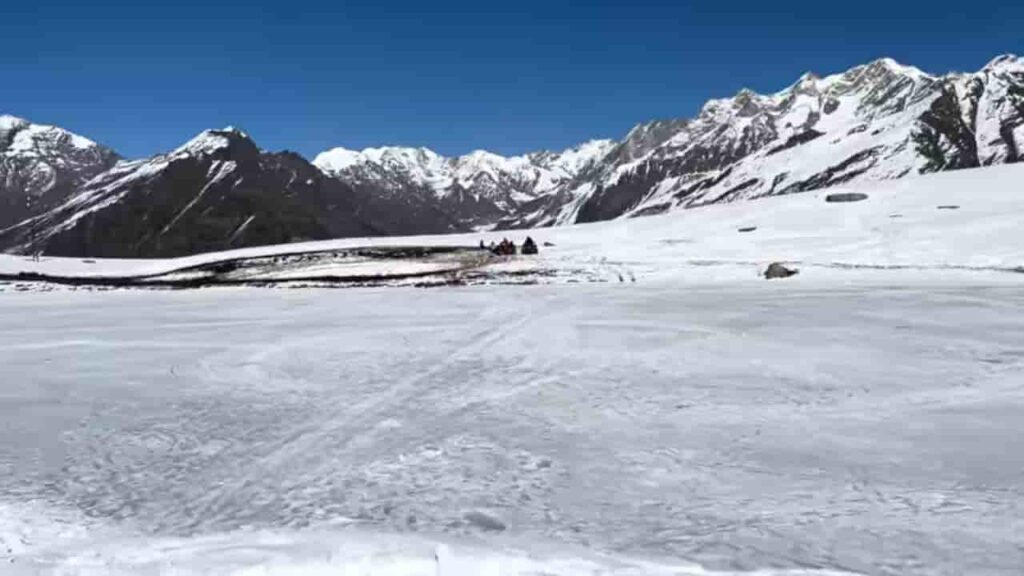
New Delhi – After months of barren peaks and a crippling “snow drought,” fresh western disturbances have blanketed Uttarakhand, Himachal Pradesh, and Jammu & Kashmir with snow, igniting jubilation among tourists and local businesses. From Auli’s ski slopes to Manali’s adventure hubs, the white resurgence is breathing life into mountain economies, but a sudden influx has exposed infrastructure gaps, traffic snarls, and administrative overstretch.The Himalayas, Asia’s “Third Pole,” stand starkly bare this winter, with vast swathes of peaks in Uttarakhand, Himachal Pradesh, and Jammu & Kashmir defying their snow-clad legacy. Satellite data and IMD reports confirm a severe “snow drought”, the lowest snow persistence in 23 years per ICIMOD’s 2025 update, threatening rivers, glaciers, and 2 billion downstream lives.December 2025’s 100% snowfall deficit in Uttarakhand and 99% in Himachal crushed tourism: Auli hotel occupancy plunged 80%, leaving taxi drivers and paragliding operators idle. Shimla and Gulmarg saw 50-70% cancellations as the “snowless selfies” trend went negative online. But IMD’s Feb 9-11 forecast delivered: 6-12 inches in higher reaches, reviving hopes. “Finally, the mountains look like mountains again,” cheered a Delhi visitor in Manali, where bookings spiked 300% overnight.Causes: Warming & VariabilityIPCC links this to global warming: warmer air favors rain over snow, quickens melt, shifts snowline upward. Western disturbances, key moisture carriers, were weak/irregular, delaying onset 30-40 days. Over five years, winters lag 1980-2020 averages, with mid-elevations (3,000-6,000m) hit hardest.Primary Drivers:Weak Western Disturbances: Extratropical storms from the Mediterranean deliver winter moisture but were irregular/weak in 2025-26, causing 100% deficits in Uttarakhand, 99% in Himachal. Delayed onset (30-40 days late) slashed accumulation.Rising Temperatures (Elevation-Dependent Warming): HKH warms 2-3x global average; warmer air holds more moisture, shifting precipitation from snow to rain, raising snowline, and accelerating melt.Snow Drought Types:Precipitation Deficit: Below-normal winter storms (e.g., Dec 2025: J&K -78%, Ladakh -63%).Snowmelt Drought: Normal precipitation but hot conditions cause rain/early melt.Long-Term Trends: ICIMOD: 23.6% snow persistence drop (23-year low); 4/5 recent winters below 1980-2020 norms. IPCC: Warming shortens cover, worsens by 2100.Compounding Factors: Greenhouse emissions amplify variability; mid-elevations are most vulnerable as small temp rises tip the snow-to-rain balance.Impacts & Effects Water Security: Snowmelt supplies 25% runoff to the Indus, Ganga, and Brahmaputra; glaciers add dry-season flow. Losses spike spring melt, then shortages, risking droughts for 1/4 of humanity’s basins.Glaciers: Uttarakhand’s may turn negative mass balance; HKH projected 75% loss by 2100.Hazards: Destabilized slopes fuel landslides, GLOFs, fires, Uttarakhand/Himachal fires rose amid dry winters.Economy/Tourism: Auli bookings crashed; Shimla/Manali snowless.Impacts of Reduced Himalayan Snow on Ganges and Indus RiversReduced snow in the Himalayas, exacerbated by warming and weak western disturbances, poses severe threats to the Ganges (Ganga) and Indus basins, which sustain 1.65-2 billion people.Short-Term Effects (Peak Melt Phase)Peak Flows Shift: Earlier snowmelt floods rivers prematurely (spring surge), raising flood risks in the Indo-Gangetic plains.Temporary Boost: Glacier/snow melt temporarily increases runoff (to 2050), but erratic.Long-Term Consequences (Post-2050)Declining Dry-Season Flow: Snow contributes 25% annual runoff; deficits (Indus: 30-50%, Ganga: 50-60% by 2100) slash baseflow, causing summer shortages for irrigation, drinking water, and hydropower.Ganga Basin: Upper Ganga snow persistence down 17%; earlier melt disrupts Gangotri/Ganges timing, hitting 500M+ farmers, ecosystems (forest biodiversity loss).Indus Basin: 23% snow drop; critical for Pakistan/India agriculture/hydropower; projected 20-30% flow reduction by 2100.Broader RisksDroughts/Water Stress: Shorter snow cover (5 fewer days/decade) worsens seasonal deficits.Agriculture: 129M farmers affected; reduced irrigation in kharif/rabi seasons.Hydropower/Ecosystems: Diminished reservoirs; biodiversity shifts, fires.Glacier Amplification: Combined with 75% HKH glacier loss by 2100.ICIMOD urges drought plans and transboundary cooperation.Economic Lifeline for Mountain CommunitiesSnowfall is the heartbeat of Himalayan tourism, fueling 70% of winter revenue in hill stations. Himachal’s adventure sector, skiing, snowmobiling, yak safaris, generates ₹5,000 crore annually, employing 2 million in hotels, homestays, taxis, and gear rentals. Uttarakhand’s Auli and Chopta saw ₹1,200 crore from the 2025 peak season alone. Local vendors selling woolens, momos, and hot chai thrive; pony rides and snowman-building add family fun.In Gulmarg, gondola rides resumed at full capacity, injecting cash into shepherds and handicraft sellers. “One good snow week equals a month’s earnings,” said a Manali hotelier. J&K’s Pahalgam reported 40% occupancy jump, easing post-conflict economic pressures. For women-led homestays and tribal artisans, it’s empowerment: snow draws cultural tourists craving authentic pahadi experiences.Joy Amid Chaos: The Double-Edged SnowfallTourists are ecstatic, families build snow forts, influencers capture reels, and adventure seekers hit slopes. “Pure magic after the drought scare,” posted a group from Punjab. But the rush creates mayhem: narrow Rohtang Pass jams with 5,000 vehicles daily; Auli’s lone cable car queues stretch hours. In Shimla, overbooked hotels turn away families, sparking online fury.Poor preparedness amplifies woes. Landslides from melt-snow mix block paths; inadequate parking floods meadows; waste piles up sans dustbins. Last year, Manali’s “snow chaos” saw 20-hour delays, oxygen shortages at high camps, and petty scams. Locals lament: “Tourists bring money but trash our paradise.”Both Sides: Boom vs. BurdenPro-tourism voices hail snow as salvation: “It saved our season,” says a Kasol trek operator. Businesses invested in snow chains, heated tents—paying off now. Environmentally, snow aids groundwater recharge, curbing wildfires.Critics warn of overload: fragile ecology suffers trampling, pollution spikes (diesel generators, plastic litter). Over-reliance risks bust-boom cycles; climate-vulnerable hills can’t sustain endless crowds. “Sustainable numbers, not mass frenzy,” urges a Nainital activist.Path Forward: Building ResilienceAuthorities must act decisively:Local Administration: Deploy traffic wardens, mobile toilets, waste squads; enforce carrying capacity (e.g., 2,000/day in Auli). Digital booking for parking/gondolas prevents no-shows.State Governments: Himachal/Uttarakhand invest ₹500 crore in snow-clearing machines, widened roads (Atal Setu-style tunnels), and eco-lodges. Promote off-peak treks and homestays via apps.Central Government/Ministries: MoT allocates ₹2,000 crore for infra (helicopter pads, EV charging at 5,000m). Skill 1 lakh youth in hospitality/glaciology tourism. NGT-monitored waste rules; drone surveillance for crowds.Collaborative Wins: Public-private PPPs for solar-powered resorts; train locals as guides. Incentives for green certifications attract high-end tourists, boosting per-head spend 3x.With smart planning, snow can sustain joy and jobs without chaos. As peaks gleam anew, balancing delight with duty will secure these economies for winters ahead.
Valley of Words (VoW), Dehradun: India’s Himalayan Literary & Arts Festival
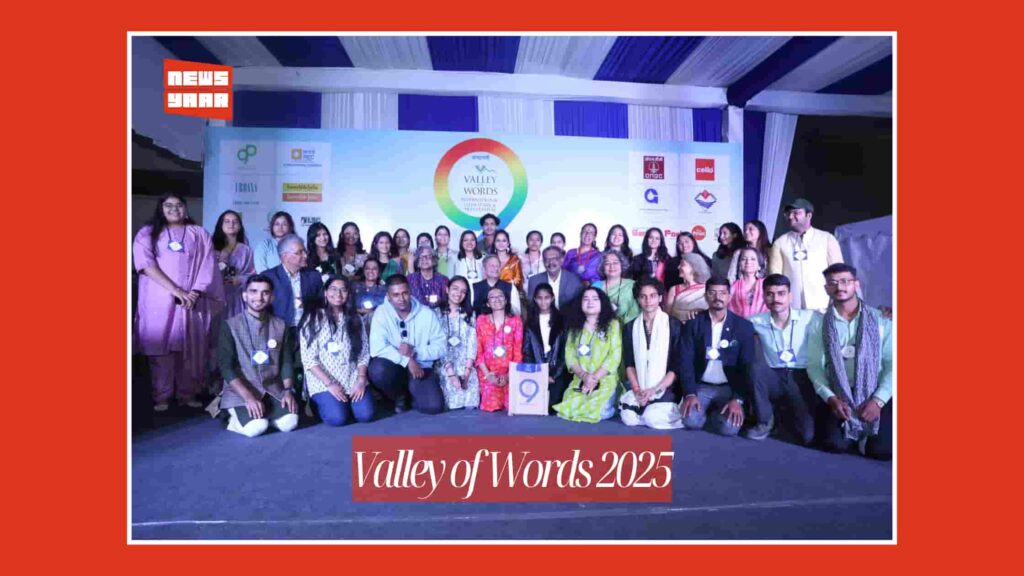
Dehradun, Uttarakhand — Situated in the foothills of the Himalayas, the Valley of Words (VoW) has emerged as one of India’s most distinctive and engaging literature and arts festivals, blending storytelling, artistic expression, debate and critical thought into a rich cultural tapestry that resonates across generations. Launched in 2017 as a not-for-profit, volunteer-driven initiative of The Valley of Words Foundation Trust, the festival has steadily grown into a pan-Indian celebration of literature, arts, ideas and dialogue that draws writers, artists, performers, scholars, students and readers from across the country and beyond. Origins, Mission and Vision Valley of Words — also known as VoW Shabdavali — is rooted in the belief that words matter and that literature and art have the power to challenge assumptions, broaden perspectives, stimulate empathy and foster critical thinking. The festival’s mission emphasises engaging diverse audiences — particularly students and youth — in dynamic conversations that encourage curiosity, creativity and intergenerational exchange, inviting participants to explore ideas that transcend boundaries of language, culture and discipline. Over the last decade, VoW’s programming has embraced a wide spectrum of voices, encompassing fiction, non-fiction, poetry, translation, philosophy, culture, sustainability, history, theatre, music and visual arts. Through this inclusive approach, the festival has become a platform where literature and life intersect — offering spaces where artistic imagination meets social reflection and community engagement. Flagship Festival and Literary Gathering The heart of the Valley of Words initiative is its annual international literature and arts festival in Dehradun, typically held in October each year, though the organisation also hosts year-round events, workshops and thematic sessions to sustain literary engagement throughout the calendar. The festival attracts acclaimed authors, poets, translators, journalists, critics, artists, civil society figures and students for a series of discussions, debates, performances and creative exchanges. The most recent full edition — the 9th Valley of Words International Literature & Arts Festival — took place on October 25–26, 2025, at Hotel Madhuban, Dehradun, commemorating two and a half decades of Uttarakhand’s statehood and underscoring the region’s rich cultural heritage. It was inaugurated by Uttarakhand Governor Lt Gen Gurmit Singh (Retd), who highlighted the festival’s role in elevating regional creativity while fostering national and global cultural dialogue. Festival Features and Programming The Valley of Words festival is not merely a sequence of book readings; it is a multi-faceted cultural experience where ideas, art and performance come together. Its programming typically includes: Panel discussions and conversations on literature, public policy, culture, identity and contemporary issues Poetry readings and storytelling sessions featuring voices in English, Hindi and other Indian languages Book launches, author dialogues and translation forums that explore how stories travel across linguistic and cultural borders Workshops and masterclasses for aspiring writers, translators and students Art exhibitions and showcase events highlighting visual arts, craft and sustainable creatives Music, theatre and performance arts that amplify literary themes through rhythm, movement and performative expression Youth participation initiatives, including debates and interactive forums designed to nurture critical thinking and creative expression among young audiences. A unique feature of VoW has been its exhibitions and curated spaces such as Iti Kriti (sustainable arts and crafts), Iti Smriti (ethical memorabilia) and Iti Lekh (book bazaars and curated reading lists), which blend artistic exploration with cultural dialogue. REC-VoW Book Awards and Literary Recognition A highlight of the festival is the REC-VoW Book Awards, a nationally recognised literary honour that celebrates excellence across genres, languages and age groups. In 2025, more than 600 nominations from over 75 publishing houses were received, and eight authors across categories including English Fiction, Hindi Fiction, Translation, Children’s & Young Adult Literature were selected as winners to be felicitated during the festival. Each award includes a prestigious citation and a cash prize of ₹1 lakh, underscoring the festival’s commitment to recognising and promoting creative excellence in India’s diverse literary landscape. Cultural Impact and Community Engagement Valley of Words stands out for its commitment to inclusive cultural dialogue, ensuring that discussions are accessible not only to literary connoisseurs but also to students, educators, artists and community members. With sessions that often cut across age, language and disciplinary lines, the festival creates an environment where debate, reflection and artistic exchange are central. Beyond its annual flagship event, VoW conducts year-round outreach programmes, including debates, author-at-work sessions, café dialogues and digital engagements, helping sustain an active literary community in Dehradun and beyond. Over 10,000 students join VoW debate platforms annually, and the festival has cumulatively hosted over 365 sessions across multiple years, reflecting its depth and reach. Why Valley of Words Matters In an era of rapid digital consumption and compressed attention, the Valley of Words festival reminds audiences of the transformative power of deep listening, thoughtful dialogue and story-driven inquiry. By bringing together voices from across India and the world, VoW facilitates cross-cultural understanding, intellectual engagement and creative expression — essentials for a society that seeks to think deeply about its past, present and future. The festival’s location in the Himalayan foothills of Dehradun — a city known for its natural beauty, academic institutions and cultural diversity — further enriches the experience, creating a space where ideas can be explored in peace, reflection and community camaraderie. Looking Ahead As Valley of Words continues to grow in stature and scope, organisers are expanding its footprint with satellite events in other cities, thematic literature initiatives and collaborations with educational institutions, cultural organisations and international partners. For lovers of literature and art, the festival remains a must-attend annual gathering, where stories are celebrated, ideas take flight, and the written word continues to shape collective imagination.