


Jaipur Literature Festival 2026 Reinforces Jaipur’s Global Cultural Identity
The Jaipur Literature Festival (JLF) 2026 concluded earlier this month, reaffirming its status as the world’s largest free literary gathering and one of India’s most influential cultural events. Held at the historic Diggi Palace in Jaipur, the five-day festival brought together authors, poets, thinkers, artists and performers from across the world, transforming the Pink City into a vibrant hub of ideas, debate and artistic expression. Over the years, JLF has grown beyond a literary festival into a cultural phenomenon, and its 2026 edition once again reflected that evolution by blending literature with music, dance, storytelling and public discourse. When and Where JLF 2026 Took Place The Jaipur Literature Festival 2026 was held from January 15 to January 19, 2026, at Diggi Palace, a heritage venue in the heart of Jaipur. The centrally located venue allowed easy access for both domestic and international visitors and offered a unique setting where historical architecture met contemporary dialogue. What Is the Jaipur Literature Festival? Founded in 2006, the Jaipur Literature Festival is an annual celebration of books, ideas and free speech. Known for its open-access format, the festival brings together voices from diverse backgrounds including fiction and non-fiction writers, historians, journalists, poets, philosophers, economists, policymakers and artists. JLF has earned global recognition for encouraging open debate, cultural exchange and intellectual engagement while remaining accessible to the general public. Key Highlights of JLF 2026 The 2026 edition featured a packed programme of panel discussions, book launches, readings and conversations covering themes such as global politics, history, climate change, gender, technology, identity and contemporary society. Prominent Indian and international authors shared stages with emerging voices, creating a balance between established thought leadership and new perspectives. One of the defining features of JLF 2026 was its emphasis on cross-cultural dialogue. Sessions explored the intersection of literature with global events, regional narratives and evolving social realities. Music, Dance and Cultural Performances Beyond literature, JLF 2026 offered an immersive cultural experience. The Jaipur Music Stage attracted large crowds with performances by celebrated Indian and international artists. From folk and classical music to contemporary fusion and independent bands, the music programme added a festive dimension to the event. Dance performances, spoken-word poetry and visual storytelling further enriched the festival, making it appealing not just to readers but to cultural enthusiasts and tourists alike. Tourism and Economic Impact The festival significantly boosted tourism in Jaipur, with hotels, local markets and heritage sites witnessing increased footfall throughout the event. Visitors combined festival attendance with sightseeing, exploring Jaipur’s forts, bazaars and culinary offerings. Cultural tourism linked to JLF continues to play an important role in promoting Rajasthan as a destination for heritage-driven experiences, especially among international travellers. How Visitors Reached Jaipur Jaipur is well connected by air, rail and road, making it easily accessible for festival attendees. By Air: Jaipur International Airport connects the city with major Indian cities and select international destinations. By Rail: Jaipur Junction serves as a major railhead with frequent trains from Delhi, Mumbai, Kolkata and other metros. By Road: National highways and state transport buses connect Jaipur with Delhi, Agra, Udaipur and other key cities. Local transport options including cabs, autos and app-based services made commuting to Diggi Palace convenient during the festival. Why JLF Matters The Jaipur Literature Festival continues to stand out for its commitment to free expression, inclusivity and cultural dialogue. At a time when public discourse globally is often polarised, JLF provides a rare platform for nuanced conversations and respectful exchange of ideas. As one participating author noted during the festival, “Jaipur remains one of the few places where literature still feels like a public celebration rather than a closed-door conversation.” Conclusion As Jaipur Literature Festival 2026 came to a close, it left behind more than just packed auditoriums and headline sessions. The festival once again demonstrated how literature, music and culture can coexist as powerful tools of connection, drawing people across borders, languages and generations. By turning Jaipur into a living canvas of ideas and creativity, JLF 2026 reinforced the city’s position as a global cultural destination and highlighted the enduring relevance of literature in shaping conversations that extend far beyond the festival grounds.
New Delhi Book Fair 2026: A Literary Celebration Bringing Readers and Writers Together
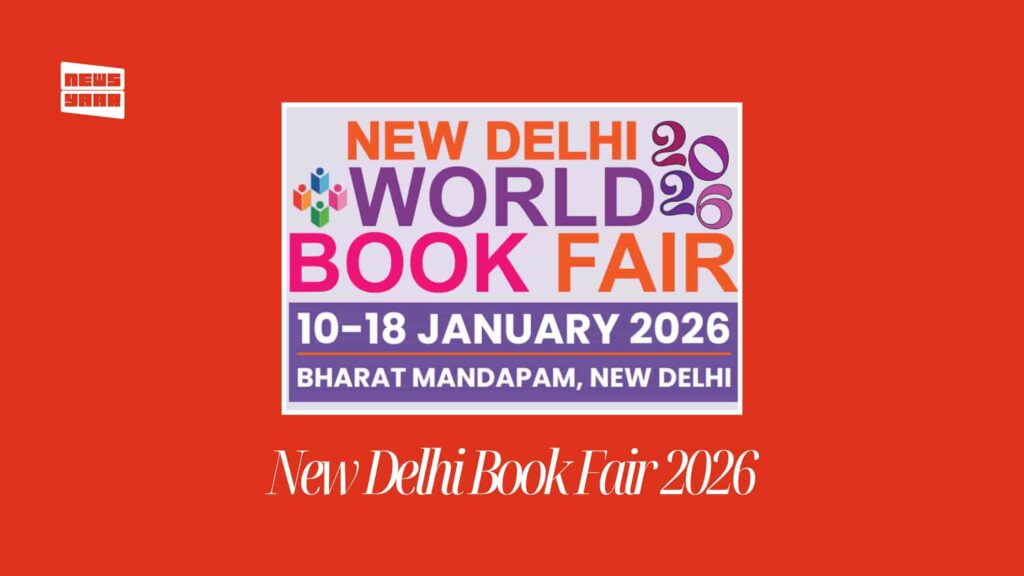
The Delhi Book Fair once again transformed the national capital into a vibrant hub of literature, ideas, and storytelling. Known as one of India’s most loved literary events, the fair attracted book lovers, authors, publishers, and students from across the country, reaffirming Delhi’s place as a cultural and intellectual centre. Event Details Dates: January 10–18, 2026 (9 days) Venue: Bharat Mandapam (Halls 2–6), Pragati Maidan, New Delhi Timings: 11:00 AM – 8:00 PM daily Entry: Free for all visitors Stepping into the fair felt like entering a world woven from stories, ideas, and imagination. The event showcased an incredible variety of books across genres, from fiction and non-fiction to academic texts, children’s books, self-help, and regional language publications, catering to readers of all ages and interests.An iconic venue, the fair offered a rich mix of books across genres, ranging from fiction, non-fiction, academic texts, children’s literature, self-help, and regional language publications. A Paradise for Book Lovers Walking into the Delhi Book Fair felt like stepping into a world made entirely of stories. Hundreds of stalls showcased books in English, Hindi, and several Indian languages, ensuring there was something for every reader. From bestselling novels and classic literature to competitive exam guides and research material, the fair catered to readers of all ages.Special sections dedicated to children remained a major attraction, with colourful books, comics, and activity corners encouraging young minds to develop a love for reading. Authors, Discussions, and Cultural Exchange Beyond book shopping, the Delhi Book Fair served as a platform for author interactions, panel discussions, and book launches. Renowned writers, emerging voices, and publishers engaged in conversations around literature, education, publishing trends, and the future of reading in a digital age.These sessions provided readers with a chance to connect directly with authors, understand their creative journeys, and gain insights into the evolving literary landscape.In a time when online content dominates, the fair stood as a reminder of the lasting value of printed books and structured learning. Keeping the Reading Culture Alive Despite the rise of e-books and digital platforms, the Delhi Book Fair highlighted that the charm of physical books remains strong. The event brought together people from diverse backgrounds, united by a shared love for reading, learning, and storytelling.Publishers also offered attractive discounts, making books more accessible and encouraging readers to build personal libraries. Delhi Book Fair: More Than Just an Event The Delhi Book Fair is not just about buying books; it is about celebrating ideas, creativity, and knowledge. It continues to inspire curiosity, promote literacy, and strengthen India’s reading culture.As the fair concludes, it leaves behind shelves full of new books and minds filled with fresh perspectives, proving once again that stories still matter, and always will.