


Lucknow-Kanpur Expressway: Uttar Pradesh’s New High-Speed Corridor
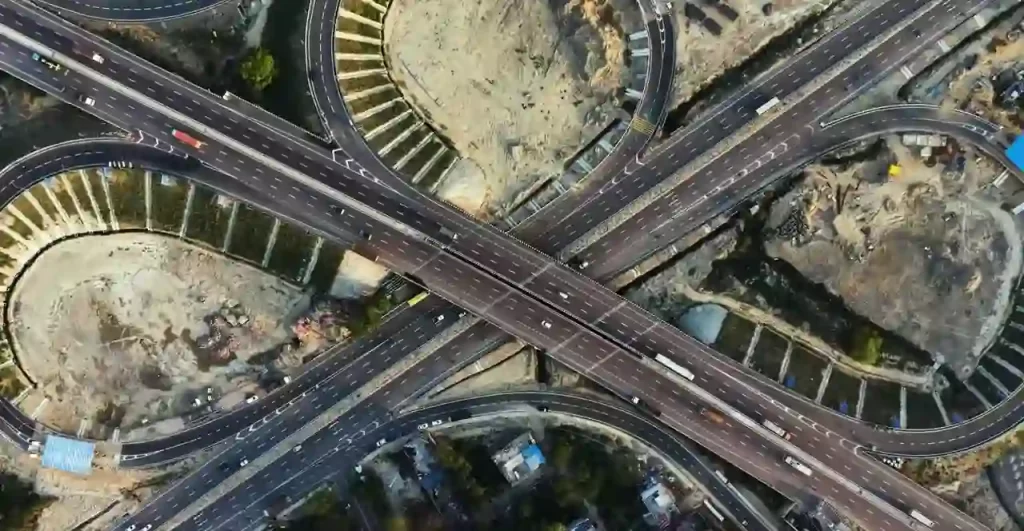
The Lucknow-Kanpur Expressway is one of the most important road infrastructure projects to come out of Uttar Pradesh in recent years, and its opening marks a major shift in how people, goods, and economic activity will move between the state’s two biggest urban centres. Built as a six-lane, access-controlled corridor with advanced traffic systems and a substantial elevated stretch, it is designed to cut travel time dramatically while also easing pressure on the older and more congested routes that commuters have relied on for decades.For travelers, the biggest change is simple and immediate: what used to be a tiring, unpredictable journey of well over two hours can now be completed in a fraction of that time. For the state, the expressway is more than a convenience project; it is a growth corridor that connects Lucknow, Kanpur, Unnao, and surrounding districts through faster mobility, smarter highway management, and stronger investment potential.A Long-Awaited CorridorThe Lucknow-Kanpur road link has been a long-standing demand, and the expressway finally gives that connection a modern, high-capacity form. The project has been completed by the National Highways Authority of India, with construction handled by PNC Infratech, and it runs for about 62.76 km between Amausi in Lucknow and Shuklaganj near Kanpur.What makes the corridor especially significant is that it combines greenfield and brownfield development, meaning it was built both on new land and through upgraded sections near existing urban areas. That blend allowed planners to create a faster, more direct route while still dealing with the practical realities of dense settlements, traffic pressure, and urban connectivity.Route and StructureThe expressway is not just a straight strip of asphalt; it is a carefully engineered corridor with multiple layers of mobility planning built into it. Around 45 km of the route is greenfield alignment, while about 18 km is elevated, making it one of the more advanced highway projects in the state.Its key stretches pass through or near Nawabganj, Banthara, Bani, and Unnao, with integration planned toward the upcoming Ganga Expressway at Unnao. The route includes major bridges, minor bridges, underpasses, flyovers, and interchanges, all of which help the expressway function as an access-controlled corridor rather than a conventional road with frequent interruptions.Faster Travel, Smarter AccessThe main promise of the expressway is time savings. Reports indicate that travel between Lucknow and Kanpur, which currently takes roughly 1.5 to 2.5 hours and sometimes more in heavy traffic, may be reduced to around 45 to 60 minutes, with some early reporting even suggesting a 35- to 45-minute range under ideal conditions.That kind of reduction matters because the corridor links two cities that are central to Uttar Pradesh’s economy, administration, education, and industry. A commuter, logistics operator, or business traveler using the route regularly does not just save time; they gain predictability, and in transport planning, predictability is often as valuable as speed.Elevated Section and Urban ReliefOne of the most impressive engineering features of the project is the elevated stretch through the Lucknow side of the corridor. This section helps vehicles bypass some of the worst congestion around areas such as Amausi, Sarojininagar, and parts of NH-27, which is crucial in a region where urban traffic often slows even fast roads to a crawl.The elevated corridor also shows how expressway planning has evolved in India. Instead of simply widening roads and hoping for better flow, modern projects increasingly try to separate through-traffic from local traffic, allowing long-distance vehicles to move efficiently while reducing conflict with city movement.Technology on the HighwayWhat sets the Lucknow-Kanpur Expressway apart from older highways is its heavy use of intelligent transport systems. The corridor has been equipped with surveillance cameras, variable message signs, video incident detection systems, emergency call boxes, speed radars, and other digital safety tools intended to make the road not just faster, but more manageable and safer.It is also described as India’s first barrier-free expressway, using Automatic Number Plate Recognition technology alongside FASTag-based tolling so vehicles can move without the stop-and-go experience of conventional toll booths. That barrier-free model is important because it reduces delay, lowers congestion at toll points, and creates a more modern highway experience overall.Tolling and User CostsThe expressway’s toll structure is an important part of the public conversation because affordability always shapes how widely such infrastructure is used. Available project details indicate that regular cars may be charged around ₹275 for a one-way trip, with a return trip within 24 hours costing around ₹415, while higher rates apply to light commercial vehicles, buses, trucks, and heavy vehicles.There are also notes that annual FASTag users may benefit from lower effective charges on eligible trips, although final toll notifications are issued by the authorities before public operations begin. For many users, the key question will be whether the time saved and fuel efficiency gained justify the toll cost, especially for frequent intercity travel.Why the Project Matters EconomicallyThe Lucknow-Kanpur Expressway is expected to influence land values, logistics activity, and regional business development along the corridor. Areas near interchanges and access points, particularly around Amausi, Unnao, and Shuklaganj, are likely to draw investor interest as improved connectivity makes them more attractive for residential and commercial development.This kind of effect is common around major highways, but the scale here could be especially notable because the expressway ties into industrial and administrative centres rather than only passing through remote land. Faster movement between airports, highways, warehouses, and city markets can encourage warehousing, manufacturing support services, and new township development in surrounding districts.Engineering College FlyoverAlong with the expressway inauguration, the government is also laying the foundation stone for a four-lane flyover at Engineering College intersection in Lucknow, reportedly at a cost of ₹108 crore. That project is meant to reduce a major local bottleneck and improve access in northern parts of the city, which shows that the highway program is not being treated as a standalone corridor but as part of a wider urban mobility plan.This matters because highway success often depends on what happens at the edges. If entry and exit zones remain congested, the road’s benefits