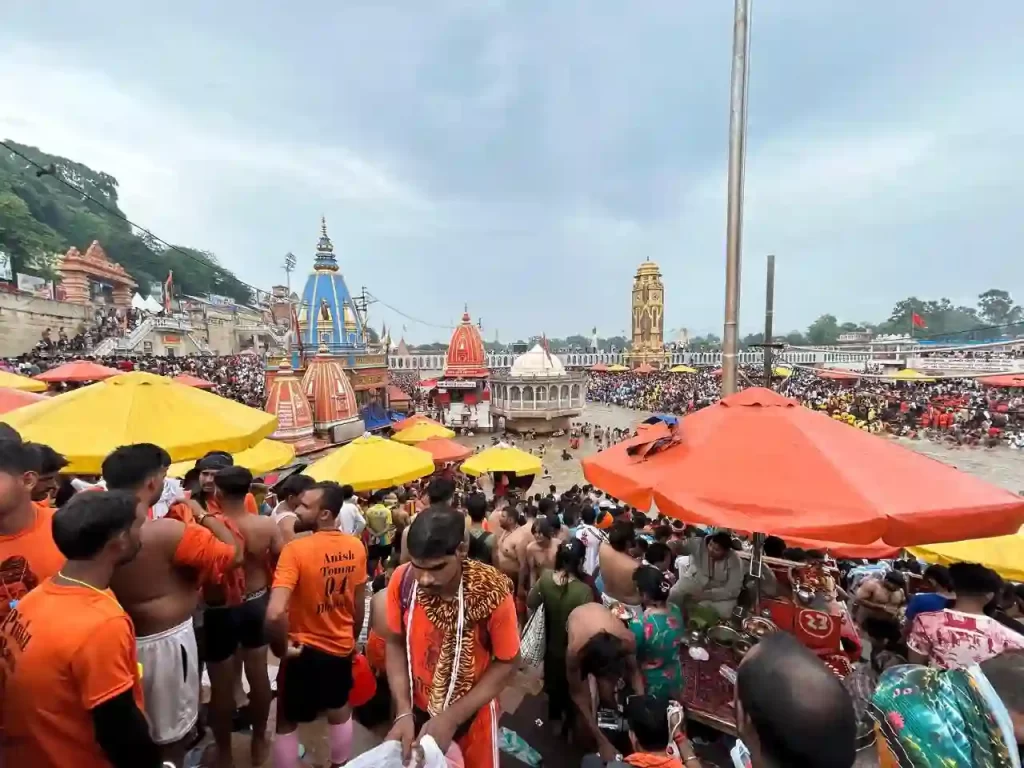

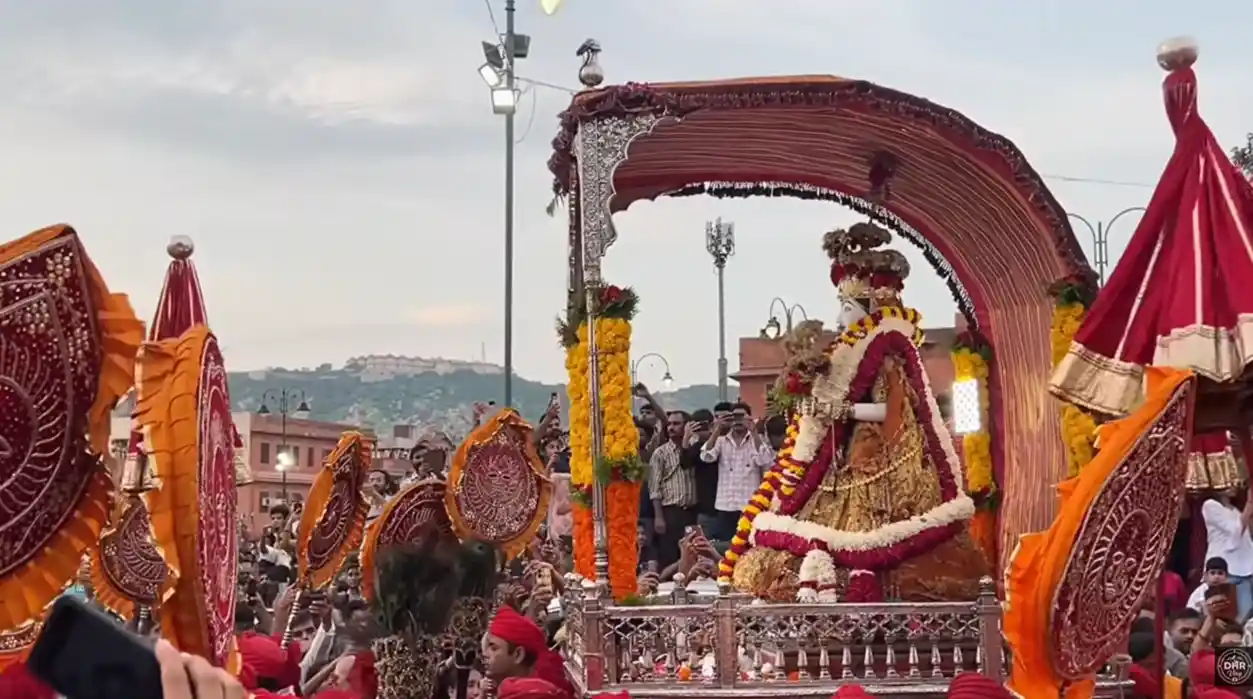
Teej arrives with the monsoon, carrying with it the scent of wet earth, the sight of women in bright green and red, and the sound of folk songs that seem as old as the rains themselves. It is a festival that belongs to the rhythm of the seasons as much as to the calendar of faith, marking not just a religious occasion but a moment when nature, devotion, and community come together in a single celebration.
Though often associated primarily with married women who fast and pray for the well-being of their husbands, Teej is in many ways a wider celebration of love, fidelity, resilience, and new beginnings. It honours the divine union of Lord Shiva and Goddess Parvati, but it also speaks to human relationships, the cycles of life, and the hope that comes with the arrival of the rains after the heat of summer.
The Three Faces of Teej
Teej is not one single festival but a cluster of related observances that fall across the monsoon months, each with its own name, timing, and emphasis. The most widely known is Haryali Teej, which in 2026 falls on August 15, on the third day of the Shukla Paksha (bright fortnight) in the month of Shravan. This is the Teej most closely linked to the arrival of the monsoon and the greening of the landscape, and it is celebrated as a festival of nature as much as of devotion.
About two weeks later comes Kajri Teej, also called Badi Teej, falls on the third day of the Krishna Paksha (dark fortnight). Its name evokes the dark clouds that bring rain, and its mood is slightly more introspective, with folk songs that often carry a note of longing and separation alongside devotion.
The third major observance is Hartalika Teej, which in 2026 will fall in the Bhadon month on September 14. This version of Teej is tied to a specific legend in which Goddess Parvati’s female friends help her escape an unwanted marriage so that she can continue her penance and win Shiva as her consort. It is a story of agency, friendship, and spiritual determination, and it gives Hartalika Teej a distinct flavour within the larger Teej cycle.
The Legend at The Heart of The Festival
At the core of Teej lies the story of Shiva and Parvati, one of Hinduism’s most enduring divine couples. According to tradition, Parvati underwent 107 births and long years of penance before Shiva finally accepted her as his consort in her 108th birth. Haryali Teej is often linked to this moment of union, celebrating not just the marriage itself but the patience, devotion, and spiritual effort that led to it.
Hartalika Teej, meanwhile, focuses on the episode where Parvati’s friends, the “hartalikas”, help her avoid an arranged match so that she can remain true to her own spiritual choice. In that sense, Teej is not only about marital harmony; it is also about the right to choose one’s path, the support of female friendship, and the power of sustained faith.
How Teej is Observed?
For many women, Teej begins early in the morning, ideally before sunrise, during the auspicious period known as Brahma Muhurat. The day is structured around puja, fasting, and ritual adornment. Those who observe the traditional vrat may abstain from food and sometimes even water, though modern guidance increasingly emphasises that the fast should be undertaken according to one’s faith and health, with alternatives for those who cannot follow a strict regimen. Dressing up is an important part of the celebration. Women wear festive clothes, often in green and red, and adorn themselves with solah shringar, the sixteen traditional forms of beautification that include items such as bangles, bindi, kajal, jewellery, and fragrant oils. This is not merely decorative; it is a ritual expression of marital identity, joy, and self-care, performed with a sense of occasion that the monsoon amplifies.
Puja is performed during the shubh muhurat, with offerings made to Shiva and Parvati, and prayers offered for the long life, happiness, and well-being of husbands and families. In many communities, the fast is broken only after the evening puja, often with a small meal that respects the vrats’ dietary restrictions.
The Colour Green and The Language of The Monsoon
One of the most distinctive features of Teej is its association with the colour green. Haryali Teej, in particular, is a celebration of the new greenery that the monsoon brings, and women often wear green clothes, decorate their homes with green bangles and leaves, and apply green accents in their makeup and accessories.
This is not just aesthetic. Green, in this context, symbolises renewal, fertility, and the life-giving power of the rains. After the harsh heat of summer, the arrival of the monsoon feels like a kind of rebirth, and Teej becomes a way of marking that shift in the natural world through ritual, colour, and song.
Songs, Swings, and Community
Teej is also a festival of sound and movement. In many regions, women gather to sing folk songs that speak of love, separation, reunion, and devotion, their voices rising in patterns that have been passed down through generations. Swings are hung from trees or courtyards, and women take turns swaying on them, a simple act that becomes a symbol of joy, freedom, and the pleasure of the season.
These gatherings are often as much about community as they are about religion. They offer a space for women to come together, share stories, support one another, and celebrate their own strength and resilience in a world that does not always make room for such expressions. In that sense, Teej is not only a festival of faith; it is a festival of womanhood.
Faith, Health, and Modern Practice
In recent years, there has been a growing emphasis on observing Teej in ways that are mindful of health and personal circumstance. Religious authorities and community leaders increasingly stress that the vrat should be undertaken willingly and with genuine faith, and that those who are unable to follow a strict fast should feel free to adopt alternatives rather than compromising their well-being.
This shift does not diminish the spiritual core of the festival; rather, it makes it more inclusive and sustainable. It acknowledges that devotion can take many forms, and that the essence of Teej lies not in the severity of the fast but in the sincerity of the intention behind it.
Why Teej Still Matters?
Teej endures because it speaks to something deep and enduring in the way people relate to the seasons, to love, and to faith. It is a festival that ties the inner life of devotion to the outer life of nature, linking personal prayers with the rhythm of the rains, and marital bonds with the larger cycles of time.
It also offers a rare space in which women’s experiences, of love, duty, longing, strength, and friendship, are placed at the centre of the celebration. In a world that often overlooks these dimensions, Teej insists on their importance, not through argument but through ritual, song, and shared joy.
Conclusion
Teej is more than a date on the religious calendar. It is a moment when the monsoon, mythology, and everyday life come together in a single, vivid celebration. It honours the divine union of Shiva and Parvati, but it also honours human relationships, the resilience of women, and the quiet hope that comes with the first serious rains of the year.
In that sense, Teej is both ancient and contemporary, rooted in legend but alive in the present. As long as the monsoon arrives, as long as women gather to sing and swing and pray, and as long as families mark the day with faith and colour, Teej will continue to be a festival that rejuvenates not just the land, but the heart.
Video: YT/@RajasthanTourism