


Guru Purnima: Honoring the Light That Removes Darkness
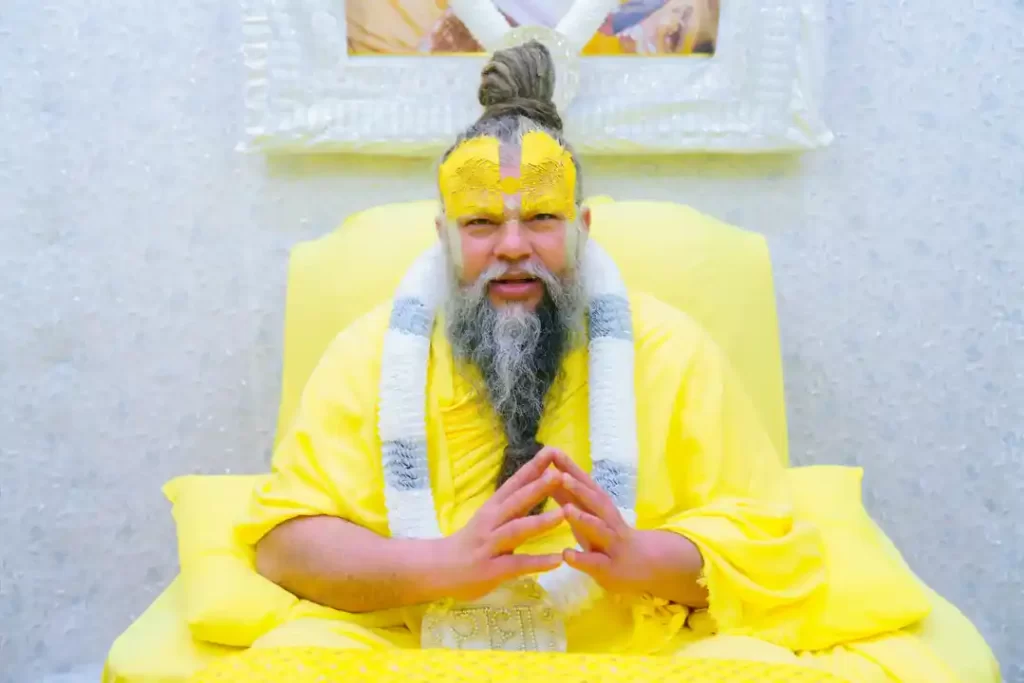
Guru Purnima is one of the most spiritually meaningful days in the Hindu calendar, a day devoted to honoring the gurus, teachers, mentors, and guiding figures who shape a person’s journey from ignorance to understanding. Observed on the full moon day of the Ashadha month, it is a festival built not around celebration in the usual sense, but around gratitude, reflection, and reverence for the people and principles that help us grow. In 2026, Guru Purnima was celebrated on July 29, and the day will once again invite millions of devotees, seekers, students, and spiritual practitioners to pause and acknowledge the source of their wisdom.What makes Guru Purnima so enduring is that it speaks to something almost universal. Whether one approaches it as a religious observance or a broader cultural tradition, the message remains the same: no person becomes wise alone. Somewhere along the way, someone teaches, corrects, inspires, consoles, or awakens us, and this day is meant to recognize that invisible but life-changing contribution. What Guru Really MeansThe word “guru” carries a depth that goes far beyond the idea of a teacher in the ordinary sense. Traditionally, *gu* means darkness and *ru* means the one who removes it, which is why a guru is understood as the one who dispels ignorance and reveals a clearer way of seeing life.That darkness can take many forms. It may be the darkness of confusion, self-doubt, moral uncertainty, spiritual restlessness, or simply not knowing how to live with clarity and purpose. A true guru does not merely transfer information; they transform understanding, often by helping a person move beyond surface thinking into a deeper, more stable awareness of life.This is also why the concept of a guru in Indian tradition is wider than many people initially assume. A mother can be a guru if she teaches compassion. A father can be a guru if he teaches discipline. An elder sibling can be a guru if they offer direction during difficult times. A schoolteacher, a spiritual master, or even a mentor at work can all occupy the role of guru if they genuinely help another person grow into wisdom and responsibility. Vyasa Purnima and the Lineage of KnowledgeGuru Purnima is also known as Vyasa Purnima, because it marks the birth anniversary of Maharishi Ved Vyasa, one of the most revered sages in Indian spiritual history. Vyasa is remembered as the great compiler and organizer of Vedic knowledge, the sage who preserved the spiritual and philosophical inheritance of India by giving it a structure that could be transmitted across generations. He is credited with compiling the four Vedas, composing the Mahabharata, authoring the Puranas, and shaping the literary and spiritual framewor through which sacred knowledge could reach ordinary people. That is a remarkable legacy when one thinks about it carefully. Vyasa did not merely create texts; he made wisdom transmissible. He turned a vast body of oral tradition into a form that could survive time, travel across regions, and remain alive in the hands of countless teachers and disciples. This is one of the reasons Guru Purnima is so closely tied to the idea of lineage, because it celebrates not just one sage, but the entire chain of knowledge passed down from master to student.In many traditions, especially within bhakti and Vedantic communities, this disciplic succession is central. The guru is not seen as a personality to be admired from a distance, but as a living link in a long chain of transmission stretching back through generations. On Guru Purnima, devotees honor not only their immediate teacher, but also the larger spiritual inheritance that teacher represents. The Spiritual Meaning of the FestivalAt its heart, Guru Purnima is a day of surrender and gratitude. It reminds devotees that spiritual progress is not achieved merely through effort, but through grace, discipline, and guidance. A person may study scriptures for years, perform rituals, or sit in meditation, but without the guidance of a guru, the path can remain incomplete, unclear, or even misunderstood.This is why many scriptures and spiritual traditions place such emphasis on the relationship between teacher and disciple. The guru is not simply someone who explains the path; they are someone who helps the seeker walk it without losing direction. In that sense, Guru Purnima is not just about honoring a person. It is about honoring the principle of guidance itself.The festival also carries a strong emotional dimension. People often think of gurus as figures of authority, but the best teachers are usually remembered because they were patient, generous, and deeply invested in the growth of others. Guru Purnima becomes, then, not only a spiritual observance but also a deeply human one, because it invites people to remember who believed in them, who corrected them gently, and who stayed with them while they were still learning.Rituals and CustomsThe traditional observance of Guru Purnima begins early in the morning. Devotees rise with a sense of purity and intention, often touching the feet of parents and elders as a gesture of respect, since the festival includes all those who have guided one’s life. Water is offered to the Sun God, Lord Ganesha is worshipped for wisdom and success, and prayers are offered to one’s guru, if living, or to a symbolic representation of the guru principle if not. Many devotees visit their spiritual teacher, bow before them, and offer flowers, fruits, clothes, dakshina, or other tokens of gratitude. The act of touching the guru’s feet is especially significant in Indian tradition, because it represents humility, surrender, and the acknowledgment that knowledge is received, not possessed. Chanting mantras is also an important part of the day. Prayers such as “Om Namah Shivaya” and “Om Gan Ganapataye Namah” are recited by many devotees, not as empty formulae but as expressions of inward focus and reverence. The atmosphere in temples, ashrams, and homes often becomes deeply serene, with incense, lamps, devotional songs, and scriptural readings creating a mood of gratitude and contemplation. Guru Purnima Across TraditionsOne of the most beautiful aspects of Guru Purnima is how widely