


CII Annual Business Summit 2026: Navigating Disruption, Charting India’s Path to Viksit Bharat
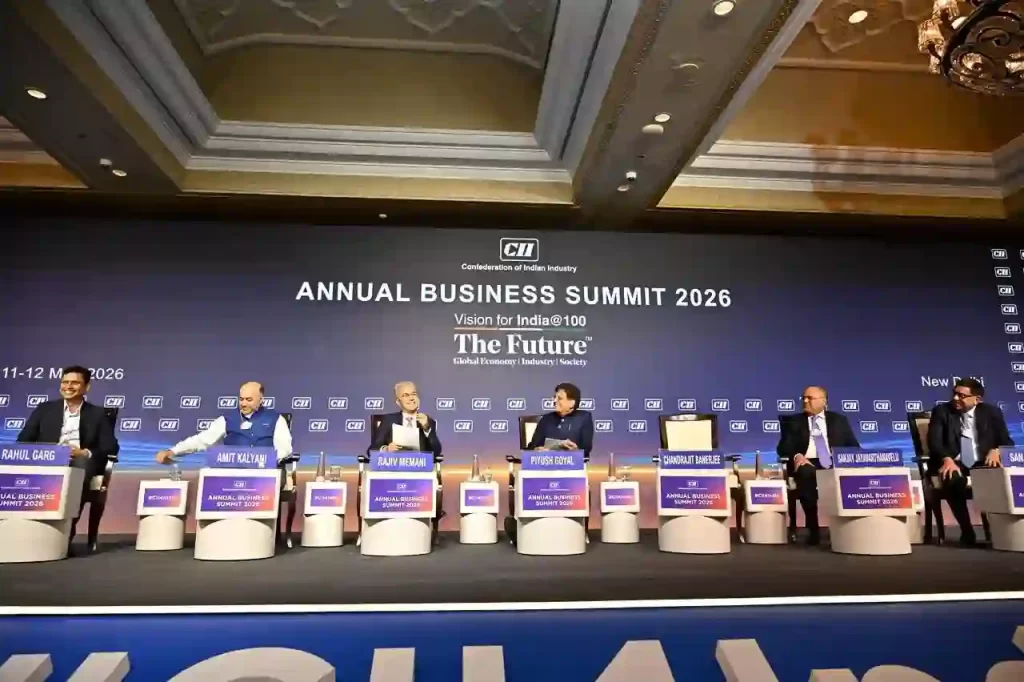
IntroductionThe Confederation of Indian Industry’s Annual Business Summit is one of India’s most consequential conversations between government and industry — a two-day forum where policy signals are sent, investment narratives are shaped, and the mood of Indian business leadership is read out loud for the entire economy to hear. The 2026 edition, held on May 11 and 12 in New Delhi, arrived at a moment of unusual global pressure: a war blocking the world’s most critical energy artery, a trade architecture being rewritten by American tariffs, an AI revolution reshaping every sector simultaneously, and India sitting at the precise intersection of all four.The CII Annual Business Summit 2026 convened under the theme “The Future | Global Economy, Industry, Society.” The focus was on navigating disruption and exercising leadership: aligning policy, industry, and society to translate this moment of inflection into sustained national advantage.The theme was not chosen casually. At a defining moment of global transformation, multiple forces including geopolitical shifts, technological change, climate urgency, and evolving societal expectations are reshaping the world. In this environment, trust, resilience, and effective governance are becoming central to long-term competitiveness. The challenge is no longer to resist change but to harness it through strong institutions, partnerships, and adaptive capabilities.About CII: The Institution Behind the SummitBefore the summit’s content can be fully appreciated, the institution organising it deserves its own introduction, because CII is not simply a trade body. It is one of India’s most influential policy-shaping institutions.Founded in 1895 as the Engineering and Iron Trades Association, the Confederation of Indian Industry has grown into India’s largest apex industry organisation, representing over 9,000 direct member companies and 300,000 companies within its associate and affiliated network through 65 sectoral industry bodies. It operates across 63 offices in India and 10 overseas offices, with institutional partnerships in 119 countries.CII works to create and sustain an environment conducive to the development of India by partnering industry, government, and civil society through advisory and consultative processes. It has been central to many of India’s significant economic policy transitions — from the liberalisation of the 1990s to the ease of doing business reforms of the 2010s to the PLI scheme architecture of the 2020s. When CII speaks, Finance Ministry officials, NITI Aayog planners, and cabinet ministers are typically in the room, listening. The Annual Business Summit is the highest-visibility manifestation of that engagement each year.The CII Annual General Meeting, which determines the organisation’s leadership and strategic direction for the year ahead, was held on May 12, the second day of the summit.The Context: Why the 2026 Summit Carried Extra WeightThe annual summit always takes place against the backdrop of the economic moment. The 2026 edition was held against a particularly demanding one.The Strait of Hormuz crisis, which had closed the world’s most critical oil transit route since late February, was still unresolved at the time of the summit. India, which imports nearly 85 percent of its crude oil and depends heavily on Hormuz-transiting Gulf supply, had been absorbing a significant cost shock to its energy import bill for months. Oil prices had spiked to record levels in March and remained elevated. The rupee had come under pressure. Inflation in fuel and logistics had fed through into manufacturing input costs and consumer prices.Simultaneously, the Trump administration’s tariff architecture — which had imposed sweeping duties on Indian exports in several categories — was creating both anxiety and opportunity for Indian industry. Anxiety because export competitiveness in affected sectors had been hurt. Opportunity because the same tariffs on Chinese goods were accelerating the global search for alternative manufacturing bases, and India remained the most credible alternative at scale.India’s own macroeconomic position entering the summit was one of relative resilience. The economy had maintained its position as the fastest-growing major economy through 2025-26, with GDP growth continuing to outperform most comparable peers. The Viksit Bharat 2047 agenda — India’s aspiration to be a fully developed economy by the centenary of independence — provided the long-term frame within which the short-term disruptions were being absorbed.As India approaches its centenary, India@100 provides a roadmap for inclusive and sustainable growth. The CII Annual Business Summit 2026 connects this long-term vision with the realities of a rapidly evolving global economy.The Theme: Three Questions for India’s FutureThe summit’s overarching theme — “The Future | Global Economy, Industry, Society” — was anchored in three interlocking questions that ran across every session of the two-day programme.Three system enablers were identified as decisive. First, governance must build trust, embed ethics, and sustain institutional legitimacy in an increasingly complex and risk-prone environment. Second, strong state capacity is essential to design coherent policy. Third, robust financial architecture must mobilise long-term capital, manage risk, and support sustained investment. Together, these enablers determine whether transformation becomes credible, resilient, and enduring across sectors, enabling growth that is both competitive and inclusive.Industry will play a central role in shaping India’s future economy as growth increasingly depends on how firms invest, innovate, and engage with society. The shift from shareholder value to broader responsibility calls for alignment with national priorities while remaining globally competitive. Leadership must extend beyond firms to ecosystems, driving R&D, integrating MSMEs, and strengthening trust through ethical governance.India’s energy transition is now a strategic economic advantage, with rapid growth in renewables reshaping cost structures and competitiveness. That last point carries particular weight in the context of the Hormuz crisis: India’s accelerating transition to non-fossil energy — non-fossil sources already account for over 50 percent of installed power capacity — is now seen not just as a climate obligation but as a strategic hedge against the kind of energy price shock that the Gulf war has delivered.Key Sessions and SpeakersLabour Reforms: Government’s CommitmentUnion Minister Mansukh Mandaviya addressed the session on “Next-Gen Labour Reforms: Driving Industry Growth and Job Creation.” He said social security coverage has increased from 29 crore people a decade ago to 94 crore at present. Highlighting the new labour codes, Mandaviya said the reforms are both labour-centric and industry-centric. He added that the
ASSOCHAM’s India Business Reform Summit 2026: The Measurable Outcomes for Viksit Bharat
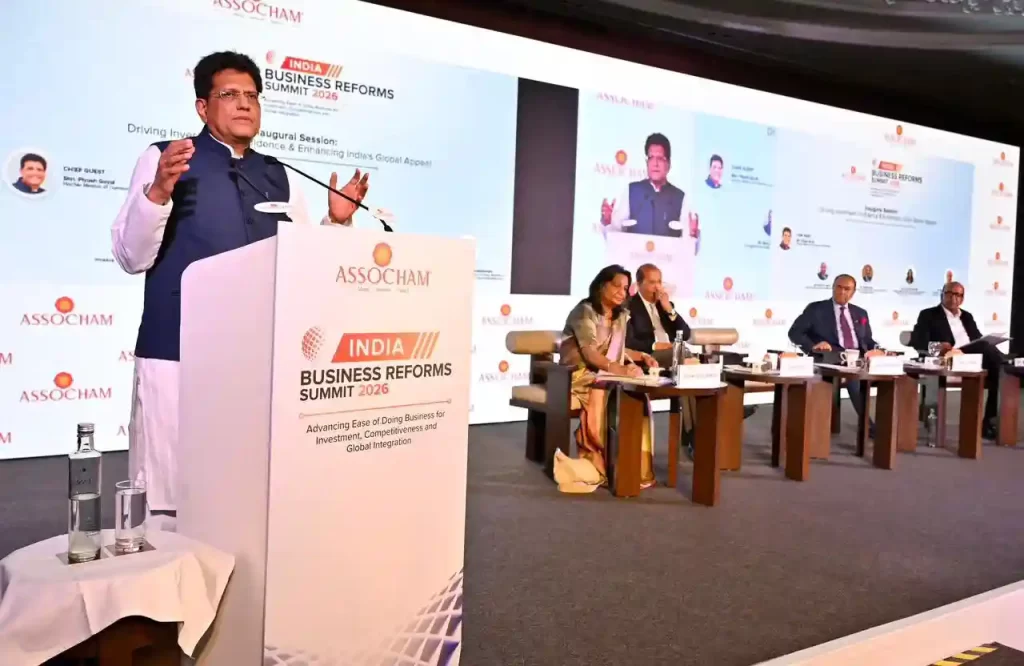
The Associated Chambers of Commerce and Industry of India (ASSOCHAM) successfully convened the India Business Reform Summit 2026 on May 19, 2026, in New Delhi, bringing together policymakers, senior bureaucrats, center-state government representatives, and industry leaders under the theme “Advancing Ease of Doing Business for Investment, Competitiveness and Global Integration.” The summit marked a critical juncture in India’s economic journey, focusing on the essential transition from reform intent to reform outcomes as the country advances towards becoming a developed economy by 2047. Over the past decade, India has undertaken significant reforms to simplify regulatory processes, reduce compliance burden, digitize approvals, and strengthen investor facilitation, but as the nation advances towards becoming a globally competitive manufacturing hub and preferred investment destination, the next phase must focus on implementation efficiency, policy predictability, and measurable outcomes.Commerce and Industry Minister Piyush Goyal delivered the keynote address as chief guest, urging Indian businesses to turn current global economic uncertainties into opportunities for growth rather than panicking over the situation. “India and Prime Minister Narendra Modi have never let a crisis go by, and the situation in the world is truly an opportunity, a moment of uncertainty that we should engage more deeply with,” Goyal remarked at the summit. “Find ways to strengthen our business processes and prepare ourselves for these uncertain times for a brighter and better future.” His address set the tone for deliberations that would explore how India could leverage global challenges to strengthen business processes, undertake faster reforms, build greater resilience, and fortify supply chains.From Reform Intent to Execution: The Next Phase of India’s Business TransformationThe summit’s core deliberations centered on moving from reform intent to execution efficiency, supply chain resilience, and making India a globally competitive manufacturing hub. In the context of evolving global supply chains, increasing private sector participation, and growing emphasis on manufacturing and MSME development, the summit provided a platform to discuss key priorities for strengthening India’s business ecosystem. The discussions highlighted the importance of strengthening Center-State cooperation for consistent policy execution and showcasing state-level investment facilitation, recognizing that successful implementation requires coordinated efforts across all levels of government.Despite global challenges such as tariffs, the Ukraine conflict, and the West Asia crisis, India’s exports reached an all-time high of USD 863 billion last fiscal year, with growth recorded in both merchandise and services exports. Minister Goyal pointed to this achievement as proof that Indian businesses could thrive even amid global turbulence. “The present global situation and geopolitical uncertainties should be viewed as an opportunity for India to strengthen business processes, undertake faster reforms, build greater resilience, and strengthen supply chains,” he emphasized. Free trade agreements finalized by India are opening doors for greater engagement, which needs to be leveraged for attracting investments and increasing exports rather than allowing imports alone to rise.MSME Empowerment: Simplifying Compliance and Enabling GrowthA significant focus of the summit was placed on targeted interventions to reduce the compliance burden on micro, small, and medium enterprises, which form the backbone of India’s economy. The final panel discussion brought together perspectives on strengthening enterprise growth, faster execution, and competitiveness across MSMEs and services-led sectors. Chaired by Smt. Mercy Epao, Joint Secretary, Ministry of Micro, Small and Medium Enterprises, Government of India, the session focused on simplified compliance frameworks, improved access to credit, stronger value chain integration, regulatory efficiency, and reforms needed to help businesses scale with greater confidence.The discussion reinforced the need for a more agile and enabling business environment that supports India’s enterprise ecosystem in its journey towards Viksit Bharat. Speaking on suggestions received during discussions with industry representatives, Minister Goyal said the government is examining the possibility of establishing a single body at industrial parks to function as a one-stop shop for all central and state approvals. This initiative, part of the “Bhavya” program for developing 100 new industrial parks with centralized clearance bodies, aims to drastically reduce the time and complexity involved in obtaining multiple approvals from different agencies.Digital Integration and One-Stop Service CentersMinister Goyal highlighted that lessons learned during the COVID period had demonstrated the effectiveness of digital engagement and remote working models. “In such a situation, we do not need to panic,” he said, adding that the West Asia crisis and emerging technologies like AI bring opportunities for the Indian industry to seize. The ministry, which has 482 offices across 216 cities under 46 organizations, is working towards consolidating operations into single-point contact centers in state capitals and major cities. This would enable businesses to access services related to organizations such as DGFT, Coffee Board, Spices Board, GeM, and other bodies through integrated and digitally connected systems.Goyal urged greater engagement from the private sector in improving government systems, while expressing concern that the national single-window system had not received adequate participation and feedback from the industry. He called upon businesses to work with the government in identifying specific pain points and improving the ease of doing business through collaborative efforts. India is now targeting exports worth USD 1 trillion, and exporters should proactively leverage upcoming FTAs by exploring new markets, conducting sampling and trial orders, and increasing global engagement even before the agreements formally come into effect.Global Opportunities Amid Uncertainty: AI, Manufacturing, and Supply Chain ResilienceThe minister urged the industry to adopt greater efficiency and reduce waste by learning from global best practices, including Japanese manufacturing systems. Referring to emerging technologies, Goyal noted that AI brings significant opportunities for the Indian industry to seize, particularly in manufacturing optimization, supply chain management, and predictive analytics. The summit brought together eminent speakers from government, industry, and leading institutions to share insights on accelerating investment, enhancing competitiveness, and improving ease of operating businesses in India.Manufacturing transformation, state-led investment facilitation, and enabling MSMEs through simplified regulatory frameworks and improved access to opportunities emerged as key priorities during the deliberations. The discussions recognized that India’s demographic dividend, combined with improving infrastructure and digital infrastructure, positions the country uniquely to benefit from global supply chain diversification as multinational corporations seek to reduce dependency on single-source manufacturing hubs.A
India-US Trade Deal 2026: Comprehensive Framework, Key Terms and Strategic Implications
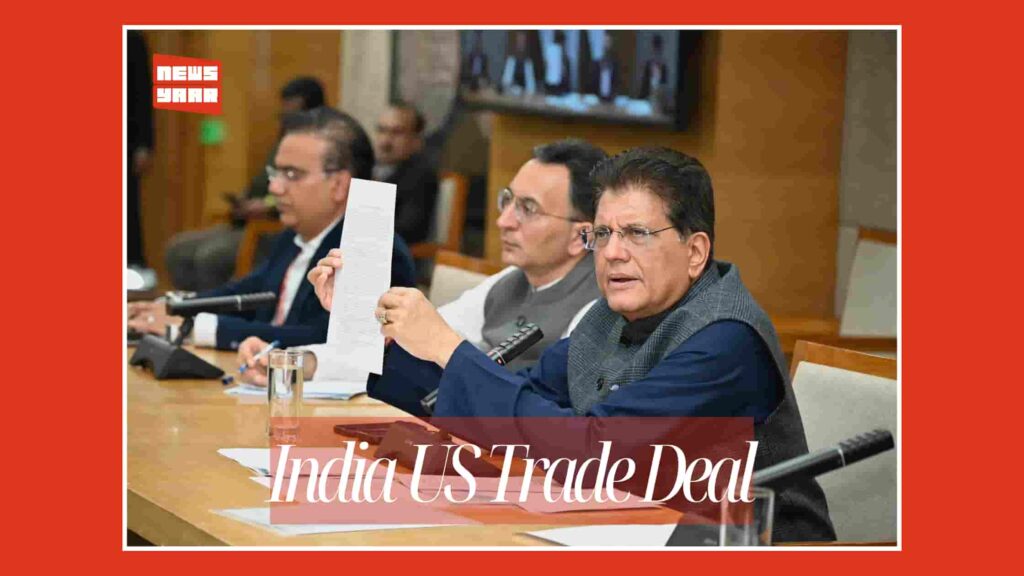
India and the United States have announced a framework for an interim trade agreement aimed at deepening economic ties, expanding market access, and strengthening bilateral cooperation on trade and investment. The trade deal represents progress in long-running negotiations between the two largest democracies and is viewed by New Delhi and Washington as a step toward a broader Bilateral Trade Agreement (BTA). The framework was unveiled following discussions between Prime Minister Narendra Modi and U.S. President Donald J. Trump, who first launched formal talks on a comprehensive India-U.S. trade arrangement in February 2025. Interim Framework OverviewUnder the interim framework, both countries have agreed to substantial tariff reductions and preferential market access commitments, while also embedding safeguards for politically sensitive and strategic sectors in their respective economies. The agreement stops short of a full free-trade agreement but sets out structured commitments that could be built upon in future negotiations. According to the joint statement issued by India and the U.S., the interim agreement emphasises mutual and reciprocal market access, rule-based trade enhancement, and sustained cooperation in areas of economic interest. It also commits both sides to work on non-tariff barriers to facilitate smoother trade flows. Tariff Reductions and Market AccessOne of the central features of the deal is reduction of mutually imposed tariffs on a wide range of goods:The United States will reduce its **reciprocal tariffs on Indian exports to 18 per cent from previous levels that reached up to 50 per cent on certain products, significantly improving access to the U.S. market. Tariffs will also be entirely eliminated for select Indian exports, including generic pharmaceuticals, gems and diamonds, and aircraft parts. India has agreed to eliminate or reduce tariffs on all U.S. industrial goods and a broad spectrum of American food and agricultural products, including dried distillers’ grains (DDGs), red sorghum for animal feed, tree nuts, fresh and processed fruits, soybean oil, wine and spirits. The reciprocal tariff arrangement is expected to open up significant opportunities for Indian exporters in traditional and emerging sectors, while also making a range of American products more competitive within India’s markets.Agriculture and Sensitive Sector ProtectionsA major concern throughout negotiations has been safeguarding India’s agricultural and rural economy, which supports a vast portion of the population. Commerce and Industry Minister Piyush Goyal has repeatedly emphasised that the deal will fully protect sensitive agricultural and dairy products from tariff concessions. Products explicitly shielded include:Staple crops such as maize, wheat, rice and soyaDairy and poultry products including milk, cheese and meatOther items critical to rural livelihoods such as ethanol (fuel), tobacco and certain vegetablesThese protections are intended to prevent adverse impacts on the livelihoods of farmers, smallholder producers and rural communities, who form the backbone of India’s agricultural economy. At the same time, India has offered zero-duty access for its farm products entering the U.S. market, including items such as spices, tea, coffee, coconut and coconut oil, cashew nuts, certain fruits like mangoes, bananas and pineapples, bakery products and vegetable waxes. This is expected to enhance export earnings for agricultural producers and MSMEs. Sectoral Gains and Strategic OutcomesThe interim framework includes sectoral provisions designed to boost trade and cooperation across diverse industries:Pharmaceuticals and Medical Devices: Zero tariffs on generic drugs and improved regulatory alignment are expected to bolster India’s strong position in the U.S. pharmaceutical market. Aerospace and Defence: Eliminating tariffs on aircraft parts and securing Section 232 exemptions are expected to benefit aerospace trade and support defence and commercial aircraft manufacturing. Manufacturing and ICT Goods: Commitments to address non-tariff barriers and streamline standards are expected to facilitate trade in information and communication technology (ICT) products and select machinery. Auto Components and Heavy Industry: The agreement anticipates tariff rate quotas for auto parts and preferential access for certain manufactured goods, enhancing industrial trade cooperation. Combined, these measures aim to reduce supply chain friction, attract investment, and support India’s Make in Indiainitiative by integrating domestic production more closely with global value chains.Energy and Long-term Procurement CommitmentsAs part of the broader economic engagement, India has signalled intentions to import approximately USD 500 billion worth of goods from the United States over the next five years. These imports include energy products such as crude oil, liquefied natural gas (LNG) and liquefied petroleum gas (LPG), along with aircraft and aircraft parts, technology products, precious metals and coking coal. These procurement commitments align with India’s strategy of diversifying its energy sources and deepening strategic economic ties with the U.S. . Expected Economic ImpactCommerce Minister Goyal has described the interim framework as a “historic and equitable agreement” that could potentially open a US$ 30 trillion market for Indian exporters. This expanded access is expected to deliver significant benefits for micro, small and medium enterprises (MSMEs), artisans, agricultural producers and women- and youth-led businesses by removing tariff barriers in the U.S. market. Key economic gains envisaged include:Boost to Indian exports in textiles, leather and footwear, plastic and rubber products, organic chemicals, home decor, artisanal goods and select machinery. Increased competitiveness for Indian pharmaceutical and aerospace sectors through zero tariff access. Enhancement of India’s MSME ecosystem through sustained preferential access and reduced non-tariff barriers. Political and Analytical PerspectivesThe trade framework has drawn both support and criticism within India. Proponents highlight its potential to create jobs, expand market reach for diverse sectors and attract foreign direct investment. Several state leaders have welcomed the deal as a step forward for economic growth and industrial development. Critics — including farmer unions and opposition figures — argue that the framework lacks sufficient detail and may expose certain sectors to unfair competition, particularly if tariff reductions are asymmetric. Concerns have been raised about the long-term impact on domestic agriculture and industrial policies. Why the Deal MattersThe interim India-U.S. trade deal is significant on multiple fronts:It marks a milestone in trade relations between the world’s two largest democracies, anchoring economic cooperation alongside strategic and defense ties. It represents a shift in India’s trade policy, balancing openness with protection for sensitive sectors while pursuing broader market access. For the United States, it strengthens economic engagement with a high-growth market and supports bilateral cooperation on technology, supply chains and industrial standards. The interim framework is
German Chancellor Friedrich Merz’s India Visit Signals Deeper Strategic Engagement
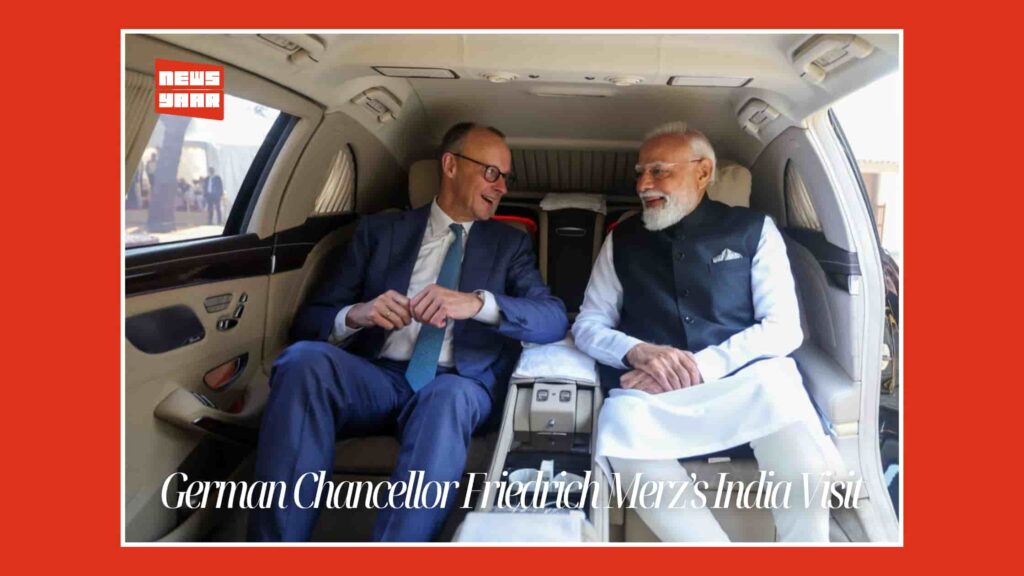
German Chancellor Friedrich Merz’s first official visit to India has set the tone for a renewed phase in India–Germany relations, with both sides signalling intent to expand cooperation across defence, trade, technology and people-to-people exchanges. Welcoming the visit, Germany’s Ambassador to India, Philipp Ackermann, described it as wide-ranging and forward-looking. In a social media post, Ackermann highlighted discussions on defence cooperation, economic ties and migration, while also sharing a personal moment from the visit that underscored growing cultural links between the two countries. He noted that Chancellor Merz was particularly impressed after speaking in German with a young Indian woman who had begun learning the language only months ago. Focus on Defence, Trade and Technology Chancellor Merz arrived in Gujarat earlier this week at the invitation of Prime Minister Narendra Modi, marking his first official visit to India since taking office. The visit comes at a significant moment, as India and Germany mark 25 years of their Strategic Partnership and 75 years of diplomatic relations. During bilateral talks, Prime Minister Modi and Chancellor Merz reaffirmed their shared commitment to strengthening defence and security cooperation. The discussions covered deeper military-to-military engagement, including joint exercises, training programmes and exchanges between senior officials. Both leaders also acknowledged the value of regular port calls by naval ships, describing them as a symbol of growing trust and operational cooperation. Expanding Cooperation Beyond Security Beyond defence, the talks reflected a broader ambition to elevate the partnership. Prime Minister Modi said the two leaders agreed to take the relationship to a higher qualitative level, with enhanced collaboration in areas such as space, critical and emerging technologies, climate action and resilient supply chains. Education, skilling, sports and cultural exchanges also featured prominently in the discussions, pointing to a long-term vision focused on people-to-people ties. Modi described Chancellor Merz’s choice of India as the destination for his first visit to Asia as a reflection of Germany’s commitment to strengthening bilateral relations. Joint Exercises and Strategic Presence in the Indian Ocean The visit also resulted in concrete commitments in the maritime and defence domains. India welcomed Germany’s intention to participate in major regional and multilateral naval and air exercises in the coming years. These include Naval Exercise MILAN and the Indian Ocean Naval Symposium Conclave of Chiefs in early 2026, as well as the Air Combat Exercise Tarang Shakti later the same year. Germany’s decision to deploy a liaison officer to the Information Fusion Centre for the Indian Ocean Region was also noted as a significant step towards closer coordination in maritime domain awareness. Defence Collaboration With Europe Both sides expressed satisfaction with ongoing cooperation between India’s Defence Research and Development Organisation and the Organisation for Joint Armament Cooperation. The collaboration on the Eurodrone MALE UAV programme was highlighted as an example of how India can access advanced defence technologies while strengthening strategic ties with Europe. Looking Ahead Chancellor Merz’s visit has added momentum to India–Germany relations at a time when both countries are seeking reliable partners in a rapidly changing global landscape. With shared interests in security, innovation and sustainable development, the visit signals a mutual willingness to translate strategic intent into long-term cooperation. As the two nations look ahead, the outcomes of this visit are expected to shape bilateral engagement across defence, technology and economic sectors, reinforcing the growing importance of the India–Germany partnership on the global stage. Video credit: YT@/NaMo Video credit: YT@/NaMo Video credit: YT@/NaMo