


New Renault Duster 2026: Can the SUV That Started India’s Mid-Size SUV Craze Make a Winning Comeback?
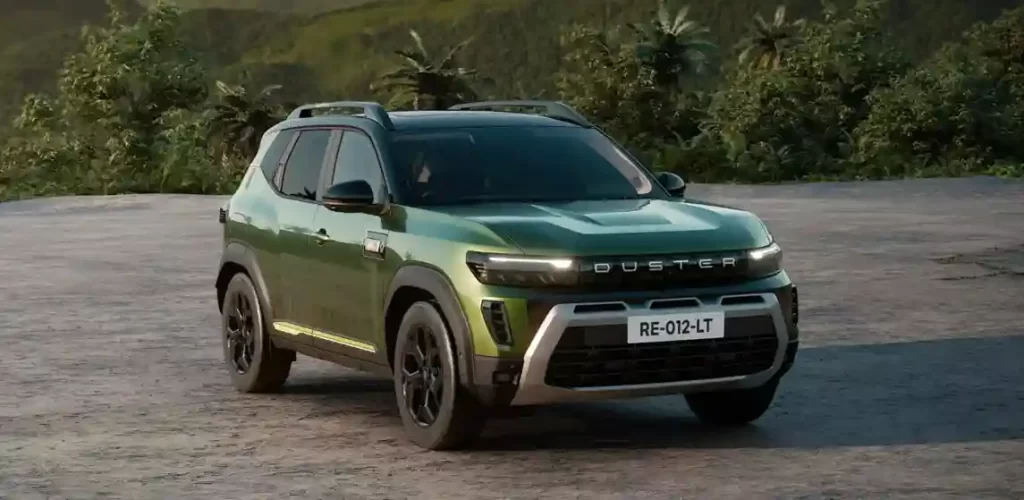
IntroductionFew vehicles have left as lasting an impact on the Indian automobile market as the Renault Duster. When it arrived in 2012, the SUV changed consumer perception by offering rugged styling, excellent ride quality and genuine SUV capability at a time when the segment was still in its infancy. Long before the Hyundai Creta, Kia Seltos or Maruti Grand Vitara became household names, the Duster had established itself as the benchmark for affordable urban SUVs.However, increasing competition, evolving customer expectations and stricter emission norms gradually pushed the Duster out of the Indian market. Renault discontinued the model in 2022, leaving behind a loyal customer base that had long hoped for its return.Now, after several years, Renault has brought back the Duster in an entirely new avatar. The 2026 Renault Duster is not a facelift or a cosmetic update—it is a completely redesigned SUV developed on a new platform with modern styling, advanced technology, improved safety features and new powertrain options. More importantly, the new Duster represents Renault’s renewed strategy to strengthen its position in one of the world’s most competitive automobile markets.The Legacy of the Duster in IndiaThe original Renault Duster played a defining role in shaping India’s SUV market. At a time when buyers were largely choosing sedans and hatchbacks, the Duster introduced the idea of a practical monocoque SUV that combined comfort with capability.Its high ground clearance, durable suspension setup and reliable diesel engine made it equally suitable for city roads, highways and rough rural terrain. It appealed not only to urban buyers but also to customers looking for a vehicle that could comfortably handle India’s diverse road conditions.Although newer rivals gradually introduced more premium interiors and connected technologies, the Duster continued to enjoy a strong reputation for its driving dynamics and durability. Even after production ended, the SUV retained a loyal following, making its comeback one of the most anticipated launches in recent years.A Completely New Design LanguageThe 2026 Duster has undergone a complete transformation in terms of design while retaining the rugged personality that made it popular.Built on the Renault-Nissan Alliance’s latest CMF-B platform, the SUV features a sharper and more muscular exterior. The front fascia is dominated by a larger grille carrying Renault’s updated logo, flanked by distinctive Y-shaped LED daytime running lights and sleek LED headlamps.The squared wheel arches, pronounced body cladding, sculpted bonnet and silver skid plates reinforce the SUV’s robust appearance. Unlike many crossovers that prioritise style over functionality, the Duster continues to project itself as a practical SUV designed for varied driving conditions.At the rear, the SUV receives redesigned LED tail lamps, a revised bumper and a cleaner tailgate design that gives it a more premium and contemporary look.The increased dimensions also contribute to a stronger road presence while improving cabin space.Interior Receives the Biggest UpgradeIf the previous-generation Duster was often criticised for one aspect, it was the cabin. Renault has addressed that criticism comprehensively in the new model.The dashboard has been completely redesigned with a more driver-focused layout and significantly improved material quality. Soft-touch surfaces, better fit and finish and a cleaner dashboard design give the cabin a more premium feel.At the centre sits a large floating touchscreen infotainment system, while a fully digital instrument cluster replaces the analogue gauges of the outgoing model.The new Duster also introduces several premium features that were absent in the earlier version. Depending on the variant, buyers can expect wireless Android Auto and Apple CarPlay, wireless phone charging, automatic climate control, a panoramic sunroof, connected car technology, ambient lighting, ventilated front seats and electrically adjustable seats.Rear seat comfort has also improved with increased legroom, better cushioning and enhanced practicality through additional storage spaces.Engine Options and PerformanceRenault has expanded the Duster’s powertrain lineup to cater to a wider range of customers.Globally, the SUV is available with multiple petrol and hybrid engine options, and similar powertrains are expected for the Indian market.The entry-level model is likely to feature a 1.0-litre turbocharged petrol engine designed for everyday city driving while delivering improved fuel efficiency.For buyers seeking stronger performance, Renault is expected to offer a more powerful 1.3-litre turbo-petrol engine paired with manual and automatic transmission options. This engine is expected to provide quicker acceleration and better highway performance.One of the biggest additions to the new-generation Duster is the introduction of a strong hybrid powertrain in global markets. Combining a petrol engine with electric motors, the hybrid system is expected to improve fuel economy while reducing emissions. Industry experts believe Renault may introduce the hybrid version in India at a later stage, depending on market demand.Ride Quality Continues to Be the Duster’s Biggest StrengthOne area where the Duster consistently outperformed many rivals was ride comfort, and Renault appears determined to preserve that advantage.The SUV continues to feature a suspension setup designed to absorb rough roads with ease while maintaining stability at highway speeds. Combined with generous ground clearance, the Duster remains well suited for Indian road conditions, including broken roads and occasional off-road trails.The new platform also promises improved structural rigidity, resulting in better handling, reduced cabin noise and enhanced overall driving dynamics.For buyers who prioritise driving comfort over flashy features, this remains one of the Duster’s strongest selling points.Safety Gets a Major BoostSafety has become one of the biggest differentiators in today’s SUV market, and Renault has significantly upgraded the Duster in this area.The SUV is expected to offer six airbags, Electronic Stability Program (ESP), traction control, hill start assist, hill descent control, tyre pressure monitoring system, electronic parking brake and a 360-degree camera.The biggest highlight, however, is the introduction of Advanced Driver Assistance Systems (ADAS) in higher variants. These include features such as adaptive cruise control, autonomous emergency braking, lane departure warning, lane keep assist, traffic sign recognition and driver attention monitoring.These technologies place the new Duster alongside several premium SUVs that have already introduced ADAS features in India.Technology and Connected FeaturesThe 2026 Duster reflects changing customer expectations by offering a significantly more connected driving experience.The infotainment system supports smartphone connectivity, voice commands, navigation and
Mahindra XUV 3XO EV Launch: Affordable Electric SUV for Indian Roads
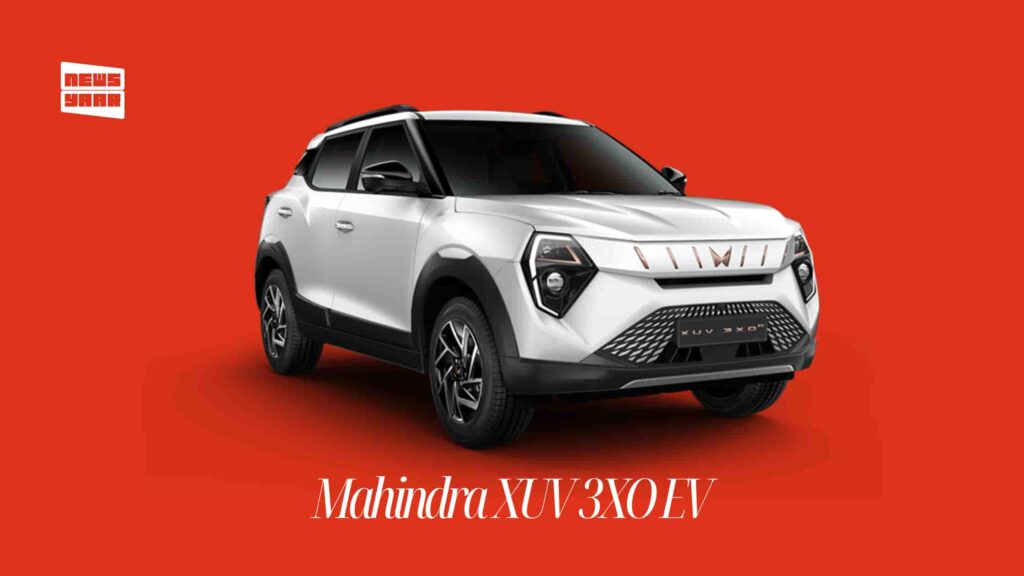
Mahindra & Mahindra has expanded its electric vehicle portfolio with the launch of the Mahindra XUV 3XO EV in India, underlining its strategic push into electrified mobility. The electric variant of the popular sub-compact SUV was unveiled with prices starting at ₹13.89 lakh (ex-showroom) for the base AX5 variant, while the top-end AX7L is priced at around ₹14.96 lakh, positioning it as one of the most accessible electric SUVs in the Indian market. Powertrain, Performance, and RangePowered by a 39.4 kWh battery pack paired with a single electric motor, the XUV 3XO EV produces 110 kW of power and 310 Nm of torque, enabling brisk performance and responsiveness tailored for everyday driving. The SUV delivers a claimed real-world range of up to 285 km on a single charge, making it suitable for urban and peri-urban commutes.Mahindra rates the electric SUV’s 0–100 km/h sprint at around 8.3 seconds, a performance figure that rivals or surpasses many competitors in the segment. Quick DC fast-charging capability allows the battery to be charged from 0 to 80% in around 50 minutes using a 50 kW charger.Features, Safety, and ConnectivityThe XUV 3XO EV arrives with a strong feature set that includes Level 2 Advanced Driver Assistance Systems (ADAS) in the top variant, offering adaptive cruise control, lane assist, forward collision warning, and autonomous emergency braking, enhancing both safety and convenience.Interior features include a panoramic sunroof, dual-zone automatic climate control, and premium infotainment with Harman Kardon audio systems in higher trims. Mahindra’s Adrenox connected tech provides over 80 connected car features, including built-in Alexa support, remote vehicle control, and onboard navigation.Additional comfort amenities include passive keyless entry, electronic parking brake, wireless Android Auto and Apple CarPlay, and a 360-degree surround-view camera, making the 3XO EV a compelling package for urban families and EV adopters. Market Impact: The Final Review The launch of the XUV 3XO EV builds on the success of the ICE XUV 3XO lineup, which has sold nearly 1.8 lakh units since its debut. With deliveries slated to begin from February 23, 2026, Mahindra is betting that the combination of value pricing, daily usability, and advanced tech will attract first-time EV buyers and strengthen its foothold in India’s electrifying automotive landscape.With rapid growth in EV adoption driven by government incentives and expanding charging infrastructure, the XUV 3XO EV is poised to be a key contender in the mass-market electric SUV segment, challenging rivals like the Tata Nexon EV and MG Windsor EV.Video credit: Mahindra
Mahindra XUV 7XO Debut Launch: What do we know?
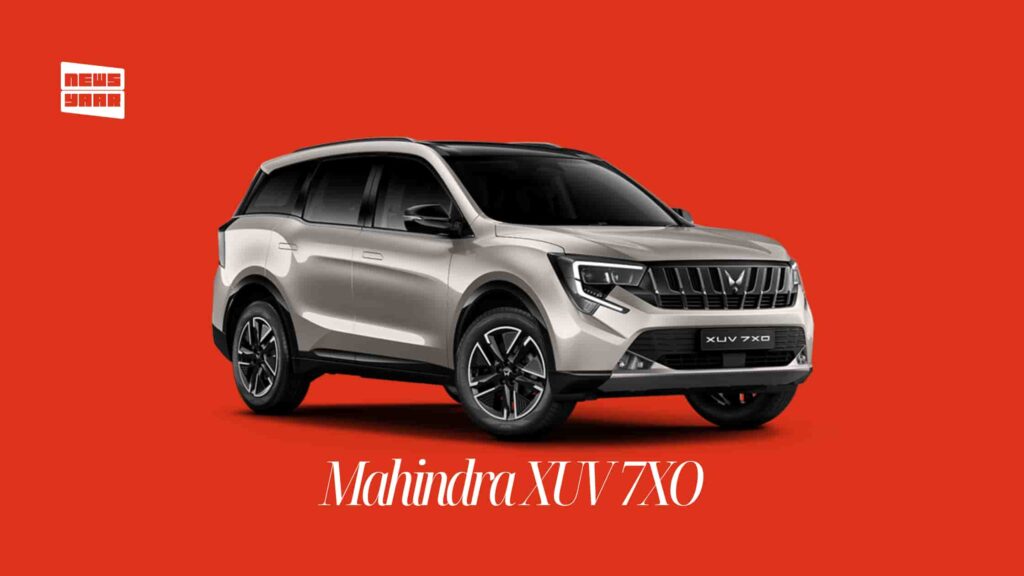
Mahindra & Mahindra has officially launched the Mahindra XUV 7XO in India, marking a significant update to its popular mid-size SUV lineup. Positioned as the modern successor to the long-running XUV700 nameplate, the new 7XO blends refreshed design, advanced technology, and enhanced comfort to meet growing customer expectations in the highly competitive SUV segment.Priced from around ₹13.66 lakh (ex-showroom), the XUV 7XO aims to deliver premium SUV experiences at an accessible price point. Early bookings opened recently, with select high-end variants scheduled to begin deliveries in mid-January 2026 and others expected in the first quarter of the year.Design, Comfort, and Premium FeaturesOne of the most noticeable upgrades in the XUV 7XO is its triple-screen cabin layout, which includes separate displays for the driver, central infotainment, and front passenger. This bold interior move signals Mahindra’s push toward a more connected and tech-rich environment, rivaling offerings in both compact and mid-size segments.The SUV also boasts several premium creature comforts, such as ventilated seats, a panoramic sunroof, wireless charging, and a 16-speaker Harman Kardon audio system with immersive sound. Exterior enhancements include modern LED lighting, refreshed grille styling, and connected taillights that give the 7XO a more contemporary and assertive road presence. Performance and SafetyUnder the hood, the XUV 7XO continues with proven engine options, including a 2.0-litre turbo petrol unit (around 200 hp) and a 2.2-litre diesel engine (about 185 hp). Both engines are offered with manual and automatic options, while the diesel variant can be had with all-wheel drive, a feature appreciated by SUV buyers seeking versatility.Safety features have also been elevated, with Level 2 Advanced Driver Assistance Systems (ADAS), including lane-keeping assist and adaptive cruise control, as standard or optional depending on the variant. The inclusion of a 540-degree camera system enhances parking and off-road confidence, while a 5-star safety rating reinforces Mahindra’s commitment to occupant protection. Market Position and OutlookWith the launch of the XUV 7XO, Mahindra is doubling down on its SUV leadership in India, blending affordability with premium technology and comfort. The new SUV looks set to rival key competitors such as the Tata Safari, MG Hector, and Hyundai Alcazar, especially among buyers seeking a value-driven yet feature-packed package.In essence, the 7XO represents a major step for Mahindra’s mid-size SUV strategy, modernising one of its best-selling models to meet evolving customer expectations in the fast-growing SUV market.Video credit: Mahindra
Tata Sierra 2025: Retro nameplate meets modern SUV
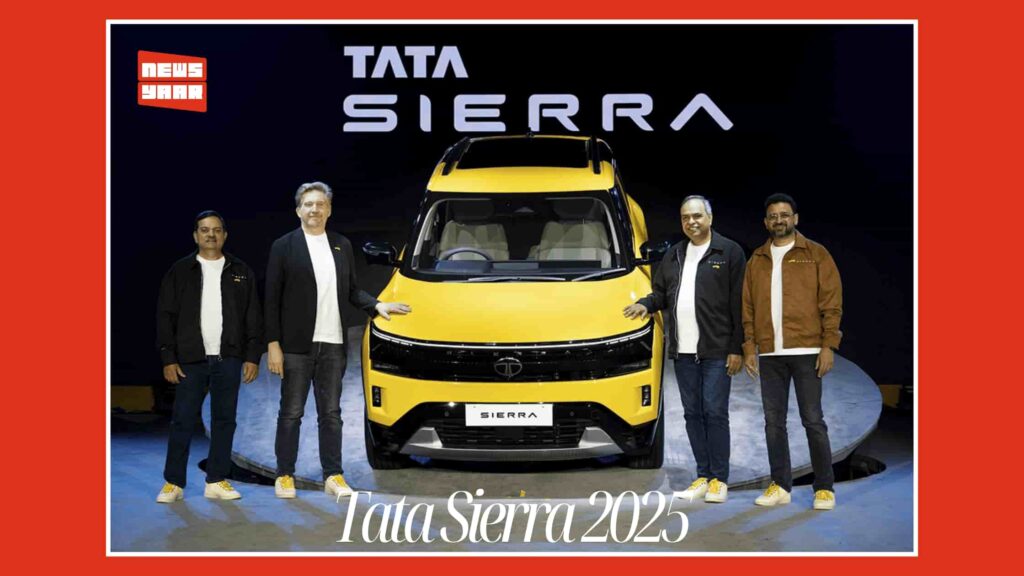
The 2025 edition of Tata Sierra brings back a legendary name from the 1990s, but this time, in a thoroughly modern, feature‑packed avatar aimed at India’s mid‑size SUV crowd.Launched at a starting ex‑showroom price of ₹ 11.49 lakh for the base variant, the new Sierra marks a strong comeback for the brand, as it attempts to re-establish itself in the SUV space. Design & Exterior: Classic feel with modern touchesTata has retained some of the classic SUV cues that made the original Sierra popular: a robust, boxy silhouette, upright stance, and an overall rugged appeal. But to match 2025 sensibilities, the new Sierra brings modern touches: full‑LED lighting, flush door handles, black cladding, sleek 19‑inch alloy wheels, and a contrasting roof band, giving it a “modern heritage” look.The rear features a clamshell‑style tailgate and full‑width light bar, echoing contemporary SUV styling, while the overall proportions make it useful for both city driving and occasional highway/family trips. Interior & Cabin FeaturesOn the inside, Sierra aims high.Its cabin adapts what Tata calls the “Life Space” philosophy, with spacious dimensions, ample headroom, legroom, shoulder room, a flat floor, and smart packaging for both comfort and convenience.The interior layout is premium: a triple‑screen setup with instrument cluster, infotainment and passenger screen, soft‑touch materials, ambient lighting, and a large panoramic sunroof. Ventilated & power‑adjustable seats, rear AC vents, sun‑shades, adjustable headrests and a reclinable rear bench are expected to appeal well to families.For infotainment and convenience: wireless Apple/Android connectivity, wireless charging / USB‑C fast charging ports, 12‑speaker JBL sound system, and multiple storage/grab‑hold points make it practical for long drives or vacations.Powertrains & Performance: Balanced choicesAt launch, Sierra offers multiple ICE engine options, including a turbo‑petrol engine delivering healthy power & torque, and a 1.5‑litre diesel for efficiency‑focused buyers. Transmission and drive options include both manual and automatic variants, enabling flexibility depending on buyer preferences. The SUV’s chassis and suspension setup make it suitable for both city commuting and occasional rough-road / long-distance use.What It Means For buyers & for the marketFor many Indian buyers, the new Sierra offers a compelling blend: classic‑SUV DNA and modern comfort, technology and practicality, at a competitive price point. For families seeking a comfortable mid‑size SUV that isn’t too heavy on the wallet yet doesn’t compromise on features, the Sierra becomes a very attractive option.At a time when competition in the mid‑size SUV segment is heating up, Sierra’s arrival challenges popular models, giving buyers another strong, value‑for‑money alternative.Furthermore, with Tata hinting at a future EV version of Sierra (likely in FY 2026), the SUV may double down on relevance as India slowly pivots toward electrification, offering both ICE convenience now and EV readiness later.Video credit: Tata MotorsVideo credit: Tata MotorsVideo credit: Tata Motors