


Prawaas 5.0: How India’s Largest Passenger Mobility Platform Is Shaping the Future of Public Transport
India’s passenger transport sector is undergoing one of its biggest transformations in decades. Rapid urbanisation, growing demand for efficient public transport, the push towards electric mobility, and the government’s vision of developing world-class infrastructure have collectively accelerated the need for smarter and more sustainable mobility solutions. At the same time, policymakers, vehicle manufacturers, technology companies and transport operators are increasingly working together to modernise a sector that serves millions of people every day.Against this backdrop, Prawaas 5.0 emerged as one of the country’s most significant industry events dedicated to passenger mobility. Organised by the Bus and Car Operators Confederation of India (BOCI), the fifth edition of the event was held from 9 to 11 July 2026 at the Helipad Exhibition Centre (HEC) in Gandhinagar, Gujarat under the theme “Towards Safe, Smart & Sustainable Public Transport.” More than an exhibition, Prawaas 5.0 functioned as a national platform where governments, transport authorities, manufacturers, startups, investors and fleet operators came together to discuss the future of passenger mobility in India. The event reflected the country’s broader ambition of building an integrated, technology-driven and environmentally sustainable transport ecosystem in line with the vision of Viksit Bharat. What is Prawaas?Prawaas is India’s flagship multimodal passenger transport platform that focuses on improving public mobility through collaboration between the public and private sectors. Since its inception, the event has brought together stakeholders from across the transport ecosystem to discuss policy reforms, showcase new technologies and encourage investment in modern transport infrastructure.Unlike conventional automobile exhibitions that primarily focus on launching new vehicles, Prawaas examines the entire passenger transport ecosystem. Discussions extend beyond buses and commercial vehicles to include metro connectivity, electric mobility, school transport, tourist vehicles, taxis, fleet management, digital technologies, financing models, road safety and last-mile connectivity.The event is organised by the Bus and Car Operators Confederation of India (BOCI), the apex body representing private passenger transport operators across the country. Over the years, Prawaas has evolved into an important industry platform where transport policies, operational challenges and emerging technologies are discussed under one roof. Prawaas 5.0: The Largest Edition So FarThe fifth edition marked the biggest Prawaas event organised so far.Held over three days in Gandhinagar, the event attracted more than 20,000 registered participants from 31 States and Union Territories as well as 11 countries, making it one of India’s largest gatherings dedicated exclusively to passenger transport and mobility. Participants included government officials, State Transport Undertakings (STUs), private bus operators, automobile manufacturers, technology companies, startups, financiers, consultants and international mobility experts. The event was inaugurated by Union Minister for Road Transport and Highways Nitin Gadkari, whose presence highlighted the growing importance of public transport in India’s infrastructure and economic development agenda. Several ministers, policymakers and industry leaders also participated in panel discussions and policy sessions during the conference. Why Passenger Mobility MattersPassenger transport is one of the most critical components of India’s economy.Every day, millions of people depend on buses, taxis, metro systems and shared mobility services to travel for work, education, healthcare and business. As cities continue to expand and urban populations increase, the demand for reliable, affordable and environmentally sustainable public transport is expected to grow significantly.Road transport continues to carry the majority of passenger traffic in India, making improvements in fleet quality, safety standards, digital ticketing, operational efficiency and clean mobility essential for future growth.Prawaas 5.0 was organised with this larger objective in mind—to encourage collaboration that can improve accessibility, reduce congestion, enhance passenger safety and support India’s transition towards cleaner modes of transport. Focus on Safe, Smart and Sustainable TransportThe central theme of Prawaas 5.0 was “Towards Safe, Smart & Sustainable Public Transport.”Safety remained one of the most important discussion areas. Experts examined measures to improve vehicle safety standards, strengthen driver training, modernise fleet management systems and reduce road accidents through better technology and regulatory reforms.The event also focused on “smart” mobility, highlighting the growing role of digital technologies such as GPS-enabled fleet management, intelligent transport systems, AI-based route optimisation, digital ticketing platforms and data-driven transport planning.Sustainability formed the third pillar of the discussions. Sessions explored the transition towards electric buses, cleaner fuels, reduced emissions and environmentally responsible transport systems that support India’s climate goals. Key Themes Discussed During the ConferenceThe conference programme covered a wide range of issues that are shaping the future of passenger transport in India.Panel discussions examined policy reforms required to accelerate bus transport and electric mobility while addressing challenges such as financing, insurance frameworks and regulatory approvals.Dedicated sessions focused on the electrification of school buses, the shortage of buses across Indian cities, strategies for achieving net-zero transport goals and the role of startups in developing innovative mobility solutions.Other discussions explored toll policies, driver skill development, fleet digitisation, tourism mobility, connected transport systems and the future of electric vehicles in India’s passenger transport sector. Industry experts also debated how technology, investment and policy can work together to modernise public transport infrastructure across the country. Electric Mobility Takes Centre StageElectric mobility was among the dominant themes throughout the event.India has been steadily increasing the adoption of electric buses and other zero-emission vehicles through initiatives such as the PM e-Drive Scheme and state-level EV policies. Prawaas 5.0 provided a platform for manufacturers to showcase electric buses, charging technologies, battery innovations and digital fleet management solutions.Industry leaders discussed the opportunities and challenges associated with electrifying commercial passenger transport, including charging infrastructure, financing models, battery technology, operational costs and policy incentives.The event reflected the growing consensus that electric mobility will play a major role in reducing urban pollution while lowering operating costs for transport operators over the long term. Platform for Startups and InnovationPrawaas 5.0 also highlighted the increasing role of startups in transforming passenger mobility.Emerging companies presented solutions related to fleet management, mobility software, passenger safety, artificial intelligence, route optimisation, predictive maintenance and smart ticketing systems.Dedicated startup sessions enabled entrepreneurs to interact with transport operators, investors and policymakers, creating opportunities for partnerships and commercial deployment of innovative technologies.The inclusion of startups demonstrated that India’s transport sector is no longer driven solely by vehicle manufacturers but increasingly by software, digital
India Energy Week 2026: Mapping India’s Energy Transition in a Fragmented World
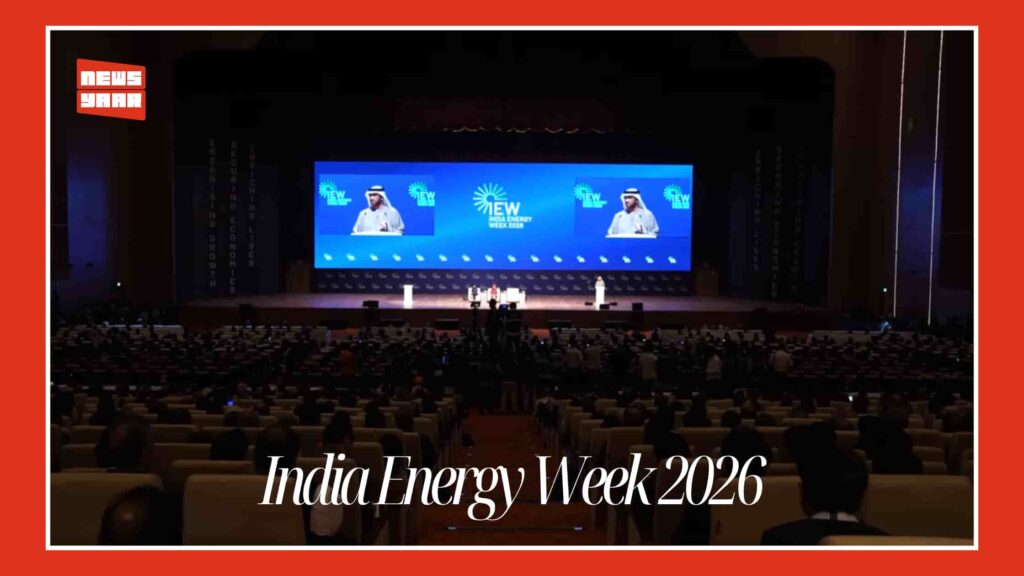
New Delhi: India Energy Week (IEW) 2026 emerged as a pivotal platform for India to articulate its energy priorities at a time when global energy systems are undergoing rapid transition amid geopolitical uncertainty, climate imperatives and shifting technology landscapes. Bringing together policymakers, industry leaders, innovators and global stakeholders, the event reinforced India’s ambition to position itself as a key driver of the global energy transition while safeguarding energy security and affordability.Held with a sharp focus on collaboration and execution, India Energy Week 2026 underscored the idea that India’s energy journey will be defined not by a single fuel or technology, but by a balanced, multi-pathway approach.Why India Energy Week MattersIndia Energy Week is designed as India’s flagship international energy forum, aimed at bridging dialogue between government, global energy companies, clean-tech innovators and investors. As one of the world’s fastest-growing energy consumers, India sits at the centre of global energy conversations, both as a market and as a solutions provider.With India targeting net-zero emissions by 2070, while simultaneously meeting the needs of a growing population and industrial base, the event plays a crucial role in aligning policy intent with industry execution. IEW 2026 continued this mandate by spotlighting policy clarity, investment opportunities and technological pathways across conventional and clean energy sectors.Central Themes and Focus AreasIndia Energy Week 2026 revolved around a few clear pillars:Energy Security in an Uncertain World: Discussions highlighted the need for diversified supply chains, domestic production and strategic reserves to shield economies from global disruptions.Accelerating the Clean Energy Transition: Renewable energy, green hydrogen, biofuels and energy storage were central to conversations, with India positioning itself as a scalable clean-energy hub rather than just a consumer of imported technologies.Technology, Innovation and Digitalisation: Artificial intelligence, smart grids and digital monitoring systems were presented as key enablers for improving efficiency, reducing losses and optimising energy distribution.Just and Inclusive Transition: Policymakers stressed that India’s energy shift must remain affordable and inclusive, ensuring that growth, employment and access are not compromised in the pursuit of sustainability.Key Highlights from India Energy Week 2026A major highlight of IEW 2026 was the strong participation from both domestic and global energy players across oil & gas, renewables, power, hydrogen and emerging technologies. The event featured:Policy Dialogues: Senior government representatives outlined India’s evolving energy roadmap, emphasising reforms, infrastructure expansion and investor-friendly frameworks.Investment Conversations: India showcased opportunities across upstream and downstream energy, renewable manufacturing, electric mobility and green hydrogen ecosystems, reinforcing confidence in long-term capital deployment.Hydrogen and Bioenergy Push: India’s ambitions under the National Green Hydrogen Mission were discussed in detail, alongside progress in ethanol blending and bioenergy adoption to reduce import dependence.Energy Transition Showcases: Technology exhibitions and innovation zones demonstrated advancements in storage solutions, clean fuels and digital energy platforms.Global and Domestic Voices on the Same StageIndia Energy Week 2026 featured participation from a wide range of stakeholders, including senior Indian ministers, global energy executives, international organisations and climate experts. The presence of global industry leaders reinforced India’s growing relevance in shaping future energy markets.International delegates engaged in dialogues on climate finance, technology transfer and collaborative innovation, while Indian public sector enterprises and private companies presented transition-ready business models aligned with sustainability goals.Strategic Significance for IndiaThe significance of India Energy Week 2026 lies in its timing and context. As global energy systems face volatility, from supply disruptions to policy shifts, India is positioning itself as a stable, predictable and scalable energy partner.The event highlighted India’s dual strength:Its ability to anchor traditional energy markets responsibly, andIts growing leadership in renewables and low-carbon solutions.By aligning policy, capital and innovation under one platform, IEW 2026 strengthened India’s narrative as a country that is not choosing between growth and sustainability, but integrating both.Looking Ahead: The Final Insights While India Energy Week 2026 focused heavily on ideas, partnerships and vision, the underlying message was clear: execution will define success. The emphasis on infrastructure readiness, regulatory clarity and market depth suggests a shift from aspirational announcements to delivery-oriented outcomes.As India advances towards becoming a $5 trillion economy, energy will remain at the core of its growth story. India Energy Week 2026 reaffirmed that India’s approach, pragmatic, inclusive and forward-looking, could well serve as a blueprint for other emerging economies navigating similar transitions.In a world searching for balanced energy solutions, India is increasingly positioning itself not just as a participant, but as a shaper of the global energy future.
Vibrant Gujarat Global Summit 2026: Rajkot to Host Regional Conference Focusing on Saurashtra–Kutch Growth
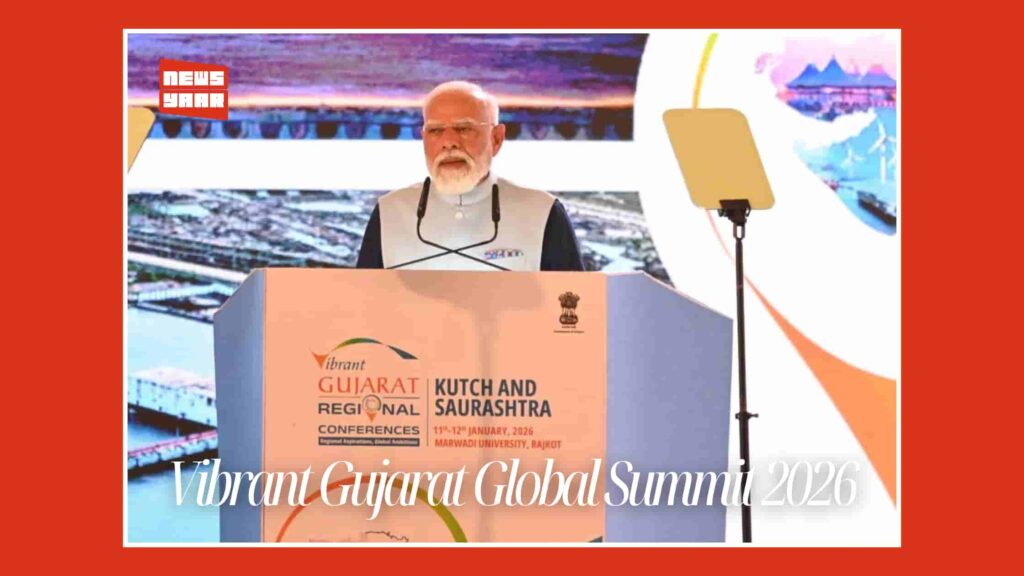
The Vibrant Gujarat initiative, one of India’s most influential investment and policy platforms, will continue its next phase in 2026 through region-specific conferences, with Rajkot hosting the Vibrant Gujarat Regional Conference (VGRC) for the Saurashtra–Kutch region. The move marks a strategic shift towards decentralised economic development, taking the Vibrant Gujarat vision beyond mega summits and closer to regional industry clusters.While the Vibrant Gujarat Global Summit is scheduled to return in 2027, the 2026 regional conferences are designed to strengthen grassroots industrial growth, attract targeted investments and align regional strengths with national development priorities.Dates and VenueEvent: Vibrant Gujarat Regional Conference (Saurashtra–Kutch)Dates: January 11 and 12, 2026Exhibition Duration: January 11 to January 15, 2026Venue: Marwadi University, Rajkot, GujaratRajkot, a major industrial and commercial hub of Saurashtra, has been chosen for its strong presence in engineering goods, auto components, ceramics, MSMEs and export-oriented manufacturing.What Is the Vibrant Gujarat Regional Conference?The Vibrant Gujarat Regional Conference is an extension of the state’s flagship Vibrant Gujarat Global Summit, launched to promote region-specific investment, sector-based policy discussions and local entrepreneurship.Unlike the larger biennial global summit held in Gandhinagar, the regional conferences focus on:District-level industrial strengthsLocal infrastructure and logisticsMSMEs, startups and traditional industriesEmployment generation and skill developmentThe Rajkot edition will specifically address economic opportunities and challenges in Saurashtra and Kutch, two regions with high industrial potential and strategic coastal advantages.Key Focus Areas and SectorsThe 2026 Rajkot conference will focus on both traditional industries and emerging sectors critical to Gujarat’s long-term growth strategy.Core Industry SectorsEngineering and auto componentsCeramics and manufacturing clustersAgro-processing and food industriesPorts, logistics and maritime tradePetrochemicals and mineralsEmerging and Priority SectorsRenewable energy and green manufacturingGreen hydrogen and clean fuel projectsDefence manufacturing and innovationStartups, MSMEs and entrepreneurshipSkill development and employment-linked industriesTourism and cultural economyThe discussions are aligned with India’s long-term development roadmap, including the Viksit Bharat @2047 vision.Key Events and HighlightsThe Vibrant Gujarat Regional Conference 2026 will feature a range of policy, business and networking platforms:Inaugural session and leadership addresses, including participation from senior central and state government leadersSector-specific conferences and panel discussions focusing on investment opportunities, policy reforms and technology adoptionReverse Buyer–Seller Meets, enabling direct interaction between domestic producers and international buyersVibrant Gujarat Regional Exhibition, showcasing industrial innovation, products and services across key sectorsUdyami Mela, aimed at promoting startups, MSMEs, women entrepreneurs and government schemesThe exhibition will run for five days, providing extended engagement opportunities for investors, businesses and the general public.Investment Outlook and Regional ImpactThe Rajkot conference is expected to play a significant role in:Attracting fresh domestic and foreign investmentsStrengthening Gujarat’s manufacturing and export ecosystemPromoting sustainable and green industrial practicesExpanding employment opportunities in Saurashtra and KutchPositioning the region as a multi-sector industrial and logistics hubPrevious regional conferences under the Vibrant Gujarat banner have resulted in substantial investment commitments and long-term industrial planning at the district level.Who Should AttendThe event is relevant for:Indian and global investorsIndustry leaders and exportersStartups and MSMEsPolicy makers and government officialsEntrepreneurs and business associationsProfessionals interested in Gujarat’s industrial and economic roadmapParticipation details and registrations are available through the official Vibrant Gujarat platforms.Why the 2026 Rajkot Conference MattersBy hosting the Vibrant Gujarat Regional Conference in Rajkot, the Gujarat government is reinforcing its approach of balanced regional development, ensuring that growth opportunities extend beyond major urban centres.The 2026 edition positions Saurashtra–Kutch as a critical contributor to Gujarat’s and India’s economic future, combining industrial strength, coastal advantage, innovation and sustainability.Video credit: YT@/NaMo
New Delhi Book Fair 2026: A Literary Celebration Bringing Readers and Writers Together
The Delhi Book Fair once again transformed the national capital into a vibrant hub of literature, ideas, and storytelling. Known as one of India’s most loved literary events, the fair attracted book lovers, authors, publishers, and students from across the country, reaffirming Delhi’s place as a cultural and intellectual centre. Event Details Dates: January 10–18, 2026 (9 days) Venue: Bharat Mandapam (Halls 2–6), Pragati Maidan, New Delhi Timings: 11:00 AM – 8:00 PM daily Entry: Free for all visitors Stepping into the fair felt like entering a world woven from stories, ideas, and imagination. The event showcased an incredible variety of books across genres, from fiction and non-fiction to academic texts, children’s books, self-help, and regional language publications, catering to readers of all ages and interests.An iconic venue, the fair offered a rich mix of books across genres, ranging from fiction, non-fiction, academic texts, children’s literature, self-help, and regional language publications. A Paradise for Book Lovers Walking into the Delhi Book Fair felt like stepping into a world made entirely of stories. Hundreds of stalls showcased books in English, Hindi, and several Indian languages, ensuring there was something for every reader. From bestselling novels and classic literature to competitive exam guides and research material, the fair catered to readers of all ages.Special sections dedicated to children remained a major attraction, with colourful books, comics, and activity corners encouraging young minds to develop a love for reading. Authors, Discussions, and Cultural Exchange Beyond book shopping, the Delhi Book Fair served as a platform for author interactions, panel discussions, and book launches. Renowned writers, emerging voices, and publishers engaged in conversations around literature, education, publishing trends, and the future of reading in a digital age.These sessions provided readers with a chance to connect directly with authors, understand their creative journeys, and gain insights into the evolving literary landscape.In a time when online content dominates, the fair stood as a reminder of the lasting value of printed books and structured learning. Keeping the Reading Culture Alive Despite the rise of e-books and digital platforms, the Delhi Book Fair highlighted that the charm of physical books remains strong. The event brought together people from diverse backgrounds, united by a shared love for reading, learning, and storytelling.Publishers also offered attractive discounts, making books more accessible and encouraging readers to build personal libraries. Delhi Book Fair: More Than Just an Event The Delhi Book Fair is not just about buying books; it is about celebrating ideas, creativity, and knowledge. It continues to inspire curiosity, promote literacy, and strengthen India’s reading culture.As the fair concludes, it leaves behind shelves full of new books and minds filled with fresh perspectives, proving once again that stories still matter, and always will.