


Nissan Tekton Launch: A Premium New Chapter for Nissan in India
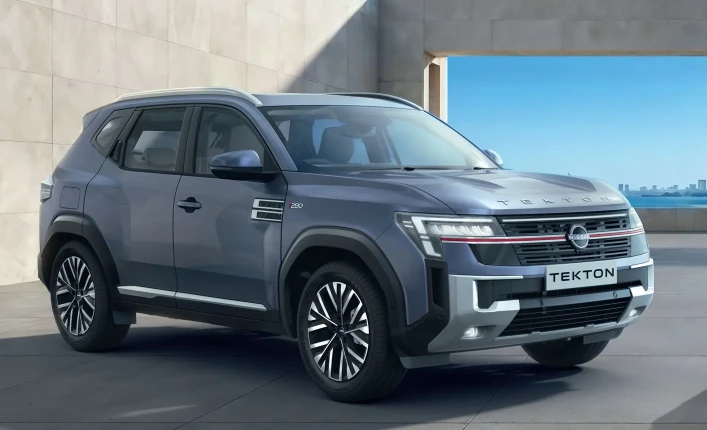
The launch of the all-new Nissan Tekton marks one of the most important product moments in Nissan’s India strategy in years, because it is not just another midsize SUV entering a crowded market, but a carefully positioned global model designed to strengthen Nissan’s presence in India while also serving export markets across the Middle East and Africa. Built in India, developed in partnership with Renault, and shaped around customer insight, the Tekton reflects Nissan’s effort to reassert itself in one of the world’s most competitive SUV segments with a product that feels modern, ambitious, and commercially strategic.What makes Tekton especially significant is the way it connects design, technology, manufacturing, and business strategy. Nissan is not presenting it as a standalone car; it is presenting it as a symbol of its “One Car, One World” philosophy and a key proof point in its broader resurgence in India.A World Premiere with Wider MeaningNissan unveiled the Tekton at its world premiere in India on 9 July 2026, with introductory pricing starting at ₹10.49 lakh for the T160 range and ₹14.99 lakh for the T280 range. The company positioned the launch as a major milestone in its transformation journey, emphasizing that India is now central not only to Nissan’s domestic ambitions but also to its global product and manufacturing strategy.That framing matters because it signals a shift in how global automakers view India. Rather than treating the market only as a sales destination, Nissan is increasingly treating India as a development base, a manufacturing hub, and an export platform capable of supplying multiple international markets.Why Tekton Matters for NissanTekton arrives at a time when Nissan is trying to sharpen its market focus and rebuild momentum through an SUV-led portfolio. The company has described the model as a clear expression of transformation with purpose, combining a more competitive lineup with strategic partnerships and stronger local relevance.This is important in India because the midsize C-SUV segment is one of the toughest battlegrounds in the market, with customers expecting strong design, premium interiors, advanced infotainment, safety, fuel efficiency, and real-world practicality. In that environment, a brand must offer something more than badge value; it must deliver a convincing product story, and Tekton is Nissan’s answer to that challenge.Design Inspired by PatrolOne of Tekton’s biggest talking points is its design language, which draws inspiration from the legendary Nissan Patrol. That influence gives the SUV a more upright, muscular, and premium stance, with bold proportions, a sculpted bonnet, C-shaped lighting signatures, a large grille, and prominent SUV detailing that aims to make the car feel more distinctive on the road.The design is not just about looking aggressive. It is about creating what Nissan calls an unmistakable presence, one that combines refinement with toughness. Features such as the flush roof rails, chrome grille treatment, signature LED lighting, and strong rear-end styling are intended to give Tekton a premium identity without losing the practicality expected from a family SUV.Built for Everyday UseTekton’s appeal is not limited to styling. Nissan has designed the cabin to feel more premium and more usable, with a tri-tone interior, soft-touch materials, leatherette finishes, and ergonomic controls that place the driver at the center of the experience. The model also offers a panoramic sunroof, ventilated front seats, dual-zone climate control, extensive storage, and a large boot capacity of up to 700 litres, which gives it a strong everyday usability advantage.That combination is important because Indian SUV buyers often want two things at once: a vehicle that feels aspirational and one that works well for real family life. Tekton is clearly trying to satisfy both, offering enough sophistication to feel premium while remaining practical enough for daily use, highway trips, and urban commuting. Performance and PowertrainOne of the most notable aspects of the Tekton launch is that Nissan is offering a 100 percent turbocharged engine lineup. The SUV comes with a 1.0-litre turbo petrol and a more powerful 1.3-litre turbo petrol that delivers up to 163 PS and 280 Nm of torque, paired with either a manual gearbox or a six-speed wet clutch DCT depending on the variant.That powertrain strategy gives Tekton a stronger performance identity than many of its rivals. The 1.3-litre engine in particular is meant to add a more confident, refined, and responsive driving character, while the smaller turbo option helps keep the entry point accessible for buyers who want the SUV’s design and technology without moving into the top end of the range. Connectivity and TechTekton’s technology package is one of its strongest selling points. The SUV features Google built-in, including Google Maps, Google Assistant, and Google Play, along with a dual-screen digital setup that combines infotainment and driver information in a more intuitive format. Nissan says the system supports more than 200 apps and is designed to make navigation, entertainment, and vehicle interaction smoother and more natural.This matters because modern SUV buyers increasingly judge a car by how smart it feels in everyday use. Voice commands, live navigation, connected services, and integrated app ecosystems are no longer luxury extras; they are part of the core ownership experience, and Nissan is clearly trying to position Tekton as a tech-forward product rather than just a mechanical one.Safety as a Core MessageSafety has been emphasized as a central pillar of the Tekton proposition. The SUV features six airbags as standard, a reinforced monocoque body shell with a high proportion of high-strength steel, and a broad suite of advanced driver assistance systems, including Adaptive Cruise Control, Autonomous Emergency Braking, Lane Keep Assist, Blind Spot Warning, Forward Collision Warning, and Driver Attention Alert.That gives Tekton a more complete safety story than many rivals in its class. In a market where buyers increasingly compare not just convenience but crash protection and driver assistance, Nissan is making it clear that the car is intended to compete on safety as well as styling and performance.Made in India, Sold to the WorldTekton is manufactured at Nissan’s Chennai plant and developed in partnership with Renault, which reinforces India’s role as a strategic base for
Maruti Suzuki New Brezza: How India’s Best-Selling Compact SUV Has Evolved
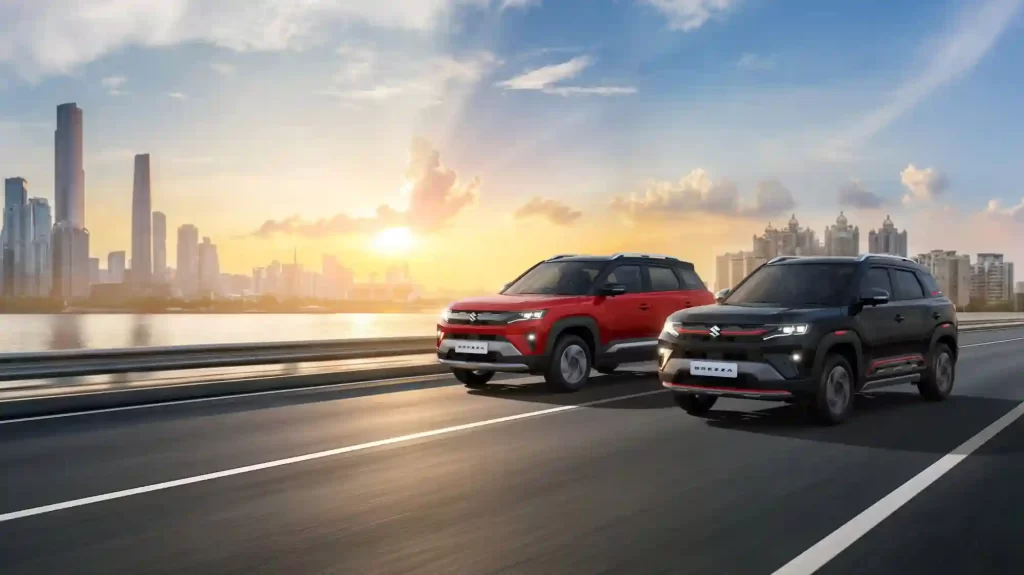
The compact SUV segment has emerged as one of the fastest-growing categories in the Indian passenger vehicle market over the past decade. Combining the practicality of a hatchback with the styling and road presence of an SUV, compact SUVs have become the preferred choice for a wide range of buyers, from first-time car owners to families upgrading from smaller vehicles. This intense competition has prompted manufacturers to continuously update their offerings with improved technology, stronger safety features and more efficient powertrains.Among the most successful vehicles in this segment is the Maruti Suzuki Brezza. Since its debut in 2016, the Brezza has consistently ranked among India’s highest-selling compact SUVs, with cumulative domestic sales crossing 1.4 million units. Over the years, it has built a reputation for reliability, fuel efficiency, low maintenance costs and strong resale value.In July 2026, Maruti Suzuki introduced the New Brezza, bringing one of the most comprehensive updates to the model since its launch. The refreshed SUV features design revisions, enhanced technology, expanded safety equipment and new powertrain options while retaining the qualities that have made the Brezza one of the company’s most important products.The Brezza’s JourneyThe Brezza entered the Indian market in 2016 at a time when demand for compact SUVs was beginning to rise rapidly. It quickly established itself as a strong contender by offering SUV styling in a sub-four-metre package, making it eligible for favourable taxation while remaining practical for urban driving.Initially available with a diesel engine, the Brezza later transitioned to petrol powertrains as the Indian market shifted away from small diesel vehicles. Maruti Suzuki also introduced factory-fitted CNG variants, responding to growing demand for cleaner and more economical fuel options.Over the years, the Brezza has become one of Maruti Suzuki’s flagship SUVs and a key contributor to the company’s expanding utility vehicle portfolio. According to Maruti Suzuki, the model has earned the trust of more than 1.4 million customers in India, making it the country’s highest-selling compact SUV since its introduction.Launch of the New BrezzaThe 2026 New Brezza was launched with a starting ex-showroom price of ₹7.40 lakh, introducing several updates aimed at strengthening its position in the highly competitive compact SUV segment. Maruti Suzuki opened bookings through its Arena dealership network as well as online, with the updated model available in multiple petrol, turbo-petrol and CNG variants.Rather than redesigning the vehicle completely, the company adopted an evolutionary approach by refining its exterior styling, upgrading the cabin, improving safety and expanding the powertrain lineup. This strategy allows Maruti Suzuki to preserve the Brezza’s established identity while addressing changing customer expectations.Exterior DesignThe New Brezza retains its familiar upright SUV proportions but introduces several styling enhancements that give it a more contemporary appearance.The front fascia features a redesigned grille, updated bumper and revised lighting elements that contribute to a bolder road presence. New LED daytime running lamps, refreshed alloy wheel designs and subtle changes to the rear styling further modernise the vehicle without departing significantly from its established design language.The SUV continues to measure under four metres in length, allowing it to remain within India’s compact SUV category while offering practical cabin space and a commanding driving position.Interior and FeaturesInside the cabin, Maruti Suzuki has focused on improving technology and comfort.The New Brezza receives an updated 10.1-inch SmartPlay Pro+ touchscreen infotainment system with wireless smartphone connectivity, voice assistance and connected-car features. Depending on the variant, buyers also get ventilated front seats, wireless charging, ambient lighting, a premium audio system and automatic climate control.The dashboard layout has been refreshed to offer a cleaner and more premium appearance, while improvements in seat materials and cabin finishes enhance overall comfort. Practicality remains one of the Brezza’s strengths, with ample storage spaces and a spacious cabin suitable for both city driving and long-distance travel.New Powertrain OptionsOne of the biggest changes introduced with the New Brezza is the expansion of its engine lineup.The SUV continues to offer the proven 1.5-litre K15C Dual Jet petrol engine, available with manual and automatic transmission options. Alongside this, Maruti Suzuki has introduced a 1.0-litre Boosterjet turbo-petrol engine, paired with a six-speed manual transmission, providing higher performance for buyers seeking a more engaging driving experience.The company has also retained its factory-fitted S-CNG variant, which now uses an underbody-mounted CNG tank. Unlike earlier CNG models where the cylinder occupied much of the luggage compartment, the revised configuration frees up significantly more boot space, improving practicality for everyday use.These multiple powertrain options allow customers to choose between fuel efficiency, performance and lower running costs based on their individual requirements.Safety Takes Centre StageSafety has become an increasingly important purchasing consideration for Indian consumers, and the New Brezza reflects this shift.Before its launch, the updated model received a five-star rating under the Bharat New Car Assessment Programme (Bharat NCAP) for both Adult Occupant Protection and Child Occupant Protection. This makes it one of Maruti Suzuki’s latest vehicles to achieve the highest safety rating under India’s crash-testing programme.The SUV now offers six airbags as standard across all variants, along with Electronic Stability Program (ESP), Hill Hold Assist, front parking sensors, blind-spot warning with lane-change alert, rear cross-traffic alert, emergency stop signal and safe exit warning. Higher variants also include additional driver assistance and convenience technologies.The emphasis on safety reflects the broader transformation of India’s passenger vehicle market, where crash-test performance and active safety technologies have become major factors influencing purchase decisions.Technology and Connected MobilityModern buyers increasingly expect their vehicles to function as connected digital platforms rather than simply modes of transport.The New Brezza addresses this expectation by incorporating connected-car services that allow users to monitor vehicle status, access navigation, receive maintenance alerts and interact with the infotainment system through smartphone integration.Voice-enabled functions, wireless Apple CarPlay and Android Auto, Alexa compatibility on select variants and improved digital interfaces contribute to a more connected driving experience. These additions help the Brezza remain competitive in a segment where technology has become an important differentiator.Competition in the Compact SUV SegmentThe compact SUV segment remains one of the most fiercely contested categories in the
New Tata Punch EV: What Has Changed, How the Battery Options Work, and Why Tata Is Repositioning Its Entry-Level Electric SUV
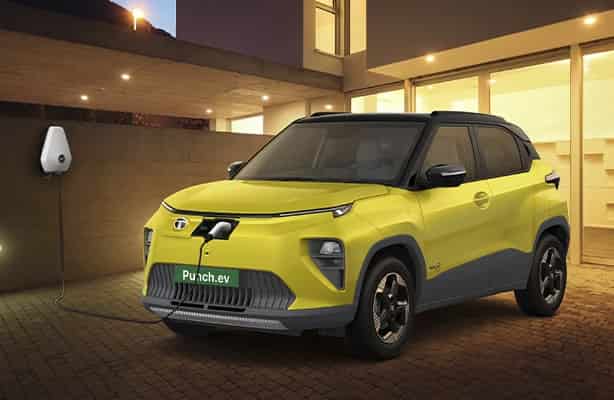
Image: TATA MotorsTata Motors has rolled out an updated version of the Tata Punch EV, strengthening its position in India’s fast-evolving electric vehicle market. The update is not a cosmetic refresh alone; it is part of a broader strategy to make electric mobility more flexible, more affordable at entry, and less intimidating for first-time EV buyers.The Punch EV continues to sit at the entry level of Tata’s electric portfolio, below the Nexon EV, but the latest changes indicate a clear effort to address two persistent concerns among buyers: range anxiety and long-term battery ownership costs.Battery Options Explained: Which Variant Gets WhatA key update in the new Punch EV is the clearer separation of battery options across variants, allowing buyers to choose based on usage rather than paying for excess capacity upfront.The model is offered with two battery pack choices:A smaller battery pack, aimed primarily at city users with predictable daily commutes.A larger battery pack, intended for buyers who want extended real-world range and greater flexibility for longer drives.Each battery option is tied to specific variants rather than being freely configurable. This helps Tata streamline pricing while guiding buyers toward a battery size that realistically matches their needs. The smaller battery is positioned as a practical urban solution, while the larger pack targets customers transitioning fully away from internal combustion vehicles.Range, Performance and Urban FocusWhile Tata continues to quote competitive certified range figures, the company’s emphasis with the Punch EV remains on real-world usability rather than headline numbers. The vehicle is engineered for:Daily city commutesStop-start traffic efficiencyPredictable charging cyclesThe electric motor output and tuning are designed to prioritise smooth acceleration and ease of driving rather than outright performance, aligning with the Punch EV’s role as an everyday compact SUV.Design Updates and Cabin ChangesVisually, the updated Punch EV receives subtle exterior revisions rather than a complete redesign. The front fascia, lighting elements and alloy wheel designs have been refreshed to align with Tata’s newer EV design language, giving the car a slightly more premium and contemporary look without altering its familiar proportions.Inside the cabin, the focus is on technology and ease of use. Updates include:A larger touchscreen infotainment system in higher variantsAn improved digital instrument clusterConnected-car features that allow users to monitor vehicle status remotelyThe cabin layout continues to emphasise space efficiency, upright seating and practicality, which have been strong selling points of the Punch platform.Lifetime Battery Warranty: Addressing Long-Term EV AnxietyOne of the most significant announcements with the new Punch EV is the introduction of a lifetime battery warranty under Tata’s Battery Assurance and Support System (BAAS).This move directly addresses concerns around:Battery degradation over timeReplacement costs after warranty expiryResale value of electric vehiclesBy offering long-term battery coverage, Tata Motors is attempting to reduce psychological barriers for buyers who are hesitant about EV ownership beyond the first few years.Dual Loan Scheme: How It WorksTo further improve affordability, Tata has introduced a dual-loan financing structure. Under this system:One loan covers the vehicle excluding the batteryA second, separate loan is taken for the battery packThis structure lowers the initial loan amount for the car itself and can result in reduced monthly EMIs, especially for buyers opting for the larger battery. It also provides flexibility for future financing and ownership decisions.Market Positioning and CompetitionThe Punch EV operates in a highly competitive and rapidly expanding segment. Tata Motors already leads India’s EV market, and the updated Punch EV is designed to:Attract first-time EV buyersServe as a second car for urban householdsOffer a safer and more robust alternative to smaller city EVsIts closest competition comes from compact electric offerings and upcoming entry-level EVs, but Tata’s advantage lies in its charging ecosystem, brand trust, and after-sales network.Why the Updated Punch EV MattersThe changes to the Punch EV reflect a broader shift in India’s EV market. Buyers are no longer asking only about range; they are asking about ownership clarity, long-term costs, and reliability. By restructuring battery options, offering lifetime warranty coverage and introducing flexible financing, Tata Motors is redefining what an entry-level electric SUV can offer.The Punch EV is no longer positioned merely as the cheapest way into Tata’s EV lineup. Instead, it is being presented as a thoughtfully engineered, long-term urban mobility solution.
Mahindra XUV 3XO EV Launch: Affordable Electric SUV for Indian Roads
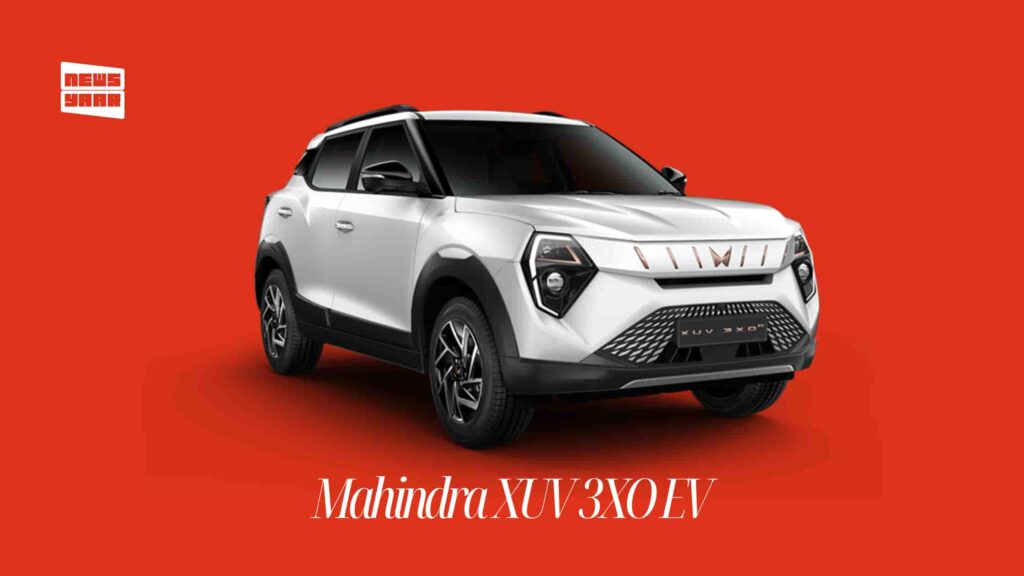
Mahindra & Mahindra has expanded its electric vehicle portfolio with the launch of the Mahindra XUV 3XO EV in India, underlining its strategic push into electrified mobility. The electric variant of the popular sub-compact SUV was unveiled with prices starting at ₹13.89 lakh (ex-showroom) for the base AX5 variant, while the top-end AX7L is priced at around ₹14.96 lakh, positioning it as one of the most accessible electric SUVs in the Indian market. Powertrain, Performance, and RangePowered by a 39.4 kWh battery pack paired with a single electric motor, the XUV 3XO EV produces 110 kW of power and 310 Nm of torque, enabling brisk performance and responsiveness tailored for everyday driving. The SUV delivers a claimed real-world range of up to 285 km on a single charge, making it suitable for urban and peri-urban commutes.Mahindra rates the electric SUV’s 0–100 km/h sprint at around 8.3 seconds, a performance figure that rivals or surpasses many competitors in the segment. Quick DC fast-charging capability allows the battery to be charged from 0 to 80% in around 50 minutes using a 50 kW charger.Features, Safety, and ConnectivityThe XUV 3XO EV arrives with a strong feature set that includes Level 2 Advanced Driver Assistance Systems (ADAS) in the top variant, offering adaptive cruise control, lane assist, forward collision warning, and autonomous emergency braking, enhancing both safety and convenience.Interior features include a panoramic sunroof, dual-zone automatic climate control, and premium infotainment with Harman Kardon audio systems in higher trims. Mahindra’s Adrenox connected tech provides over 80 connected car features, including built-in Alexa support, remote vehicle control, and onboard navigation.Additional comfort amenities include passive keyless entry, electronic parking brake, wireless Android Auto and Apple CarPlay, and a 360-degree surround-view camera, making the 3XO EV a compelling package for urban families and EV adopters. Market Impact: The Final Review The launch of the XUV 3XO EV builds on the success of the ICE XUV 3XO lineup, which has sold nearly 1.8 lakh units since its debut. With deliveries slated to begin from February 23, 2026, Mahindra is betting that the combination of value pricing, daily usability, and advanced tech will attract first-time EV buyers and strengthen its foothold in India’s electrifying automotive landscape.With rapid growth in EV adoption driven by government incentives and expanding charging infrastructure, the XUV 3XO EV is poised to be a key contender in the mass-market electric SUV segment, challenging rivals like the Tata Nexon EV and MG Windsor EV.Video credit: Mahindra
2026 Kia Seltos India Launch: A Reboot for the Compact-SUV Segment
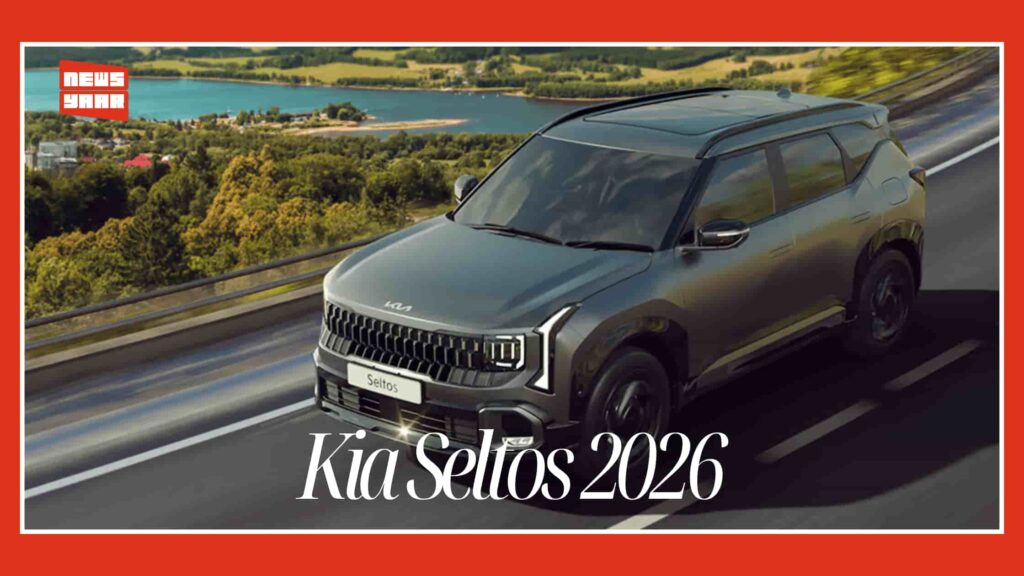
The 2026 model of the Kia Seltos has officially made its debut in India, and it’s not just a mild facelift. Kia has overhauled the design, expanded dimensions, bolstered the cabin with premium features, and updated its powertrain lineup, positioning this second-generation Seltos to take on rivals such as Hyundai Creta, Tata Sierra and Maruti Suzuki Victoris.Exterior & Dimensions: A More Muscular PresenceThe 2026 Seltos grows in nearly all dimensions: it now measures 4,460 mm in length, 1,830 mm in width, with a 2,690 mm wheelbase. This makes it 95 mm longer and 30 mm wider than its predecessor, resulting in a more imposing road presence.Up front, the SUV sports Kia’s new “tiger-nose” grille in high-gloss black with dark gunmetal accents, with squared-off LED headlamps and vertically stacked DRLs. The bumper is more rugged, with black cladding and integrated fog-lamp housings. The side profile gets chunkier wheel arches, new 18-inch alloy wheels, and flush-mounted door handles for a sleeker silhouette. At the rear, an inverted L-shaped LED tail-lamp signature spans the width, and the number plate has been relocated to the bumper for a cleaner tailgate design.Interior & Features: Tech, Comfort and Premium TouchesStep inside, and the 2026 Seltos feels like a different vehicle altogether. The cabin boasts a sweeping digital dashboard: dual 12.3-inch screens for the instrument cluster and infotainment system, along with a dedicated climate control display. Some of the headline features include:Panoramic dual-pane sunroof Ventilated front seats, power-adjustable driver seat with memory, and rear sunshadesWireless Apple CarPlay / Android Auto & wireless charging 360-degree camera, ambient lighting (64 colours), and connected-car capabilities. Also notable is the increased boot space, which now measures 447 litres, while rear-seat legroom and overall cabin space have improved due to the extended wheelbase.Safety, ADAS & Driving Aids: Level-Up for a New EraThe 2026 Seltos introduces significant safety and driver-assist enhancements. Base safety kit includes 6 airbags, all-wheel disc brakes, ABS + EBD, ESC, hill-start assist, ISOFIX anchors, and more. On higher trims, buyers get Level-2 ADAS features including lane-keeping assist, adaptive cruise control, blind-spot monitoring, collision avoidance support, and even a 360-degree camera, a commendable move to bring semi-advanced driving aids to a mid-size SUV in India.Market Positioning and OutlookWith these sweeping changes, the 2026 Kia Seltos emerges not as a mere upgrade, but as a redefined product, one aimed at buyers seeking a more premium, tech-laden, larger SUV packed with convenience and safety.Booking opens from 11 December 2025, but Kia India has announced that official pricing will only be revealed on 2 January 2026. This relaunch comes at a time when competition from rivals like Hyundai Creta is heating up, yet the 2026 Seltos seems well-equipped to reclaim its strong position in the compact-SUV marketVideo credit: Kia IndiaVideo credit: Kia India