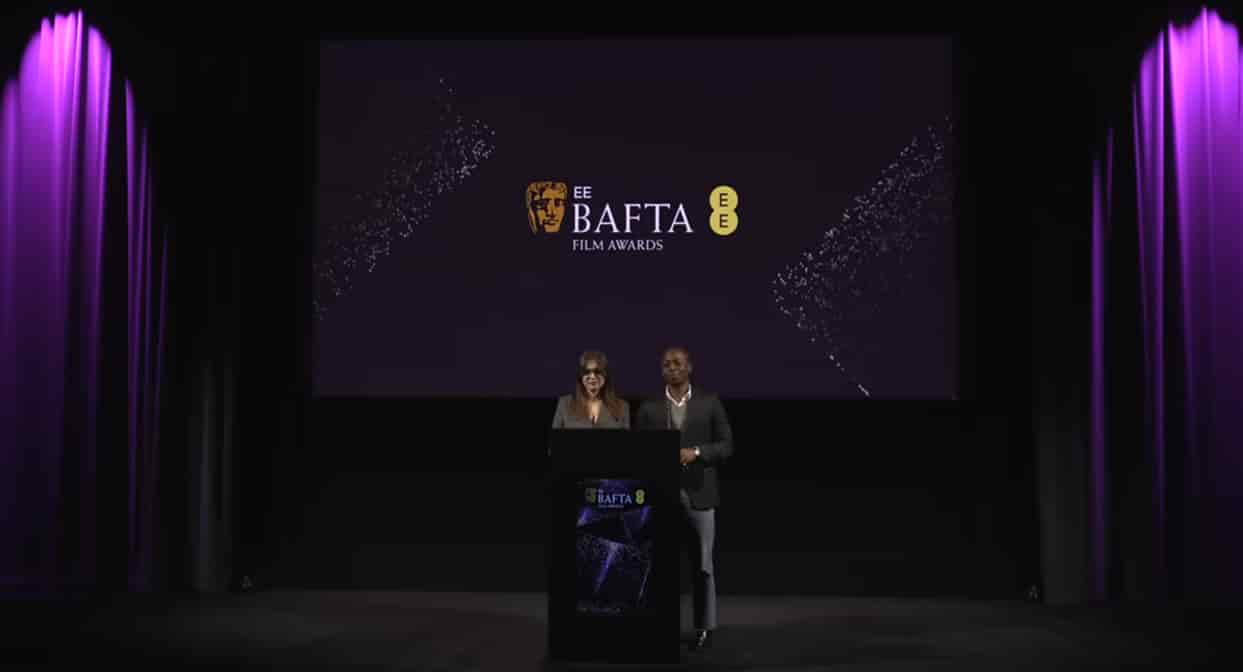
The 2026 edition of the BAFTA Awards, organised by the British Academy of Film and Television Arts, stood out as one of the most closely watched events in the international film calendar. Held in London, the ceremony brought together leading actors, filmmakers, and creators from across the world, recognising excellence in cinema across a wide spectrum of categories.
Over the years, the BAFTA Awards have built a reputation not just as a British honour, but as a global benchmark for cinematic achievement. The 2026 ceremony continued that tradition, reflecting both the scale of mainstream cinema and the depth of independent storytelling.
A Crucial Moment in the Awards Season
The BAFTA Awards have consistently held a significant position in the global awards circuit, often seen as a key indicator ahead of the Academy Awards. As a result, the outcomes of the ceremony were closely analysed by industry experts, critics, and audiences alike.
Films that received recognition at BAFTA often gained momentum in the awards season, influencing both public perception and industry conversations. The 2026 edition was no different, as it highlighted performances and productions that had already generated strong critical buzz.
Films and Performances That Defined the Year
The awards celebrated a diverse mix of films, ranging from large-scale productions to nuanced, character-driven narratives. The Best Film category, along with awards for direction, acting, and screenplay, showcased the evolving nature of storytelling in global cinema.
Actors who delivered layered, emotionally resonant performances were recognised, reflecting a shift toward more grounded and realistic portrayals on screen. At the same time, directors who experimented with form, structure, and narrative style were also acknowledged, indicating a growing acceptance of creative risk-taking within the industry.
The acting categories remained among the most discussed, with winners being chosen not only for their popularity but for the depth and authenticity they brought to their roles.
Recognition Beyond the Mainstream
One of the defining aspects of the 2026 BAFTA Awards was its continued focus on recognising films beyond mainstream commercial success. Independent films and international productions found a place alongside major studio releases, underlining the Academy’s commitment to diverse storytelling.
This broader representation ensured that cinema from different cultures and regions received visibility on a global platform. It also reflected changing audience preferences, where viewers are increasingly engaging with content beyond language and geographical boundaries.
Technical Brilliance and Craftsmanship
While acting and direction often dominate headlines, the BAFTA Awards also placed strong emphasis on the technical aspects of filmmaking. Categories such as cinematography, editing, sound design, production design, and visual effects highlighted the collaborative effort behind every film.
The 2026 ceremony saw recognition for projects that demonstrated innovation in visual storytelling, whether through advanced technology or meticulous attention to detail. These awards reinforced the idea that cinema is as much about craft as it is about performance.
Representation and Industry Shifts
In recent years, the BAFTA Awards have undergone significant changes to improve inclusivity and representation, and the 2026 edition reflected those efforts. The nominations and winners included a wider range of voices, backgrounds, and perspectives, indicating a gradual shift within the industry.
This evolution has been driven by ongoing discussions around diversity, access, and equal opportunity in filmmaking. By recognising talent from varied backgrounds, BAFTA has continued to position itself as an institution that adapts to the changing realities of global cinema.
The Red Carpet and Cultural Impact
Beyond the awards themselves, the BAFTA ceremony remained a major cultural event. The red carpet saw the presence of leading global celebrities, filmmakers, and emerging talent, making it a focal point for fashion, public appearances, and media coverage.
The event generated significant attention across social media platforms, with moments from the ceremony being widely shared and discussed. From acceptance speeches to unexpected wins, the BAFTA Awards once again became a talking point far beyond the film industry.
Influence on Global Cinema
Recognition at the BAFTA Awards often extends beyond the night of the ceremony. Winning or even being nominated can elevate a film’s global reach, increase its audience base, and enhance its critical standing.
For filmmakers, the awards serve as validation of their work, while for audiences, they act as a guide to some of the most impactful films of the year. The 2026 edition continued this trend, shaping conversations around cinema and influencing viewing choices worldwide.
The BAFTA Awards 2026 ultimately reflected a year of cinema that was both expansive and introspective—balancing large productions with intimate storytelling, and tradition with innovation. By bringing together talent from across the world and recognising excellence in all aspects of filmmaking, the ceremony once again reinforced its role as a defining platform in the global film industry.