

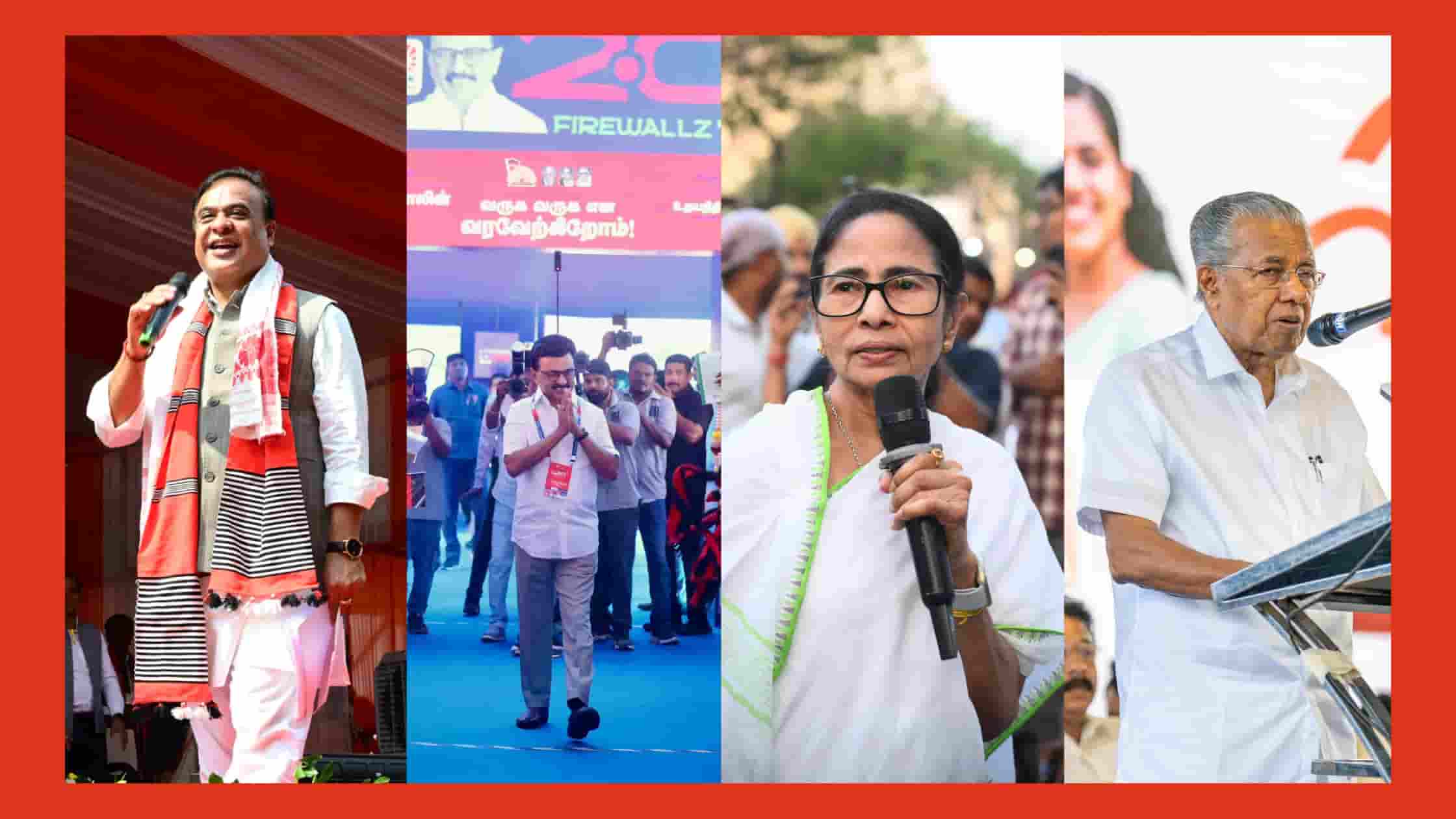
As 2026 unfolds as a major electoral year in India, several state assemblies are set to go to polls, with political parties gearing up for high-profile battles that will shape regional and national political dynamics ahead of the 2029 general elections. The Election Commission of India has already intensified preparations, including voter-roll revisions and finalisation of electoral lists, as competition rises among alliances and regional players.
Key States and Territories Headed to the Polls
Five major state and union territory elections are scheduled in March–April 2026, with official dates expected to be announced by the Election Commission in mid-March. These elections are critical tests for both national and regional parties.
- Assam — All 126 seats of the Legislative Assembly will be contested on completion of the incumbent government’s term.
- Tamil Nadu — Polling is expected for all 234 assembly seats before the current assembly’s term ends in May.
- West Bengal — Elections for the 294-member Legislative Assembly are due in March–April, with the term ending in May.
- Kerala — The assembly polls will take place after the final electoral roll of 2.69 crore voters was released, reflecting sustained preparations.
- Puducherry — The Union Territory’s 30 assembly seats will also be in contention, completing the cycle of polls in these regions.
Assam 2026: Ruling NDA Faces Consolidated Opposition
The Assam Legislative Assembly election is expected to be held in March–April 2026 for all 126 seats, with the incumbent National Democratic Alliance (NDA) led by Chief Minister Himanta Biswa Sarma seeking a fresh mandate.
The NDA — comprising the Bharatiya Janata Party (BJP), Asom Gana Parishad (AGP), United People’s Party Liberal (UPPL) and Bodoland People’s Front (BPF) — has shown relative unity ahead of the polls, with party leaders asserting strong confidence. Opposition groupings, led by the Indian National Congress and regional allies (such as the All India United Democratic Front), are contesting seat-sharing arrangements and campaign strategies to consolidate anti-incumbency sentiment.
Assam’s election context is shaped by issues of development, identity politics, border security and infrastructure spending, with parties highlighting governance records and local socio-economic priorities to appeal to voters.
Tamil Nadu: Major Showdown Between Alliances
The 2026 Tamil Nadu Assembly election will see all 234 assembly seats contested as the incumbent Dravida Munnetra Kazhagam-led Secular Progressive Alliance government, led by M. K. Stalin, seeks re-election. The principal challengers will be the National Democratic Alliance (NDA), driven by a All India Anna Dravida Munnetra Kazhagam-BJP alliance, and various regional fronts.
Seat-sharing discussions are underway months ahead of the polls, with significant negotiations involving major allies such as the Manithaneya Makkal Katchi and other partners.
Tamil Nadu’s electorate of over 56.7 million voters will decide on governance related to economic growth, social welfare, infrastructure, education and employment issues.
West Bengal: TMC, BJP and Opposition Contest in a High-Profile Poll
West Bengal is poised for a closely watched assembly election for all 294 seats, likely to be held between March and April 2026. While detailed polling dates are awaited, the polls are expected to be a litmus test of regional party strength against national contenders.
The All India Trinamool Congress (TMC) continues to consolidate support amidst challenges from the NDA and other opposition parties. The election outcome in West Bengal will play a crucial role in demonstrating political momentum for various alliances ahead of national elections.
Kerala: Assembly Polls With Nuanced Electoral Dynamics
Kerala’s assembly polls, set for April–May 2026, will see all 140 legislative seats contested. The election environment has been shaped by demographic shifts, as reflected in Kerala’s newly published voter list of over 2.69 crore electors, with women outnumbering men and inclusive representation of third gender and persons with disabilities.
Political parties are focusing on traditional issues of social welfare, employment and public services, with rising discussions around state identity and cultural assertions ahead of the elections. Political observers note that regional alliances and local narratives will be significant in shaping voter preferences.
Puducherry: Assembly Race in a Union Territory
Puducherry’s assembly polls, involving 30 seats, are also scheduled for 2026, marking a critical electoral contest in the Union Territory. The small but strategically important electorate has often seen closely contested elections between national and regional fronts.
Voter List Revision and Preparations
Across these states, the Election Commission has undertaken final media roll updates and voter list preparations to ensure clean and updated electoral rolls ahead of the polls. For example, voter list revisions in Tamil Nadu resulted in significant updates to the final electoral roll, impacting millions of names.
Rajya Sabha Elections and Legislative Implications
In addition to assembly polls, the **biennial elections to the Rajya Sabha will be held on March 16, 2026, to fill 37 seats across ten states whose members’ terms expire in April. The schedule includes notification on February 26, nomination deadlines on March 5, scrutiny on March 6 and counting on March 16.
This phase of Rajya Sabha elections is expected to influence parliamentary arithmetic and party strength in the Upper House ahead of future legislative sessions.
Political Stakes and Broader Impact
The 2026 state elections are critical for political parties as they seek to secure influence ahead of the general elections, projected for 2029. States like Assam, Tamil Nadu, West Bengal, Kerala and Puducherry are not only regional power centres but also reflect broader national narratives around governance, development and coalition politics.
Parties are deploying extensive campaign strategies, alliance negotiations and policy platforms tailored to local priorities. Analysts indicate that the outcomes of these polls will not just determine regional governance but also shape political momentum, alliances and discourse on national priorities in the coming years.