
Introduction
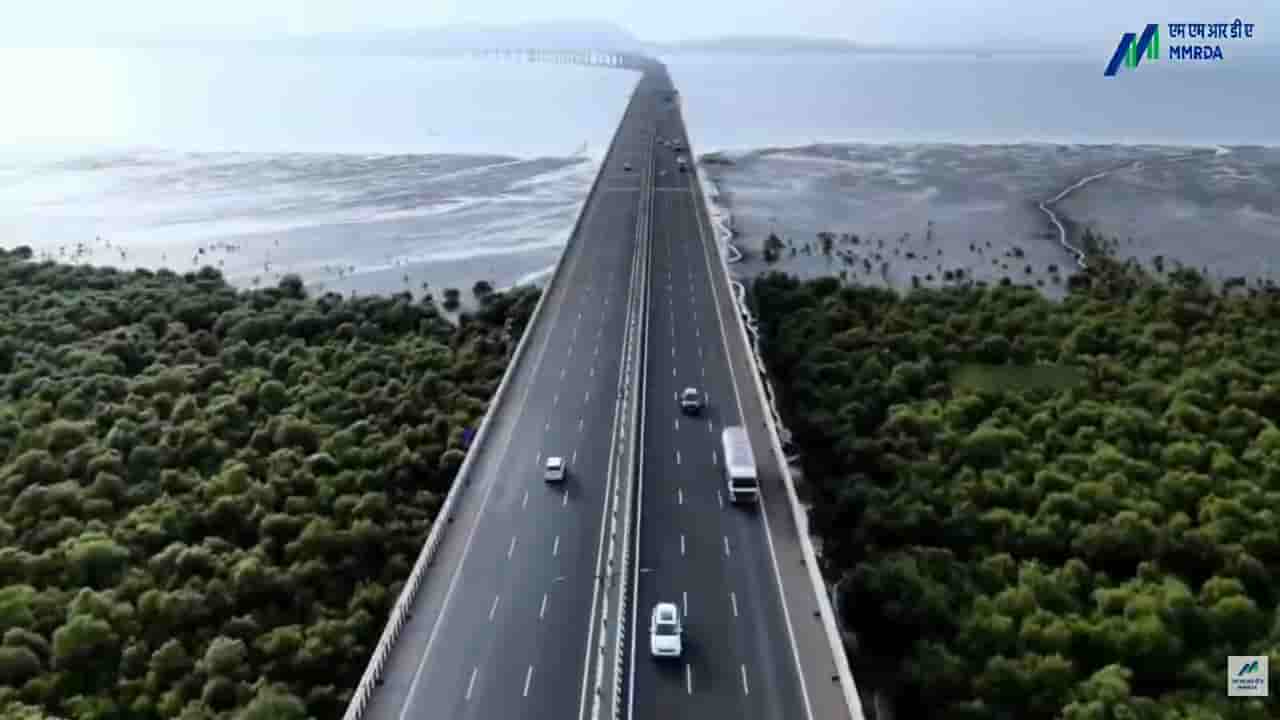
The Atal Setu, officially known as the Mumbai Trans Harbour Link, is one of India’s most remarkable infrastructure achievements. Connecting Mumbai with Navi Mumbai, this sea bridge has significantly transformed travel across the Mumbai Metropolitan Region.
Inaugurated in January 2024, the project stands as India’s longest sea bridge and represents a major milestone in enhancing urban mobility, reducing congestion, and supporting economic growth in one of the country’s busiest regions.
Project Overview
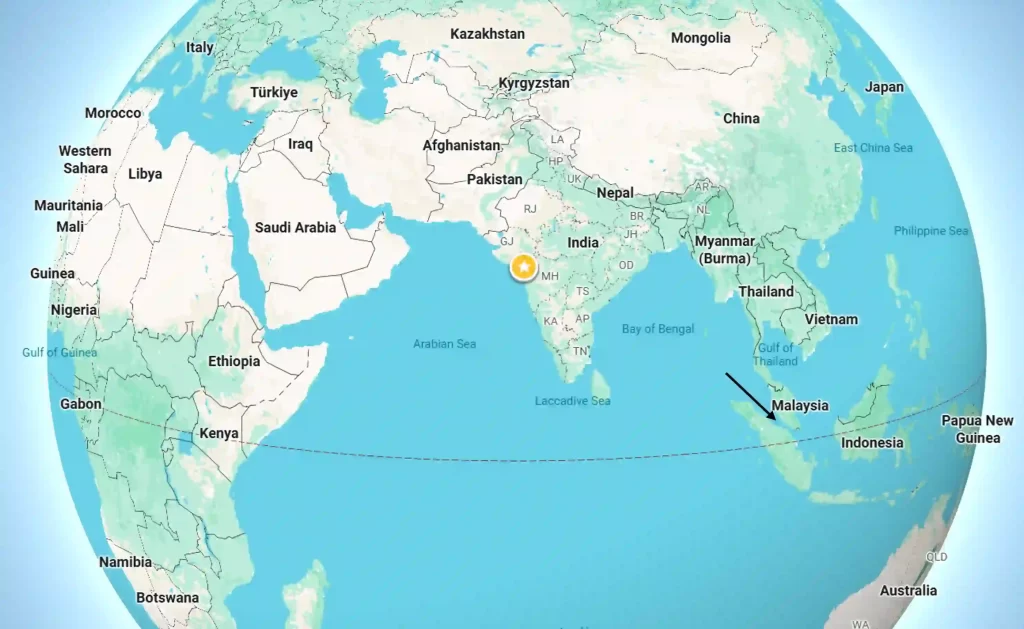
The Atal Setu stretches approximately 21.8 kilometres, of which around 16.5 kilometres lies over the Arabian Sea. Developed by the Mumbai Metropolitan Region Development Authority, the bridge connects Sewri in Mumbai to Nhava Sheva in Navi Mumbai.
Designed as a six-lane access-controlled expressway, the bridge allows high-speed travel and provides a direct link between South Mumbai and key areas such as:
- Navi Mumbai
- Jawaharlal Nehru Port Trust
- Navi Mumbai International Airport (upcoming)
This strategic alignment makes the bridge a critical infrastructure asset for both passenger and cargo movement.
Need and Strategic Importance
Before the construction of Atal Setu, connectivity between Mumbai and Navi Mumbai relied heavily on longer routes via Thane or Vashi, often leading to heavy congestion and extended travel times.
The bridge was conceptualised to:
- Provide a faster alternative route
- Reduce traffic burden on existing corridors
- Improve connectivity to ports and upcoming infrastructure projects
It is expected to reduce travel time between Sewri and Nhava Sheva from nearly two hours during peak traffic to about 20 minutes.
Engineering Excellence and Design
Special materials and coatings were used to ensure durability and long-term performance.
Intelligent Transport Systems
The bridge is equipped with modern traffic management systems, including:
- Speed monitoring cameras
- Emergency response systems
- Surveillance infrastructure
These features enhance safety and ensure smooth traffic flow.
Safety Restrictions
To maintain safety, certain categories of vehicles such as two-wheelers, auto-rickshaws, and tractors are restricted from using the bridge.
Economic and Urban Impact
The Atal Setu is expected to play a transformative role in the economic and urban development of the Mumbai Metropolitan Region.
Boost to Logistics and Trade
With improved access to Jawaharlal Nehru Port Trust, India’s largest container port, the bridge enhances the efficiency of cargo transportation and logistics operations.
Real Estate and Urban Expansion
The project is expected to accelerate development in Navi Mumbai, making it a more attractive destination for residential and commercial investment.
Airport Connectivity
The bridge provides seamless access to the upcoming Navi Mumbai International Airport, strengthening regional connectivity.
The Atal Setu is a testament to advanced engineering and modern construction techniques.
Sea Bridge Construction
Building a long bridge over open sea posed several challenges, including:
- Strong tidal currents
- Corrosion due to saline conditions
- Environmental constraints
Environmental Considerations
Given its location over the sea, the project required careful environmental planning.
Measures included:
- Minimising impact on marine ecosystems
- Monitoring coastal biodiversity
- Adhering to environmental regulations
Despite these efforts, environmental concerns were raised during the planning and construction phases, particularly regarding potential effects on marine life.
Challenges During Construction
The construction of Atal Setu involved multiple challenges:
- Working in deep-sea conditions
- Managing logistics for large-scale construction
- Ensuring minimal disruption to shipping routes
- Delays due to environmental clearances and pandemic-related disruptions
Despite these obstacles, the project was completed through coordinated efforts and advanced engineering solutions.
Integration with Other Infrastructure Projects
The Atal Setu is part of a broader infrastructure network aimed at improving connectivity in the Mumbai region. It complements:
- Mumbai Coastal Road Project
- Navi Mumbai International Airport
- Existing highway and rail networks
This integrated approach enhances overall transport efficiency and supports regional growth.
Final Perspective
The Atal Setu stands as a landmark achievement in India’s infrastructure development, symbolising innovation, scale, and ambition. By drastically reducing travel time and improving connectivity between Mumbai and Navi Mumbai, it has reshaped commuting patterns and opened new avenues for economic expansion.
More than just a bridge, Atal Setu represents a critical link in India’s journey towards building world-class infrastructure that supports both urban growth and national development.